
India’s rapid growth can be explained by
A) reduced regulations and market-based reforms.
B) investment in human capital from 1947 through 2013.
C) the movement of workers from the agricultural sector to the manufacturing sector.
D) an increase in labor force participation.
Assume that the price for swimming pool maintenance services has risen and sales of
these services have fallen. One can conclude that
A) the law of supply has been violated.
B) the demand for swimming pool maintenance services has increased.
C) the supply of swimming pool maintenance services has decreased.
D) swimming pool maintenance services are becoming more technologically advanced.
In 2002, the Enron corporation was accused of falsifying information regarding
liabilities on Enron’s balance sheets, thereby
A) increasing Enron’s assets on the balance sheet.
B) reducing Enron’s profit on the balance sheet.
C) increasing Enron’s net worth on the balance sheet.

D) reducing Enron’s net income on the income statement.
Marla is an architect who is designing a home for Chuck. Chuck is paying Marla $150
per hour to design his new home. When Chuck and Marla get married, Marla continues
to work on designing the home, but she no longer charges Chuck for her work. As a
result, GDP ________ because ________.
A) falls; Marla’s work takes place in the underground economy once she’s married
B) falls; Marla’s work becomes less valuable once she’s married
C) falls; Marla’s architectural design services are no longer bought by Chuck once
they’re married
D) rises; Marla becomes more productive once she’s married
If real GDP in 2013 (using 2009 prices) is lower than nominal GDP of 2012, then
A) prices in 2013 are lower than prices in 2012.
B) nominal GDP in 2013 equals nominal GDP in 2012.
C) prices in 2013 are higher than prices in 2012.
D) real GDP in 2013 is larger than real GDP in 2012.

Suppose a large firm allows its employees to choose whether to participate in its health
insurance plan. The firm is trying to decide between two plans: Plan I has a low
monthly premium but a high deductible, and Plan II has a high monthly premium but a
low deductible. Under which plan is adverse selection likely to be a bigger problem?
A) Plan I because it is likely to draw participants who expect high medical costs. This
group expects to consume much health care services and therefore prefer low
deductibles.
B) Plan II because it is likely to draw participants who expect high medical costs.
Healthy individuals who do not expect to consume much health care services will not
be willing to pay the high premiums.
C) Plan I because it is likely to draw the relatively healthy employees who do not
expect to spend much on health care. Because the monthly premiums are low, the
insurance company has to bear a bigger financial burden in the event of serious
illnesses.
D) Plan II because it is likely to draw employees who tend to over-consume health care
services because of the low deductible. Insurance companies are likely to end up paying
out more claims than the premiums they collect.
The graph below represents the market for alfalfa. The equilibrium price is $7.00 per
bushel, but the market price is $9.00 per bushel. Identify the areas representing
consumer surplus, producer surplus, and deadweight loss at the equilibrium price of
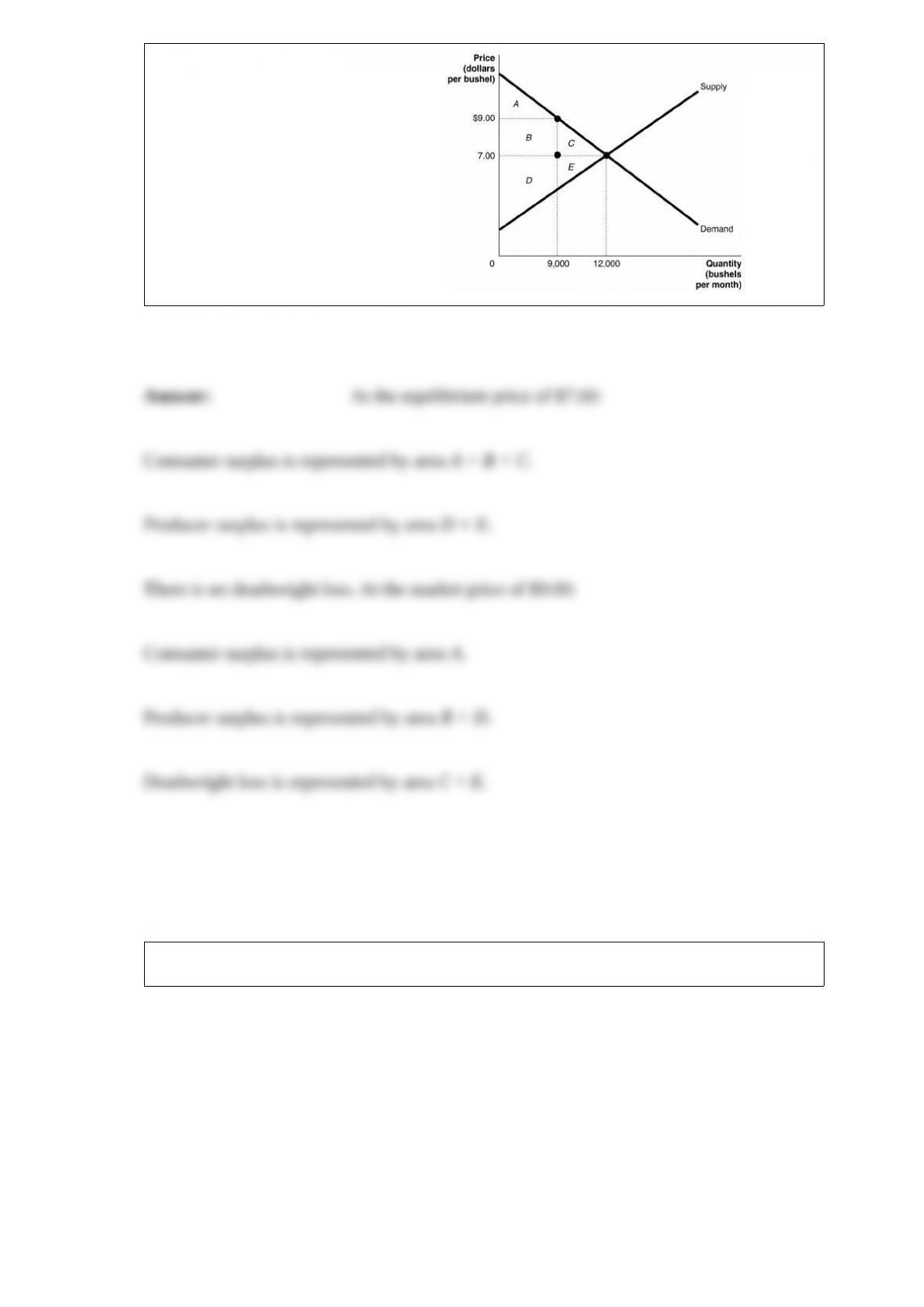
$7.00 and at the market price of $9.00.
Figure 12-9

Figure 12-9 shows cost and demand
curves facing a profit-maximizing, perfectly competitive firm.
Identify the short-run shut down point for the firm.
A) a
B)
C) c
D) d
In the United States in 2012, the percentage of people without any form of health
insurance was about
A) 16%.
B) 29%.
C) 64%.
D) 83%.
By the height of the housing bubble in 2005 and early 2006, lenders had greatly
loosened the standards for obtaining a mortgage loan, with many mortgages being
granted to sub-prime borrowers ________ and “Alt-A” borrowers ________.
A) with flawed credit histories; who did not document their incomes
B) who borrowed money at rates below the prime interest rate; who had AAA credit
ratings
C) who borrowed more than 120 percent of the value of the house; with no proof of
U.S. citizenship
D) who purchased homes in depressed housing markets; who purchased homes which
were repossessed by government agencies.
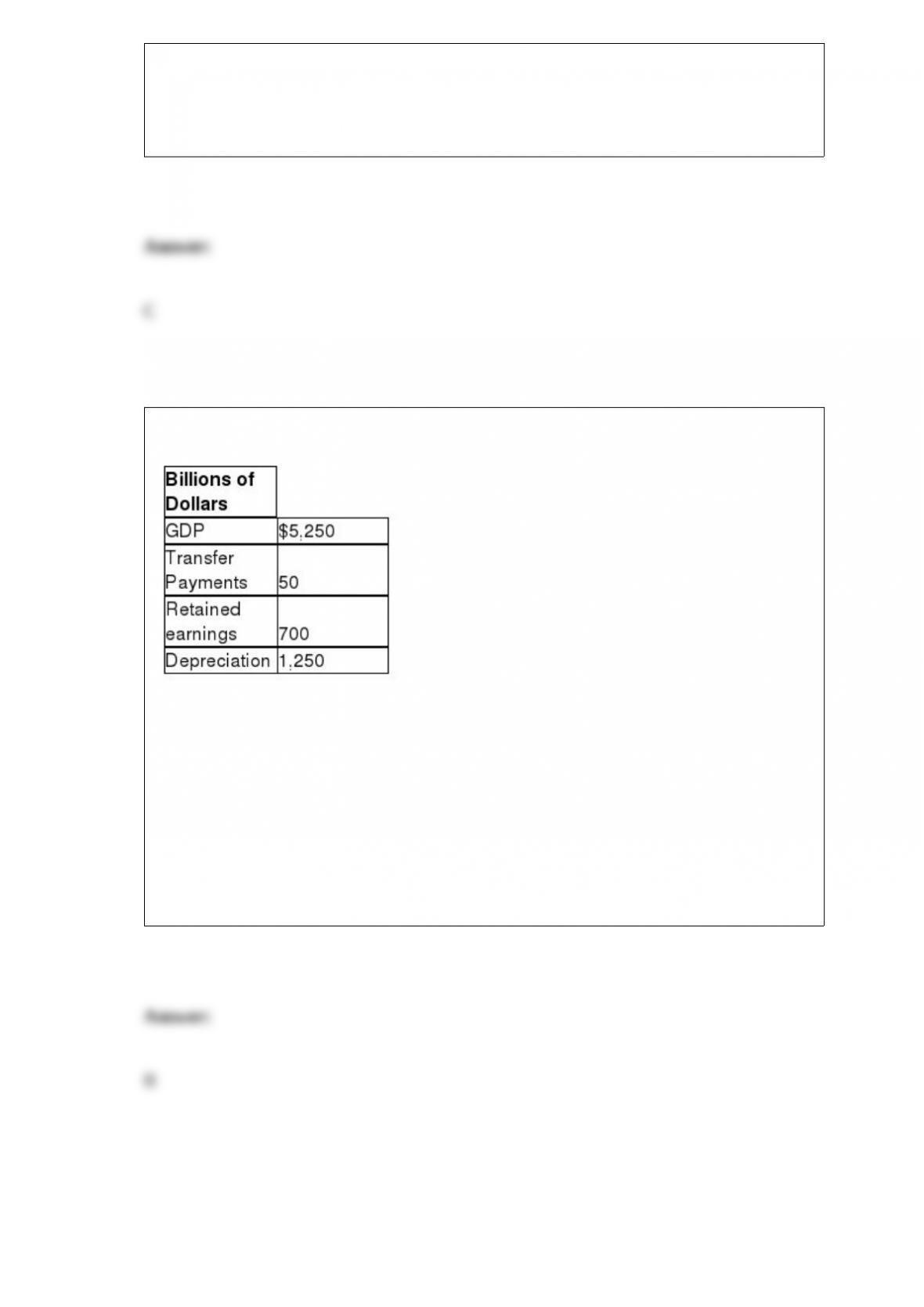
Figure 4-4 Figure 4-4 shows the market for tiger
shrimp. The market is initially in equilibrium at a price of $15 and a quantity of 80.
Now suppose producers decide to cut output to 40in order to raise the price to $18.
At the equilibrium price of $15 consumers are willing to buy 80pounds of tiger shrimp.
Is this an economically efficient quantity?
A) No, the marginal benefit of the 80th unit exceeds the marginal cost of the 80th unit.
B) Yes, because marginal cost is zero at the 80th unit.
C) Yes, because $15 is the price where the marginal benefit is equal to the marginal
cost.
D) No, the marginal cost of the 80th unit exceeds the marginal benefit of the 80th unit.
Table 8-29
Based on the table above, what is national income for this economy?
A) $4,700 billion
B) $4,000 billion
C) $3,150 billion
D) $2,450 billion