Exam
Name___________________________________
MULTIPLE CHOICE. Choose the one alternative that best completes the statement or answers the question.
Evaluate the polynomial.
1)
8x2– 10x + 3 for x =3
1)
A)
–3
B)
41
C)
45
D)
35
Divide and simplify.
2)
48a20x10
6a10x2
2)
A)
8a2x12
B)
8x5
C)
8a10x8
D)
42a20x8
Perform the division.
3)
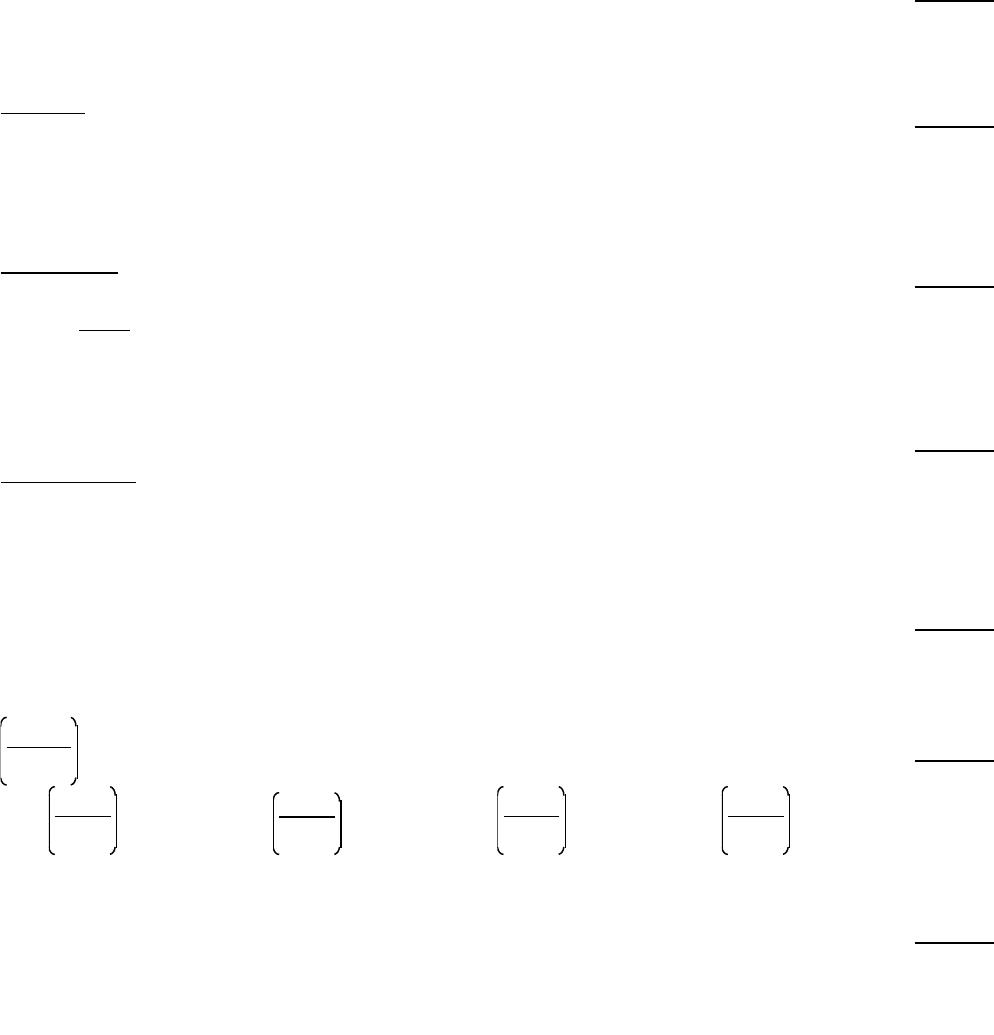
y2+ 8y + 16
y + 4
3)
A)
y +4
y + 4
B)
y + 4
C)
y2+ 4
D)
y – 4
Add.
4)
2n7– 9n6– 8
+4n7+ 6n6– 5
4)
A)
–4n7+ 8n6– 14
B)
6– 3n7– 13n6
C)
6n7– 3n6– 13
D)
–10n13
Evaluate.
5)
(–4)1
5)
A)
4
B)
–1
C)
5
D)
–4
Simplify.
6)
4p–4q
2–1m3
2
6)
A)
64q2
p8m6
B)
8
p8m6
C)
8q2
p4m3
D)
64q8q
m6
Find the product.
7)
4ax5(–3ax6– 11x2– 1)
7)
A)
–12a2x11 – 11x2– 1
B)
–12ax6– 44x2– 4
C)
–12a2x11 – 44ax7
D)
–12a2x11 – 44ax7– 4ax5
1
Simplify using the quotient rule, if possible.
8)
a10
b4
8)
A)
(ab)14
B)
a
b6
C)
(a – b)6
D)
Cannot be simplified
Add.
9)
6x9+ 8x8– 8x7+ 8 and 7x9+ 2x8– 4x7– 3
9)
A)
11x48 + 5
B)
13x18 + 10x16 – 12x14 + 5
C)
13x9+ 10x8– 12x7+ 5
D)
10x9+ 10x8+ 3x7+ 15
Remove the parentheses and simplify, if possible.
10)
(3y2+ 14y – 10) – (–19y + 9y2– 17)
10)
A)
–6y2+ 23y – 27
B)
–6y2+ 33y – 27
C)
34y
D)
–6y2+ 33y + 7
Evaluate.
11)
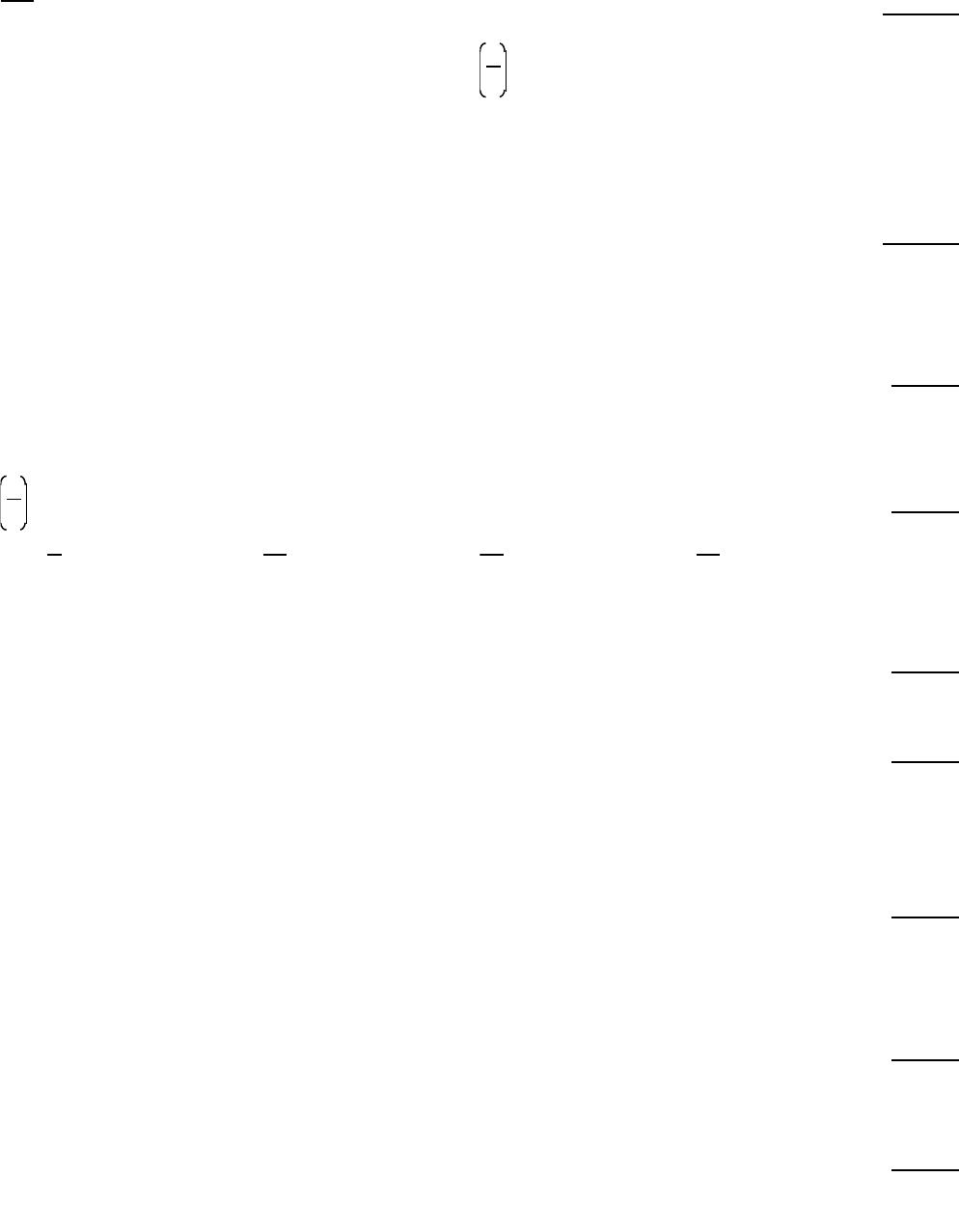
2
72
11)
A)
4
7
B)
4
49
C)
2
49
D)
4
14
Combine like terms. Then write the polynomial in descending order of powers.
12)
0.9y + 0.2y2
12)
A)
0.2y2+ 0.9y
B)
0.9y + 0.2y2
C)
7y3
D)
9y2– 2y
13)
8x8+ 2x4+ 7x8
13)
A)
17x20
B)
Cannot be simplified
C)
17x4
D)
15x8+ 2x4
Subtract.
14)
–5+ 4x5+ 9x6– 9x4from –5x4+ 3x6+ 7 – 9x5
14)
A)
–6x6– 5x5– 14x4+ 2
B)
12x6– 5x5– 14x4+ 2
C)
12x6– 5x5– 14x4+ 12
D)
–6x6– 13x5+ 4x4+ 12
Indicate whether the expression is a polynomial or not a polynomial.
15)
–7z5– 8z–4– 8z3+ 12
15)
A)
Not a polynomial
B)
Polynomial
Simplify.
16)
(x2+ 7)2
16)
A)
x4+ 14x2+49
B)
x4+ 7x2+49
C)
x4+ 7x +49
D)
x4+49
2

Solve the problem.
17)
The number (in thousands) of male employees working for a certain company can be
approximated by –0.1x2+7.2x +6.2, where x represents the number of years since the company
first opened. The corresponding polynomial for female employees is 3.9x – 1. Find the polynomial
that represents, for a given year, how many more male employees than female employees there
were.
17)
A)
(–0.1x2+11.1x +5.2) thousand
B)
(–0.1x2+11.1x +7.2) thousand
C)
(–0.1x2+3.3x +7.2) thousand
D)
(–0.1x2+3.3x +5.2) thousand
Rewrite as an expression using only positive exponents.
18)
2
x–2
18)
A)
2
x2
B)
2x2
C)
2x–2
D)
2x2
Write the number without exponents.
19)
1.92 × 10⁵
19)
A)
96
B)
1,920,000
C)
192,000
D)
19,200
Perform the indicated operation. Write the answer in scientific notation.
20)
(1.4 ×10⁻⁷)(1.7 ×10⁻⁹)
20)
A)
3.1 ×10¹⁶
B)
2.38 ×10⁻²
C)
2.38 ×10¹⁶
D)
2.38 ×10⁻¹⁶
Simplify the expression. Use positive exponents. Assume variables represent nonzero real numbers.
21)
(–6)(–6)4(–6)(–6)(–6)3
21)
A)
(–6)10
B)
–610
C)
(–6)12
D)
(–6)7
Divide and simplify.
22)
–x8y2z5
x5y8z2
22)
A)
–x3z3
y6
B)
–x3y6
z3
C)
x3y6z3
D)
y6
x3z3
Solve the problem.
23)
The percent of households with internet access is approximated by 5x + 2, where x represents the
number of years since the last census. Estimate the percent of households with internet access 5
years after the census.
23)
A)
23%
B)
27%
C)
50%
D)
7%
Simplify.
24)
(2 + 5x4)2
24)
A)
25x16 + 20x4+4
B)
25x8+ 10x4+4
C)
25x8+ 20x4+4
D)
25x8+4
3
Identify the constant term, leading term, and leading coefficient of the polynomial.
25)
–x –4x2–3x3–2x5+3
25)
A)
3 ; 2x5 ; 2
B)
–3 ; –2x5 ; –2
C)
–2 ; –x ; –1
D)
3 ; –2x5 ; –2
Perform the division.
26)
x4– 81
x + 3
26)
A)
x3+ 3x2+ 9x + 27
B)
x3+ 3x2– 9x + 27
C)
x3– 3x2+ 9x – 27
D)
x2+ 3x + 9
Write the number in scientific notation.
27)
.00000042607
27)
A)
4.2607 × 10⁷
B)
4.2607 × 10⁻⁷
C)
4.2607 × 10⁶
D)
4.2607 × 10⁻⁶
Combine like terms and write the resulting polynomial in descending order of powers.
28)
–6m2–3m4+3+m2–7m3–10 +14m +9m4
28)
A)
9m7–5m3–3
B)
6m4–7m3–5m2+14m –7
C)
7m4–7m3+14m –9
D)
–6m4–7m3+6m2+14m –8
Indicate whether the expression is a polynomial or not a polynomial.
29)
13y6+ 7
29)
A)
Polynomial
B)
Not a polynomial
Remove the parentheses and simplify, if possible.
30)
(10n + 5n6+ 8n3) – (–13n3+ 7n6– 5n)
30)
A)
34n10
B)
–2n6+ 21n3+ 5n
C)
–2n6+ 15n3+ 5n
D)
–2n6+ 21n3+ 15n
Evaluate.
31)
–1
53
31)
A)
–1
15
B)
–1
125
C)
1
15
D)
1
125
Multiply.
32)
(7x)(x + 2)(x – 3)
32)
A)
7x3– 7x2– 42x
B)
7x3–x2– 6x
C)
7x3– 42x
D)
7x2– 7x – 42
Write the number in scientific notation.
33)
.000000078708
33)
A)
7.8708 × 10⁸
B)
7.8708 × 10⁻⁹
C)
7.8708 × 10⁻⁸
D)
7.8708 × 10⁻⁷
Write the polynomial in descending order and identify its degree.
34)
9– 8x2+ 6x6– 3x3+ x
34)
A)
6x6– 3x3– 8x2+ x + 9 ; degree 6
B)
6x6+ x – 3x3– 8x2+ 9 ; degree 6
C)
9– 8x2+ 6x6– 3x3+ x ; degree 6
D)
9+ x – 8x2– 3x3+ 6x6 ; degree 6
4

Multiply.
35)
(5x + 1)(4x – 6)
35)
A)
9x2– 26x – 6
B)
20x2– 26x – 26
C)
9x2– 26x – 26
D)
20x2– 26x – 6
Simplify.
36)
(–35)3
36)
A)
–6561
B)
–14,348,907
C)
14,348,907
D)
6561
37)
4x +24x(5x2– 5x – 9)
37)
A)
120x3– 120x2+4x
B)
120x3– 120x2– 212x
C)
120x3– 120x2+216x
D)
120x3+ 120x2–220x
Evaluate.
38)
120
38)
A)
–1
B)
12
C)
1
D)
0
Identify the missing terms of the polynomial.
39)
13a5+3a2–5a
39)
A)
0a4, 0a3, 0a0
B)
0a3, 0a0
C)
0a4, 0a3
D)
0
Perform the division.
40)
5x2– 18x – 8
x – 4
40)
A)
5x – 2
B)
5x2+ 18
C)
x – 18
D)
5x + 2
Multiply.
41)
(x –12)(x2+2x –5)
41)
A)
x3+14x2+19x –60
B)
x3+14x2+29x +60
C)
x3– 10x2– 19x –60
D)
x3– 10x2–29x +60
Find the product.
42)
(x + 10)(x – 10)
42)
A)
x2+ 20x – 100
B)
x2– 20x – 100
C)
x2– 20
D)
x2– 100
Simplify using the quotient rule, if possible.
43)
x11
x4
43)
A)
1
x7
B)
x7
C)
x11 –x4
D)
x15
Write the number without exponents.
44)
5.504 × 10⁵
44)
A)
550,400
B)
5,504,000
C)
275.2
D)
55,040
5
Multiply.
45)
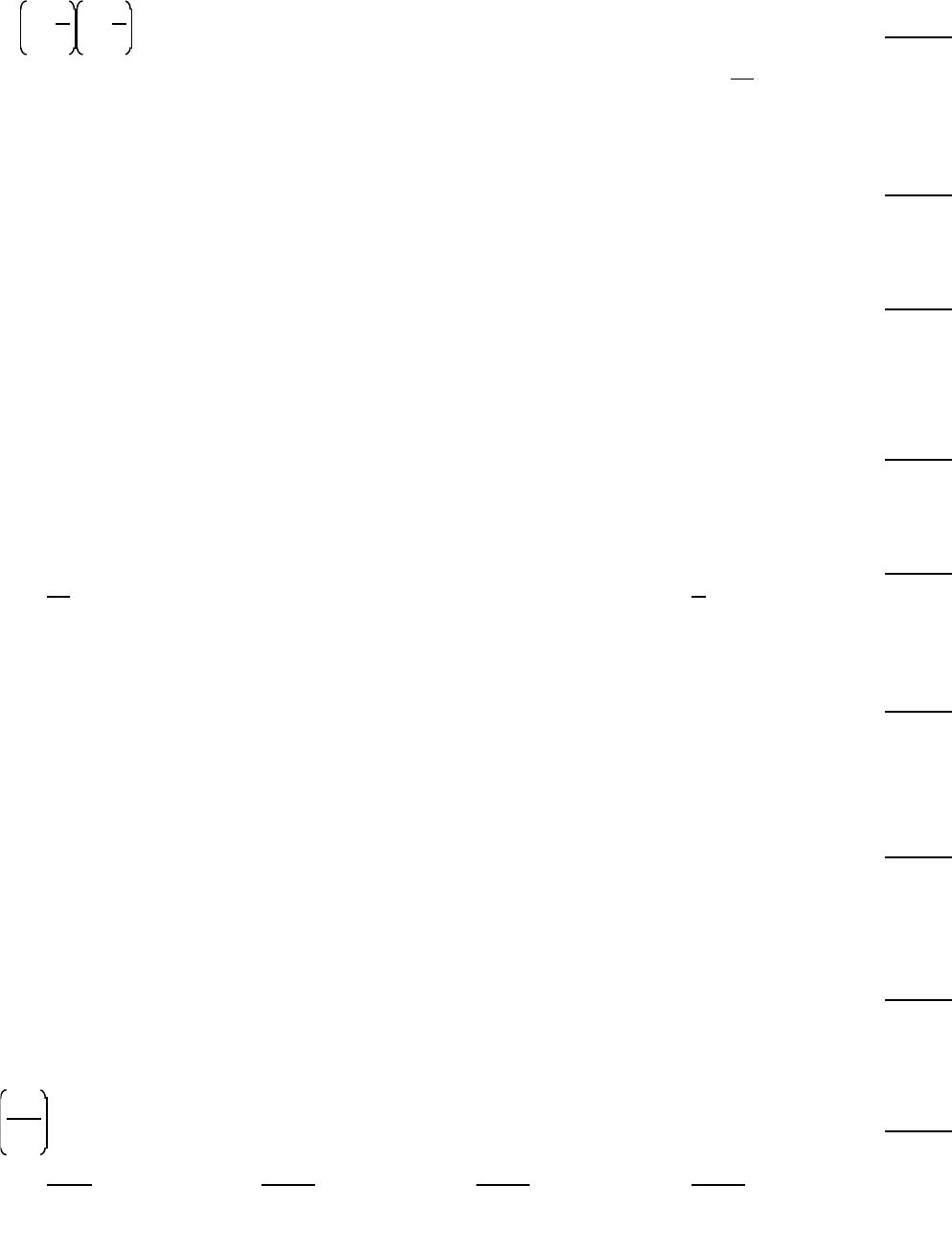
x3x +1
4x –1
4
45)
A)
x7– 4x – 8x3
B)
x2– 4x3
C)
x5+ 4x – 8x3
D)
x5–1
16 x3
Simplify.
46)
(9t)4
46)
A)
6561t
B)
36t4
C)
6561t4
D)
9t4
Combine like terms. Then write the polynomial in descending order of powers.
47)
–11m7+ 14m3– 12m2+ 9m7– 13m3
47)
A)
Cannot be simplified
B)
9m12
C)
–2m7+ 1m3– 12m2
D)
108m
Perform the indicated operation. Write the answer in scientific notation.
48)
(7.2 × 10–2) × (3.5 x 103)
48)
A)
2.520 × 10⁻²
B)
2.520 × 10⁻⁶
C)
2.520 × 10²
D)
2.5 × 10⁻²
Simplify.
49)
2c0f–1
49)
A)
2c
f
B)
0
C)
–2f
D)
2
f
Combine like terms. Then write the polynomial in descending order of powers.
50)
–6m6+ 8m6+ 3m6+ 2m6
50)
A)
42m
B)
7m24
C)
Cannot be simplified
D)
7m6
Find the product.
51)
(6y + x)(6y – x)
51)
A)
36y2+ 12xy – x2
B)
12y2– x2
C)
36y2– x2
D)
36y2– 12xy – x2
Identify the constant term, leading term, and leading coefficient of the polynomial.
52)
5x6–9x7+10x2–8
52)
A)
–8 ; –9x7; –9
B)
–7 ; 5x6 ; 5
C)
7; 9x7 ; 9
D)
7; 5x6 ; 5
Simplify.
53)
x3y
z3
5
53)
A)
x8y5
z8
B)
x15y5
z15
C)
x5y15
z15
D)
x15y5
z3
6

Write the number in scientific notation.
54)
4,766,730
54)
A)
4.76673 × 10⁷
B)
4.76673 × 101
C)
4.76673 × 10⁻⁶
D)
4.76673 × 10⁶
Find the product.
55)
7ax5(–3ax3– 6x2+ 3a)
55)
A)
–21a2x8– 42ax7
B)
–21a2x8– 6x2+ 3a
C)
–21a2x8– 42ax7+ 21a2x5
D)
–21ax3– 42x2+ 21a
Multiply.
56)
(–4x4)(–3x4)
56)
A)
12x8
B)
–7x16
C)
–12x16
D)
–7x8
Subtract.
57)
19n6+ 3n7– 4n from –2n + 6n7+ 8n6
57)
A)
3n7– 11n6– 6n
B)
3n7– 11n6+ 2n
C)
–6n14
D)
3n7+ 11n6– 6n
Perform the division.
58)
x2– 4
x + 2
58)
A)
x2– 2
B)
x – 2
C)
x – 4
D)
x + 4
Express using positive exponents. Then, if possible, simplify.
59)
–5–4
59)
A)
1
625
B)
625
C)
–1
625
D)
–625
Multiply.
60)
(5x – 9)(4x – 6)
60)
A)
9x2– 66x – 66
B)
20x2– 66x + 54
C)
20x2– 66x – 66
D)
9x2– 66x + 54
Express using positive exponents. Then, if possible, simplify.
61)
(–3)–2
61)
A)
1
9
B)
9
C)
–9
D)
–1
9
Rewrite as an expression using only positive exponents.
62)
z–9
z–5
62)
A)
z4
B)
1
z4
C)
1
z–4
D)
z14
63)
x3y–4
63)
A)
–x8y9
B)
x3
y4
C)
x8
y9
D)
x4y3
7

Simplify.
64)
(–3rt)–7
64)
A)
–2187r7t7
B)
1
3r7t7
C)
1
2187r7t7
D)
–1
2187r7t7
Subtract.
65)
3x4+ 5x3+ 5
–(x4– 3x3+x2– 7x )
65)
A)
2x4+2x3–x2–7x +5
B)
2x4+8x3–x2+7x +5
C)
2x4+8x3+x2–7x +5
D)
2x4+8x3+x2–2x
Perform the division. Write the answer with positive exponents.
66)
–30x6– 10x5– 35x4
–5x5
66)
A)
6x – 10x5+7
x
B)
6x + 2
C)
6x + 2 +7
x
D)
13x + 2
Divide.
67)
30s3–15s2+30s
–5s
67)
A)
–6s3+3s2–6s
B)
6s3–3s2+6s
C)
–6s2+3s –6
D)
6s2–3s +6
Combine like terms and write the resulting polynomial in descending order of powers.
68)
8a9– 2a9+ 4a5+ 15a9– 11a5
68)
A)
14a9
B)
14a14
C)
Cannot be simplified
D)
21a9– 7a5
Identify the missing terms of the polynomial.
69)
–3a4–14a2+6a
69)
A)
0a3
B)
0a3, 0a0
C)
0a0
D)
–0a3
Solve the problem.
70)
The distance in feet it takes a car traveling at x mph to come to a full stop after hitting the brakes is
given by 1.25x2+0.054 x. Find the stopping distance for a speed of 50 mph. Round to the nearest
foot.
70)
A)
3116 ft
B)
2 ft
C)
3152 ft
D)
3128 ft
Identify the constant term, leading term, and leading coefficient of the polynomial.
71)
5a2+17a5–8a
71)
A)
0 ; 17a5 ; 17
B)
–8 ; 5a2 ; 17
C)
0 ; –8a5 ; –8
D)
17 ; –8a ; –8
Write the number in scientific notation as it would be displayed on a calculator.
72)
0.000000279015
72)
A)
2.79015E7
B)
2.79015E6
C)
2.79015E–6
D)
2.79015E–7
8

Simplify.
73)
(4p –10pq)(4p2) – (–15p3q + 8q2) – 21
73)
A)
16p3–25p3q – 8q2
B)
16p3–25p3q – 8q2– 21
C)
16p3+25p3q – 8q2– 21
D)
4p3–25p3– 8q2– 21
Identify the constant term, leading term, and leading coefficient of the polynomial.
74)
4t6+5t3+5–2t2
74)
A)
5 ; 5t3 ; 5
B)
–5 ; 4t6 ; 4
C)
5 ; 4t6 ; 4
D)
5 ; –2t2 ; –2
Solve the problem.
75)
Investment brokers use the formula A= P(1+ r )t for the amount of money A in a client’s account
that earns compound interest. In this formula, P is the principal (the original amount of money that
the client invested), r is the rate of return per time period and t is the number of time periods that
the money has been invested.
If P =$450, is deposited in an account that pays r =0.01 annual interest, then calculate the amount
of money in the account after n =5 years .
75)
A)
$572.95
B)
$19,394,091,390,110.91
C)
$2272.50
D)
$472.95
Combine like terms. Then write the polynomial in descending order of powers.
76)
–9z5+ 6z6
76)
A)
6z6– 9z5
B)
–3z11
C)
–3z5
D)
–3z6
Solve the problem.
77)
A computer compiles a program in 0.00000459 seconds. Write this time in scientific notation.
77)
A)
4.59 ×10⁵ sec
B)
4.59 ×10⁻⁷ sec
C)
4.59 ×10⁻⁸ sec
D)
4.59 ×10⁻⁶ sec
Multiply.
78)
(–x)(x –7y)(x –9y)
78)
A)
–x3–16x2y +63xy2
B)
–x3+16x2y –63xy2
C)
–x2+16xy –63y2
D)
–x3–16xy +63y2
Write the number in scientific notation.
79)
549.434
79)
A)
5.49434 × 10⁻²
B)
5.49434 × 10⁻³
C)
5.49434 × 10³
D)
5.49434 × 10²
Solve the problem.
80)
If the density of a substance is 8.15 ×10⁻⁴ tons per cubic foot, what would be the mass of 9.92 ×
10–6 cubic feet of this substance. (Use the formula D =M
V and round to the nearest hundredth, if
necessary.)
80)
A)
8.08 ×10⁻⁸ tons
B)
8.08 ×10⁻¹⁰ tons
C)
0.81 ×10⁻⁹ tons
D)
8.08 ×10⁻⁹ tons
Evaluate.
81)
(–5)2
81)
A)
25
B)
–25
C)
–12
D)
12
9
Solve the problem.
82)
The mass of an electron is approximately 9.11 ×10⁻²⁸ grams. Find the mass of 509,000,000
electrons.
82)
A)
4.63699 ×10⁻¹⁹ grams
B)
4.63699 ×10⁻¹⁷ grams
C)
4.63699 ×10⁻¹⁸ grams
D)
4.63699 ×10⁻²⁰ grams
Simplify.
83)
c +9
72
83)
A)
c2+18
7c +81
49
B)
c2+18
7
C)
c2+81
49
D)
2c +18
7c +18
7
Perform the division.
84)
(7m2+ 40m – 63) ÷ (m + 7)
84)
A)
m – 9
B)
7m + 9
C)
7m – 9
D)
7m – 9 +2
m – 9
Simplify.
85)
5x +10x(5x2– 6x – 9) + (–8x + 1)
85)
A)
50x3– 93x + 1
B)
50x3– 60x2– 93x
C)
50x3– 60x2– 93x + 1
D)
50x3– 60x2+ x + 1
Identify the constant term, leading term, and leading coefficient of the polynomial.
86)
–5x2+2x3+7x4+4
86)
A)
4 ; 7x4 ; 7
B)
4 ; –5x2 ; 5
C)
–5 ; 2x3 ; 2
D)
0 ; –5x2 ; –5
Simplify.
87)
a3
b4
3
87)
A)
a12
b9
B)
a4
b12
C)
a9
b12
D)
a9
b4
Remove the parentheses and simplify, if possible.
88)
(2y2– 6y) + (2y – 6) + (3y2+ 4)
88)
A)
5y2– 8y + 10
B)
5y2– 4y + 10
C)
5y2– 8y – 2
D)
5y2– 4y – 2
Identify the missing terms of the polynomial.
89)
5x2+6x
89)
A)
0x0
B)
0x2
C)
–4
D)
0x1
Simplify using the product rule, if possible.
90)
x7·x8
90)
A)
x56
B)
(2x)15
C)
(2x)56
D)
x15
10

Perform the division.
91)
(8x2+ 18x + 7) ÷ (2x + 1)
91)
A)
8x + 7
B)
x + 7
C)
7x + 1
D)
4x + 7
Simplify using the quotient rule, if possible.
92)
516
54
92)
A)
54
B)
516 –54
C)
1
512
D)
512
Write the polynomial in descending order and identify its degree.
93)
6z6+ 9z7
93)
A)
6z6+ 9z7; degree: 7
B)
15z13 ; degree: 6
C)
15z9; degree: 6
D)
9z7+ 6z6; degree: 7
Write the number without exponents.
94)
2.707× 10⁻⁵
94)
A)
.00002707
B)
.0002707
C)
–270,700
D)
.000002707
Perform the division.
95)
x4– 1
x2– 1
95)
A)
x2+6x – 1
B)
x2
C)
x2– 1
D)
x2+ 1
Find the product.
96)
11a3x8(2a6x9+ 4x4– 8a)
96)
A)
22a9x17 + 44a3x12 – 88a4x8
B)
22a9x17 + 44a3x12 – 8a
C)
22a6x9+ 44x4– 88a
D)
22a9x17 + 4x4– 8a
Multiply.
97)
(5m)(3m + 1)(3m – 1)
97)
A)
45m3–5m
B)
45m3+5m2–5m
C)
45m2–5
D)
45m3–m2
Solve.
98)
Linda bought a parcel of land for $80,000. Its value is expected to increase by about $900 per year.
Her sister, Sally, bought a house for $180,000. The value of Sally’s house is expected to increase by
about $1700 per year. Write an expression that represents the combined value of Linda’s land and
Sally’s house after x years.
98)
A)
(260,000x +2600) dollars
B)
(80,900x +181,700) dollars
C)
(80,900 +181,700x) dollars
D)
(2600x +260,000) dollars
Evaluate.
99)
–92
99)
A)
–81
B)
81
C)
–18
D)
–729
11

Simplify.
100)
b4·b
100)
A)
b4
B)
b5
C)
(2b)5
D)
4b
101)
10 +3xy +12xy(4x2– 9y – 9) – 11y2
101)
A)
48x3y + 108xy2+ 11y2– 105xy + 10
B)
48x3y – 108xy2– 11y2– 105xy + 10
C)
48x3y – 11y2+ 111xy + 10
D)
48x3y – 108xy2– 11y2– 105xy
102)
n
53
102)
A)
n3
9
B)
n3
125
C)
n3
15
D)
n3
5
Add.
103)
x3y2+ 2x2y3+ 4xy + 5 and x2y3+ 8x3y2+ 2xy + 4
103)
A)
2x3y2+ 10x2y3+ 6xy + 9
B)
9x3y2+ 3x2y3+ 6xy + 9
C)
9x3y2+ 3x2y3+ 4xy + 9
D)
7x3y2+ 3x2y3+ 6xy + 9
Solve the problem.
104)
A supercomputer carries out 200billion operations per minute. Rewrite this capability in scientific
notation.
104)
A)
2×10⁸ operations per minute
B)
2×10¹² operations per minute
C)
2×10¹⁰ operations per minute
D)
2×10¹¹ operations per minute
Divide and simplify.
105)
25x7y7
–5x3y
105)
A)
5x4y7
B)
–5x4y6
C)
–20x4y7
D)
5x2y7
Perform the indicated operation. Write the answer in scientific notation.
106)
(15.15 × 10⁴) ÷ (5× 10⁶)
106)
A)
6.06 × 10¹⁰
B)
3.03 × 10¹⁰
C)
6.06 × 10⁻²
D)
3.03 × 10⁻²
Classify the polynomial as a monomial, binomial, trinomial, or some other polynomial.
107)
–18x3+ 7x2+ 4x + 4x4+ 3
107)
A)
Monomial
B)
Trinomial
C)
Binomial
D)
Other polynomial
Simplify.
108)
(7a – 1)2
108)
A)
7a2+ 1
B)
49a2– 14a + 1
C)
7a2– 14a + 1
D)
49a2+ 1
12

Combine like terms. Then write the polynomial in descending order of powers.
109)
6x8+ 2x8– 4x8
109)
A)
Cannot be simplified
B)
4x8
C)
4x24
D)
–48x8
Solve the problem.
110)
There are 2.886 ×10⁶ miles of highways, roads, and streets in a certain country. Express this
quantity in standard notation.
110)
A)
2,886,000 mi
B)
288,600 mi
C)
28,860,000 mi
D)
288,600,000 mi
Indicate whether the expression is a polynomial or not a polynomial.
111)
–19c4– 3c3+ 4c2
111)
A)
Polynomial
B)
Not a polynomial
Solve the problem.
112)
A computer compiles a program in 7.554 x 10⁻⁶ seconds. Express this time in standard notation.
112)
A)
0.0000007554 sec
B)
–7,554,000 sec
C)
0.000007554 sec
D)
0.00007554 sec
Simplify using the product rule, if possible.
113)
z8· z
113)
A)
z9
B)
9z
C)
z8
D)
(2z)9
Classify the polynomial as a monomial, binomial, trinomial, or some other polynomial.
114)
8b6– 10b2– 4
114)
A)
Binomial
B)
Trinomial
C)
Monomial
D)
Other polynomial
Perform the division. Write the answer with positive exponents.
115)
18z11 + 24z10 + 9z8+ 6z6+ 5z5
3z8
115)
A)
6z3+ 8z2+ 3
B)
6z3+ 8z2+ 3 +2
z2+5
3z3
C)
6z3+ 24z10 + 9z8+ 6z6+ 5z5
D)
18z11 + 8z2+ 3 +2
z2+5
3z3
Simplify the expression. Use positive exponents. Assume variables represent nonzero real numbers.
116)
53x6
58x3
116)
A)
55
x3
B)
x3
55
C)
3
5
D)
5
x
Multiply.
117)
(2p3r2)(–2p2q2)(–q3r3)
117)
A)
4p6q5r6
B)
4p5q5r5
C)
–4p6q5r6
D)
4p5q5r7
13

Perform the division.
118)
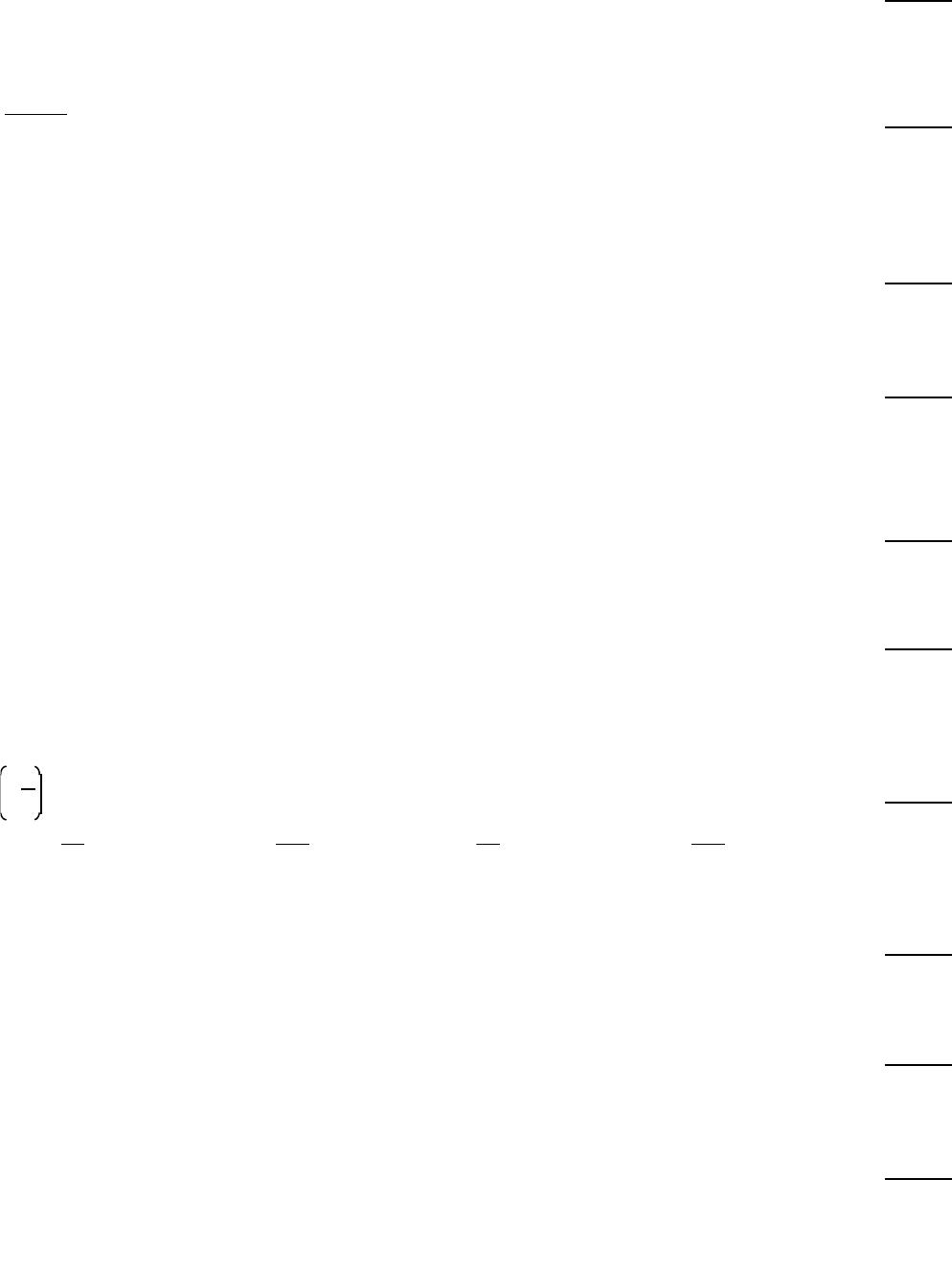
p2+ 3p – 16
p + 6
118)
A)
p – 3
B)
p + 3 +2
p + 6
C)
p – 2 +3
p + 6
D)
p – 3 +2
p + 6
Solve the problem.
119)
The annual wheat production of a particular region can be modeled by the polynomial
(2r3– 5r2– 4r – 32), where r is the number of years since this data was first recorded. The wheat
acreage harvested annually is modeled by (r – 4). Find a polynomial that represents the annual
yield per acre of wheat harvested.
119)
A)
2r2+ 3r + 8
B)
r2+ 8 r + 3
C)
2r2+ 3r +8
r – 4
D)
2r2– 3r – 8
Simplify.
120)
(2x)–3
120)
A)
1
2x3
B)
1
8x3
C)
1
6x3
D)
–1
8x3
Solve the problem.
121)
As the temperature of a light bulb’s filament changes from T1 to T2, the energy that the filament
radiates changes by the quantity a(T1–T2)(T1+T2)(T2
1+T2
2). Multiply to find this change.
121)
A)
aT 4
1
B)
a T4
2
C)
aT 4
1+ a T4
2
D)
aT 4
1– a T4
2
Simplify using the product rule, if possible.
122)
66·62
122)
A)
3612
B)
68
C)
612
D)
368
Write the number in scientific notation.
123)
.0000081218
123)
A)
8.1218 × 10⁻⁶
B)
8.1218 × 10⁻⁵
C)
8.1218 × 10⁻⁷
D)
8.1218 × 10⁶
Remove the parentheses and simplify, if possible.
124)
13a – (10b – c)
124)
A)
13a –10b + c
B)
3ab – c
C)
13a –10b – c
D)
3ab + c
Evaluate the polynomial.
125)
–2x5– 5x4+ 3x3–x2for x = –2
125)
A)
–48
B)
–15
C)
–44
D)
–49
14

Rewrite as an expression using only positive exponents.
126)
y–15
y3
126)
A)
1
y–12
B)
y18
C)
1
y18
D)
y12
Solve the problem.
127)
The polynomial –0.4t2+11t describes the average number of digits that participants in a
memorization experiment were able to recall after t minutes. Find the number of digits recalled
after 7 minutes. Round to the nearest digit.
127)
A)
77 digits
B)
57 digits
C)
97 digits
D)
37 digits
Simplify using the product rule, if possible.
128)
p2· q3· t6
128)
A)
(pqt)36
B)
(pqt)11
C)
(p + q + t)11
D)
Cannot be simplified
Simplify using the quotient rule, if possible.
129)
f8
f0
129)
A)
f7
B)
f8–1
C)
f8
D)
Undefined
Find the product.
130)
(7 m – 10w)(7m + 10w)
130)
A)
7m2– 10w2
B)
49m2+ 140mw – 100w2
C)
49m2– 140mw – 100w2
D)
49m2– 100w2
Evaluate.
131)
(–5xy)1
131)
A)
6
B)
5
C)
–1
D)
–5xy
Perform the division. Write the answer with positive exponents.
132)
10x10 + 6x9+ 4x8+ 12x6+ 5x4
2x8
132)
A)
5x2+ 3x + 2 +6
x2+5
2x4
B)
5x3+ 6x9+ 4x8+ 12x6+ 5x4
C)
10x10 + 3x2+ 2 +6
x2+5
2x3
D)
5x3+ 3x2+ 2
Express using positive exponents. Then, if possible, simplify.
133)
(–6xy)–1
133)
A)
1
–6xy
B)
7xy
C)
6xy
D)
–6xy
15

Write the number in scientific notation.
134)
652.7
134)
A)
6.527 × 10⁻³
B)
6.527 × 10⁻²
C)
6.527 × 10³
D)
6.527 × 10²
Multiply.
135)
(2m2n)(6m2n –5mn +6mn2)
135)
A)
12m4n –10m3n +12m3n2
B)
12m4n2–5mn +6mn2
C)
12m3n2–10m2n2+12m2n3
D)
12m4n2–10m3n2+12m3n3
Write the polynomial in descending order and identify its degree.
136)
x6+ x +7x3+3+4x2
136)
A)
x6+7x3+4x2+ x +3 ; degree 6
B)
3+ x +4x2+7x3+x6 ; degree 6
C)
7x3+4x2+3+x6+ x ; degree 6
D)
x +4x2+7x3+x6+3 ; degree 6
Subtract.
137)
11x5+x3–2x2– 3x + 1 from 7x5–9x4+8x2–9x +8
137)
A)
–4x5–9x4+x3+6x2–12x +9
B)
–4x5–9x4–x3+10x2–6x +7
C)
4x5–9x4–x3–5x +8
D)
–4x5–9x4+x3+9x2+6x –7
Solve the problem.
138)
Determine a polynomial that represents the area of a square having sides of length s = x +4.
138)
A)
x2+8x –16
B)
x2+16
C)
x2+8x +16
D)
4x +16
Simplify using the product rule, if possible.
139)
y14 ·y0
139)
A)
y15
B)
0
C)
y0
D)
y14
Multiply.
140)
(y2)(2– 3y)(3– y)
140)
A)
6y2– 8y3+ 3y4
B)
6– 11y + 3y2
C)
5y2– 11y3+ 3y4
D)
6y2– 11y3+ 3y4
Evaluate.
141)
(–8)0
141)
A)
0
B)
–1
C)
8
D)
1
16
Solve the problem.
142)
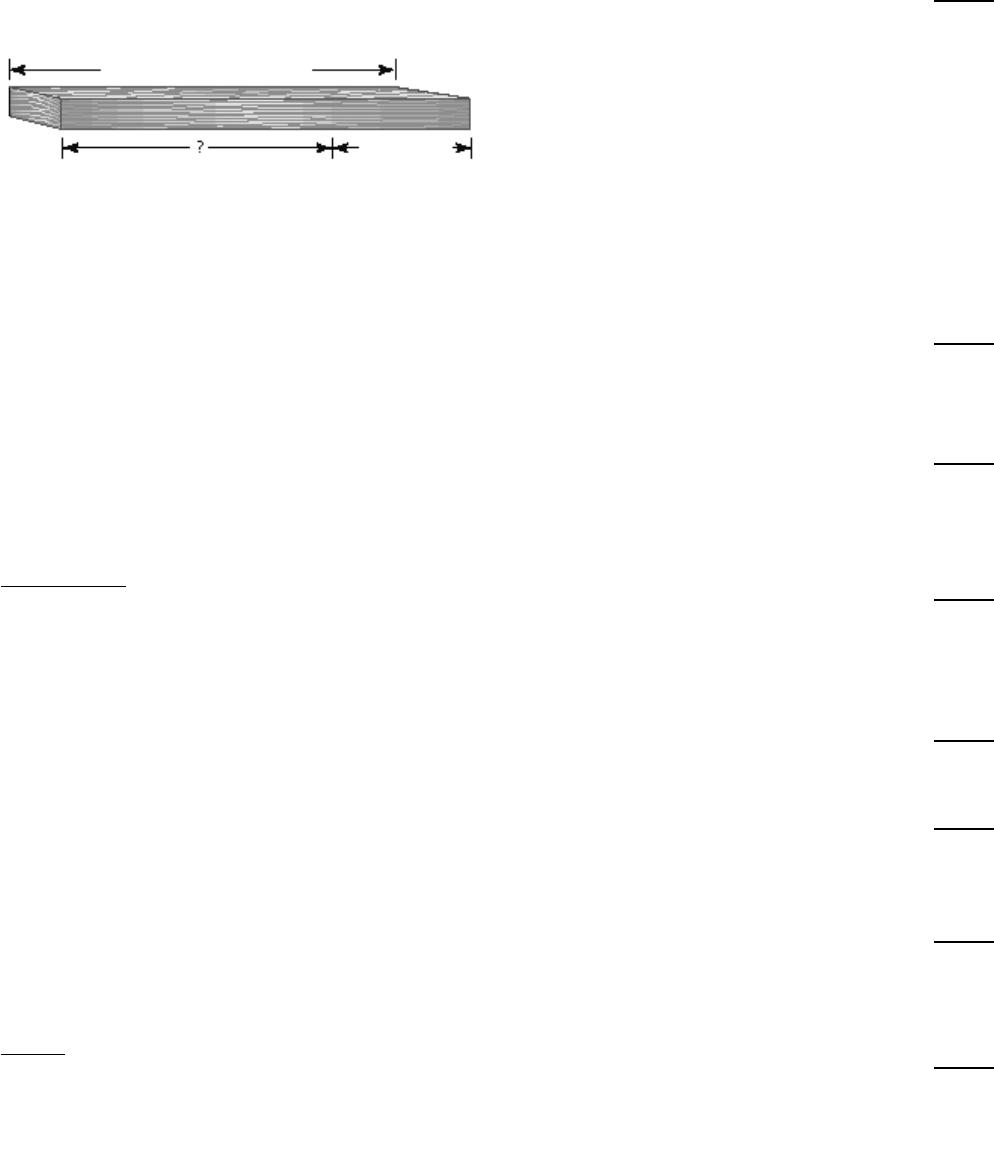
A wooden beam is (8y2+ 8y + 1) feet long. If a piece of length (y2– 12) feet is cut, express the length
of the remaining piece of beam as a polynomial in y.
(8y2+ 8y + 1) feet
(y2– 12)
feet
142)
A)
(7y2+8y – 11) ft
B)
(7y2+8y +13) ft
C)
(7y2+20y + 1) ft
D)
(7y2– 4y + 1) ft
Identify the missing terms of the polynomial.
143)
4t6+5t3+7–5t2
143)
A)
30t5, 0t4, 0t0
B)
20t0, 0t4, 0t
C)
0t5, 0t3, 0t
D)
0t5, 0t4, 0t
Combine like terms and write the resulting polynomial in descending order of powers.
144)
8m2+6m –18m2+12m
144)
A)
10m2–18m
B)
–10m2–18m
C)
–10m2+18m
D)
10m2+18m
Perform the division. Write the answer with positive exponents.
145)
–16x12 – 36x8
–4x4
145)
A)
4x8+ 9x4
B)
4x8– 36x8
C)
–16x12 + 9x4
D)
13x16
Write the number without exponents.
146)
9.772× 10⁻⁶
146)
A)
.000009772
B)
.0000009772
C)
–9,772,000
D)
.00009772
147)
3.9656 × 10⁵
147)
A)
39,656
B)
396,560
C)
3,965,600
D)
198.28
Evaluate.
148)
(7ab)0
148)
A)
1
B)
–1
C)
7
D)
0
Perform the division.
149)
x4– 16
x2– 4
149)
A)
x2+ 4
B)
x2+ 2x + 2
C)
x2– 4x + 2
D)
x2– 4
17
Solve the problem.
150)
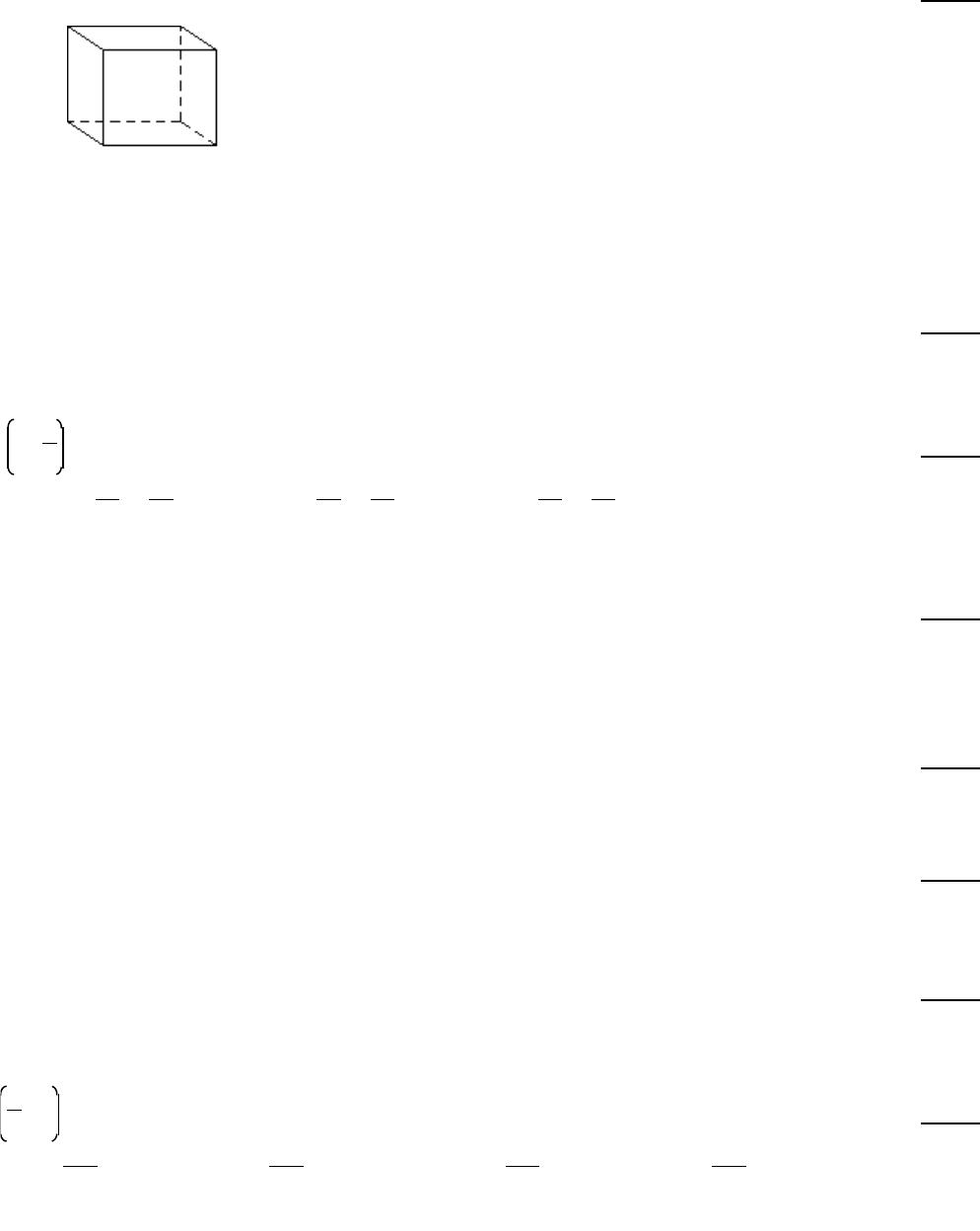
The volume of a cube with sides of length s is given by V =s3. Find the volume of the cube.
14x2cm
14x2cm
14x2cm
150)
A)
2744 x6cm3
B)
392x2cm3
C)
196x9cm3
D)
42 x4cm3
Write the number in scientific notation as it would be displayed on a calculator.
151)
5109
151)
A)
5.109E4
B)
5.109E3
C)
5.109E1
D)
5.109E–3
Simplify.
152)
s –5
92
152)
A)
s2–10
9s +25
81
B)
s2–25
9s +25
81
C)
s2–10
81s +25
81
D)
s2–10s +25
Multiply.
153)
a6(5a – 9)2
153)
A)
5a2– 90a + 81a6
B)
25a2+ 81a6
C)
25a8– 90a7+ 81a6
D)
5a2+ 81a6
Indicate whether the expression is a polynomial or not a polynomial.
154)
–8y5+ 2y4– 3
154)
A)
Polynomial
B)
Not a polynomial
Identify the constant term, leading term, and leading coefficient of the polynomial.
155)
–a +8a3–6a7+5a2
155)
A)
–6 ; 5a2 ; 5
B)
0 ; 8a3 ; 8
C)
0 ; –6a7 ; –6
D)
–6 ; –a ; –1
Evaluate the polynomial.
156)
6x3+ 4x2– 33 for x =2
156)
A)
21
B)
19
C)
31
D)
23
Simplify.
157)
3
5x–1–3
157)
A)
–27
125x
B)
27
125x
C)
–125
27 x–3
D)
125
27 x3
18

Perform the division.
158)
x4+ 6x2+ 9
x2+ 1
158)
A)
x2+ 5 +4
x2+ 1
B)
x2+ 5x +2
C)
x2+ 5 +3
2
D)
x2+ 5
Combine like terms and write the resulting polynomial in descending order of powers.
159)
2y8– 8y6+ 8y6+ 2y8+ 10
159)
A)
8y8
B)
4y8– 16y6
C)
4y8+ 10
D)
4y8+ 16y6
Identify the terms of the polynomial and their coefficients.
160)
4y11 –10y2–5y
160)
A)
Terms: 4y11, –10y2, and –5y
Coefficients: 4, –10, and –5
B)
Terms: 4y11, –10y2, and –5y
Coefficients: 4, 10, and 5
C)
Terms: 4y11, 10y2, and 5y
Coefficients: 4, 10, and 5
D)
Terms: 4, y11, –10, y2, –5, and y
Coefficients: 4, –10, and –5
Add.
161)
8n5– 2n – 7n2 and 9n2+ 4n5– 8n
161)
A)
4n8
B)
12n5+ 2n2– 10n
C)
2n5+ 17n2– 15n
D)
12n + 2n5– 10n2
Solve the problem.
162)
The area of a rectangle is 8m2+ 4m – 12. Find the length if the width is 4m – 4.
162)
A)
8m + 3
B)
8m – 3
C)
2m + 3
D)
2m – 3
Evaluate.
163)
–100
163)
A)
–1
B)
1
C)
0
D)
–10
Simplify the expression. Use positive exponents. Assume variables represent nonzero real numbers.
164)
(46 xy)(47x)(48xyz)
164)
A)
4336x3y2
B)
6421x3z
C)
64336x3y2z
D)
421 x3y2z
Evaluate the polynomial.
165)
–5x3– 6x2– 39 for x = –2
165)
A)
–23
B)
–33
C)
13
D)
–35
Multiply.
166)
(–4y)(–7y2)
166)
A)
4y – 7y2
B)
–11y2
C)
28y3
D)
–28y3
19
Simplify.
167)
(–33)–3
167)
A)
–1
19,683
B)
1
19,683
C)
–1
729
D)
1
729
Write the polynomial in descending order and identify its degree.
168)
x –4x4
168)
A)
3x4– x ; degree: 4
B)
–3x4; degree: 4
C)
–4x4+ x ; degree: 4
D)
4x4+ x ; degree: 4
Solve the problem.
169)
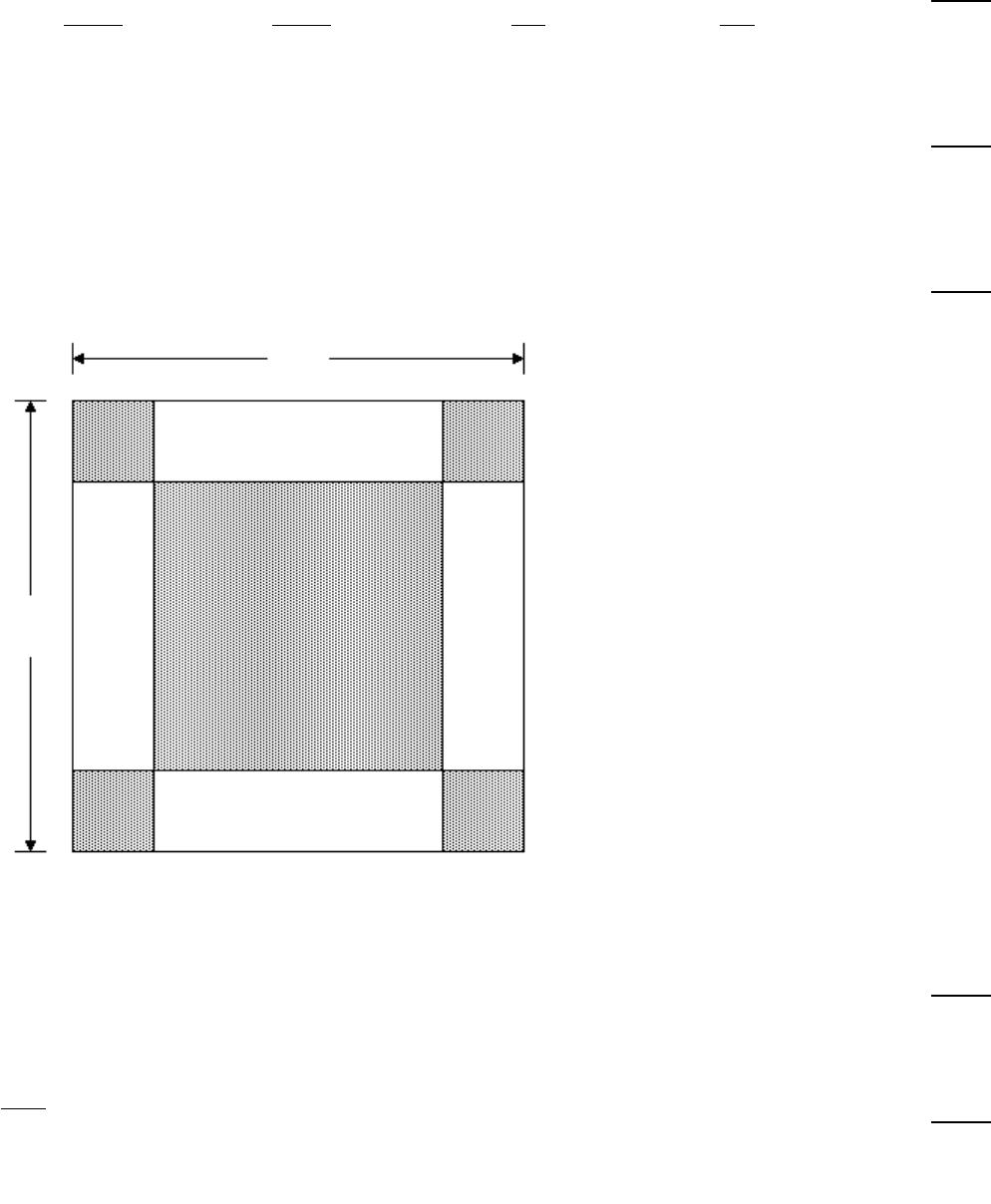
Find a polynomial for the sum of the shaded areas of the figure.
2
x x
x x
2
x x
x x
169)
A)
4x2
B)
4x2–8x
C)
8x2–8x +4
D)
4x2–8x +4
Evaluate.
170)
(0.3)3
170)
A)
0.9
B)
0.027
C)
0.1
D)
27
Divide and simplify.
171)
10k3
5k
171)
A)
2k
B)
5
C)
5k2
D)
2k2
20

Simplify.
172)
(a2x9)8
172)
A)
a16x72
B)
4ax72
C)
a7x17
D)
16a2x72
Solve.
173)
Subtract: (6x2+ 3x – 19) – (8x2– 18x + 10)
173)
A)
–10x11
B)
–2x2+ 11x – 9
C)
–2x2+ 21x – 29
D)
–2x2+ 21x – 9
Simplify using the quotient rule, if possible.
174)
a7
a
174)
A)
a7–a
B)
a6
C)
a7
D)
a8
Simplify.
175)
(–19x +12)x + 7x(–2x + 1) – 2
175)
A)
–33x2+ 5x – 2
B)
–33x2+ 19x – 2
C)
–33x2+ 19x
D)
–2x2– 19x – 2
Divide and simplify.
176)
–3x6yz
21x5y2
176)
A)
–xyz
7
B)
–7xz
y
C)
–x
7yz
D)
–xz
7y
Solve the problem.
177)
The surface area of a sphere with radius r is 4r2. Write a polynomial that gives the surface area of
a sphere with radius (r + 7).
177)
A)
4(r +49)
B)
4(r2+ 14r + 49)
C)
4(r2+ 49)
D)
4(49r2+ 14r + 49)
178)
Light travels through a vacuum at a speed of 186,000 miles per second. How long will it take for
light to travel to Earth from a star which is 1.32 ×10¹⁴ miles from Earth? Write your answer in
scientific notation.
178)
A)
1.41 ×10⁻⁹ sec
B)
7.10 ×10⁹ sec
C)
0.71 ×10⁹ sec
D)
7.10 ×10⁸ sec
Rewrite as an expression using only positive exponents.
179)
x–6·x–5
179)
A)
1
x30
B)
–x30
C)
1
x11
D)
–x11
Express using positive exponents. Then, if possible, simplify.
180)
5–3
180)
A)
1
125
B)
125
C)
–125
D)
1
15
21

Simplify.
181)
t z–2
t–4z
–4
181)
A)
t12
z20
B)
t8
z16
C)
z12
t20
D)
z8
t16
Multiply.
182)
(x – 2y)(x – 6y)
182)
A)
x2– 8xy + 12y2
B)
x2– 8xy – 8y2
C)
x – 8xy + 12y
D)
x2– 11xy + 12y2
Simplify the expression. Use positive exponents. Assume variables represent nonzero real numbers.
183)
x ·x5
x5· x13
183)
A)
x13
B)
1
x13
C)
x12
D)
1
x12
Multiply.
184)
(6p – 1)(36p2+ 6p + 1)
184)
A)
216p3+ 1
B)
216p3+ 42p2– 1
C)
36p3– 1
D)
216p3– 1
185)
(3x + 6)(x – 5)
185)
A)
x2– 30x – 9
B)
3x2– 10x – 30
C)
x2– 9x – 10
D)
3x2– 9x – 30
Simplify.
186)
m8n6
m3n2
–1
186)
A)
1
m3n3
B)
m11n8
C)
1
m5n4
D)
(mn)–9
Evaluate the polynomial.
187)
2x3+ 5x2– x + 41 for x = –2
187)
A)
47
B)
35
C)
17
D)
37
Subtract.
188)
2n7+ 19n6+ 18 from 4n7– 18n6– 12
188)
A)
2n7– 37n6+ 6
B)
2n7– 37n6– 30
C)
2n7– 16n6+ 6
D)
–65n13
22
Perform the division. Write the answer with positive exponents.
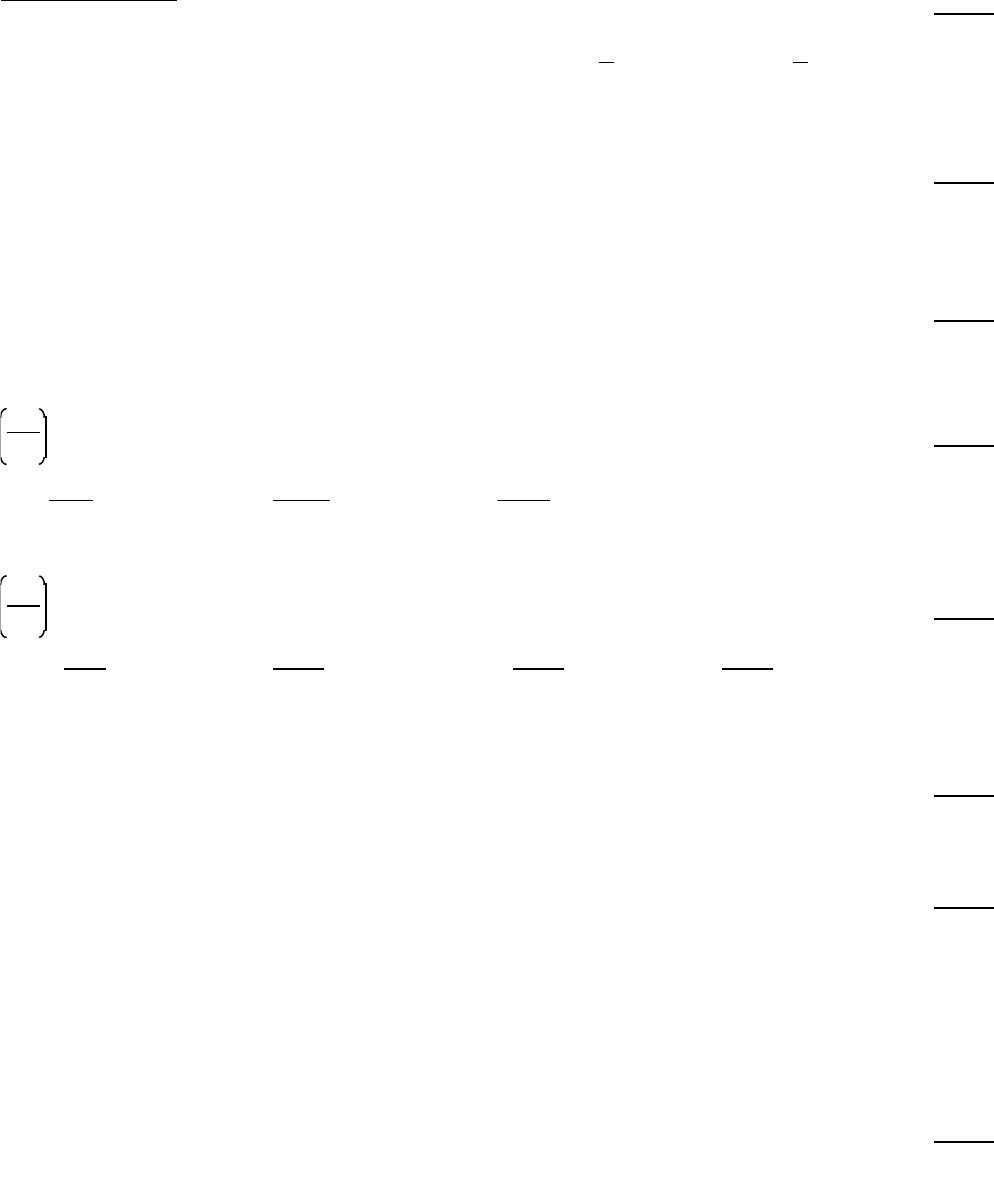
189)
–35x5– 21x4– 28x3
–7x4
189)
A)
5x + 3
B)
9x + 3
C)
5x – 21x4+4
x
D)
5x + 3 +4
x
Classify the polynomial as a monomial, binomial, trinomial, or some other polynomial.
190)
–5b9
190)
A)
Monomial
B)
Trinomial
C)
Binomial
D)
Other polynomial
Evaluate.
191)
–(0.4)2
191)
A)
–0.8
B)
–0.16
C)
0.16
D)
0.2
Simplify.
192)
pm
5n 3
192)
A)
7pm
8n
B)
p3m3
125n3
C)
12pm
15n
D)
729mn
193)
2r8
y
–4
193)
A)
–2r32
y4
B)
y
16r32
C)
–16r32
y4
D)
y4
16r32
Simplify the expression. Use positive exponents. Assume variables represent nonzero real numbers.
194)
(–2p5)(8p7)
194)
A)
16p35
B)
16p12
C)
–16p35
D)
–16p12
Solve the problem.
195)
The number (in thousands) of male employees working for a certain company can be
approximated by –0.1x2+7.7x +6.4, where x represents the number of years since the company
first opened. The corresponding polynomial for female employees is 3.9x – 1. Find the polynomial
that gives the total number of employees for a given year.
195)
A)
(–0.1x2+3.8x +7.4) thousand
B)
(–0.1x2+11.6x +7.4) thousand
C)
(–0.1x2+11.6x +5.4) thousand
D)
(–0.1x2+3.8x +5.4) thousand
Multiply.
196)
(–3m4z4)(5m4z2)
196)
A)
–15m6z8
B)
–15mz8
C)
–15mz6
D)
–15m8z6
23

Solve the problem.
197)
Determine a polynomial that represents the area of a square having sides of length s =2x –9y.
197)
A)
4x2–36x +81y
B)
4x2–18xy +81y2
C)
4x2–36xy +81y2
D)
4x2+36xy –81y2
Multiply.
198)
(–3x – 9)(x + 5)
198)
A)
–3x2– 45x – 24
B)
–3x2– 26x – 45
C)
–3x2– 24x – 24
D)
–3x2– 24x – 45
Simplify using the quotient rule, if possible.
199)
z14
z13
199)
A)
z
B)
z27
C)
1
z
D)
z14 –z13
Multiply.
200)
(x + 10)(–3x + 6)
200)
A)
–3x2– 24x + 60
B)
–3x2+ 60x – 24
C)
–3x2– 26x + 60
D)
–3x2– 24x – 24
Solve the problem.
201)
The sun radiates energy into space at the rate of 3.9 ×1026 joules per second. How many joules are
emitted in four weeks?
201)
A)
9.43488 ×1026 joules
B)
9.43488 ×1032 joules
C)
9.43488 ×1062 joules
D)
9.43488 ×1068 joules
Remove the parentheses and simplify, if possible.
202)
(3a + 5) + (a2–a– 10)
202)
A)
a2+2a + 15
B)
3a + 15
C)
a2+2a – 5
D)
3a – 5
Multiply.
203)
(3 + 6s)(3– 6s)
203)
A)
3– 36s – 36s2
B)
9+ 36s – 36s2
C)
9– 36s2
D)
9– 36s – 36s2
Identify the constant term, leading term, and leading coefficient of the polynomial.
204)
4x2+6x –4
204)
A)
4 ; 4x2; 4
B)
3; x2; 4
C)
–4 ; 4x2 ; 4
D)
4 ; 4x2; 6x
Multiply.
205)
1
6x4–1
5x8
205)
A)
–1
11x32
B)
1
30x12
C)
–1
30x32
D)
–1
30x12
Simplify the expression. Use positive exponents. Assume variables represent nonzero real numbers.
206)
x ·x4· x · x ·x3
206)
A)
10x
B)
x12
C)
x10
D)
x7
24

Evaluate.
207)
(–5)3
207)
A)
–125
B)
25
C)
–15
D)
125
Divide and simplify.
208)
a7
a4
208)
A)
1.8
B)
a1.8
C)
a3
D)
a11
Multiply.
209)
(x +8)(x3+2x –7)
209)
A)
x4+8x3+2x2+23x –56
B)
x4+8x3+2x2+9x –56
C)
x3+10x2+9x –56
D)
x4+2x2–7x +8
Solve the problem.
210)
Determine a polynomial that represents the area of the figure.
2x –3
2x +3
210)
A)
4x2–12x +9
B)
4x2+12x –9
C)
4x2–9
D)
4x2+9
Remove the parentheses and simplify, if possible.
211)
( 6n3+ 13n + 10) – ( 9n2– 9n – 6)
211)
A)
6n3– 9n2+ 22n + 4
B)
–3n2+ 22n + 16
C)
6n3– 9n2+ 22n + 16
D)
–3n2+ 22n + 4
212)
(3m2n2–2mn +1) + (9mn –3) –(4m2n2– 30)
212)
A)
–m2n2+ 7mn + 28
B)
–m2n2+ 7mn – 32
C)
–m2n2– 11mn + 28
D)
7m2n2+ 7mn – 32
Perform the division.
213)
x2– 121
x – 11
213)
A)
x2– 11
B)
x – 121
C)
x + 121
D)
x + 11
Simplify using the quotient rule, if possible.
214)
63
6
214)
A)
13
B)
63–6
C)
63
D)
62
Evaluate.
215)
(–2x)6
215)
A)
64x6
B)
–2x6
C)
–64x6
D)
64x–6
25

Simplify.
216)
(23)2
216)
A)
4096
B)
1024
C)
64
D)
16
Multiply.
217)
p2(2p + 13)(2p – 13)
217)
A)
4p4– 169p2
B)
4p2+ 52p – 169
C)
4p2– 52p – 169
D)
p2– 169
Subtract.
218)
a2b2+a2b –4ab +2a2b2c2 from a2b2–a2b +3ab2+4ab +2a2b2c2
218)
A)
4a2b2c2+ 2a2b2+3ab2
B)
–2a2b –3ab2–8ab
C)
4a2b2c2+3ab2
D)
–2a2b +3ab2+8ab
Simplify.
219)
1
2–3
219)
A)
1
8
B)
–8
C)
8
D)
1
6
Multiply.
220)
(3y + 11)(9y2– 2y –8)
220)
A)
27y3–6y2–24y + 11
B)
27y3+93y2–46y –88
C)
27y3+105y2+46y +88
D)
126y2–28y –112
221)
(4x – 11)2
221)
A)
16x2+ 121
B)
16x2– 88x + 121
C)
4x2– 88x + 121
D)
4x2+ 121
Express using positive exponents. Then, if possible, simplify.
222)
7–1
222)
A)
1
7
B)
7
C)
8
D)
–7
Identify the missing terms of the polynomial.
223)
–4x2+5x3+3x4+3
223)
A)
0x
B)
0x0
C)
9
D)
0x2
Perform the division. Write the answer with positive exponents.
224)
–28x6+ 14x4– 21x2
–7x4
224)
A)
4x2– 2 +3
x2
B)
4x – 2 +3
x2
C)
4x – 2 +3
x
D)
4x2– 2 +3
x
26

Perform the division.
225)
(x2– 7x + 10) ÷ (x – 2)
225)
A)
x – 5
B)
x2– 5
C)
x – 7
D)
x2– 7
Subtract.
226)
4n5+ 19n4+ 5
–( 9n5– 10n4– 18)
226)
A)
47n9
B)
–5n5+ 29n4+ 23
C)
–5n5+ 28n4– 13
D)
–5n5+ 29n4– 13
Evaluate the polynomial.
227)
7x + 4 for x =3
227)
A)
42
B)
25
C)
17
D)
11
Subtract.
228)
19a5– 3a3
–(9a5+ 14a3)
228)
A)
10a5+ 11a3
B)
–7a8
C)
28a5+ 11a3
D)
10a5– 17a3
Perform the division.
229)
7x2+ 29x – 30
x + 5
229)
A)
x – 6
B)
7x + 6
C)
7x – 6 +7
x – 6
D)
7x – 6
Solve.
230)
For the polynomial: –x3+4x2+4x –3, name the terms, the coefficients, the degree, and the
constant term.
230)
A)
terms: –x3, 4x2, 4x, 3
coefficients: –1, 4, 4, 3
degree: 2
constant term: –3
B)
terms: –x3, 4x2, 4x, –3
coefficients: 1, 4, 4, –3
degree: 3
constant term: 3
C)
terms: –x3, 4x2, 4x, –3
coefficients: –1, 4, 4, –3
degree: 3
constant term: –3
D)
terms: 3, 2, 1, 0
coefficients: –1, 4, 4, –3
degree: 3
constant term: –3
Multiply.
231)
(4x2+7)(3x –8)
231)
A)
12x3– 32x2+ 21x – 56
B)
12x2+ 21x – 56
C)
12x3– 56
D)
12x3– 32x2– 21x – 56
27

Add.
232)
–4x7–x4y3+x3y4+7y7 and 8x7–x4y3–7x2y5+9xy6–6y7
232)
A)
4x7– 2x4y3+x3y4+y7
B)
4x7+ 2x4y3+x3y4+7x2y5–9xy6–y7
C)
4x7– 2x4y3+x3y4–7x2y5+9xy6+y7
D)
4x7+x3y4–7x2y5+9xy6–y7
Classify the polynomial as a monomial, binomial, trinomial, or some other polynomial.
233)
9x2
233)
A)
Monomial
B)
Trinomial
C)
Binomial
D)
Other polynomial
Divide and simplify.
234)
8x8
–4x3
234)
A)
2x5
B)
–2x5
C)
2x11
D)
–2x11
Solve the problem.
235)
The population in a certain bacteria culture was approximately 104 at time t1. Later, at time t2, it
was approximately 108. By what factor did the population grow?
235)
A)
104
104
B)
4
C)
1
104
D)
104
Combine like terms. Then write the polynomial in descending order of powers.
236)
3a8– 13a8+ 15a3+ 5a8– 4a3
236)
A)
Cannot be simplified
B)
–5a8+ 11a3
C)
6a8
D)
6a11
Multiply.
237)
(x + 1)(3x + 11)
237)
A)
3x2+ 12x + 11
B)
3x2+ 11x + 14
C)
3x2+ 14x + 11
D)
3x2+ 14x + 14
Evaluate the polynomial.
238)
–3x +2for x =7
238)
A)
–42
B)
–19
C)
–23
D)
–1
Solve the problem.
239)
If we neglect air resistance, the polynomial –16t2+h0 describes the height of a falling object after
falling from an initial height h0 for t seconds. A cliff is 1702 feet high. If a coin were dropped from
the top of the cliff, how high would the coin be from the ground after 9 seconds?
239)
A)
440 ft
B)
406 ft
C)
420 ft
D)
396 ft
Simplify.
240)
(–3x – 11)2
240)
A)
9x2+ 121
B)
–3x2+ 66x + 121
C)
–3x2+ 121
D)
9x2+ 66x + 121
28

Find the product.
241)
3x6(–3x3– 11x2)
241)
A)
–42x6
B)
–9x9– 33x8
C)
–42x9– 42x8
D)
–9x9– 11x2
Perform the division. Write the answer with positive exponents.
242)
16x9+ 8x8+ 6x6+ 8x4+ 7x3
2x6
242)
A)
8x3+ 4x2+ 3 +4
x2+7
2x3
B)
8x3+ 8x8+ 6x6+ 8x4+ 7x3
C)
16x9+ 4x2+ 3 +4
x2+7
2x3
D)
8x3+ 4x2+ 3
Subtract.
243)
16x7+x4y3–9x2y5+4xy6+8y7 from –8x7–x4y3+x3y4+9y7
243)
A)
–24x7+ 2x4y3+x3y4–9x2y5+4xy6–y7
B)
–24x7+x3y4+9x2y5–4xy6–y7
C)
–24x7– 2x4y3+x3y4+9x2y5–4xy6+y7
D)
–24x7+x3y4–9x2y5+4xy6+17y7
Simplify.
244)
(w – 4)2
244)
A)
w2+ 16
B)
w +16
C)
16w2– 8w + 16
D)
w2– 8w + 16
Perform the indicated operation. Write the answer in scientific notation.
245)
(20 × 10–7) ÷ ( 4× 10⁻²)
245)
A)
5× 10⁻⁹
B)
5× 10⁻⁵
C)
10 × 10–9
D)
10 × 10–5
Subtract.
246)
–9n2+ 2n5– 12 from 4n5– 20n2+ 10
246)
A)
2n5– 11n2+ 22
B)
2n5– 11n2– 2
C)
2n5– 18n2– 2
D)
13n7
Combine like terms and write the resulting polynomial in descending order of powers.
247)
4p5+ 5p3+ 7p5+ 9p3
247)
A)
22p5+ 28p3
B)
11p5– 4p3
C)
–3p5+ 14p3
D)
11p5+ 14p3
Rewrite as an expression using only positive exponents.
248)
t–2
t–6
248)
A)
t8
B)
t4
C)
t–4
D)
t–8
29
Perform the division. Write the answer with positive exponents.
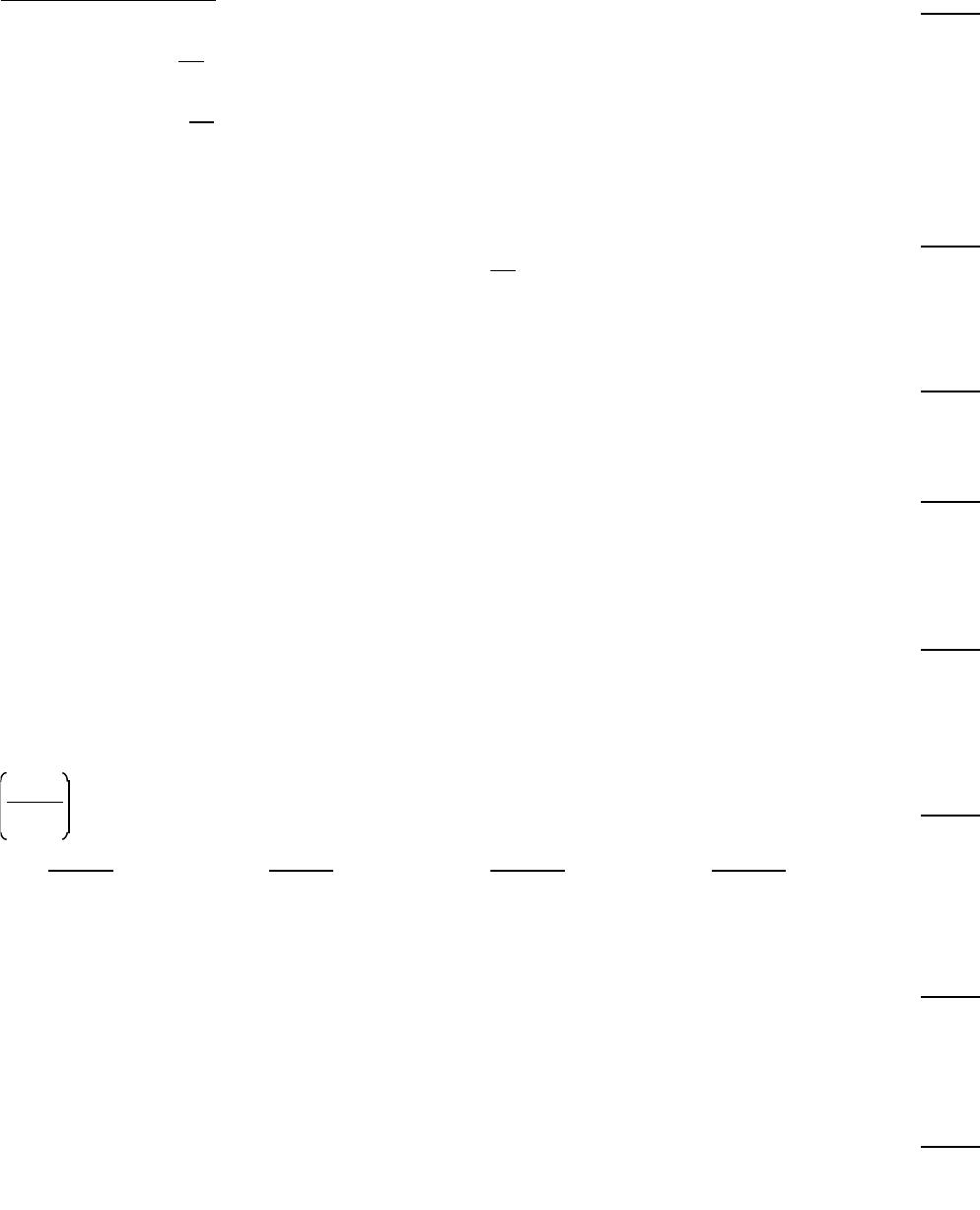
249)
–10x8– 4x7– 6x5– 12x3
–2x5
249)
A)
5x3+ 2x2+ 3 +6
x2
B)
5x3+ 8x2+ 3
C)
–5x3– 2x2– 3 –6
x2
D)
5x3+ 2x2+ 3
Simplify.
250)
x12 ÷x10
250)
A)
x12 –x10
B)
x22
C)
1
x2
D)
x2
Indicate whether the expression is a polynomial or not a polynomial.
251)
17x
251)
A)
Not a polynomial
B)
Polynomial
Combine like terms. Then write the polynomial in descending order of powers.
252)
–6y9+ 8y8
252)
A)
2y8
B)
Cannot be simplified
C)
2y9
D)
2y17
Subtract.
253)
–x3y3+x2y2–x2y –2x +2 from 4x3y3+3x2y2–x2y + xy2+2x +1
253)
A)
5x3y3+4x2y2+x2y +4x –1
B)
5x3y3+2x2y2+ xy2+4x –1
C)
5x3y3+2x2y2+ 2xy2–1
D)
5x3y3+4x2y2– 2x2y + xy2+3
Simplify.
254)
2x4y4
7z12
3
254)
A)
8x12y7
343z36
B)
8x7y7
343z15
C)
8x12y12
7z15
D)
8x12y12
343z36
Subtract.
255)
11b5a3–a4b2+15ab3–5 from 2a3b5–9a4b2+9ab3–9ab + 14
255)
A)
–9a3b5–8a4b2–6ab3–9ab +19
B)
–9a3b5–8a4b2+6ab3+9ab +17
C)
–6a3b5–11a4b2–24ab3–9ab +9
D)
9a3b5–8a4b2–24ab3–8ab +9
Solve the problem.
256)
A patio has an area of 2m3+ 11m2+ 5m – 25. Find the length if the width is 2m + 5.
256)
A)
m2– 3m + 5
B)
m2+ 8m – 5
C)
m2+ 3m – 5
D)
m3+ 3m2– 5m
30

Simplify using the product rule, if possible.
257)
a3b8
257)
A)
(ab)11
B)
(ab)24
C)
(a +b)11
D)
Cannot be simplified
Find the product.
258)
(p –r)(p+r)
258)
A)
p2–2r2
B)
p2–r2
C)
p2+r2
D)
2p2–r2
Multiply.
259)
(2x + 3)(6x + 2)
259)
A)
12x2+ 22x + 6
B)
8x2+ 22x + 6
C)
8x2+ 22x + 22
D)
12x2+ 22x + 22
Add.
260)
6a5+ 7a3
+4a5– 9a3
260)
A)
8a16
B)
10a5– 2a3
C)
8a8
D)
10a10 – 2a6
Multiply.
261)
(4x – 4)(x – 9)
261)
A)
4x2– 41x + 36
B)
4x2– 40x + 36
C)
x2– 40x – 41
D)
x2+ 36x – 40
Rewrite as an expression using only positive exponents.
262)
2x–5
y–6z7
262)
A)
2x5
y6z7
B)
2
x5y6z7
C)
2y6
x5z7
D)
y6
2x5z7
Solve.
263)
Paul deposits $9000 in an account that has an annual interest rate of r (in decimal form). At the end
of 2 years, the value of the account will be 9000(1 + r)2 dollars. Find the account balance at that time
if the interest rate is 3%.
263)
A)
$9930.02
B)
$9548.10
C)
$10,311.95
D)
$9166.18
31
Solve the problem.
264)
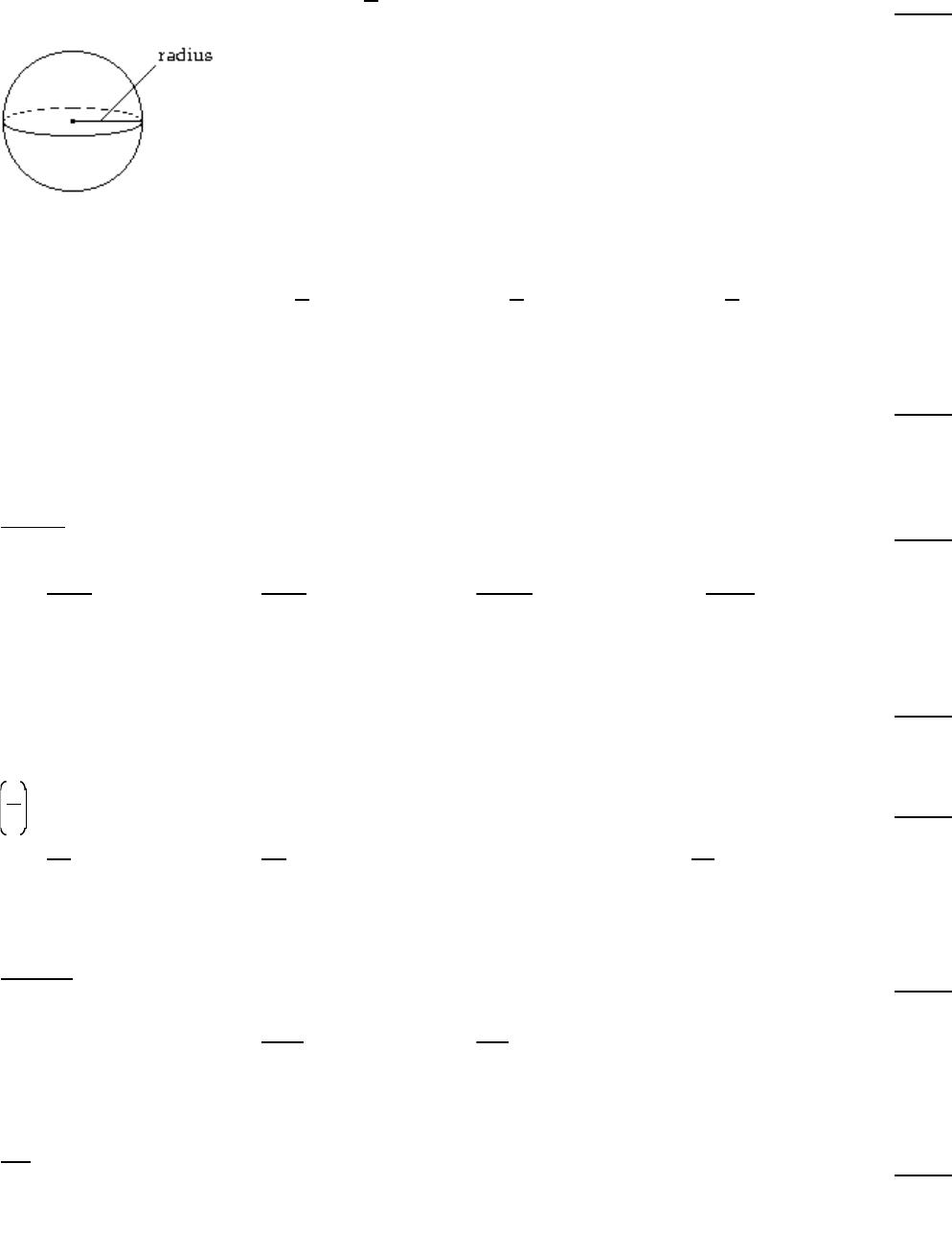
The volume of a sphere with radius r is V =4
3r3.
Assume that the shape of Earth is approximately a sphere of radius r miles. Find the expression for
the volume of Earth plus the atmosphere extending up 4 miles.
264)
A)
V =(r + 4)3
B)
V =4
3(r + 4)3
C)
V =4
3(r + 4)3
D)
V =4
3r3
Find the product.
265)
–4x4(–8x – 7)
265)
A)
32x5– 7
B)
32x + 28
C)
60x4
D)
32x5+ 28x4
Rewrite as an expression using only positive exponents.
266)
x–3
y–6z–4
266)
A)
x3
y6z4
B)
y6z4
x3
C)
(yz)24
x3
D)
–y6z4
x3
Simplify.
267)
(–4rt)4
267)
A)
256t4
B)
–256r4t4
C)
256r4t
D)
256r4t4
268)
5
x2
268)
A)
5
x2
B)
25
x2
C)
25x2
D)
25
x
Divide and simplify.
269)
12m4p2
6m9p
269)
A)
2m5p2
B)
2m5
p
C)
2p
m5
D)
2mp
Simplify using the quotient rule, if possible.
270)
h7
h7
270)
A)
0
B)
7
C)
1
D)
h
32

Solve the problem.
271)
The number of mobile phones sold in a given year is approximated by 4x4+9x2–6x +10, where x
represents the number of years since mobile phones became readily available. The corresponding
polynomial for phones is x3–4x2– 3x + 1. Find the polynomial that represents how many more
mobile phones than phones were sold in a given year.
271)
A)
–4x4–x3–2x +10
B)
4x4–x3+13x2–3x +9
C)
–4x4+x3+5x2–9x +11
D)
–4x4+x3+12x2+3x –9
Divide and simplify.
272)
–36x4y5z2
3x10yz7
272)
A)
–36y5
x10z7
B)
–12xy4z
x6yz5
C)
–12y4
x6z5
D)
–36y4
x6z5
Add.
273)
2x4– 8x3+ 2x2+ 1
+3x4– 4x3– 7x2+ 8
273)
A)
–12x18 + 9
B)
5x8– 12x6– 5x4+ 9
C)
5x4– 12x3– 5x2+ 9
D)
–3x4– 3x3+ 10x2– 5
Combine like terms and write the resulting polynomial in descending order of powers.
274)
2x7+ 7x4+ 3x7
274)
A)
Cannot be simplified
B)
12x4
C)
5x7+ 7x4
D)
12x18
Find the product.
275)
(x +y)(x–y)
275)
A)
x2+y2
B)
x2–xy +y2
C)
x2– 2xy –y2
D)
x2–y2
Identify the constant term, leading term, and leading coefficient of the polynomial.
276)
–7a4–16a2+8a +8a6
276)
A)
0 ; 7a4 ; 7
B)
8 ; –7a4 ; –7
C)
–1 ; –8a6 ; –8
D)
0 ; 8a6 ; 8
Add.
277)
–2– 4x5+ 5x7– 6x6 and 4x6– 5x5+ 3 + 9x7
277)
A)
14x14 – 2x12 – 9x10 + 1
B)
14x7– 2x6– 9x5+ 1
C)
2x7+ 2x6+ 8x5+ 3
D)
3x36 + 1
Write the polynomial in descending order and identify its degree.
278)
10 + 7p2+ 6p9– 4p3– 2p
278)
A)
10 – 2p + 7p2– 4p3+ 6p9 ; degree 9
B)
10 + 7p2+ 6p9– 4p3– 2p ; degree 9
C)
7p2– 2p – 4p3+ 6p9+ 10 ; degree 9
D)
6p9– 4p3+ 7p2– 2p + 10 ; degree 9
33

Rewrite as an expression using only positive exponents.
279)
516
5–7
279)
A)
5–7
B)
523
C)
59
D)
1
523
Write the number in scientific notation as it would be displayed on a calculator.
280)
0.000641
280)
A)
6.41E–4
B)
6.41E–5
C)
6.41E–3
D)
6.41E4
Solve the problem.
281)
An investment of A dollars increases in value by P% for each two years. The value of the
investment at the end of the two years can be represented by A (1 +P
100)(1 +P
100 ). Multiply this
expression.
281)
A)
A +AP2
10 000
B)
A +AP
50
C)
A +AP
50 +AP2
10 000
D)
A –AP
50 –AP2
10 000
Write the number in scientific notation.
282)
16,000,000
282)
A)
1.6 × 10⁻⁸
B)
1.6 × 10⁻⁷
C)
1.6 × 10⁸
D)
1.6 × 10⁷
Multiply.
283)
c5c3+7
62
283)
A)
c11 +7
3c8+49
36c5
B)
c11 +49
36c5
C)
2c +7
3c8+7
3c5
D)
c12 +7
3c5
Solve the problem.
284)
Determine a polynomial that represents the area of the figure.
4x +4
4x +5
284)
A)
20x2+36x +16
B)
20x2+16
C)
16x2+36x +20
D)
16x2+20
34
Simplify.
285)
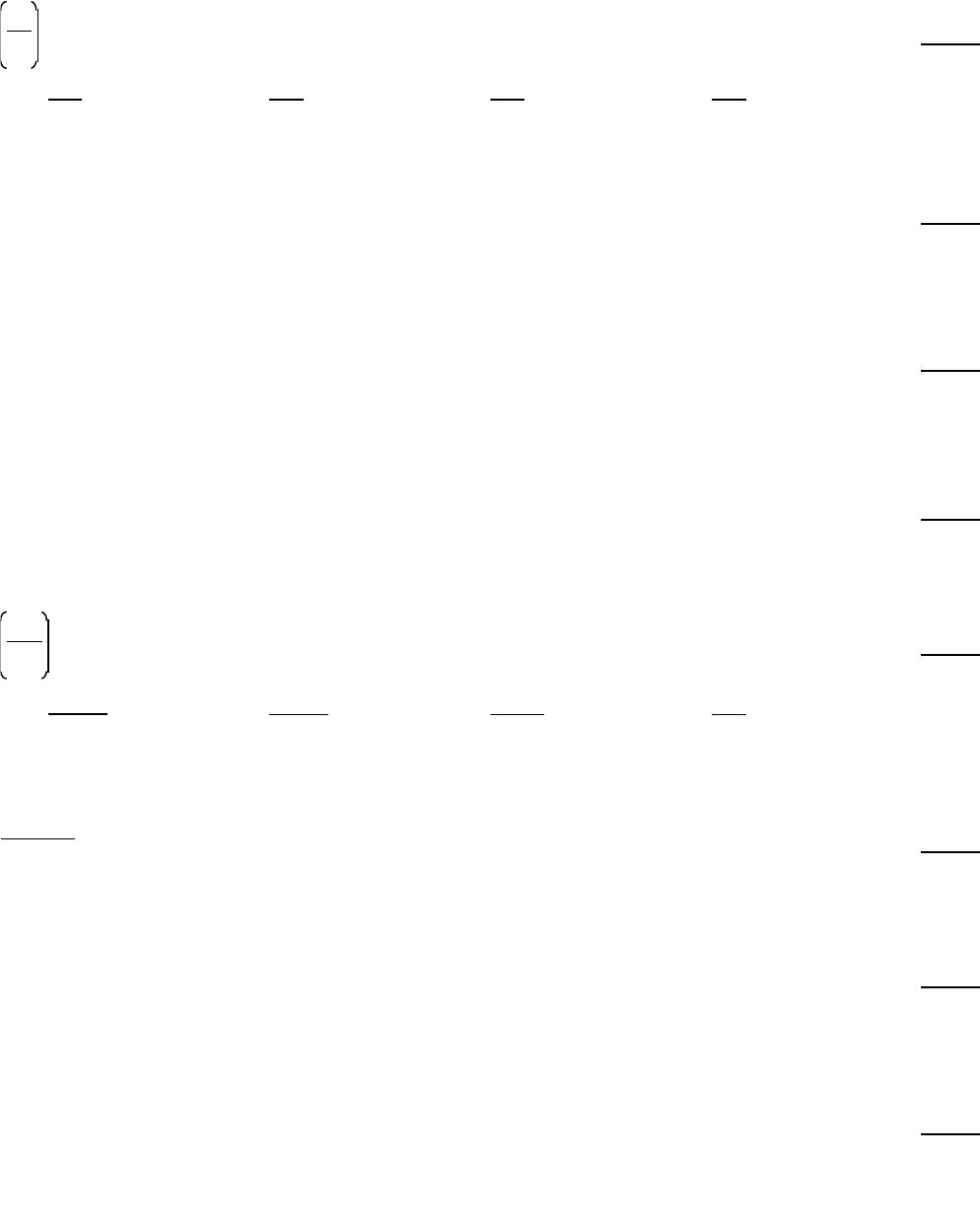
x6
y2
7
285)
A)
x13
y2
B)
x42
y2
C)
x13
y9
D)
x42
y14
Simplify using the product rule, if possible.
286)
a6·a4·a3
286)
A)
a10
B)
a27
C)
a13
D)
Cannot be simplified
Simplify.
287)
(0.7x + 0.6)2
287)
A)
0.49x2– 0.84x – 0.36
B)
0.49x2+ 0.36
C)
0.49x2+ 0.84x + 0.36
D)
0.49x2– 0.84x + 0.36
Simplify the expression. Use positive exponents. Assume variables represent nonzero real numbers.
288)
(ab8 c)(ab7)(ab6c)
288)
A)
xb13c2
B)
ab62 c2
C)
a3b15 c
D)
a3b21 c2
Simplify.
289)
xz4
9t9
3
289)
A)
x3z12
729t27
B)
xz12
729t27
C)
12z12
27t9
D)
xz4
t3
Perform the division.
290)
z3– 125
z – 5
290)
A)
z2+ 5z – 25
B)
z2+ 10z + 25
C)
z2– 5z + 25
D)
z2+ 5z + 25
Find the product.
291)
12ax5(–11ax5+ 5x2)
291)
A)
–132a2x10 + 60ax7
B)
–132a2x10 + 60x7
C)
–132a2x10 + 5x2
D)
–132ax + 60x
Multiply.
292)
m(5+m2)(5–m2)
292)
A)
25m – m5
B)
25m – 10m2– m4
C)
10m – m5
D)
25 + 10m – m2
35

293)
(x + 9y)(–2x + 4y)
293)
A)
–2x2– 14xy – 14y2
B)
x2– 14xy + 36y2
C)
x2– 14xy – 14y2
D)
–2x2– 14xy + 36y2
Remove the parentheses and simplify, if possible.
294)
(–8+ 9n2+ 4n) + (4n2+ 4n + 7)
294)
A)
20n2 + 8n – 1
B)
13n2+ 8n – 1
C)
13n2+ 8n + 7
D)
–4n2+ 13n + 11
Solve the problem.
295)
The value of an antique item t years after it is purchased is given by the expression 214,000(1.25)–t .
Evaluate the expression for t = 0.
295)
A)
214,000
B)
1
C)
214,000
1.25
D)
0
Perform the division.
296)
10x3– 12x2+ 17x – 3
5x – 1
296)
A)
x2+ 2x – 3
B)
2x2+ 3
C)
x2– 2x + 3
D)
2x2– 2x + 3
Remove the parentheses and simplify, if possible.
297)
(6x8–9x4+7x2+8) + (6x7+3x4–8x)
297)
A)
6x8+ 6x7+ 6x4+ 7x2– 8x + 8
B)
12x8– 6x4+ 7x2– 8x + 8
C)
6x8+ 6x7– 6x4+ 7x2– 8x + 8
D)
12x8– 12x4+ 7x2– 8x + 8
Find the product.
298)
(p + 6q)(p – 6q)
298)
A)
p2– 12pq – 36q2
B)
p2+ 12pq – 36q2
C)
p2– 12q2
D)
p2– 36q2
Multiply.
299)
(2m4z4)(2m4z2)
299)
A)
4mz6
B)
4mz8
C)
4m8z6
D)
4m8z
Perform the indicated operation. Write the answer in scientific notation.
300)
(21.15 × 101) ÷ (4.7 × 10⁴)
300)
A)
4.5 × 10⁻³
B)
9× 10⁻³
C)
9× 10⁵
D)
4.5 × 10⁵
Perform the division. Write the answer with positive exponents.
301)
6x7– 6x4
–2x7
301)
A)
–3+ 3x3
B)
–3– 6x4
C)
6x7+3
x3
D)
–3+3
x3
36
Perform the division.
302)
x3+ 8
x + 2
302)
A)
x2+ 2x + 4
B)
x2– 2x + 4
C)
x2– 2x – 4
D)
x2– 4x + 4
Find the product.
303)
–4x6(–7x3– 4)
303)
A)
28x9– 4
B)
44x6
C)
28x9+ 16x6
D)
28x3+ 16
Evaluate.
304)
–4
72
304)
A)
–16
49
B)
16
7
C)
–16
7
D)
16
49
Multiply.
305)
(–4x – 4y)(–4x + 9y + 1)
305)
A)
16x2+ 16xy – 4x – 36y2– 4y
B)
16x2– 20xy – 20y2
C)
16x2– 36xy – 4x – 36y2
D)
16x2– 20xy – 4x – 36y2– 4y
Solve the problem.
306)
Find a polynomial for the perimeter of the rectangle.
(5x +8) units
(x2– x +13) units
306)
A)
(2x2+8x +21) units
B)
(x2+4x +21) units
C)
(2x2+12x +42) units
D)
(2x2+8x +42) units
307)
Determine a polynomial that represents the area of a square having sides of length s = x +3.
307)
A)
x2+6x +9
B)
x2+9
C)
4x +12
D)
x2+6x –9
Perform the division.
308)
(5r3– 11r2– 10r – 6) ÷ (r – 3)
308)
A)
5r2+ 4r +2
r – 3
B)
5r2– 4r – 2
C)
5r2+ 4r + 2
D)
r2 + 2r + 4
Simplify.
309)
4(–rt)7
309)
A)
–4r7t7
B)
4r7t7
C)
16,384r7t7
D)
4rt7
37

Subtract.
310)
3– 3x3+ 4x4+ 9x2from 4x2+ 8x4+ 7 + 8x3
310)
A)
4x4+ 11x3– 5x2+ 4
B)
12x4+ 5x3+ 13x2+ 4
C)
12x4+ 5x3+ 13x2+ 10
D)
4x4+ 5x3+ 13x2+ 10
Identify the constant term, leading term, and leading coefficient of the polynomial.
311)
t –4t2+5t3+7
311)
A)
7 ; 5t3 ; 5
B)
7 ; –4t2 ; –4
C)
7 ; 7 ; 7
D)
7 ; t ; 1
Add.
312)
2p2q2+ 3p2q – 7pq and 7p2q2– 2p2q + 7pq – 4
312)
A)
9p2q2+ 5p2q – 14pq – 4
B)
9p2q2+ p2q – 14pq – 4
C)
9p2q2+ p2q – 4
D)
9p2q2+ 5p2q + 14pq + 4
Perform the division.
313)
(x2+ 2x – 63) ÷ (x + 9)
313)
A)
x – 7
B)
x2+ 3x – 54
C)
x + 7
D)
x2– 7
Simplify.
314)
(–5x5y)3
314)
A)
–5x15y3
B)
–125x15y
C)
–125x15y3
D)
–125x8y3
Multiply.
315)
(x –4)(7x2+ x +9)
315)
A)
7x3+27x2+5x –36
B)
7x3–27x2+5x –36
C)
7x3–29x2+5x –36
D)
7x3–27x2+13x –36
Solve the problem.
316)
To measure the spread of data, statisticians compute the sample variance of the data. For a sample
of size 3, they use the formula
Sample Variance =(a – m)2+(b – m)2+(c – m)2
2.
Rewrite this formula without parentheses, combining like terms.
316)
A)
3m2– 2am – 2bm – 2cm +a2+b2+c2
2
B)
3m2+ 2am + 2bm – 2cm +a2+b2+c2
2
C)
3m2– 2am – 2bm – 2cm +a2–b2–c2
2
D)
3m2– 2am – 2bm – 2cm +a2+b2+c2
Simplify.
317)
(n + 2)2
317)
A)
n2+ 4n + 4
B)
n +4
C)
n2+ 4
D)
4n2+ 4n + 4
38
Divide and simplify.
318)
m7n8
m4n2
318)
A)
m3n6
B)
m2n4
C)
m11n10
D)
(mn)9
Simplify.
319)
x
5–2
319)
A)
15
x2
B)
25
x2
C)
–25
x2
D)
–x2
25
Multiply.
320)
(–5x4y4)(–3x4y2)
320)
A)
15xy6
B)
15x8y6
C)
15x6y8
D)
15xy8
Identify the terms of the polynomial and their coefficients.
321)
2x4–6x2–4x –2
321)
A)
Terms: 2x4, –6x2, –4x, and –2
Coefficients: 2, –6, –4, and –2
B)
Terms: 2x4, 6x2, 4x, and 2
Coefficients: 2, 6, 4, and 2
C)
Terms: 2, x4, –6, x2, –4, x, and –2
Coefficients: 2, –6, –4, and –2
D)
Terms: 2, x4, 6, x2, 4, x, and 2
Coefficients: 2, 6, 4, and 2
Simplify.
322)
–2m
n2–4
322)
A)
–16mn
B)
n8
16m4
C)
–1
16
D)
16m4
n
Multiply.
323)
6x71
12xyz –2
5y2z2
323)
A)
–1
30x7y3z3
B)
1
10x8y2z2
C)
–1
5x8y3z3
D)
–1
5x7y2z2
Express using positive exponents. Then, if possible, simplify.
324)
2
x–6
324)
A)
2x–6
B)
2x6
C)
6x2
D)
2
x6
39

Simplify.
325)
4–2x2
y8
–1
325)
A)
16y4
x2
B)
16y8
x2
C)
–16
D)
16x
y
Combine like terms. Then write the polynomial in descending order of powers.
326)
–4m8+ 9m8
326)
A)
Cannot be simplified
B)
5m16
C)
5m8
D)
40m
Indicate whether the expression is a polynomial or not a polynomial.
327)
20w–3– 9w–2– 7w + 4w4+ 5
327)
A)
Not a polynomial
B)
Polynomial
Subtract.
328)
7x7+ 5x6– 7x5– 4
–(4x7– 7x6– 2x5– 7)
328)
A)
3x7– 2x6– 9x5– 11
B)
11x7– 2x6– 9x5+ 3
C)
11x7– 2x6– 9x5– 11
D)
3x7+ 12x6– 5x5+ 3
Find the product.
329)
(11a + 8c)(11a – 8c)
329)
A)
121a2– 176ac – 64c2
B)
121a2– 64c2
C)
121a2+ 176ac – 64c2
D)
11a2– 8c2
Perform the indicated operation. Write the answer in scientific notation.
330)
(6.4 ×10⁻³)(5.8 ×10⁶)
330)
A)
1.39 ×10³
B)
3.712 ×10⁴
C)
3.712 ×10³
D)
12.2 ×10⁹
Solve the problem.
331)
A music album sells 29,600,000 copies. Write this quantity in scientific notation.
331)
A)
2.96 ×10⁵ copies
B)
2.96 ×10⁻⁶ copies
C)
2.96 ×10⁶ copies
D)
2.96 ×10⁷ copies
Find the product.
332)
(2x + 11)(2x – 11)
332)
A)
4x2– 44x – 121
B)
4x2+ 44x – 121
C)
4x2– 121
D)
2x2– 44x – 121
40

Solve the problem.
333)
A rancher in Calgary decides to build a silo inside his corral. The rectangular corral measures 21 m
by 15 m and the silo’s base is circular with a diameter of x meters. Find a polynomial for the
remaining area of the corral (in square meters) after the silo is built.
333)
A)
4x2–315 m2
B)
(315–x2) m2
C)
(315– 2x) m2
D)
315–
4x2m2
Evaluate the polynomial.
334)
7x2+ 3x – 5 for x = –2
334)
A)
7
B)
13
C)
–25
D)
17
Solve the problem.
335)
The surface area of a cylindrical can is represented by the polynomial expression r2+r2+ 2
rh, where h is the height of the can and r is its radius. Find a polynomial expression for the surface
area of a can whose radius and height are equal.
335)
A)
4r2 or 4h2
B)
4r2 or 8h2
C)
8r2 or 8h2
D)
16r2 or 16h2
Rewrite as an expression using only positive exponents.
336)
p4
p–4
336)
A)
p8
B)
p0
C)
p–8
D)
1
p8
Divide.
337)
(20x3+ 7x2– 2x + 3) ÷ (4x + 3)
337)
A)
x2– 2x + 1
B)
5x2– 2x + 1
C)
5x2+ 2x – 1
D)
5x2+ 1
Multiply.
338)
(d +x)(d2–dx +x2)
338)
A)
d3+x3
B)
d3–x3
C)
d3–2dx2+ 2d2x–x3
D)
d3– 2d2x–2dx2+x3
Add.
339)
–6+ 5n6– 6n5 and 4n6+ 4n5– 6
339)
A)
–5n11
B)
–2n6+ 9n5– 12
C)
9n6– 2n5– 12
D)
–12 – 2n6+ 9n5
Express using positive exponents. Then, if possible, simplify.
340)
x–8
340)
A)
x8
B)
8x
C)
1
x–8
D)
1
x8
41

Simplify using the quotient rule, if possible.
341)
m8
m5
341)
A)
1
B)
1
m3
C)
m3
D)
Cannot be simplified
Add.
342)
9x8–8x4+8x2+6 and 7x7+5x4–4x
342)
A)
9x8+ 7x7– 3x4+ 8x2– 4x + 6
B)
16x8– 3x4+ 8x2– 4x + 6
C)
16x8– 13x4+ 8x2– 4x + 6
D)
9x8+ 7x7+ 3x4+ 8x2– 4x + 6
Solve.
343)
If a computer can do one calculation in 1.4 ×10⁻⁹ seconds, how long will it take the computer to
perform 10,000 calculations? Write your answer in scientific notation.
343)
A)
1.4 ×10⁻⁶ sec
B)
1.4 ×10⁻⁵ sec
C)
1.4 ×10⁻¹³ sec
D)
1.4 ×10–36 sec
Find the product.
344)
–10(6x – 4)
344)
A)
6x + 40
B)
–20x
C)
–60x – 4
D)
–60x + 40
Evaluate.
345)
123
345)
A)
1728
B)
36
C)
1331
D)
531,441
Solve the problem.
346)
A mountain’s peak is 13,600 feet above sea level. Write this height in scientific notation.
346)
A)
1.36 ×106 ft
B)
1.36 ×104 ft
C)
1.36 ×105 ft
D)
1.36 ×10⁻⁵ ft
Express using positive exponents. Then, if possible, simplify.
347)
x
2–6
347)
A)
2
x6
B)
64x6
C)
64
x6
D)
–x6
64
Simplify.
348)
x4
y4z8
2
348)
A)
x8
y6z16
B)
x8
y4z16
C)
x6
y7z10
D)
x8
y8z16
42

Write the polynomial in descending order and identify its degree.
349)
–3x +9+4x2
349)
A)
4x2–3x +9 ; degree: 2
B)
4x2–12x ; degree: 2
C)
–4x2–3x +9 ; degree: 2
D)
–3x2–4x +9 ; degree: 2
Solve.
350)
Find the sum: (6y2– 2) + (7y2– y + 5)
350)
A)
13y2+ y – 3
B)
13y4– y + 3
C)
13y2– y + 3
D)
13y2– y + 7
Multiply.
351)
(–9x4 )( 9x2 )
351)
A)
18x8
B)
18x6
C)
–81x6
D)
–81x8
Find the product.
352)
(7 p + 4)(7p – 4)
352)
A)
p2– 16
B)
49p2+ 56p – 16
C)
49p2– 56p – 16
D)
49p2– 16
Solve the problem.
353)
Determine a polynomial that represents the area of a square having sides of length s =4x –9y.
353)
A)
16x2–72x +81y
B)
16x2+72xy –81y2
C)
16x2–36xy +81y2
D)
16x2–72xy +81y2
Classify the polynomial as a monomial, binomial, trinomial, or some other polynomial.
354)
16x5+ 5x4
354)
A)
Monomial
B)
Trinomial
C)
Binomial
D)
Other polynomial
Simplify.
355)
(2m + 3)2
355)
A)
2m2+ 12m + 9
B)
4m2+ 9
C)
4m2+ 12m + 9
D)
2m2+ 9
Combine like terms and write the resulting polynomial in descending order of powers.
356)
8x8– 7x7– 5x6– 2 +3x8– 5x7– 5x6+ 8
356)
A)
11x8– 12x7– 10x6+ 6
B)
–7x8– 7x7+ 16x6– 4
C)
–11x42 + 6
D)
11x16 – 12x14 – 10x12 + 6
Write the polynomial in descending order and identify its degree.
357)
2–3y
357)
A)
2–3y ; degree: 1
B)
–3y +2; degree: 1
C)
3y –2; degree: 1
D)
3y +2; degree: 1
43

Simplify the expression. Use positive exponents. Assume variables represent nonzero real numbers.
358)
sr5t4
r2t8
358)
A)
sr3
t4
B)
t4sr
C)
t–8
D)
t4
st4
Combine like terms. Then write the polynomial in descending order of powers.
359)
2y7+ 6y5– 3y3+ 9
359)
A)
14y15
B)
Cannot be simplified
C)
5y15 + 9
D)
2y7+ 6y5– 3y3
Add.
360)
8n6– 2n4+ 6 and 2n6+ 5n4– 8
360)
A)
10 + 3n6– 2n4
B)
10n6+ 3n4– 2
C)
8n6+ 13n4– 10
D)
11n10
Write the number without exponents.
361)
9.0427 × 10⁻⁷
361)
A)
–904,420,000
B)
.0000090427
C)
.00000090427
D)
.000000090427
Solve the problem.
362)
If a submarine goes 2k3+ 13k2+ 10k – 25 miles in2k + 5 hours, then what is its speed?
362)
A)
k2– 4k + 5 mph
B)
k2+ 9k – 5 mph
C)
k3+ 4k2– 5k mph
D)
k2+ 4k – 5 mph
Evaluate the polynomial.
363)
–3x5+ 5x4+ 4x3–x2for x =2
363)
A)
7
B)
12
C)
8
D)
41
Simplify using the product rule, if possible.
364)
36·32·32
364)
A)
310
B)
2724
C)
324
D)
2710
Add.
365)
–2mn +10mn2– 3m2n2 and 4m2n +11m2n2– 5mn
365)
A)
–7mn + 14m2n + 8m2n2
B)
15m2n2
C)
3mn +10mn2+4m2n + 8m2n2
D)
8m2n2+4m2n +10mn2–7mn
Write the number in scientific notation.
366)
.000159
366)
A)
1.59 × 10⁴
B)
1.59 × 10⁻⁴
C)
1.59 × 10⁻³
D)
1.59 × 10⁻⁵
44
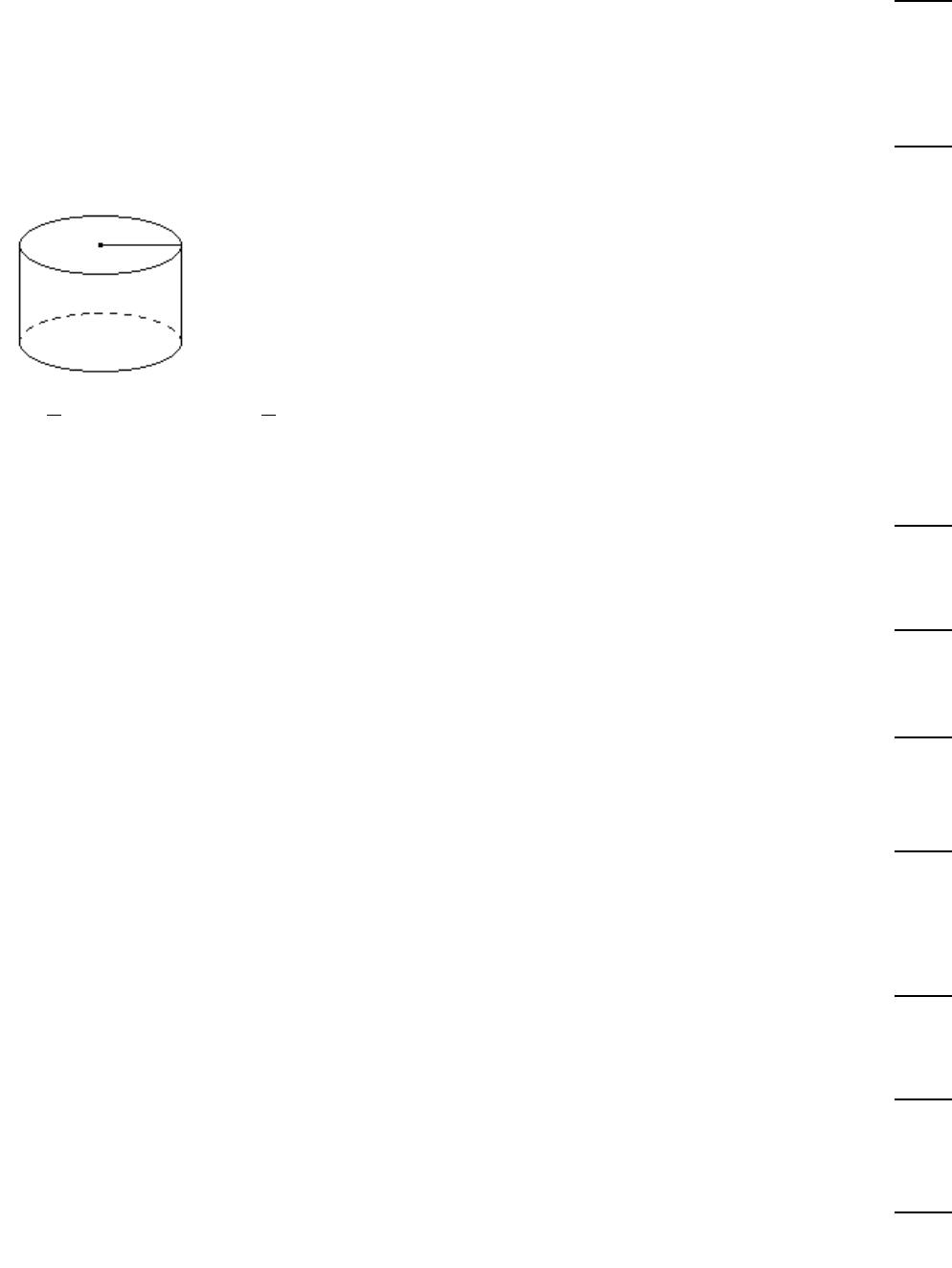
Combine like terms and write the resulting polynomial in descending order of powers.
367)
–3m6+ 12m5– 8m4+ 6m6– 8m5
367)
A)
Cannot be simplified
B)
3m6+ 4m5– 8m4
C)
105m
D)
7m15
Solve the problem.
368)
The cylindrical storage vat in the picture has a base with radius of r and a height of r. The volume
of the vat is the product of its height and the area of the base. Find the volume of the cylinder.
r ft
r ft
368)
A)
1
2r3ft3
B)
3
2r3ft3
C)
2r3ft3
D)
r3ft3
Remove the parentheses and simplify, if possible.
369)
(9x –13) +(2x +4) –(3x – 30)
369)
A)
14x + 21
B)
8x + 21
C)
8x – 39
D)
8x + 47
Write the number in scientific notation.
370)
.00002989
370)
A)
2.989× 10⁻⁴
B)
2.989× 10⁻⁵
C)
2.989× 10⁵
D)
2.989× 10⁴
Find the product.
371)
2x(–4x – 10)
371)
A)
–8x2– 20x
B)
–8x2– 10x
C)
–28x2
D)
–4x2– 20x
Solve.
372)
Combine: (5x2y – 5xy –y2)–(2x2y – 6xy2 –3y2)–(5xy – 4xy2 +2y2)
372)
A)
3x2y + 10xy2– 10xy – 6y2
B)
3x2y + 10xy2– 6y2
C)
3x2y + 10xy2– 10xy
D)
3x2y – 10xy2– 10xy
Write the number without exponents.
373)
4.53 × 10⁻⁴
373)
A)
.00453
B)
.000453
C)
.0000453
D)
–453,000
Write the number in scientific notation.
374)
41,000
374)
A)
4.1 × 10⁴
B)
4.1 × 10³
C)
4.1 × 10⁻³
D)
4.1 × 10⁻⁴
Indicate whether the expression is a polynomial or not a polynomial.
375)
–20a5
375)
A)
Polynomial
B)
Not a polynomial
45

Write the number in scientific notation as it would be displayed on a calculator.
376)
170,000
376)
A)
1.7E–3
B)
1.7E–5
C)
1.7E5
D)
1.7E3
Simplify.
377)
(–26)2
377)
A)
4096
B)
–4096
C)
–256
D)
256
46
Answer Key
Testname: C5
47
Answer Key
Testname: C5
Answer Key
Testname: C5
Answer Key
Testname: C5
50
Answer Key
Testname: C5
51
Answer Key
Testname: C5
Answer Key
Testname: C5
Answer Key
Testname: C5
54