CHAPTER 6
DECISION MODELS
TRUE/FALSE QUESTIONS
1. The payoff table always has more states of nature than
2. In some cases, the Expected Value of Sample Information can
3. The Expected Value of Perfect Information is always a value
4. “Uncertainty” implies probabilities; “risk” implies ignorance.
5. An aggressive decision maker would prefer the minimax regret
6. When using the maximax criterion, the optimal decision
alternative may be determined by simple inspection of the payoff
7. The “principle of insufficient reason” indicates the decision
maker’s belief that any state of nature is as likely to occur as any
8. “Expected value” in decision analysis is synonymous with “most
9. The optimal decision can change merely by introducing an
additional, non-optimal alternative when using the minimax regret
10. The states of nature in a payoff table should be mutually
11. Theoretically, a payoff table is not limited to two
12. The expected value criterion ignores the decision maker’s
13. EVPI is the smallest expected regret of any decision
14. The indifference approach for assigning utility values asks
the decision maker which of two alternatives is preferred: the
payoff under consideration or a chance at the highest payoff with a
15. The objective function in game theory is to maximize the value
MULTIPLE CHOICE QUESTIONS
1. Which of the following criteria represents an
aggressive/optimistic approach?
a. maximin
b. minimax
c. minimax regret
d. maximax
2. If it is assumed that each possible state of nature has an
equal likelihood of occurrence, the expected value criterion will
yield the same result as:
a. maximin.
b. minimax
c. maximax
d. the principle of insufficient reason.
3. The expected regret criterion will always yield the same
optimal decision as which other criterion?
4. The Bayesian approach in decision analysis:
a. utilizes sample information only.
b. utilizes prior information only.
c. chooses between sample and prior information.
d. combines sample and prior information.
5. The difference between “risk” and “uncertainty” in decision
analysis alludes to the difference between:
a. knowledge and uncertainty.
b. pessimism and optimism.
c. known and unknown probabilities.
d. aggression and conservatism.
6. The decision maker who is neither optimistic nor pessimistic
might use which criterion?
a. minimax
b. maximin
c. maximax
d. the principle of insufficient reason
7. Consider the following payoff table in which D1 through D4
represent decisions, S1 through S4 represent states of nature, and
the values in the cells represent profits.
S1
S2
S3
S4
D1
-20
40
60
100
D2
30
120
60
-50
D3
30
30
40
40
D4
10
-60
80
70
The optimal decision under the maximax criterion is:
a. D1
b. D2
c. D3
d. D4
8. Consider the payoff table in problem 7. The optimal decision
under the minimax regret criterion is:
a. D1
b. D2
c. D3
d. D4
9. Consider the payoff table in problem 7. The optimal decision
under the maximin criterion is:
a. D1
b. D2
c. D3
d. D4
10. Consider the payoff table in problem 7. The optimal decision
under the principle of insufficient reason criterion is:
a. D1
b. D2
c. D3
d. D4
11. Consider the payoff table in problem 7. Suppose that the
probabilities of states of nature S2 and S3 occurring are equal and
that the probability of state of nature S4 occurring is .50. If the
probability of state of nature S1 occurring is three times the
probability of state of nature S2 occurring, the optimal decision
under the expected value criterion is:
a. D1
b. D2
c. D3
d. D4
12. The fact that so many people enter sweepstakes and/or buy
lottery tickets demonstrates the difference between:
a. the expected value and the expected utility criteria.
b. altruism and selfishness.
c. risk aversion and risk indifference.
d. certainty and uncertainty.
13. If costs/losses, rather than profits/gains, are concerned, the
minimax criterion is equivalent to:
a. maximin.
b. maximax.
c. minimax regret.
d. minimin.
14. Utilities are generally well approximated by monetary payoffs
for:
a. risk-averse individuals.
b. risk-preferring individuals.
c. small businesses.
d. large corporations.
15. The expected value of perfect information (EVPI):
a. is the same as the expected return with perfect
information (ERPI).
b. is never less than the expected value of sample
information (EVSI).
c. does not require probabilities in its calculation.
d. requires the availability of sample information.
16. Consider the following payoff table in which D1 through D4
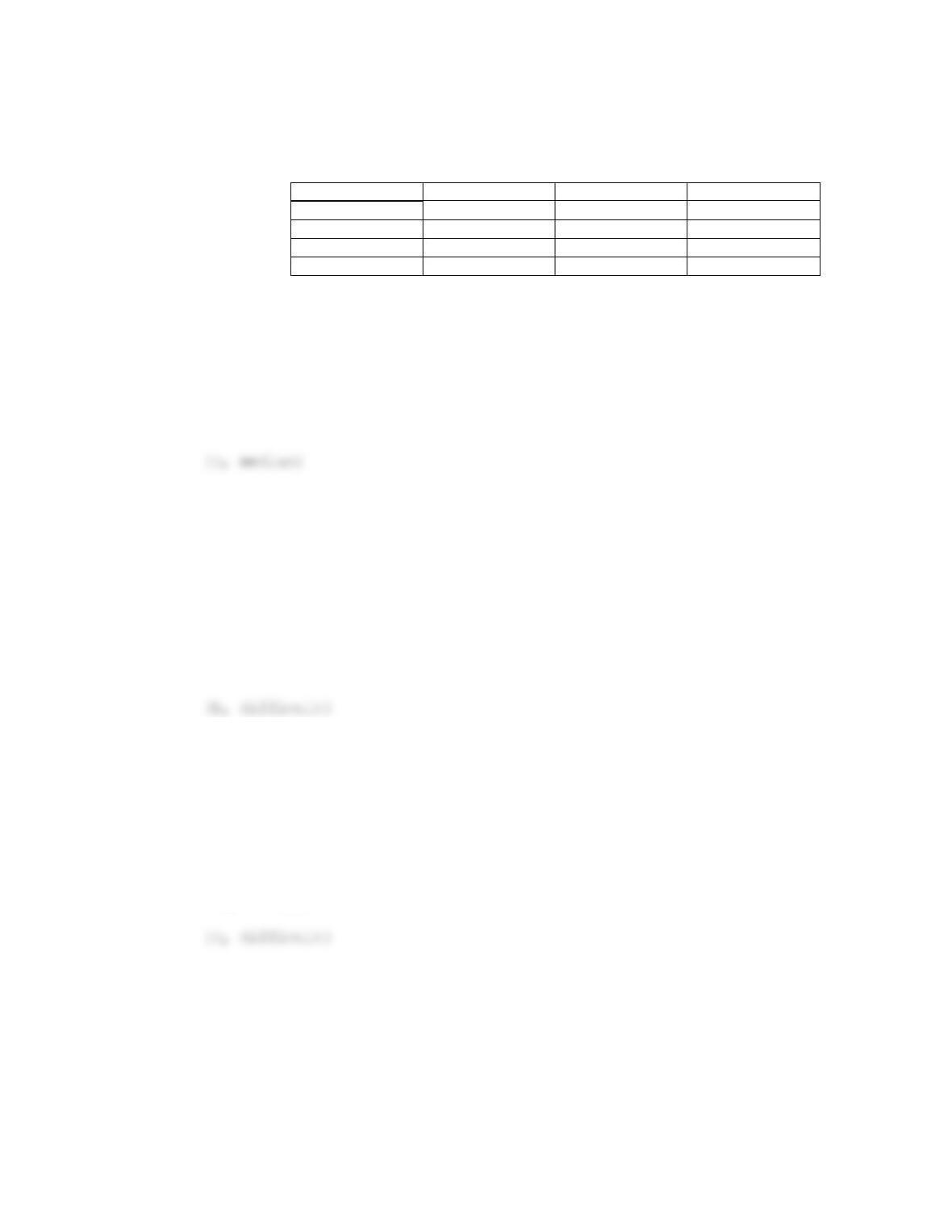
represent decisions, S1 through S4 represent states of nature, and
the values in the cells represent profits.
S1
S2
S3
S4
D1
30
20
-50
100
D2
60
120
40
-80
D3
20
0
60
80
D4
40
-60
80
80
Suppose that each state of nature is equally likely to occur. The
expected value of perfect information is:
a. 0
b. 40
c. 50
d. 90
17. Consider the payoff table in problem 16. Suppose that each
state of nature is equally likely to occur and that two indicators,
I1 and I2, are possible. The conditional probabilities for
indicator I1 given the states of nature are as follows: P(I1|S1) =
.1, P(I1|S2) = .2, P(I1|S3) = .3, and P(I1|S4) = .4. The expected
value of sample information is:
a. 0
b. 5.50
c. 45.50
d. 90
18. Consider a decision making problem with three states of
nature: S1, S2, and S3, for which P(S1) = .1 and P(S2) = .3.
Suppose also that there are two possible sample indicators, I1 and
I2, and the following conditional probabilities hold: P(I1|S1) =
.2, P(I1|S2) = .4, and P(I1|S3) = .6. The P(S2|I2) is:
a. .18
b. .24
c. .36
d. .50
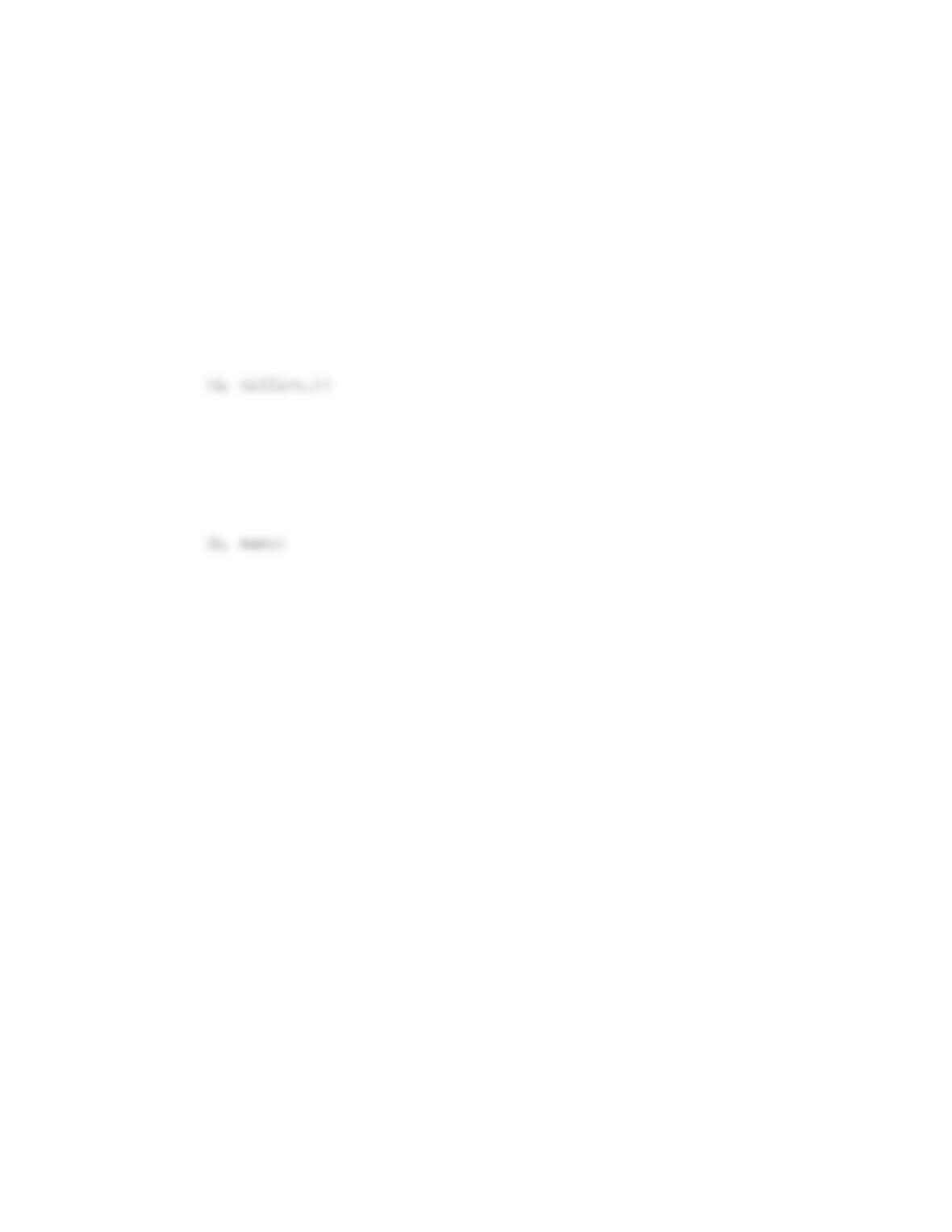
19. Using the table below, which plan has the greatest efficiency?
Expected Return
With Sample
Information
Expected Return
With Perfect
Information
Expected Return
Using Expected
Value (EREV)
I
15
20
10
II
15
20
12
III
18
25
10
IV
16
20
10
a. I
b. II
c. III
d. IV
20. The maximin payoff criterion best serves what type of person?
a. Everyone.
b. Pessimistic or conservative.
c. Risk-neutral.
d. Risk-preferred.
SHORT ANSWER QUESTIONS
1. Suppose in a decision analysis problem, the decision maker’s
decision is based only on the expected monetary value of the
possible outcomes. What does this imply, concerning the decision
maker’s utility function? Explain.
2. What is the “principle of insufficient reason”?
3. Consider the decision analysis problem with states of nature
Si, decision alternatives Aj, and the following payoff table:
S1
S2
S3
S4
A1
55
51
50
38
A2
39
42
42
48
A3
45
59
57
35
What is the preferred alternative when using the:
4. In a two–person, zero-sum game, where you have two possible
strategies, S1 and S2, solving the model yields the answer S1 = .60
and S2 = .40. What does this mean?
5. What are the two steps to calculate regret values for states
of nature?
6. Define the three terms in the equation EVPI = ERPI – EREV.
7. The world is not perfect, and we can never know the future
with real certainty. Why, then, should we use the expected value of
perfect information (EVPI)?
8. What is a “zero–sum” game? Give an example of a zero-sum game
and an example of a game which is not zero-sum.
9. What is a “fair” game?
10. What is the interpretation of the shadow price values in a
Game Theory linear programming model sensitivity report?
FORMULATION/SOLUTION/ANALYSIS QUESTIONS
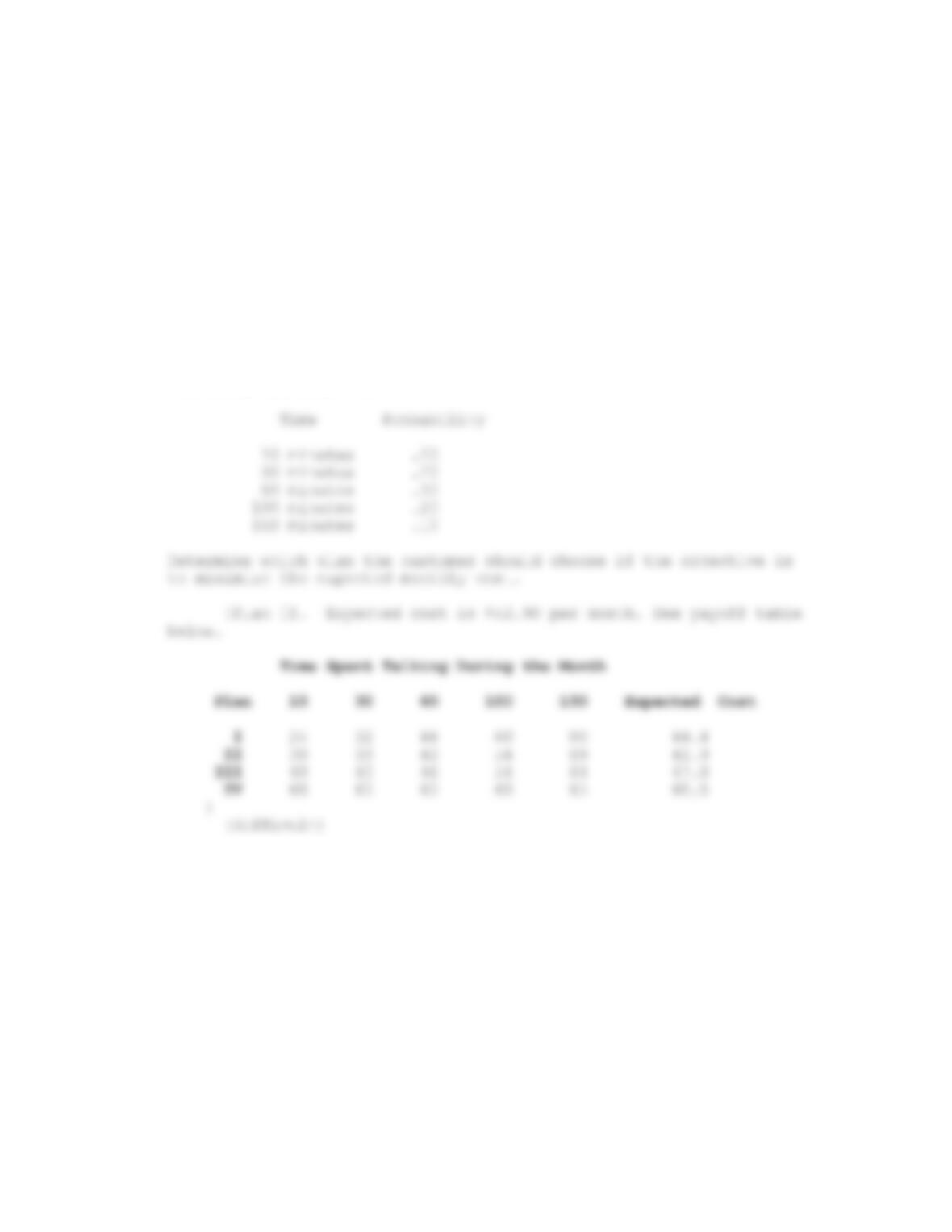
1. Suppose that a cell phone customer has a choice of four
monthly leasing plans:
Plan I: $20 per month and $.40 per minute
Plan II: $30 per month with 20 free minutes and $.30 per minute
for additional minutes
Plan III: $40 per month with 30 free minutes and $.20 per minute
for additional minutes
Plan IV: $60 per month with 100 free minutes and $.10 per minute
for additional minutes
Suppose also that the customer estimates that the amount of time he
will talk on the cell phone each month can be approximated by the
following distribution:
2. The campus bookstore wishes to determine how many units of a
discontinued computer it should purchase for an upcoming sale. The
computers cost $800 each and the bookstore believes it can sell them
for $1100 each. At that price the bookstore estimates that the
demand will be between one and four units. Any computers unsold at
the end of the sale will be marked down in price by 50% and will
quickly sell out. If the bookstore does not have enough computers
in stock to satisfy all the demand, it estimates that it will incur
a goodwill loss of $100 for each unsatisfied customer.
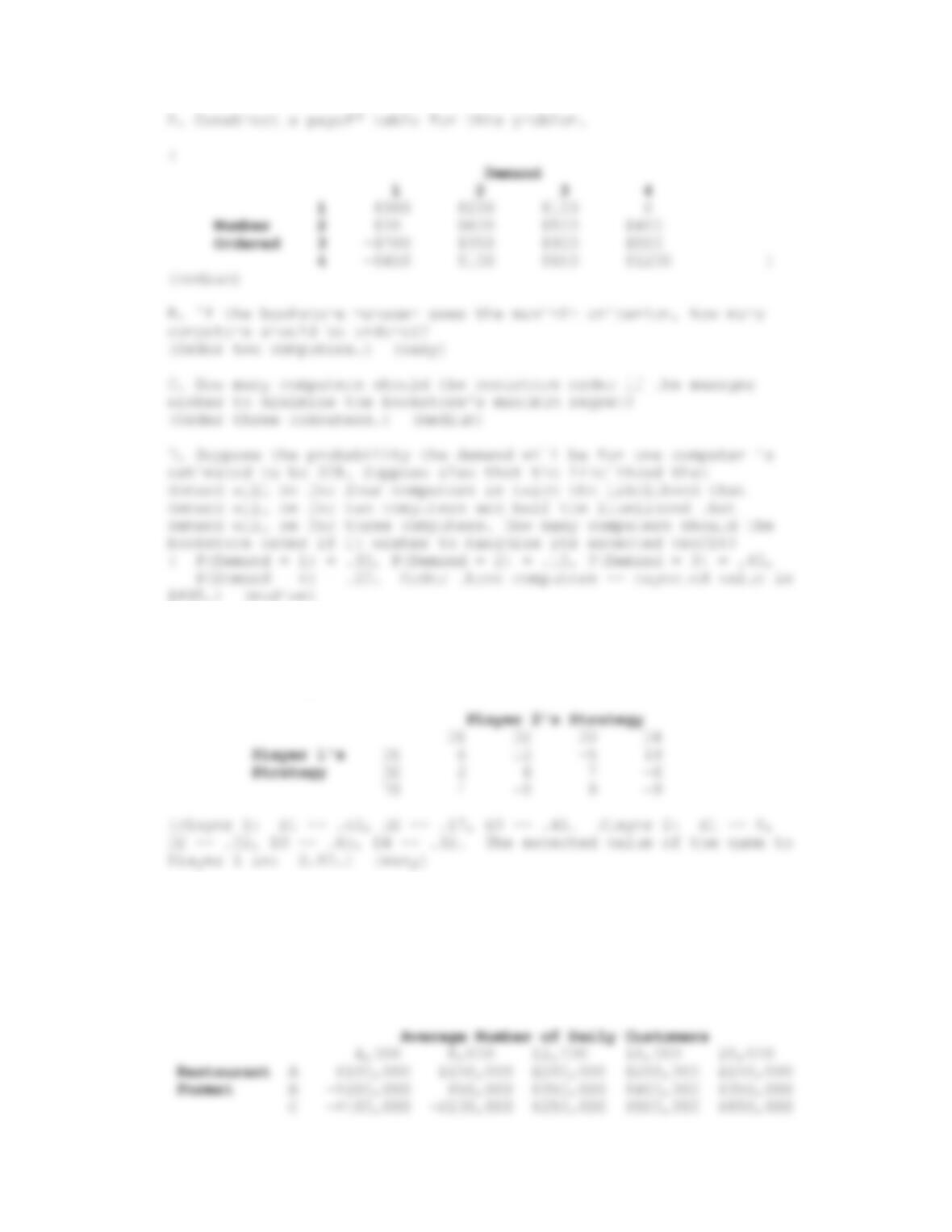
3. Consider a two person zero sum game in which Player 1 has
three possible decisions and Player 2 has four possible decisions.
If the payoffs to player 1 are as follows, determine each player’s
optimal strategy and the value of the game to Player 1.
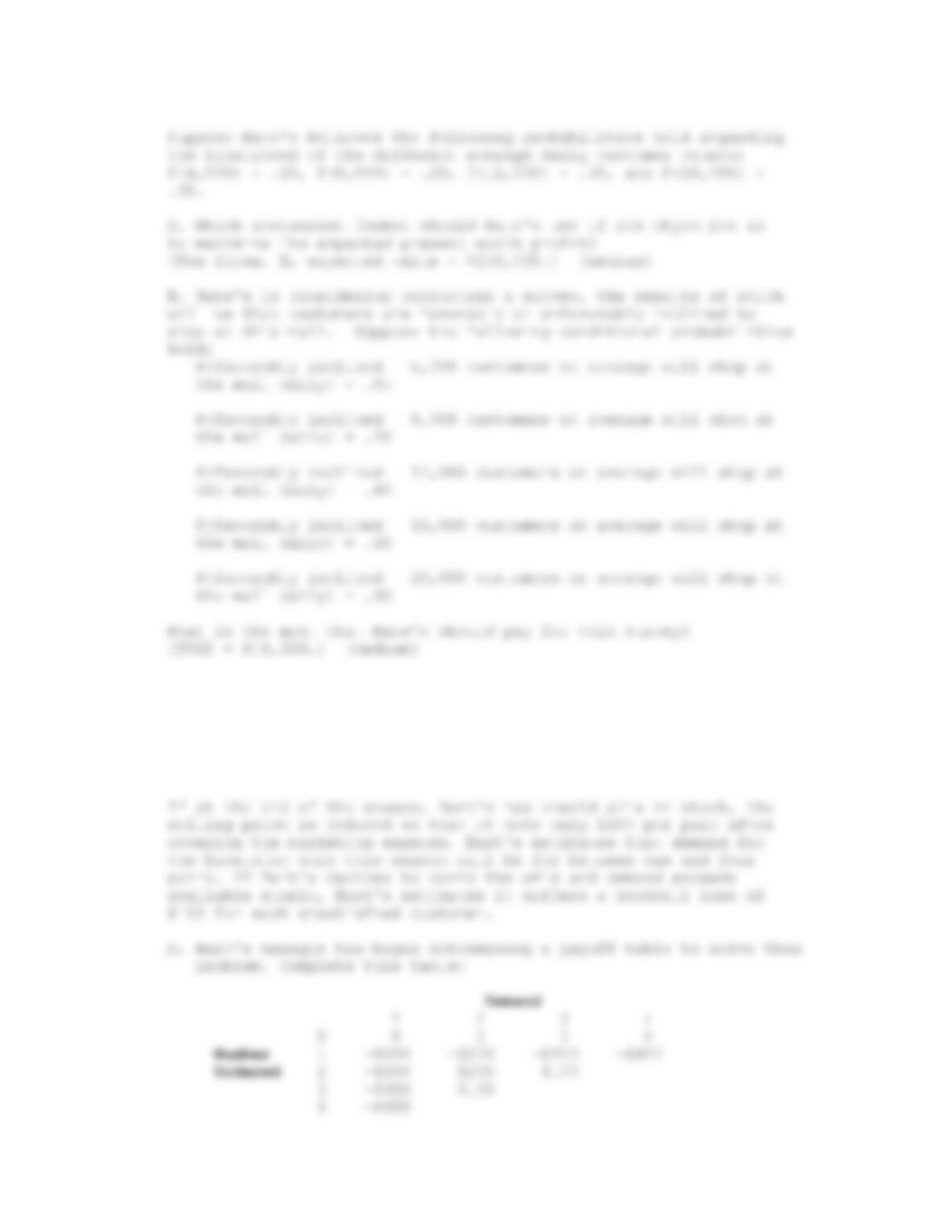
4. Nate’s Hot Dogs has the opportunity to lease space for one of
its restaurants in a new shopping mall being built. Nate’s has three
restaurant formats that it can use, each with different square
footage requirements. The expected present worth profit will be a
function of the average daily customer count at the mall. Nate’s
management has determined the following payoff table to model this
problem.
5. Bart’s Sporting Goods is being offered the opportunity to sell
the new Excelsior 501 graphite skis. The skis will cost Bart’s $300
a pair and will sell for $650 a pair. There is a $400 shipping
charge which Bart’s must pay if it places an order for the skis and
is independent of the amount ordered. Bart’s estimates that the
marketing cost to sell a pair of skis is $50.
B. What is Bart’s optimal decision under the maximin criterion?
C. Suppose that the probability of demand for all four states of
nature is equally likely, what is Bart’s optimal decision?
D. What is the expected value of perfect information for this
problem?
E. Suppose Bart’s utility function is as follows:
U(x) = ((x+400)/100)2/144
(for example, the utility associated with -$200 is:
((-200+400)/100)2/144 = 4/144 = .0278).
What is Bart’s optimal decision using the expected utility
criterion?
6. Unidyde is considering expansion of its Fort Myers plant to
produce a new chemical compound. The company is evaluating three
different expansion plans: Minor, moderate, or major. They can, of
course, also do nothing. Long term profitability will be a function
of future demand growth for the chemical compound. The following
payoff table gives the present worth future profitability (in
$1,000’s) estimated by Unidyde management:
Demand Growth for Chemical Compound
High Medium Low
Do Nothing 0 0 0
Minor 140 130 100
Expansion Moderate 150 240 -300
Major 200 120 -500
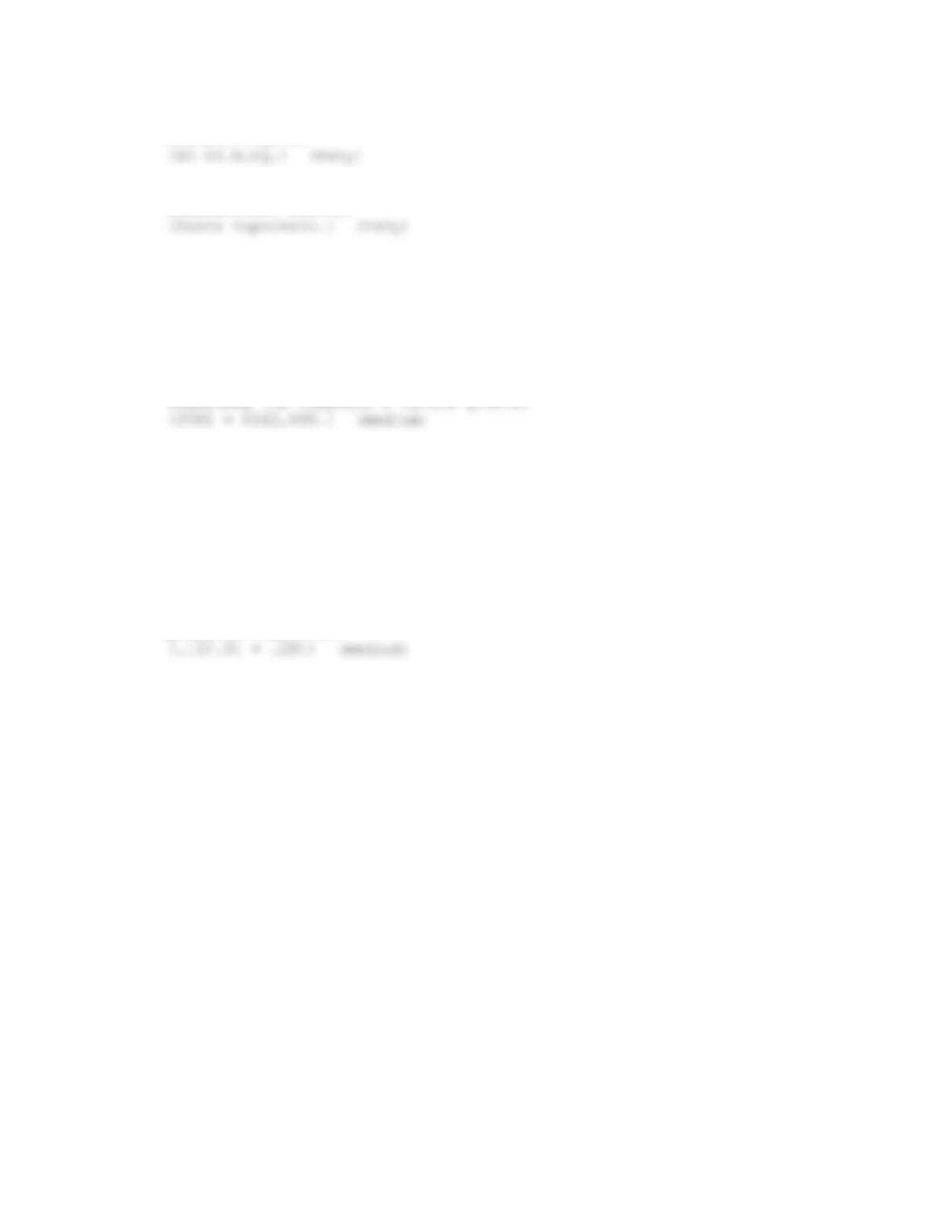
A. What is Unidyde’s optimal decision if it wishes to minimize its
maximum regret?
B. What is Unidyde’s optimal decision if it uses the principle of
insufficient reason?
C. Suppose Unidyde estimates the following probabilities hold for
demand growth of the chemical compound:
P(High Growth) = .20
P(Medium Growth) = .30
P(Low Growth) = .50
What is the most that Unidyde should pay for sample information
D. Suppose that Unidyde can hire an expert in the chemical industry
to give an opinion on the compound’s future success. The opinion
will be either positive or negative and Unidyde estimates that the
following conditional probabilities hold:
P(Expert predicts positive | High Growth) = .60
P(Expert predicts positive | Medium Growth) = .40
P(Expert predicts positive | Low Growth) = .20
What is the probability of there being low growth if the expert
predicts negative?
7. Walt’s Yachts is planning on purchasing between one and four
40 foot yachts from Bayshore Marine. The amount Bayshore will charge
Walt’s is a function of the number of yachts order and is as
follows:
Number of Yachts Ordered Total Cost
1 $110,000
2 $150,000
3 $230,000
4 $315,000
Walt’s plans to sell the yachts for $90,000 each. Any yachts
purchased by Walt’s and unsold at the end of the season can be sold
by Walt’s to a tax shelter syndicate for $75,000 each. If demand
for the yachts exceeds Walt’s supply, it estimates it will suffer a
goodwill loss of $5,000 for each unsatisfied customer.
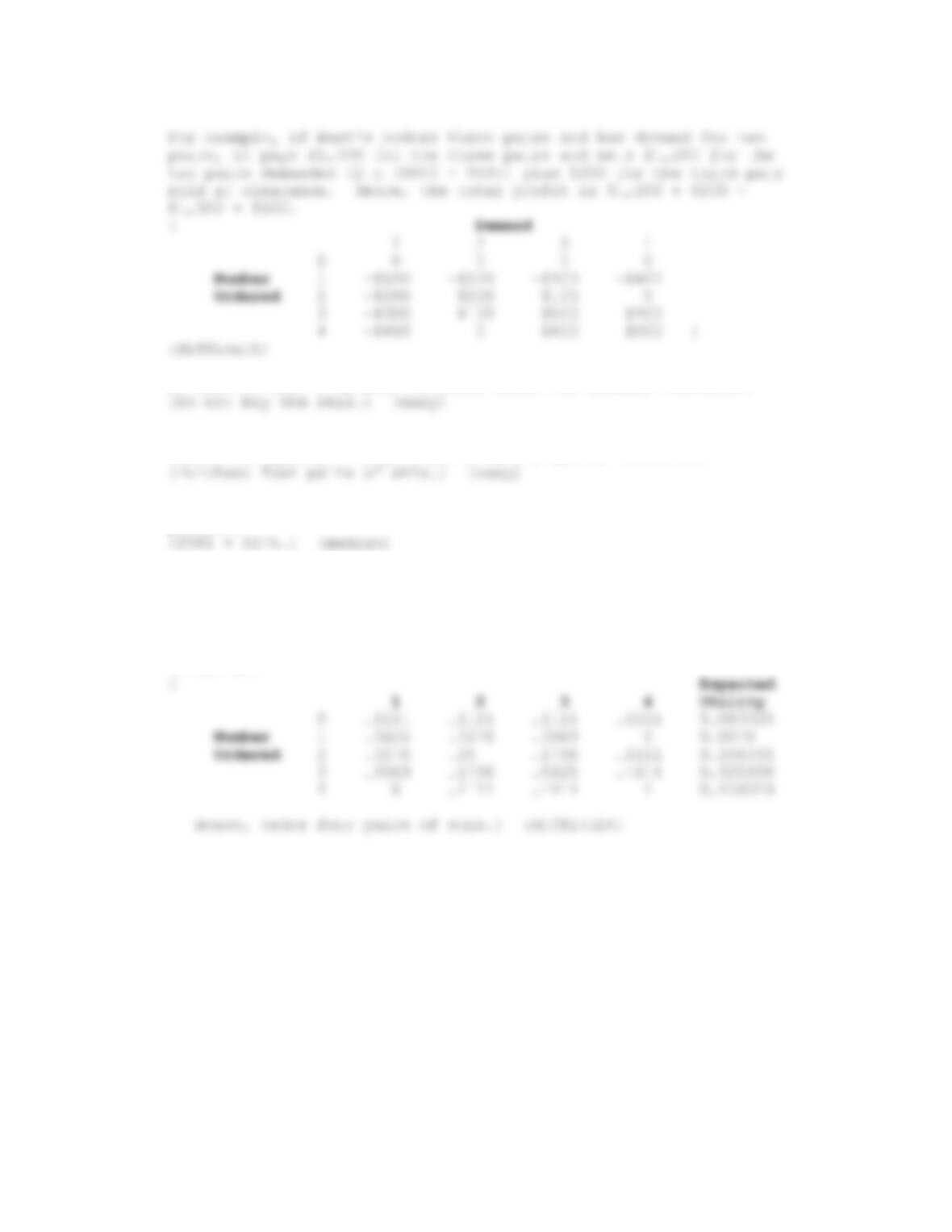
A. The manager of Walt’s has begun constructing a payoff table for
analyzing this problem, but has been called away on business. The
values in the cells represent Walt’s profit in $1,000’s. Complete
this table:
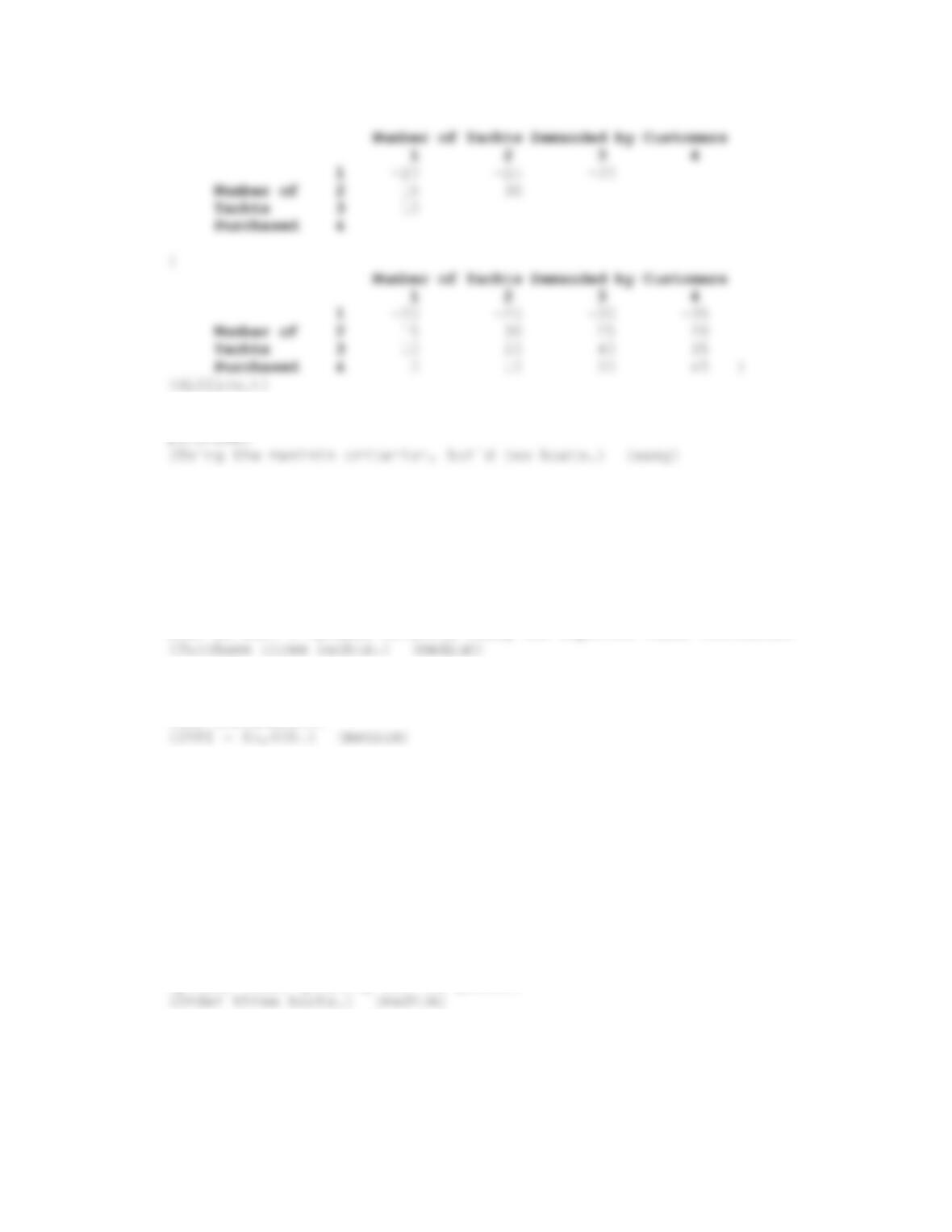
B. If Walt’s is extremely risk averse, how many yachts should it
C. Suppose Walt’s estimates that the following demand probabilities
hold:
Demand Probability
1 .20
2 .20
3 .30
4 .30
What is Walt’s optimal decision using the expected value criterion?
D. Suppose that Walt’s could obtain information which would improve
the demand estimates. What is the most that Walt’s should pay for
this information?
E. Walt’s can hire a market research firm which will report back
whether potential customers are favorably inclined towards this
yacht. The market research firm estimates the following conditional
probabilities hold.
P(favorably inclined | 1 yacht demanded) = .20
P(favorably inclined | 2 yachts demanded) = .40
P(favorably inclined | 3 yachts demanded) = .80
P(favorably inclined | 4 yachts demanded) = .90
If Walt’s hires the market research firm and finds out that
customers are favorably inclined towards the yacht, what is Walt’s
optimal order quantity for the yachts?
8. Next month Allied Industries will need to purchase either
1,000, 2,000, or 3,000 gallons of a certain polymer for the upcoming
quarter’s production of a chemical compound. The company has been
offered the compound from three manufacturers: Winslow, Barnett, or
Frume. The price per gallon currently quoted to Allied by the three
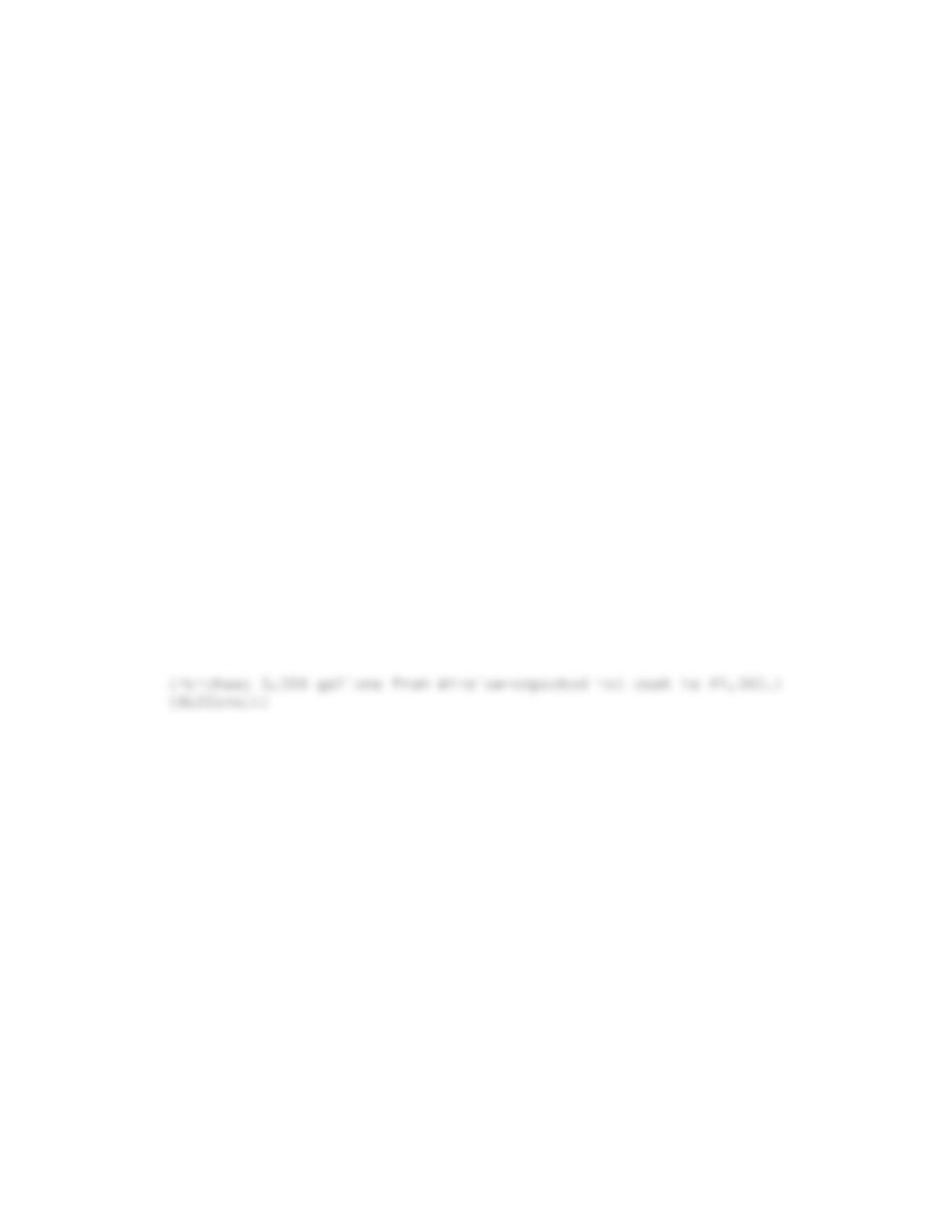
manufacturers is a function of their order quantity and is as
follows:
Manufacturer
Winslow Barnett Frume
Allied’s 1,000 $1.00 $.90 $.80
Order 2,000 $ .70 $.80 $.75
Quantity 3,000 $ .60 $.65 $.65
Allied can either “lock-in” these prices by immediately signing a
contract with one of the three manufacturers or wait until next
month to try to purchase the chemical on the spot market. If Allied
signs a contract it must specify the amount it will order. Any
chemicals unused by Allied can be sold for scrap at $.40 per gallon.
Allied’s management estimates that if it waits to purchase the
chemical on the spot market, the price it will pay will be either
$.70, $.90, or $1.10 per gallon. Allied estimates the likelihood of
the spot price being $.70 per gallon will be twice the likelihood
that the spot price will be $.90 per gallon and six times the
likelihood that the spot price will be $1.10 per gallon.
Allied management estimates that the following probabilities hold
relative to next month’s demand for the compound:
P(Demand = 1,000 gallons) = .30
P(Demand = 2,000 gallons) = .50
P(Demand = 3,000 gallons) = .20
What is Allied’s optimal strategy regarding purchasing the chemical
compound?
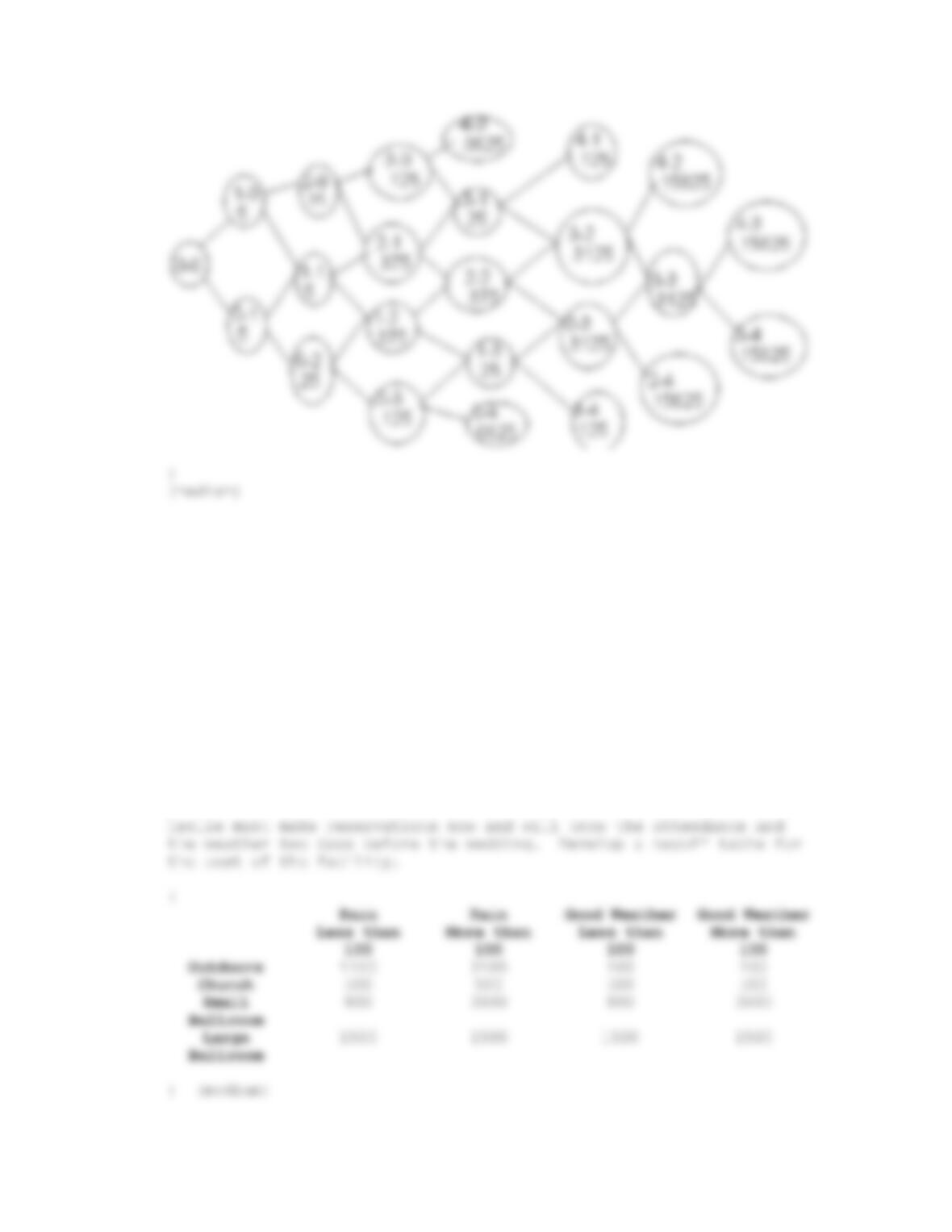
9. Model the World Series as a decision tree. The Diamondbacks
are playing the Yankees in a best of 7 series. That is, the series
ends when one team wins 4 games. Assume each team has an equal
chance to win each game.
(Numbers at the nodes represent the Yankees’ record and the
probability of reaching that node. Arcs going upward are Yankee
victories.
10. Leslie Medrano is planning her wedding and needs to select a
facility. Leslie is a risk-taker by nature. She knows there is a
chance of rain on the chosen date, which is six months away. She
has invited 200 people, and there is a chance the attendance will
exceed 100. Leslie’s choices are:
1- An outdoor wedding.
Park rental fee $100 No refund for bad weather.
If it does rain, she can get a small hotel ballroom
that seats 100 for $1000 or a large ballroom seating
200 for $3000.
2- Church social hall. Seats 300 and costs $500.
3- Select the indoor hotel facility in advance.
Small ballroom for $800, large for $1500.
If the attendance exceeds 100, the party can be moved
to the large room for a total cost of $3000.