
CHAPTER 7—AN INTRODUCTION TO PORTFOLIO MANAGEMENT
TRUE/FALSE Question: A good portfolio is a collection of individually good assets.
Answer:
Question: Risk is defined as the uncertainty of future outcomes. Answer:
Question: Prior to the work of Markowitz in the late 1950s and early 1960s, portfolio
managers did not have a well developed, quantitative means of measuring risk. Answer:
Question: A basic assumption of the Markowitz model is that investors base decisions
solely on expected return and risk. Answer:
Question: Markowitz assumed that, given an expected return, investors prefer to minimize
risk. Answer:
Question: The correlation coefficient and the covariance are measures of the extent to
which two random variables move together. Answer:
Question: For a two-stock portfolio containing Stocks i and j, the correlation coefficient of

returns (rij) is equal to the square root of the covariance (covij). Answer:
Question: If the covariance of two stocks is positive, these stocks tend to move together
over time. Answer:
Question: The expected return and standard deviation of a portfolio of risky assets is equal
to the weighted average of the individual assets expected returns and standard deviation.
Answer:
Question: The combination of two assets that are completely negatively correlated
provides maximum returns. Answer:
Question: Increasing the correlation among assets in a portfolio results in an increase in the
standard deviation of the portfolio. Answer:
Question: Combining assets that are not perfectly correlated does affect both the expected
return of the portfolio as well as the risk of the portfolio. Answer:
Question: In a three-asset portfolio the standard deviation of the portfolio is one third of
the square root of the sum of the individual standard deviations. Answer:

Question: As the number of risky assets in a portfolio increases, the total risk of the
portfolio decreases. Answer:
Question: Assuming that everyone agrees on the efficient frontier (given a set of costs),
there would be consensus that the optimal portfolio on the frontier would be where the
ratio of return per unit of risk was greatest. Answer:
Question: An investor is risk neutral if she chooses the asset with lower risk given a choice
of several assets with equal returns. Answer:
Question: A portfolio is efficient if no other asset or portfolios offer higher expected return
with the same (or lower) risk or lower risk with the same (or higher) expected return.
Answer:
Question: A measure that only considers deviations above the mean is semi-variance.
Answer:
Question: When individuals evaluate their portfolios they should evaluate

Answer:
Question: The probability of an adverse outcome is a definition of
Answer:
Question: The Markowitz model is based on several assumptions regarding investor
behavior. Which of the following is not such any assumption?

Answer:
Question: Markowitz believes that any asset or portfolio of assets can be described by
____ parameter(s).
Answer:
Question: Semi-variance, when applied to portfolio theory, is concerned with

Answer:
Question: The purpose of calculating the covariance between two stocks is to provide a(n)
____ measure of their movement together.
Answer:
Question: In a two-stock portfolio, if the correlation coefficient between two stocks were
to decrease over time every thing else remaining constant the portfolios risk would

Answer:
Question: Which of the following statements about the correlation coefficient is false?
Answer:
Question: You are given a two-asset portfolio with a fixed correlation coefficient. If the
weights of the two assets are varied the expected portfolio return would be ____ and the
expected portfolio standard deviation would be ____.

Answer:
Question: Given a portfolio of stocks, the envelope curve containing the set of best
possible combinations is known as the
Answer:
Question: If equal risk is added moving along the envelope curve containing the best
possible combinations the return will
Answer:
Question: A portfolio is considered to be efficient if:

Answer:
Question: The optimal portfolio is identified at the point of tangency between the efficient
frontier and the
Answer:
Question: An individual investors utility curves specify the tradeoffs he or she is willing to
make between

Answer:
Question: As the correlation coefficient between two assets decreases, the shape of the
efficient frontier
Answer:
Question: A portfolio manager is considering adding another security to his portfolio. The
correlations of the 5 alternatives available are listed below. Which security would enable
the highest level of risk diversification?

Answer:
Question: A positive covariance between two variables indicates that
Answer:
Question: A positive relationship between expected return and expected risk is consistent
with
Answer:
Question: The slope of the efficient frontier is calculated as follows

Answer:
Question: The slope of the utility curves for a strongly risk-averse investor, relative to the
slope of the utility curves for a less risk-averse investor, will
Answer:
Question: All of the following are assumptions of the Markowitz model except

Answer:
Question: The most import criteria when adding new investments to a portfolio is the
Answer:
Question: A portfolio of two securities that are perfectly positively correlated has

Answer:
Question: Between 1990 and 2000, the standard deviation of the returns for the NIKKEI
and the DJIA indexes were 0.18 and 0.16, respectively, and the covariance of these index
returns was 0.003. What was the correlation coefficient between the two market
indicators?
Answer:
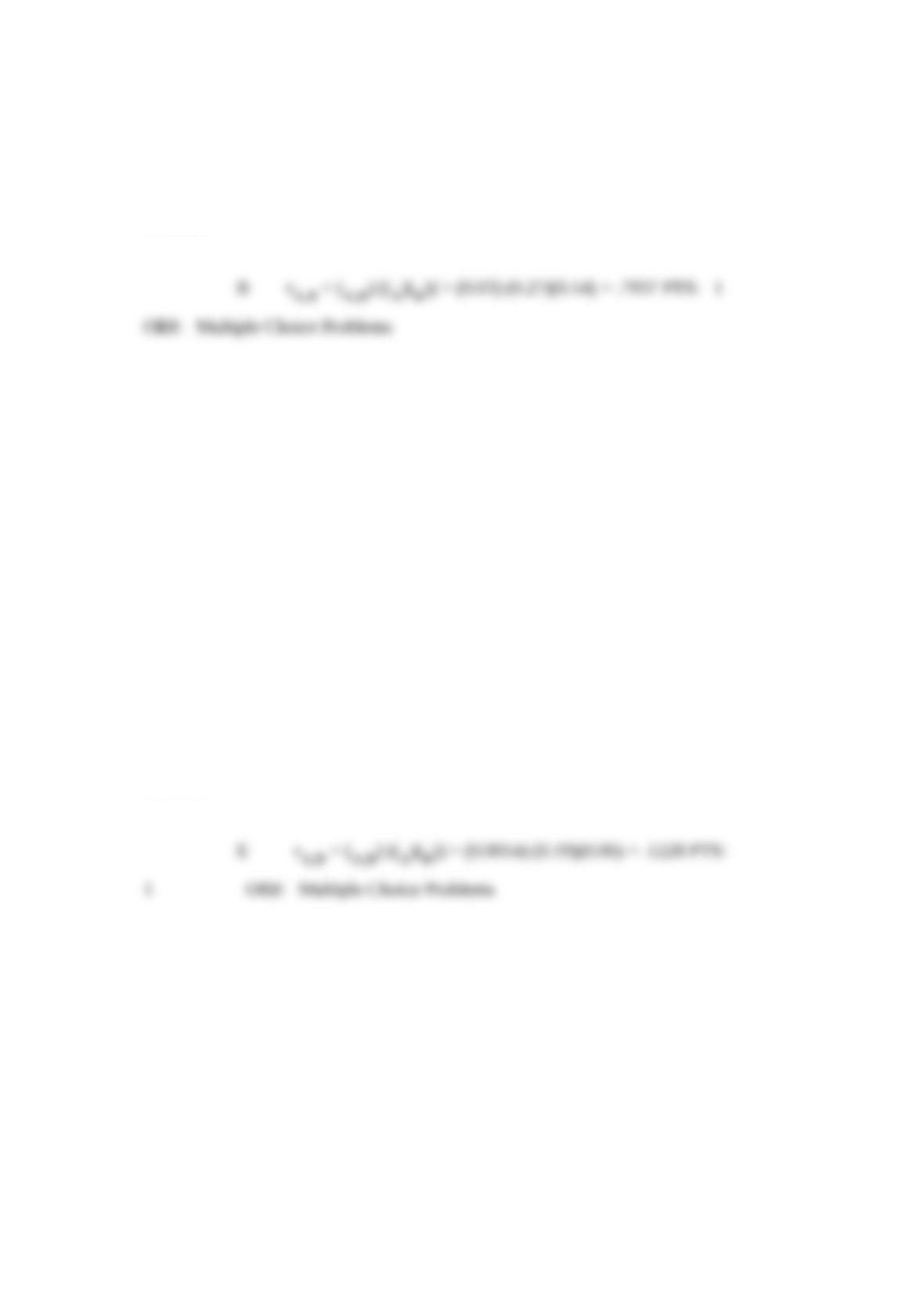
Question: Between 1994 and 2004, the standard deviation of the returns for the S&P 500
and the NYSE indexes were 0.27 and 0.14, respectively, and the covariance of these index
returns was 0.03. What was the correlation coefficient between the two market indicators?
Answer:
Question: Between 1980 and 1990, the standard deviation of the returns for the NIKKEI
and the DJIA indexes were 0.19 and 0.06, respectively, and the covariance of these index
returns was 0.0014. What was the correlation coefficient between the two market
indicators?
Answer:
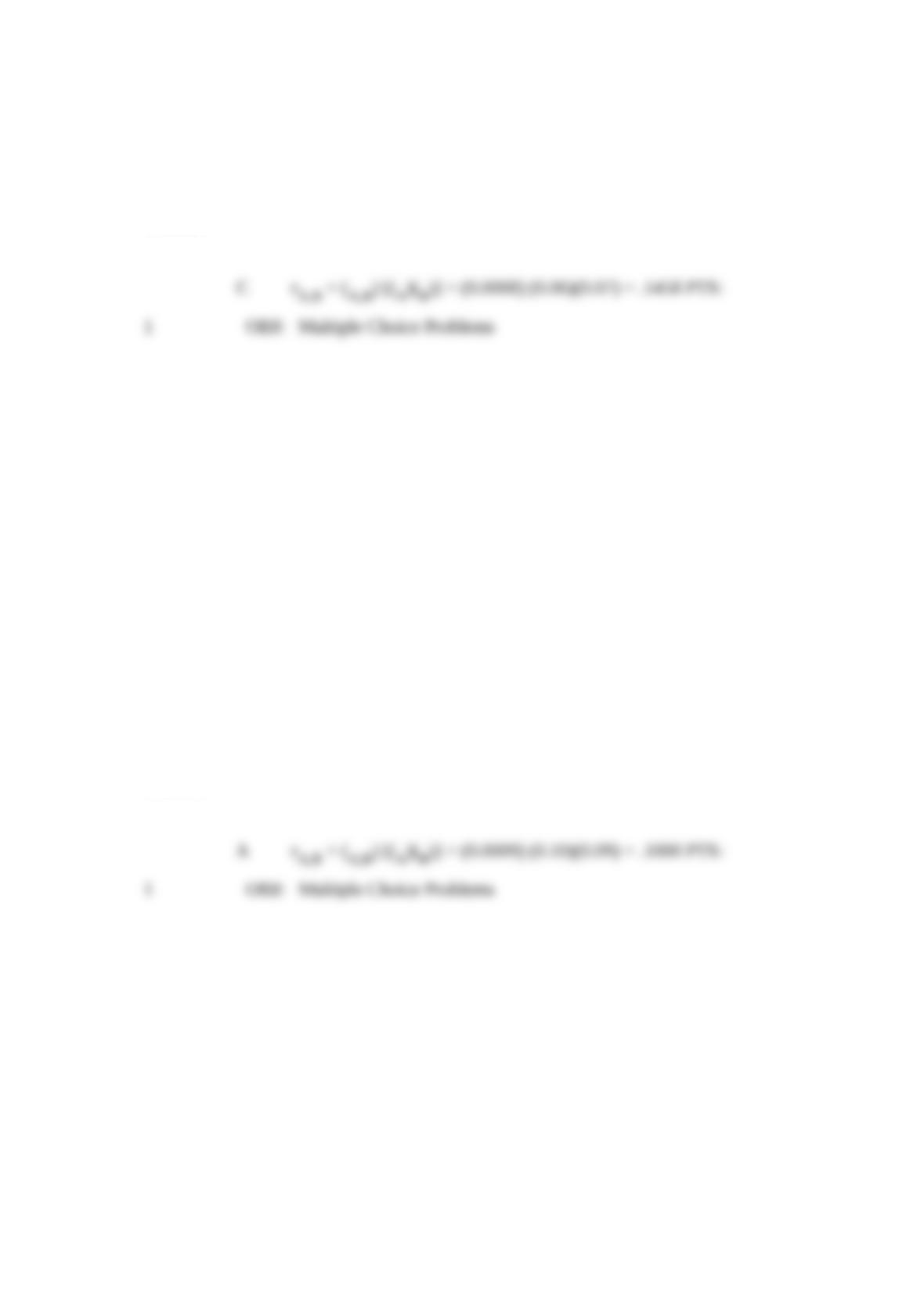
Question: Between 1975 and 1985, the standard deviation of the returns for the NYSE and
the S&P 500 indexes were 0.06 and 0.07, respectively, and the covariance of these index
returns was 0.0008. What was the correlation coefficient between the two market
indicators?
Answer:
Question: Between 1986 and 1996, the standard deviation of the returns for the NYSE and
the DJIA indexes were 0.10 and 0.09, respectively, and the covariance of these index
returns was 0.0009. What was the correlation coefficient between the two market
indicators?
Answer:
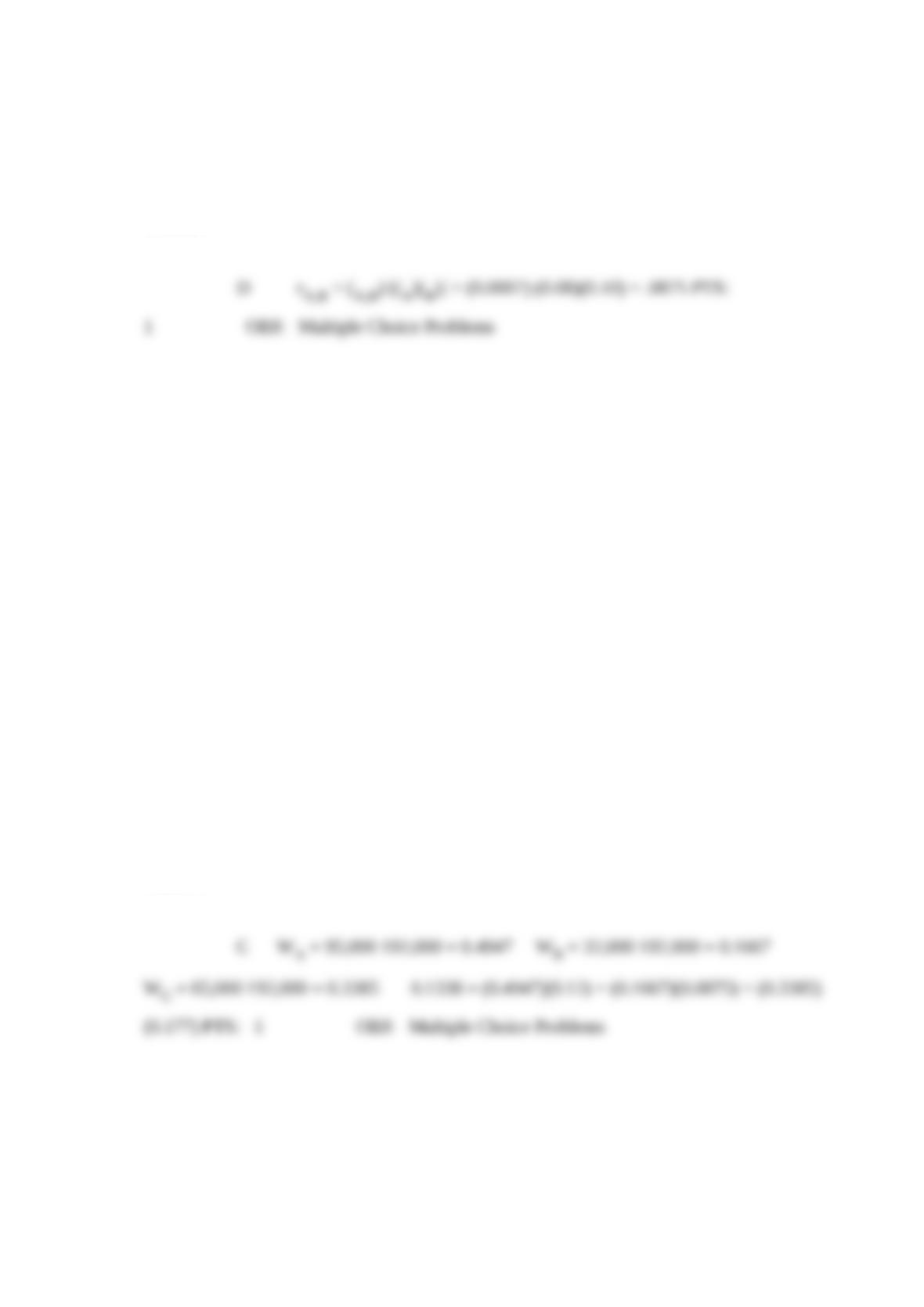
Question: Between 1980 and 2000, the standard deviation of the returns for the NIKKEI
and the DJIA indexes were 0.08 and 0.10, respectively, and the covariance of these index
returns was 0.0007. What was the correlation coefficient between the two market
indicators?
Answer:
Question: What is the expected return of the three-stock portfolio described below?
Answer:
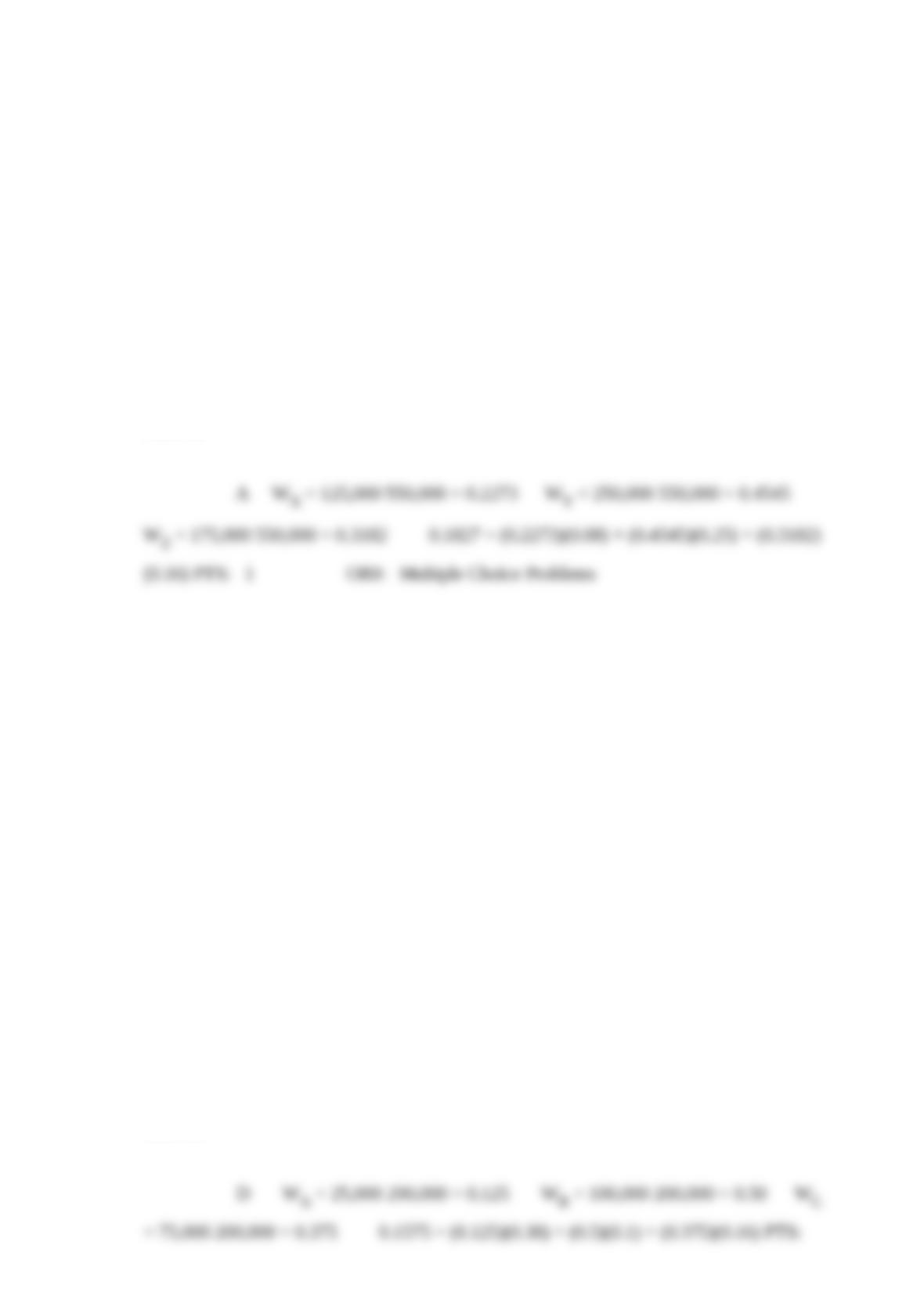
Question: What is the expected return of the three-stock portfolio described below?
Answer:
Question: What is the expected return of the three-stock portfolio described below?
Answer:
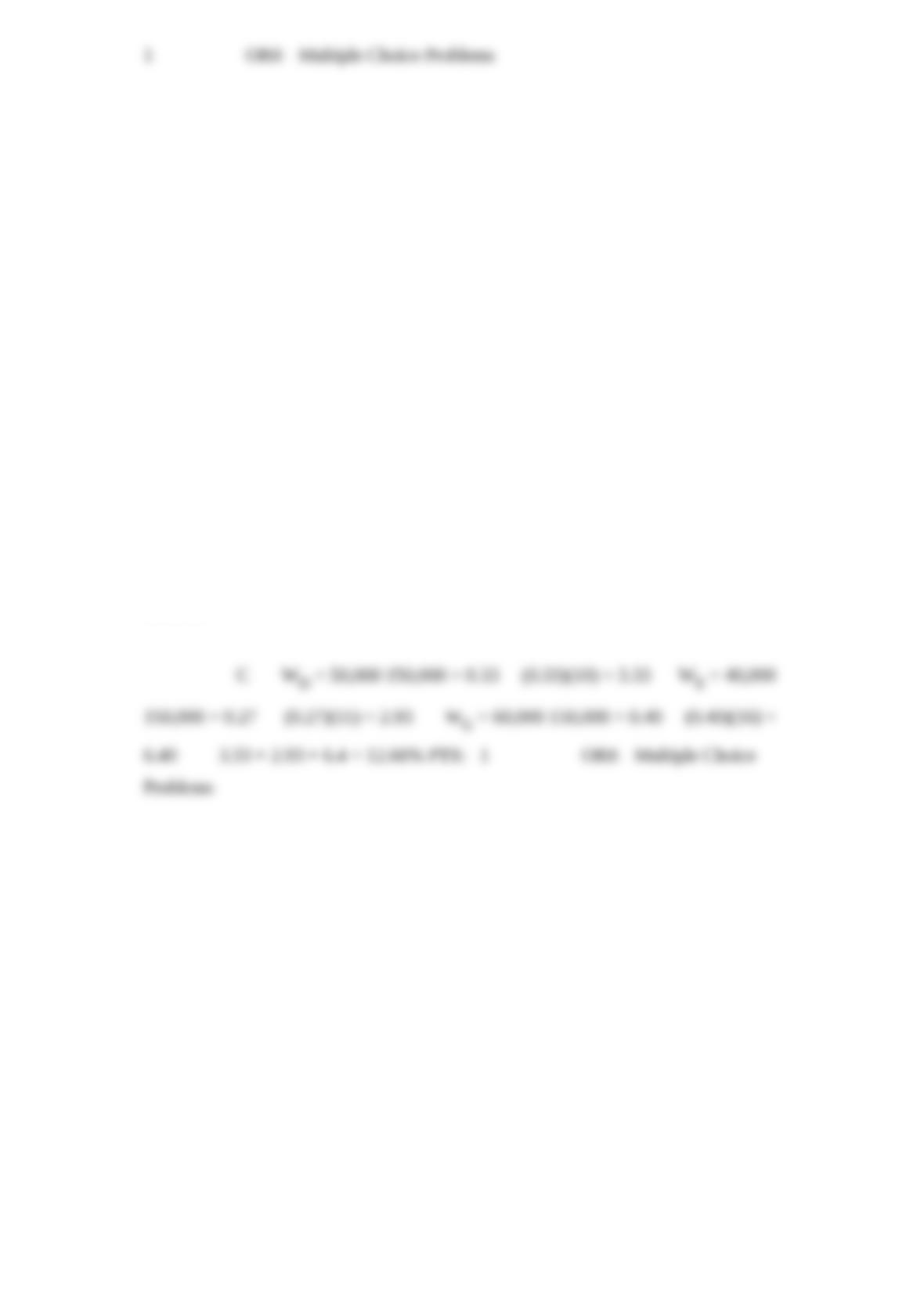
Question: What is the expected return of the three-stock portfolio described below?
Answer:
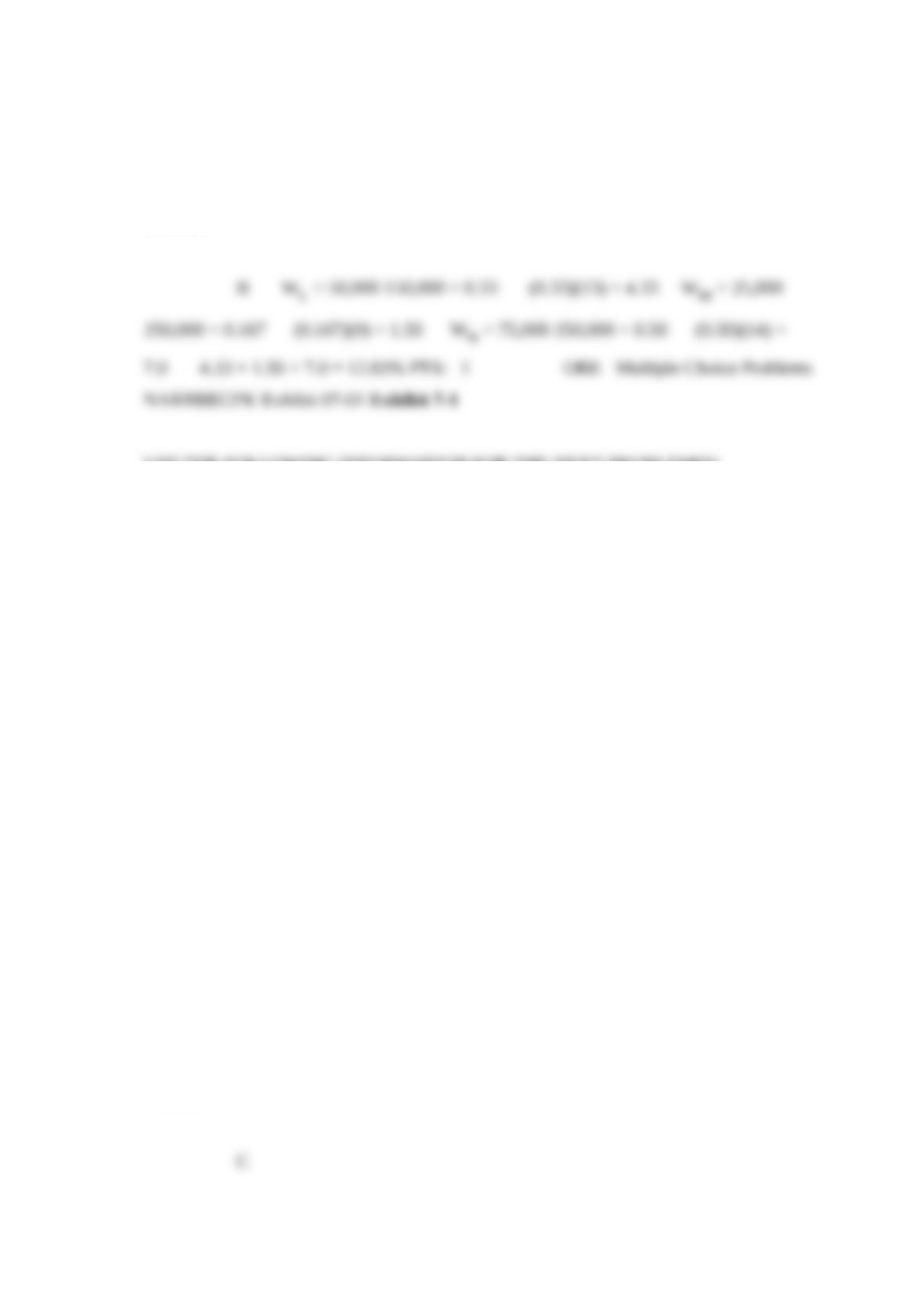
Question: What is the expected return of the three-stock portfolio described below?
Answer:
USE THE FOLLOWING INFORMATION FOR THE NEXT PROBLEM(S)
NARREND Question: Refer to Exhibit 7-1. What is the expected return of a portfolio of
two risky assets if the expected return E(Ri), standard deviation (i), covariance (COVi,j),
and asset weight (Wi) are as shown above?
Answer:
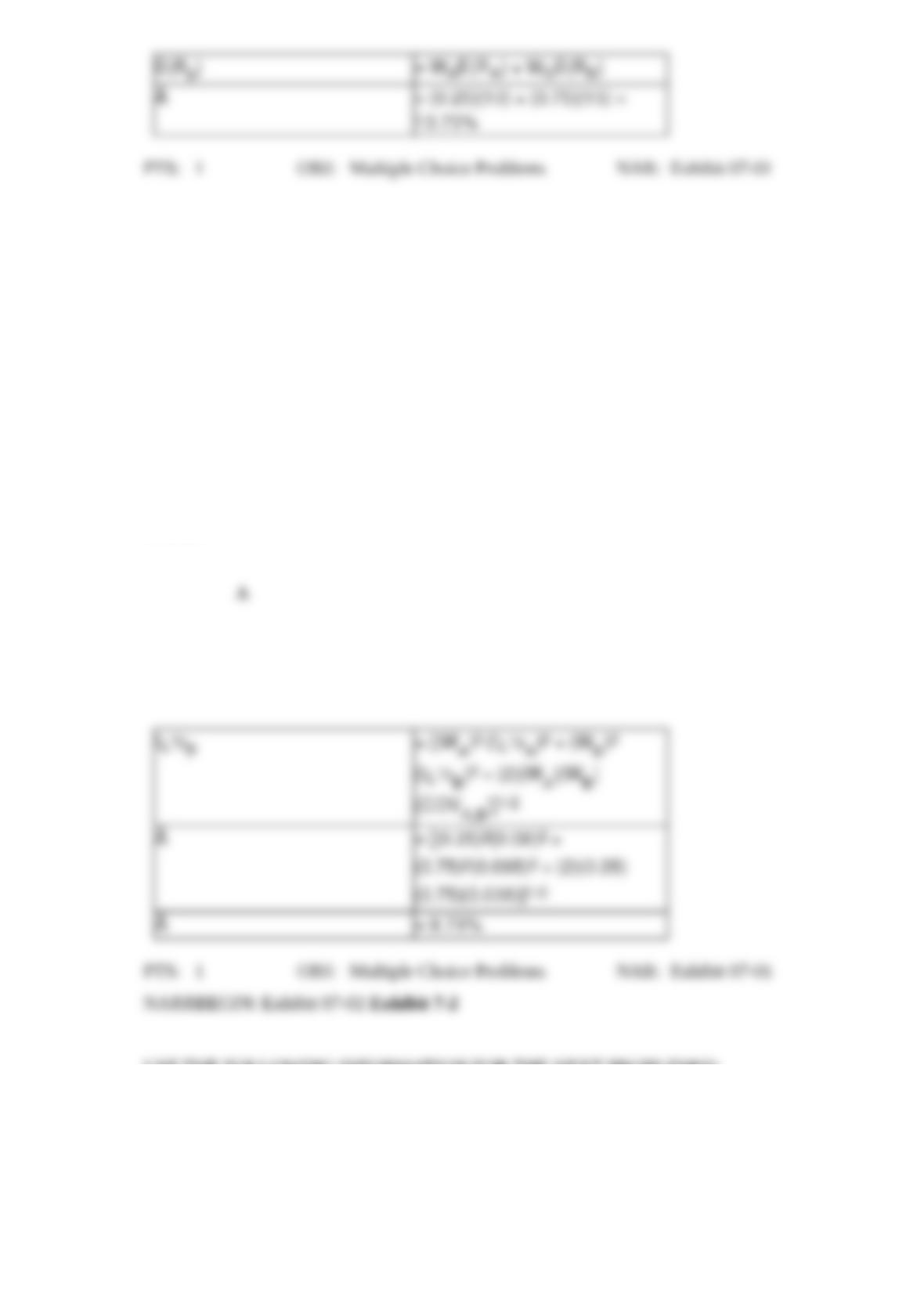
Question: Refer to Exhibit 7-1. What is the standard deviation of this portfolio?
Answer:
USE THE FOLLOWING INFORMATION FOR THE NEXT PROBLEM(S)
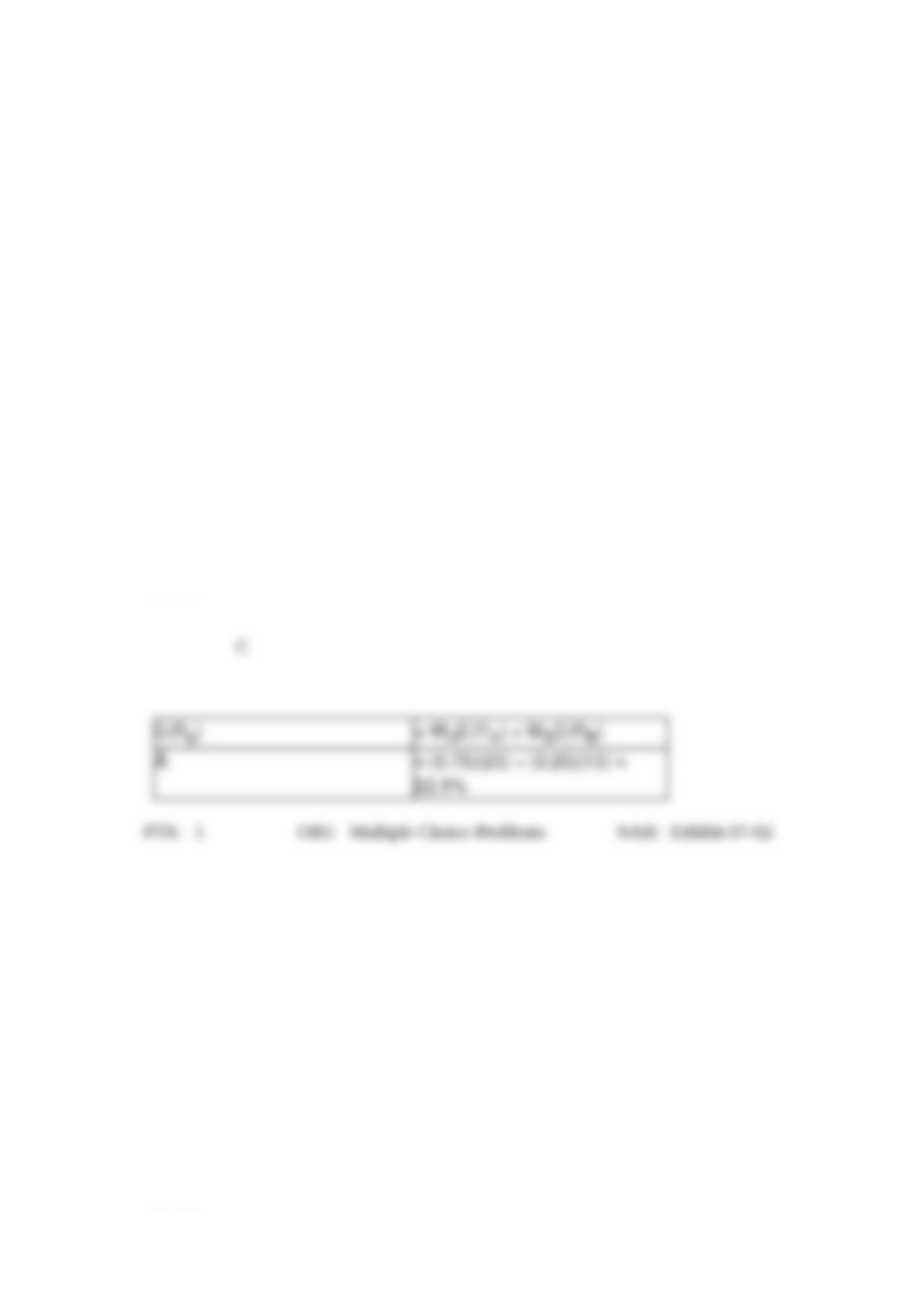
NARREND Question: Refer to Exhibit 7-2. What is the expected return of a portfolio of
two risky assets if the expected return E(Ri), standard deviation (i), covariance (COVi,j),
and asset weight (Wi) are as shown above?
Answer:
Question: Refer to Exhibit 7-2. What is the standard deviation of this portfolio?
Answer:
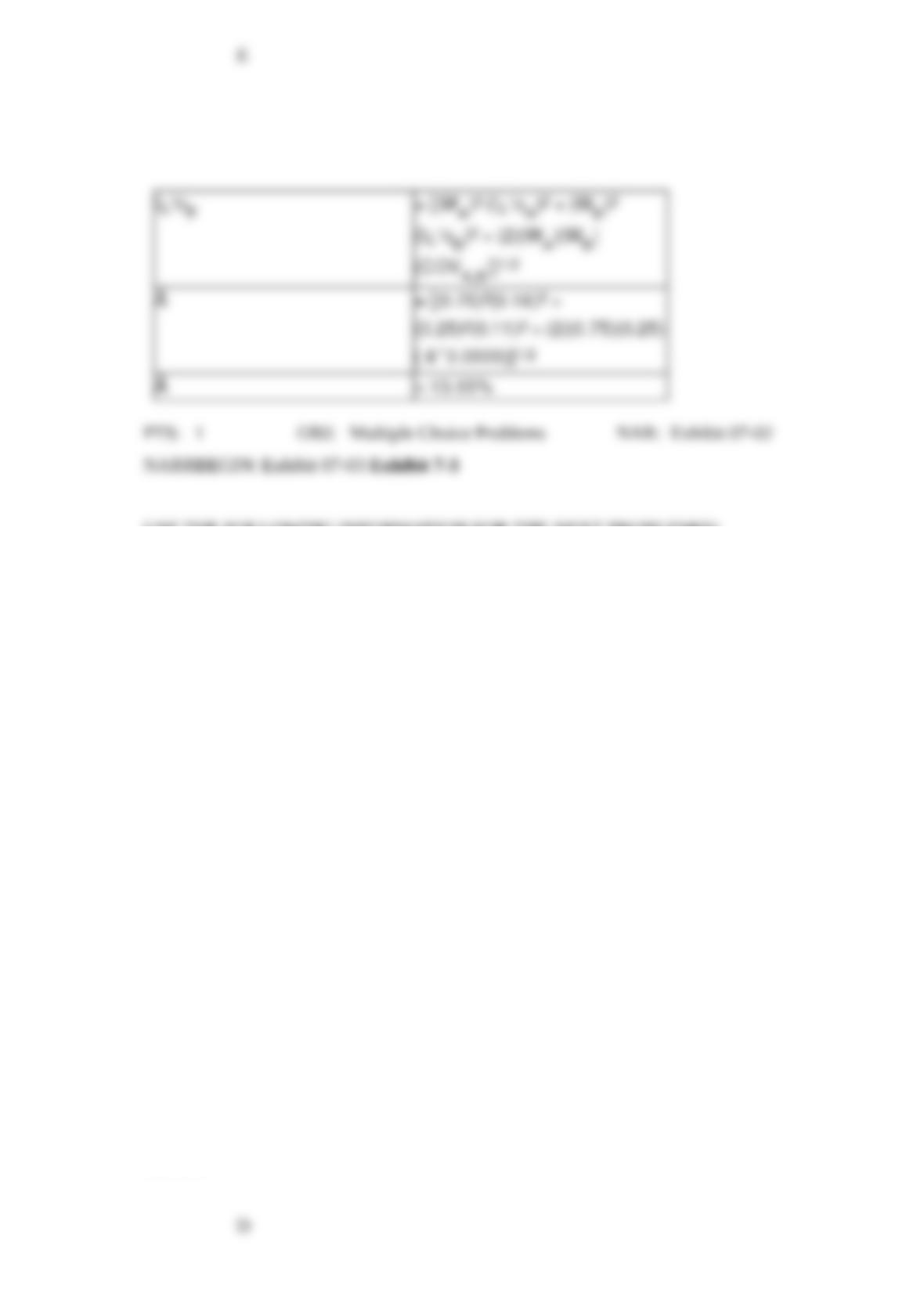
USE THE FOLLOWING INFORMATION FOR THE NEXT PROBLEM(S)
NARREND Question: Refer to Exhibit 7-3. What is the expected return of a portfolio of
two risky assets if the expected return E(Ri), standard deviation (i), covariance (COVi,j),
and asset weight (Wi) are as shown above?
Answer:
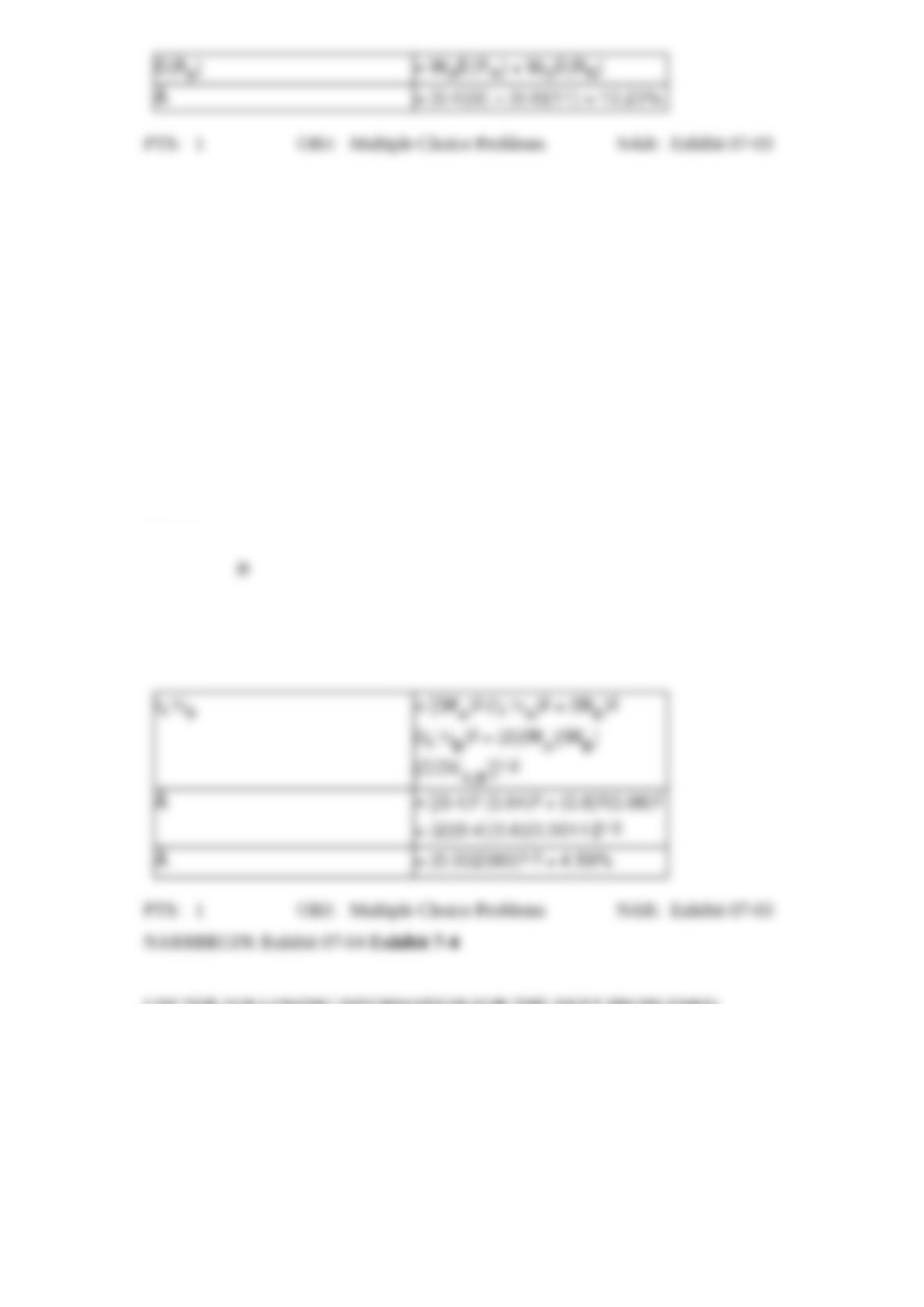
Question: Refer to Exhibit 7-3. What is the standard deviation of this portfolio?
Answer:
USE THE FOLLOWING INFORMATION FOR THE NEXT PROBLEM(S)
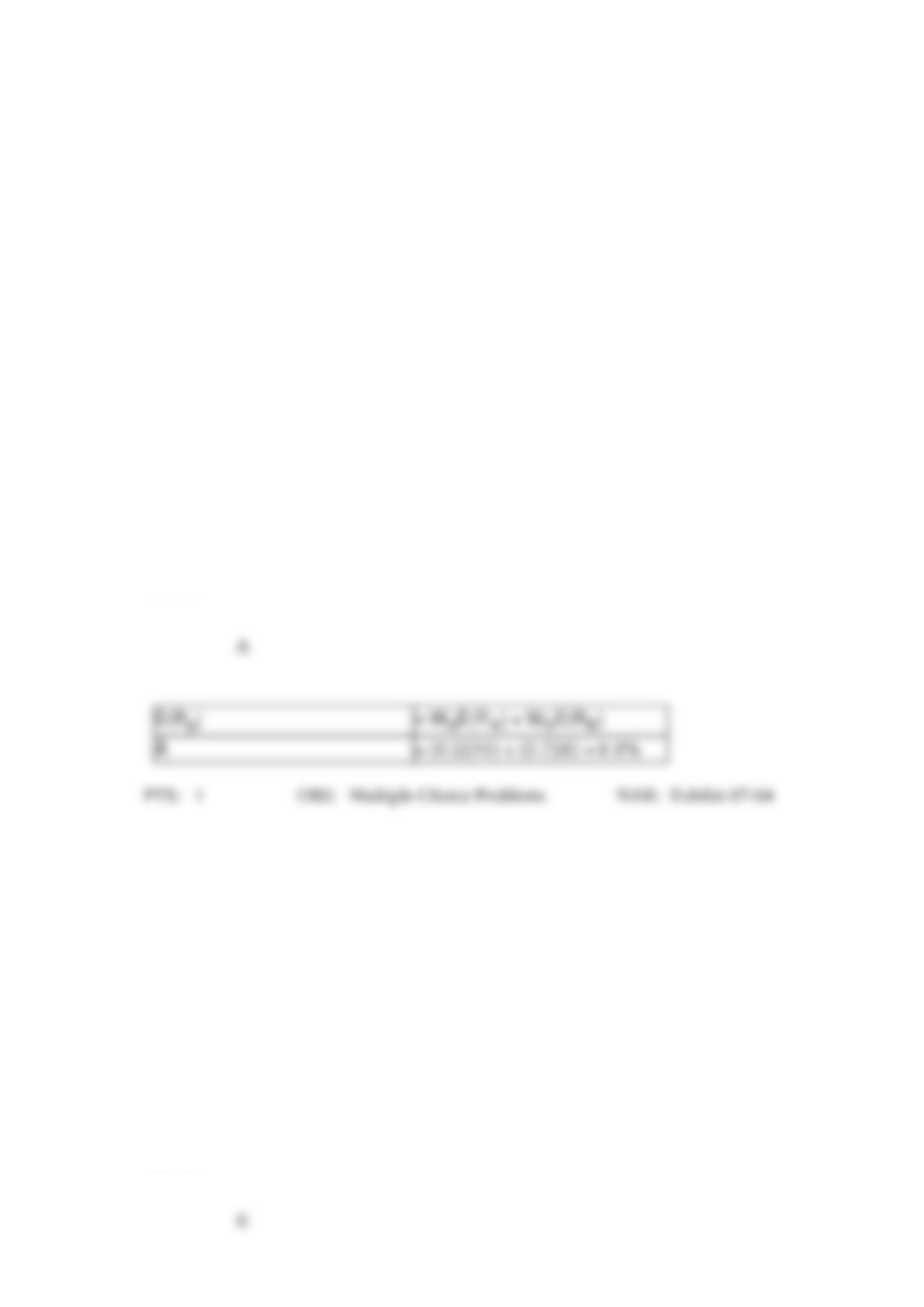
NARREND Question: Refer to Exhibit 7-4. What is the expected return of a portfolio of
two risky assets if the expected return E(Ri), standard deviation (i), covariance (COVi,j),
and asset weight (Wi) are as shown above?
Answer:
Question: Refer to Exhibit 7-4. What is the standard deviation of this portfolio?
Answer:
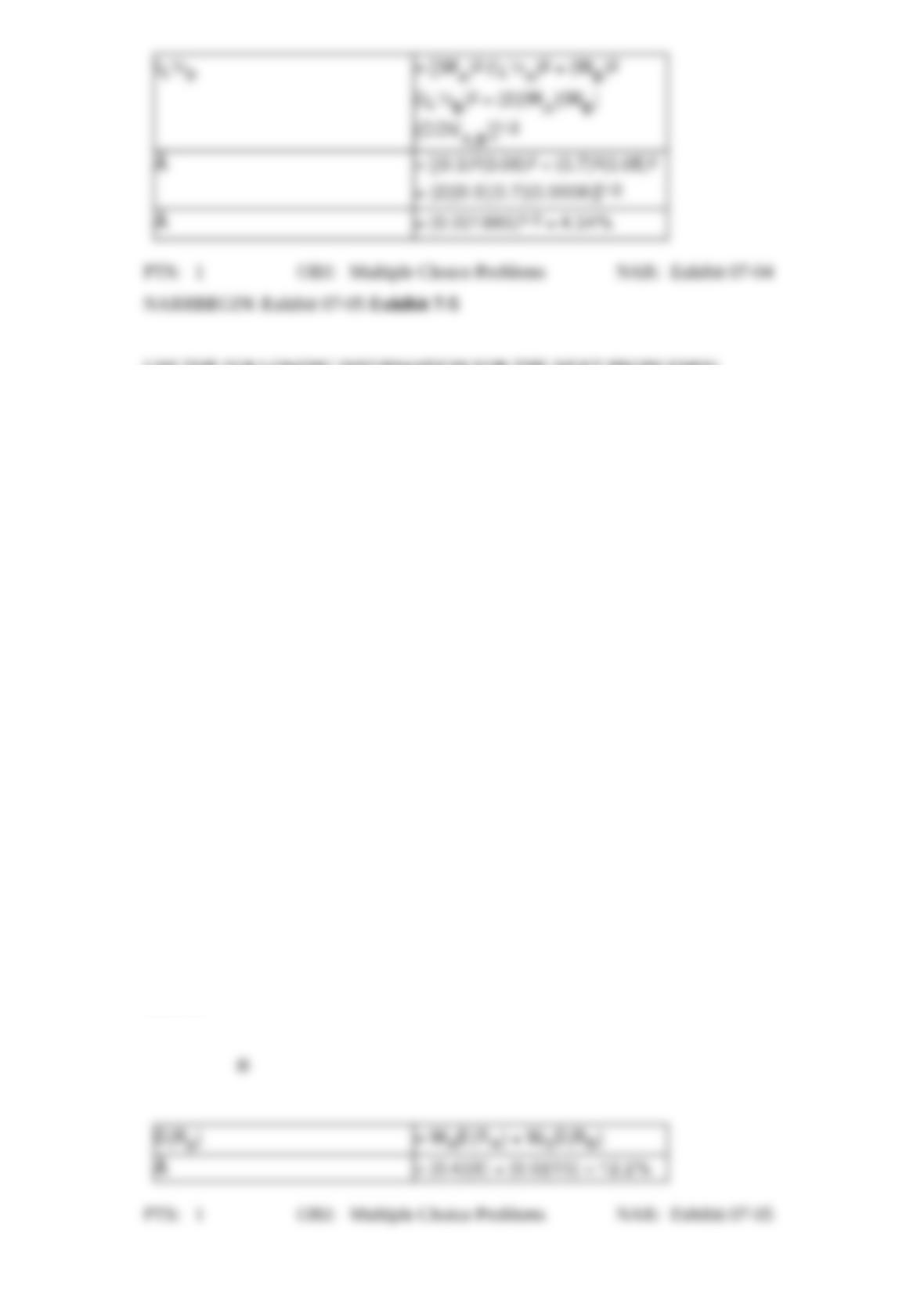
USE THE FOLLOWING INFORMATION FOR THE NEXT PROBLEM(S)
NARREND Question: Refer to Exhibit 7-5. What is the expected return of a portfolio of
two risky assets if the expected return E(Ri), standard deviation (i), covariance (COVi,j),
and asset weight (Wi) are as shown above?
Answer:
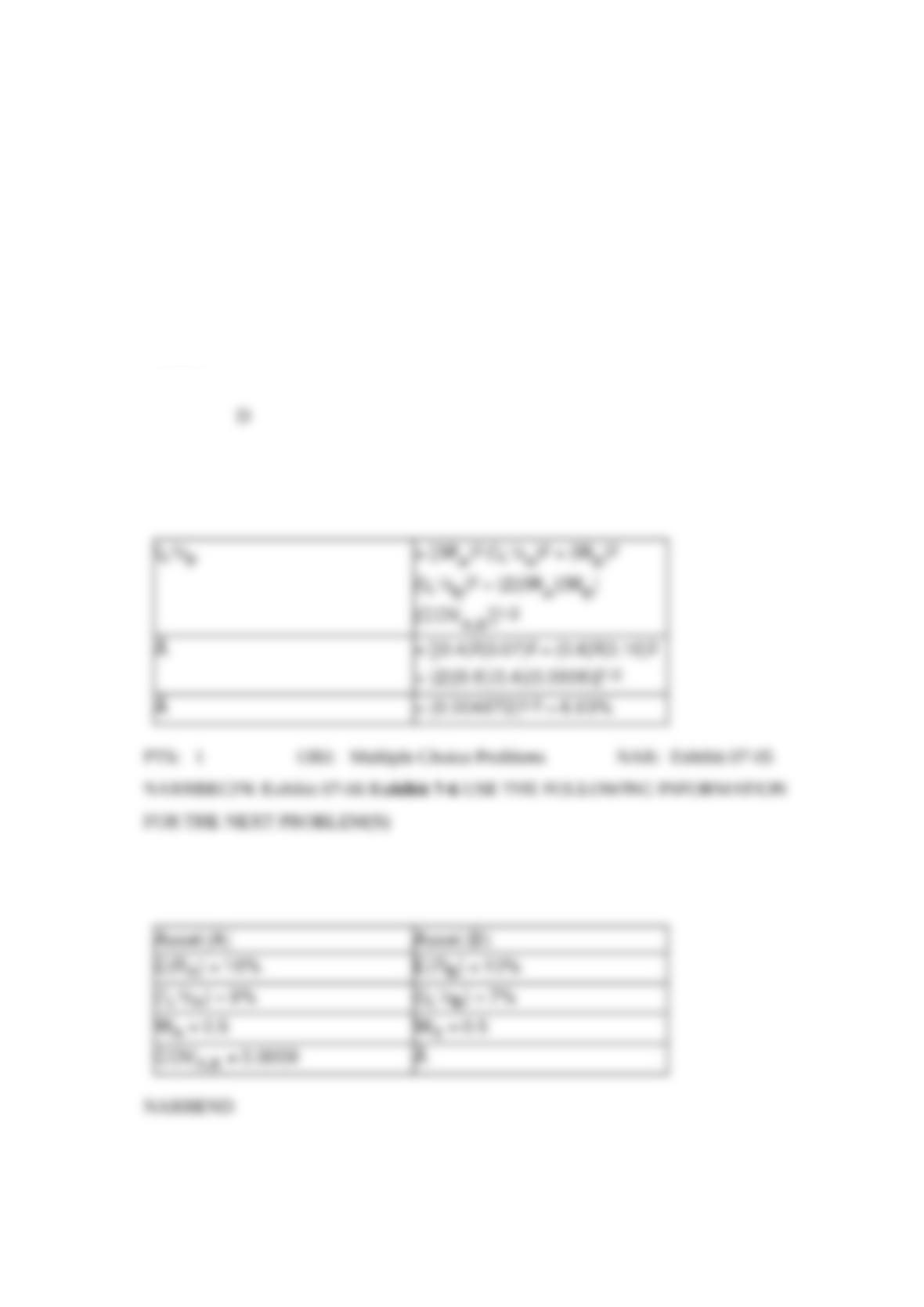
Question: Refer to Exhibit 7-5. What is the standard deviation of this portfolio?
Answer:
Question: Refer to Exhibit 7-6. What is the expected return of a portfolio of two risky
assets if the expected return E(Ri), standard deviation (i), covariance (COVi,j), and asset
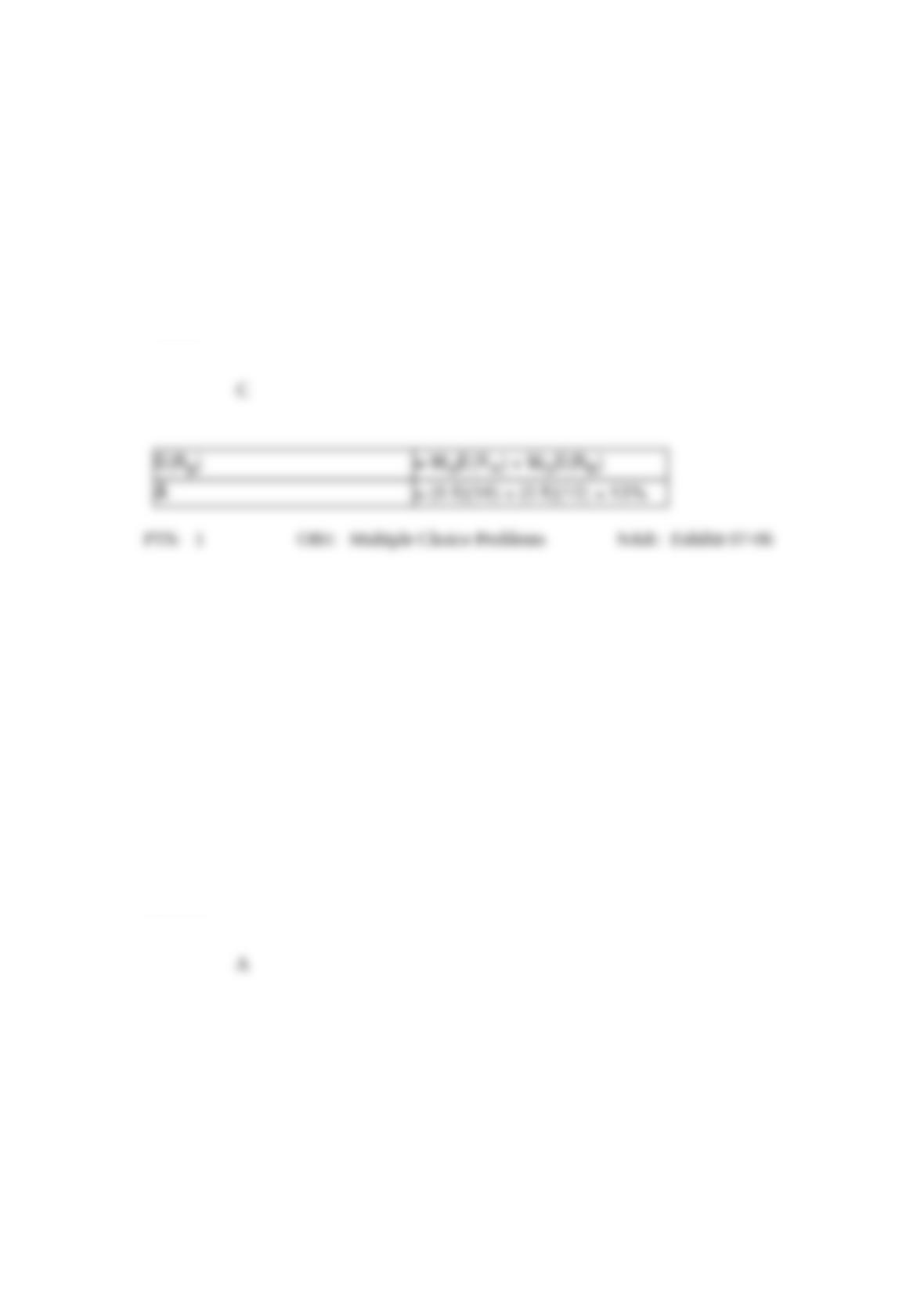
weight (Wi) are as shown above?
Answer:
Question: Refer to Exhibit 7-6. What is the standard deviation of this portfolio?
Answer:
USE THE FOLLOWING INFORMATION FOR THE NEXT PROBLEM(S)
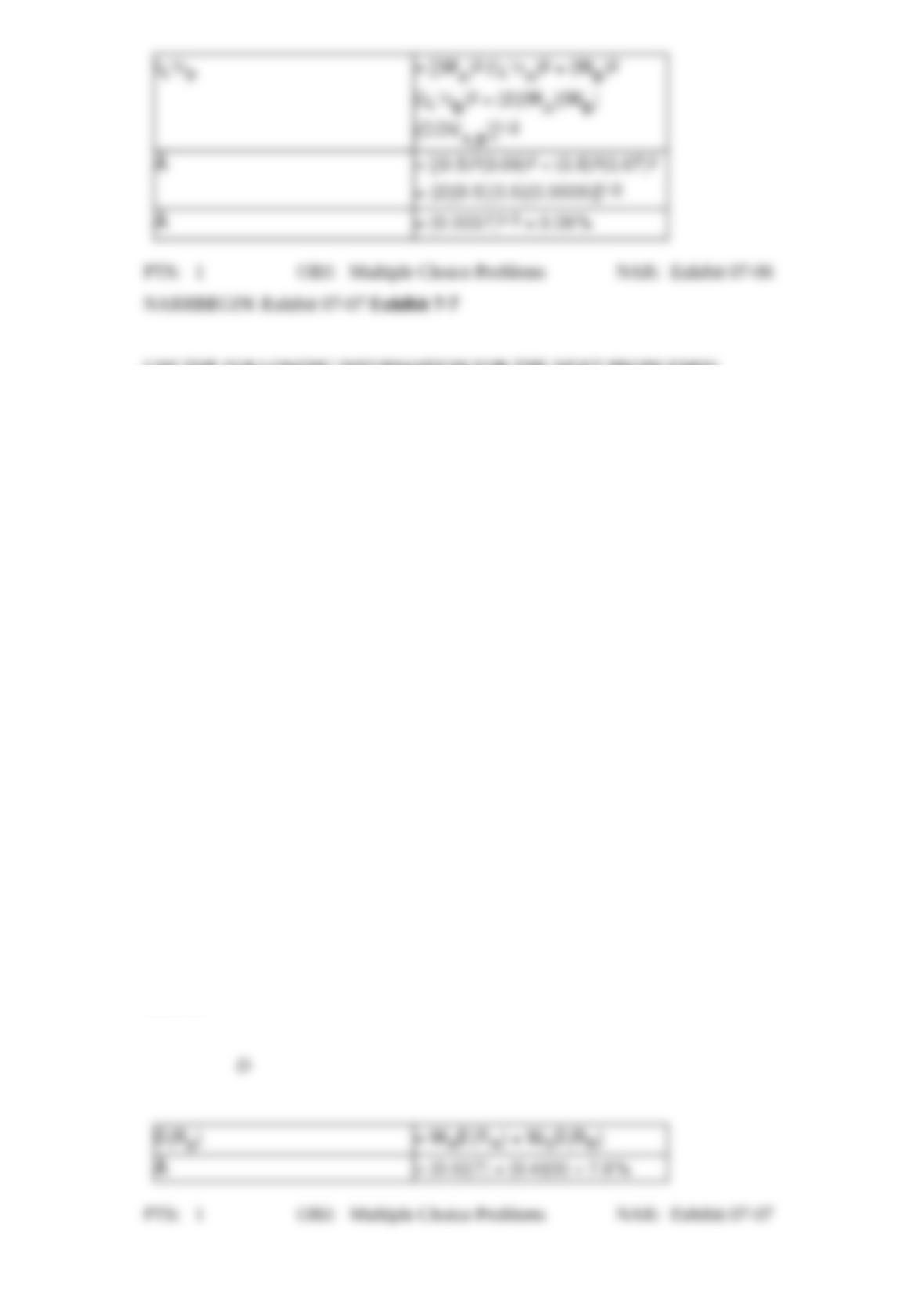
NARREND Question: Refer to Exhibit 7-7. What is the expected return of a portfolio of
two risky assets if the expected return E(Ri), standard deviation (i), covariance (COVi,j),
and asset weight (Wi) are as shown above?
Answer:
Question: Refer to Exhibit 7-7. What is the standard deviation of this portfolio?
Answer:
USE THE FOLLOWING INFORMATION FOR THE NEXT PROBLEM(S)
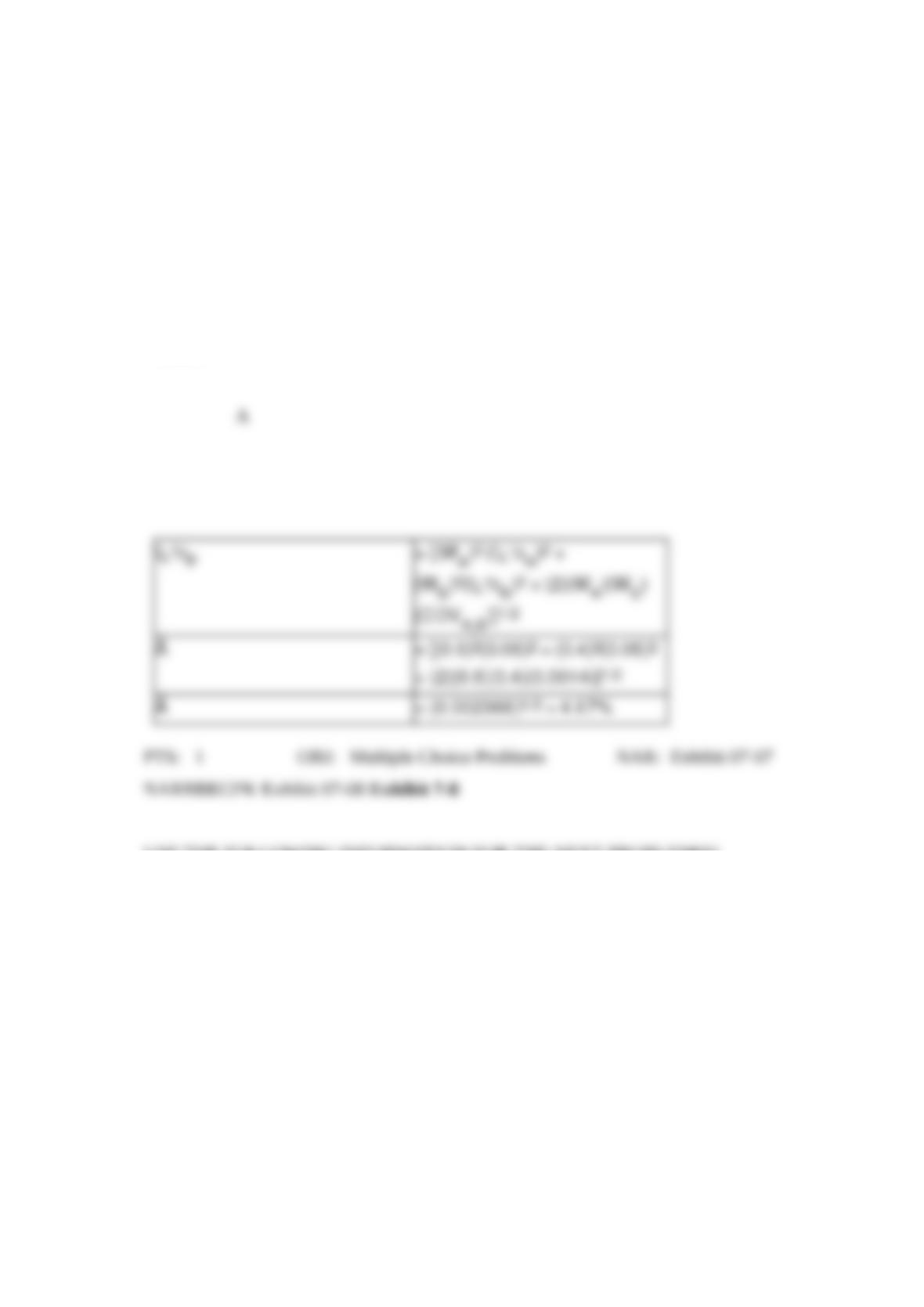
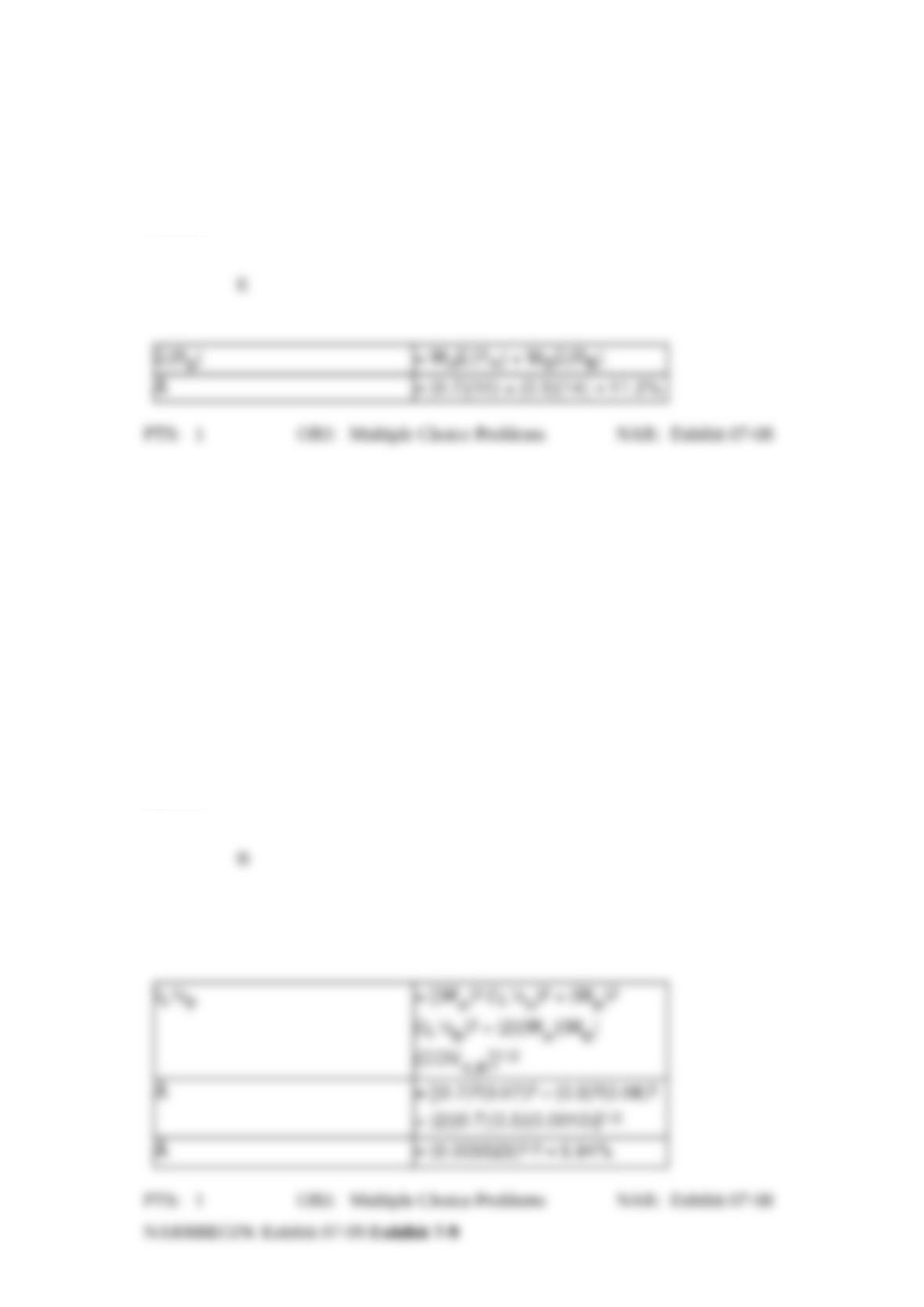
NARREND Question: Refer to Exhibit 7-8. What is the expected return of a portfolio of
two risky assets if the expected return E(Ri), standard deviation (i), covariance (COVi,j),
and asset weight (Wi) are as shown above?
Answer:
Question: Refer to Exhibit 7-8. What is the standard deviation of this portfolio?
Answer:
USE THE FOLLOWING INFORMATION FOR THE NEXT PROBLEM(S)
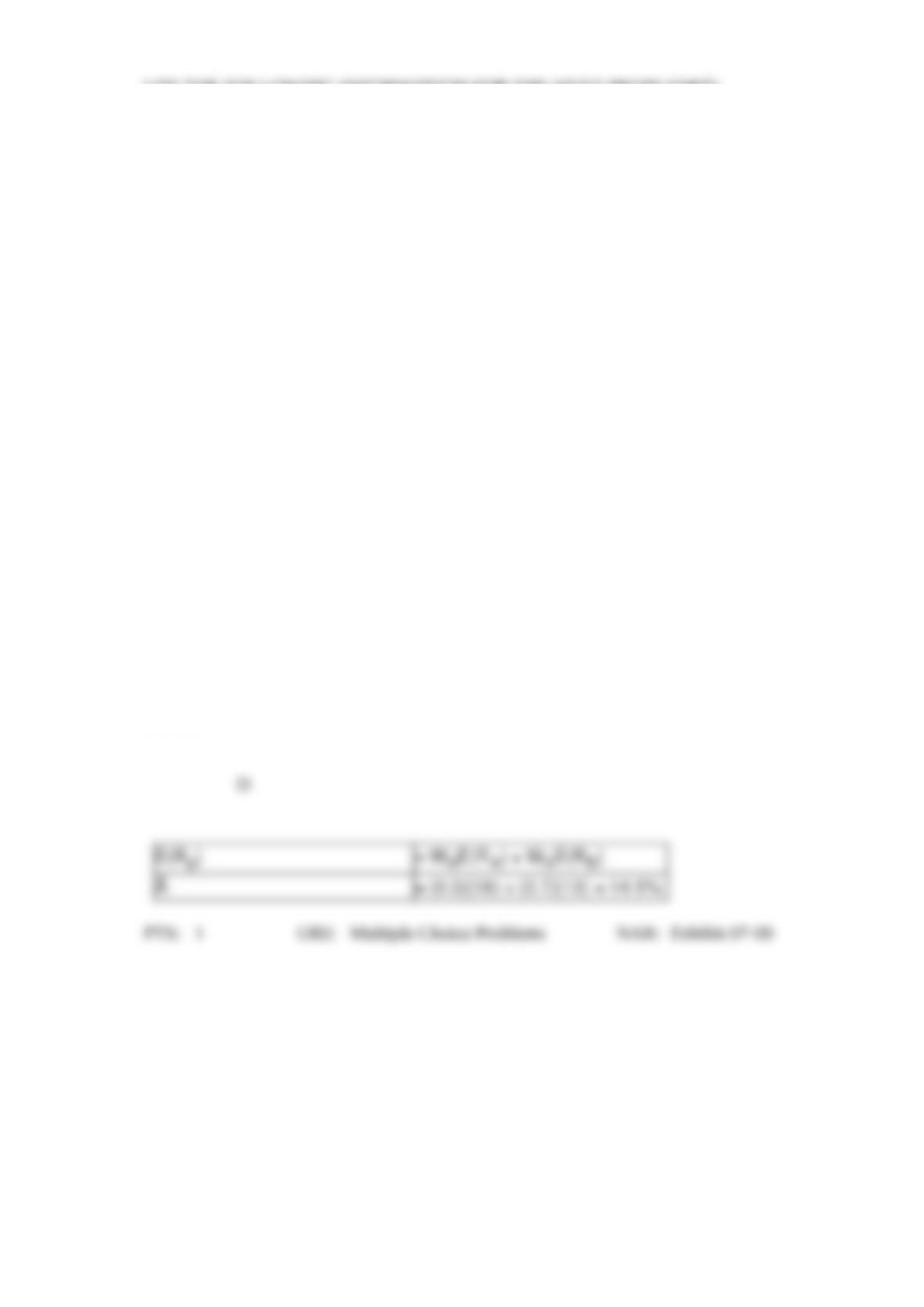
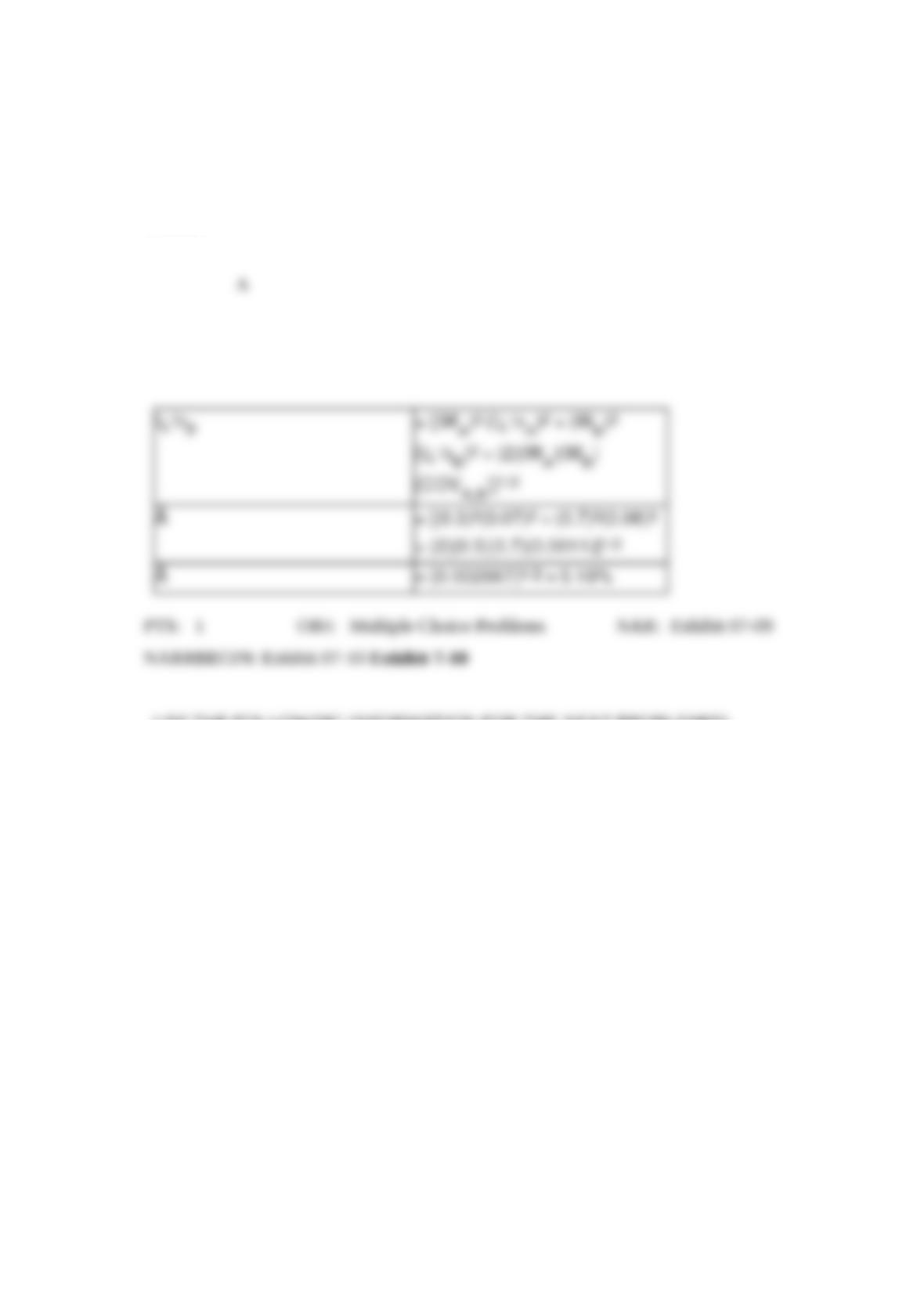
NARREND Question: Refer to Exhibit 7-9. What is the expected return of a portfolio of
two risky assets if the expected return E(Ri), standard deviation (i), covariance (COVi,j),
and asset weight (Wi) are as shown above?
Answer:
Question: Refer to Exhibit 7-9. What is the standard deviation of this portfolio?
Answer:
USE THE FOLLOWING INFORMATION FOR THE NEXT PROBLEM(S)
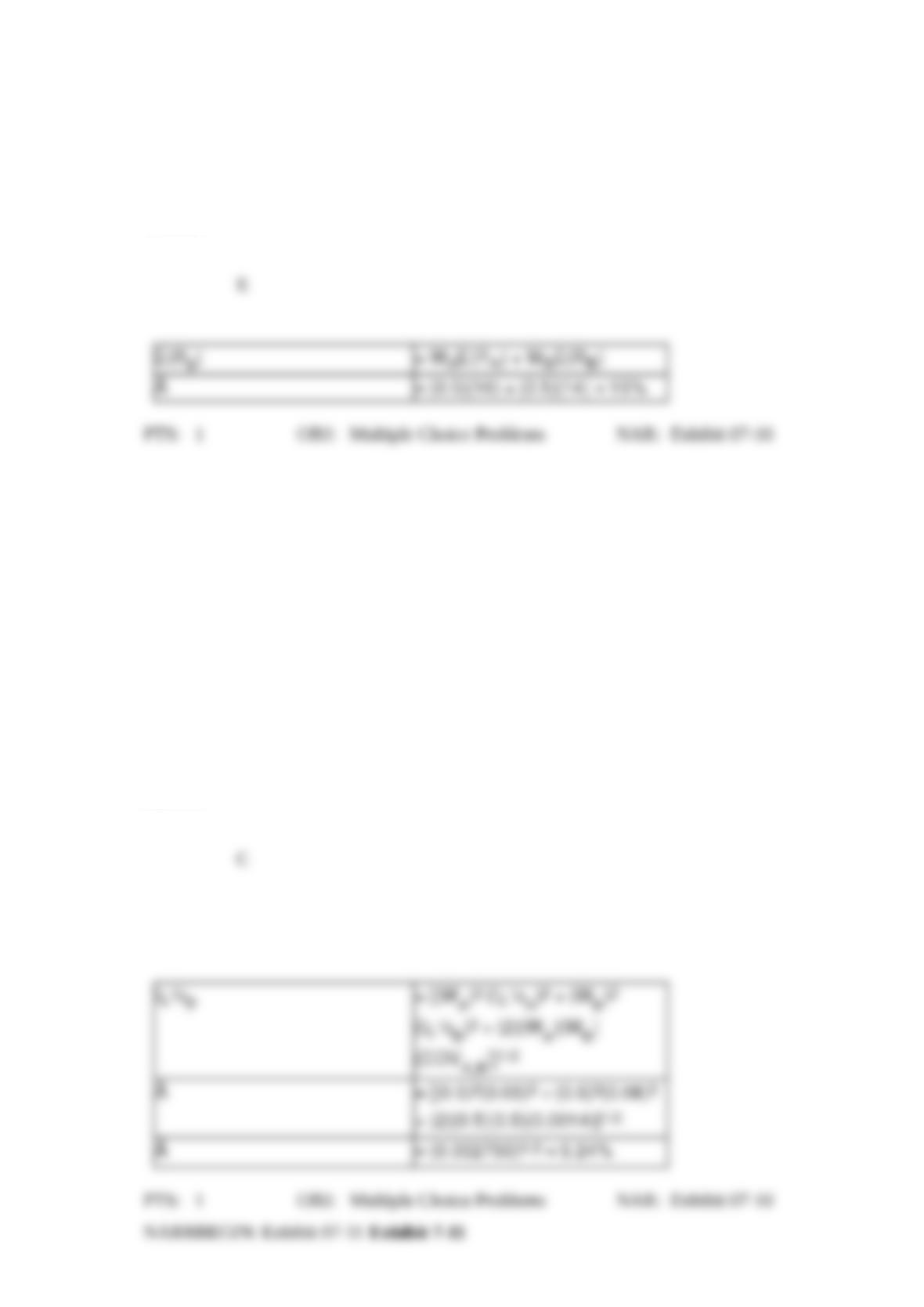
NARREND Question: Refer to Exhibit 7-10. What is the expected return of a portfolio of
two risky assets if the expected return E(Ri), standard deviation (i), covariance (COVi,j),
and asset weight (Wi) are as shown above?
Answer:
Question: Refer to Exhibit 7-10. What is the standard deviation of this portfolio?
Answer:
USE THE FOLLOWING INFORMATION FOR THE NEXT PROBLEM(S)
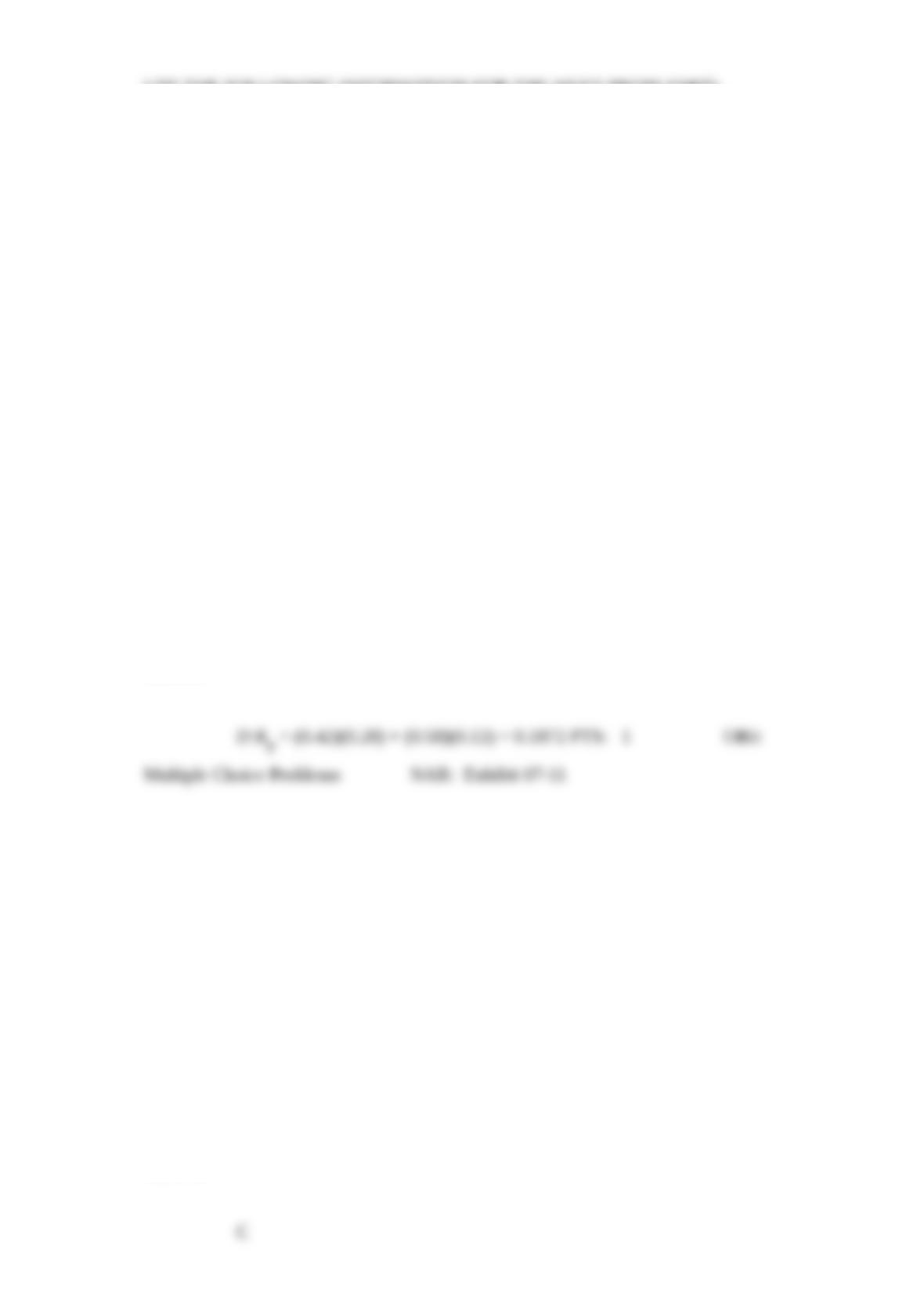
NARREND Question: Refer to Exhibit 7-11. Calculate the expected return of the
two-stock portfolio.
Answer:
Question: Refer to Exhibit 7-11. Calculate the expected standard deviation of the
two-stock portfolio.
Answer:
USE THE FOLLOWING INFORMATION FOR THE NEXT PROBLEM(S)
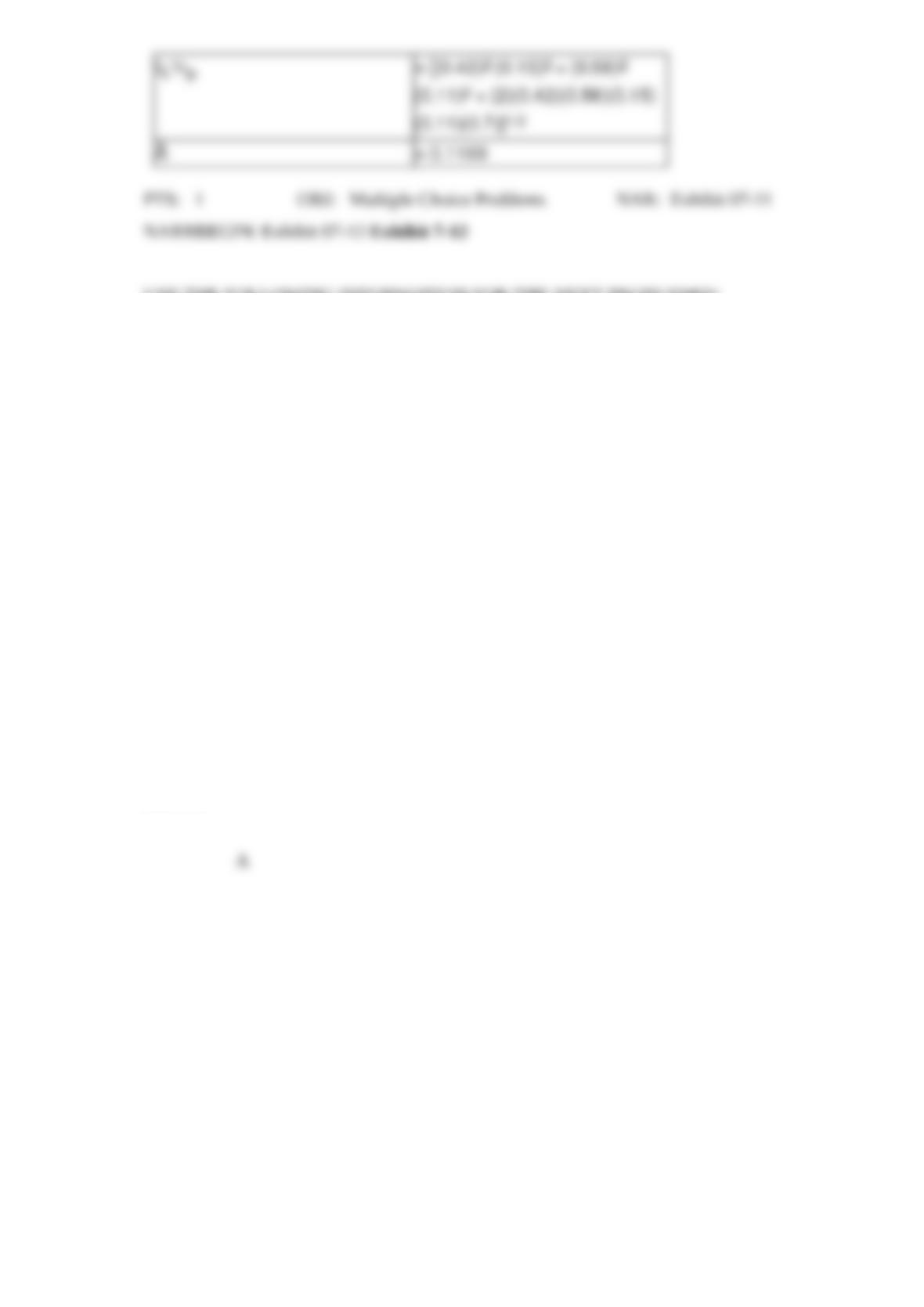
NARREND Question: Refer to Exhibit 7-12. Calculate the expected return and expected
standard deviation of a two-stock portfolio when r1,2 = −.60 and w1 = .75.
Answer:
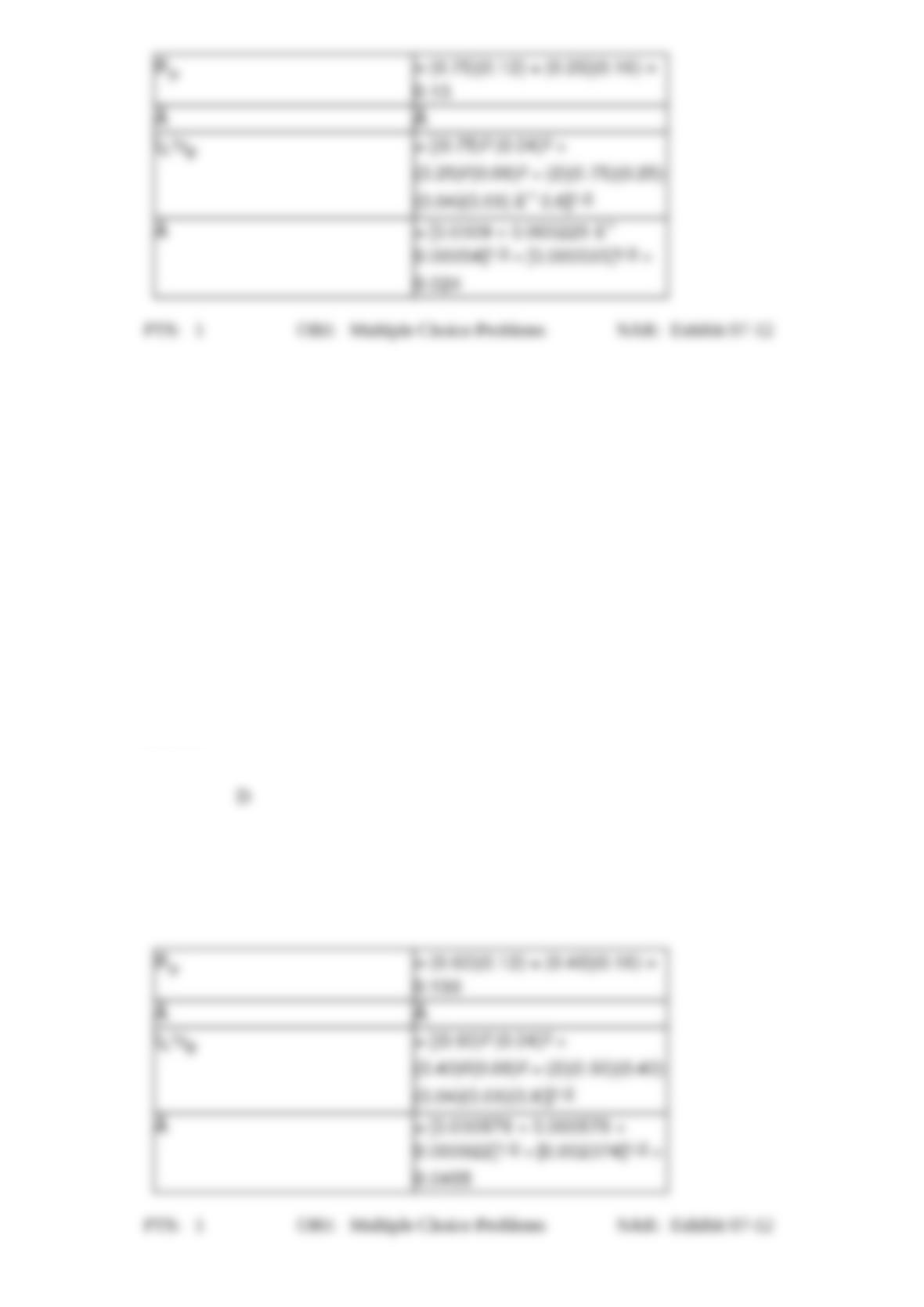
Question: Refer to Exhibit 7-12. Calculate the expected returns and expected standard
deviations of a two-stock portfolio when r1,2 = .80 and w1 = .60.
Answer:
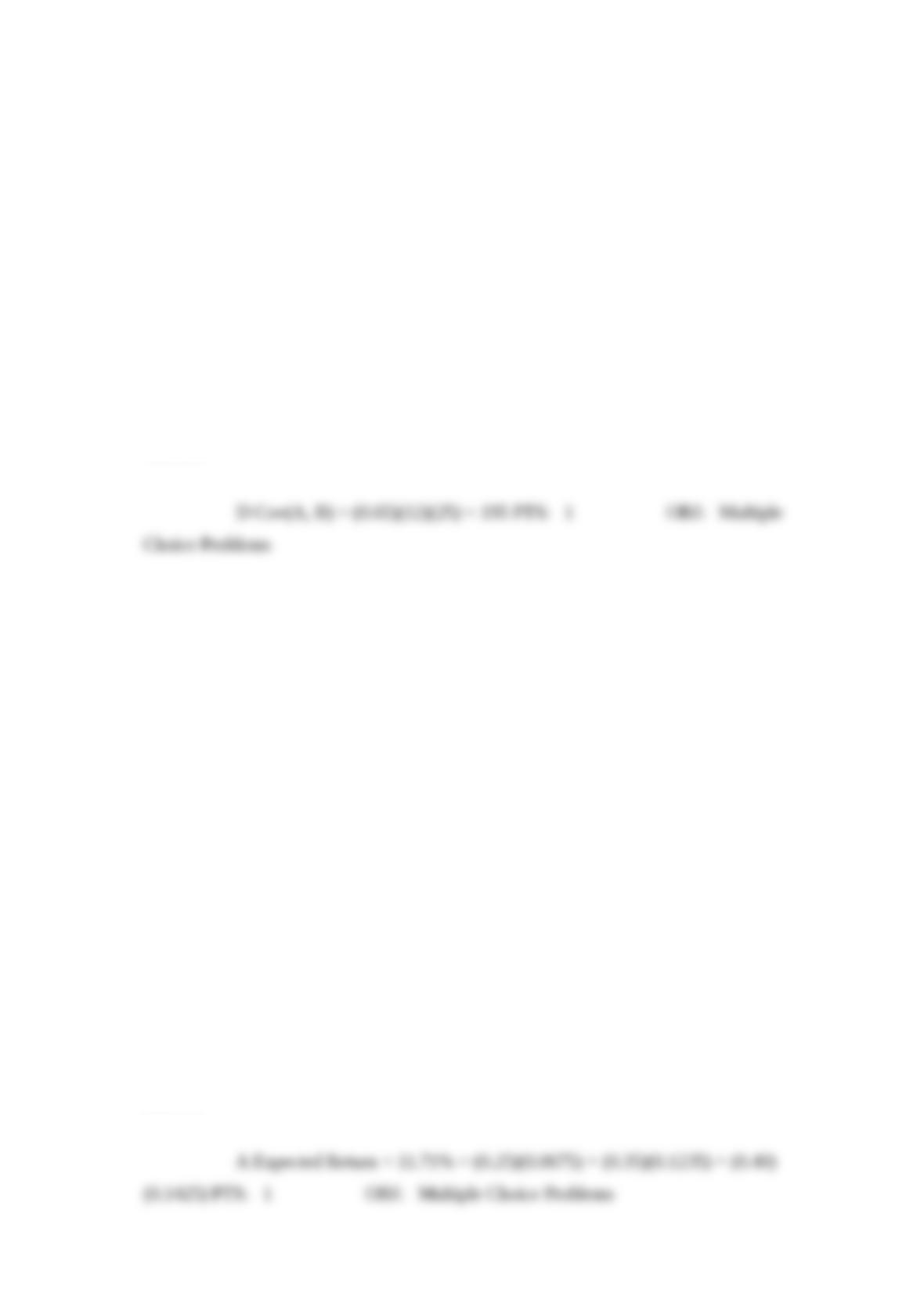
Question: Consider two securities, A and B. Security A and B have a correlation coefficient
of 0.65. Security A has standard deviation of 12, and security B has standard deviation of
25. Calculate the covariance between these two securities.
Answer:
Question: Calculate the expected return for a three-asset portfolio with the following
Answer:
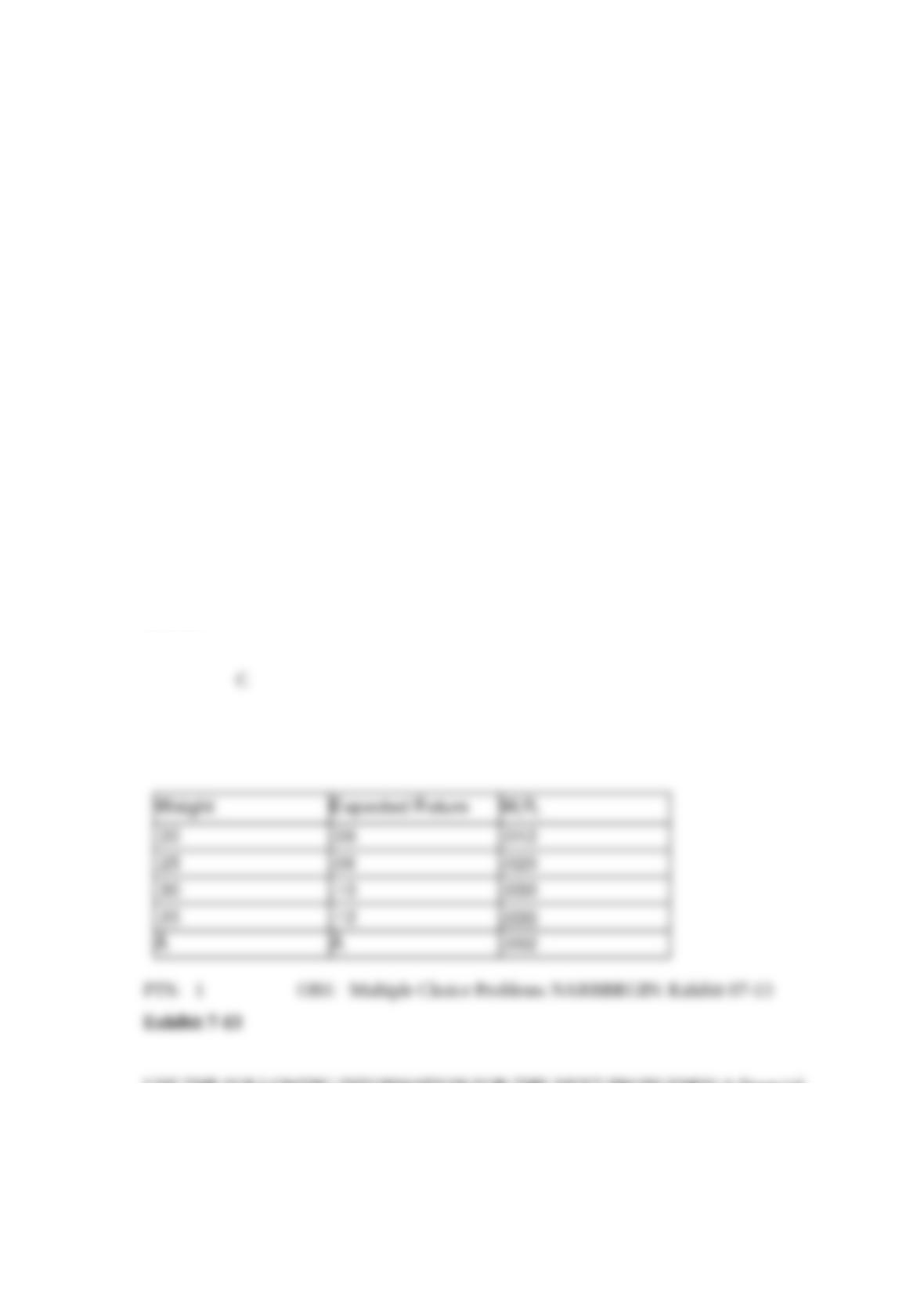
Question: Given the following weights and expected security returns, calculate the
expected return for the portfolio.
Answer:
USE THE FOLLOWING INFORMATION FOR THE NEXT PROBLEM(S) A financial
analyst covering Magnum Oil has determined the following four possible returns given
four different states of the economy over the next period.
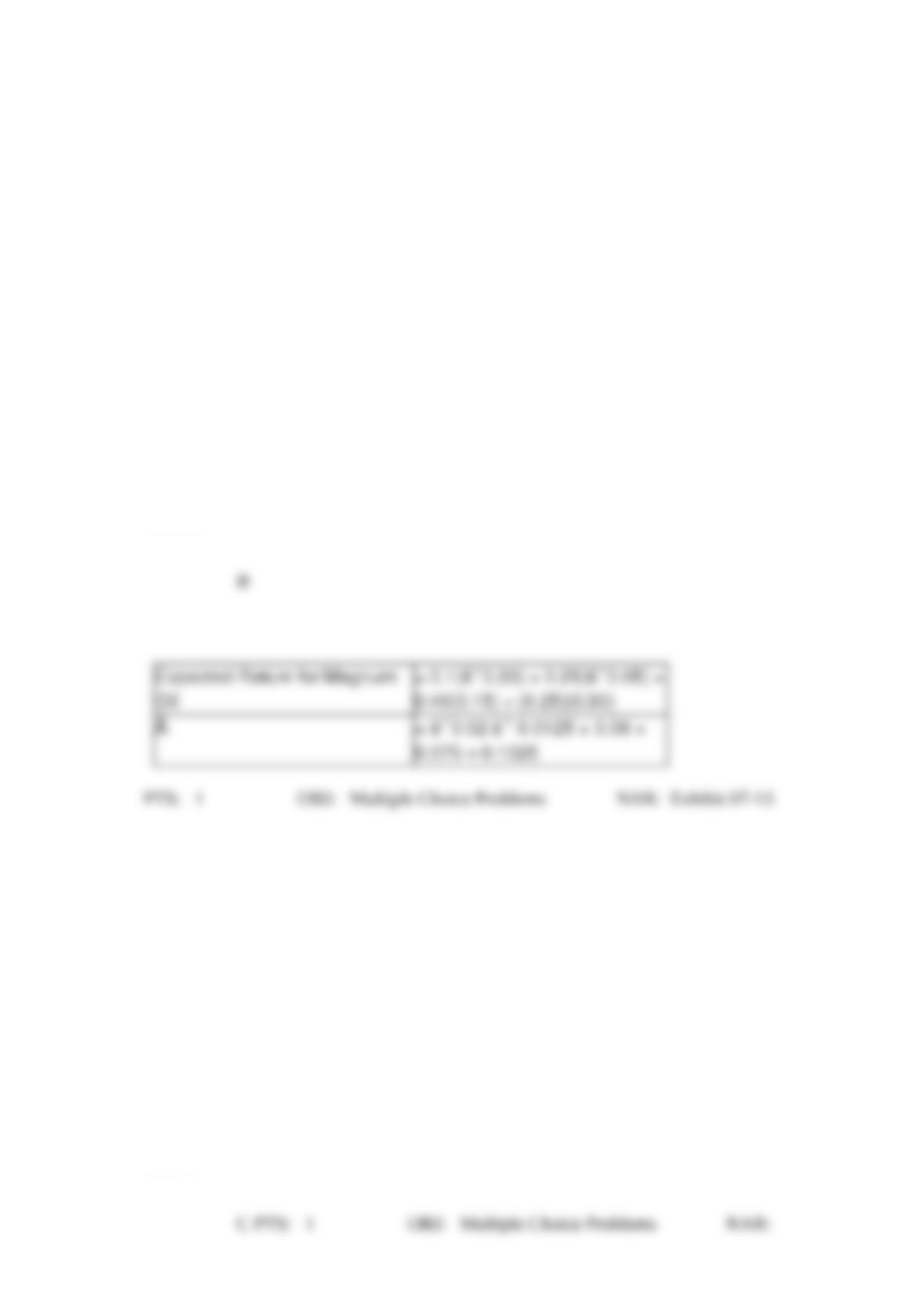
NARREND Question: Refer to Exhibit 7-13. Calculate the expected return for Magnum
Oil.
Answer:
Question: Refer to Exhibit 7-13. Calculate the standard deviation for Magnum Oil.
Answer:
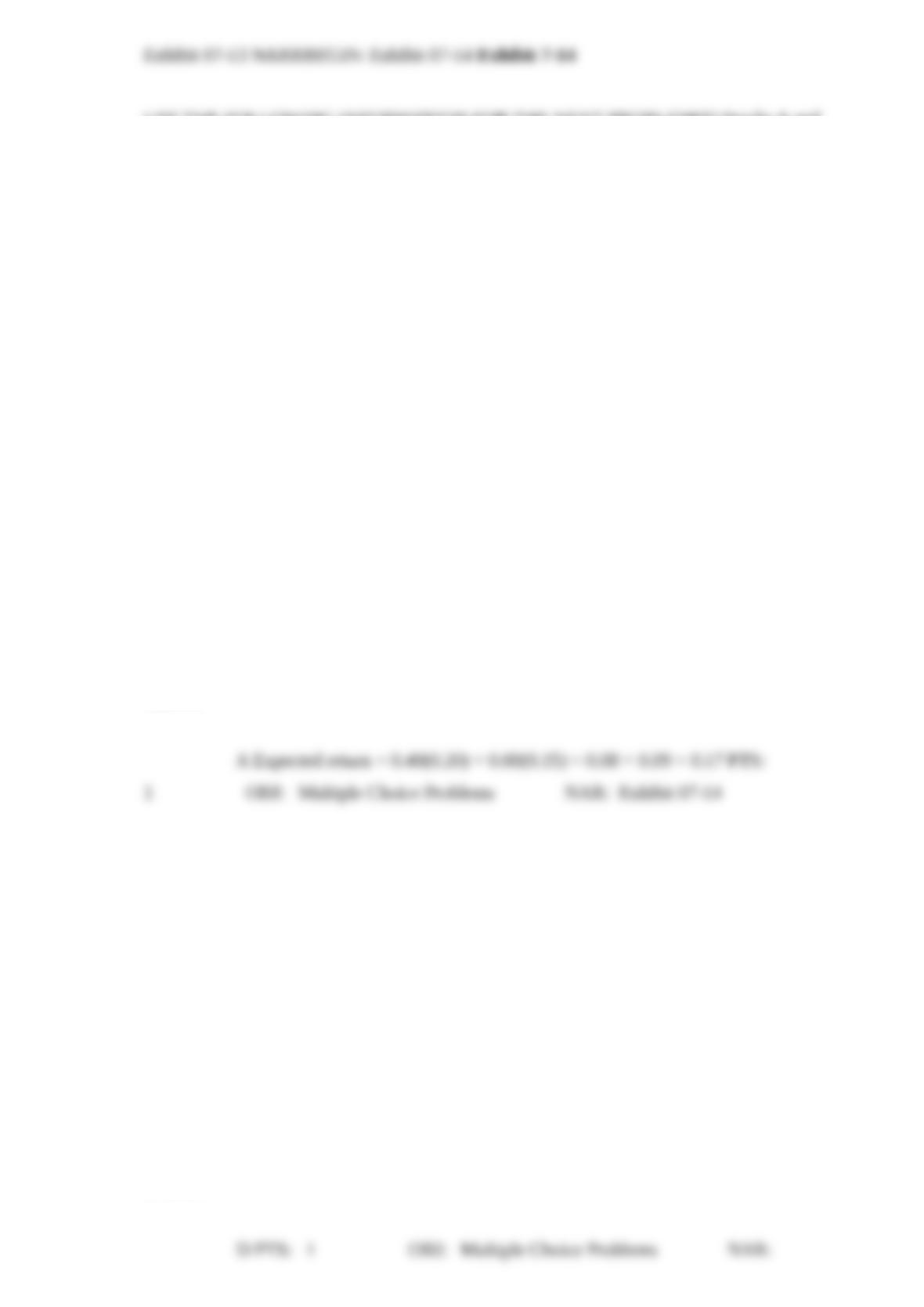
USE THE FOLLOWING INFORMATION FOR THE NEXT PROBLEM(S) Stocks A and
B have a correlation coefficient of −0.8. The stocks expected returns and standard
deviations are in the table below. A portfolio consisting of 40% of stock A and 60% of
stock B is constructed.
NARREND Question: Refer to Exhibit 7-14. What is the expected return of the stock A
and B portfolio?
Answer:
Question: Refer to Exhibit 7-14. What is the standard deviation of the stock A and B
portfolio?
Answer:
Question: Refer to Exhibit 7-14. What percentage of stock A should be invested to obtain
the minimum risk portfolio that contains stock A and B?
Answer:
Question: What is the standard deviation of an equally weighted portfolio of two stocks
with a covariance of 0.009, if the standard deviation of the first stock is 15% and the
standard deviation of the second stock is 20%?
Answer: