CHAPTER 23—SWAP CONTRACTS, CONVERTIBLE SECURITIES, AND
OTHER EMBEDDED DERIVATIVES
TRUE/FALSE
Question: A warrant is an option to buy a stated number of shares of common stock at a
specified price at any time during the life of the warrant.
Answer:
Question: A major difference between a call option and a warrant is that call options are
issued by the company so that any proceeds from the sale of stock go to the issuing firm.
Answer:
Question: Risk management strategies involving interest rate agreements can be classified
as forward-based or option-based.
Answer:
Question: Forward rate agreements usually require substantial collateral.
Answer:
Question: The forward rate agreement is the most complicated of the OTC interest rate
contracts.
Answer:
Question: If interest rates fall, an interest rate cap would expire unexercised.
Answer:
Question: In an interest rate swap, the fixed rate payer profits if interest rates fall.
Answer:
Question: While LIBOR is usually used with forward rate agreements it is rarely used with
other interest rate agreements.
Answer:
Question: The issuance of convertibles will ultimately lead to greater dilution than an
initial issue of stock.
Answer:
Question: Convertibles provide the upside potential of common stock and the downside
protection of a bond.
Answer:
Question: A warrant is an option to buy a stated number of shares of common stock at a
specified price at any time during the life of the warrant.
Answer:
Question: A major difference between a call option and a warrant is that call options are
issued by the company so that any proceeds from the sale of stock go to the issuing firm.
Answer:
Question: The intrinsic value of a warrant = (Market price of common stock + Warrant
exercise price) Number of shares specified by warrant.
Answer:
Question: By attaching a convertible feature to a bond issue a firm can often get a lower
rate of interest on its debt.
Answer:
Question: The investment value of a convertible bonds is the price which it would be
expected to sell as a straight debt instrument.
Answer:
Question: The conversion parity price is equal to the par value of a convertible bond
divided by the number of shares into which it can be converted.
Answer:
Question: In a forward rate agreement (FRA) two parties agree today to a future exchange
of cash flows based on two different interest rates.
Answer:
Question: A floor agreement is a series of cash settlement interest rate options, typically
based on LIBOR.
Answer:
Question: An interest rate collar is a combination of a long position in either a cap or floor
with a short position in the other.
Answer:
Question: Which of the following is not true about interest rate swaps?
Answer:
Question: A ____ contract can be viewed as a prepackaged series of forward rate
agreements to buy or sell LIBOR at the same fixed rate.
Answer:
Question: An interest rate ____ is a combination of a cap and a floor.
Answer:
Question: A pay-fixed interest rate swap can be viewed as equivalent to
Answer:
Question: The writer of a ____ agreement makes settlement payments when LIBOR is
greater than the striking rate of the agreement.
Answer:
Question: The writer of a ____ agreement makes settlement payments when LIBOR is less
than the striking rate of the agreement.
Answer:
Question: Which of the following is not a characteristic of warrants?
Answer:
Question: An investor considering investment in warrants as part of an overall program,
should consider which of the following?
Answer:
Question: All of the following are normal characteristics of a convertible bond, except
Answer:
Question: Which of the following is not a typical characteristic of a convertible preferred
stock?
Answer:
Question: ____ are debt instruments that have their principal or coupon payments tied to
some other underlying variable.
Answer:
Question: ____ has coupons denominated in a currency other than that of their principal.
Answer:
Question: An example of a commodity-linked fixed income security is a
Answer:
Question: A ____ contract is an arrangement whereby the coupon rate on a note moves in
the opposite direction of some variable rate index.
Answer:
Question: Consider a pension fund manager that wishes to convert $10 million from notes
paying LIBOR to stocks, using an equity swap. The equity swap should be structured so
that
Answer:
Question: A real option is a reference to
Answer:
Question: The intrinsic value of a warrant is calculated as:
Answer:
Question: An advantage of convertible bonds is
Answer:
Question: Warrants differ from options in a number of ways. Which of the following
statements about warrants and options is false?
Answer:
Question: All of the following are normal characteristics of a convertible bond, except
Answer:
Question: The minimum price of a convertible bond is
Answer:
Question: The conversion premium for a convertible bond is calculated as:
Answer:
Question: The conversion price parity for a convertible bond is defined as:
Answer:
Question: An equity call option issued directly by the company whose stock serves as the
underlying asset is known as a
Answer:
Question: The payment of any compensation for loss is contingent on the actual
occurrence of a credit-related event under a
Answer:
Question: Options embedded in real assets owned by firms are known as
Answer:
Question: In convertible bonds, the value of the common stock price upon immediate
conversion is the
Answer:
USE THE FOLLOWING INFORMATION FOR THE NEXT PROBLEM(S)
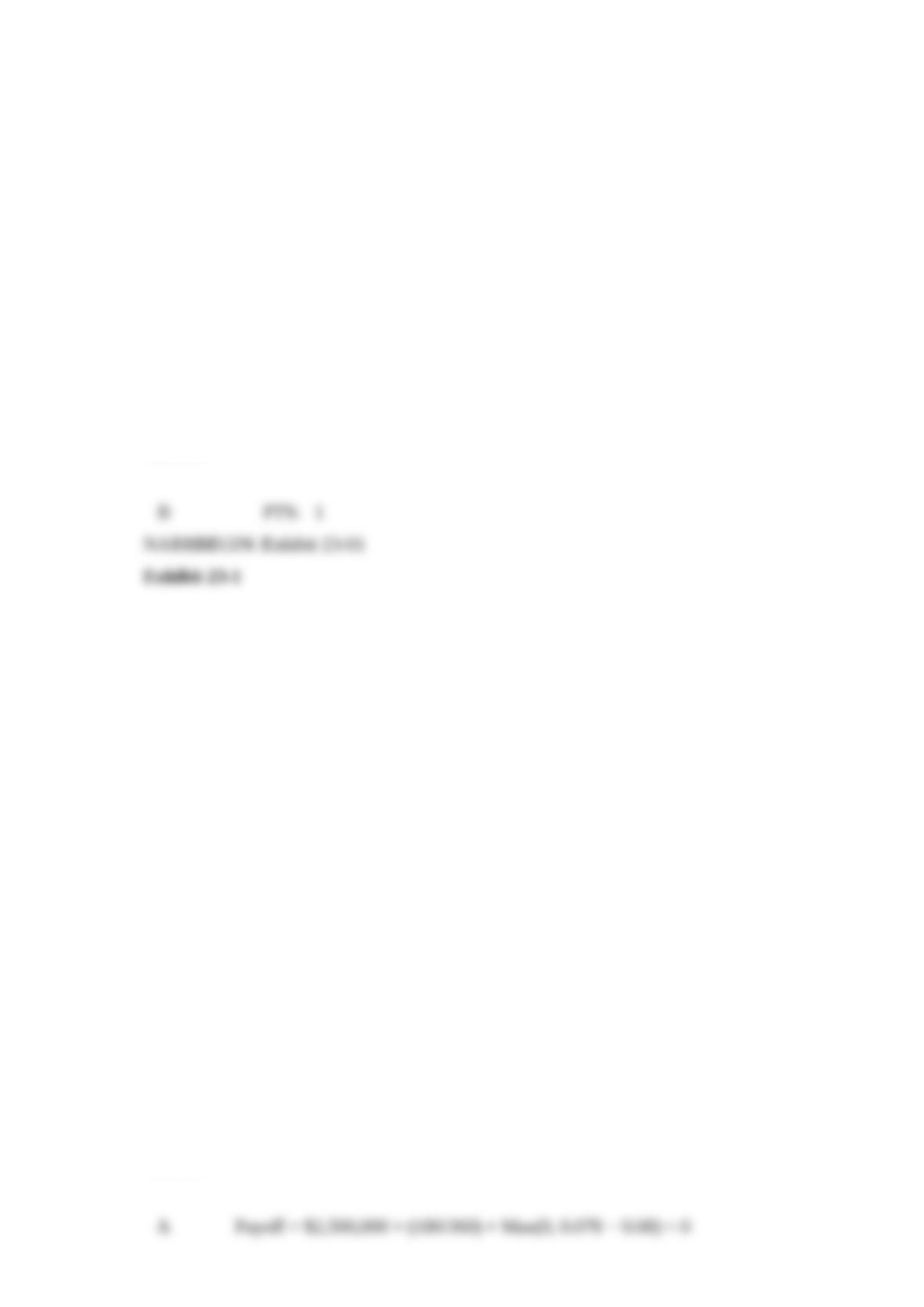
A company buys an interest rate cap that pays the difference between LIBOR and 8% if
LIBOR exceeds 8%. Current LIBOR is 7%. The amount of the option is $2,500,000, and
the settlement is every 6 months. Assume a 360 day year.
NARREND
Question: Refer to Exhibit 23-1. Find the payoff if LIBOR closes at 7.8%.
Answer:
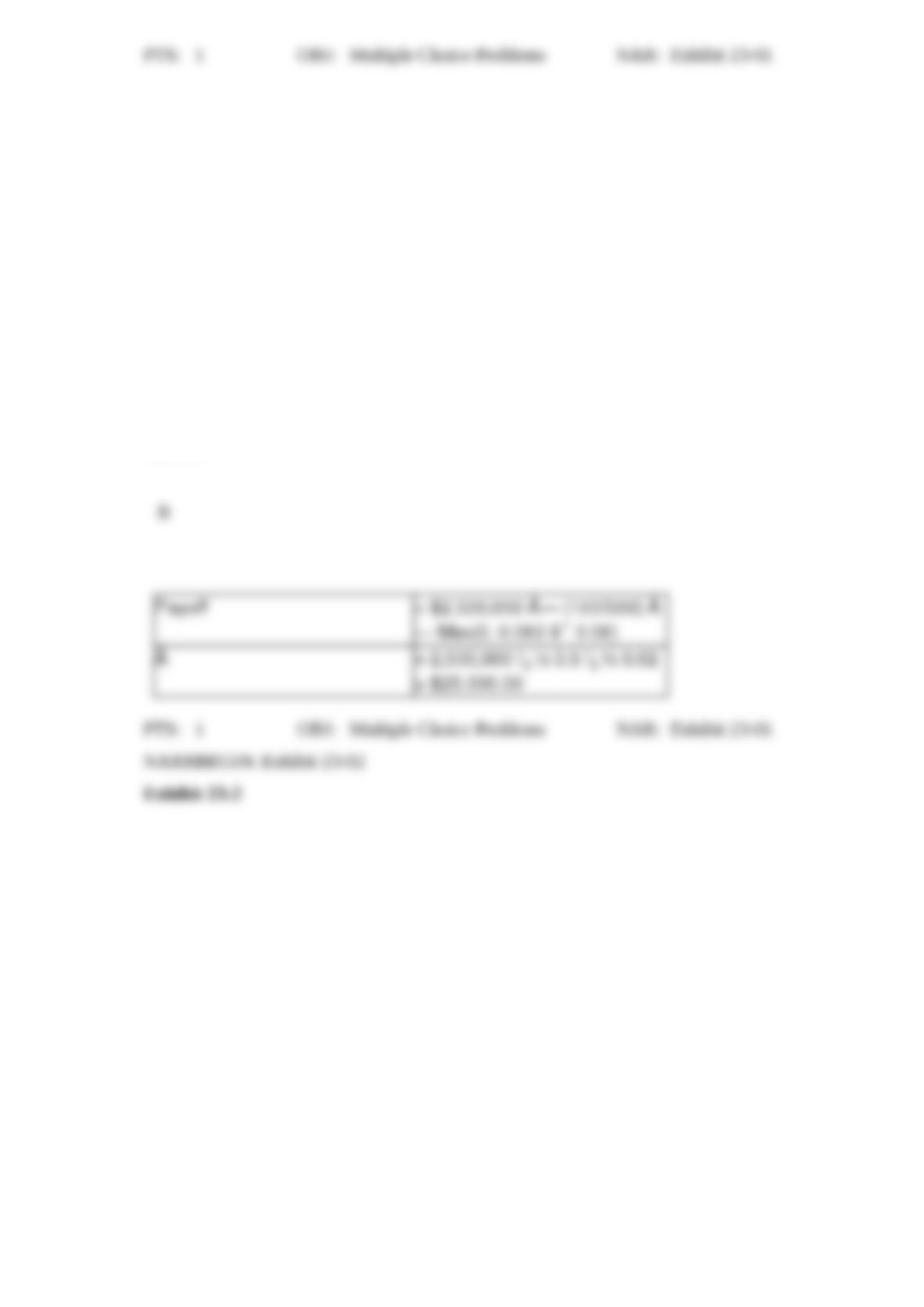
Question: Refer to Exhibit 23-1. Find the payoff if LIBOR closes at 8.2%.
Answer:
USE THE FOLLOWING INFORMATION FOR THE NEXT PROBLEM(S)
Darden Industries has decided to borrow $25,000,000.00 for six months in two
three-month issues. As the Treasurer, you are concerned that interest rates will rise over the
next three months and the rate upon which the second payment will be based will be
undesirable. (The amount of Dardens first payment will be known at origination.) To
reduce the companys interest rate exposure, you decide to purchase a 3 6 FRA whereby
you pay the dealers quoted fixed rate of 4.5% in exchange for receiving 3-month LIBOR at
the settlement date. In order to hedge her exposure, the dealer buys LIBOR from McIntire
Industries at its bid rate of 4%. (Assume a notional principal of $25,000,000.00 and that
there are 60 days between month 3 and month 6.)
NARREND
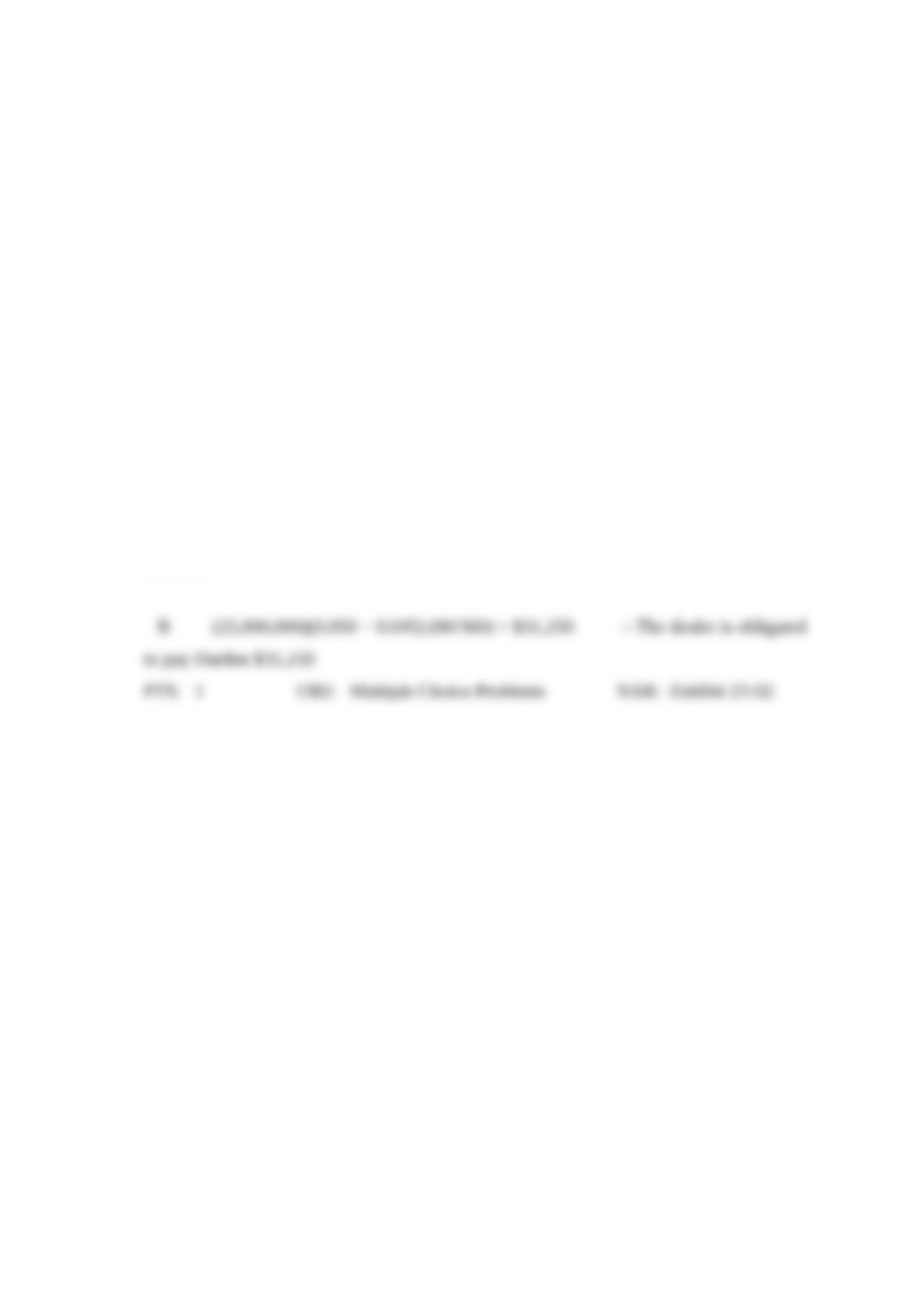
Question: Refer to Exhibit 23-2. Assuming that 3-month LIBOR is 5.00% on the rate
determination day, and the contract specified settlement in arrears at month 6, describe the
transaction that occurs between the dealer and Darden.
Answer:
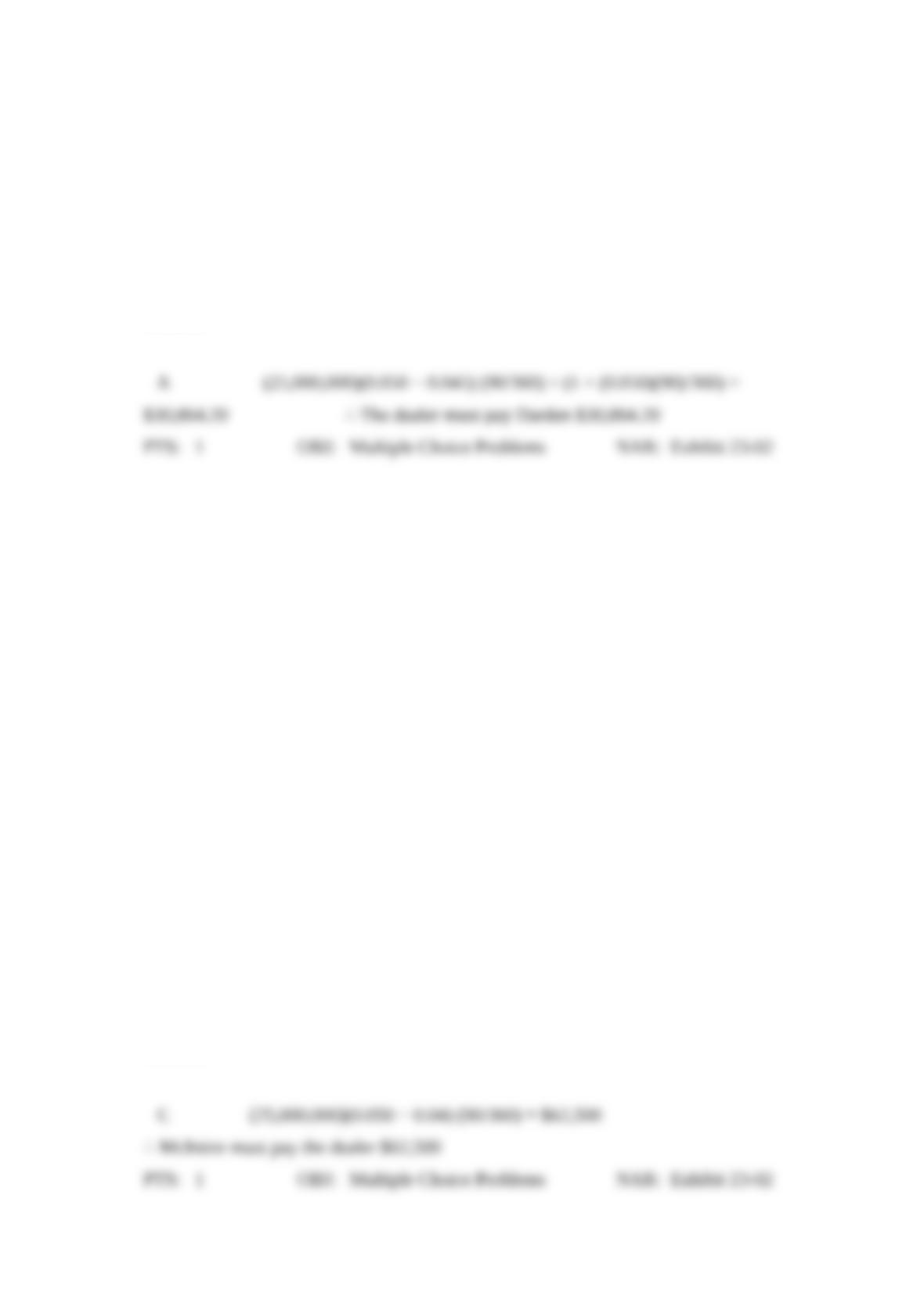
Question: Refer to Exhibit 23-2. Assuming that 3-month LIBOR is 5.00% on the rate
determination day, and the contract specified settlement in advance, describe the
transaction that occurs between the dealer and Darden.
Answer:
Question: Refer to Exhibit 23-2. Assuming that 3-month LIBOR is 5.00% on the rate
determination day, and the contract specified settlement in arrears at month 6, describe the
transaction that occurs between the dealer and McIntire.
Answer:
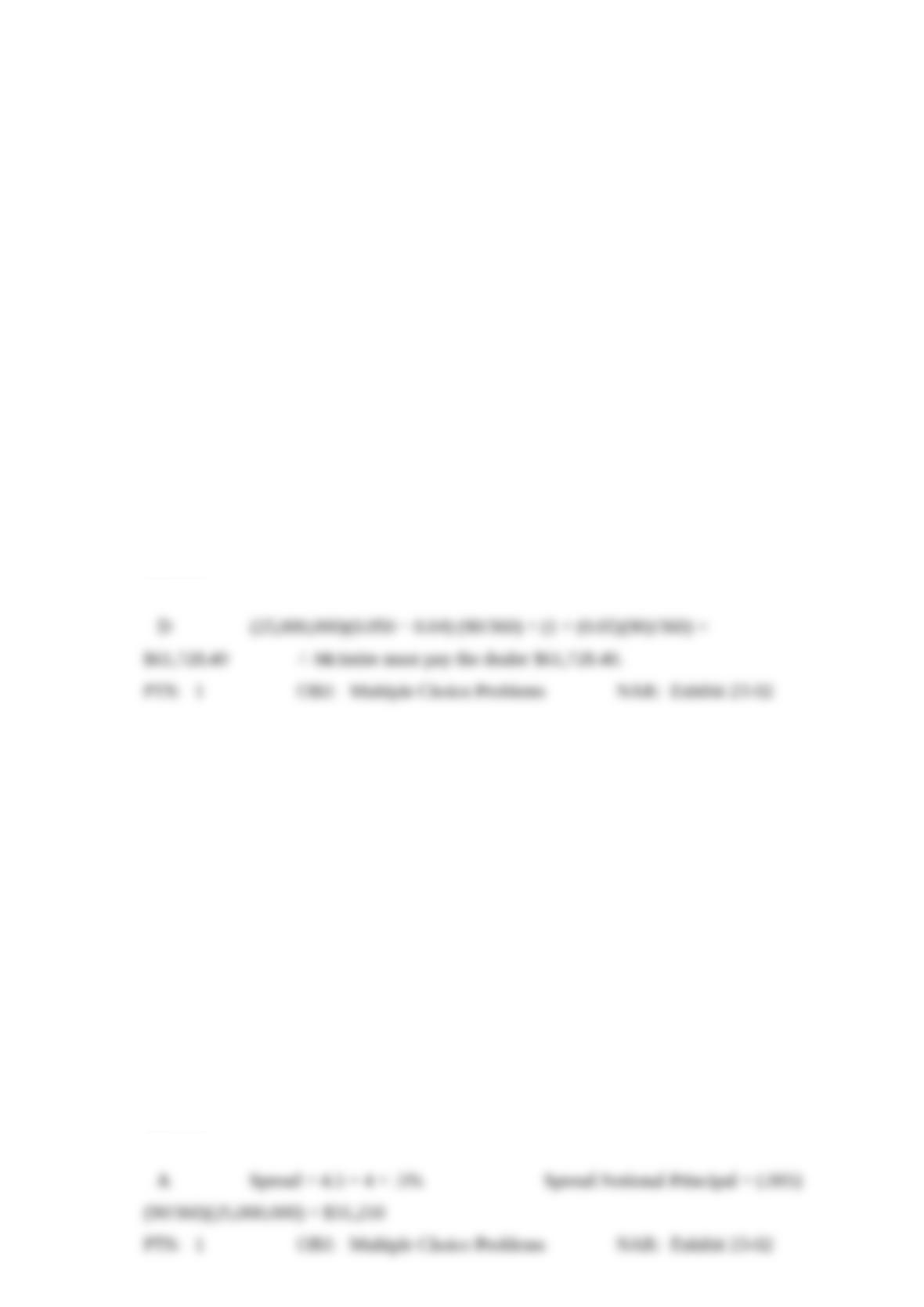
Question: Refer to Exhibit 23-2. Assuming that 3-month LIBOR is 5.00% on the rate
determination day, and the contract specified settlement in advance, describe the
transaction that occurs between the dealer and McIntire.
Answer:
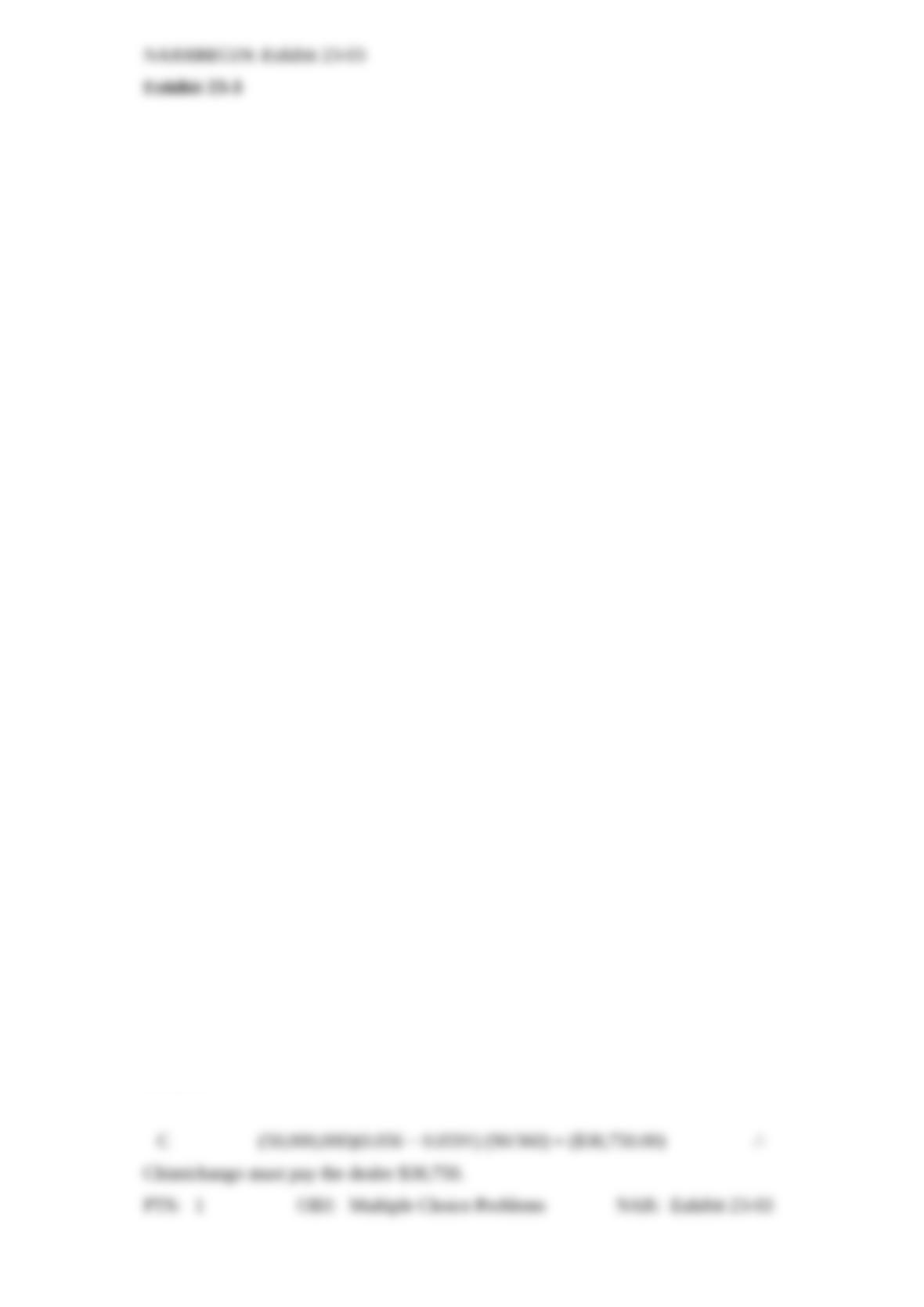
Question: Refer to Exhibit 23-2. How much compensation does the dealer receive for
transaction costs, credit risk and other costs associated with matching the FRAs?
Answer:
USE THE FOLLOWING INFORMATION FOR THE NEXT PROBLEM(S)
Chimichango Industries has decided to borrow $50,000,000.00 for six months in two
three-month issues. As the Treasurer, you are concerned that interest rates will rise over the
next three months and the rate upon which the second payment will be based will be
undesirable. (The amount of Chimichangos first payment will be known at origination.) To
reduce the companys interest rate exposure, you decide to purchase a 3 6 FRA whereby
you pay the dealers quoted fixed rate of 5.91% in exchange for receiving 3-month LIBOR
at the settlement date. In order to hedge her exposure, the dealer buys LIBOR from
Megabuks Industries at its bid rate of 5.85%. (Assume a notional principal of
$50,000,000.00 and that there are 60 days between month 3 and month 6.)
NARREND
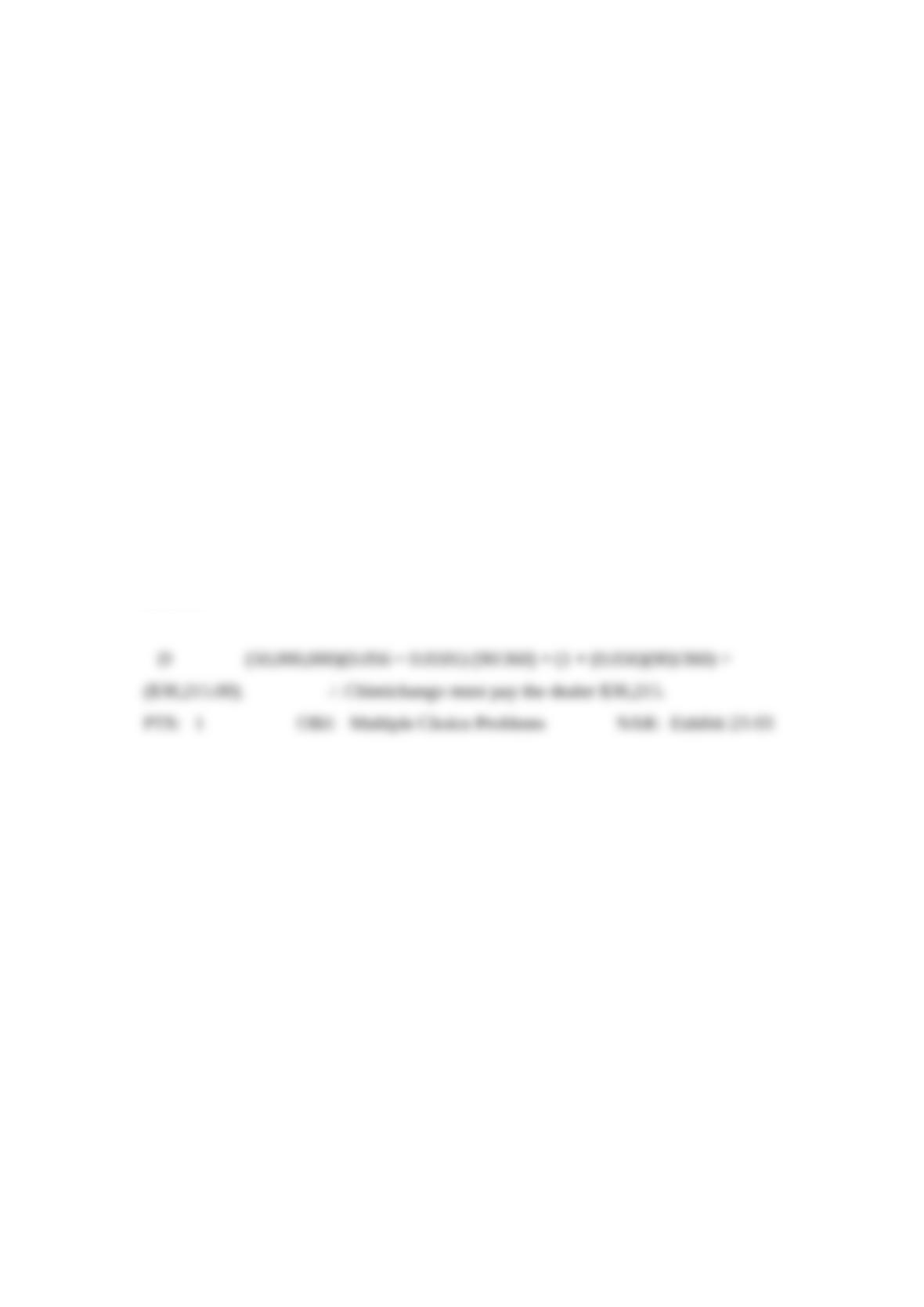
Question: Refer to Exhibit 23-3. Assuming that 3-month LIBOR is 5.6% on the rate
determination day, and the contract specified settlement in arrears at month 6, describe the
transaction that occurs between the dealer and Chimichango.
Answer:
Question: Refer to Exhibit 23-3. Assuming that 3-month LIBOR is 5.6% on the rate
determination day, and the contract specified settlement in advance, describe the
transaction that occurs between the dealer and Chimichango.
Answer:
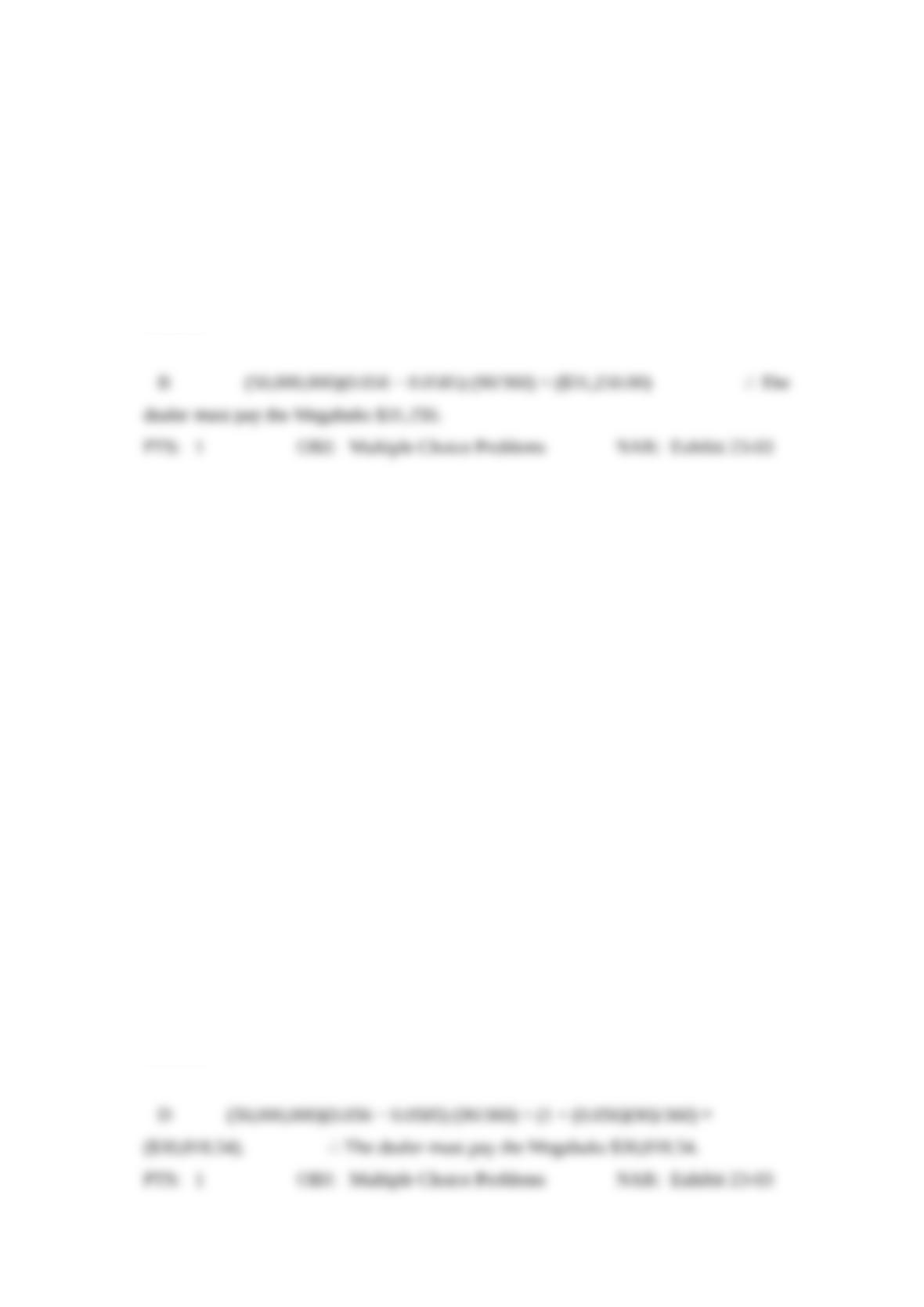
Question: Refer to Exhibit 23-3. Assuming that 3-month LIBOR is 5.6% on the rate
determination day, and the contract specified settlement in arrears at month 6, describe the
transaction that occurs between the dealer and Megabuks.
Answer:
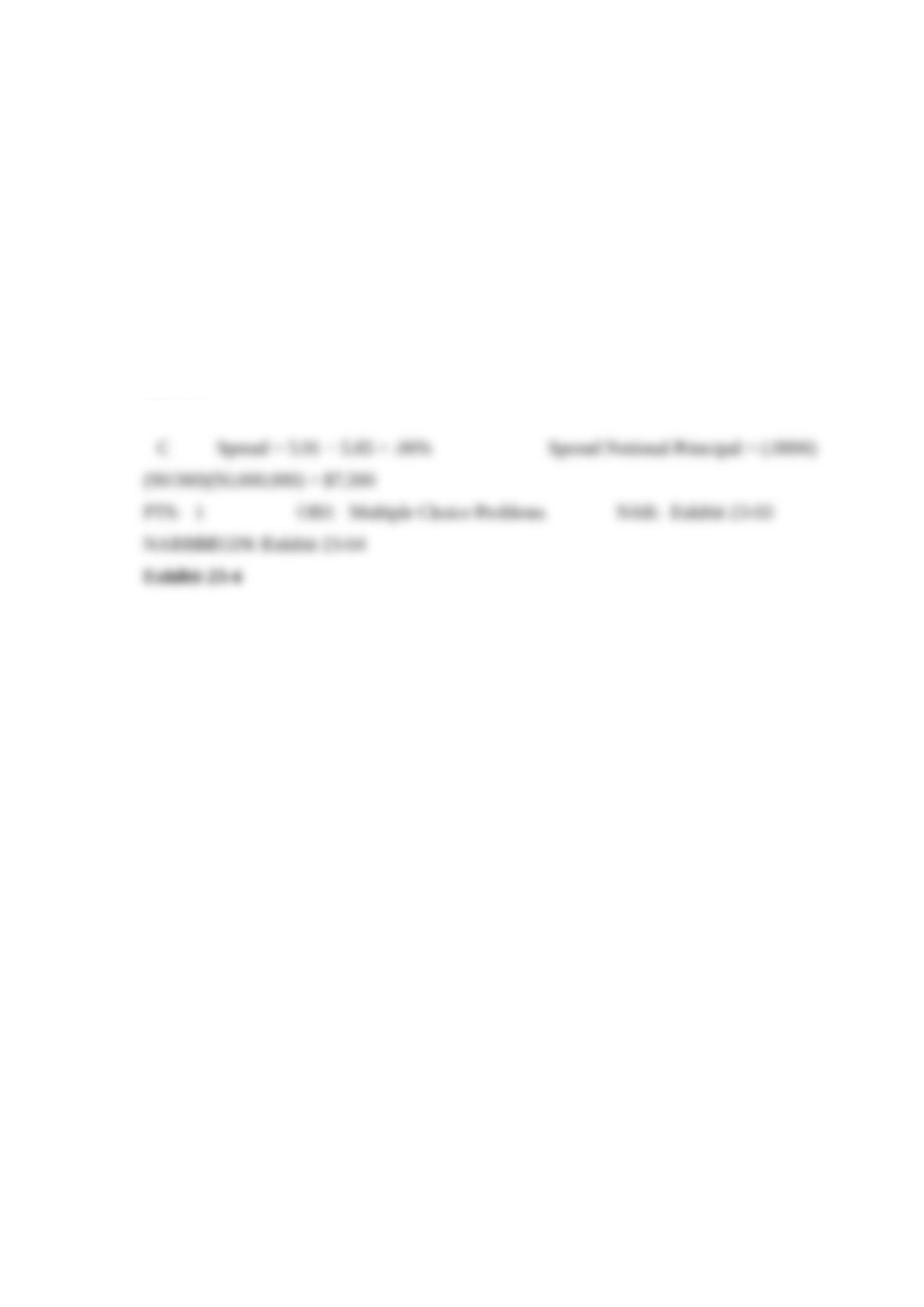
Question: Refer to Exhibit 23-3. Assuming that 3-month LIBOR is 5.6% on the rate
determination day, and the contract specified settlement in advance, describe the
transaction that occurs between the dealer and Megabuks.
Answer:
Question: Refer to Exhibit 23-3. How much compensation does the dealer receive for
transaction costs, credit risk and other costs associated with matching the FRAs?
Answer:
USE THE FOLLOWING INFORMATION FOR THE NEXT PROBLEM(S)
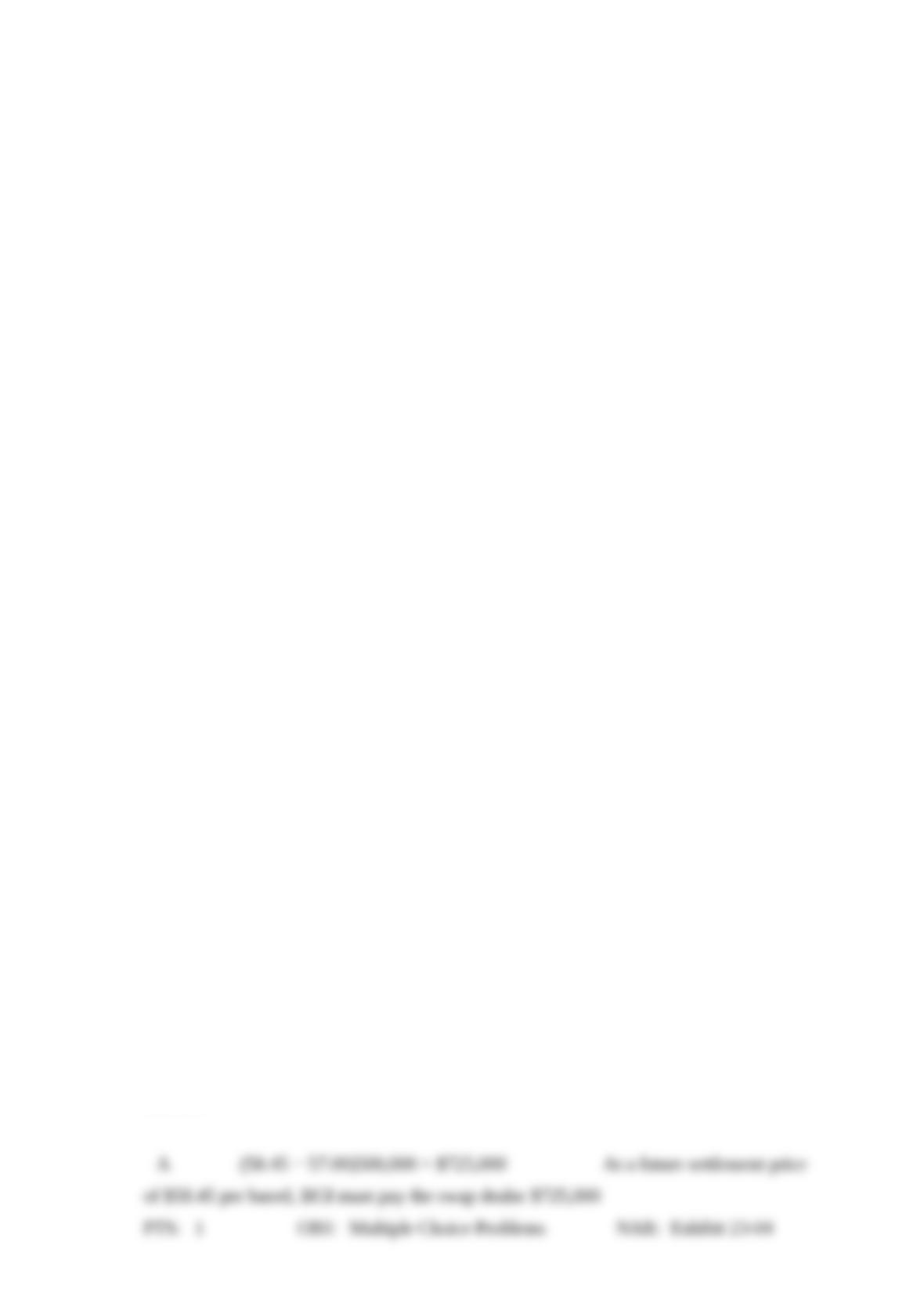
Black Gold Industries (BGI) is an independent oil producer with production capacity of
500,000 barrels per month. Due to the cost structure of the business, BGI needs to receive
$56.50 per barrel in order to remain solvent. On the other side of this situation is
Petrochemicals Unlimited (PU) which uses an average of 500,000 barrels of West Texas
crude oil in its normal production operations. The nature of PUs business is such that they
will financially suffer if they have to pay more than an average of $57.80 per barrel for oil
over the next six years. To hedge against their exposure to volatile oil prices, BI and PU
contact a swap dealer to arrange the six-year oil swap described below:
NARREND
Question: Refer to Exhibit 23-4. Describe the transaction that occurs between BGI and the
swap dealer if the monthly average oil futures settlement price is $58.45.
Answer:
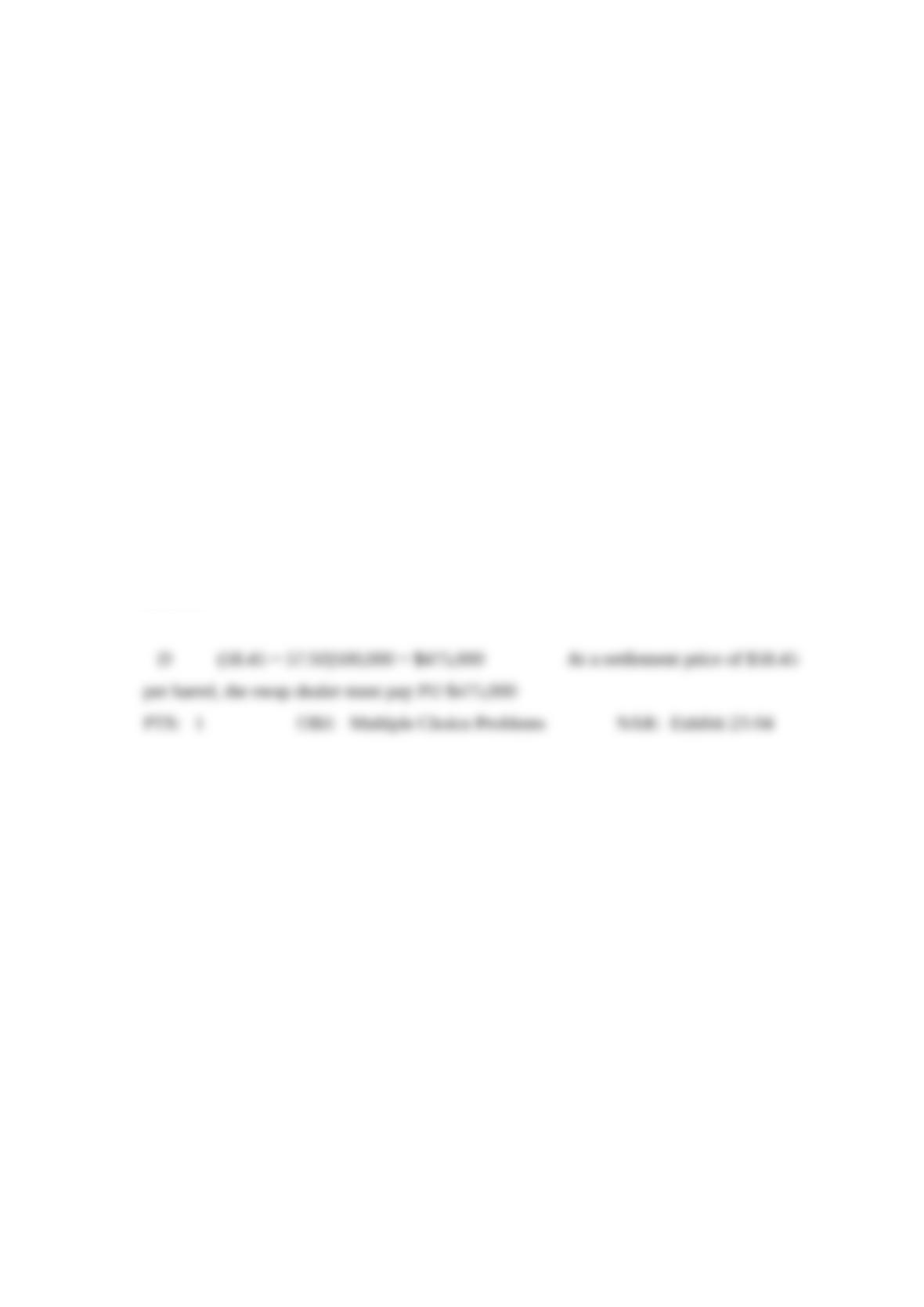
Question: Refer to Exhibit 23-4. Describe the transaction that occurs between PU and the
swap dealer if the monthly average oil futures settlement price is $58.45.
Answer:
Question: Refer to Exhibit 23-4. Describe the transaction that occurs between BGI and the
swap dealer if the monthly average oil futures settlement price is $55.50.
Answer:
Question: Refer to Exhibit 23-4. Describe the transaction that occurs between PU and the
swap dealer if the monthly average oil futures settlement price is $55.50.
Answer:
Question: Refer to Exhibit 23-4. Barring default by PU or BGI, how much compensation
does the swap dealer receive each month?
Answer:
USE THE FOLLOWING INFORMATION FOR THE NEXT PROBLEM(S)
Exclusive Industries has debentures outstanding (par value $1,000.00) convertible into
exclusives common stock at $30. The coupon rate is 11% payable semiannually and they
mature in 10 years.
NARREND
Question: Refer to Exhibit 23-5. Calculate the conversion value if the stock price is $24.00
par share.
Answer:
Question: Refer to Exhibit 23-5. Calculate the straight-bond value assuming that bonds of
equivalent risk and maturity are yielding 13% per year compounded semiannually.
Answer:
USE THE FOLLOWING INFORMATION FOR THE NEXT PROBLEM(S)
BioTech Industries has debentures outstanding (par value $1,000) convertible into the
companys common stock at $30. The coupon rate is 11 percent payable semiannually and
they mature in 10 years.
NARREND
Question: Refer to Exhibit 23-6. Calculate the conversion value of the bond if the stock
price is $27.00 per share.
Answer:
Question: Refer to Exhibit 23-6. Calculate the straight-bond value assuming that bonds of
equivalent risk and maturity are yielding 14 percent per year compounded semiannually.
Answer:
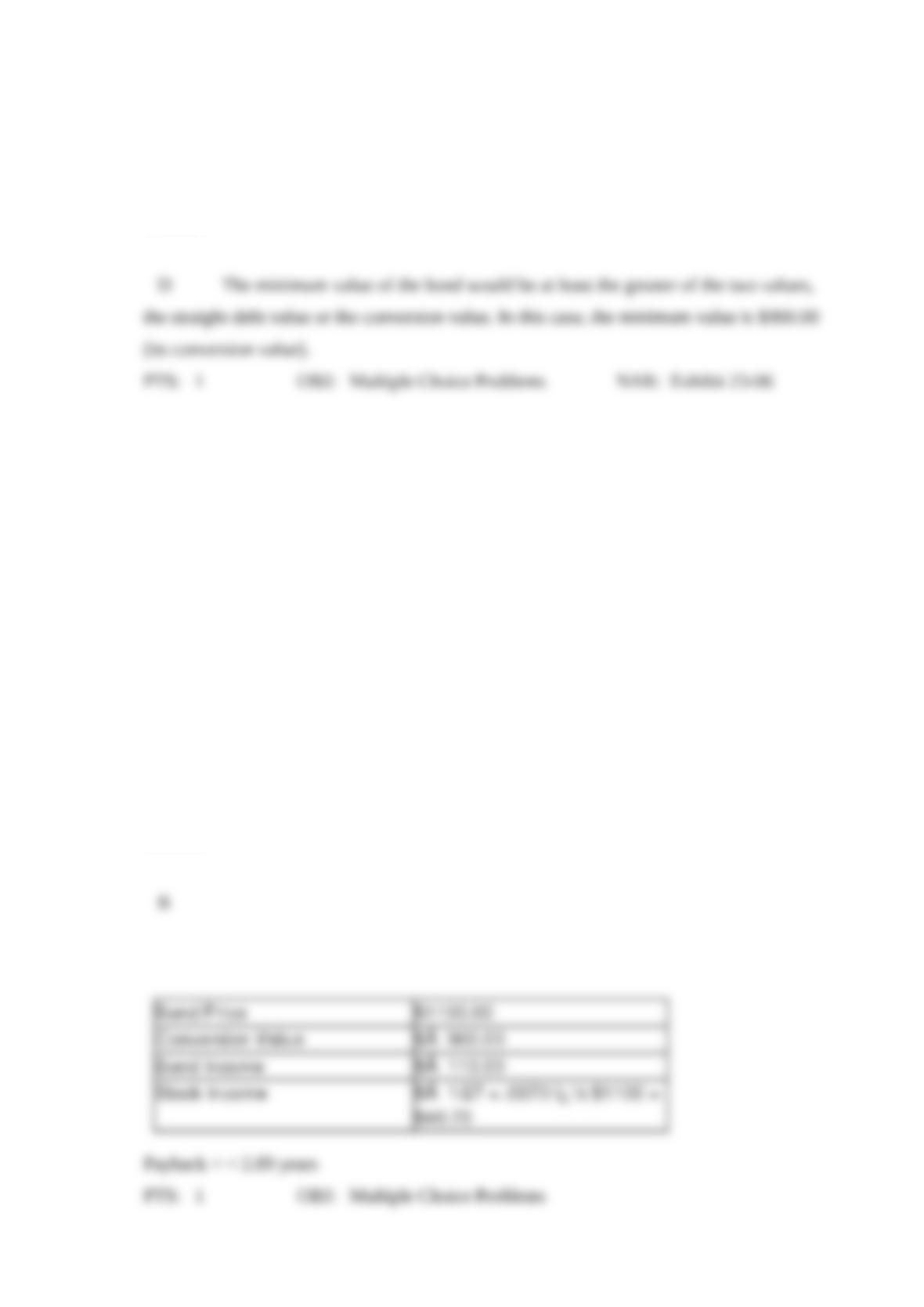
Question: Refer to Exhibit 23-6. At present, what would be the minimum value of the
bond?
Answer:
Question: The common stock of BioTech Industries pays a dividend of $1 per share and
has a current market price of $27 per share. The convertible bond is selling for $1100. The
payback or breakeven time for the bond is
Answer:
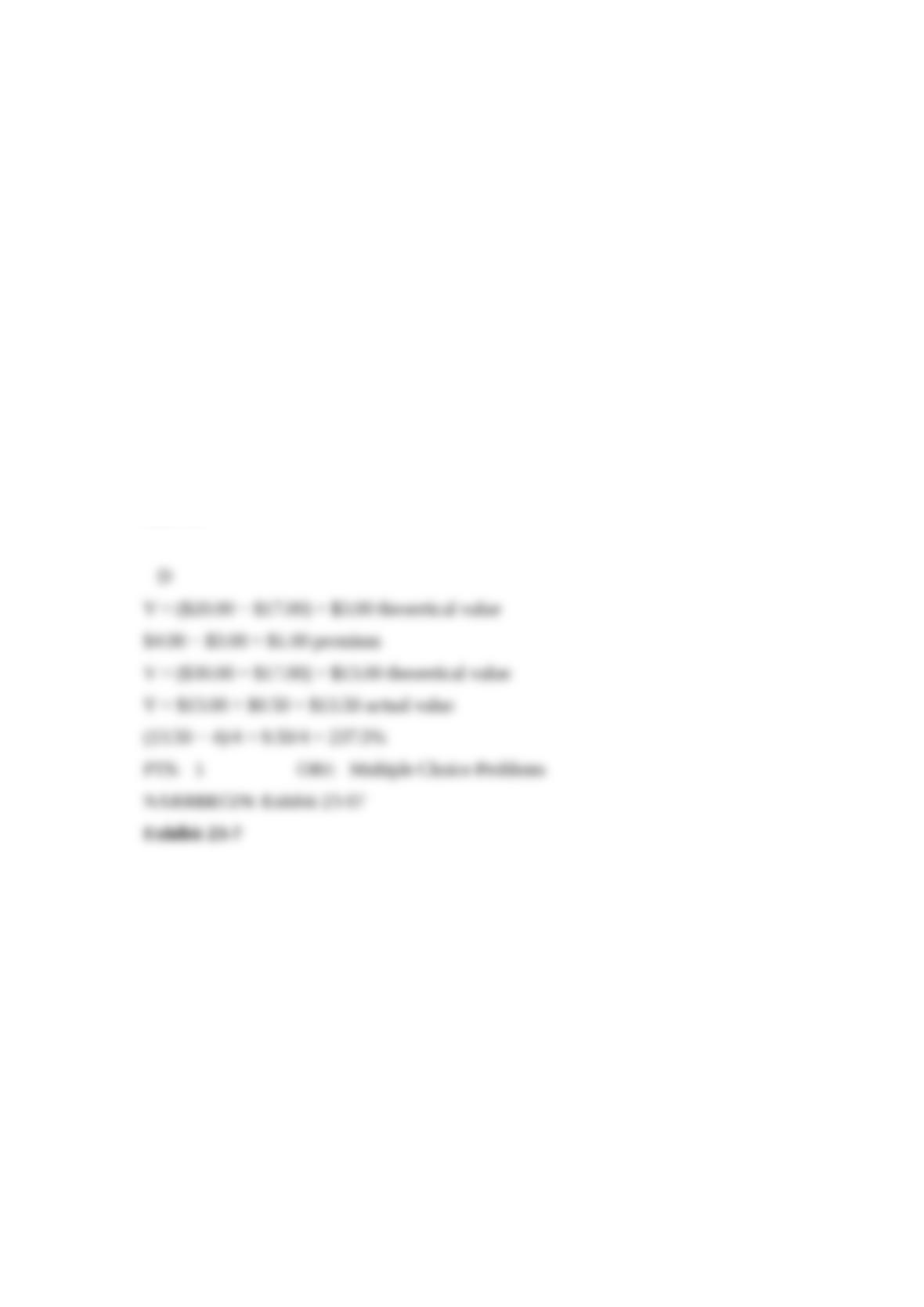
Question: The exercise price of The American Dairy Company is $17. You purchase the
warrants for $4.00 each when American Dairys stock price is $20.00 a share. Each warrant
entitles you to purchase one share of ADC stock. Calculate your percentage gain assuming
the warrant premium drops by 50% and you sell your warrants when the stock reaches
$30.00 per share.
Answer:
USE THE FOLLOWING INFORMATION FOR THE NEXT QUESTION(S)
The WallMal Company has entered into a 4-year interest rate swap, with semiannual
settlement, to pay a fixed rate of 8% per year and receive 6-month LIBOR. The notional
principal is $50,000,000.
NARREND
Question: Refer to Exhibit 23-7. Assume that one year later the fixed rate on a new 3-year
receive fixed pay floating LIBOR swap has fallen to 7% per year. Settlement is on a
semiannual basis. Calculate the market value of the FRN based on $100 face value.

Answer:
Question: Refer to Exhibit 23-7. Assuming that one year after the swap was initiated the
fixed rate on a new 3-year receive fixed pay floating LIBOR swap has fallen to 7% per
year, calculate the market value of the 8% fixed rate bond based on $100 face value.
Settlement is on a semiannual basis.
Answer:
Question: Refer to Exhibit 23-7. Indicate the market value of the swap to the WallMal
Company.
Answer:
Question: Refer to Exhibit 23-7. Assume that one year later the fixed rate on a new 3-year
receive fixed pay floating LIBOR swap has risen to 9% per year. Settlement is on a
semiannual basis. Calculate the market value of the FRN based on $100 face value.
Answer:
Question: Refer to Exhibit 23-7. Assuming that one year after the swap was initiated the
fixed rate on a new 3-year receive fixed pay floating LIBOR swap has risen to 9% per
year, calculate the market value of the 8% fixed rate bond based on $100 face value.
Settlement is on a semiannual basis.
Answer:
Question: Refer to Exhibit 23-7. Indicate the market value of the swap to the WallMal
Company.
Answer:
USE THE FOLLOWING INFORMATION FOR THE NEXT PROBLEM(S)
An international investment firm buys an interest rate cap that pays the difference between
LIBOR and 6% if LIBOR exceeds 6%. Current LIBOR is 5%. The amount of the option is
$1,500,000, and the settlement is every 3 months. Assume a 360 day year.
NARREND
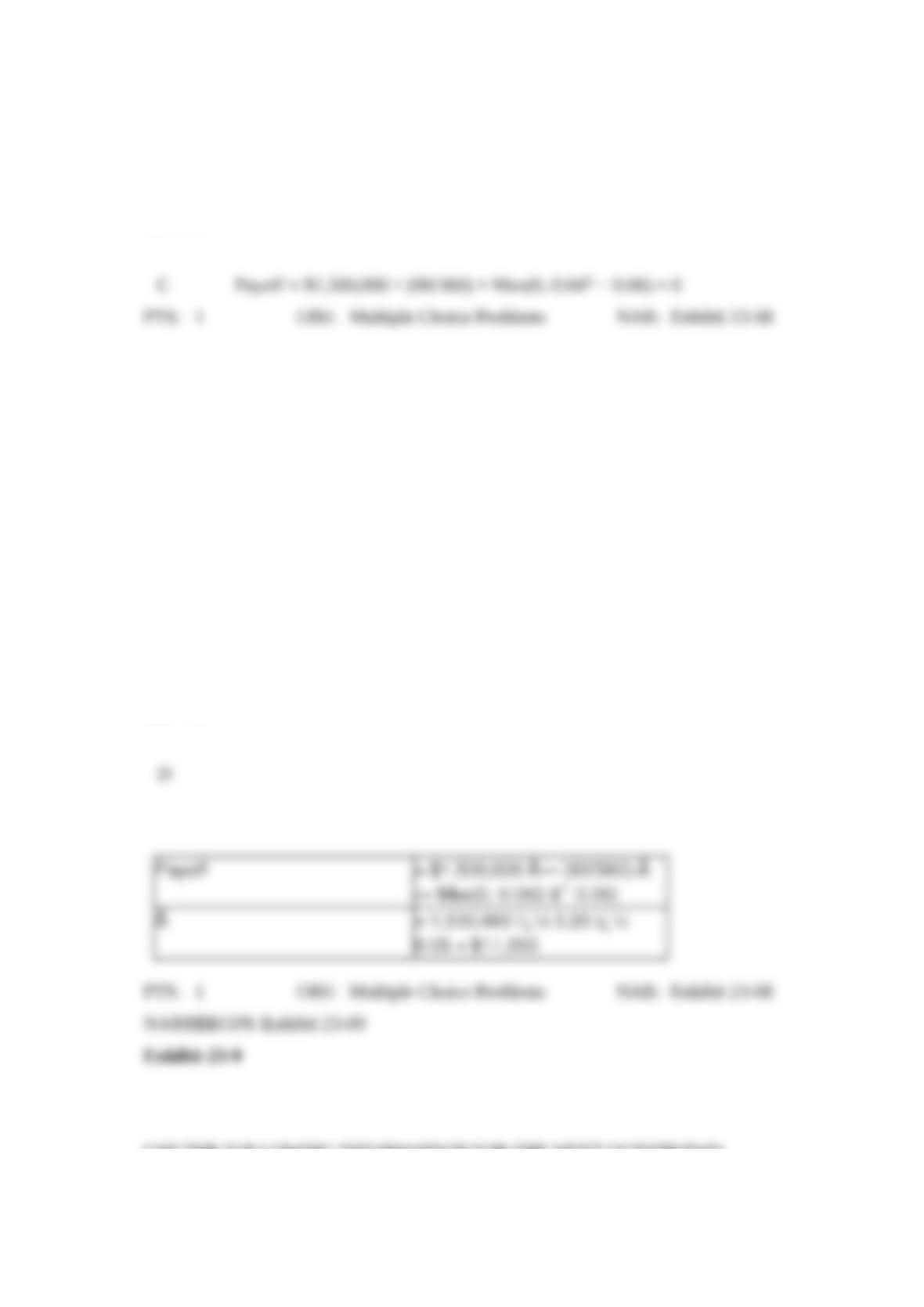
Question: Refer to Exhibit 23-8. Find the payoff if LIBOR closes at 4.7%.
Answer:
Question: Refer to Exhibit 23-8. Find the payoff if LIBOR closes at 6.3%.
Answer:
USE THE FOLLOWING INFORMATION FOR THE NEXT QUESTION(S)
The Skalmory Corporation has entered into a 3-year interest rate swap, with semiannual
settlement, to pay a fixed rate of 7.5% per year and receive 6-month LIBOR. The notional
principal is $10,000,000.
NARREND
Question: Refer to Exhibit 23-9. Assume that one year later the fixed rate on a new 2-year
receive fixed pay floating LIBOR swap has fallen to 7% per year. Settlement is on a
semiannual basis. Calculate the market value of the FRN based on $100 face value.
Answer:
Question: Refer to Exhibit 23-9. Assuming that one year after the swap was initiated the
fixed rate on a new 2-year receive fixed pay floating LIBOR swap has fallen to 7% per
year, calculate the market value of the 7.5% fixed rate bond based on $100 face value.
Settlement is on a semiannual basis.
Answer:

Question: Refer to Exhibit 23-9. What is the market value of the swap to the Skalmory
Corporation?
Answer: