CHAPTER 17
ECONOMIC INTEGRATION
B. Multiple-Choice Questions
7. In a production-possibilities/indifference curve diagram depicting the movement of a
country from a situation of a uniform tariff against all trading partners to a situation of a
customs union with one trading partner,
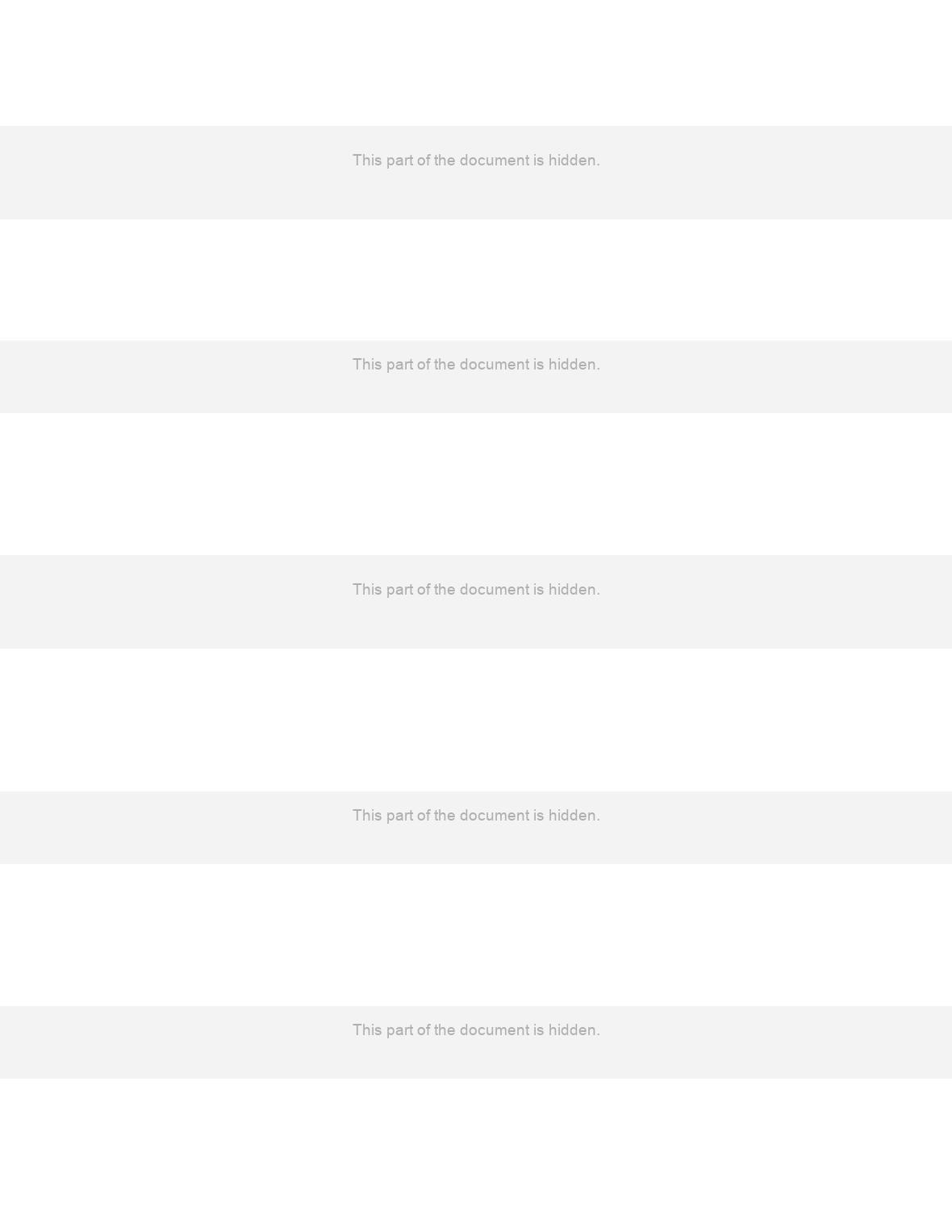
8. The following diagram pertains to good X for country A, where DA is the demand for X
by A’s consumers, SA is the supply curve of X from A’s home producers, SB is the
horizontal supply curve of X to country A from country B, SC is the horizontal supply
curve of X to country A from country C, and S’B and S’C are the horizontal supply curves
from B and C, respectively, with a tariff in place. With the tariffs in place for both
countries B and C, imports of good X into country A are represented by distance
__________.
9. In the diagram in Question #8 above, suppose that country A, from this initial situation
where its tariff is applied to both countries B and C, now forms a customs union with
country B. With this customs union in place, imports into country A are distance
__________.
10. In the diagram in Question #8 above, when the tariffs are in place for both countries B
and C, the tariff revenue being collected by country A’s government consists of
__________.
11. In the diagram in Question #8 above, suppose that country A, from this initial situation
where its tariff is applied to both countries B and C, now forms a customs union with
country B. The “net welfare effect” on country A from the formation of this customs
union with country B would be __________.
12. In the diagram in Question #8 above, suppose that country A, from this initial situation
where its tariff is applied to both countries B and C, now forms a customs union with
country C. With the formation of this customs union, the amount of imports of good X
into country A would be represented by the distance __________.
13. In the diagram in Question #8 above, suppose that country A, from this initial situation
where its tariff is applied to both countries B and C, now forms a customs union with
country C. The “net welfare effect” on country A from the formation of this customs
union with country C would be __________.
14. In considering “trade creation” and “trade diversion” in the formation of a customs union
between countries and whether the customs union enhances welfare in a home country
joining the union, two general conclusions that seem valid are that the customs union is
less likely to enhance welfare, other things equal, (i) if the union contains a __________
number of countries and (ii) if costs of production in the partner countries in the case of
trade diversion differ __________ from costs of production in the outside world (the non-
member countries).
a. large rather than a small; greatly
15. Which of the following is considered to be a positive dynamic effect of integration?
16. In considering “trade creation” and “trade diversion” in the formation of a customs union
between countries and whether the customs union enhances welfare in a home country
joining the union, two general conclusions that seem valid are that the customs union is
more likely to enhance welfare, other things equal, (i) the __________ the initial tariff
rates of the home country on imported goods, and (ii) the __________ the demand and
supply curves of the affected products in the home country.
d. lower; less elastic
17. Which one of the following sets of countries contains only members of the European
Union?
18. If good X from country C faces a 10 percent tariff in country A and a 20 percent tariff in
country B, but if A and B have free trade between each other, then A and B are part
of which one (and only one) of the following types of groupings?

19. As of January 1, 2007, the number of countries belonging to the European Union
increased to a total of __________ countries.
20. If country A forms a customs union with country B, then
a. country B continues to get tariff revenue from country A’s exports sent to B.
21. In a production-possibilities/indifference curve diagram, when a (small) country moves
from a situation of a uniform ad valorem tariff on all trading partners to a situation of a
trade-diverting customs union with one of its trading partners, the ratio of the domestic
price of the country’s export good to the domestic price of the country’s import good
__________.
22. In general, other things equal, trade creation is more likely to outweigh trade diversion
for a home country forming a customs union with partner countries (i) if the total number
of countries forming the union is __________, and (ii) if the level of tariffs in the home
country prior to the formation of the union is __________.
23. In a production-possibilities/indifference curve diagram, when a (small) country moves
from a situation of free trade to a situation of a uniform ad valorem tariff on imports from
all trading partners, the ratio of the domestic price of the country’s export good to the
domestic price of the country’s import good __________.
24. If two countries remove all tariffs on each other’s products and establish a common set of
tariffs against the rest of the world, but take no further steps toward economic integration,
these two countries have formed
25. When the European Community began operation in 1958, how many countries belong to
this union?
26. If two countries remove all tariff and nontariff barriers to trade between them, adopt a
common external tariff on imports from the outside world, and permit free factor
movements between themselves, but take no further steps toward economic integration,
this economic coalition that has been formed is a
27. To which one of the following agreements or groups is the United States NOT a signatory
or member?
28. The country that claims to have a greater number of economic integration trade
agreements in place than any other country is

29. Which one of the following existing or proposed economic coalitions permits free
movement of the factors of production among the member countries of the coalition?