
The amount of time that a firm holds inventory in stock is referred to as which one of
the following?
A. Inventory period
B. Accounts receivable period
C. Accounts payable period
D. Operating cycle
E. Cash cycle
Answer:
A trader in Switzerland just agreed to trade Swiss francs for British pounds based on
today’s exchange rate. The trade is expected to settle tomorrow. What term best
describes this exchange?
A. Arbitrage transaction
B. Forward trade
C. Spot trade
D. Purchasing power parity
E. Interest rate parity
Answer:
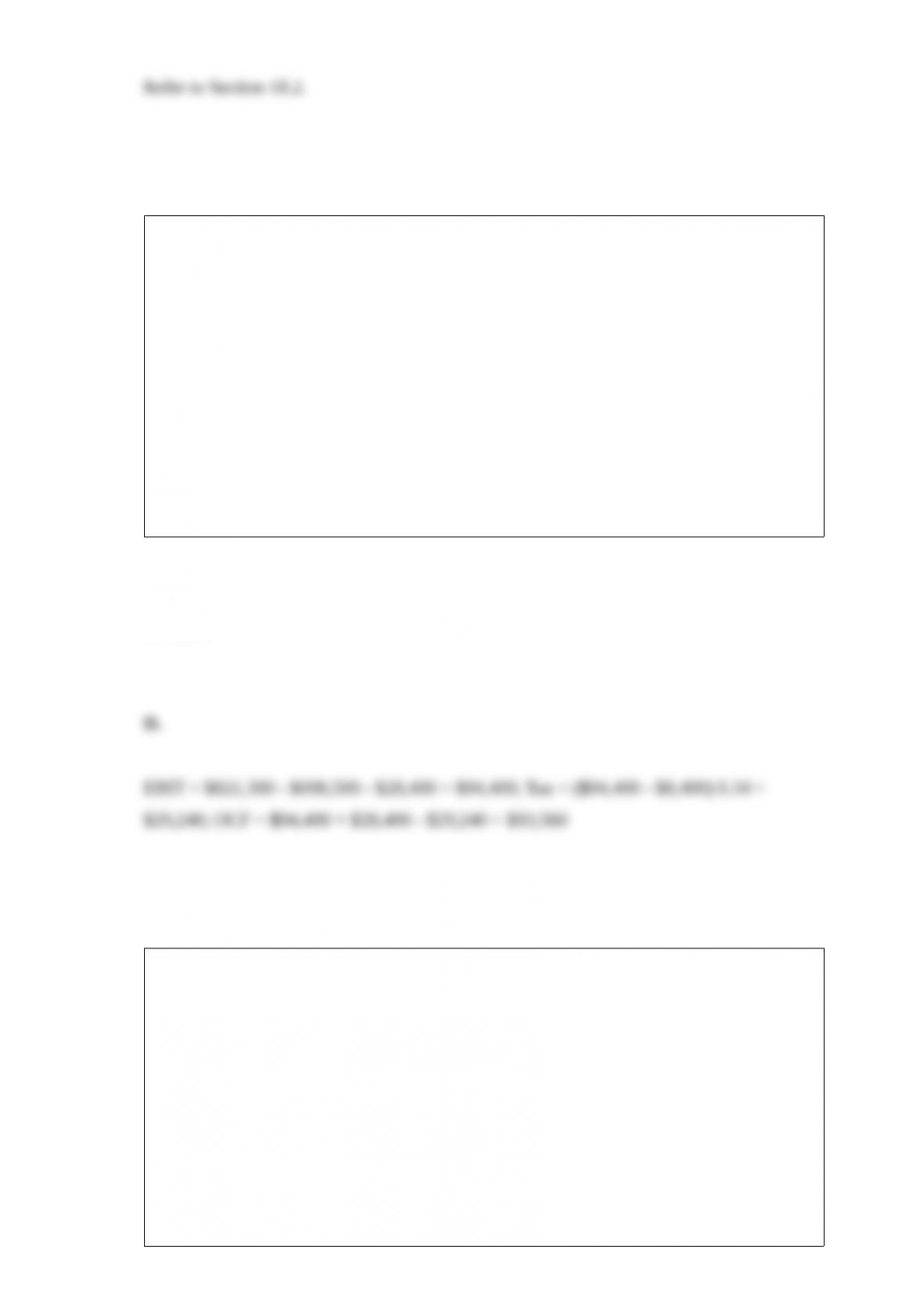
The Pretzel Factory has net sales of $821,300 and costs of $698,500. The depreciation
expense is $28,400 and the interest paid is $8,400. What is the amount of the firm’s
operating cash flow if the tax rate is 34 percent?
A. $87,620
B. $89,540
C. $91,220
D. $93,560
E. $95,240
Answer:
A firm has a cost of equity of 13 percent, a cost of preferred of 11 percent, and an
aftertax cost of debt of 6 percent. Given this, which one of the following will increase
the firm’s weighted average cost of capital?
A. Increasing the firm’s tax rate
B. Issuing new bonds at par
C. Redeeming shares of common stock
D. Increasing the firm’s beta
E. Increasing the debt-equity ratio
Answer:
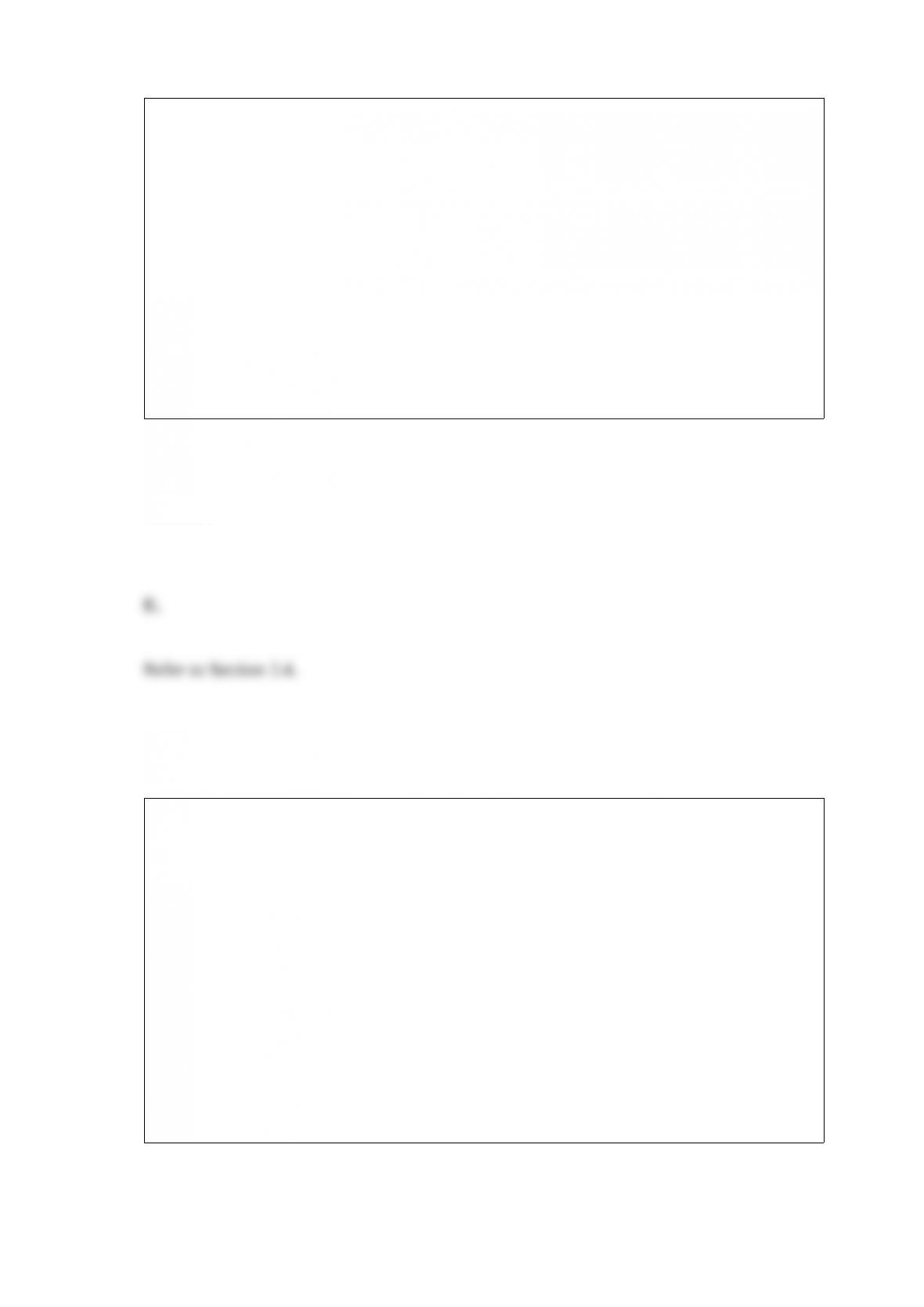
Empire Industries is considering adding a new product to its lineup. This product is
expected to generate sales for four years after which time the product will be
discontinued. What is the project’s net present value if the firm wants to earn a 13
percent rate of return?
A. $3,505.52
B. $3,767.24
C. $4,312.65
D. $4,519.58
E. $4,902.71
Answer:
Tressler Industries opted to repurchase 5,000 shares of stock last year in lieu of paying a
dividend. The cash flow statement for last year must have which one of the following
assuming that no new shares were issued?
A. Positive operating cash flow
B. Negative cash flow from assets
C. Negative cash flow to stockholders
D. Negative operating cash flow
E. Positive cash flow to stockholders
Answer:
The spot rate between Canada and the U.S. is Can$1.2381 = $1, while the one-year
forward rate is Can$1.2379 = $1. The risk-free rate in Canada is 2.8 percent. The
risk-free rate in the U.S. is 3.6 percent. How much profit can you earn on a loan of
$1,000 by utilizing covered interest arbitrage?
A. -$8.14
B. -$7.83
C. -$5.36
D. $3.49
E. $6.57
Answer:
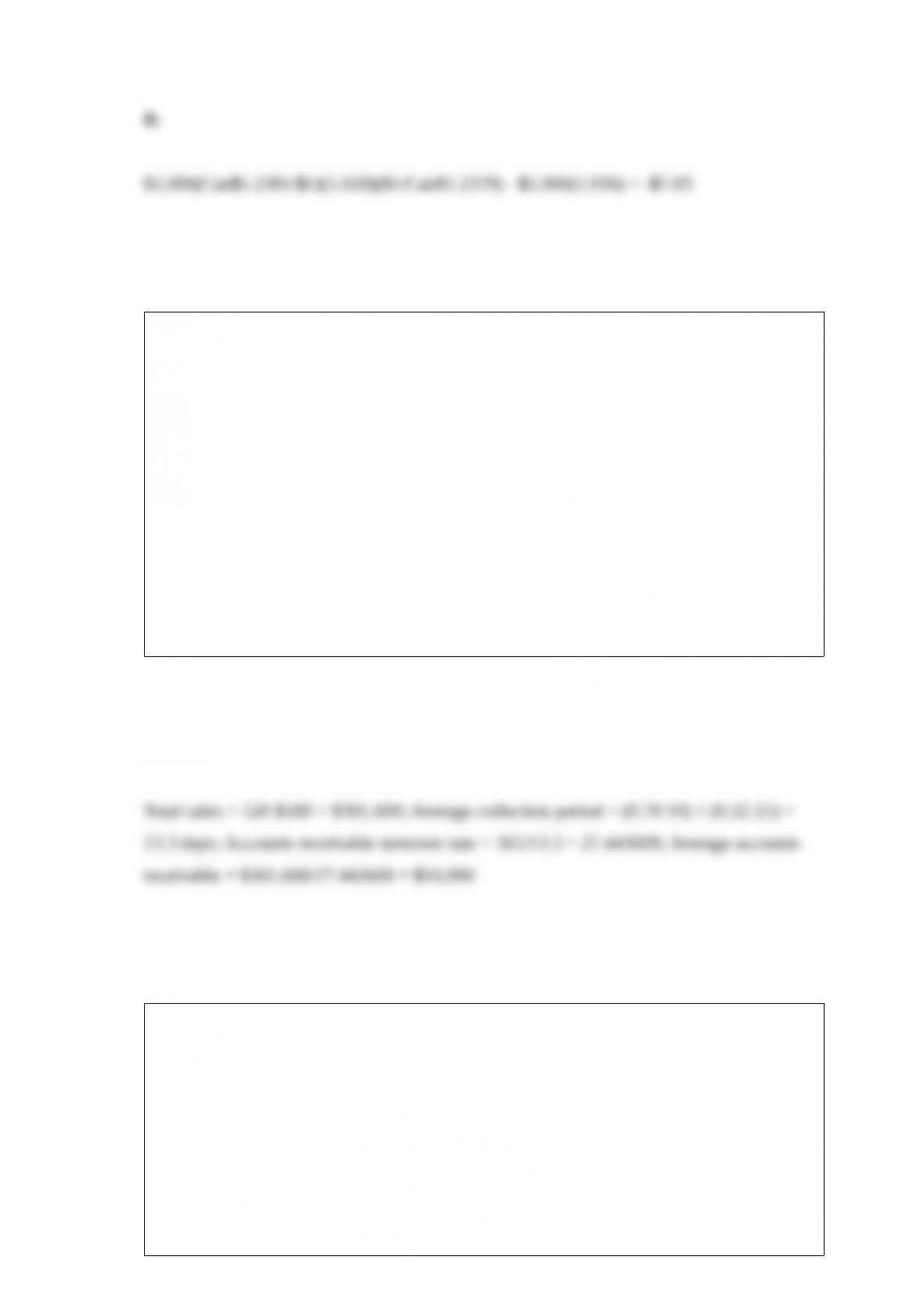
Kay’s House of Sound sells 520 musical instruments a year at an average price per
instrument of $580. All sales are credit sales with terms of 2/10, net 25. Hogan’s has
found that 78 percent of its customers take advantage of the discounted price. What is
the amount of the firm’s average accounts receivable?
A. $9,560
B. $10,990
C. $11,280
D. $12,440
E. $12,620
Answer:
Builder’s Outlet just hired a new chief financial officer. To get a feel for the company,
she wants to compare the firm’s sales and costs over the past three years to determine if
any trends are present and also determine where the firm might need to make changes.
Which one of the following statements will best suit her purposes?
A. Income statement
B. Balance sheet
C. Common-size income statement
D. Common-size balance sheet
E. Statement of cash flows
Answer:
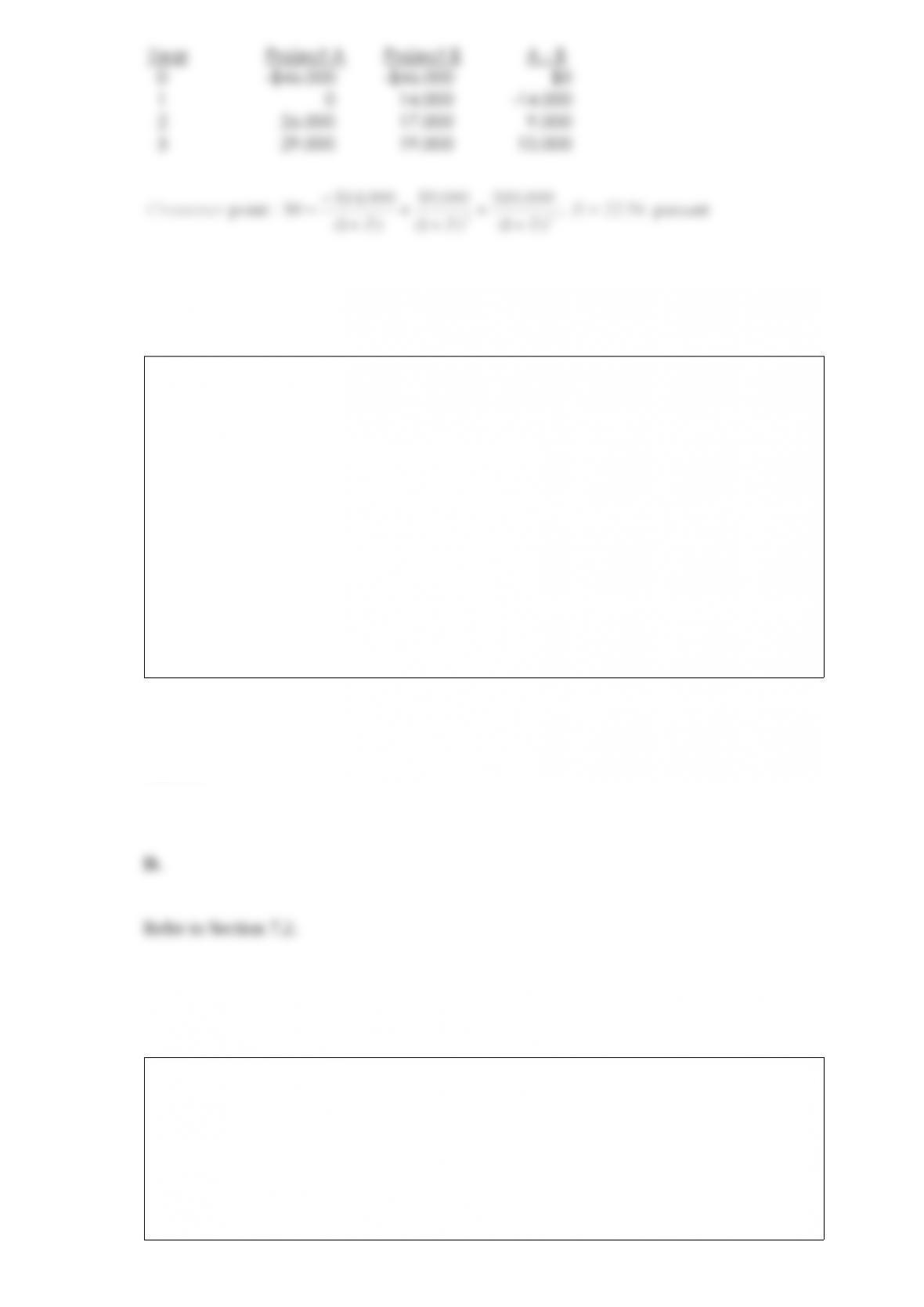
You are considering the following two mutually exclusive projects. What is the
crossover point?
A. 10.76
B. 13.72
C. 15.89
D. 18.79
E. 22.56
Answer:
Jensen Shipping has four open seats on its board of directors. How many shares will a
shareholder need to control to ensure that his or her candidate is elected to the board
given the fact that the firm uses straight voting? Assume one share equals one vote.
A. 20 percent of the shares plus one vote
B. 25 percent of the shares plus one vote
C. one-third of the shares plus one vote
D. 50 percent of the shares plus one vote
E. 51 percent of the shares plus one vote
Answer:
High Tower Pharmacy pays out a fixed percentage of its net income to its shareholders
in the form of annual dividends. Given this, the percentage shown on a common-size
income statement for the dividend account will:
A. remain constant over time.
B. be equal to the dividend amount divided by the net income.
C. vary in direct relation to the net profit percentage.
D. vary in direct relation to changes in the sales level.
E. vary but not in direct relation to any other variable.
Answer:
Jennifer has annual sales of $367,200 and cost of goods sold of $198,600. The average
accounts receivable balance is $20,400. How many days on average does it take the
firm to collect its accounts receivable?
A. 16.08 days
B. 16.30 days
C. 17.27 days
D. 18.00 days
E. 20.28 days
Answer:
Which one of the following indicates that a project should be rejected?
A. Average accounting return that exceeds the requirement
B. Payback period that is shorter than the requirement period
C. Positive net present value
D. Profitability index less than 1.0
E. Internal rate of return that exceeds the required return
Answer:
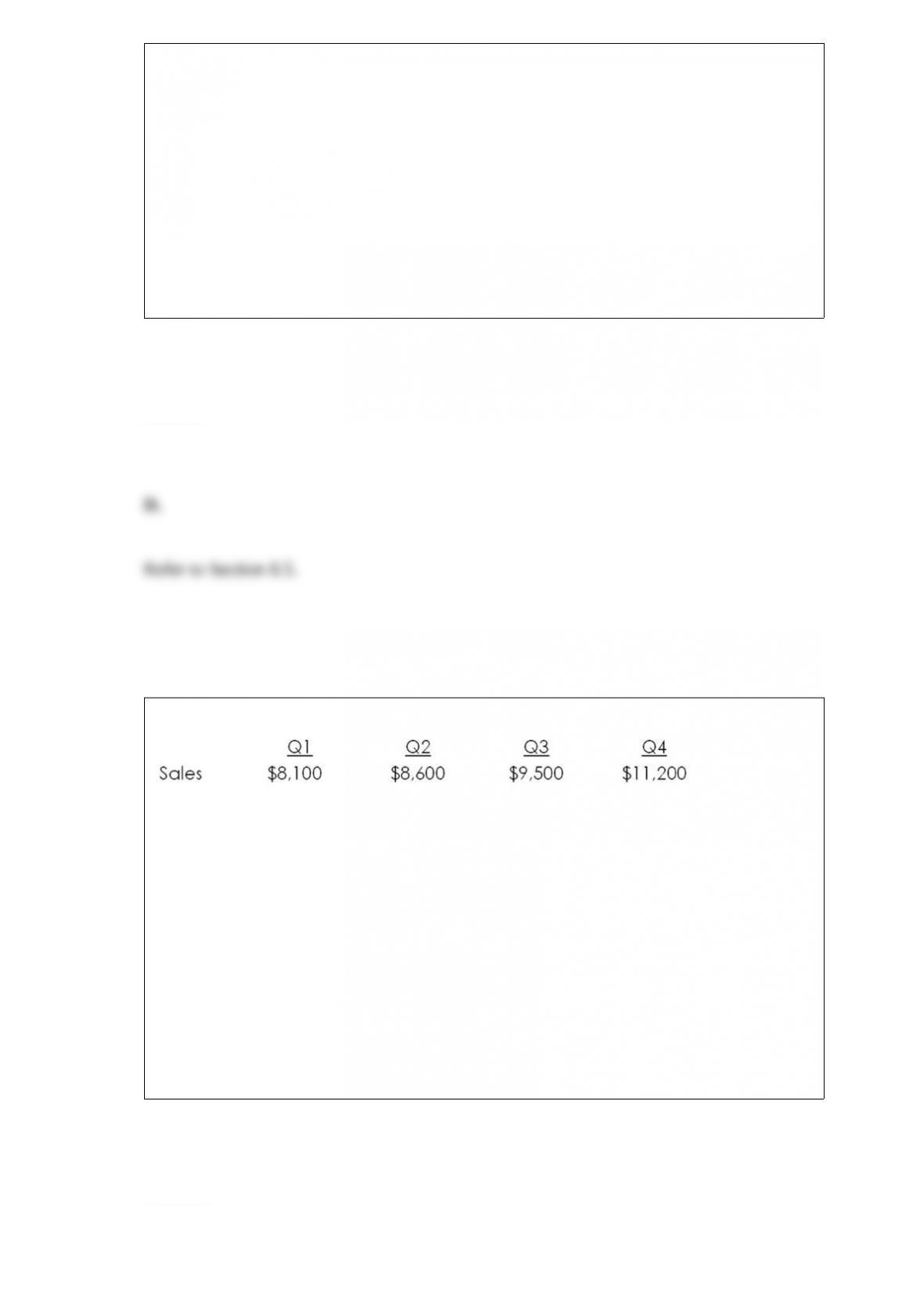
The Green Mile has the following estimated quarterly sales for next year.
The accounts receivable period is 45 days. What is the expected accounts receivable
balance at the end of the third quarter? Assume each month has 30 days.
A. $4,300
B. $4,750
C. $5,600
D. $6,667
E. $8,600
Answer:
Kaylor’s Tool Shoppe has 16,000 shares of stock outstanding at a market price of $2 a
share. Which one of the following stock splits should the firm declare if it wants to
increase the stock price to exactly $15 a share? Ignore any taxes or market
imperfections.
A. 15-for-2 stock split
B. 8-for-1 stock split
C. 1-for-7 reverse stock split
D. 2-for-15 reverse stock split
E. 1-for-8 reverse stock split
Answer:
Which of the following characteristics are most commonly associated with corporate
bonds issued in the U.S.?
I. Registered form
II. Bearer form
III. Quarterly coupon payments
IV. Semiannual coupon payments
A. I and III only
B. I and IV only
C. II and III only
D. II and IV only
E. III only
Answer:
The variance is the average squared difference between which of the following?
A. Actual return and average return
B. Actual return and (average return/N – 1)
C. Actual return and the real return
D. Average return and the standard deviation
E. Actual return and the risk-free rate
Answer:
The sustainable growth rate is defined as the maximum rate at which a firm can grow
given which of the following conditions?
A. No new external financing of any kind
B. No new debt but additional external equity equal to the increase in retained earnings
C. New debt and external equity in equal proportions
D. New debt and external equity, provided the debt-equity ratio remains constant
E. No new equity and a constant debt-equity ratio
Answer:
An efficient capital market is best defined as a market in which security prices reflect
which one of the following?
A. Current inflation
B. A risk premium
C. Available information
D. The historical arithmetic rate of return
E. The historical geometric rate of return
Answer:

Which one of the following statements is correct?
A. All Chapter 7 bankruptcy filings must include a “workout” agreement.
B. Firms must remain in bankruptcy for at least 18 months.
C. Key employee retention plans (KERPs) are no longer legal.
D. Labor contracts cannot be modified through the bankruptcy process.
E. A firm can file for Chapter 11 bankruptcy even if the firm is solvent.
Answer:
The beta of a risky portfolio cannot be less than _____ nor greater than ____.
A. 0; 1
B. 1; the market beta
C. the lowest individual beta in the portfolio; market beta
D. the market beta; the highest individual beta in the portfolio
E. the lowest individual beta in the portfolio; the highest individual beta in the portfolio
Answer:
The balance sheet of a firm shows current liabilities of $56,300 and long-term debt of
$289,200 as of last year. Current liabilities are $76,900 and long-term debt is $248,750
as of today, which is the end of the current year. The financial statements for the current
year reflect an interest paid amount of $29,700 and dividends of $19,000. What is the
amount of the net new borrowing?
A. -$40,450
B. $40,450
C. $64,750
D. $70,150
E. $78,250
Answer: