
If the demand curve is horizontal, ε is the elasticity of labor supply, and t is the tax
rate, the efficiency loss equals ___.
A. (1/2)tεWH
B. (1/2)t2εWH
C. tεWH
D. t2εWH
Answer:
Under this method, retirees depend on
A. their own children.
B. workers.
C. their own saving.
D. going back to work.
Answer:

The main purpose of taxing pollution is to
A. raise revenue.
B. punish polluters.
C. reduce emissions.
D. punish consumers.
Answer:
A 10% retail sales tax is paid by the ____.
A. farmer only
B. miller only
C. baker only
D. farmer, miller, and baker
Answer:

In this EITC phase-down range, the individual faces a ______ of ___.
A. subsidy rate; 40%
B. subsidy rate; 20%
C. marginal tax rate; 40%
D. marginal tax rate; 20%
Answer:
An employer’s purchase of an employee’s health insurance ___ included in the
employee’s comprehensive income ___ included in the employee’s U.S. taxable
income.
A. is; and is
B. is; but is not
C. is not; but is
D. is not; and is not
Answer:

In cost-benefit analysis, benefits to ___ users of a project should be counted; secondary
benefits ___ be counted.
A. direct; should not
B. direct; should
C. indirect; should not
D. indirect; should
Answer:
If the government borrows today instead of taxing, today’s taxpayers bear less burden,
and __________ bear ____ burden.
A. yesterday’s taxpayers; more
B. yesterday’s taxpayers; less
C. tomorrow’s taxpayers; more
D. tomorrow’s taxpayers; less
Answer:
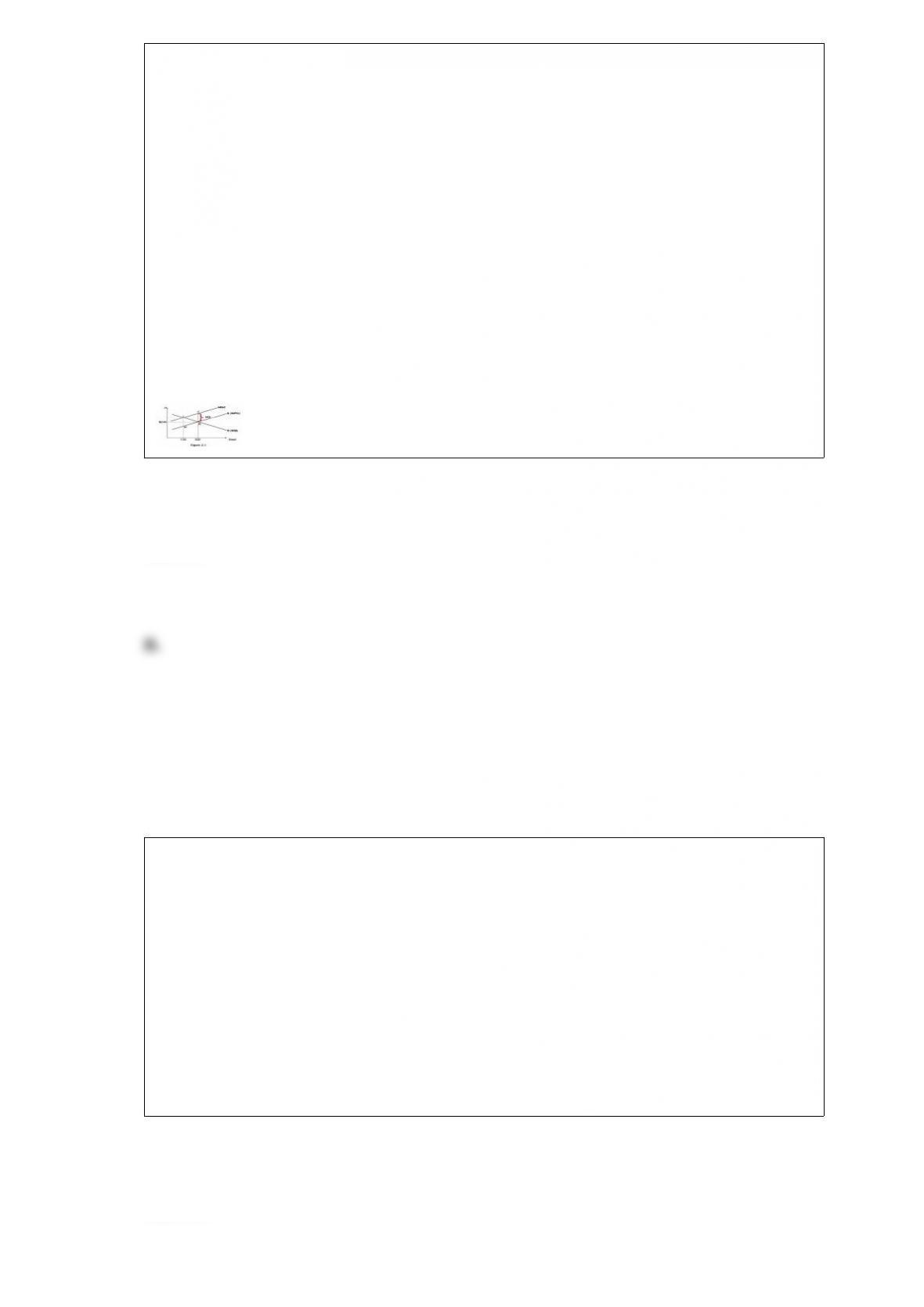
Figure 2.1 shows the supply and demand diagram for steel. Environmental damage per
unit produced is $60.
Refer to Figure 2.1. The net gain to society (the environmental benefit minus the loss
from less steel) due to the $60 tax equals area ____.
A. HIJK ($4,800)
B. IJK ($2,400)
C. HIK ($2,400)
D. HIJ ($0)
Answer:
Revenue from the tax equals ___.
A. tPQ
B. tP
C. tQ
D. t2PQ
Answer:

Suppose a safe and effective medical treatment X would extend the life of a patient
from 100 to 101 years at a cost of $1 million. Economists say ___ be weighed against
___ in deciding whether government should pay for it.
A. cost should; benefit
B. cost should not; benefit
C. benefit should; safety and effectiveness
D. benefit should not; safety and effectiveness
Answer:
The official government measure of poverty is based on a family’s
A. pretax cash income including welfare.
B. pretax cash income including welfare plus in-kind benefits like Medicaid.
C. pretax cash income including welfare plus the EITC.
D. pretax cash income including welfare plus in-kind benefits plus the EITC.
Answer:

A progressive way to slow benefit growth would be
A. to convert from wage indexing to price indexing.
B. raise the retirement age.
C. reduce the first percentage in the benefit formula below 90%.
D. reduce the last percentage in the benefit formula below 15%.
Answer:
By the mid-1970s, federal debt was down to ___ of GDP.
A. 25%
B. 35%
C. 50%
D. 100%
Answer:

Your employer pays you $1,000. The income tax rate is 15%. The interest rate is 4%.
Refer to Table 9.2. Your retirement consumption under the Y Tax (Saving) is ____.
1. $850
2. $878.90
3. $884
4. $1,000
Answer:
The initial support for the EITC came from _____ who viewed it as an alternative to
_____.
A. liberals; hardship
B. liberals; welfare
C. conservatives; hardship
D. conservatives; welfare
Answer:

A free market usually works well for consumers because of
A. cooperation.
B. competition.
C. benevolence.
D. compassion.
Answer:
If the supply curve of X is flat and the demand curve is steep, then a $2 tax on the
consumers of X reduces price ___ than $1 and most of the burden of the tax falls on
___.
A. more; producers
B. more; consumers
C. less; producers
D. less; consumers
Answer:

Generational accounting focuses on how a particular generation fares with respect to
A. government taxes and spending.
B. government taxes.
C. government spending.
D. neither government taxes nor government spending.
Answer:
U.S. federal taxes are ___ of GDP, state and local taxes are ___ of GDP.
A. 10%; 20%
B. 20%; 10%
C. 20%; 20%
D. 30%; 10%
Answer:

If three people vote pair-wise between thin, intermediate, and thick, then there will be a
clear winner if everyone’s preferences have a _____.
A. single-valley
B. double-valley
C. single-peak
D.double-peak
Answer:
An individual’s unrealized capital gains ___ included in the individual’s comprehensive
income ___ included in the individual’s U.S. taxable income.
A. are; and are
B. are; but are not
C. are not; but are
D. are not; and are not
Answer:

Under the Social Security benefit formula set by Congress, if H earned three times the
wage income that L earned, then
A. H will get three times the benefit.
B. H will get twice the benefit.
C. H will get the same benefit.
D. H will get half the benefit.
Answer:
Refer to Figure 3.1. The optimal quantity of a public good is the quantity at which
A. ΣMB = ΣMC
B. ΣMB = MC
C. MB = MC
D. MB = ΣMC
Answer:
Instead, suppose H cuts back 120 and L cuts back 0; the total cost would be $______.
Answer:
An individual’s unrealized capital gains ___ included in the individual’s comprehensive
income ___ included in the individual’s U.S. taxable income.
Answer:
If employers buy health insurance for employees, employers eventually ___.
Answer:
A public good has two properties: and .
Answer:
According to the Actuary of the Social Security Administration, in about 2020 payroll
taxes will _____ scheduled benefits.
Answer:
Under the U.S. household income tax, if the last $100 of wages of the first earner is
taxed 35%, a potential second earner would be taxed _____% on the first $100 earned.
Answer:
Under the each generation self-sufficient method, retirees depend on their ____.
Answer:

What is the most important tax for local governments?
Answer:
It is best for society to reduce an emission whenever MAC is less than (MD, Tax).
Answer:
To achieve unanimous choice of the optimal quantity of a public good, each voter’s
____should be set equal to the voter’s ____at the optimal quantity.
Answer: