
Article Summary
Recent studies about wealth inequality and income inequality indicate that the
American public’s estimates of the distribution of wealth and income are quite different
than actual data suggests. With respect to wealth, the top 20 percent of households hold
more than 84% and the bottom 40 percent hold less than 1%, yet the public’s estimates
were 59% and 9%, respectively. In terms of income inequality, the public estimated that
the CEO-to-worker pay-ratio was 30-to-1, whereas data suggests the actual ratio is
354-to-1, up from 20-to-1 in the 1960s.
President Obama has referred to economic inequality as “the defining challenge of our
time,” and although Americans seem to recognize that income and wealth gaps have
widened, only 5 percent indicate that this inequality is a problem that needs to be
addressed.
Source: Nicholas Fitz, “Economic Inequality: It’s Far Worse Than You Think,”
Scientific American, March 31, 2015.
Refer to the Article Summary above. The article discusses wealth inequality, and for
some people this means a more equitable distribution of wealth is needed in the
economy. What is meant by a more equitable distribution of wealth?
A) a more allocatively efficient distribution of wealth
B) a more productively efficient distribution of wealth
C) a more fair distribution of wealth
D) wealth distributed based on income levels
Securities dealers that trade stocks and bonds outside exchanges comprise the
A) foreign exchange market.
B) over-the-counter market.
C) NASDAQ market.
D) outlet market.

Assume that production from an electric utility caused acid rain and that the
government imposed a tax on the utility equal to the cost of the acid rain. This is an
example of
A) a transactions cost.
B) a Pigovian tax.
C) a Pigovian subsidy.
D) the Coase Theorem.
Average total cost is equal to
A) average fixed cost minus average variable cost.
B) total cost divided by the level of output.
C) marginal cost plus variable cost.
D) total cost divided by the number of workers.
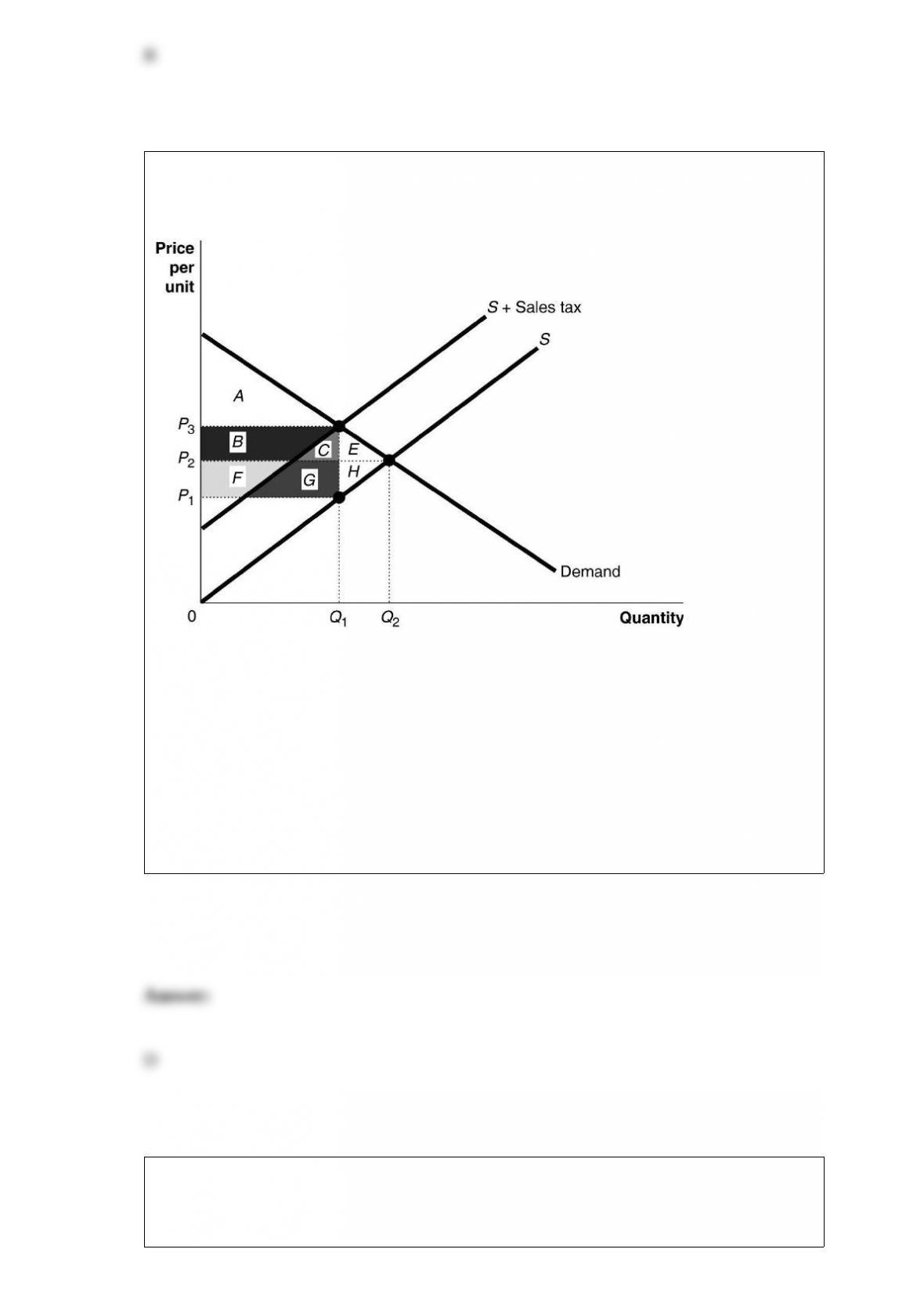
Figure 18-1
Refer to Figure 18-1. The sales tax revenue collected by the government is represented
by the area
A) B + C.
B) F + G.
C) E + H.
D) B + C + F + G.
Studies have shown links between calcium consumption and a reduction in
osteoporosis. How does this affect the market for calcium?

A) The calcium supply curve shifts to the right because of a change in tastes in favor of
calcium.
B) The calcium demand curve shifts to the right because of a change in tastes in favor
of calcium.
C) The calcium demand curve shifts to the left because this new information will
increase the price of calcium.
D) The calcium supply curve shifts to the left because this new information will
increase the price of calcium.
If you pay $2,000 in taxes on an income of $20,000, and a tax of $2,700 on an income
of $30,000, then over this range of income the tax is
A) regressive.
B) proportional.
C) progressive.
D) There is insufficient information to answer the question.
If a firm shuts down it
A) will suffer a loss equal to its fixed costs.
B) will produce nothing but must pay its variable costs.
C) will produce nothing but must pay its fixed and variable costs.
D) will earn enough revenue to cover its variable costs but not all of its fixed costs.
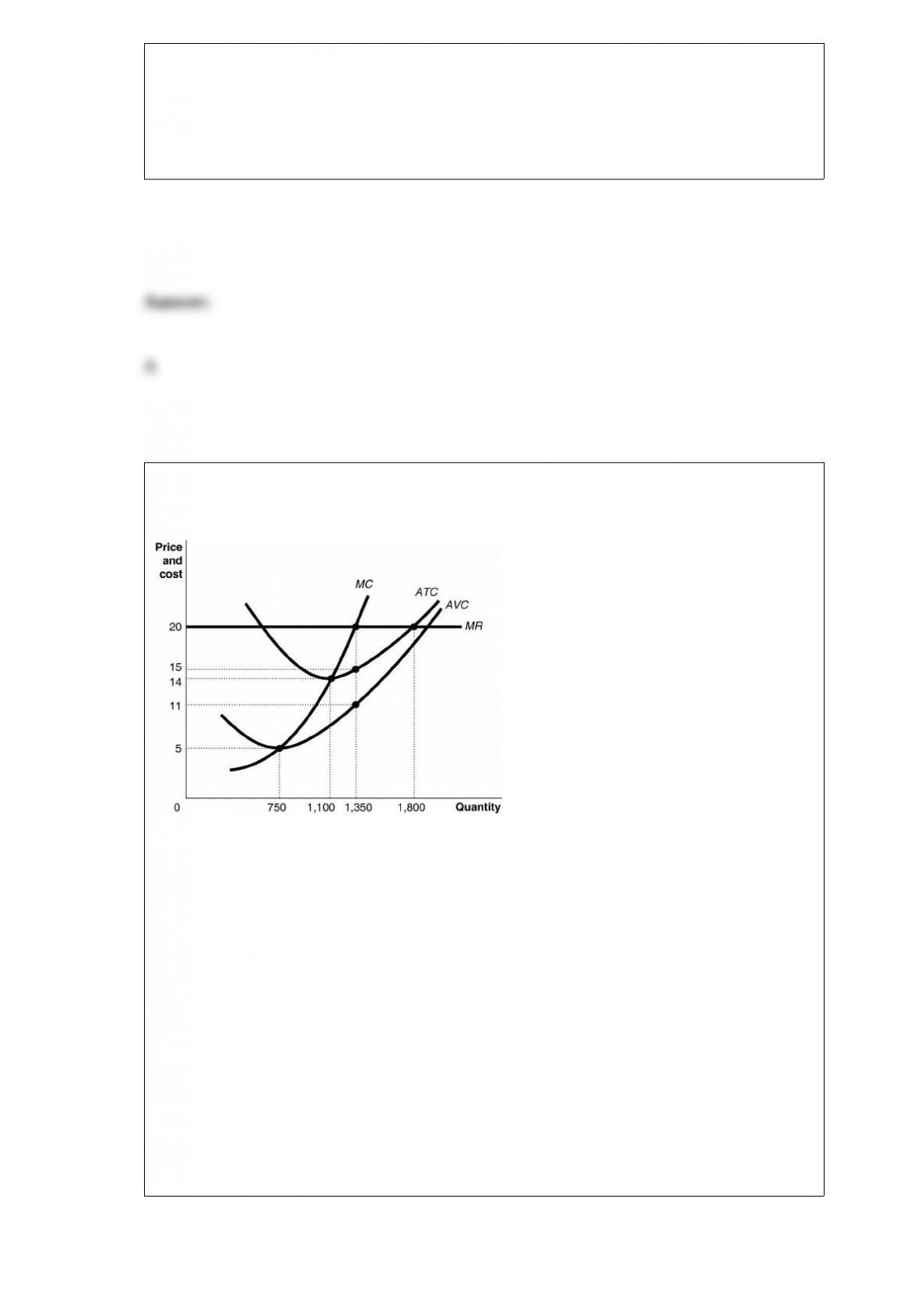
Figure 12-5
Figure 12-5 shows cost and demand curves facing a typical firm in a constant-cost,
perfectly competitive industry.
Refer to Figure 12-5. If the firm’s fixed cost increases by $1,000 due to a new
environmental regulation, what happens in the diagram above?
A) All the cost curves shift upward.
B) Only the average variable cost and average total cost curves shift upward; marginal
cost is not affected.
C) Only the average total cost curve shifts upward; the marginal cost and average
variable cost curves are not affected.
D) None of the curves shifts; only the fixed cost curve, which is not shown here, is
affected.
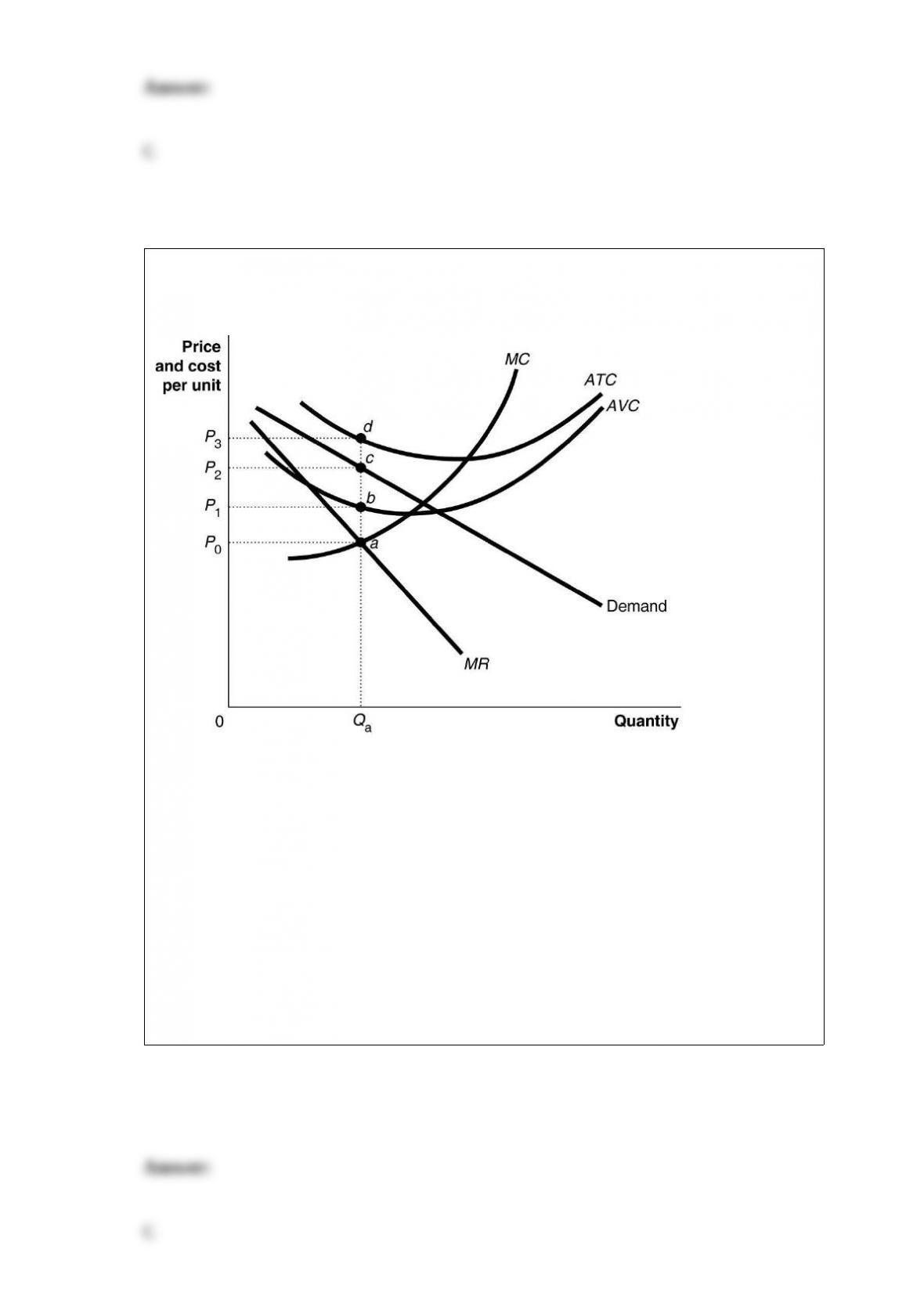
Figure 13-4
Figure 13-4 shows short-run cost and demand curves for a monopolistically competitive
firm in the market for designer watches.
Refer to Figure 13-4.What is the area that represents the total fixed cost of production?
A) 0P1aQa
B) P0adP3
C) P1bdP3
D) That information cannot be determined from the graph.

Suppose the government imposes an 8 percent sales tax on clothing items and the tax is
levied on sellers. Who pays for the tax in this situation? (Assume that the demand curve
is downward sloping and that the supply curve is upward sloping.)
A) The tax is borne entirely by the sellers.
B) The sellers will pass on the entire sales tax to consumers and therefore the
consumers bear the tax.
C) The tax will be borne partly by consumers and partly by sellers.
D) It is not possible to answer the question without information on price elasticities.
Public goods are distinguished by two primary characteristics. What are they?
A) nonrivalry and nonexcludability
B) government intervention and low prices
C) market failure and high prices
D) rivalry and exclusivity
In the United States, taxpayers are allowed to exclude from taxation a certain amount of
income, called

A) the personal income exclusion.
B) the income allowance.
C) the income tax credit.
D) the personal exemption.
Suppose a hurricane decreased the supply of oranges so that the price of oranges rose
from $120 a ton to $180 a ton and quantity sold decreased from 800 tons to 240 tons.
What is the absolute value of the price elasticity of demand?
A) 11
B) 37
C) 69
D) 33
The process involved in bringing oil to world markets can take years. Substitutes for
oil-based products such as gasoline are limited. As a result
A) the supply of oil is very elastic and the demand for oil is very elastic over short
periods of time.

B) the supply of oil is very inelastic and the demand for gasoline is inelastic over short
periods of time.
C) the supply of oil and the demand for oil shift to the right over short periods of time.
D) the supply of oil and the demand for oil are both perfectly elastic over short periods
of time.
The public choice model
A) examines the degree of market power that the public exerts in a market economy.
B) examines the public’s role in appointing politicians and ensuring that elected officials
act in ways to reflect the public’s preferences.
C) applies economic analysis to government decision making.
D) applies economic analysis to the collective decision making of consumers.
Which of the following is used to argue that the self-interest of public policymakers will
often lead to actions that are inconsistent with the preferences of the voters they
represent?
A) the voting paradox
B) the median voter theorem

C) rent seeking
D) transitivity of voters’ preferences
Arnold Harberger was the first economist to estimate the loss of economic efficiency
due to market power. Harberger found that
A) the loss of economic efficiency in the U.S. economy due to market power was less
than 1 percent of the value of production.
B) because of the increase in the average size of firms since World War II, the loss of
economic efficiency has been relatively large, about 10 percent of the value of total
production in the United States.
C) although the number of monopolies was small, the large number of other
non-competitive firms in the United States resulted in a large loss of economic
efficiency, about 20 percent of the value of total production.
D) the loss of economic efficiency in the U.S. economy due to market power was small
around 1973, about 1 percent of the value of production, but has since grown to about
10 percent.
Figure 2-2
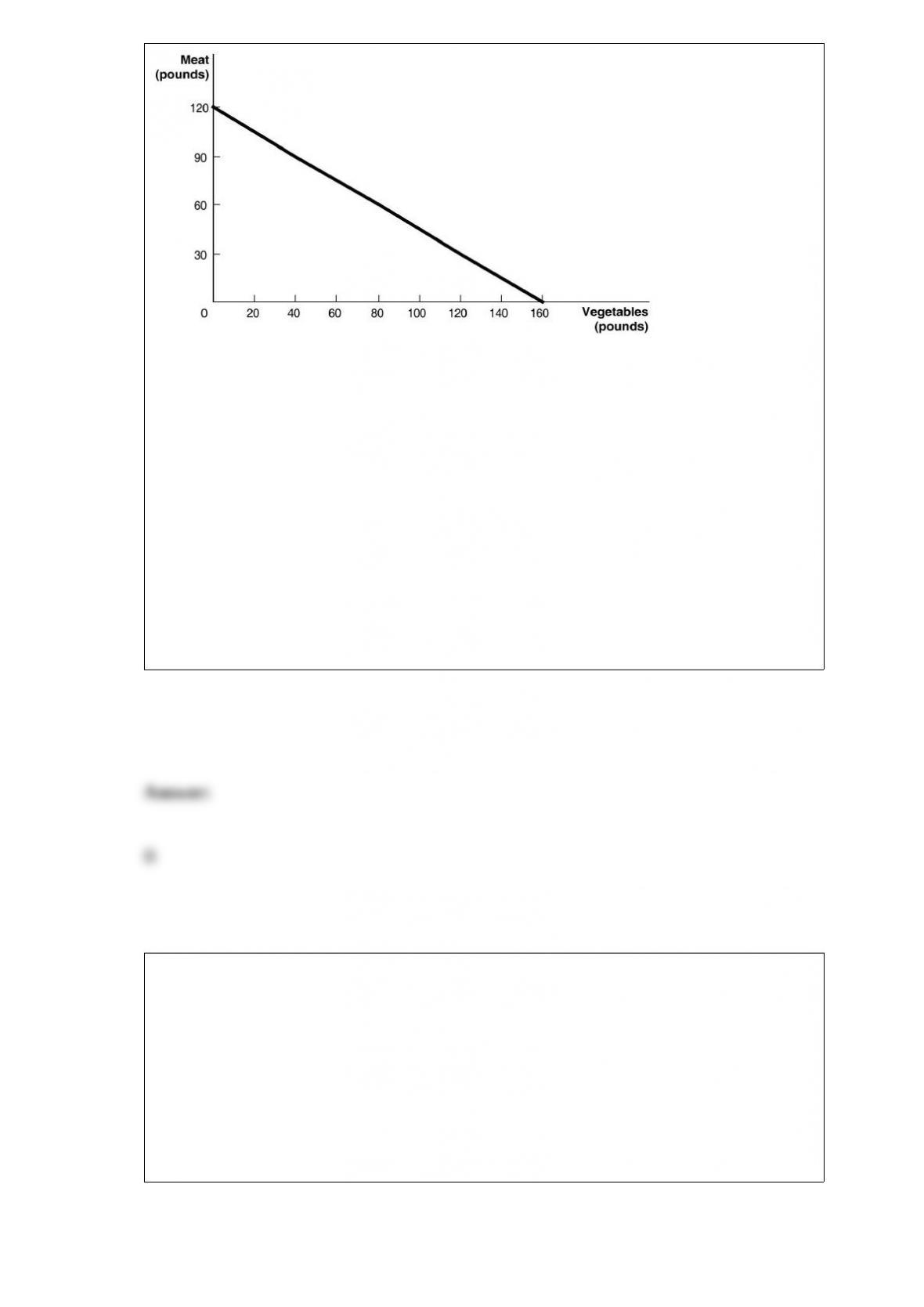
Figure 2-2 above shows the production possibilities frontier for Mendonca, an agrarian
nation that produces two goods, meat and vegetables.
Refer to Figure 2-2. Suppose Mendonca is currently producing 60 pounds of
vegetables per period. How much meat is it also producing, assuming that resources are
fully utilized?
A) 45 pounds of meat
B) 75 pounds of meat
C) 80 pounds of meat
D) 100 pounds of meat
Which type of businesses earns the majority of profits in the United States?
A) corporations
B) partnerships
C) sole proprietorships
D) none of these

Which of the following is not an example of a government-imposed entry barrier?
A) patents
B) occupational licensing
C) barriers to international trade
D) antitrust legislation
A virtuous cycle occurs
A) when lobbyists petition members of Congress to grant a public franchise; the
lobbyist then raise money for those Congress members who granted the franchise.
B) when monopoly profits are used to create new products for additional monopoly
profits.
C) when a firm can attract enough buyers initially to increase a product’s usefulness to
attract even more buyers.
D) when a firm’s sales volume reaches a level where the firm can take advantage of
economies of scale; thereby reducing the price of the product to further boost its sales.

A monopolistically competitive firm earning profits in the short run will find the
demand for its product decreasing and becoming more elastic in the long run as new
firms move into the industry until
A) the original firm is driven into bankruptcy.
B) the firm’s demand curve is perfectly elastic.
C) the firm’s demand curve is tangent to its average total cost curve.
D) the firm exits the market.
Sefronia and Bella share an apartment and they are deciding whether or not to purchase
a weekly housecleaning service. The value of the service to each of them is $50 and it
costs $80 to hire a housecleaner. Suppose Bella is lazy and a spendthrift and Sefronia
suspects that Bella will be willing to pay $80. What is Sefronia likely to do, given that
she is as rational as any other person?
A) She will correctly rationalize that Bella’s laziness and spendthrift ways are irrelevant
to the decision at hand.
B) She might claim that she is not willing to pay for a housecleaner, hoping that Bella
would pay the entire $80.
C) She might offer to do Bella’s housecleaning chores if Bella would pay her $50.
D) She will come clean and tell Bella that since Bella is lazy and a spendthrift she
should pay a bigger share of the $80.
An average tax rate is calculated as
A) total taxable income × taxes paid.
B) total taxable income ÷ taxes paid.
C) taxes paid ÷ total taxable income.
D) (total taxable income – taxes paid) ÷ taxable income.
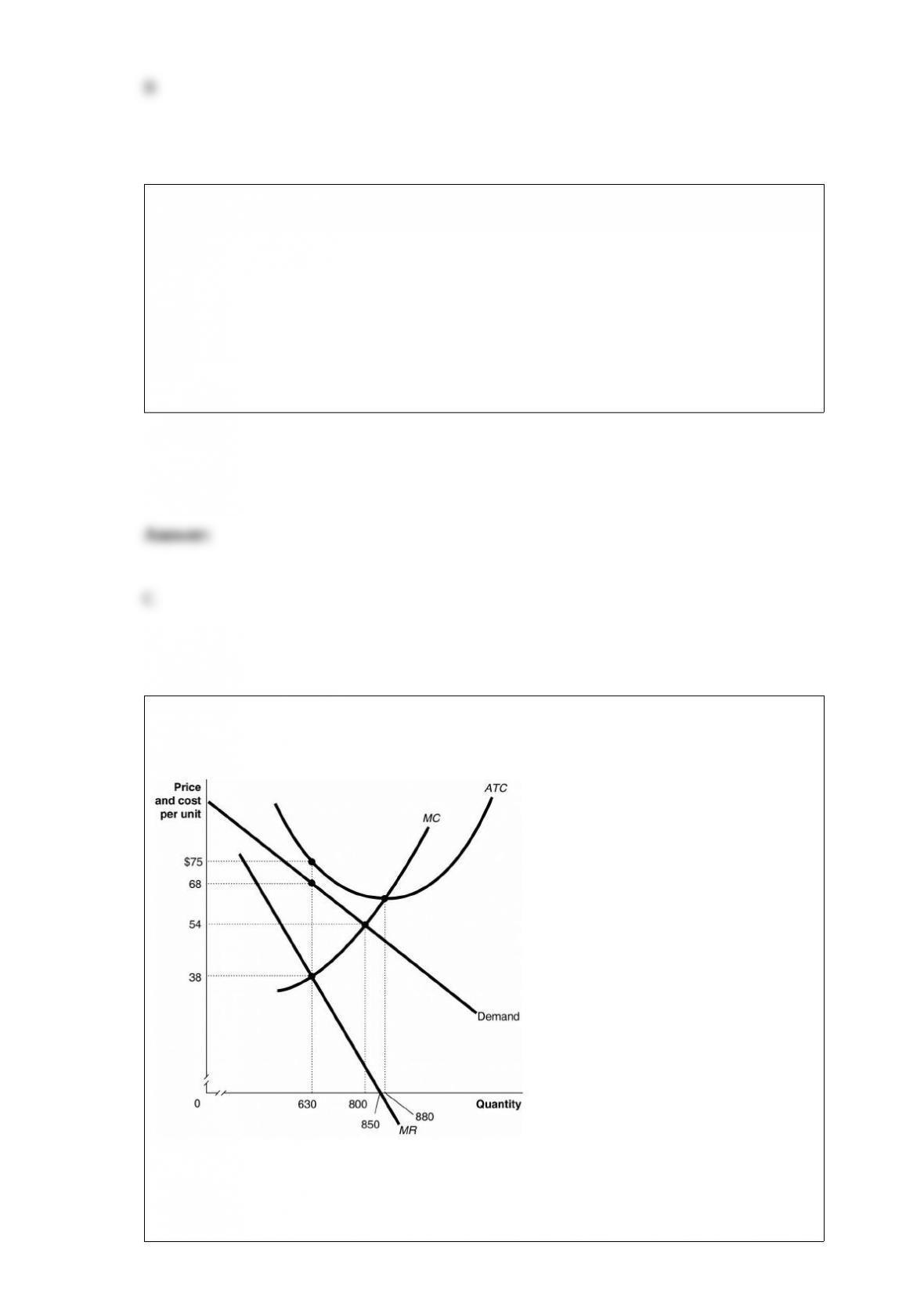
Figure 15-3
Figure 15-3 above shows the demand and cost curves facing a monopolist.
Refer to Figure 15-3. Suppose the monopolist represented in the diagram above
produces positive output. What is the profit-maximizing/loss-minimizing output level?

A) 630 units
B) 800 units
C) 850 units
D) 880 units
If demand is perfectly elastic, the absolute value of the price elasticity coefficient is
A) infinity.
B) zero.
C) one.
D) equal to the absolute value of the slope of the demand curve.
Consumers are willing to purchase a product up to the point where
A) the marginal benefit of consuming the product is equal to the marginal cost of
consuming it.
B) the consumer surplus is equal to the producer surplus.
C) the marginal benefit of consuming the product equals the area below the supply
curve and above the market price.
D) the marginal benefit of consuming a product is equal to its price.
A characteristic of the long run is
A) there are fixed inputs.
B) all inputs can be varied.
C) plant capacity cannot be increased or decreased.
D) there are both fixed and variable inputs
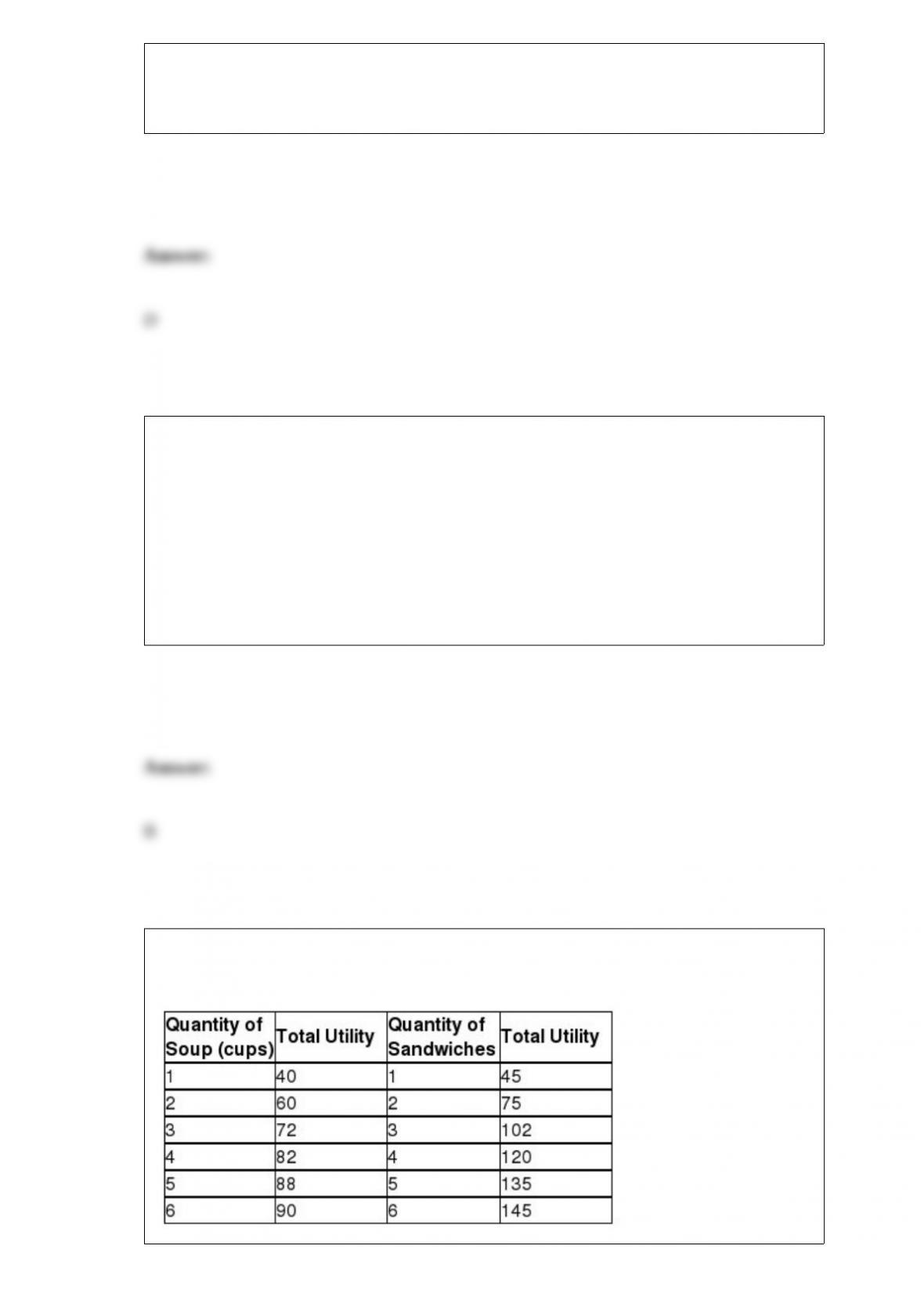
Table 10-2

Table 10-2 above shows Keira’s utility from soup and sandwiches. The price of soup is
$2 per cup and the price of a sandwich is $3. Keira has $18 to spend on these two
goods.
Refer to Table 10-2. Suppose Keira’s income increases from $18 to $23 but prices have
not changed. What is her utility maximizing bundle now?
A) 6 cups of soup and 5 sandwiches
B) 4 cups of soup and 5 sandwiches
C) 5 cups of soup and 4 sandwiches
D) 5 cups of soup and 5 sandwiches