Under autarky, consumer surplus is represented by the area
A) above the supply curve and below the equilibrium price.
B) above the supply curve and below the demand curve.
C) below the demand curve and above the equilibrium price.
D) above the demand curve and below the supply curve.
Collusion
A) is rampant in perfect competition as all firms charge the same price.
B) reduces market concentration in an industry.
C) among firms is difficult to maintain because it eliminates long run economic profit.
D) is more difficult when there are many firms producing differentiated products in an
industry.
Table 2-5
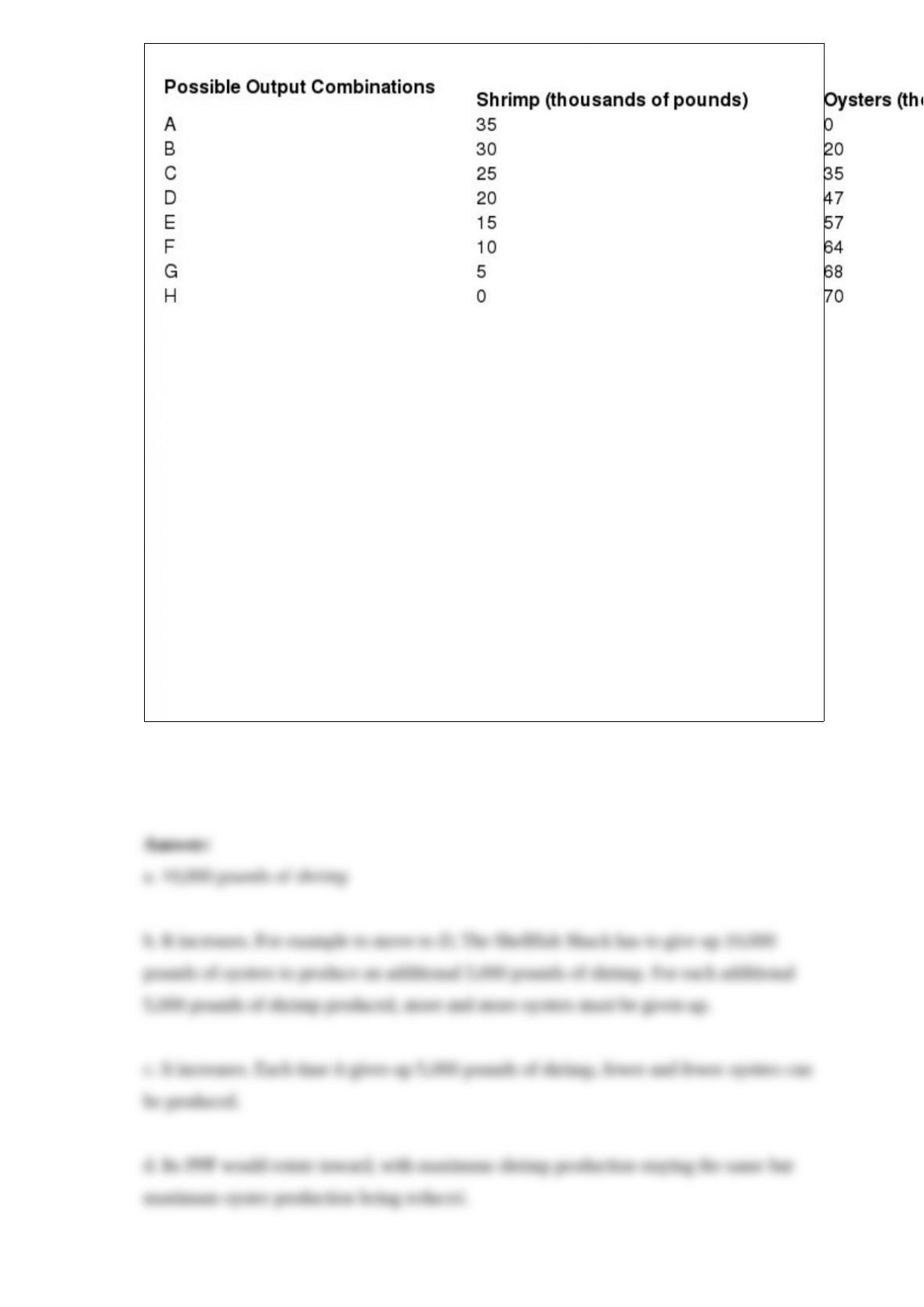
Refer to Table 2-5. The Shellfish Shack produces only shrimp and oysters. The table
aboveshows the maximum possible output combinations of the two types of shellfish
using all resources and currently available technology.
a. Suppose The Shellfish Shack is currently producing at point E. What is the
opportunity cost of producing an additional 11,000 pounds of oysters?
b. Suppose The Shellfish Shack is currently producing at point E. What happens to the
opportunity cost of producing more and more shrimp? Does it increase, decrease or
remain constant? Explain your answer.
c. Suppose The Shellfish Shack is currently producing at point B. What happens to the
opportunity cost of producing more and more oysters? Does it increase, decrease or
remain constant? Explain your answer.
d. Suppose The Shellfish Shack is plagued by a disease which destroys oyster beds but
not shrimp habitats. What would happen to its PPF?
What do Sony, Microsoft, and Nintendo have in common?
A) Each achieved a dominant position in its industry because it owned a key input in
the production of its product.
B) The industry in which each firm competes is an oligopoly because of
government-imposed barriers to entry.
C) Each company was founded in the same state.
D) The profitability of each firm depends on its interactions with other firms.
Suppose the marginal utilities for the first three cans of soda are 100, 80 and 60,
respectively. The total utility received from consuming 2 cans is
A) 20.
B) 80.
C) 90.
D) 180.
Overuse of a common resource may be avoided by all of the following methods except
A) charging for the use of a common resource.
B) issuing tradable permits for the use of a common resource.
C) government taking over ownership of all private common resources.
D) setting quotas or legal limits on the quantity consumed of the common resource.
If an airport decides to expand by building an additional passenger terminal, and in
doing so it lowers its average cost per airplane landing, then the expansion would
provide ________ to the airlines.
A) economies of scale
B) diseconomies of scale
C) higher average costs but lower total costs
D) higher marginal costs but lower total costs
According to a New York Times article, shoppers from New York City have played a
game of “retail arbitrage” by shopping at malls in Northern New Jersey, a state where
there is no tax on clothing and shoes. Even after accounting for transaction costs,
shoppers could still save money on their clothing and footwear purchases.
Source: Ken Belson and Nate Schweber, “Sales Tax Cut in City May Dim Allure of
Stores Across Hudson,” New York Times, January 18, 2007.
Is the term “arbitrage” correctly used here?
A) Yes, because shoppers were able to purchase items at lower prices even after
deducting their transaction costs.
B) No, “arbitrage” means buying at a low price and reselling at a higher price but no
resale takes place here.
C) Yes, arbitrage applies even if no resale takes place; in this case the profits are
pocketed by the customers themselves.
D) No, “arbitrage” does not apply to markets that are not in the same geographic area.
Assume you set up a sole proprietorship and your lawyer tells you that as the owner,
you could stand to lose your personal wealth if the business goes bankrupt. This means
a sole proprietorship
A) faces limited liability.
B) faces unlimited liability.
C) has little chance of succeeding.
D) is not a good type of business to set up.
Figure 16-5
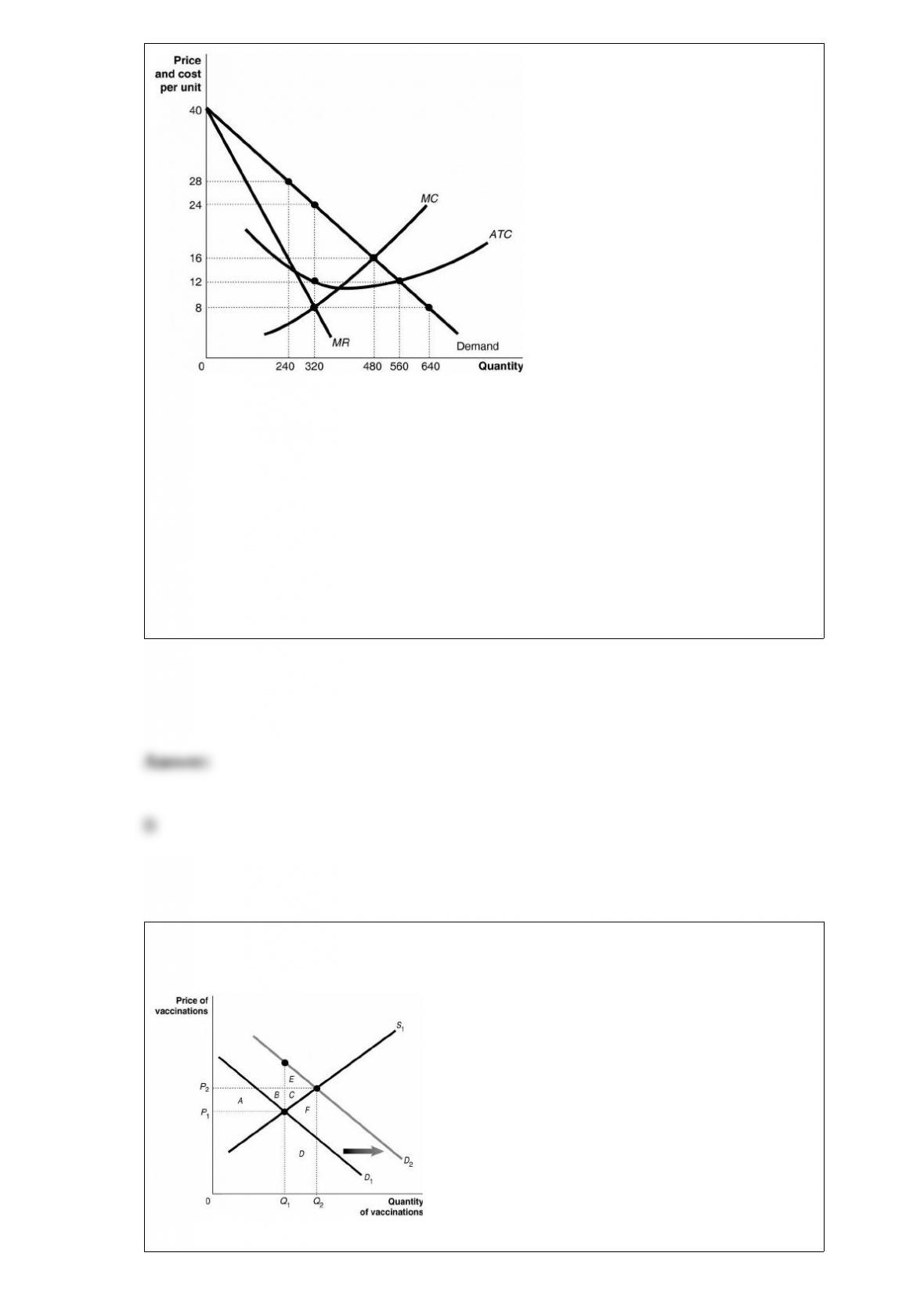
Refer to Figure 16-5. Suppose the firm represented in the diagram decides to act as a
monopolist and charge a single price. What is the profit maximizing quantity produced
and what is the price charged?
A) Q = 240 units; P = $28
B) Q = 320 units; P = $24
C) Q = 480 units; P = $16
D) Q = 560 units; P = $12
Figure 5-6
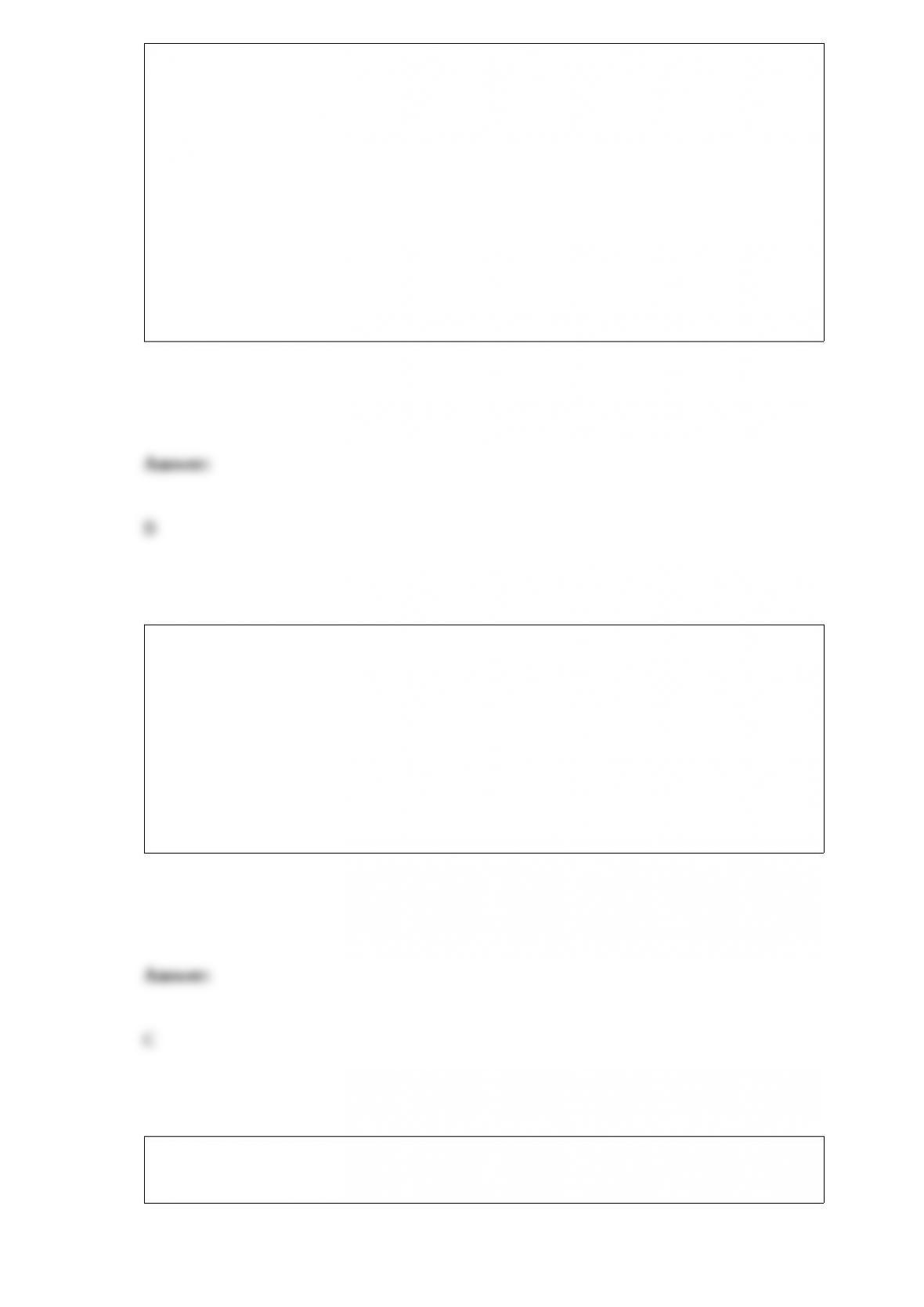
Figure 5-6 shows the market for measles vaccinations, a product whose use generates
positive externalities.
Refer to Figure 5-6. What is the deadweight loss resulting from producing at the
market equilibrium?
A) B + C
B) E + C
C) F
D) C
Which of the following is not one of the five competitive forces?
A) the threat from potential entrants
B) the bargaining power of buyers
C) the firm’s ability to differentiate its product
D) the bargaining power of suppliers
Figure 7-1
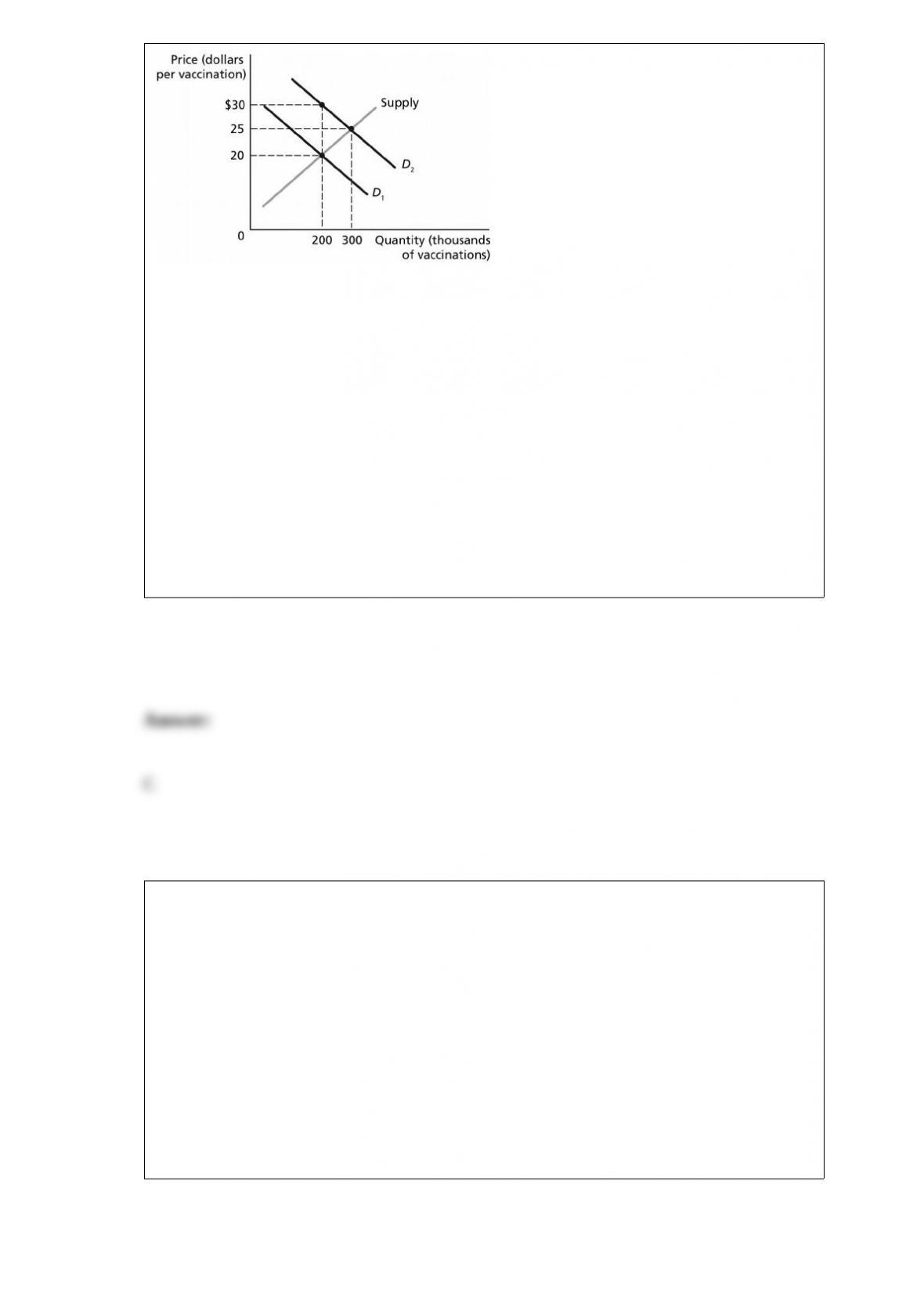
Figure 7-1 represents the market for vaccinations. Vaccinations are considered a benefit
to society, and the figure shows both the marginal private benefit and the marginal
social benefit from vaccinations.
Refer to Figure 7-1. The efficient equilibrium quantity is ________ thousand
vaccinations.
A) 100
B) 200
C) 300
D) >300
The Gini coefficient is measured by
A) summing up the cumulative income percentages on the Lorenz curve.
B) summing up the total income earned by the population and dividing by the size of
the population.
C) using the formula: area between perfect inequality and Lorenz curve area between
the line of perfect equality to the Lorenz curve.
D) using the formula: area between the line of perfect equality and the Lorenz curve the
area under the line of perfect equality.
If marginal utility of apples is diminishing and is a positive amount, consuming one
more apple will cause
A) total utility to decrease.
B) a consumer to get no satisfaction from consuming apples.
C) a consumer’s total utility to increase.
D) a consumer to go beyond her optimal consumption of apples.
Which of the following statements is true?
A) Opportunity cost = explicit cost – implicit cost.
B) Total cost = fixed cost + implicit cost.
C) Total cost = fixed cost + variable cost.
D) Variable cost = wages + salaries + benefits.
Consider the following characteristics:
a. low transaction costs
b. small levels of pollution
c. high levels of pollution
d. clear assignment of property rights.
Which of the above are assumptions behind the Coase Theorem?
A) a, b, and d
B) a, c, and d
C) a and d
D) a only
Ranchers can raise either cattle or sheep on their land. Which of the following would
cause the supply of sheep to increase?
A) an increase in the price of sheep
B) a decrease in the price of cattle
C) an increase in the demand for cattle
D) an increase in the price of sheep feed
A newspaper story on the effect of higher milk prices on the market for ice cream
contained
the following:
“As a result [of the increase in milk prices], retail prices for ice cream are up 4 percent
from last year. . . . And ice cream consumption is down 3 percent.”
Source: John Curran, “Ice Cream, They Scream: Milk Fat Costs Drive Up Ice Cream
Prices,” Associated Press, July 23, 2001.
Based on the information given, what is the price elasticity of demand for ice cream?
A) 0.75 (in absolute value)
B) 1.33 (in absolute value)
C) 12%
D) We do not have enough information to calculate the elasticity.
When the coupon rate on newly issued bonds increases relative to older, outstanding
bonds, what happens?
A) The market price of the older bond falls in the secondary market.
B) The market price of the older bond rises in the secondary market.
C) Older bonds can still be sold at their face value.
D) Older bonds will sell for less than their face value.
A sunk cost is
A) another term that means opportunity cost.
B) a term used to describe the cost of capital that the owners of a firm sink into their
business.
C) the highest valued alternative that must be given up to engage in an activity.
D) a cost that has already been paid and cannot be recovered.
Of the following, which is the best example of good with a perfectly inelastic demand?
A) the demand for tickets in New York City when the Mets or Yankees are in the World
Series
B) the demand for gasoline
C) a diabetic’s demand for insulin
D) the demand for a college education by a student who has a full scholarship to an Ivy
League school
A proprietorship or partnership can raise funds for expansion in all of the following
ways except
A) borrowing from someone or an institution willing to lend the funds.
B) reinvesting profit back into the business.
C) taking on a partner or more partners.
D) issuing stock through financial markets.
For each pair of items below determine which product would have the higher price
elasticity of demand (in absolute value).
a. Insulin for a diabetic or aspirin for someone suffering a headache.
b. A new Whirlpool 27 cu.ft. side-by-side refrigerator or electricity to power your
all-electric home.
c. A can of Red Bull or soft drinks in general.
What can be done to deal with the principal-agent problem?
A) threaten to liquidate the firm
B) link top manager salaries to the profits of the firm or the price of the firm’s stock
C) have the CEO be a rotating position
D) forbid managers from owning any company stock
Figure 4-5
Figure 4-5 shows the market for apartments in Springfield. Recently, the government
imposed a rent ceiling of $1,000 per month.
Refer to Figure 4-5. Suppose that instead of a rent ceiling, the government imposed a
price floor of $2,000 per month for apartments. What is the quantity of apartments
demanded at the new price?
A) 0
B) 200
C) 300
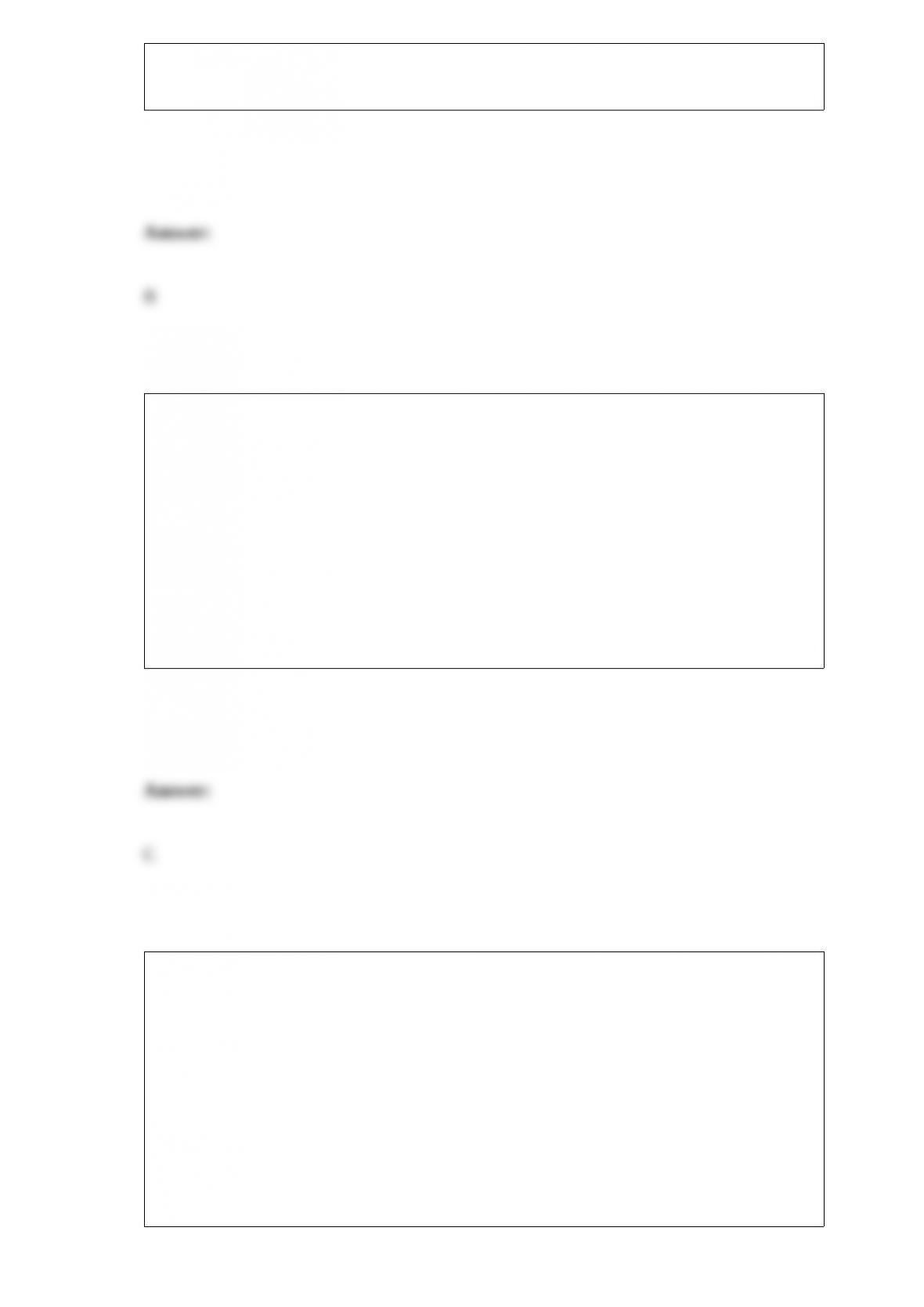
D) 500
In the utility maximizing model, consumer preferences are assumed to be transitive.
What does this mean?
A) that consumers prefer more of a good to less
B) that consumers have the freedom to change their preferences from time to time
C) that consumers have preferences that are relatively consistent in the time period
under consideration
D) that consumers go through cycles in their consumption behavior
Some individuals seek to use government action to make themselves better off at the
expense of others. The actions of these individuals
A) are examples of fraud; but these individuals usually avoid prosecution because of
logrolling and rational ignorance.
B) are examples of rent seeking.
C) offer proof that Adam Smith’s “invisible hand” is not valid.
D) are evidence of the voting paradox.
The difference between the highest price a consumer is willing to pay for a good and
the price the consumer actually pays is called
A) producer surplus.
B) the substitution effect.
C) the income effect.
D) consumer surplus.
Many biologic drug manufacturers are pushing for patent protection to be extended to
12 years before generics are allowed to be introduced to the market. This reflects which
of the following barriers to entry?
A) control of a key resource
B) network externalities
C) entry blocked by government action
D) economies of scale creating a natural monopoly
Which of the following is a positive economic statement?
A) People should not buy SUVs.
B) The government should mandate electric automobiles.
C) Scarcity necessitates that people make trade-offs.
D) Foreign workers should not be allowed to work for lower wages than the citizens of
a country.
You have an absolute advantage whenever you
A) are better educated than someone else.
B) can produce more of something than others with the same resources.
C) prefer to do one particular activity.
D) can produce something at a lower opportunity cost than others.
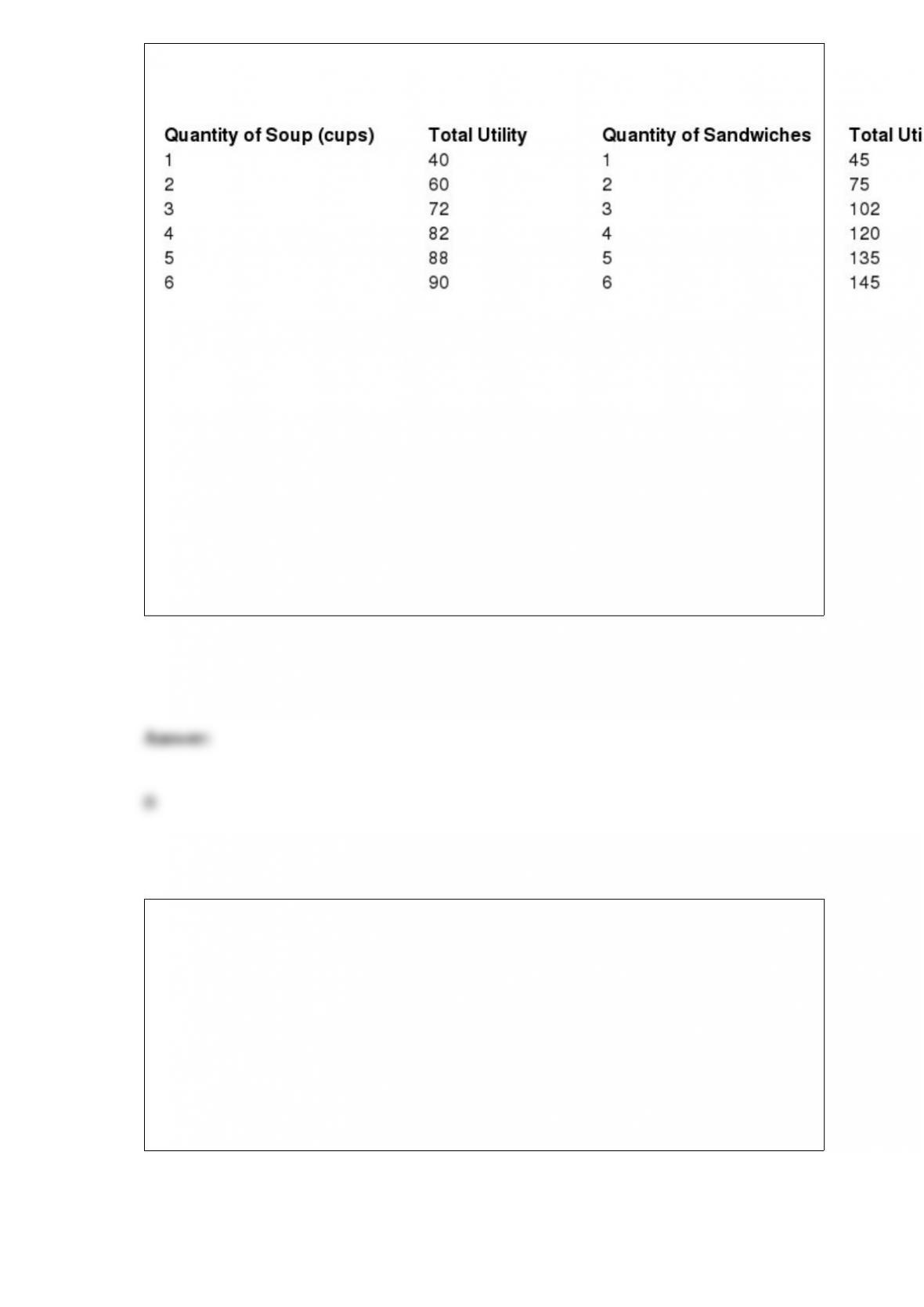
Table 10-2
Table 10-2 above shows Keira’s utility from soup and sandwiches. The price of soup is
$2 per cup and the price of a sandwich is $3. Keira has $18 to spend on these two
goods.
Refer to Table 10-2. If Keira maximizes her utility, how many units of each good
should she buy?
A) 1 cup of soup and 5 sandwiches
B) 3 cups of soup and 4 sandwiches
C) 6 cups of soup and 2 sandwiches
D) 4 cups of soup and 3.5 sandwiches
Consider a discount retailer such as Costco which uses a two-part tariff pricing strategy.
The Costco membership fee
A) buys the consumer the right to make future purchases at Costco.
B) is a resalable asset to the consumer.
C) is a resalable asset to the producer.
D) is used by Costco to cover its fixed costs of production.