
Which of the following is not true about a production possibilities curve? The curve:
a. indicates the combinations of goods and services that can be produced with given
technology.
b. indicates the efficient production points.
c. indicates the non-efficient production points.
d. indicates the feasible (attainable) and non-feasible production points.
e. indicates which production point will be chosen.
The long run is a period of time:
a. that is too short to change the size of a firm’s plant.
b. that is long enough to permit changes in all the firm’s inputs, both fixed and variable.
c. in which production occurs beyond one year.
d. in which production occurs beyond five years.
One of the necessary conditions for price discrimination to occur is that:
a. buyers in different markets have different elasticities of demand.
b. the demand curve is upward sloping.
c. buyers must be allowed to resell the good at a higher price elsewhere.
d. all of these are necessary for price discrimination to occur.

An economic model is defined as:
a. a value judgment.
b. a presentation of all possible relevant real-world variables.
c. a simplified representation of the way in which facts are related.
d. data adjusted for irrational actions.
Suppose there are 100 identical firms producing package delivery services. One of the
firms finds that when it has to pay a wage rate of $7, it hires 20 delivery people. The
firm charges an average price of $10 to deliver a package. From this information, we
know that the package delivery industry is hiring a total of:
a. 100 workers.
b. 200 workers.
c. 700 workers.
d. 2,000 workers.
e. 10,000 workers.
In accordance with the law of supply, both individual and market supply curves are
drawn:
a. horizontal. c. downward-sloping.
b. vertical. d. upward-sloping.
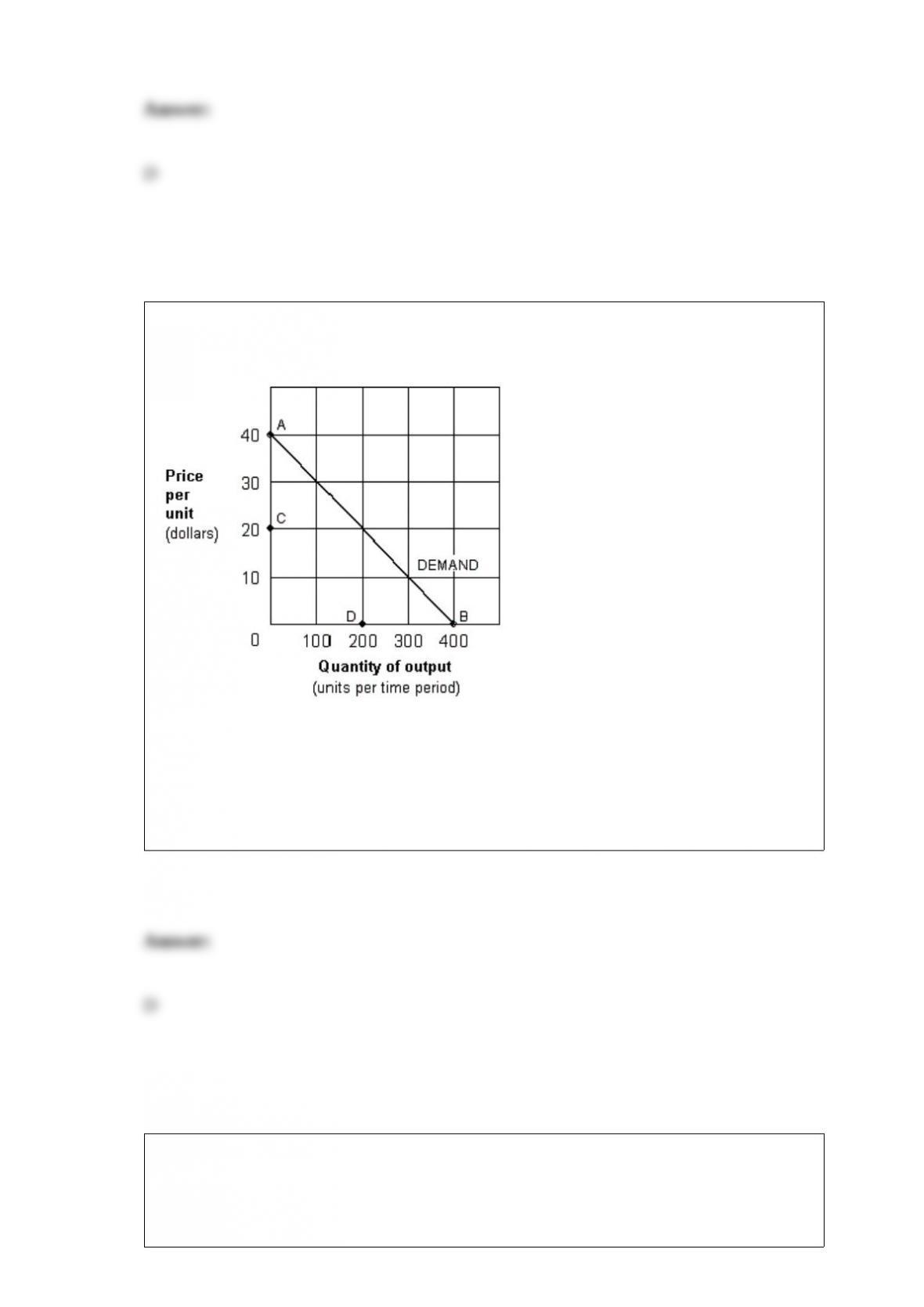
Exhibit 9-1 Monopolist’s demand curve
Which of the following points in Exhibit 9-1 would not lie on the marginal revenue
curve corresponding to the monopolist’s straight-line demand curve?
a. A.
b. B.
c. C.
d. C and B.
An itemized account of a nation’s foreign economic transactions is its:
a. gross domestic product.
b. goods exports.
c. goods imports.
d. balance of payments.
e. foreign exchange reserves.
Suppose a monopsonist wants to hire more workers. If it has to pay the same wage to
all of its workers, the:
a. marginal factor cost will fall while the wage will rise.
b. wage will fall while the marginal factor cost will rise.
c. difference between the wage and marginal factor cost will become smaller.
d. difference between the wage and the labor supply curve will increase.
e. wage and the marginal factor cost will increase.
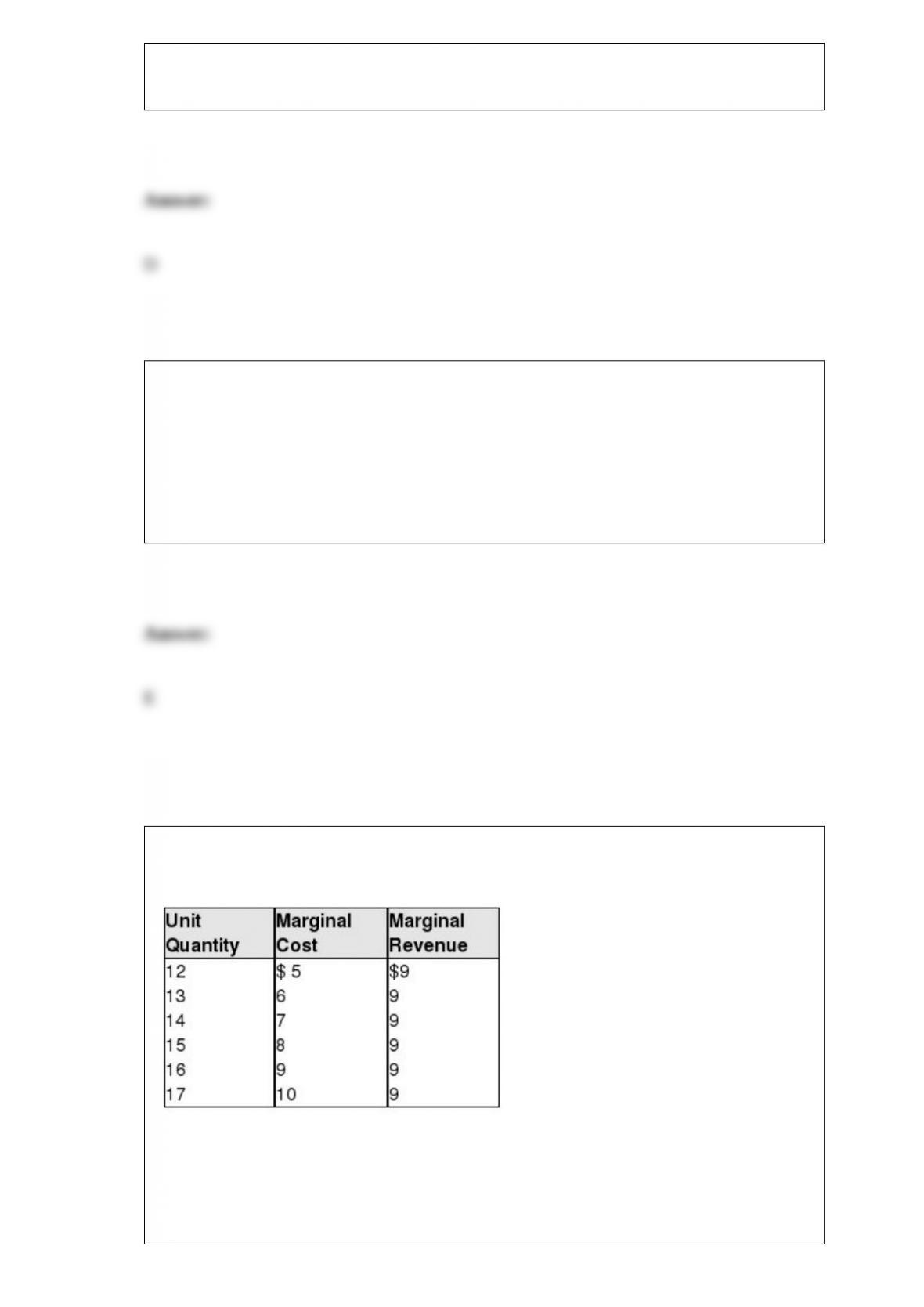
Exhibit 8-4 Marginal cost and revenue for a firm
In Exhibit 8-4, this firm is currently producing 16 units of output. What would you
advise this firm to do?
a. Decrease output to 13.
b. Increase output to 15.
c. Remain at 16 units of output.

d. Decrease output to 14.
e. Increase output to 17.
A union can influence the demand for labor by:
a. requiring union fees.
b. raising union fees.
c. effective advertising that convinces customers to buy the “union label.”
d. all of these.
Which of the following pairs is most likely to represent substitute goods?
a. Hamburgers and hamburger rolls.
b. Movies and popcorn.
c. Beer and pretzels.
d. Shoes and shoelaces.
e. Pork and beef.
An exchange rate is the number of units of:
a. a nation’s money that is equal to one unit of another nation’s money.
b. a nation’s output that is equal to one unit of another nation’s output.
c. gold backing a nation’s money.
d. none of these.
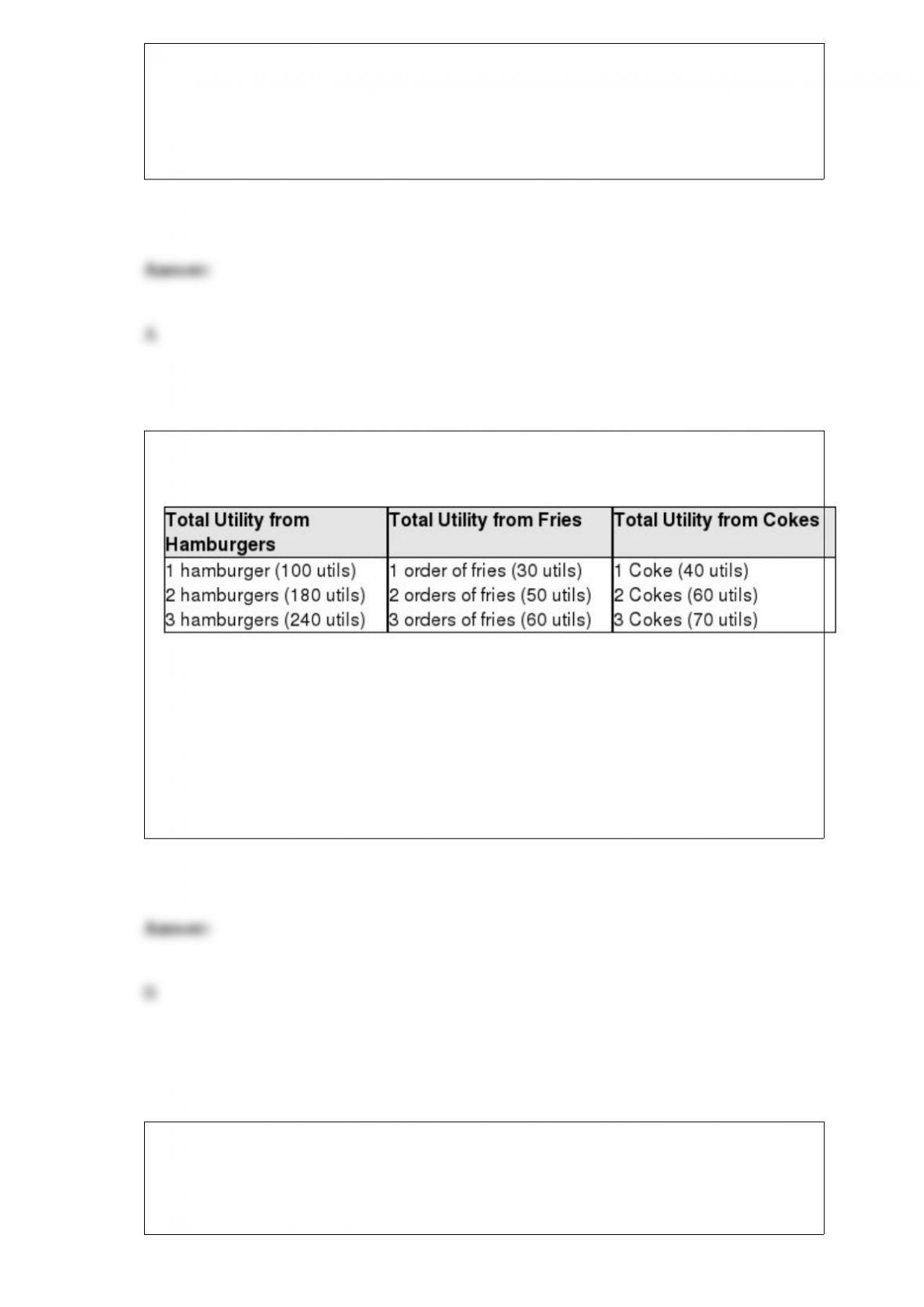
Exhibit 6-2 Total utility for hamburgers, fries, and Cokes
In Exhibit 6-2, assume that the price of hamburgers is $2 each, fries cost 50 cents each,
and Cokes cost $1 each. Suppose the consumer has $6 to spend on hamburgers, fries,
and Cokes. In the consumer equilibrium, what is the marginal utility per dollar for each
of the three goods?
a. 20 utils per dollar.
b. 40 utils per dollar.
c. 90 utils per dollar.
d. 270 utils per dollar.
If one U.S. dollar can be exchanged for 5 Swiss francs, then 1 franc can be exchanged
for:
a. 5 cents. c. 50 cents.
b. 20 cents. d. 2 dollars.
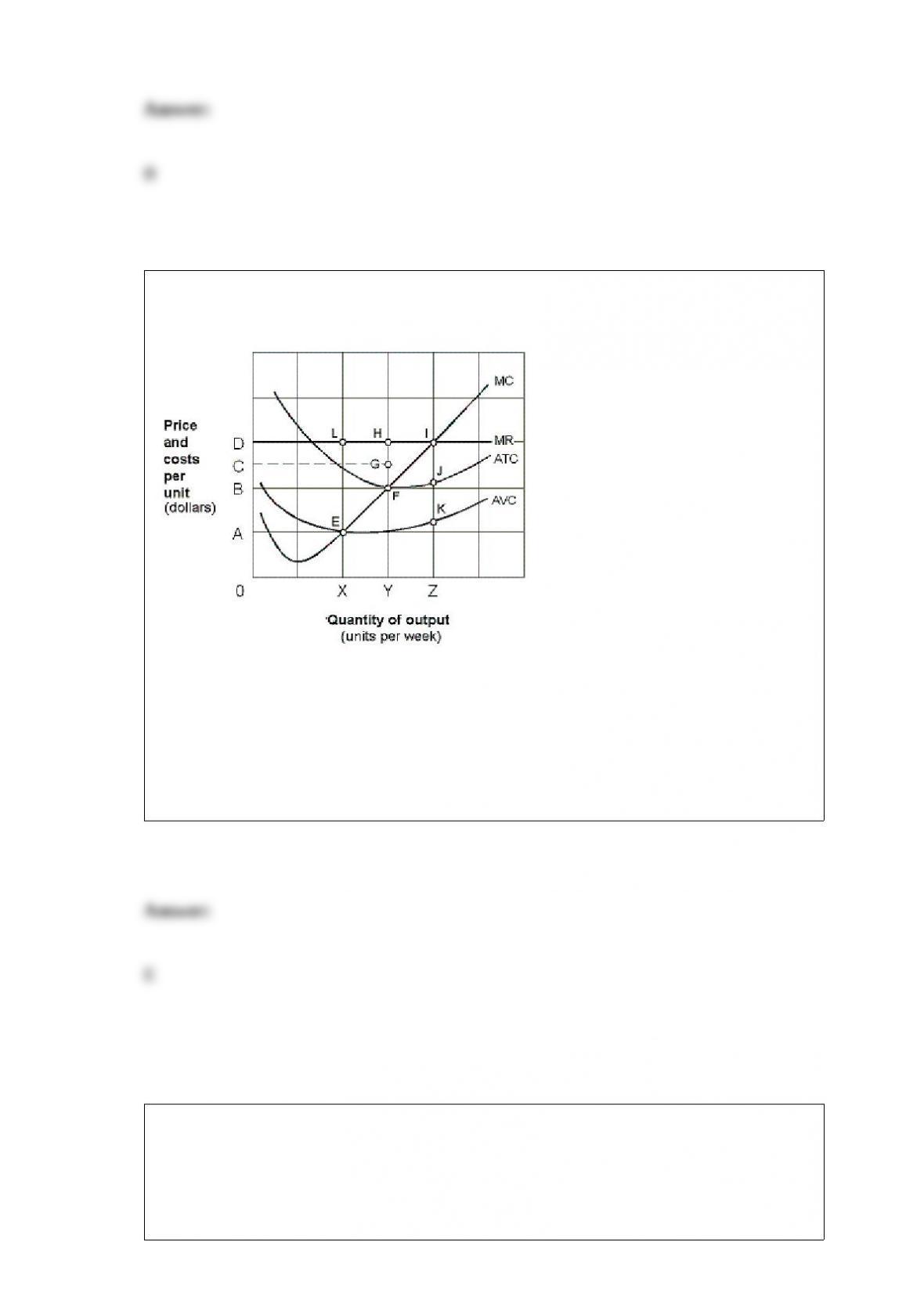
Exhibit 8-12 Marginal revenue and cost per unit curves
As shown in Exhibit 8-12, suppose the firm’s price is OB. The firm’s total economic
profit at this price is equal to the area of:
a. CJID.
b. BFHD.
c. AEXD.
d. CGHD.
e. zero.
An analysis of production possibilities curves indicates that the reason why
underdeveloped nations have difficulties increasing their economic growth rates is
because:
a. low population growth rates mean fewer workers to produce food and other

necessities.
b. their production possibilities curves shift in when resources are increased.
c. their production possibilities curves are positively sloped, unlike those in more
developed economies.
d. they must cut back their already meager consumption levels to increase capital
production.
e. the opportunity cost of shifting resources from consumption goods to capital goods is
relatively low.