The Federal Deposit Insurance Corporation helps to reduce the number of bank failures
because
a. of its rule that individuals cannot make a run on a bank
b. it promises to reimburse up to $10,000 of lost deposits in an account
c. depositors will be secure in the fact that their deposits are protected
d. it pays attention to the changes in the economy
e. it is a soothing agent for individuals who have accounts over $100,000
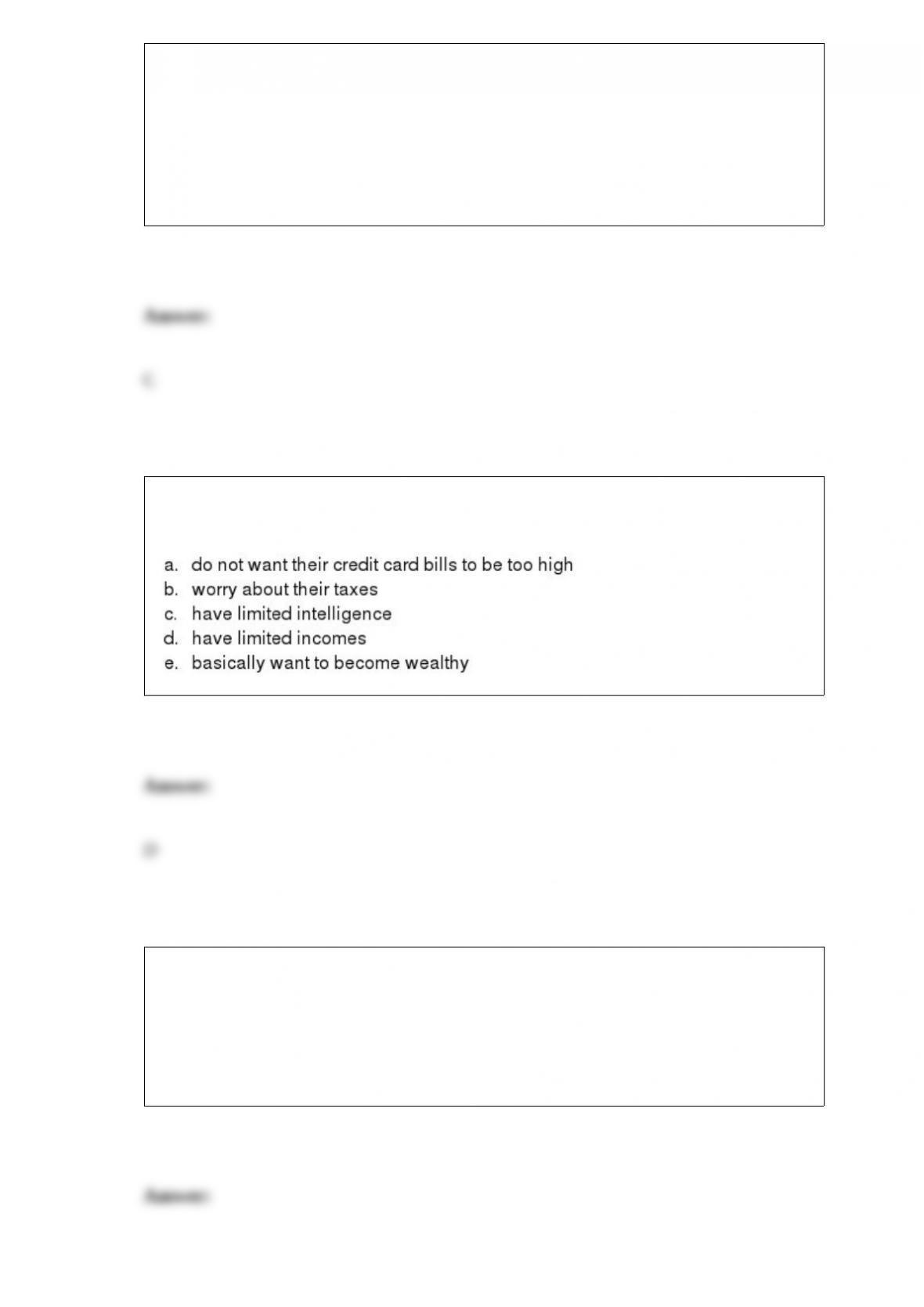
Even though households may have unlimited wants, they have to allocate their spending
carefully because they
The Fed prefers to change its interest rate target only rarely because
a. those targets affect productivity in the labor force
b. a fluctuating stock and bond market signals a recession
c. interest rates are greatly overrated as a measure of economic performance
d. it is so difficult to do so
e. the changes destabilize the financial markets
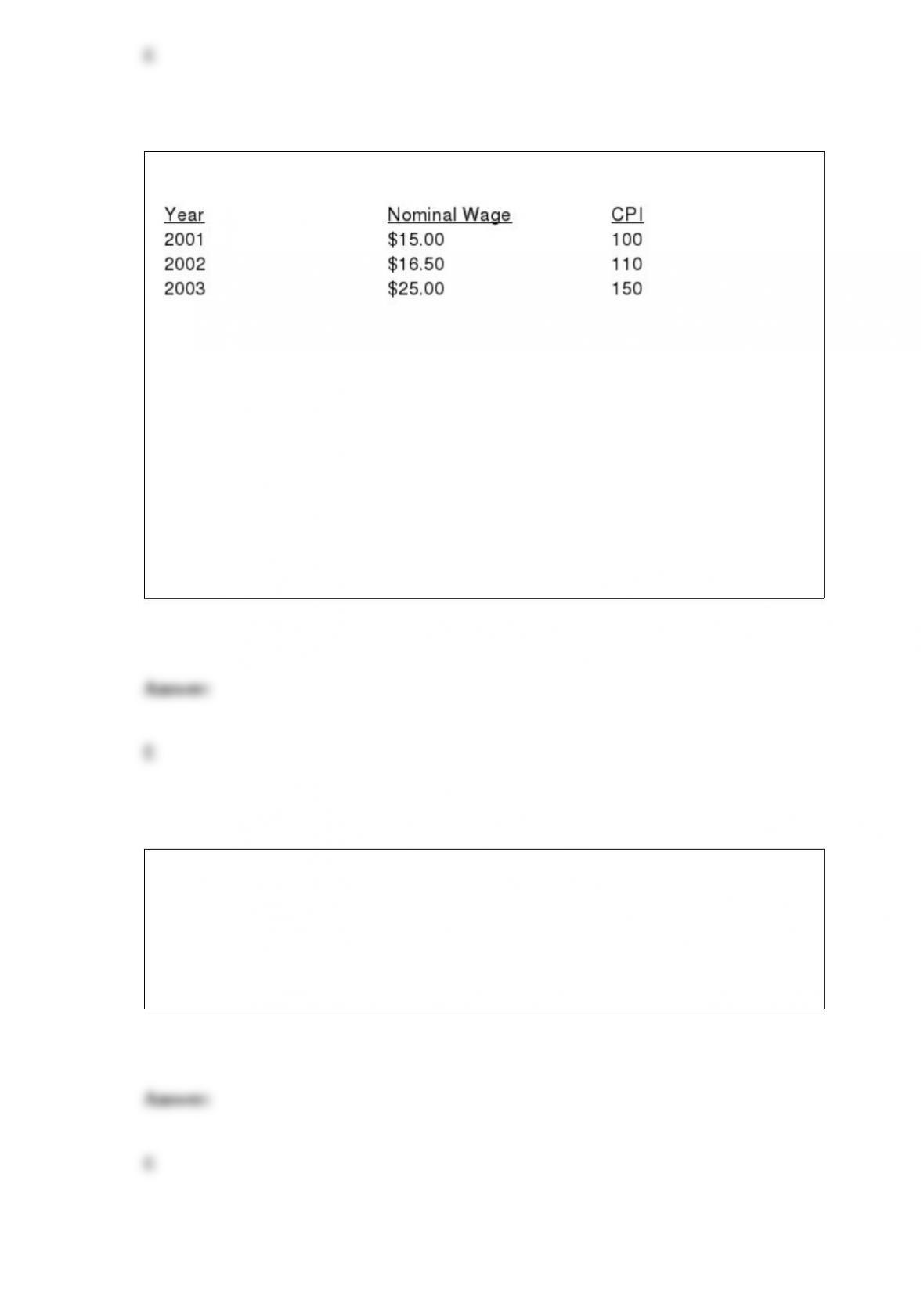
Suppose you had the following information regarding the economy:
Which of the following best describes the behavior of the real wage rate?
a. It increased from 2001 to 2002 and increased further from 2002 to 2003.
b. It dropped from 2001 to 2002 and then increased from 2002 to 2003.
c. It dropped from 2001 to 2002 and then remained the same from 2002 to 2003.
d. It increased from 2001 to 2002 and then dropped from 2002 to 2003.
e. It remained the same from 2001 to 2002 and then increased from 2002 to 2003.
Real consumption spending is inversely related to
a. real disposable income
b. the amount of common stock owned
c. the amount of real estate owned
d. expectations of future income
e. the interest rate
Which of the following is not an example of a demand shock?
a. A reduction in government spending
b. An increase in income tax rates
c. A change in oil prices.
d. A money supply increase.
e. An increase in government spending.
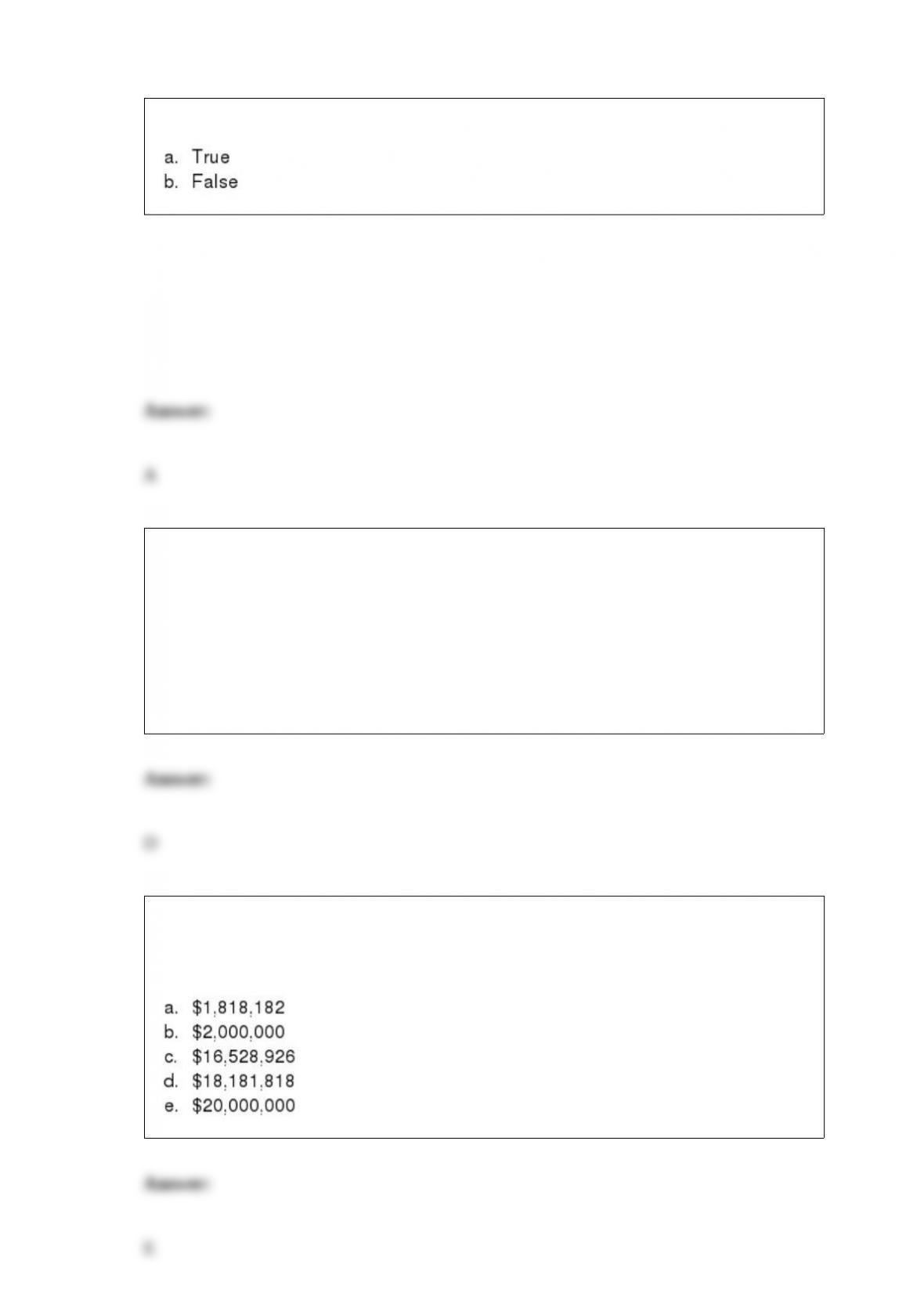
Figure 7-9 shows three different cost curves, labeled A, B, and C, for a firm. Which of
these curves is most likely to represent average fixed cost?
In general, a society will benefit more, the more interdependent it is.
If the required reserve ratio is 20 percent, banks loan out all excess reserves, people
hold no currency, and the Fed sells $5,000 worth of bonds to banks, what is the ultimate
impact on the money supply?
a. The money supply will increase by $5,000.
b. The money supply will decrease by $5,000.
c. The money supply will increase by $25,000.
d. The money supply will decrease by $25,000.
e. The money supply will not change.
Stretchy Socks, Inc., is expected to earn $2,000,000 in after-tax profits each year
forever. The interest rate is 0.1. What is the total value of all shares of stock in Stretchy
Socks?

Suppose the Federal Reserve wants to decrease the money supply by $100,000. If the
required reserve ratio is 0.1, which of the following actions will achieve the Fed’s goal?
a. The Fed must purchase $100,000 in bonds.
b. The Fed must sell $100,000 in bonds.
c. The Fed must purchase $10,000 in bonds.
d. The Fed must sell $10,000 in bonds.
e. The Fed must sell $90,000 in bonds.
The real wage rate measures
a. nominal wages after taxes
b. what workers are paid in terms of this year’s dollars
c. what workers are paid in terms of purchasing power
d. what workers have available for spending after paying their bills
e. the number of dollars earned by workers
One of the costs of the Federal Deposit Insurance Corporation’s protection is
a. bank managers may take great risks with depositors’ money
b. the public pays closer attention to the bank managers’ actions
c. the Fed was forced to reduce its regulation of banks
d. bank managers may act too cautiously with depositors’ money
e. banks’ profits increased
If the marginal propensity to consume is 0.75 and autonomous consumption spending
will decrease by $30 billion, by how much would net taxes need to decrease in order to
have no change in output? (Ignore any timing issues.)
a. $60 billion
b. $30 billion
c. $90 billion
d. $120 billion
e. $40 billion
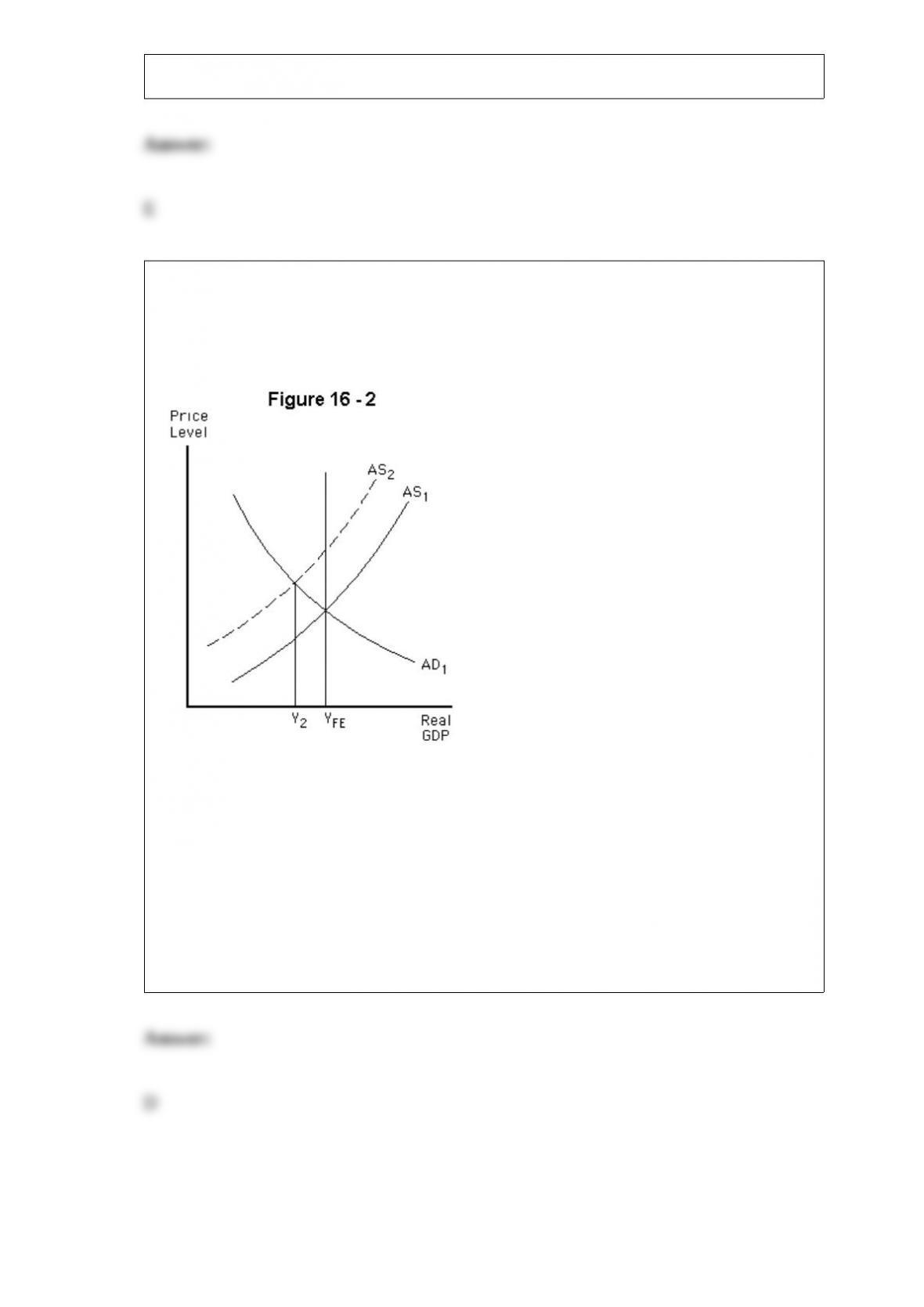
Refer to Figure 16-2. Suppose a supply shock shifts aggregate supply from AS1to
AS2and decreases output below full employment. Which of the following statements is
most accurate?
a. By increasing the money supply, the Fed can stabilize the interest rate and price level
and return output to its full-employment level.
b. By decreasing the money supply, the Fed can stabilize the interest rate and price level
and return output to its full-employment level.
c. By increasing the money supply, the Fed can stabilize the price level but output will
remain below the full-employment level.
d. By increasing the money supply, the Fed can return output to its full-employment
level but at the expense of a further increase in the price level.
e. By increasing the money supply, the Fed can stabilize the price level and return
output to its full-employment level but must sacrifice its interest rate target.