
For a monopolist with a downward-sloping demand curve,
a. the coefficient of price elasticity of demand is infinite.
b. the coefficient of price elasticity of demand is zero.
c. as price increases, marginal revenue decreases.
d. as price decreases, marginal revenue decreases.
e. when the price is equal to zero, marginal revenue is equal to zero.
Which of the following is true of a perfectly competitive firm?
a. The firm is a price maker.
b. If the firm wishes to maximize profits it will produce an output level in which total
revenue equals total cost.
c. The firm will not earn an economic profit in the long run.
d. The firm’s short-run supply curve is its MC curve below its AVC curve.
A monopolist earning economic profit in the short run determines that at its present
level of output, marginal revenue is $23 and marginal cost is $30. Which of the
following should the firm do to increase profit?
a. Raise price and lower output.
b. Lower price and lower output.
c. Raise price and raise output.
d. Lower price and raise output.
e. Lower output, but leave price unchanged.

Which of the following does not illustrate opportunity cost?
a. If I study, I must give up going to the football game.
b. If I buy a computer, I must do without a 35″ television.
c. More consumer spending now means more spending in the future.
d. If I spend more on clothes, I must spend less on food.
The amount of a good that must be given up to produce another good is the concept of:
a. scarcity.
b. specialization.
c. trade.
d. efficiency.
e. opportunity cost.
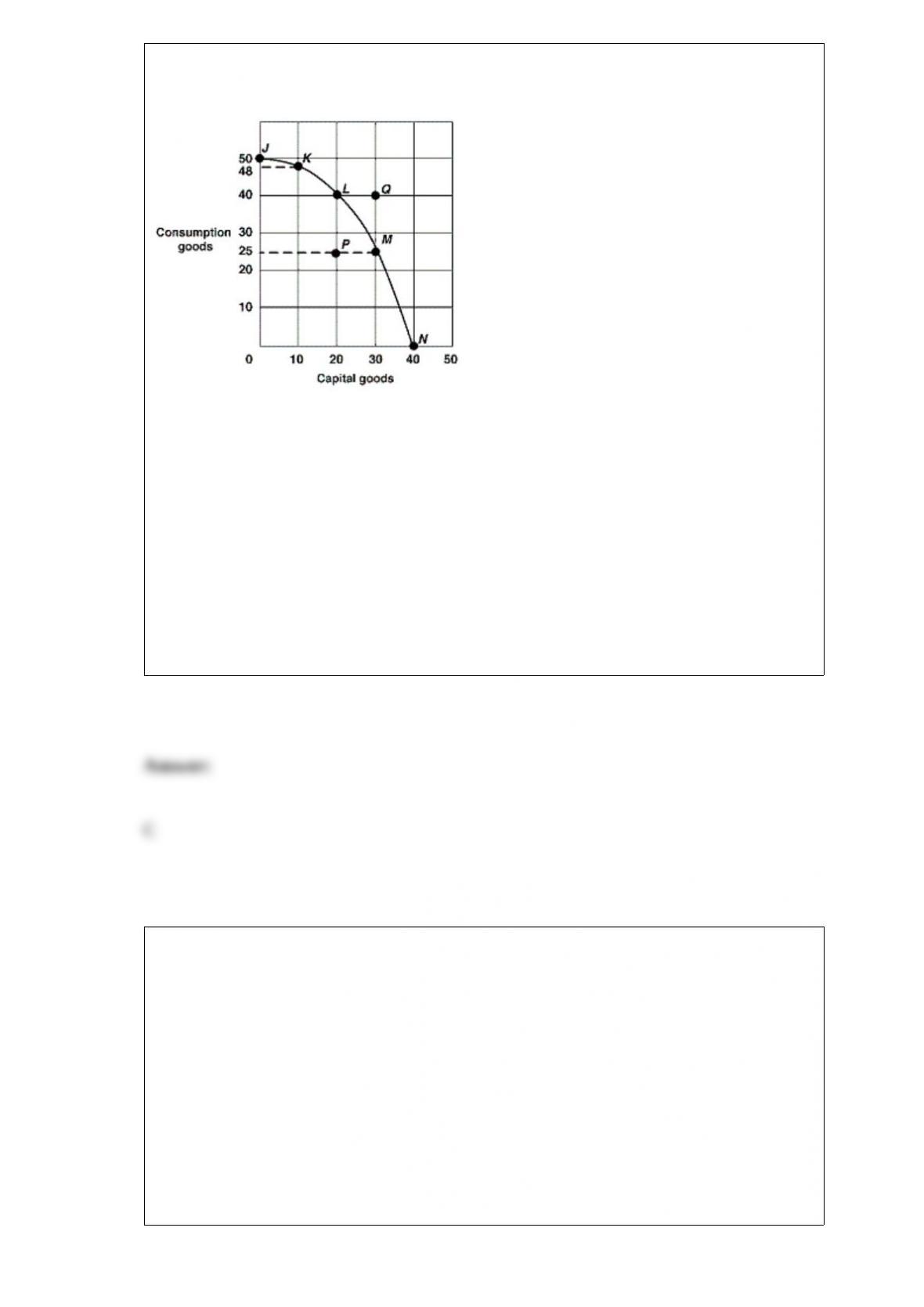
Exhibit 2-15 Production possibilities curve
In Exhibit 2-15, what can we conclude about point Q?
a. It is efficient.
b. It is inefficient.
c. It is unattainable.
d. It gives maximum future growth.
e. It shows underemployed resources.
Which antitrust act prohibits exclusive dealing, tying contracts, stock acquisitions, and
interlocking directorates?
a. Sherman Antitrust Act of 1890.
b. Clayton Act of 1914.
c. Federal Trade Commission Act of 1914.
d. Robinson-Patman Act of 1936.
e. Cell-Kefauver Act of 1950.

If the percentage change in the quantity demanded of a good is less than the percentage
change in price, price elasticity of demand is:
a. elastic. c. perfectly inelastic.
b. inelastic. d. unitary elastic.
Assuming that dry cleaning is a normal good, an increase in consumer income, other
things being equal, will:
a. increase the demand for dry cleaning.
b. decrease the demand for dry cleaning.
c. increase the quantity demanded of dry cleaning.
d. decrease the quantity of dry cleaning demanded.
According to Elinor Ostrom’s view of The Tragedy of the Commons:
a. The only way to prevent the collapse of the commons is government intervention.
b. The only way to prevent the collapse of the commons is to privatize the commons so
that it is owned by a single individual.
c. Individuals will create institutions to prevent the collapse of the commons.
d. Individuals will use the commons beyond the socially efficient point.
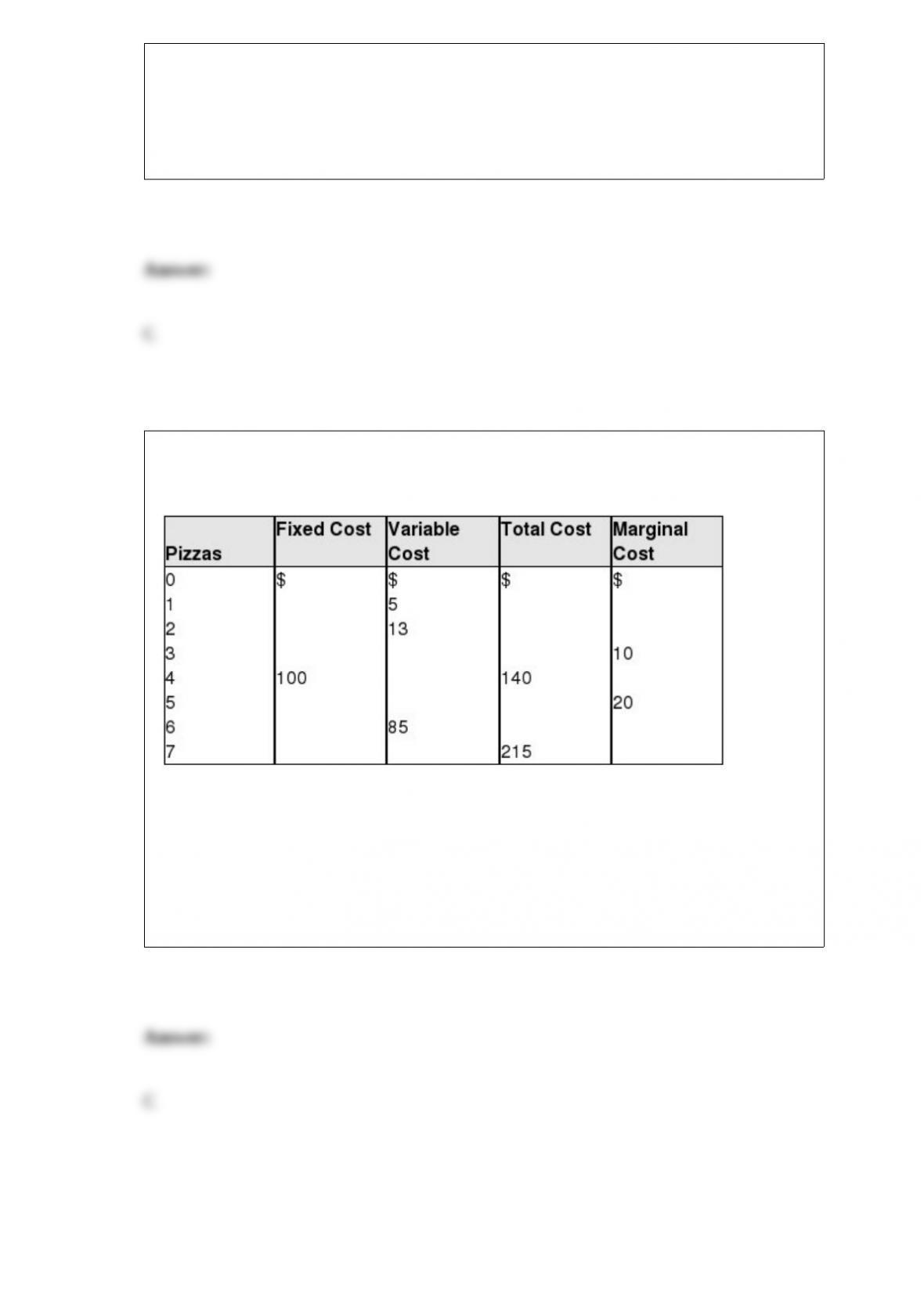
Exhibit 7-8 Costs schedules for producing pizza
By filling in the blanks in Exhibit 7-8, the average total cost of producing 5 pizzas is
shown to be equal to:
a. $12.
b. $15.
c. $32.
d. $85.
e. $160.
Which of the following provides the foundation of the case for free trade?
a. The law of diminishing marginal utility
b. The anti-dumping argument
c. The industrial diversity argument
d. The theory of comparative advantage
Which of the following corresponds to the definition of the supply curve?
a. It depicts a positive relationship between income and quantity supplied.
b. It depicts a positive relationship between technology and prices.
c. It depicts a positive relationship between prices and quantity supplied.
d. It depicts a negative relationship between prices and quantity supplied.
e. It depicts a proportional relationship between prices and quantity supplied.
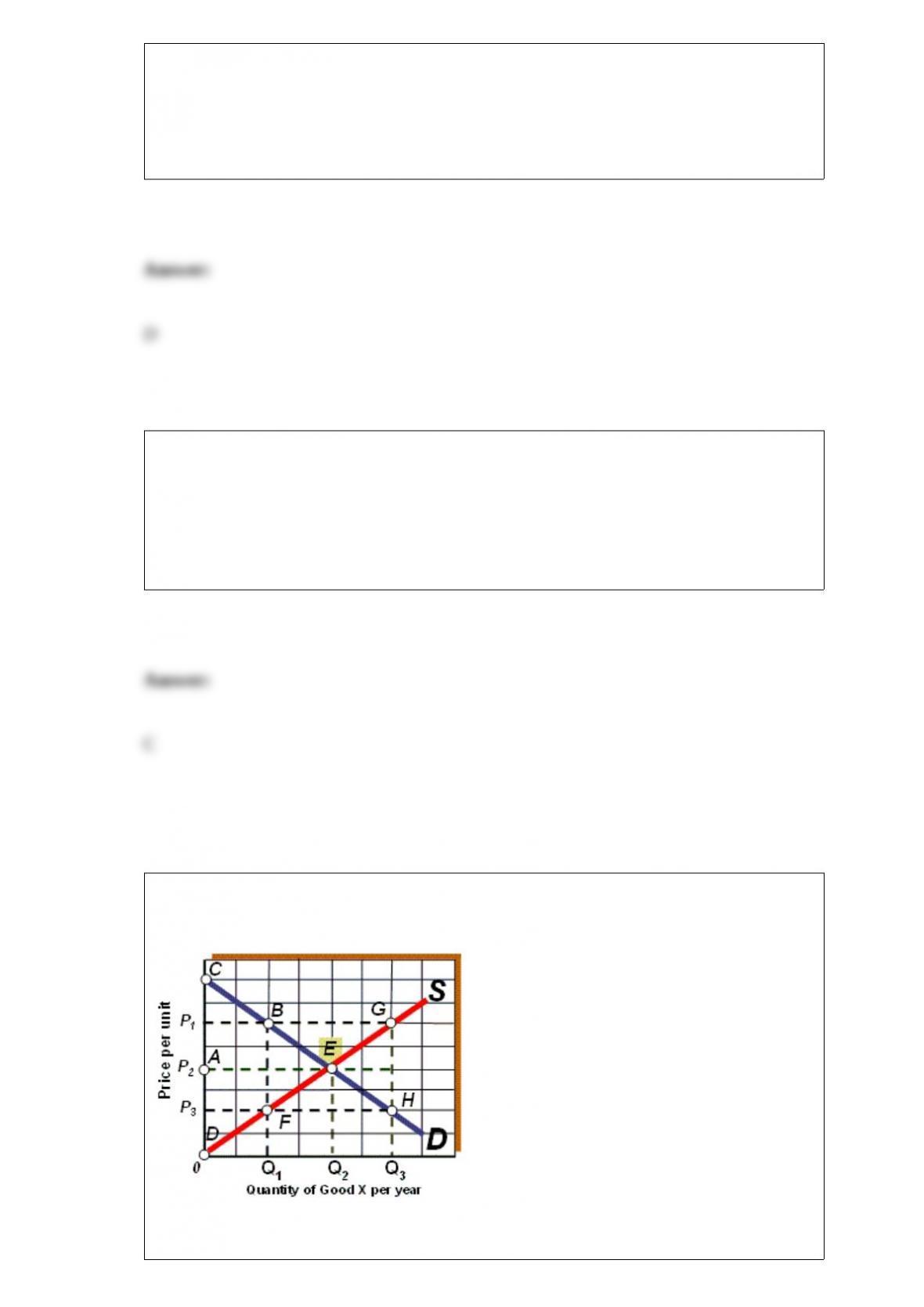
Exhibit 3A-2 Comparison of Market Efficiency and Deadweight Loss
As shown in Exhibit 3A-2, if the market is in equilibrium, then ____ represents
consumer surplus.

a. DFEBC c. DEA
b. AEBC d. BEG
If good X is an inferior good, a decrease in consumer income, other things being equal,
will shift the:
a. demand curve for good X to the right. c. supply curve for good X to the right.
b. demand curve for good X to the left. d. supply curve for good X to the left.
Which of the following is a statement of positive economics?
a. I hope unemployment comes down soon.
b. President X’s way of dealing with unemployment is better than President Y’s.
c. I think everyone should sacrifice to reduce the deficit.
d. If taxes are reduced, unemployment will drop.
When a nation’s political environment is more favorable, it will:

a. attract more physical investment.
b. encourage individuals to invest more heavily in human capital.
c. encourage the development and efficient use of natural resources.
d. do all of these.
Which of the following will be most likely to cause the production possibilities curve
for a country to shift inward?
a. an increase in the labor force
b. an increase in unemployment
c. development of an improved technological method of production
d. a decrease in the stock of physical capital
Scarcity is a(n):
a. problem only in industrialized economies.
b. condition measured by the quantity of goods available.
c. subjective concept that human wants can never be satisfied.
d. problem only in poor economies.

One likely result of a price ceiling is that:
a. a surplus of product would result.
b. the price charged in the market would be above the equilibrium price.
c. the price charged in the market would be the equilibrium price.
d. the available product must be rationed.
e. the market supply curve will shift to the right.
Which of the following is a property of a public good?
a. A public good is free from externalities.
b. Many individuals benefit simultaneously.
c. A public good is not subject to free riders.
d. A public good is established by law.

Because of the problem of scarcity, each economic system must make which of the
following choices?
a. How to produce? c. For whom to produce?
b. What to produce? d. All of these.
Which of the following is infrastructure?
a. Police.
b. Training and education.
c. Highways.
d. All of the above.
e. None of the above.
Which of the following would cause the supply of dollars curve in the United States to
shift to the right?
a. Japanese imports become less popular.
b. The value of the dollar falls.
c. The supply of dollars decreases.
d. Japanese imports became more popular.

In order for a monopolist to earn a pure economic profit in short-run equilibrium, price
must exceed average total cost.
It is against the law in the United States for one person to hold positions on more than
one board of directors at a time.
Antitrust laws in other countries are much stronger than U.S. antitrust laws.
Suppose Joe Rich owns his own company and does not pay himself a salary. This
means the salary he could have earned in alternative employment is considered an
implicit cost for the firm.

Marginal utility is always a positive number.
Emission permits allow producers to pollute a specified amount.