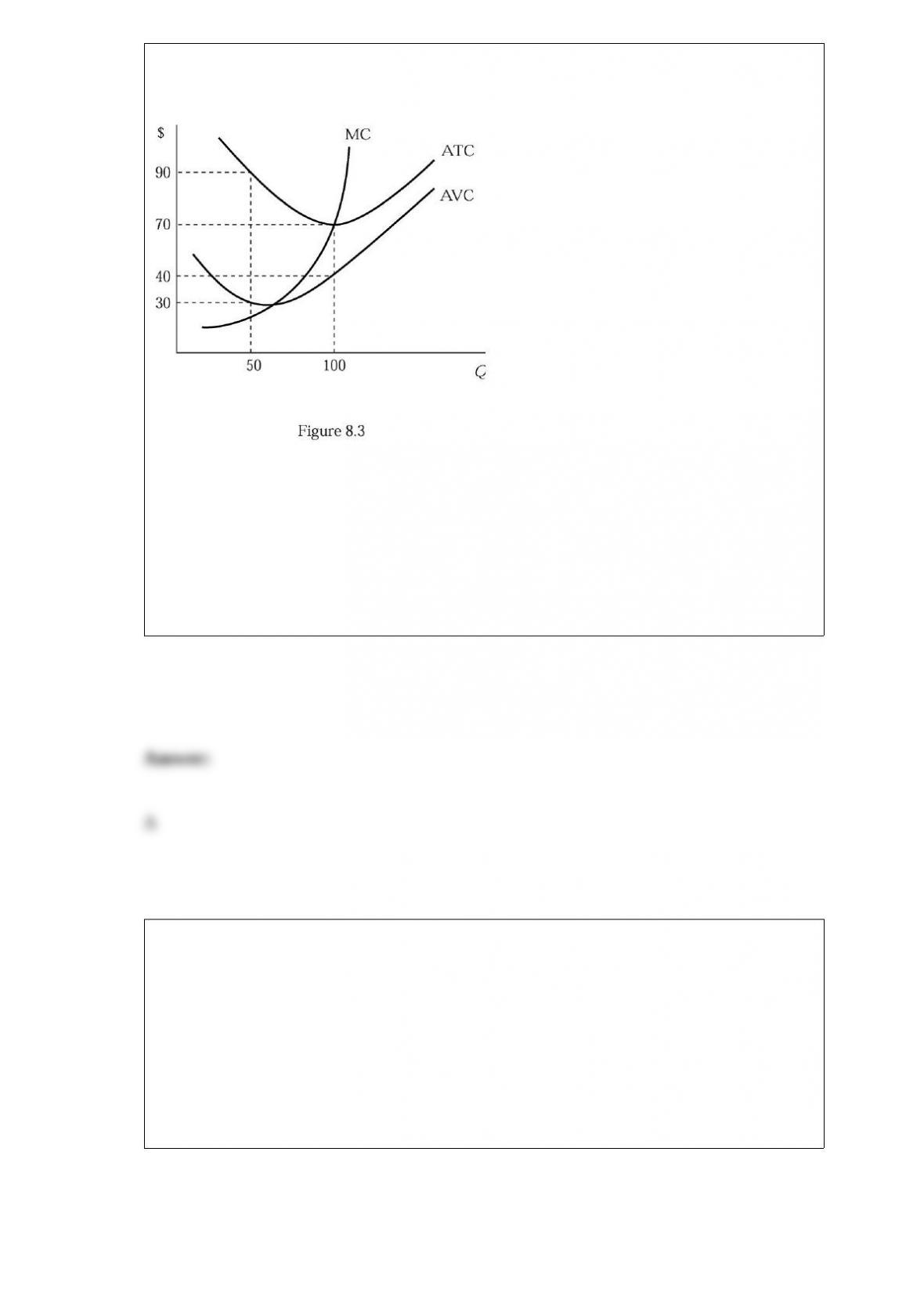
Figure 8.3 shows a firm’s marginal cost, average total cost, and average variable cost
curves. At Q=100, the average fixed cost is:
A) $30.
B) $40.
C) $50.
D) $60.
Markets exist:
A) so people can buy and sell things.
B) because people are self-sufficient.
C) because each person specializes in the production of many products.
D) as an arrangement where buyers do not interact with sellers.

A decrease in the tuition (i.e., price) that a public university charges would result in:
A) an upward movement along the supply curve for college classes.
B) an downward movement along the supply curve for college classes.
C) a shift in the supply of college classes to the left.
D) a shift in the supply of college classes to the right.
Which government agency was created in 1914 to enforce antitrust laws?
A) the Department of Justice
B) the Federal Reserve System
C) the Financial Regulatory Committee
D) the Federal Trade Commission
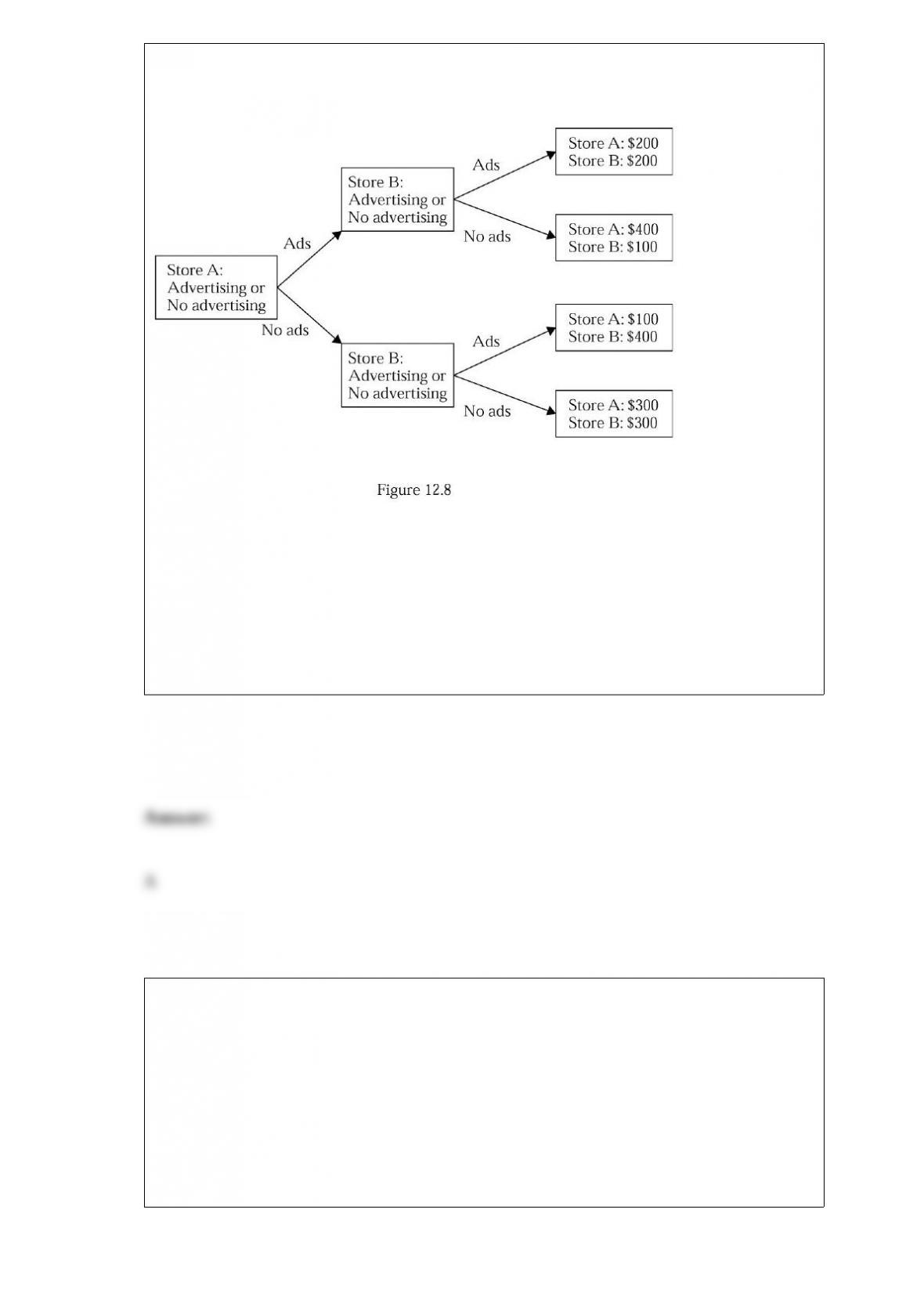
Consider the game tree in Figure 12.8. If both stores’ payoffs in the bottom rectangle
were $250 instead of $300, the outcome of the game will be that:
A) both stores choose to advertise.
B) both stores choose not to advertise.
C) Store A chooses to advertise but Store B chooses not to advertise.
D) Store B chooses to advertise but Store A chooses not to advertise.
The terms of trade is the:
A) exchange rate for two nations.
B) the end point of a consumption possibilities curve.
C) opportunity costs of production.
D) rate at which two goods will be exchanged.

Studies that look into the effects of state education spending cuts on the poverty rates of
minorities use:
A) microeconomics to evaluate the merits of public policies.
B) microeconomics to understand markets and predict changes.
C) microeconomics to understand marginal changes in the macroeconomy.
D) microeconomics to make managerial and personal decisions.
Government tax and government spending programs ________ the 2004 poverty rate.
A) decreased
B) increased
C) did not effect
D) eliminated

If Tom’s demand for leisure decreases as the wage increases:
A) the income effect outweighs the substitution effect.
B) the substitution effect outweighs the income effect.
C) the income effect is completely offset by the substitution effect.
D) There is insufficient information.
If Mayo Lawyer Firm’s total costs are $7000 when 20 clients’ cases are worked and
$7600 when 21 clients’ cases are worked, the marginal cost of the 21st client’s case is:
A) $300.
B) $400.
C) $500.
D) $600.
Suppose that Jessica has a fixed income of $100 per month, which she spends entirely
on movies and paperback books. The price of movies is $5 and the price of paperback
books is $10. Which of the following combinations is NOT on her budget line?
A) 5 paperback books and 10 movies

B) 10 paperback books and 0 movies
C) 3 paperback books and 14 movies
D) 8 paperback books and 5 movies
If the price elasticity of supply is 1.3, supply is:
A) unaffected by price changes.
B) inelastic.
C) unitary elastic.
D) elastic.
Consider the market for Chinese food in a large city like Philadelphia. If the number of
Chinese restaurants increases and the price elasticity of demand for Chinese food is 2.0,
then the equilibrium price of Chinese food will ________, the equilibrium quantity
demanded of Chinese food will ________, and total Chinese food revenue will
________.
A) decrease; increase; decrease
B) increase; decrease; increase
C) decrease; increase; increase

D) increase; decrease; decrease
If Paul improves the landscape of the house by planting new grass, trimming the trees
and also adding a fence, making the value of his house go up. Then the following will
happen:
A) Paul will be less happy because of the money he spent on his improvements.
B) the neighbors will receive external benefits.
C) the neighbors will be forced to improve their houses also.
D) marginal social benefit will be less than marginal cost.
When the government imposes a tax on a firm that generates external costs, the tax is:
A) always borne entirely by the firm.
B) always borne entirely by the consumer.
C) usually borne by both the firm and the consumer.
D) borne only by the government.
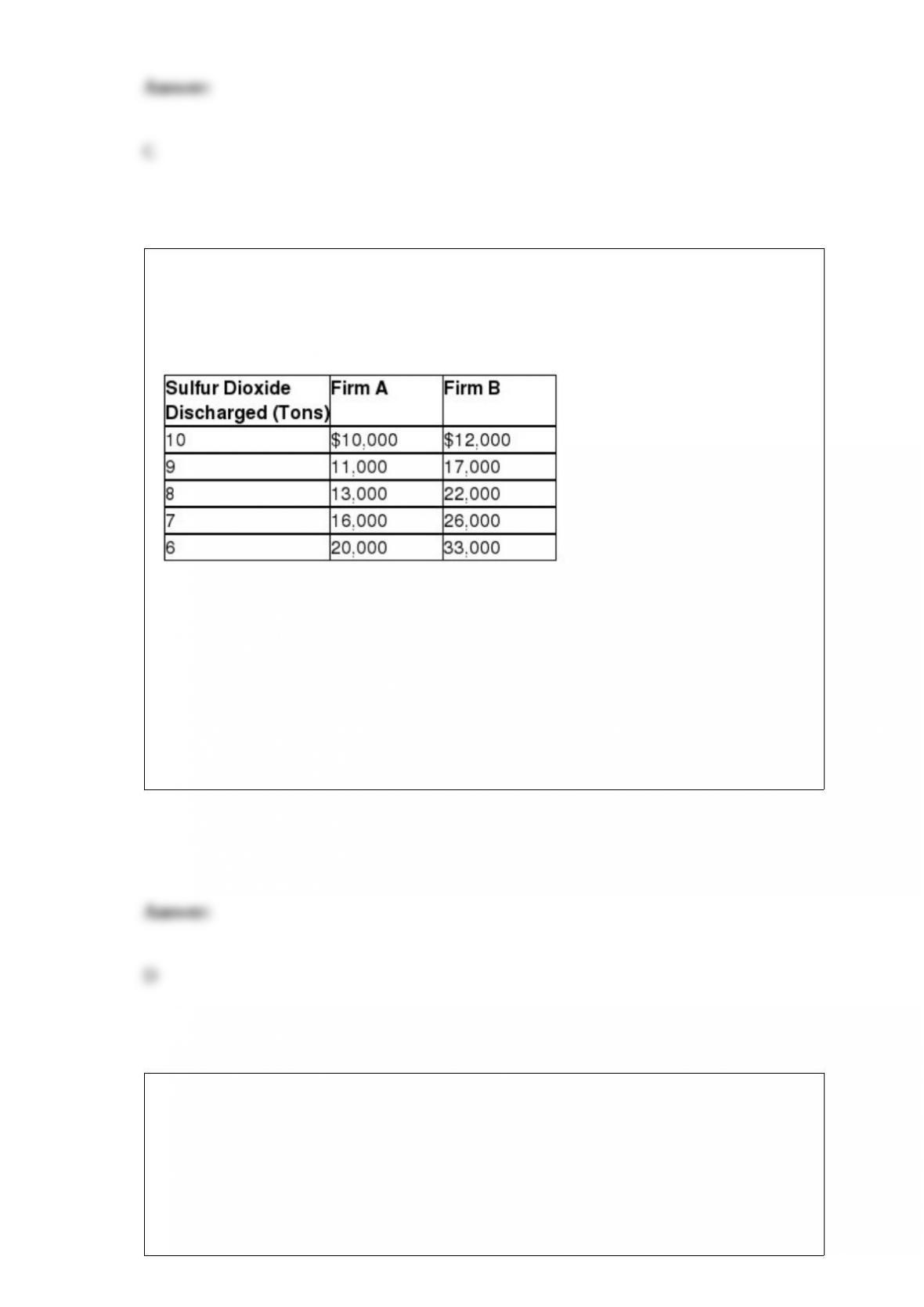
Table 16.4 shows the production cost for two utilities at different levels of sulfur
dioxide emissions. Assume that the government issued 8 marketable pollution permits
to each firm. If Firm B would like to purchase one permit to be able to discharge 9 tons
of sulfur dioxide, what is Firm B’s willingness to pay?
Table 16.4
A) $2,000
B) $3,000
C) $4,000
D) $5,000
Government spending programs that provide assistance to those whose income falls
below a certain level are called:
A) unilateral programs.
B) discretionary spending programs.

C) means-tested programs.
D) noncash programs.
For a profit maximizing monopolist, price:
A) equals marginal revenue.
B) is less than marginal revenue.
C) is greater than marginal revenue.
D) can be greater than or less than marginal revenue.
Refer to Figure 7.3. If the price of video game rentals drops from $4 to $2, the marginal
utility per dollar at the utility maximizing combination is ________ utils for video game
rentals and ________ utils for energy drinks.
Figure 7.3
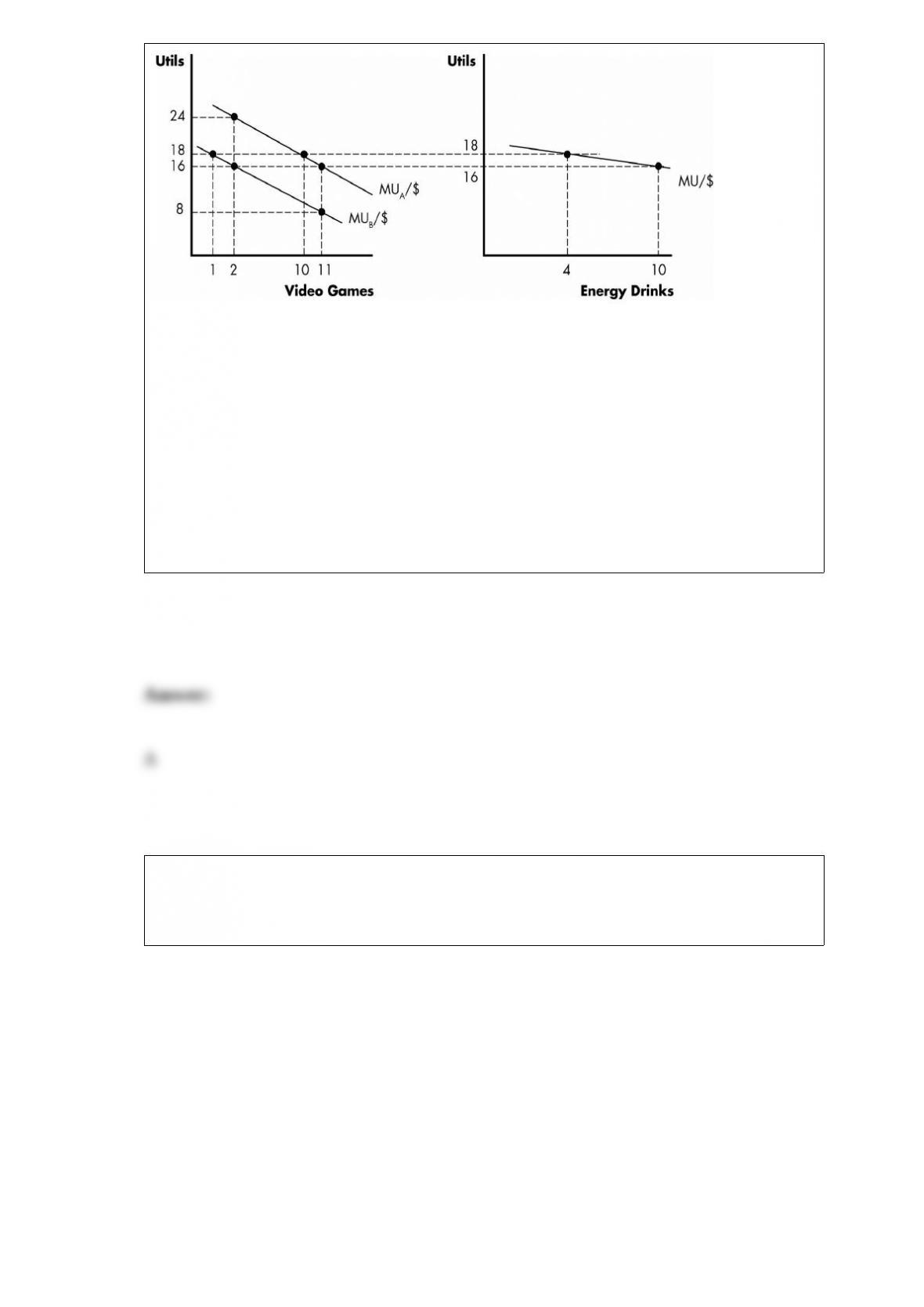
The price of Video Game rentals is $2 For MUA/$ and $4 for MUB/$.
The price of Energy Drinks is $2.
Budget = $28.
A) 18; 18
B) 18; 16
C) 16; 16
D) 8; 16
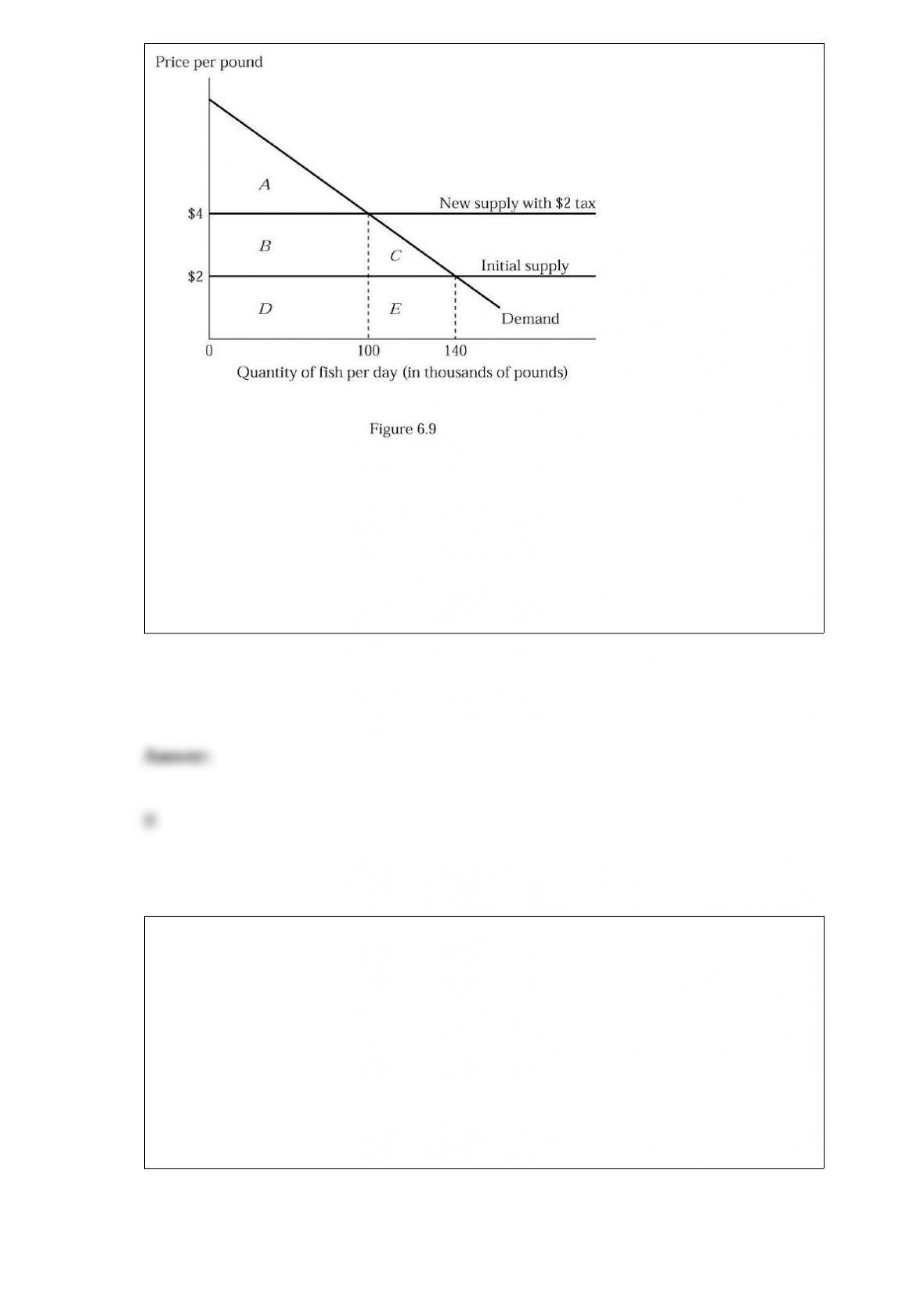
Figure 6.9 depicts a hypothetical fish market with a horizontal supply curve. Suppose
the government imposes a tax of $2 per pound of fish, and the tax is paid in legal terms
by producers. Which of the following statements is correct?
A) Producers bear the full cost of the tax.
B) Consumers bear the full cost of the tax.
C) Both producers and consumers equally share the tax.
D) Consumers bear a relatively large share of the tax, compared to producers.
If the number of people with the skills necessary to perform a job decreases, labor
________ shifts ________.
A) demand; left
B) demand; right
C) supply; left
D) supply; right

The consumption possibilities curve shows the combinations of goods that can be:
A) consumed by a nation before trade begins.
B) consumed by a nation after trading begins.
C) produced by a nation before trading begins.
D) produced by a nation after trade begins.
If a firm’s production process exhibits economies of scale for all levels of output, then
the firm’s long-run average cost curve will be:
A) horizontal.
B) positively sloped.
C) negatively sloped.
D) U-shaped.

Money spent on one product cannot be used on another product, so the brain reacts in a
negative way to the thought of spending money. This is consistent with the principle of:
A) diminishing returns.
B) marginal utility.
C) opportunity cost.
D) voluntary exchange.
As a whole, nations are better off after trade and specialization because:
A) nations can consume along their consumption possibilities curve, which is outside of
their production possibilities curve.
B) nations can consume along their consumption possibilities curve, which is inside of
their production possibilities curve.
C) nations can consume along their production possibilities curve, which is outside of
their consumption possibilities curve.
D) nations experience an inward shift of their production possibilities curve.
Figure 4.5 illustrates the supply of guitars. A decrease in the supply of guitars is
represented by a movement from:
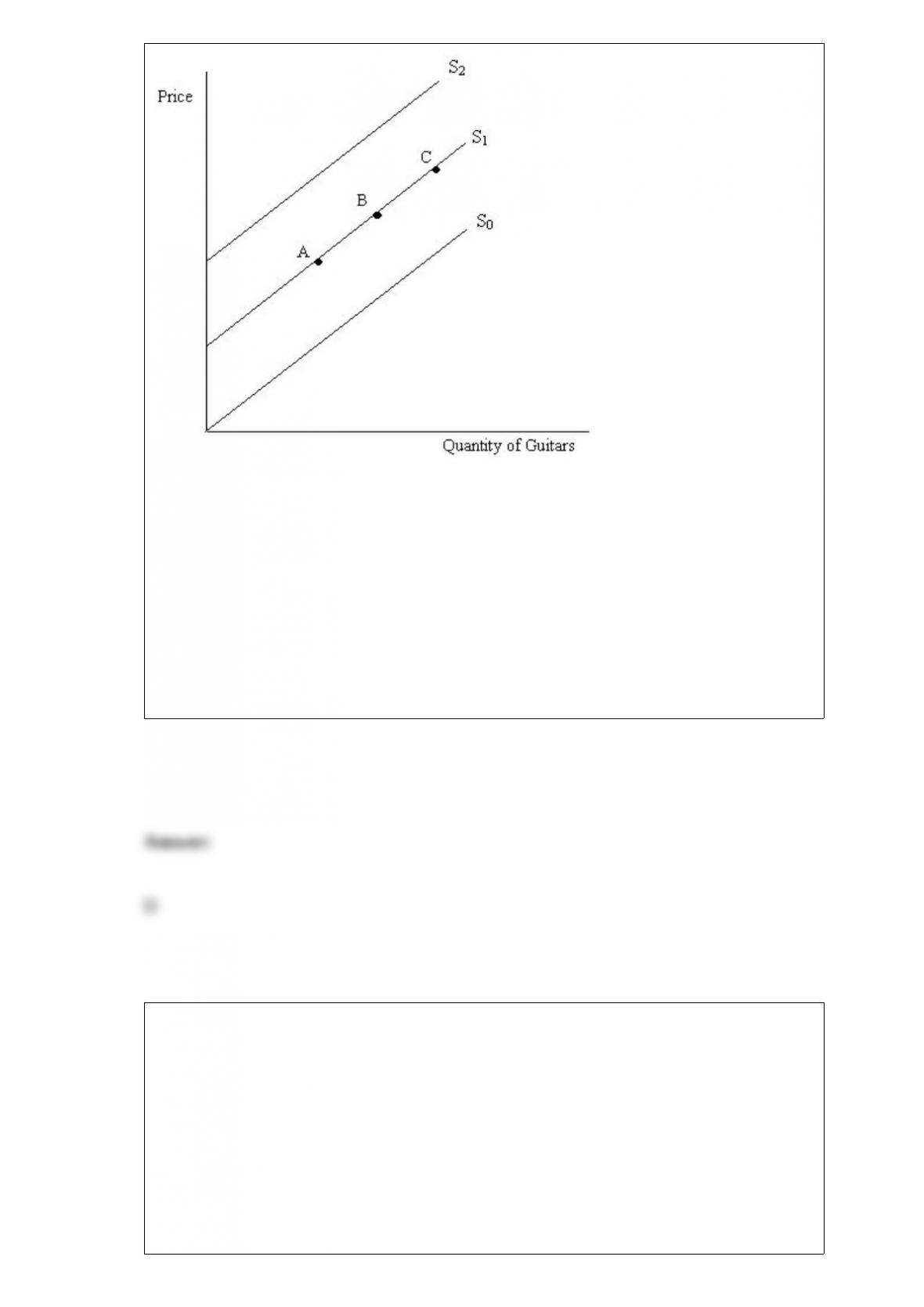
Figure 4.5
A) point B to point C.
B) point B to point A.
C) S1 to S0.
D) S1 to S2.
Recall the application about drug companies behaving illegally to protect their patented
drugs. Why would a company owning a drug patent that is about to expire pay a
competitor $60 million to NOT produce a comparable drug?
A) They claim their patented drug is a superior product.
B) They want to avoid losing profits.
C) They want consumers to have some alternatives.

D) No company would ever spend money in that manner.
Additional Application
Monopolies are not always easily ended. The European Commission’s directorate for
the internal market is attempting to end Germany’s chimney sweeps’ monopoly. For
many decades the chimney sweeps in Germany have held a “near-perfect monopoly.”
While the profession is a private enterprise the local governments set the prices, control
the number of sweeps in each district, require that households are inspected, and will
not allow consumers to choose a different sweep even if they do not like the one they
have. Due to the required annual inspections, sweeps always have jobs and any new
entrants into the market will wait years before they are given a district to operate in.
One argument in favor of this monopolistic arrangement is based on public safety. If
new sweeps are not allowed to enter the industry then quality regulation is more easily
insured. If the current sweeps continue to earn profits, none will leave the industry
either. While the European Commission wants a more competitive market, they realize
that it will not develop soon.
“Chimney Sweeps Under Fire,” The Economist, October 21, 2006, p. 76.
If the chimney sweep market became more competitive, one market change that would
be expected is:
A) lower output.
B) higher costs.
C) higher profits.
D) lower prices.

Which of the following describes a long-run adjustment of a firm to changing business
conditions?
A) A restaurant owner leases an empty store next door and expands.
B) A dentist changes her hours to see more patients.
C) A farmer hires more workers to help bring in the harvest.
D) all of the above
Recall the Application about the response of New York City cab drivers to an
increase in cab fares to answer the following question(s).
Recall the Application. A study of the taxi market in New York City showed that an
increase in cab fares, and therefore the wages of cab drivers:
A) increased the quantity of labor supplied by the cab drivers.
B) increased the number of hours worked by cab drivers.
C) decreased the quantity of labor supplied by the cab drivers.
D) increased the demand for cab rides.
A nation can produce anywhere ________ its production possibilities curve.
A) on
B) outside
C) inside
D) both A and C
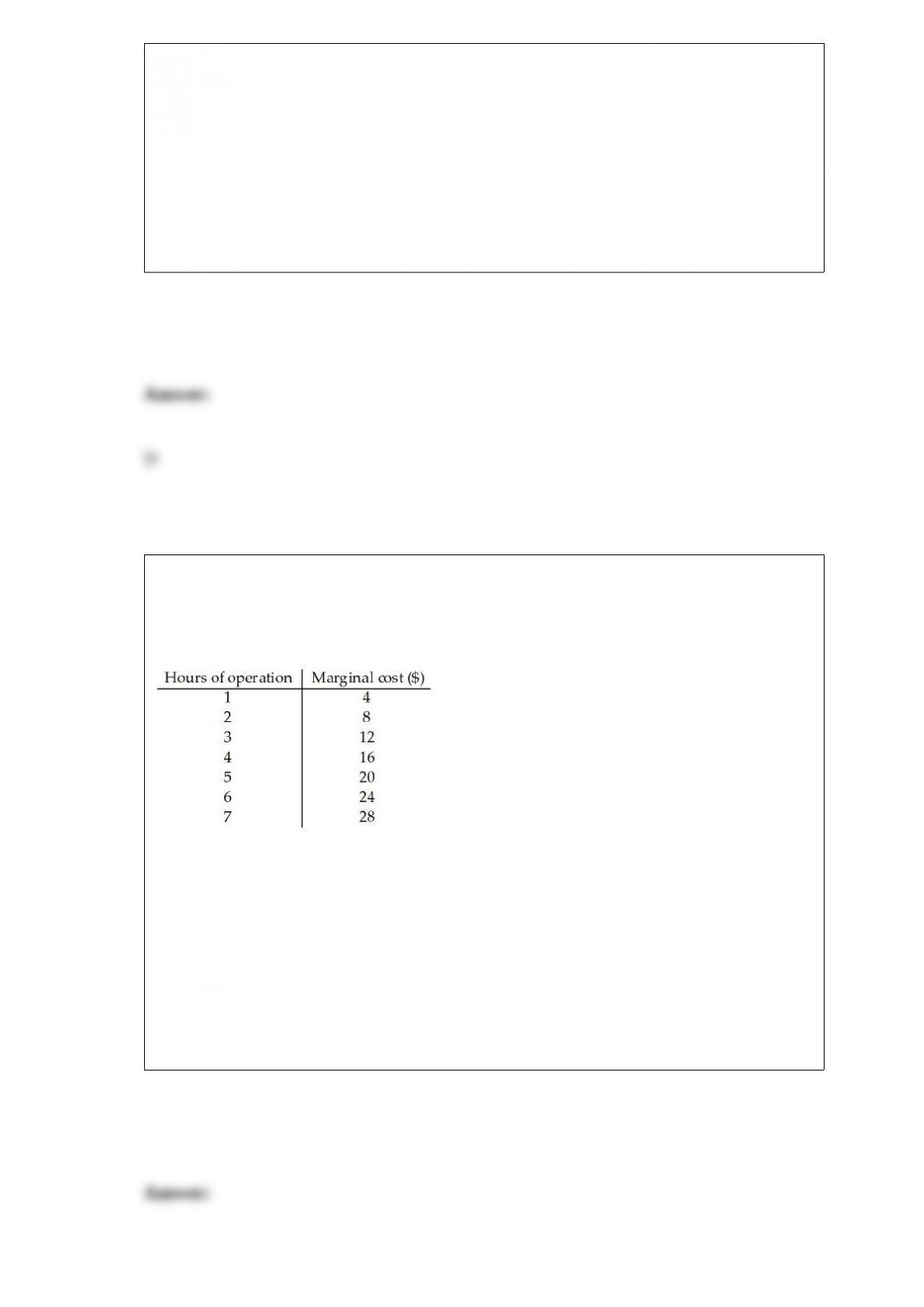
Julianne runs a business and needs to decide how many hours to stay open. Table 2.2
illustrates her marginal costs of staying open for each additional hour. Suppose that
Julianne’s marginal benefit of staying open per hour is $24. If she is following the
marginal principle, how many hours should Julianne stay open?
Table 2.2
A) 2 hours
B) 4 hours
C) 6 hours
D) 7 hours