
An increase in demand will lead to a decrease in supply in the long run.
Higher wages could lead workers to choose to work less hours.
The price elasticity of supply is generally greater than zero.
The market demand curve shows the relationship between the price and the quantity
demanded by all consumers, everything else being equal.

Public choice economics is the study of how governments operate.
Suppose that Bill and Ted use a tit-for-tat scheme to encourage cartel pricing and Bill
chooses the low price for a single month. Bill and Ted will deviate from cartel pricing
for two months.
Whenever the marginal cost is less than the average cost, the average cost is falling.

The price at which marketable pollution permits are sold is set by the government.
In the long run, monopolistically competitive firms earn zero economic profits.
A market is called monopolistically competitive if each firm has the same product but
consumers can choose to purchase the product from any firm.
Ceteris paribus means “Let the buyer beware.”

In the case of a natural monopoly, two firms can produce at lower average cost than one
firm can.
An example of analysis that involves variables and how they affect one another would
include the relationship of the price of CDs to the quantity of CDs purchased.
If butter and margarine are substitutes, then an increase in the price of butter will reduce
the demand for margarine.

Perfectly competitive industries are characterized by a homogeneous product.
As new firms enter a monopolistically competitive market, there is more product
variety and lower prices.
Two goods are complements if an increase in the price of one good leads to an increase
in demand for the other.
In the United States, the unionization rate of private-sector workers is much higher than
that of public-sector workers.

As more and more of a variable input is combined with some fixed inputs, additions to
the total output decline.
An unnatural monopoly occurs when the scale economies in production are so large that
only a single firm can earn profit.
In the short run, the price elasticity of supply is limited because of the principle of
diminishing returns.

In order to go to college, James incurs an opportunity cost even though all he gave up
was a full time job as a clerk at Wally World.
Under a command-and-control policy, there is no incentive to develop better abatement
techniques.
The special-interest theory of government predicts that governments have a strong
incentive to pursue policies that are in the public interest.
A monopolist will never produce a level of output where MR < 0.

The substitution effect of an increase in the wage rate influences a worker to consuming
more leisure.
When indivisible inputs are being used, the average cost of production increases as
output decreases.
A consumer’s budget set does not include all combinations of goods that a consumer
can afford given the consumer’s income and the prices of the goods.

As the cost of automobile insurance rises, good drivers might reduce their coverage
while poor drivers will likely maintain their coverage. This situation is known as moral
hazard.
In the U.S., income has become less equally distributed in the past two decades due
technology.
If the marginal cost of a candy bar is $.10 and the producer sells it for $1.00, then the
producers surplus on that candy bar is $1.10.
A competitive firm’s short-run supply curve is perfectly elastic.

A carbon tax will raise the price of an energy-intensive good such as steel.
A key assumption of most economic analysis is that people act rationally, meaning they
respond to incentives.
The advertising dilemma is that advertising may add more to industry costs than to
industry revenues, but a firm may lose market share if it does not advertise.
The cost of a bachelor’s degree in philosophy equals the tuition plus the cost of room
and board.
If Linda’s income goes up, she will consume more of all normal goods.
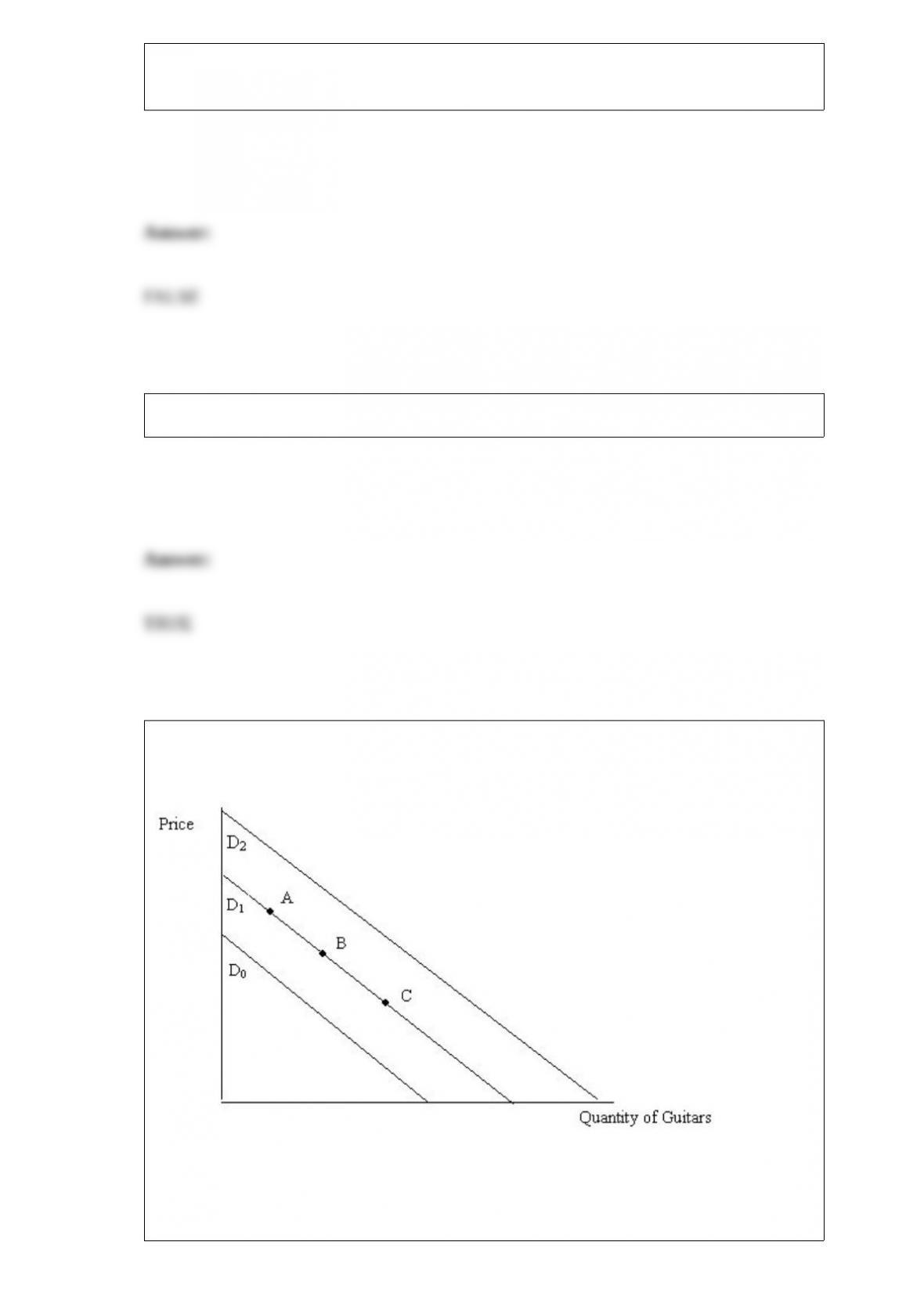
Figure 4.4 illustrates the demand for guitars. A successful advertising campaign to sell
guitars would bring about a movement from:
Figure 4.4
A) point B to point C.
B) point B to point A.
C) D1 to D0.
D) D1 to D2.
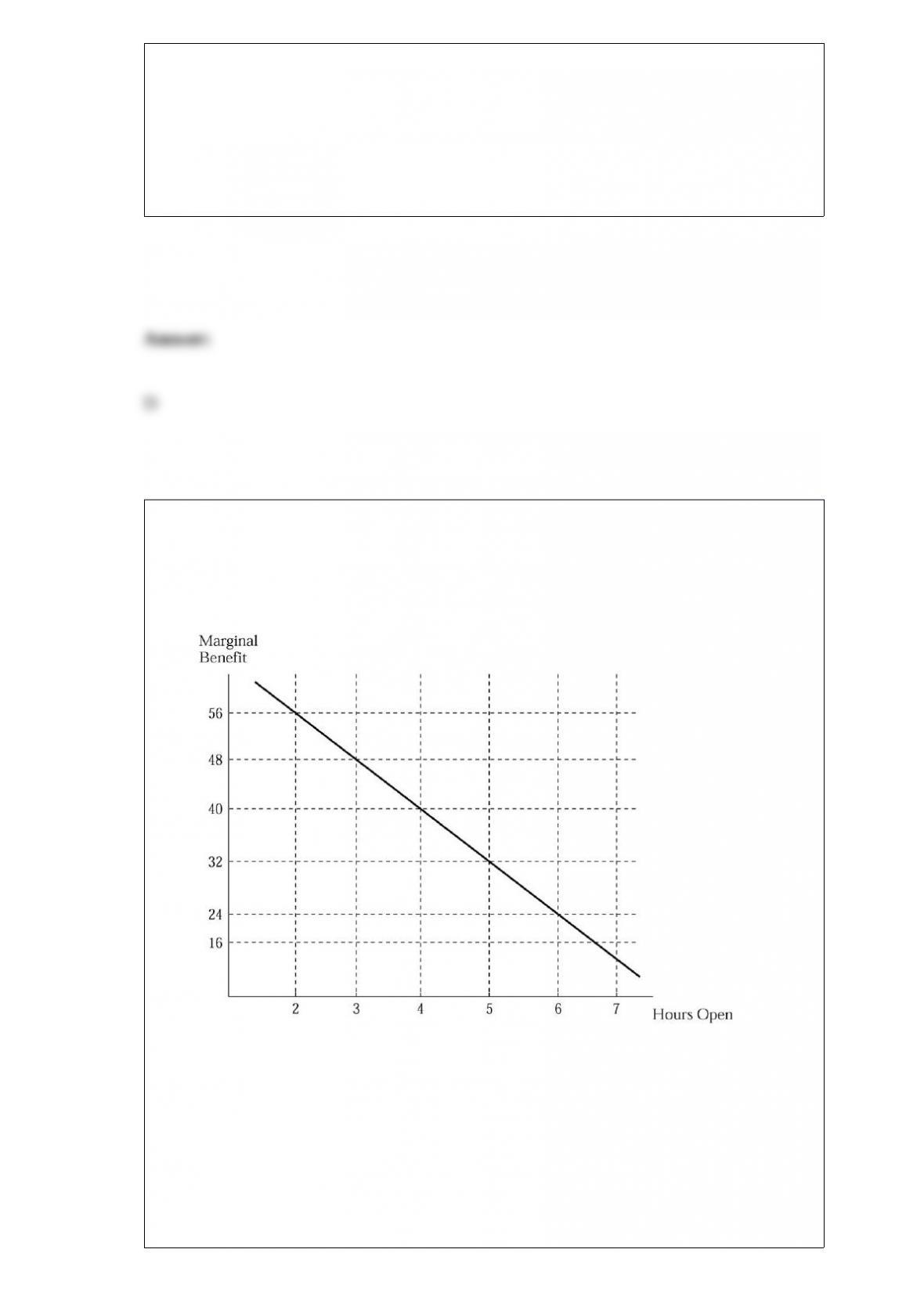
Joe runs a business and needs to decide how many hours to stay open. Figure 2.4
illustrates his marginal benefit of staying open for each additional hour. Suppose that
Joe’s marginal cost of staying open per hour is $32. How many hours should Joe stay
open?
Figure 2.4
A) 4 hours
B) 5 hours
C) 6 hours

D) 7 hours
The four elements of the economic way of thinking include all of the following
EXCEPT:
A) economists use assumptions to make things simpler and focus attention on what
really matters.
B) economic analysis often involves variables and how they affect one another.
C) economic analysis assumes that people act irrationally and that they are not
motivated by self-interest.
D) economists often consider how a small change in one variable affects another
variable.
If the price of laptop computers decreases from $550 to $500 and the quantity supplied
decreases from 15,000 to 12,000 per week. Using the initial price method the price
elasticity of supply is:
A) 1.2.
B) 2.2.
C) .2.
D) 2.

Which of the following is least likely to overcome the free-rider problem?
A) offer people a private gift for contributing
B) arrange for matching contributions
C) appeal to peoples’ sense of civic or moral responsibility
D) maintain anonymity of contributions
Recall the Application about the price and supply of wine to answer the following
question(s).
According to the Application, the supply of wine in the short run is ________, so an
increase in demand causes the price to ________.
A) flexible; rise
B) flexible; fall
C) inflexible; rise
D) inflexible; fall

Under a system of marketable pollution permits:
A) firms can trade away their right to pollute.
B) the amount of pollution an individual firm can generate is determined by the number
of permits issued to it by the government.
C) the production costs for firms are not affected.
D) the government controls the production process of firms who pollute.
A profit-maximizing monopolist will produce an output level at which:
A) marginal revenue is zero.
B) marginal cost is minimized.
C) price equals marginal cost.
D) marginal revenue equals marginal cost.
The more times a worker performs a particular task, the more proficient the worker
becomes at that task. This source of productivity increase is called:
A) continuity.
B) innovation.
C) specialization.
D) repetition.
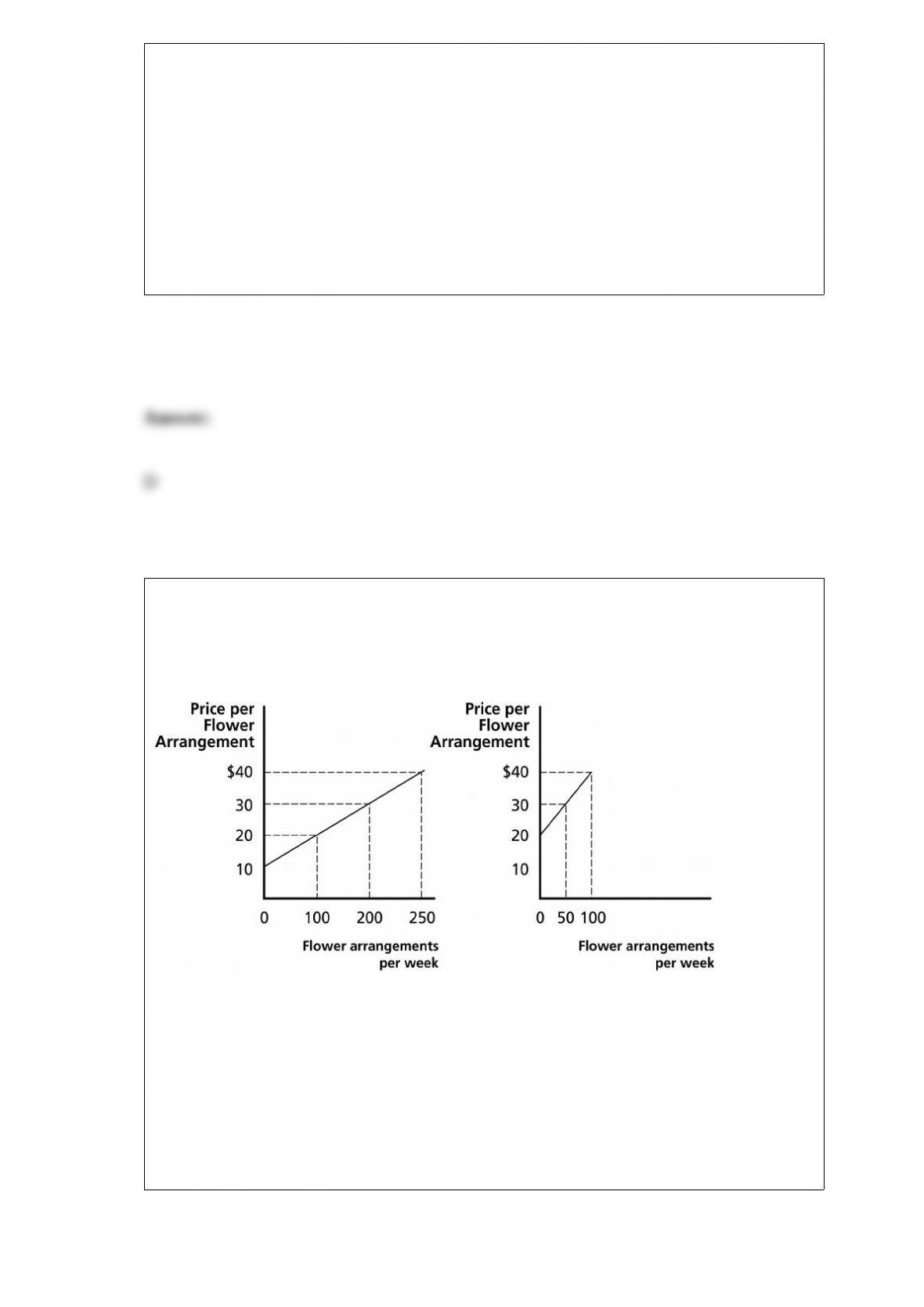
Refer to Figure 4.6, which shows David’s and Celeste’s individual supply curves for
flower arrangements per week. Assuming David and Celeste are the only producers in
the market, if the market quantity supplied is 350, the price must be:
Figure 4.6
David’s Supply Schedule Celeste’s Supply Schedule
A) $10.
B) $20.
C) $30.
D) $40.
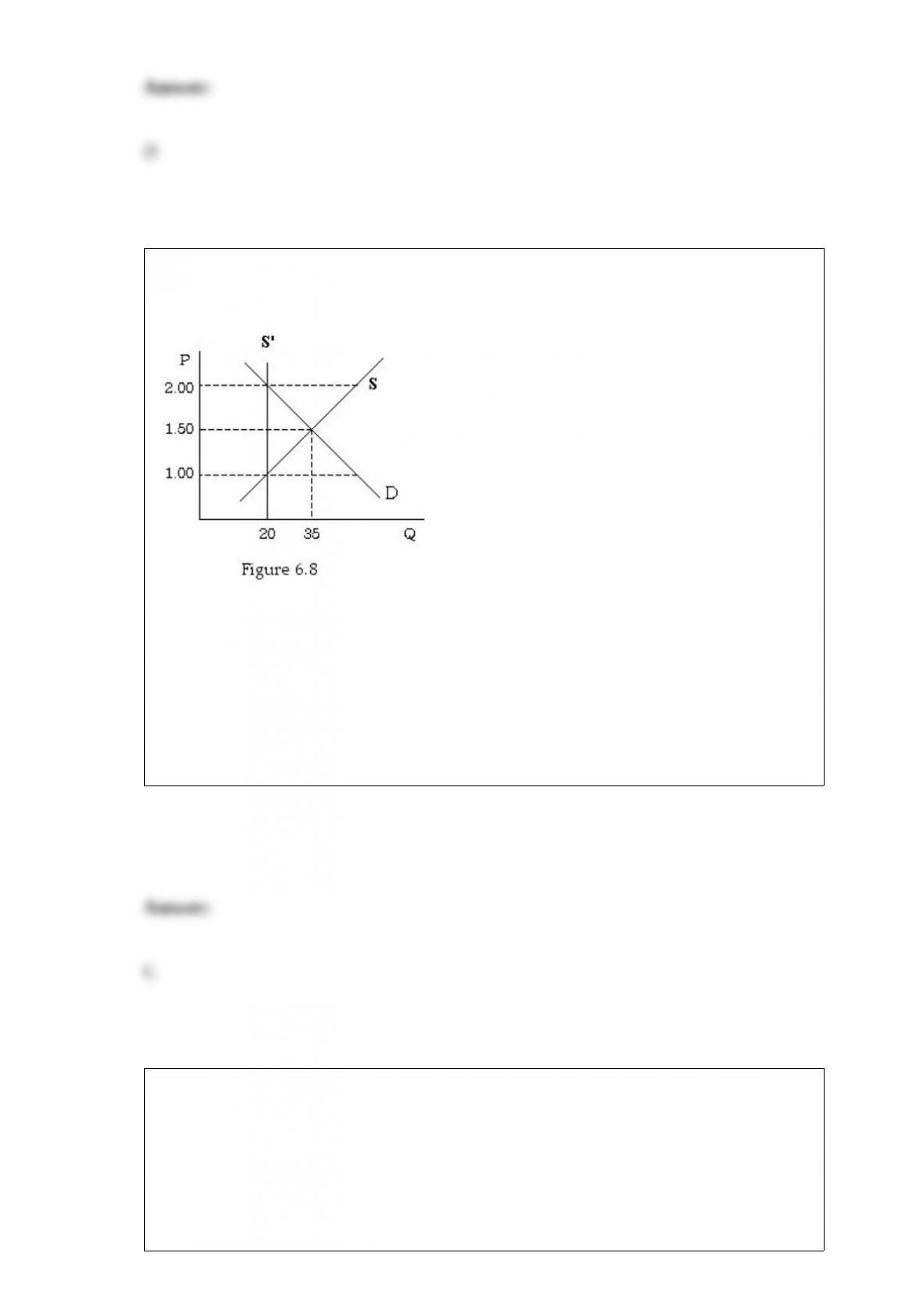
Figure 6.8 shows the market for taxicab services in a small town. If the government
creates a new law limiting taxicab services to 20 per day:
A) consumer surplus will rise.
B) producer surplus will be unaffected.
C) total surplus will fall.
D) total surplus will be unaffected.
The concept of elasticity applies to:
A) supply only.
B) demand only.
C) neither supply nor demand.

D) both supply and demand.
The phenomenon that occurs when an infant industry becomes better and more efficient
as it produces more of a good is called:
A) learning by doing.
B) learning to walk.
C) comparative advantage.
D) crawling then walking.
Recall the Application about the impact tariffs have on lower income households to
answer the following question(s). Economists have found that tariffs in the United
States fall most heavily on lower-income consumers. In the United States, tariffs
are very high on textiles, apparel items and footwear, and within these categories
the highest tariffs fall on the cheapest products. In general, to protect U.S.
industries, tariffs are highest on labor-intensive goods.
According to this Application, tariffs in the United States are very high on textiles,
apparel items and footwear. These tariffs disproportionately impact lower-income
households because:
A) lower-income households tend to purchase more of these items than do
higher-income households.
B) these products represent a higher fraction of consumption of lower-income
households than higher-income households.
C) the tariffs are only applicable to lower-income households.
D) higher-income households tend to purchase products produced in the United States,
which are not subject to tariffs.
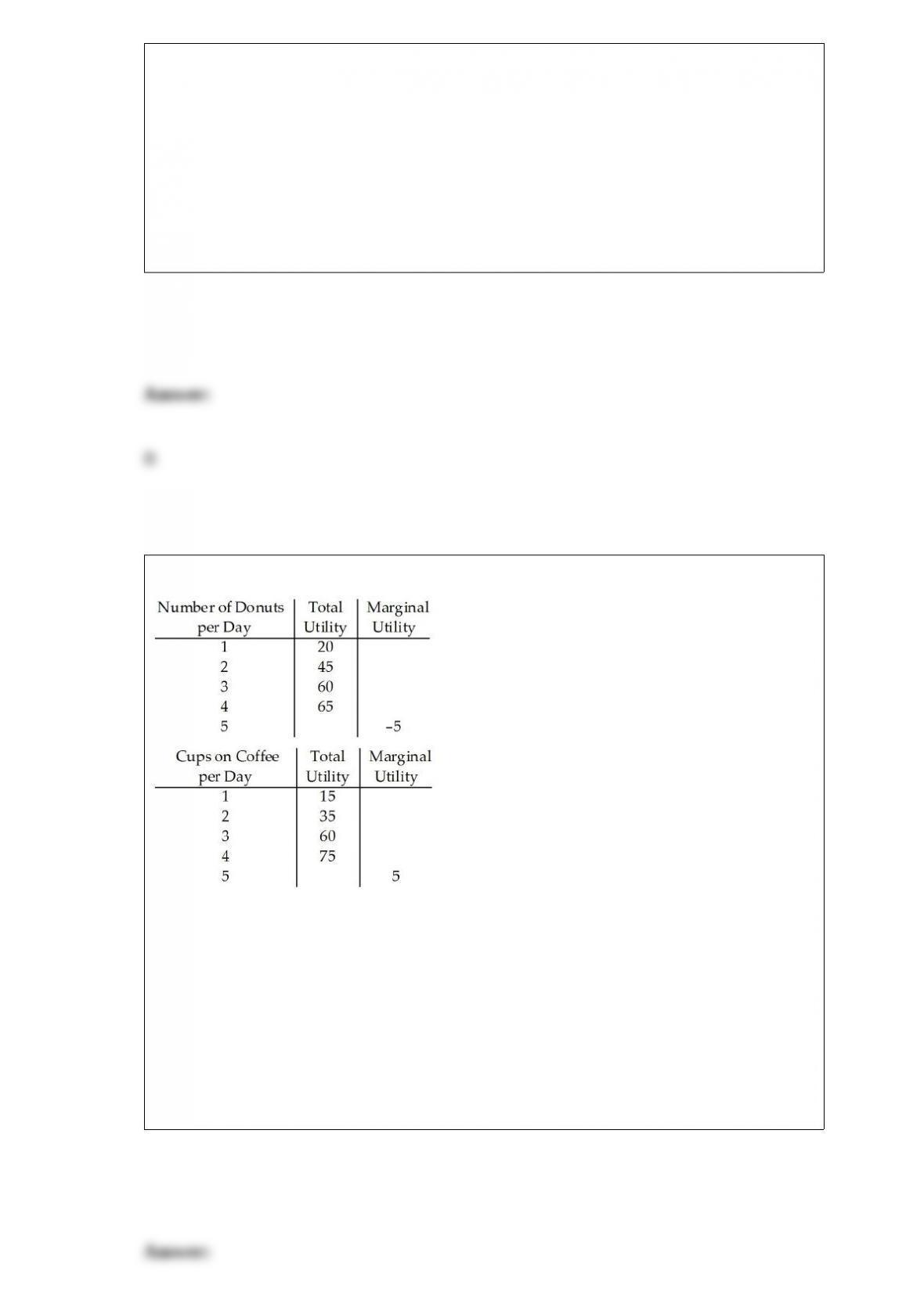
Refer to Table 7.1. The marginal utility of the third cup of coffee per day is:
Table 7.1
A) 35.
B) 15.
C) 20.
D) 25.
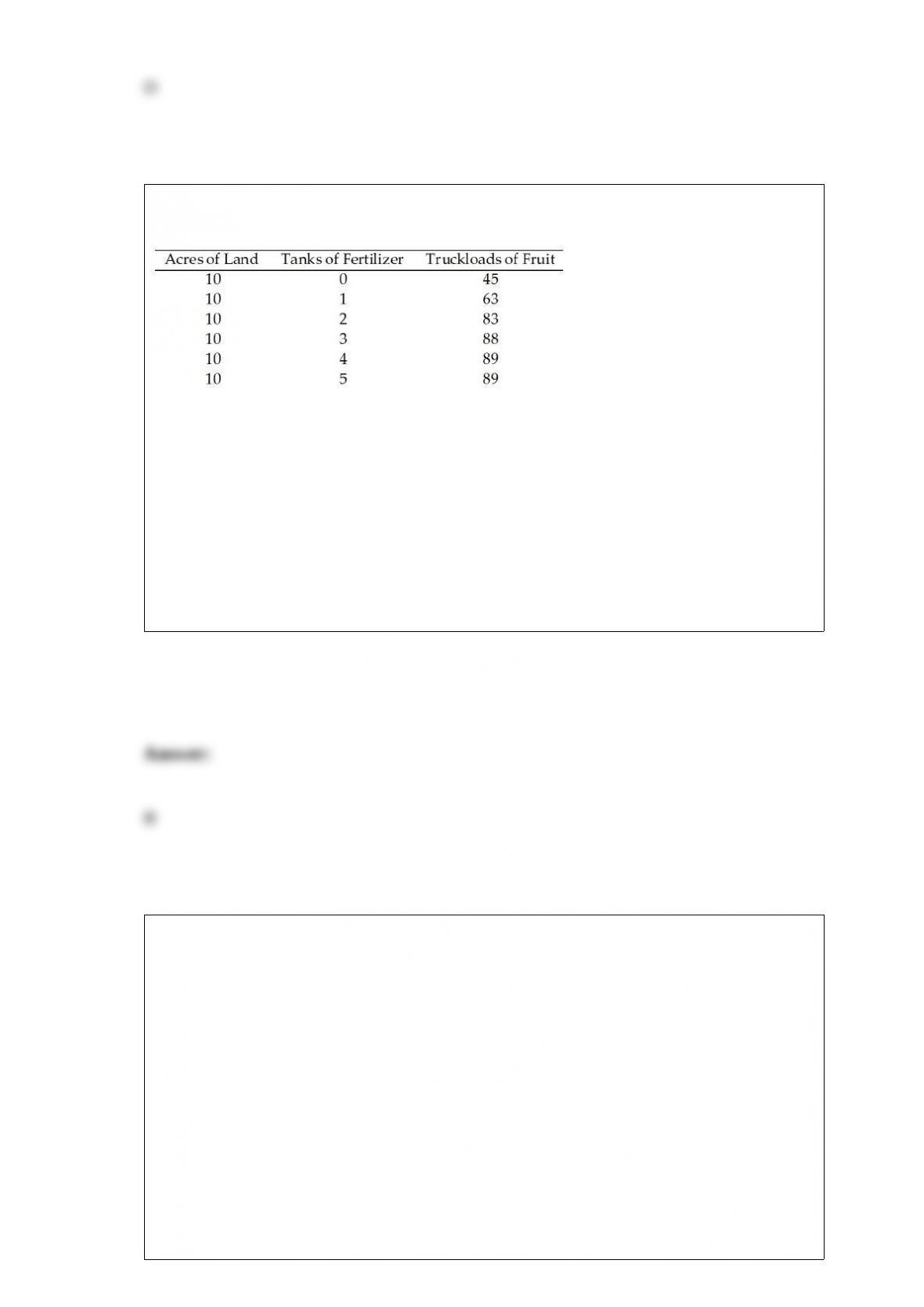
Refer to Table 2.4. The principle of diminishing returns sets in with the addition of the
________ tank of fertilizer.
Table 2.4
A) 2nd
B) 3rd
C) 4th
D) 5th
Which of the following statements about a consumer’s budget line is CORRECT?
I. The budget line shows all the combinations of two goods that exhaust the consumer’s
budget.
II. The slope of the budget line shows the market tradeoff between two goods.
III. The budget line represents the consumer’s preferences or tastes.
A) I only
B) I and II only
C) I and III only

D) II and III only
A variable measures:
A) something that always has the same value.
B) something that can take on different values.
C) factors that occur with high degrees of uncertainty.
D) the degree to which something varies over time.
If the demand for one good decreases when the price of another good decreases, the two
goods are ________ goods.
A) normal
B) inferior
C) complementary
D) substitute

Which of the following situations will arise in the domestic market following the
imposition of a tariff?
A) imports decrease, domestic production increases, prices increase
B) imports increase, domestic production increases, prices increase
C) imports increase, domestic production decreases, prices decrease
D) imports decrease, domestic production increases, prices decrease
Total cost divided by the quantity of output the firm chooses when it can choose a
production facility of any size describes:
A) the short-run average cost of production.
B) the long-run average cost of production.
C) the short-run marginal cost of production.
D) the long-run marginal cost of production.
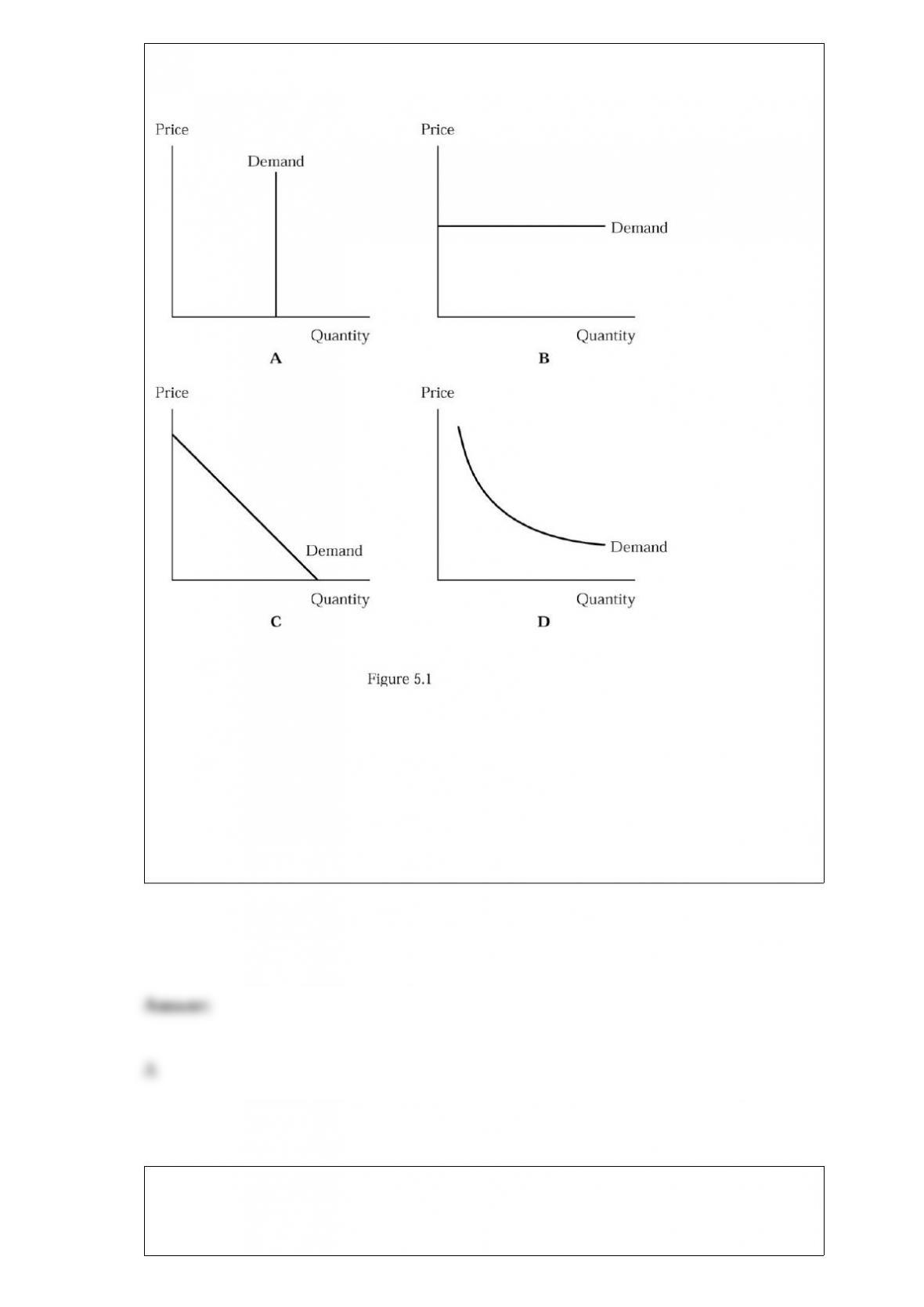
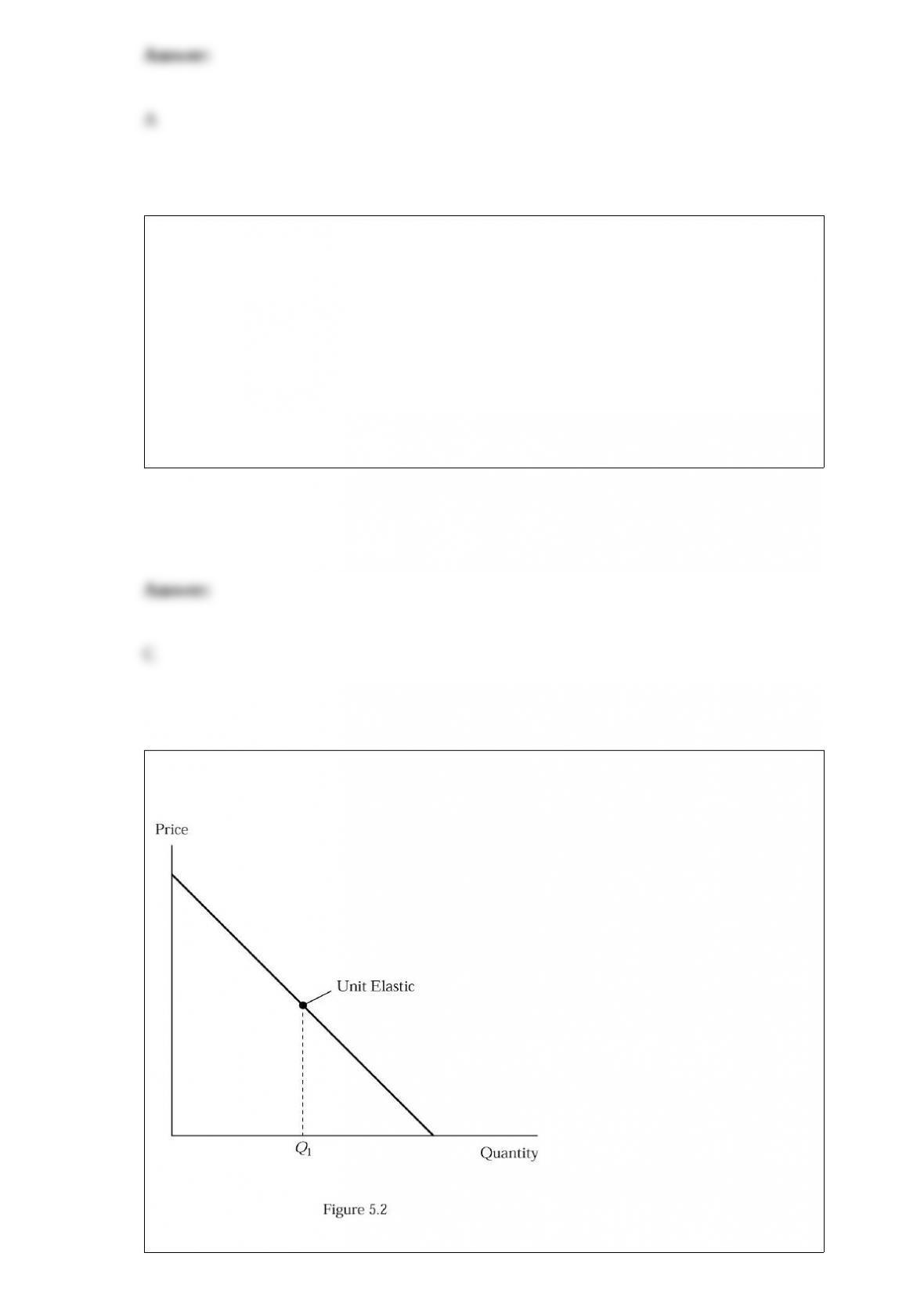
In Figure 5.1 the demand curve that has a zero elasticity is show in graph:
A) A.
B) B.
C) C.
D) D.
The amygdala is a key region of the brain for:
A) cost valuation.
B) benefit valuation.
C) decision making.
D) all of the above.
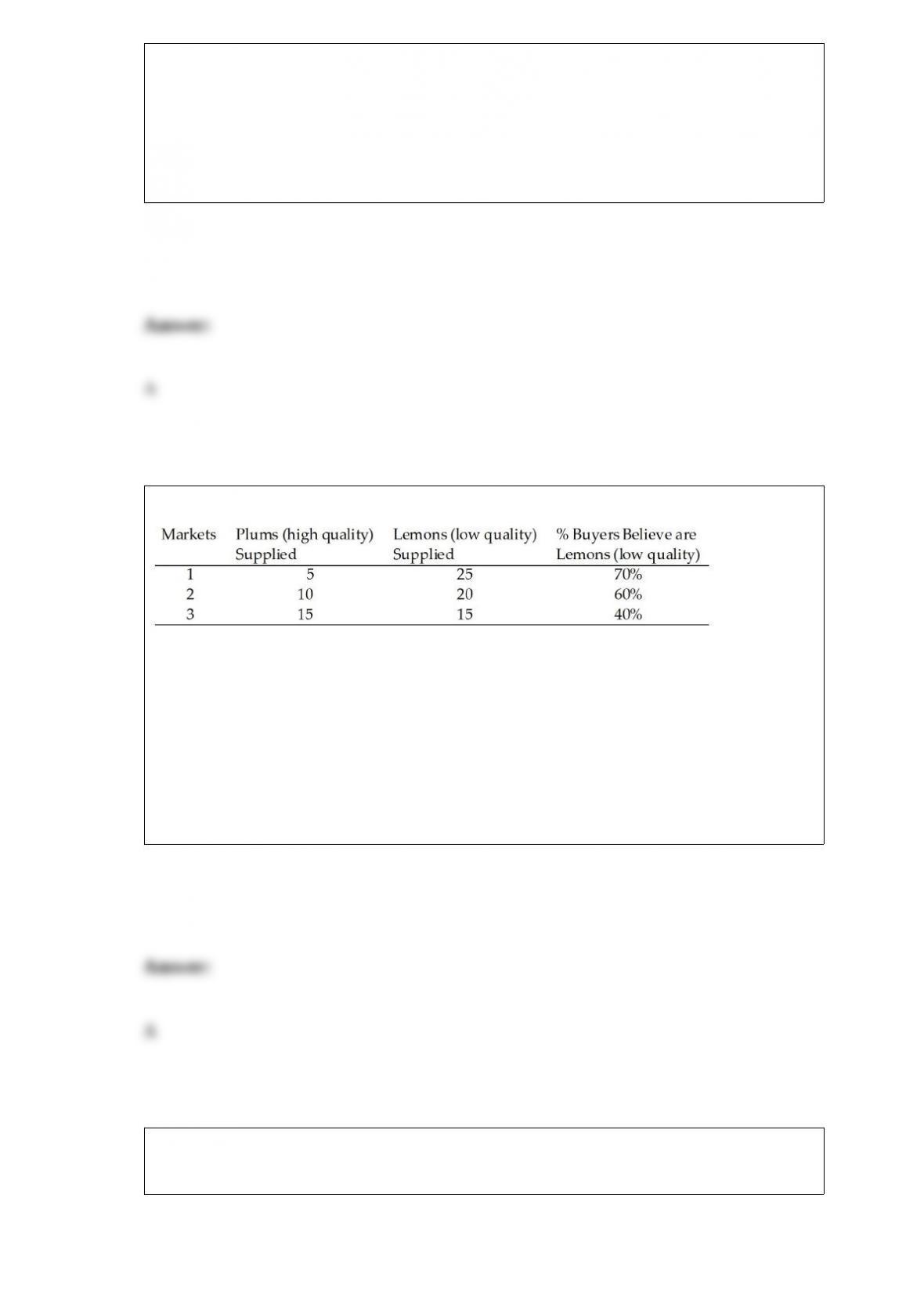
In Table 14.3, Market 1 would be in equilibrium if buyers believed lemons account for:
Table 14.3
A) about 83.33% of the market.
B) about 71.43% of the market.
C) about 66.67%% of the market.
D) about 42.86% of the market.
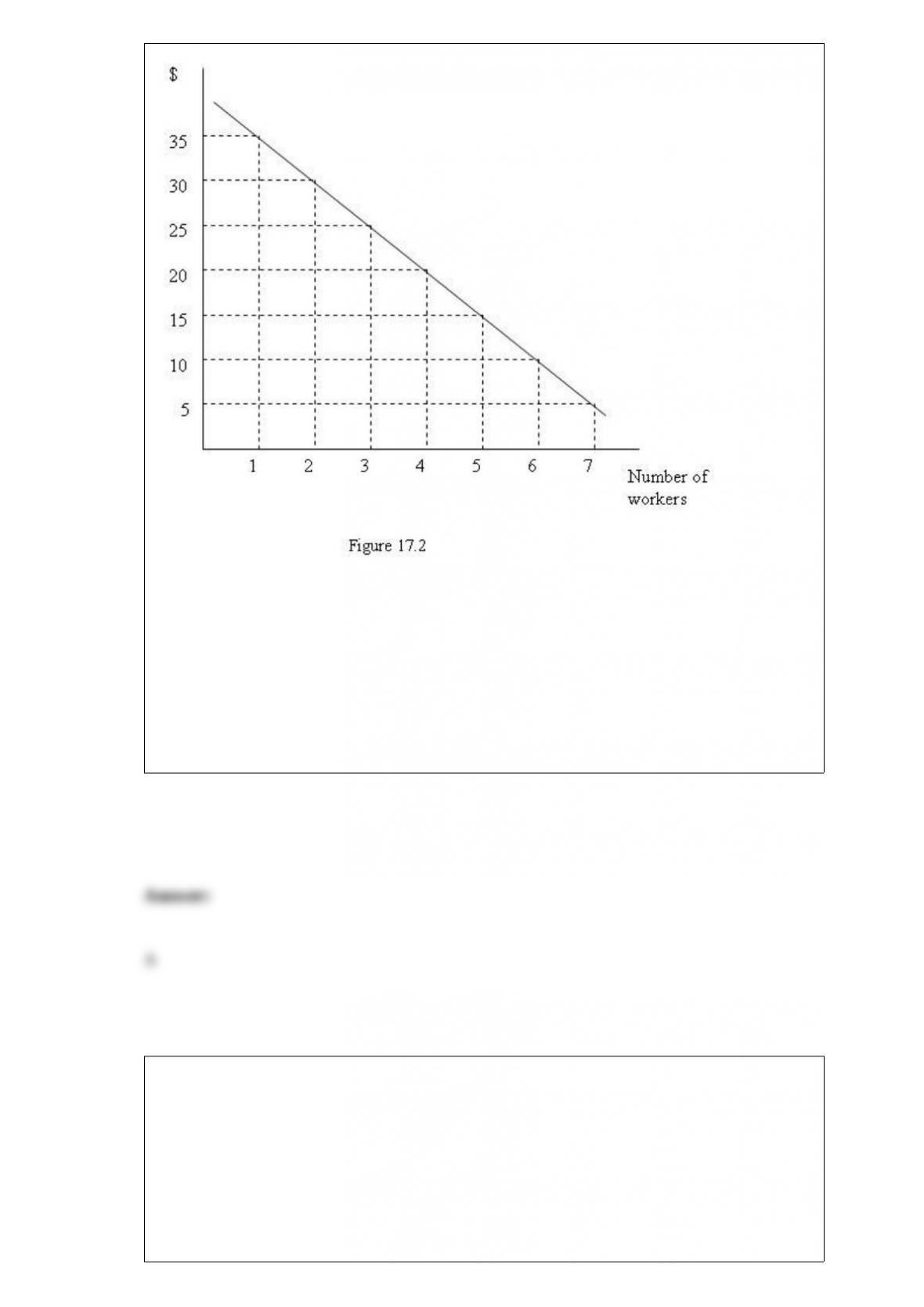
Figure 17.2 depicts a firm’s marginal revenue product curve. If the marginal product of
the second worker is 10 units of output, what is the price of output?
A) $3
B) $4
C) $5
D) $6
You are the manager and owner of E-bulbs Inc. and you know that your factory
experiences economies of scale. You want to quantify the extent of scale economies in
the production of E-bulbs Inc. so you need to find:
A) diseconomies of scale.
B) minimum efficient scale.

C) diminishing marginal productivity.
D) diminishing marginal returns.
Explicit price fixing was outlawed by the ________ Act.
A) Fair Labor Standards
B) Alien and Sedition
C) Sherman Antitrust
D) Freedom of Information
A change in the quantity demanded of a product is the result of a change in:
A) the price of the product.
B) the price of related goods.
C) consumer income.
D) the cost of producing the product.
Recall the application about taxing different groups of drivers a different tax rate based
on ages. Which one of the following groups would pay the highest tax?
A) drivers over 70 years old
B) drivers over 25 but younger than 70
C) drivers under 25 years old
D) All would pay the same rate.
In Figure 5.2 at quantities smaller than Q1 demand is:

A) inferior.
B) elastic.
C) inelastic.
D) unit elastic.
A rich nation will trade with a poor nation because the:
A) rich nation has the absolute advantage in all products.
B) poor nation has the absolute advantage in all products.
C) poor nation has the comparative advantage in a product.
D) rich nation has the comparative advantage in all products.
In considering the relationships between price and quantity demanded, ceteris paribus
directs the economist to assume that:
A) price increases affect quantity.
B) quantity increases affect prices.
C) either price nor quantity affect demand.
D) all other variables remain unchanged.
When a firm hires a worker for one hour, the marginal cost to that firm equals the:
A) hourly wage of that worker.
B) diminishing marginal productivity of that worker.
C) price of each item that the worker produces in that hour.
D) average total cost of production at the quantity produced.
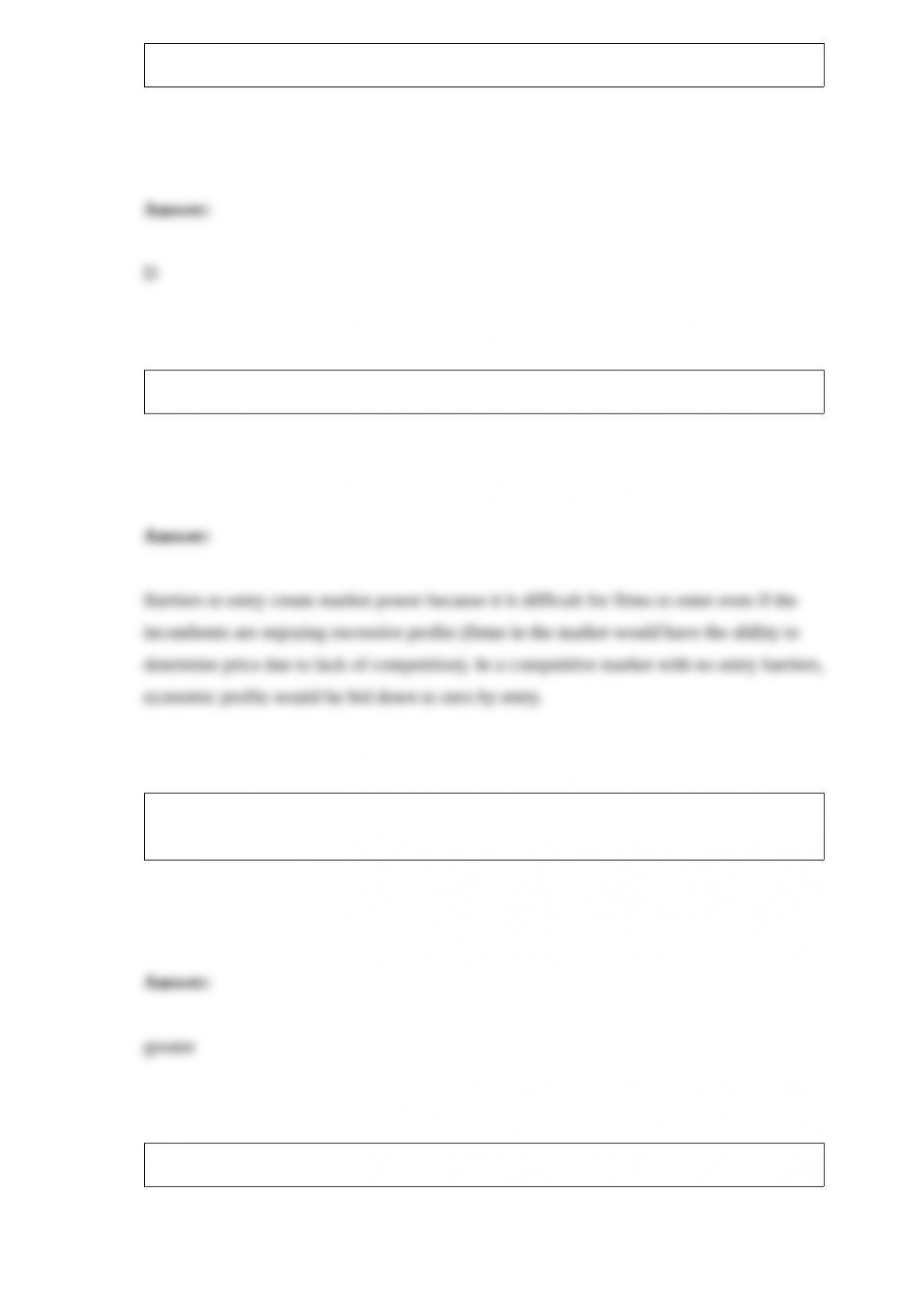
Table 15.2 shows the preferred budget for a new civic center and the number of voters
in a community who prefer that budget. If Jay proposed $6 million while David
proposed $10 million, Jay will get ________ thousand votes while David gets
________ thousand votes.
Table 15.2
A) 32; 29
B) 42; 39
C) 52; 29
D) The outcome cannot be predicted.
Why do barriers to entry create market power?
A permanent excess supply of a product is possible when the government sets a
minimum price that is ________ than the equilibrium price.
What is total revenue for a firm?
Give an example of something that is scarce in your life and explain the choices you’ve
made because of scarcity.
What does Temporary Aid to Needy Families require of recipients?
Susie receives an allowance from her parents of $10 per week. She spends her entire
allowance on two goods: cans of hairspray and bubble gum. The price of a can of
hairspray is $2 and the price of a pack of bubble gum is $1. Draw Susie’s budget line.
If a government imposes a tax on a product produced by a company, the tax will
________.
Hotdogs are very cheap at the grocery store-about $2 for a package of 8, or 25 cents
each. At a baseball game they cost $3 each. Use the concept of price elasticity of
demand to explain why.

What is the economic rule for the optimal amount of pollution?
Normative economic analysis answers what question?
What does the deadweight loss of monopoly measure?
Explain the tradeoffs associated with monopolistic competition relative to monopoly.
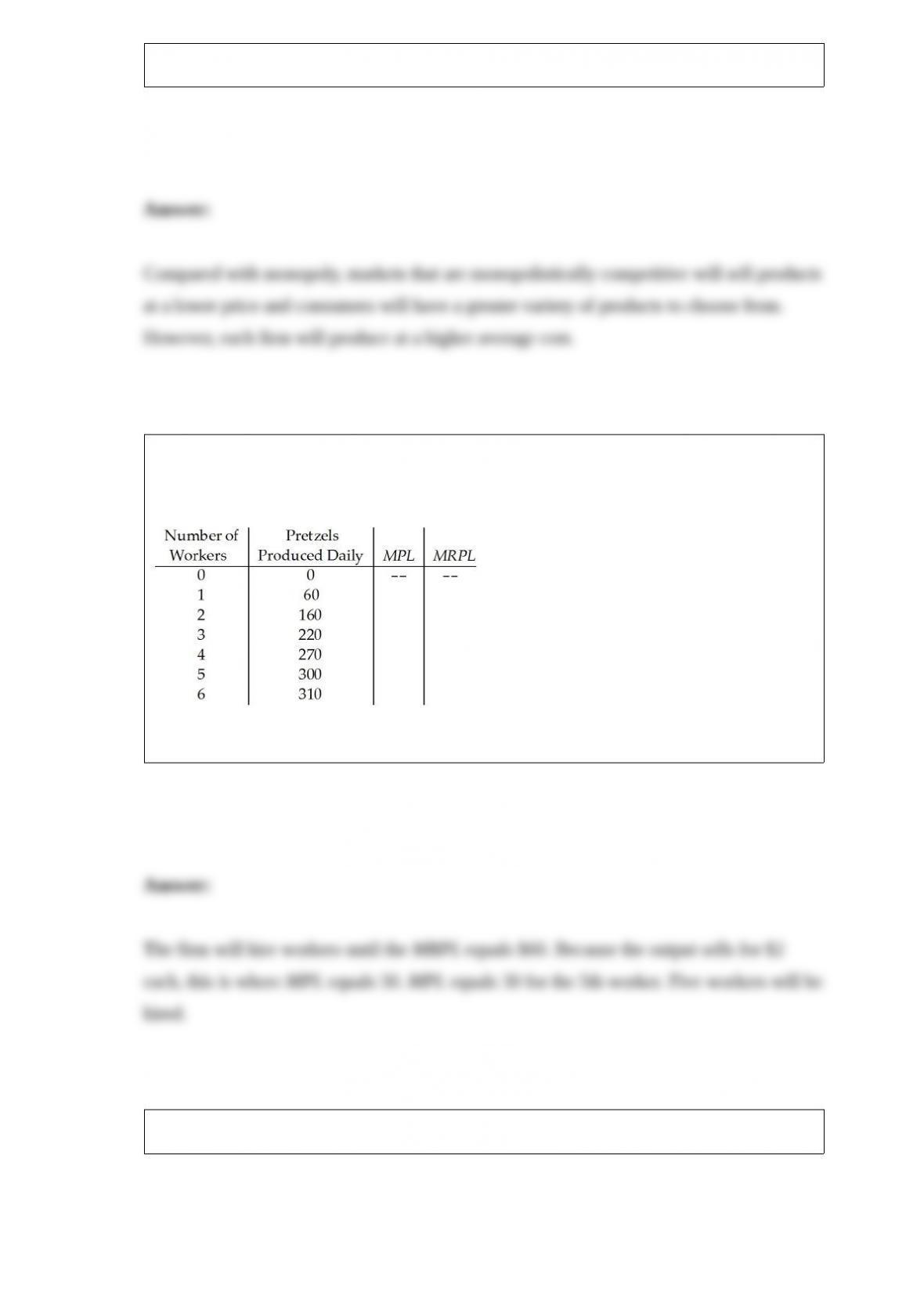
A soft pretzel shop can sell as many pretzels as it wishes at a price of $2. The
production information is shown in Table 17.6. If the shop must pay $60 per worker per
day, how many workers should be hired to maximize profit?
Table 17.6
Explain what economists mean when they refer to rent-seeking behavior.
What does Temporary Aid to Needy Families provide to recipients?