An entry barrier exists when firms in an industry charge the lowest price possible for
their products.
If Gladys sells her 1998 Jeep Cherokee for $3,500 in 2013, the sale of her car
contributes $3,500 to 2013 GDP.
In the market for gasoline, an increase in the federal excise tax on gasoline would shift
the supply curve up.
The demand for heating oil in the short run is more elastic than the long-run demand for
heating oil.
If inflationary expectations are increasing, we would expect that the nominal interest
rate would also be increasing, holding all else constant.
One reason a country does not specialize completely in production is that not all goods
and services are traded internationally.
If there is pollution in producing a product, then the market equilibrium price is too
high and equilibrium quantity is too low.
The person or firm that pays a tax bears the burden of the tax.
If at a price of $10, a vendor sells 5 units of a product and at a price of $8, 6 units are
sold, then, using the midpoint formula, the demand for this good is inelastic.
The U.S. government would never approve a proposed merger between two firms that
could significantly increase the newly merged firm’s market power even if the
efficiency gains from the newly merged firm could make consumers better off.
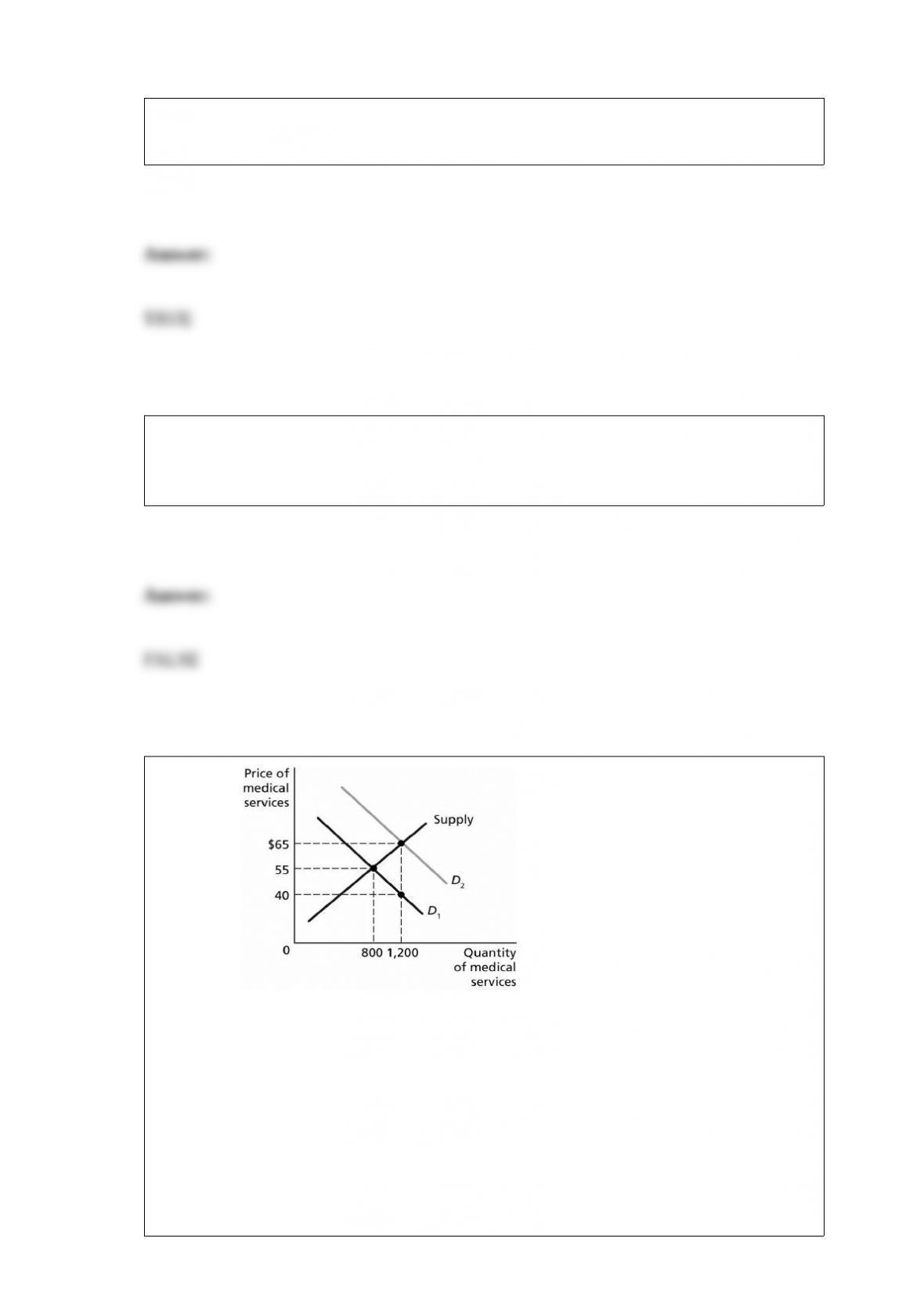
Figure 7-5 Figure 7-5 represents the market for
medical services with and without insurance, and the effect of a third-party payer
system on the demand for medical services. The efficient quantity of medical services is
A) 400.
B) 800.
C) 1,200.
D) >1,200.

In addition to requiring that CEO’s personally certify the accuracy of financial
statements, the Sarbanes-Oxley Act of 2002 also requires that
A) CEO’s conduct audits of their corporations themselves.
B) firms raise funds for expansion through the sale of bonds only, not stocks.
C) auditors disclose any potential conflicts of interest.
D) corporations issue financial statements monthly rather than quarterly.
Which of the following statements refers to rent seeking?
A) “Laws passed by the federal government often provide benefits for a small number
of individuals. These individuals, in turn, have an incentive to contribute to the
campaigns of politicians who pass these laws.”
B) “The federal government should spend more money on programs that help low
income citizens and less money on national defense.”
C) “The role of the federal government in the U.S. economy grew significantly after the
Great Depression. Government spending and taxes are a much greater proportion of
total income today than they were in 1929.”
D) “There is an opportunity cost whenever the federal government spends tax revenue.
For example, an additional $1 billion spent on national defense means there will be less
revenue for highway construction and maintenance or some other program.”

When a monopolistically competitive firm lowers it price one bad thing happens to the
firm. What is this “one bad thing” called?
A) the output effect
B) the income effect
C) the substitution effect
D) the price effect
Peet’s Coffee and Teas produces some flavorful varieties of Peet’s brand coffee. Is Peet’s
a monopoly?
A) Yes, there are no substitutes to Peet’s coffee.
B) No, although Peet’s coffee is a unique product, there are many different brands of
coffee that are very close substitutes.
C) Yes, Peet’s is the only supplier of Peet’s coffee in a market where there are high
barriers to entry.
D) No, Peet’s is not a monopoly because there are many branches of Peet’s.
The United States usually exports ________ goods than it imports and exports
________ services than it imports.
A) more; more
B) more; fewer
C) fewer; more
D) fewer; fewer
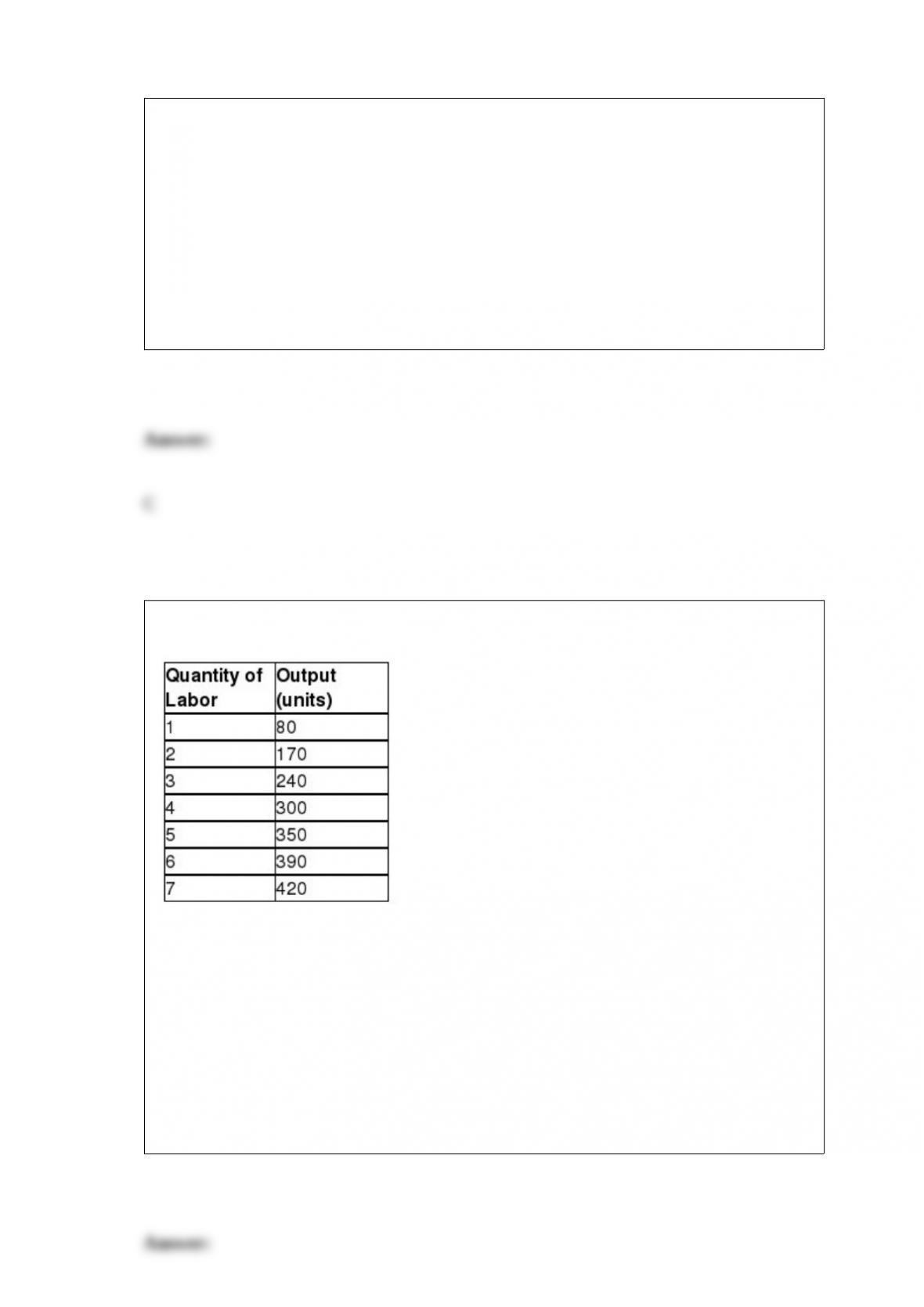
Table 17-1
The marginal product of the fourth unit of labor is
A) 300.
B) 75.
C) 60.
D) 15.
If the price of refillable butane lighters was to decrease, then
A) the demand for butane would decrease.
B) the demand for butane would increase.
C) the quantity of butane demanded would increase.
D) the quantity of butane demanded would decrease.
The underground economy can be described as
A) production of intermediate goods and services.
B) economic production that includes mining.
C) economic activity that is hidden from the government to avoid taxes or because the
activity is illegal.
D) production of infrastructure that spurs growth in the rest of the economy.
Table 2-5
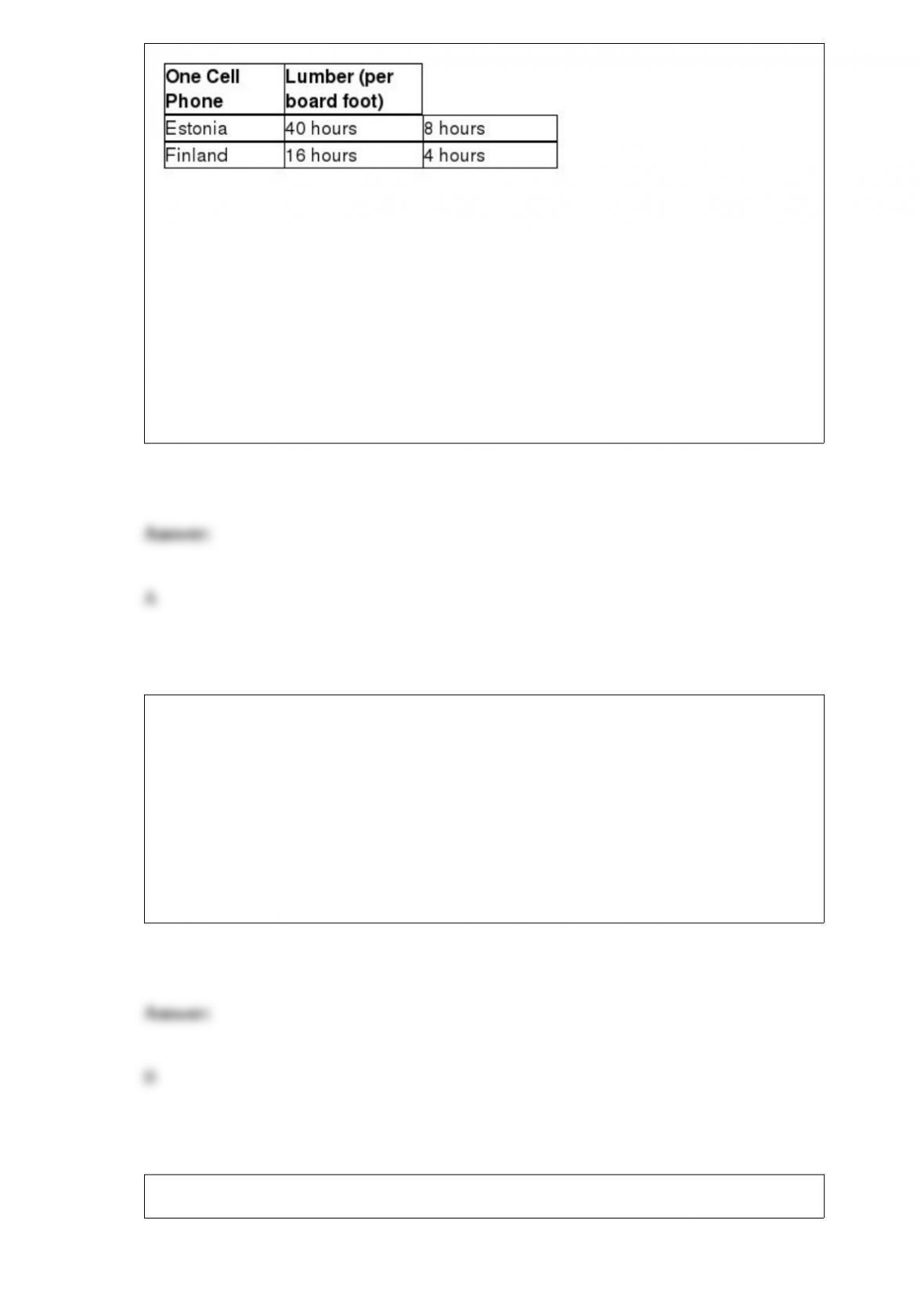
Table 2-5 shows the number of labor hours required to produce a cell phone and a board
foot of lumber in Estonia and Finland. What is Estonia’s opportunity cost of producing
one board foot of lumber?
A) 0.2 cell phones
B) 5 cell phones
C) 8 cell phones
D) 32 cell phones
Government deficits tend to increase during
A) recessions and booms.
B) periods of war and recession.
C) periods of below- or above-average growth.
D) periods of increased financial uncertainty.
How do economic growth rates affect a nation’s standard of living?
Use the dynamic aggregate demand and aggregate supply model and start with Year 1 in
long-run macroeconomic equilibrium. For Year 2, graph aggregate demand, long-run
aggregate supply, and short-run aggregate supply such that the condition of the
economy will induce the Federal Reserve to conduct a contractionary monetary policy.
Briefly explain the condition of the economy and what the Federal Reserve is
attempting to do.
On November 7, 1996, the Distilled Spirits Council of the United States decided to end
its voluntary ban on television and radio liquor advertisement. The ban on hard liquor
advertising had been in effect since 1936 for radio and 1948 for television. Did the
lifting of this ban likely increase or decrease the profits of hard liquor companies?
Briefly explain.
What does the term “increasing marginal opportunity cost” mean? How are increasing
marginal opportunity costs represented on a bowed out production possibilities frontier?

What is dumping? Who benefits and who loses from dumping?