
The best number of workers for any employer to hire is that quantity in which:
a. the marginal revenue product equals the marginal factor cost.
b. the marginal revenue product exceeds the marginal factor cost.
c. total costs are minimized.
d. total revenue is maximized.
e. none of these
After the terrorist attacks on September 11, 2001, the United States began devoting
substantial resources toward the War on Terrorism, homeland security, and relief efforts.
As long as our resources were being used efficiently, the production possibilities curve
would suggest that:
a. we will have to give up the production of other goods that could have been produced
with these resources.
b. we will be able to produce the same amount of other goods as before.
c. the military spending will result in an outward shift in the production possibilities
curve but that the relief effort will result in an offsetting inward shift.
d. we will be unable to devote the resources necessary toward these efforts unless there
is an improvement in technology.
Exhibit 7-12 Cost schedule for producing pizza

By filling in the blanks in Exhibit 7-12, the AFC of 4 pizzas is shown to be equal to:
a. $10.
b. $9.50.
c. $19.50.
d. $40.
e. $78.
In a price leadership oligopoly model,
a. a cartel of leading firms determines price and industry output.
b. the industry in consortium with the government determines price and output.
c. one firm is the price leader and all other firms follow.
d. the firms abandon a profit-maximizing goal.
e. firms do not operate where MR = MC.

If a country has a comparative advantage in the production of all goods, it should:
a. specialize in the production of goods with the lowest opportunity cost.
b. specialize in the production of goods with the highest opportunity cost.
c. specialize in the production of goods with the absolute advantage.
d. specialize in the production of goods without the absolute advantage.
e. not specialize at all and produce all the goods itself.
An example of the command-and-control approach to environmental policy is:
a. placing a tax on freon to reduce its use and the corresponding CFC emissions (which
contribute to the ozone hole).
b. requiring car producers to install new air conditioners that do not use freon.
c. allowing coal producers to buy and sell permits to allow CFC emissions.
d. allowing individuals to sue freon producers if CFC emissions exceed a
government-set standard.
When the value of our goods exports is less than the value of our goods imports,
a. d and e.
b. the value of the dollar must fall.
c. there will be domestic unemployment.
d. there will be an unfavorable balance of trade.
e. foreign currency reserves must fall.
A shift of the U.S. demand curve for Mexican pesos to the left and a decrease in the
pesos price per dollar would likely result from:
a. an increase in the U.S. inflation rate relative to the rate in Mexico.
b. a change in U.S. consumers’ tastes away from Mexican products and toward products
made in South Korea, India, and Taiwan.
c. U.S. buyers perceiving that domestically-produced products are of a lower quality
than products made in Mexico.
d. all of these.
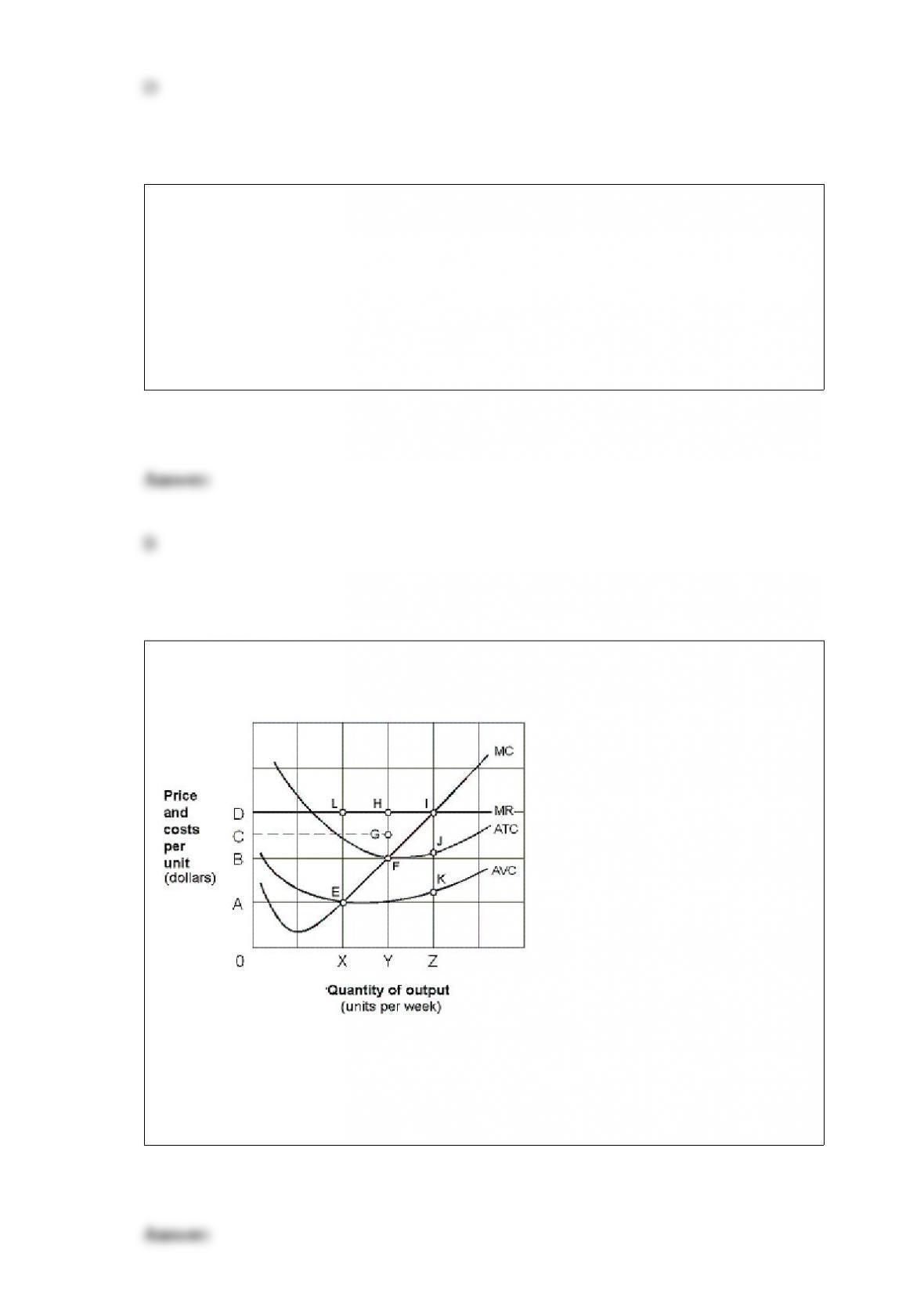
Exhibit 8-12 Marginal revenue and cost per unit curves
As shown in Exhibit 8-12, the firm’s supply curve is the:
a. entire marginal cost curve.
b. rising part of marginal cost beginning at E.
c. rising part of marginal cost beginning at F.
d. entire marginal revenue curve.
Assume the price of Levi jeans increases. As a result, you decrease the quantity of Levi
jeans purchased each month and purchase more Lee jeans. This is an example of the:
a. consumption effect.
b. utility effect.
c. income effect.
d. substitution effect.
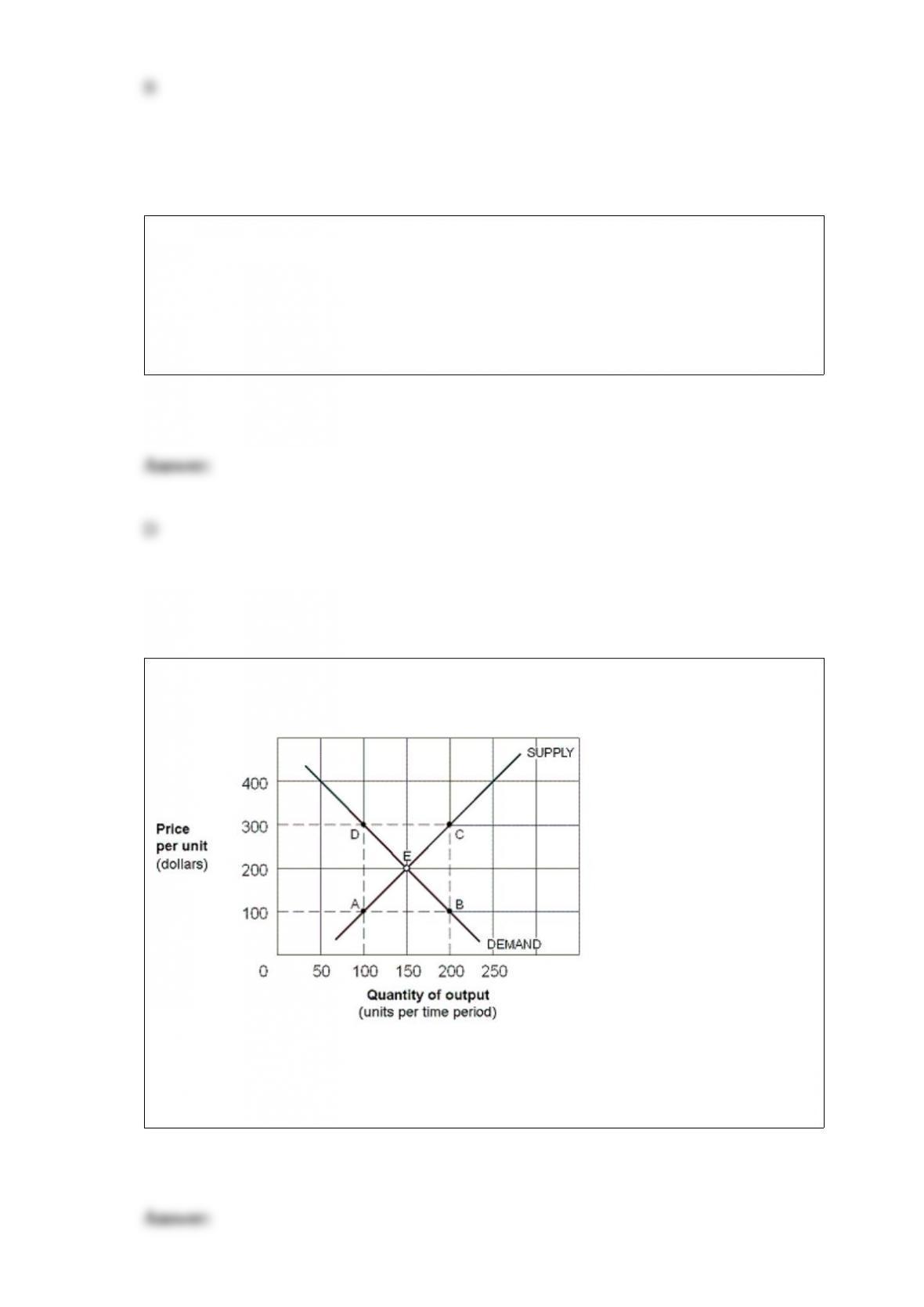
Exhibit 5-9 Supply and demand curves for good X
As shown in Exhibit 5-9, assuming good X is an inferior good, an increase in consumer
income, other factors held constant, could move the equilibrium from point E to point:
a. A. c. C.
b. B. d. D.

Along the elastic range of a demand curve, a price change causes:
a. a change in total revenue in the opposite direction.
b. a change in total revenue in the same direction.
c. no change in total revenue.
d. an unpredictable change in the total revenue.
In the long run, a monopolistically competitive firm will set price:
a. at the intersection of the marginal cost and demand curves.
b. at the intersection of the average total cost and demand curves.
c. higher than the competitive level, but lower than the monopoly price.
d. higher than the marginal cost, but lower than average total cost.
Under a rule of reason approach, which of the following would be legal in the United
States?
a. The merger of two small companies in an unconcentrated market.
b. Price fixing between IBM and Compaq.

c. The merger between Ford and General Motors.
d. Kellogg’s and General Mills collude to drive Quaker Oats out of the business.
e. Exxon Oil and Mobil Oil elect the same person to their boards of directors.
If input prices for a perfectly competitive industry remain constant as the output of the
industry expands in the long run, the industry supply curve will:
a. have a positive slope.
b. have a negative slope.
c. be perfectly horizontal.
d. be perfectly vertical.
Which of the following would be most likely to encourage capital formation in a
less-developed country?
a. The expectation of sustained high inflation.
b. The expectation that property rights will be highly secure in the years ahead.
c. The imposition of high tariffs and other restraints limiting imports.
d. Higher personal and corporate tax rates.
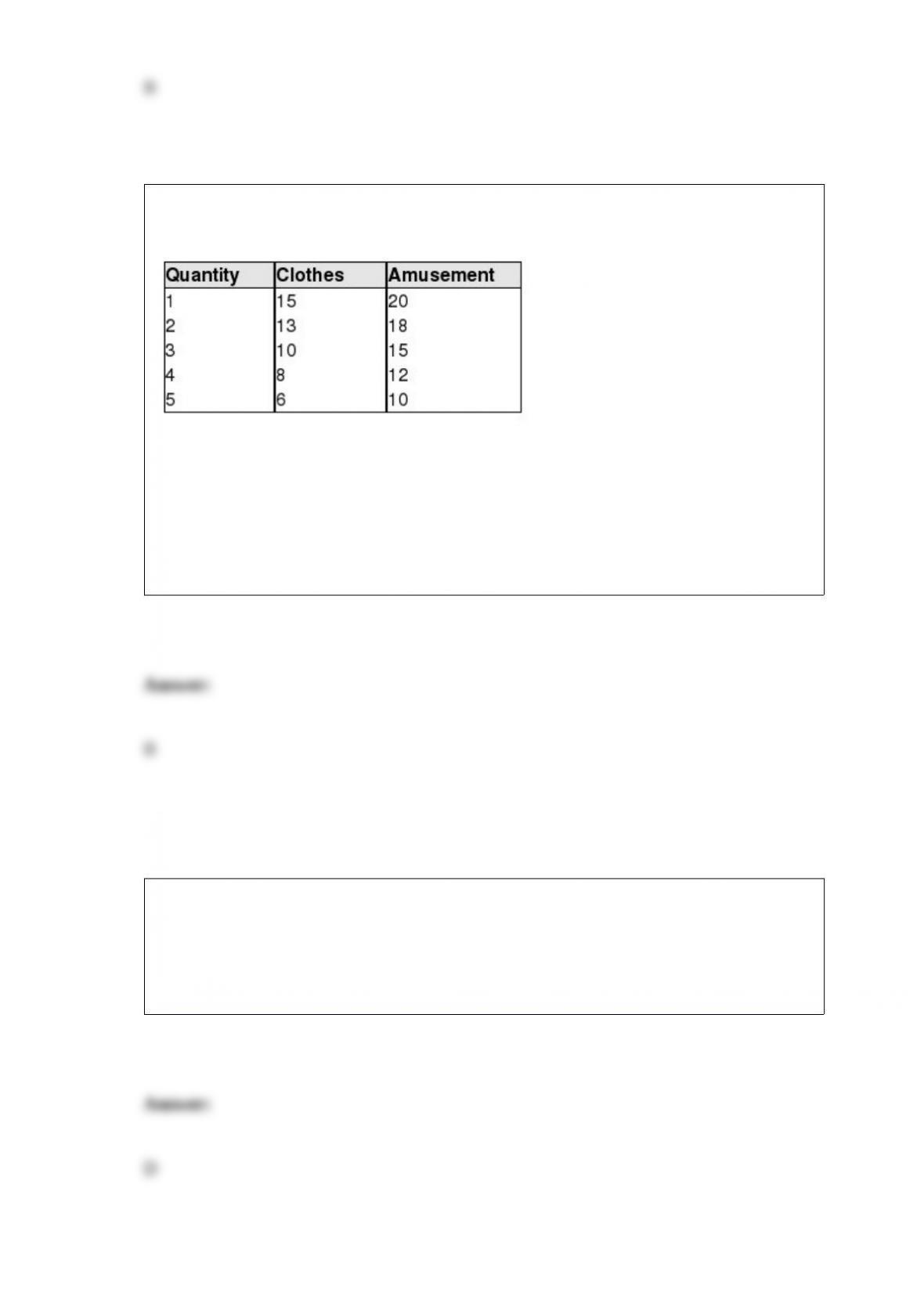
Exhibit 6-6 Marginal utility for data for clothes and amusement
Refer to Exhibit 6-6. Your budget is $50. The price of amusement goods is $10. If the
price of clothes falls to $4, which of the following statements is true?
a. The marginal-utility-to-price ratio for clothes will decrease.
b. The marginal-utility-to-price ratio for clothes will increase.
c. The quantity demanded of clothes will decrease.
d. Both b and c are true.
e. The quantity demanded for amusement goods will remain constant.
If a firm’s use of labor obeys the law of diminishing returns, then:
a. it does not have enough time to hire or fire workers.
b. doubling the number of workers causes the firm’s output to also double.
c. its marginal costs must be falling.
d. hiring additional workers adds less and less additional output.

Suppose there are 100 consumers with identical individual demand curves. When the
price of a movie ticket is $8, the quantity demanded for each person is 5. When the
price is $4, the quantity demanded for each person is 9. Assuming the law of demand
holds, which of the following choices is the most likely quantity demanded in the
market when the price is $6?
a. 700
b. 1,200
c. 400
d. 1,000
e. 100
Which of the following would be expected if the tariff on foreign-produced shoes were
decreased?
a. The domestic price of shoes would fall.
b. The supply of foreign shoes to the domestic market would decline, causing shoe
prices to rise.
c. The number of unemployed workers in the domestic shoe industry would decline.
d. The demand for foreign-produced shoes would decrease, causing the price of shoes
to increase in other nations.
Assuming compact discs and cassettes are substitute goods, a decrease in the price of
cassettes will cause the demand curve for compact discs to:
a. shift to the left as consumers switch from buying discs to cassettes.
b. shift to the right as consumers switch from buying discs to cassettes.
c. shift to the left as producers increase cassette production and reduce disc production.
d. remain unchanged since discs and cassettes are sold in separate markets.

Which of the following would cause the demand for labor to change?
a. c and e.
b. A change in the cost of living.
c. Changes in the wage rate.
d. Movements along the labor demand curve.
e. A change in the price of the good produced.