
A limit on the quantity of a good that may be imported in a given time period is called:
a. an embargo. c. a quota.
b. a tariff. d. dumping.
The law of demand indicates that as the price of a good increases:
a. suppliers sell less of it. c. buyers buy less of it.
b. suppliers sell more of it. d. buyers buy more of it.
Under the original Clayton Act, which of the following was not illegal?
a. Charging different prices for the same product.
b. Exclusive dealer agreements.
c. The purchase of the stock of a rival firm that lessens competition.
d. The purchase of the assets of a rival firm that lessens competition.

A weak U.S. dollar is one that has:
a. c and e.
b. d and e.
c. depreciated.
d. appreciated.
e. helped U.S. exporters.
The situation in which the marginal product of labor is greater than zero and declining
as more labor is hired is called the law of:
a. negative response.
b. inverse return to labor.
c. diminishing returns.
d. demand.
Exhibit 8-17 Marginal revenue and cost per unit curves
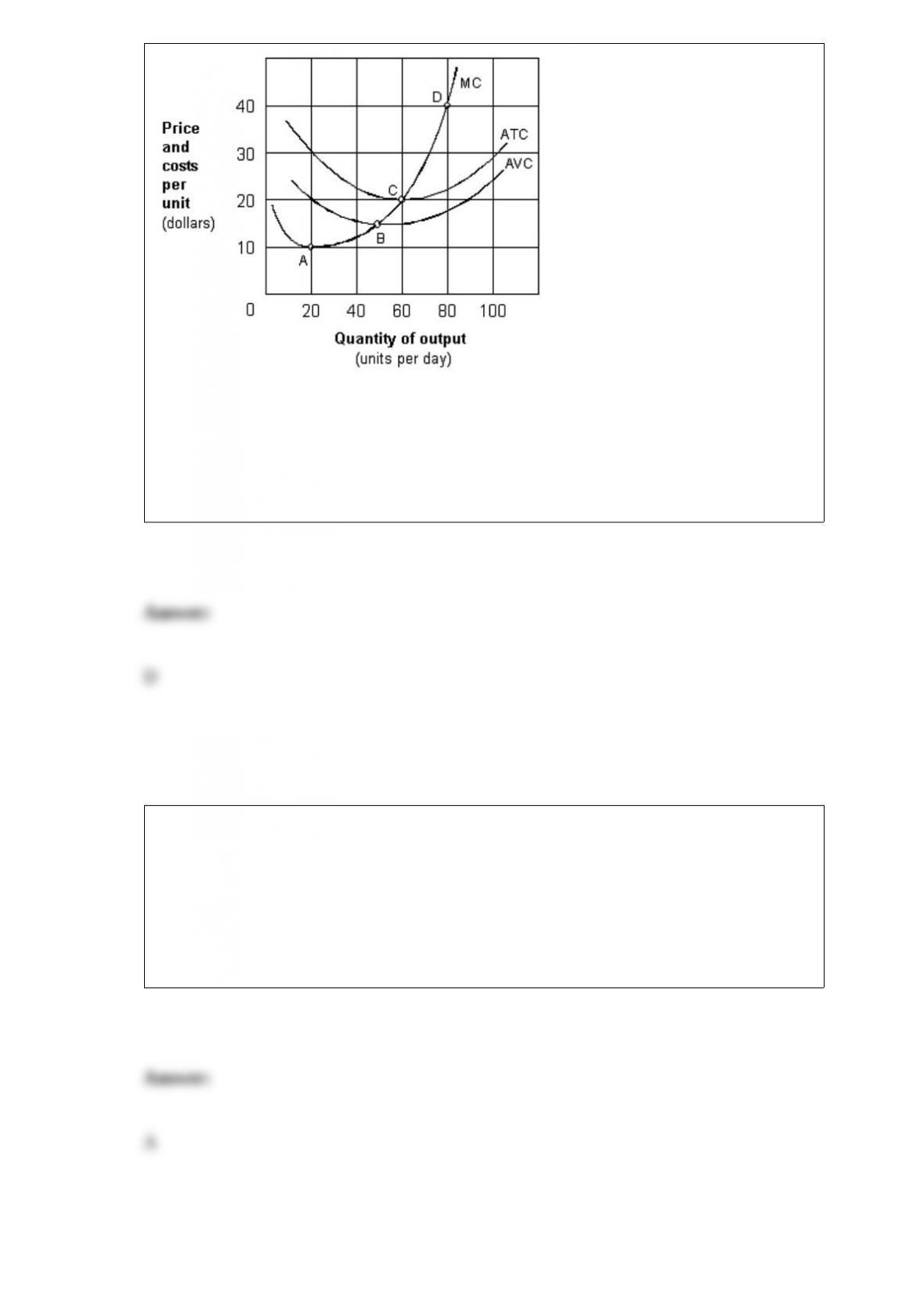
As shown in Exhibit 8-17, if the product price is either $10, $15, $20, or $40, the firm’s
economic profit is maximum at an output of:
a. 20 units per day.
b. 40 units per day.
c. 60 units per day.
d. 80 units per day.
Which of the following would not cause market demand for a normal good to decline?
a. An increase in the price of a substitute.
b. An increase in the price of a complement.
c. A decline in consumer income.
d. Consumer expectations that the good will go on sale in the near future.
e. An announcement by the Surgeon General that the product contributes to premature
death.
Which of the following is not one of the four anti-competitive activities outlined in the
Clayton Act?
a. Price discrimination.
b. Exclusive buyer/seller contracts.
c. Buying a competitor’s voting stock.
d. Buying a competitor’s plants and equipment.
e. Interlocking boards of directors.
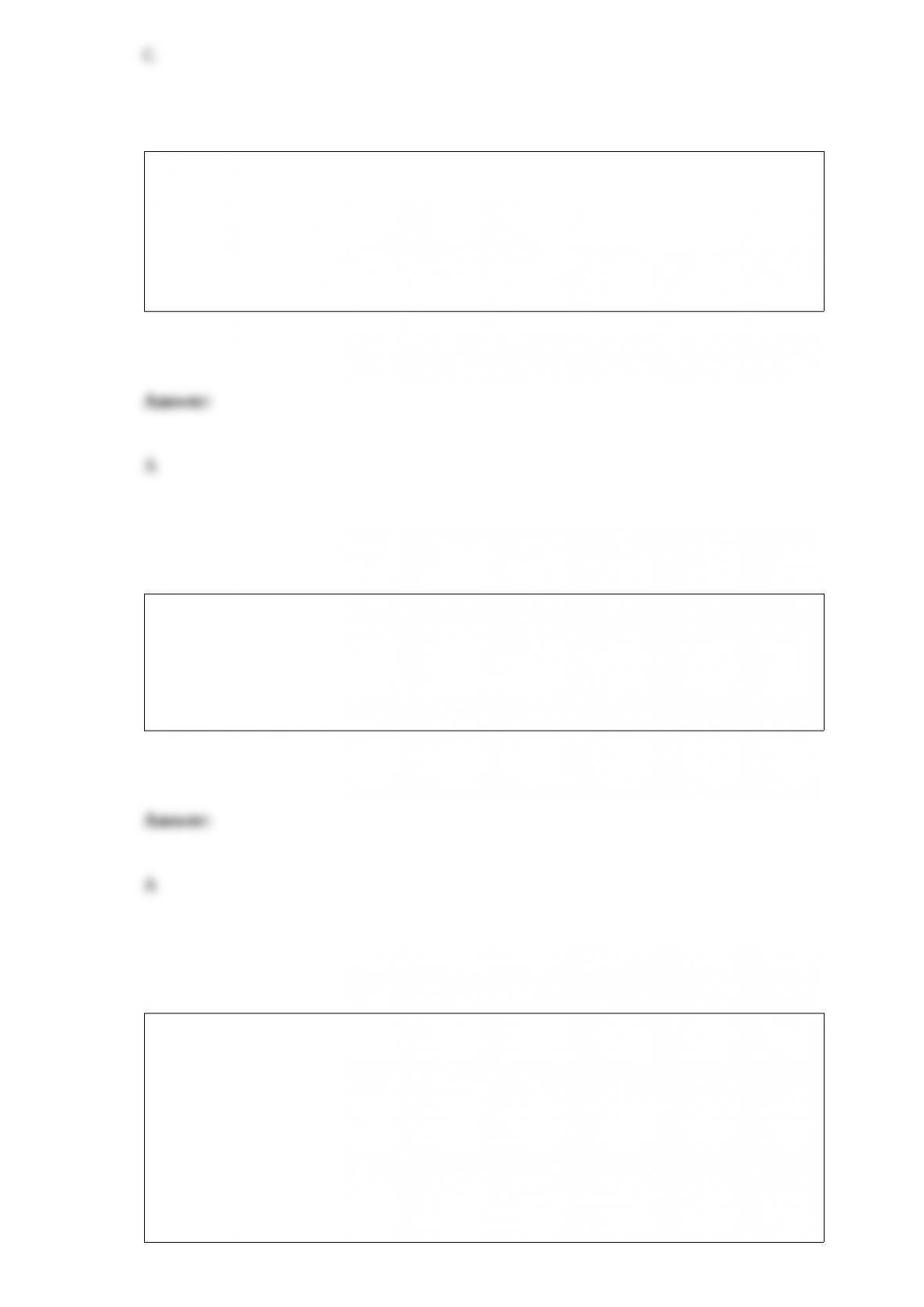
Exhibit 14-3 Impact of flights on house value
Each time Orville flies over Wilber’s house, the noise reduces the value of Wilbur’s
house. The table shows the profits to Orville of each flight, and the value of Wilbur’s
house.
As shown in Exhibit 14-3, at the socially efficient number of flights, what will be the
market value of Orville’s house?
a. $100,000. c. $90,000.
b. $95,000. d. $85,000.
If utility is not maximized, then:
a. some change in consumption will increase satisfaction.
b. no change in consumption will increase utility.
c. only a change in income will increase utility.
d. only a change in price will increase utility.
e. the principle of diminishing marginal utility does not hold.
Which of the following is characteristic of a perfectly competitive market?
a. There is free entry into and exit from the market.
b. Individual firms can exert a perceptible influence on the market price.
c. The firms in the market produce differentiated products.
d. All of these are true.
A public good may be defined as any good or service that:
a. must be provided to citizens who are most able to benefit from it.
b. must be distributed to all citizens in equal shares.
c. excludes free riders.
d. none of these.

People in poor countries may have difficulties achieving economic growth because:
a. their production possibilities curves slope upward instead of downward.
b. they must cut back on current consumption to increase capital goods.
c. they have a solid consumption base already in place.
d. their resource bases are fully developed.
e. the law of increasing costs makes it hard to produce more goods.
A market consequence of a price floor program is that:
a. a shortage of the product will develop.
b. producers will stop supplying the product.
c. some rationing device must then be instituted.
d. a surplus of the product will develop.
e. there will be an excess demand for the product.

The theory of monopolistic competition predicts that in long-run equilibrium a
monopolistically competitive firm will:
a. produce at the level in which price equals long-run average cost.
b. operate at minimum long-run average cost.
c. overutilize its insufficient capacity.
d. none of these.
Which of the following statements best describe the price, output, and profit conditions
of monopoly?
a. Price will equal marginal cost at the profit-maximizing level of output and profits
will be positive in the long-run.
b. Price will always equal average variable cost in the short-run and either profits or
losses may result in the long run.
c. In the long-run, positive economic profit will be earned.
d. All of these are true.
When the curve that envelops the series of possible short-run average total cost curves
is horizontal, this means that there are:
a. economies of scale.
b. diseconomies of scale.
c. constant returns to scale.
d. diminishing returns.
e. some fixed factors of production.
If foreign exchange rates are determined by the interaction of supply and demand forces
for the various currencies, then the exchange rate is:
a. fixed.
b. government-determined.
c. set by the value of gold.
d. floating.
e. improper.
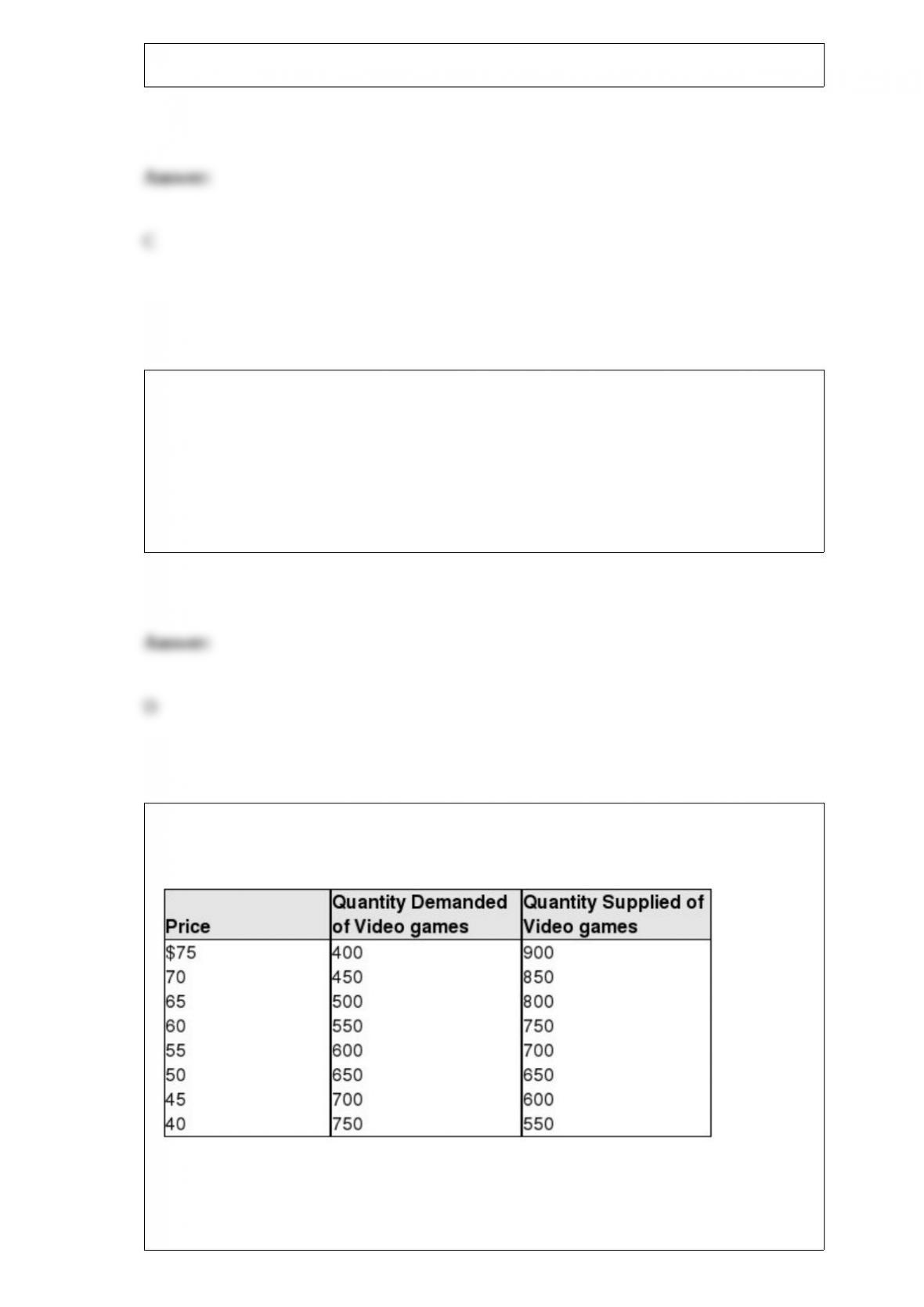
Exhibit 3-8 Demand and supply data for Video games
In Exhibit 3-8, if there is a shortage of video games of 200 units, the current price of
video games must be:

a. $60.
b. $55.
c. $50.
d. $45.
e. $40.
Economists say that a firm has a normal profit when:
a. it earns a return of at least 10 percent.
b. its accounting profit is positive.
c. it can pay all its variable costs.
d. its economic profit is zero.