1) a depreciation of the dollar refers to:
a.a fall in the dollar price of foreign currency
b.an increase in the dollar price of foreign currency
c.a loss of foreign-exchange reserves for the u.s.
d.an intervention in the international money market
2) the essence of the classical price-adjustment mechanism is embodied in the quantity
theory of money.
a.true
b.false
3) for the oil-importing countries, the increases in oil prices in 1973-1974 and
1979-1980 resulted in all of the following except:
a.balance of trade deficits
b.price inflation
c.constrained economic growth
d.improving terms of trade
4) an improvement in a nation’s terms of trade occurs if the prices of its exports rise
relative to the prices of its imports over a given time period.
a.true
b.false
5) a nation achieves autarky equilibrium at the point where its community indifference
curve is tangent to its production possibilities schedule.
a.true
b.false
6) in explaining balance-of-payments adjustments, the classical economists
a.focused on interest rates exclusively
b.remained aware of the role of interest rates
c.only focused their attention on short-term interest rates
d.paid exclusive attention to long-tem interest rates
7) because the balance of payments utilizes double-entry accounting, merchandise
exports will always be in balance with merchandise imports.
a.true
b.false
8) with a quota placed on imported sugar, increased domestic demand leads to increased
sugar imports but not to higher sugar prices.
a.true
b.false
9) changes in market expectations have their greatest impact on exchange-rate changes
over the long run as opposed to the short run.
a.true
b.false
10) as a way of helping u.s. business firms trade in the world market on a more equal
terms with their organized foreign competitors, the u.s. government permits them to
form export trade associations and export trading companies.
a.true
b.false
11) suppose the united states imposes trade sanctions (export quotas) on grain sold to
the russians. assuming other nations do not increase grain exports to the russians, all of
the following would occur except:
a.grain prices would rise in russia
b.consumer surplus would decrease for the russians
c.grain prices would rise in the united states
d.export revenues would decrease for u.s. producers
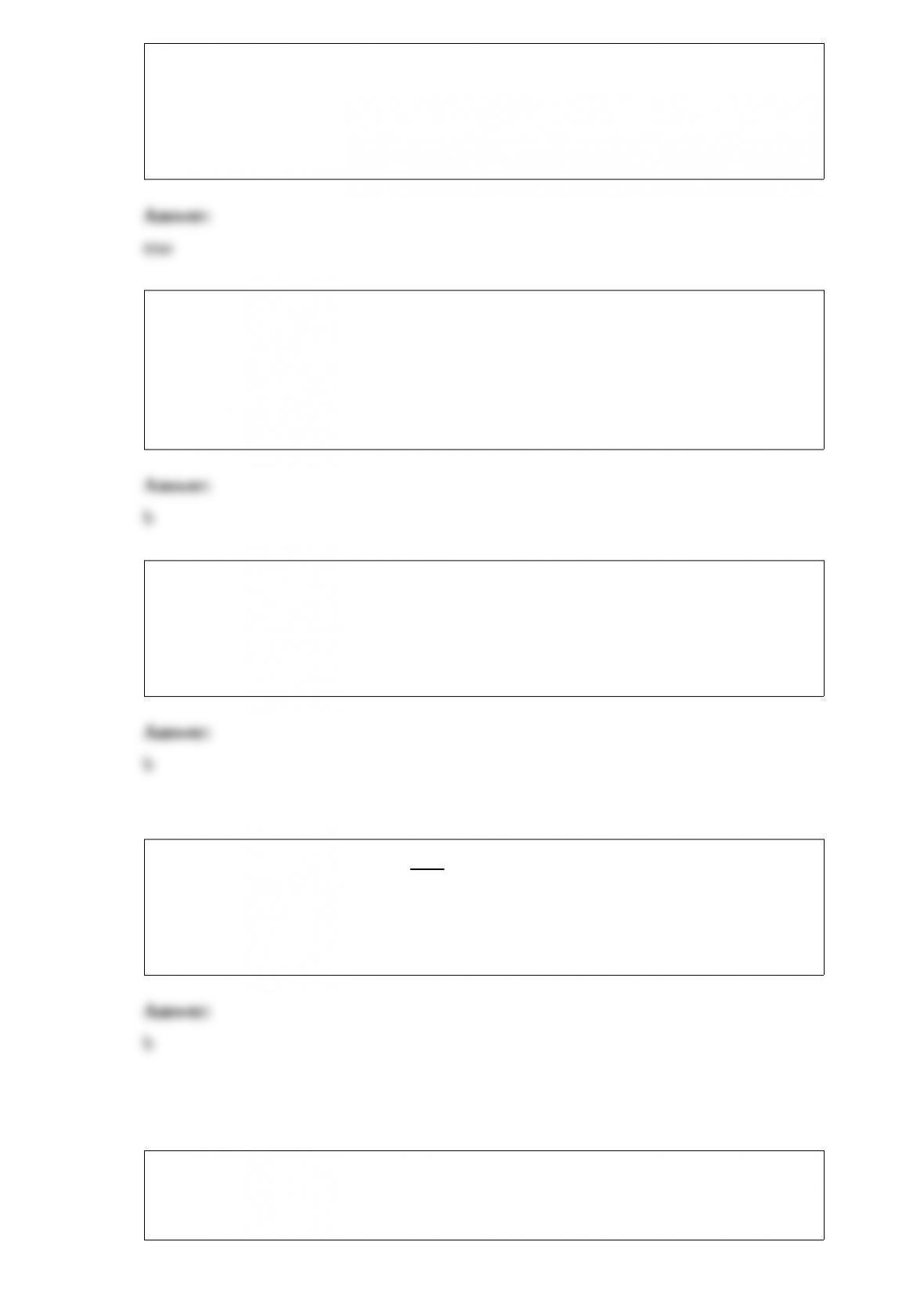
12) figure 6.3 represents the iraqi computer market. assume iraq purchases all of its
computers from the united states.
figure 6.3 iraqi computer market and economic sanctions
consider figure 6.3. in response to iraq’s armed invasion of neighboring countries,
suppose the united states imposes a partial embargo that limits exports to iraq to 10
computers. the export quota leads to an increase/decrease in the price of computers
equal to $____, and an increase/decrease in consumer surplus equal to $____.
a.increase, $2000, decrease, $40,000
b.increase, $4000, decrease, $60,000
c.decrease, $2000, increase, $40,000
d.decrease, $4000, increase, $60,000
13) a surplus on germany’s goods-and-services balance indicates that germany has sold
more goods and services to foreigners than it has bought from them over a one-year
period.
a.true
b.false
14) human rights activists contend that this organization supports governments that
permit sweatshops:
a.the international organization for standardization
b.the international monetary fund
c.the world health organization
d.all of these
15) following world war ii, the u.s.:
a.became less open
b.negotiated reductions in trade barriers with other countries
c.passed a number of protective tariffs
d.concentrated on armament production
16) which of the following would least likely apply to the product life cycle theory?
a.calculators and computers
b.coal and crude oil
c.home movie cameras
d.office machinery
17) the j-curve effect implies that in the short run a currency depreciation will result in a
balance of trade surplus for the home country. as time passes, however, the home
country’s balance of trade will move toward deficit.
a.true
b.false
18) if the exchange rate is $0.01 per yen in new york and $0.015 per yen in tokyo, an
arbitrager could profit by buying yen in tokyo and simultaneously sell them in new
york.
a.true
b.false