If the MPC = 0.75, the government spending multiplier would be
A) 0.25.
B) -7.5.
C) 4.
D) 25.
The depreciation of the dollar will make U.S. goods ________ to foreigners and make
imports ________ for U.S. residents.
A) more expensive; more expensive
B) cheaper; cheaper
C) more expensive; cheaper
D) cheaper; more expensive

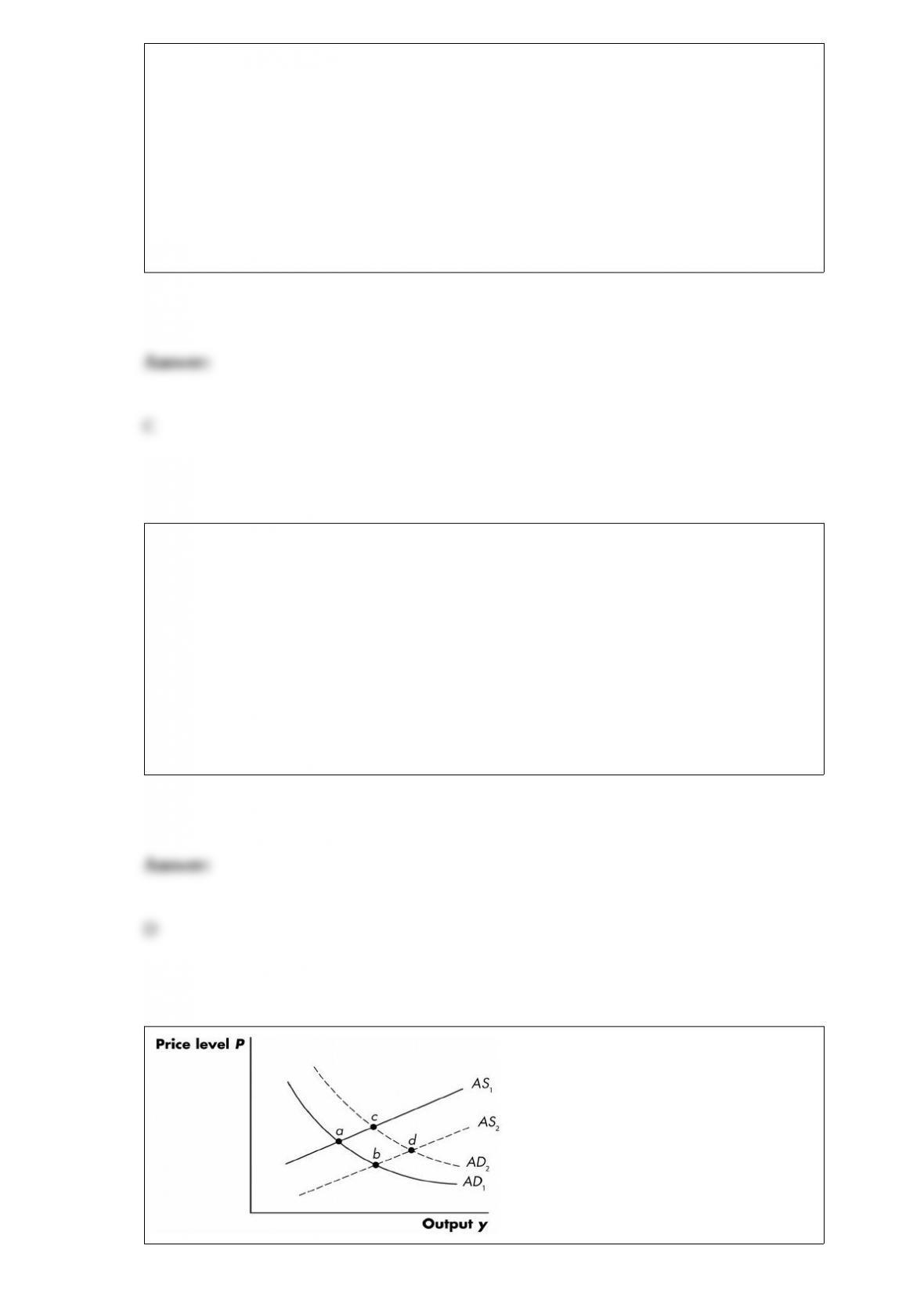
Figure 9.2 Refer to Figure 9.2. A movement from point d to point c could be caused by
a(n)
A) increase in government spending.
B) increase in the price of oil.
C) increase in taxes.
D) increase in short-run aggregate supply.
Recall the Application about the decline in honeybee colonies and its effect on the
price of ice cream to answer the following question(s). In the last few years
thousands of honeybee colonies have vanished, a result of bee colony collapse
disorder (CCD). Roughly one third of the U.S. food supply–including a wide
variety of fruits, vegetables, and nuts–depends on pollination from bees. The
decline of honeybees threatens $15 billion worth of crops in the United States.
According to this Application, the decline in honeybee colonies and its subsequent
effect on the ingredients used in the production of ice cream has ________ the
equilibrium price and ________ the equilibrium quantity of ice cream.
A) increased; increased
B) increased; decreased
C) decreased; increased
D) decreased; decreased
The sacrifices made by societies in order to engage in military spending represent

A) the nominal costs of military spending.
B) the real costs of military spending.
C) the opportunity costs of military spending.
D) the excessive costs of military spending.
The multiplier-accelerator model
A) suggests that a downturn in real GDP will lead to a sharp fall in investment, which
leads to further reductions in GDP through the multiplier.
B) links investment spending to stock prices.
C) emphasizes that current investment spending depends negatively on the expected
future growth of GDP.
D) emphasizes the role of real interest rates and taxes.
In the long run, increases in the money supply have no effect on the level of output
because prices and wages will
A) rise as GDP exceeds potential output, causing real interest rates to rise and output to
fall to its original level.
B) fall as GDP exceeds potential output, causing real interest rates to rise and output to
fall to its original level.

C) rise as GDP exceeds potential output, causing real interest rates to fall and output to
fall to its original level.
D) fall as GDP exceeds potential output, causing real interest rates to fall and output to
fall to its original level.
The relationship between the level of prices and the quantity of real GDP supplied is
known as
A) aggregate supply.
B) market supply.
C) aggregate demand.
D) market demand.
A U.S. boycott against Mexican tuna caught in nets was:
A) upheld by the WTO on the grounds that the use of nets to catch tuna also kills
dolphins.
B) upheld by the WTO on the grounds that nations can impose any environmental
standards on other nations.
C) not upheld by the WTO on the grounds that U.S. ships could still use nets to catch
tuna.
D) not upheld by the WTO on the grounds that killing dolphins in tuna nets does not
harm the U.S. directly.
Recall Application 3, “The Effectiveness of Committees,” to answer the following
questions:
According to the application, research by Alan Blinder showed that the actual process
of having meetings and discussions appears to have:
A) improved the overall performance of the committee.
B) improved the overall performance of the leader in the committee.
C) improved the performance individuals in the committee.
D) worsened the overall performance of the committee.

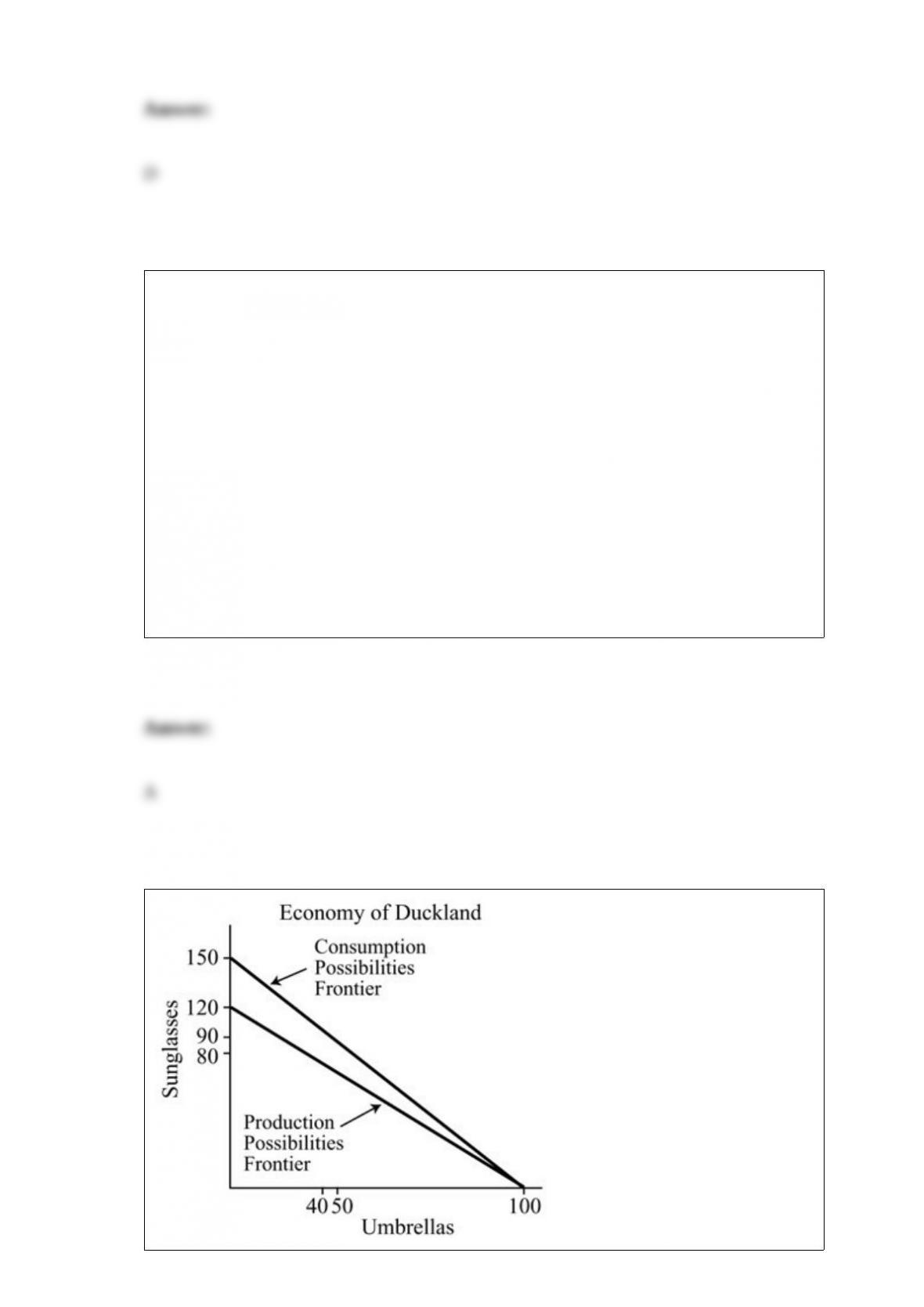
Figure 18.1 Refer to Figure 18.1. The opportunity cost of producing sunglasses in
Duckland is:
A) 6/5 umbrellas.
B) 2/3 umbrellas.
C) 5/6 umbrellas.
D) 3/2 umbrellas.
Joe runs a business and needs to decide how many hours to stay open. Figure 2.2
illustrates his marginal benefit of staying open for each additional hour. Suppose that
we observe Joe staying open 6 hours per day. If he is following the marginal principle,
what must his marginal cost per hour be?
A) $16
B) $24
C) $32

D) $48
Which of the following trade policies raises prices for domestic consumers?
A) import quotas
B) tariffs
C) voluntary export restraints
D) all of the above
The federal government ran a budget deficit of approximately ________ in fiscal year
2010.
A) $250 billion
B) $800 billion
C) $1.3 trillion
D) $14 trillion
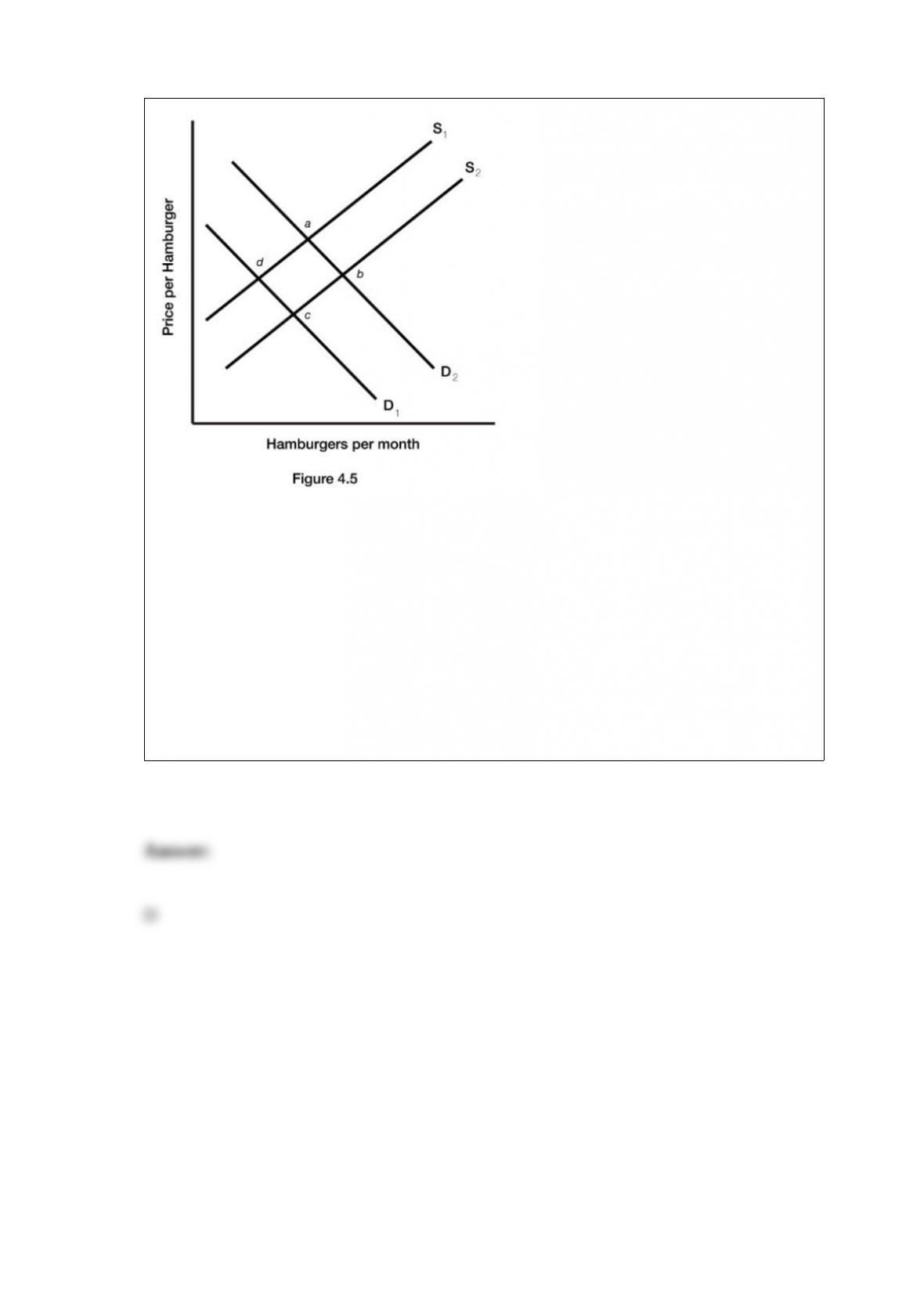
Figure 4.5 illustrates a set of supply and demand curves for hamburgers. A decrease in
supply and an increase in demand are represented by a movement from
A) point d to point c.
B) point c to point .
C) point to point d.
D) point c to point a.