
Which of the following is an example of a marginal question?
A) How much will my chances of finding a job improve if I raise my GPA from a C to a
C+ grade average?
B) What is the average cost of a college education?
C) How many students borrow money in order to attend college?
D) What is the average income of a college graduate?
According to the self-interest theory of government, limitations on taxes and spending
accounts are:
A) inessential precautions against politicians who focus on selfish behavior.
B) necessary safeguards against politicians who benefit from larger budgets.
C) the way all citizens can reap rewards from small interest groups.
D) the only way to balance the government’s budget.
If a private good generates external benefits:
A) the social benefit will be greater than the private benefit.
B) the social benefit will equal the private benefit.

C) the social benefit will equal the private benefit minus the external benefit.
D) the external benefit will equal the private benefit plus the social benefit.
When products are differentiated by location what kind of tradeoffs exist?
A) Firms that sell the same product at different locations have a monopoly in their
location and buyers pay a higher price.
B) the larger the numbers of firms that sell the same product at different locations, the
higher the level of variety
C) the smaller the numbers of firms that sell the same product at different locations, the
higher the average cost of production
D) the larger the numbers of firms that sell the same product at different locations, the
higher the average cost of production
Suppose that the price of macaroni drops. Quantity supplied will ________ and
producer surplus will ________.
A) increase; increase
B) increase; decrease
C) decrease; increase

D) decrease; decrease
The economic approach to air pollution is to:
A) use command and control.
B) internalizing the external cost with a pollution tax.
C) marketable pollution permits.
D) a subsidy for cars.
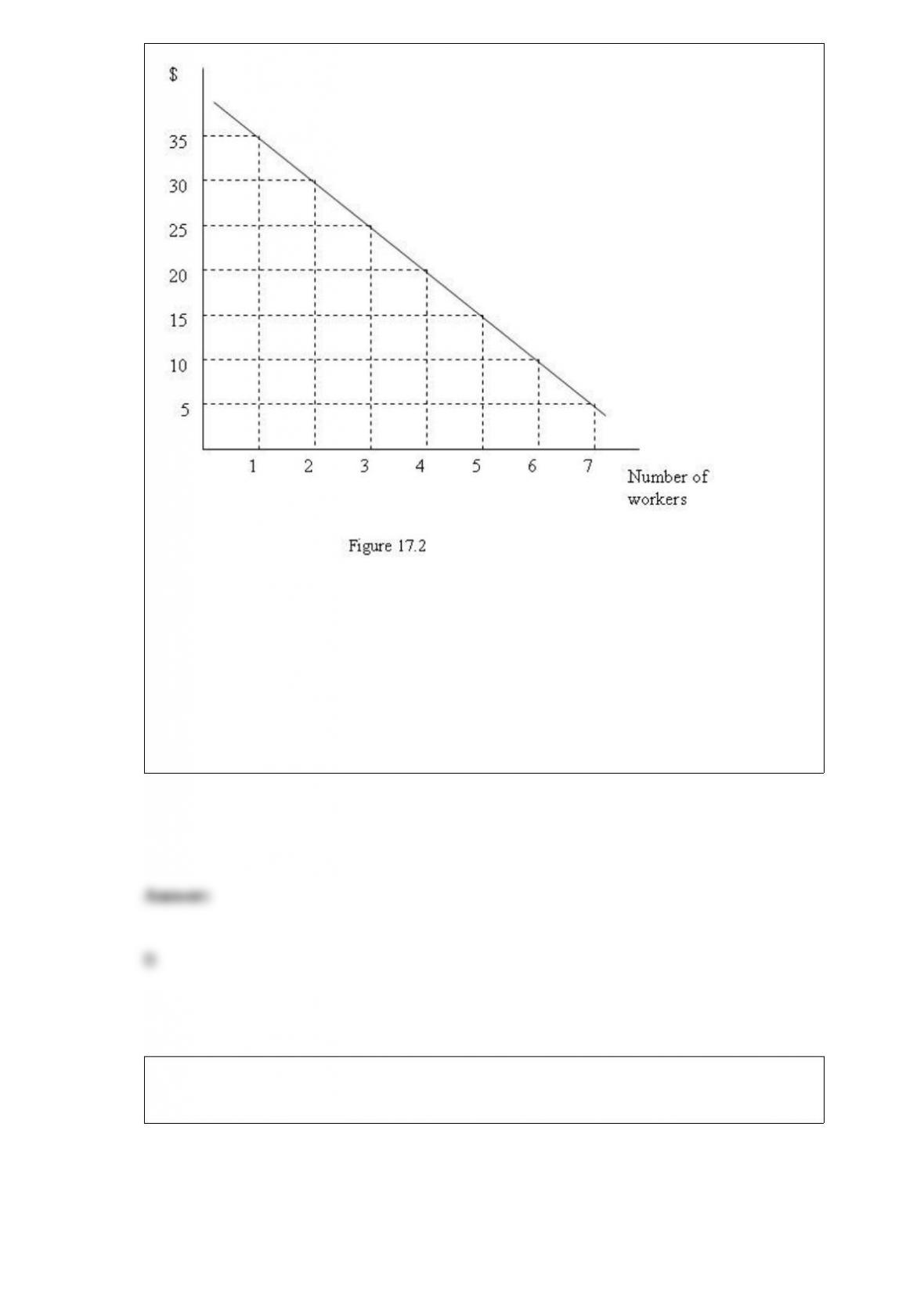
Figure 17.2 depicts a firm’s marginal revenue product curve. If the output price is $5,
what is the marginal product of the third worker?
A) four units of output
B) five units of output
C) six units of output
D) seven units of output
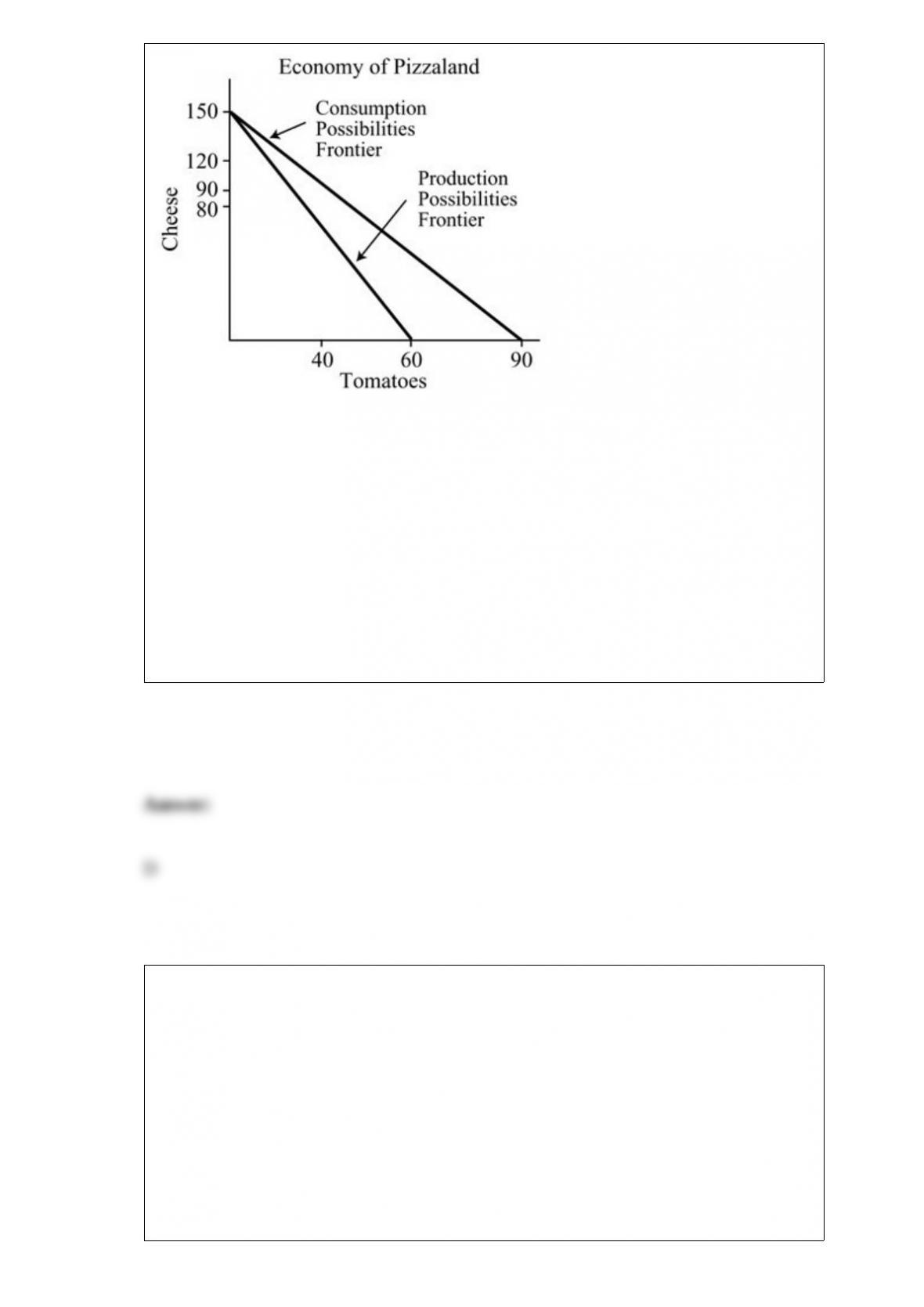
Figure 18.2
Refer to Figure 18.2. In autarky, the maximum amount of tomatoes that Pizzaland can
produce is:
A) 120.
B) 90.
C) 150.
D) 60.
A demand curve is defined as the relationship between:
A) the price of a good and the quantity of that good that consumers are willing to buy.
B) the price of a good and the quantity of that good that producers are willing to sell.
C) the income of consumers and the quantity of a good that consumers are willing to
buy.
D) the income of consumers and the quantity of a good that producers are willing to
sell.
Peaches and cream are complements. When the price of peaches falls, the equilibrium
quantity of cream will ________ and the equilibrium price of cream will ________.
A) rise; rise
B) rise; fall
C) fall; rise
D) fall; fall
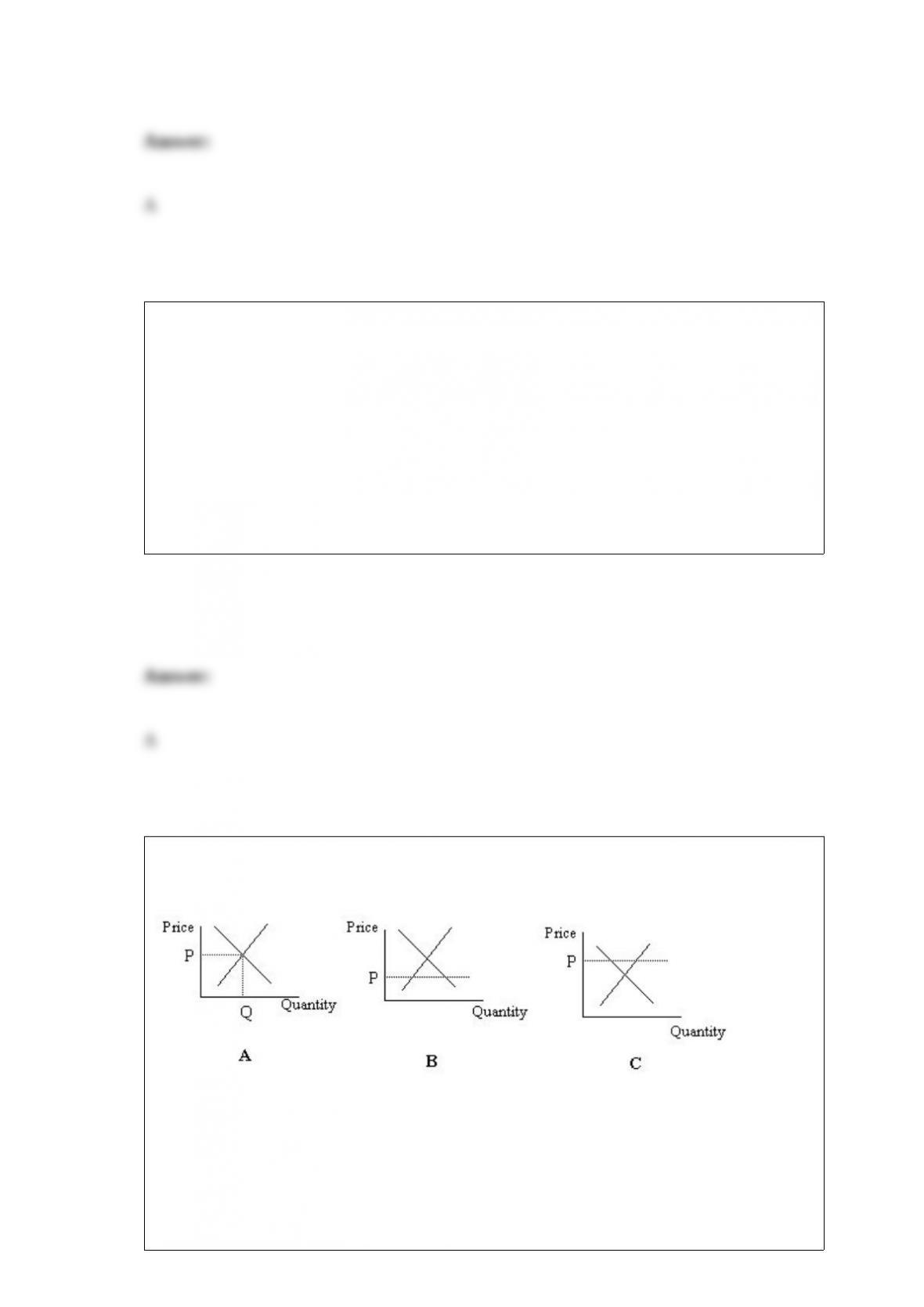
In Figure 4.2, which of the panels depicts a market in which there is an excess demand
for a product?
Figure 4.2
A) Panel A
B) Panel B
C) Panel C
D) None of the panels depicts a market in which there is an excess demand for a
product.
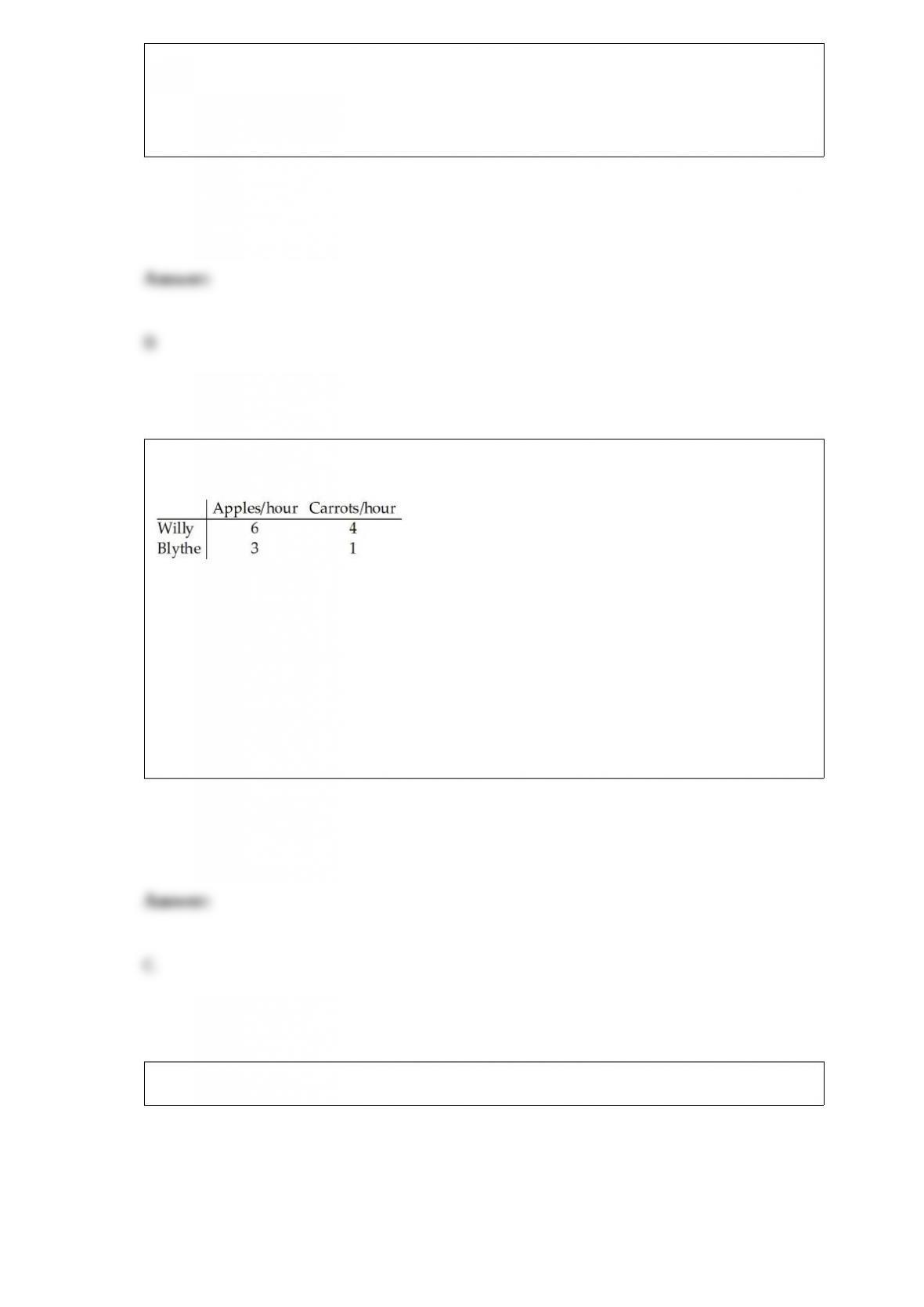
Table 3.1 illustrates Willy and Blythe’s hourly production for apples and carrots. From
the table, we can conclude that:
Table 3.1
A) Willy has an absolute advantage in producing apples but not carrots.
B) Willy has an absolute advantage in producing carrots but not apples.
C) Willy has an absolute advantage in producing both goods.
D) Willy does not have an absolute advantage in producing either good.
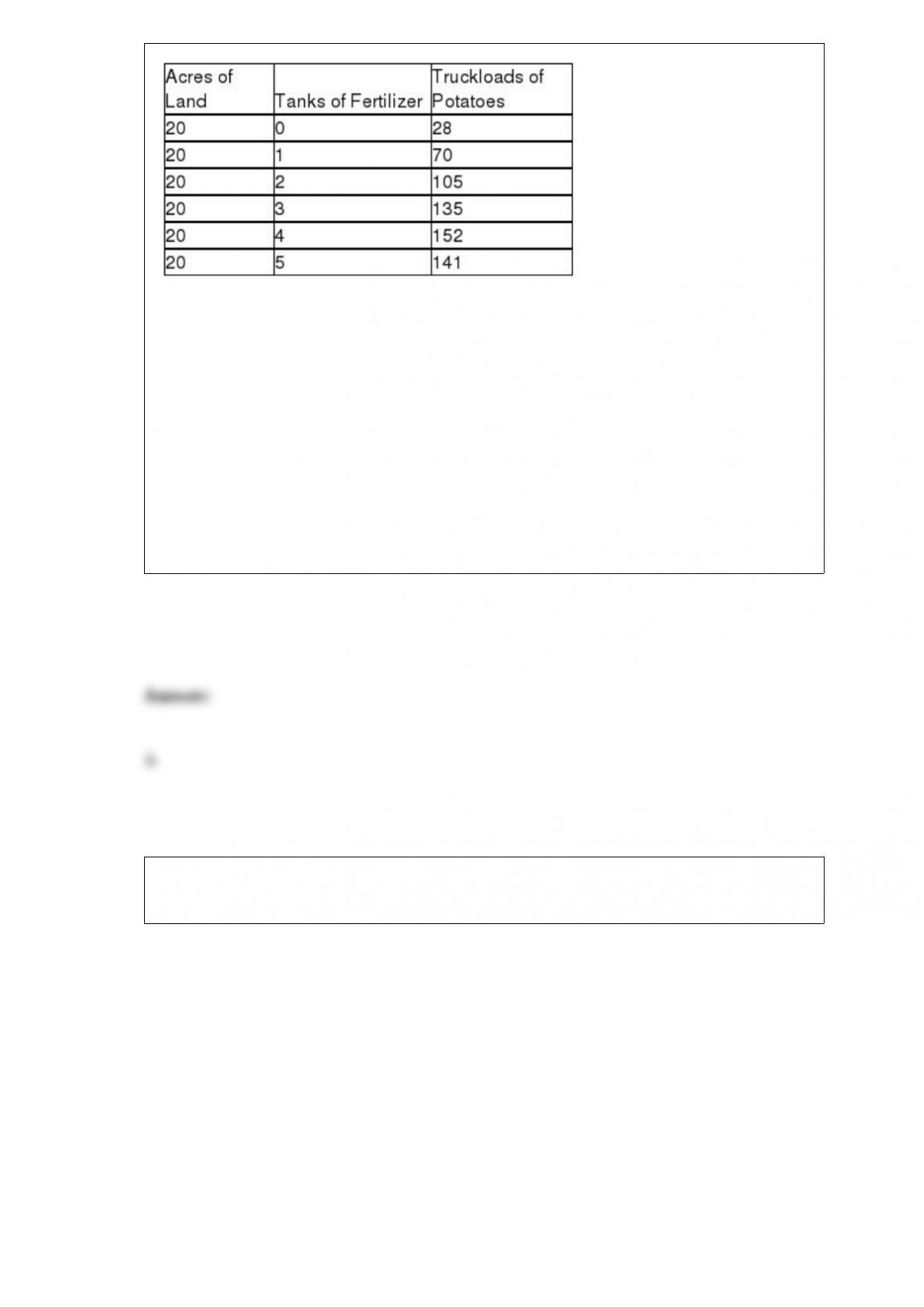
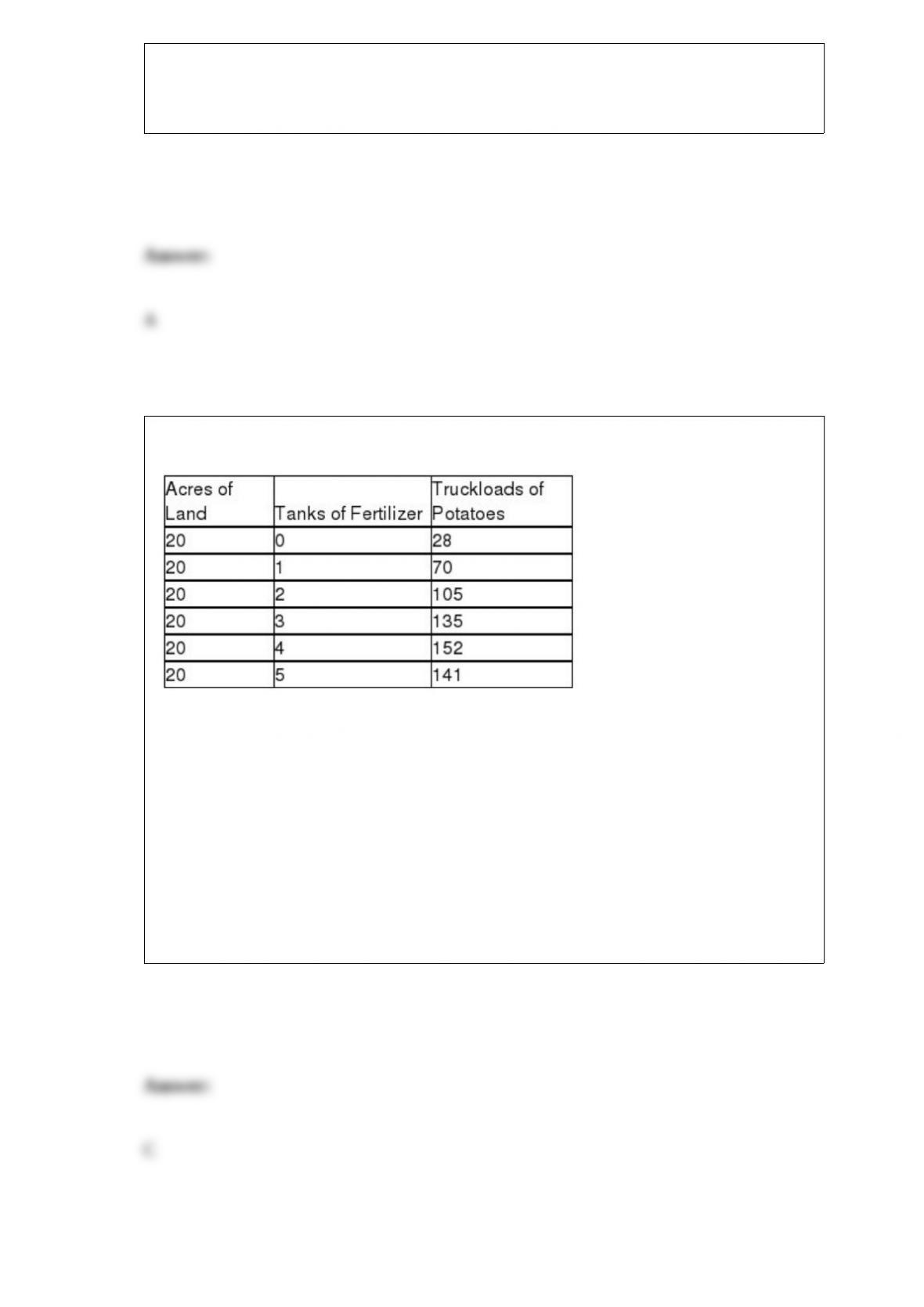
Table 2.4
The principle of diminishing returns sets in with the addition of the ________ tank of
fertilizer.
A) second
B) third
C) fourth
D) fifth
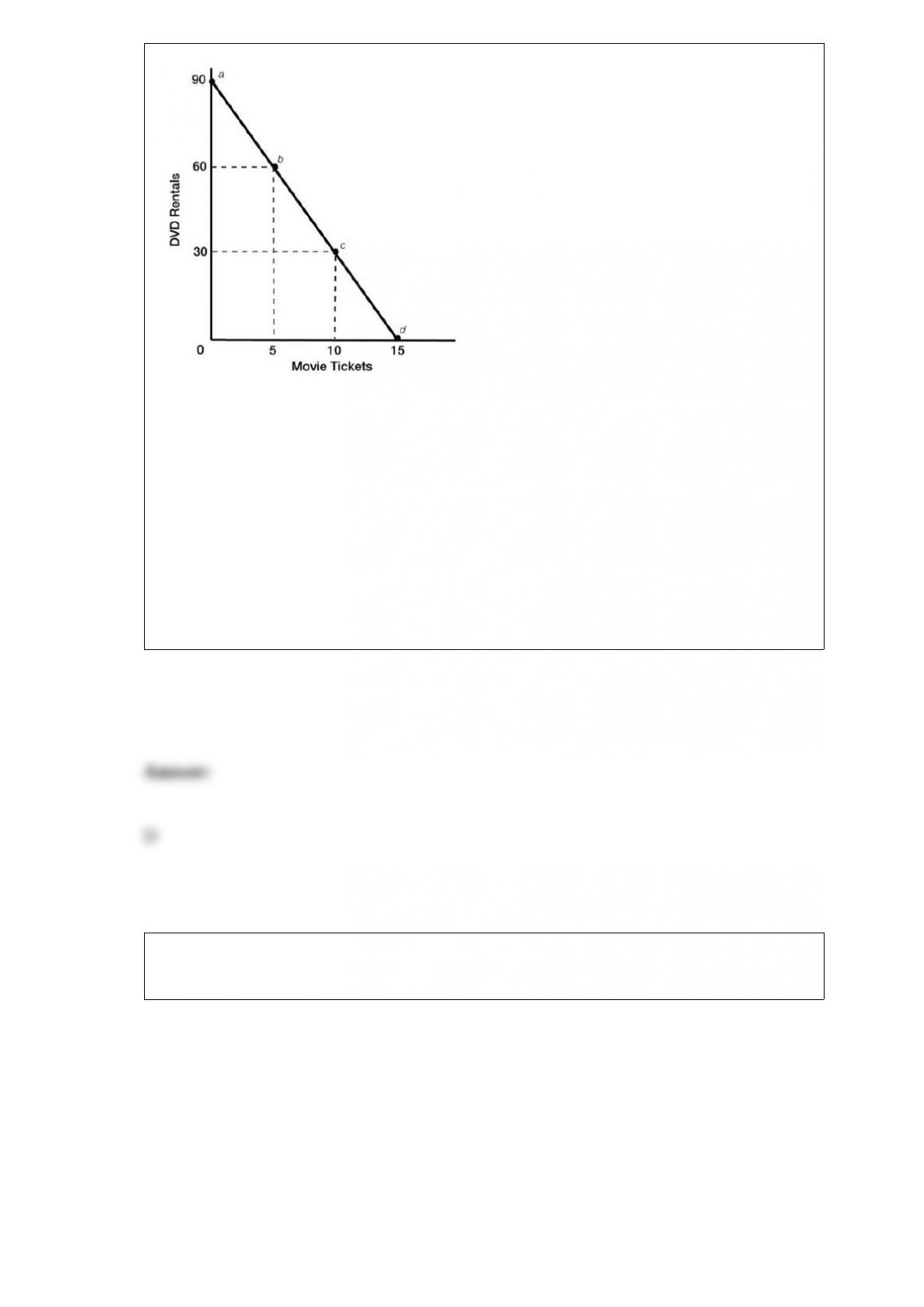
Figure 1A.2
If this consumer rents zero DVDs, how many movie tickets will she purchase?
A) 0
B) 5
C) 10
D) 15
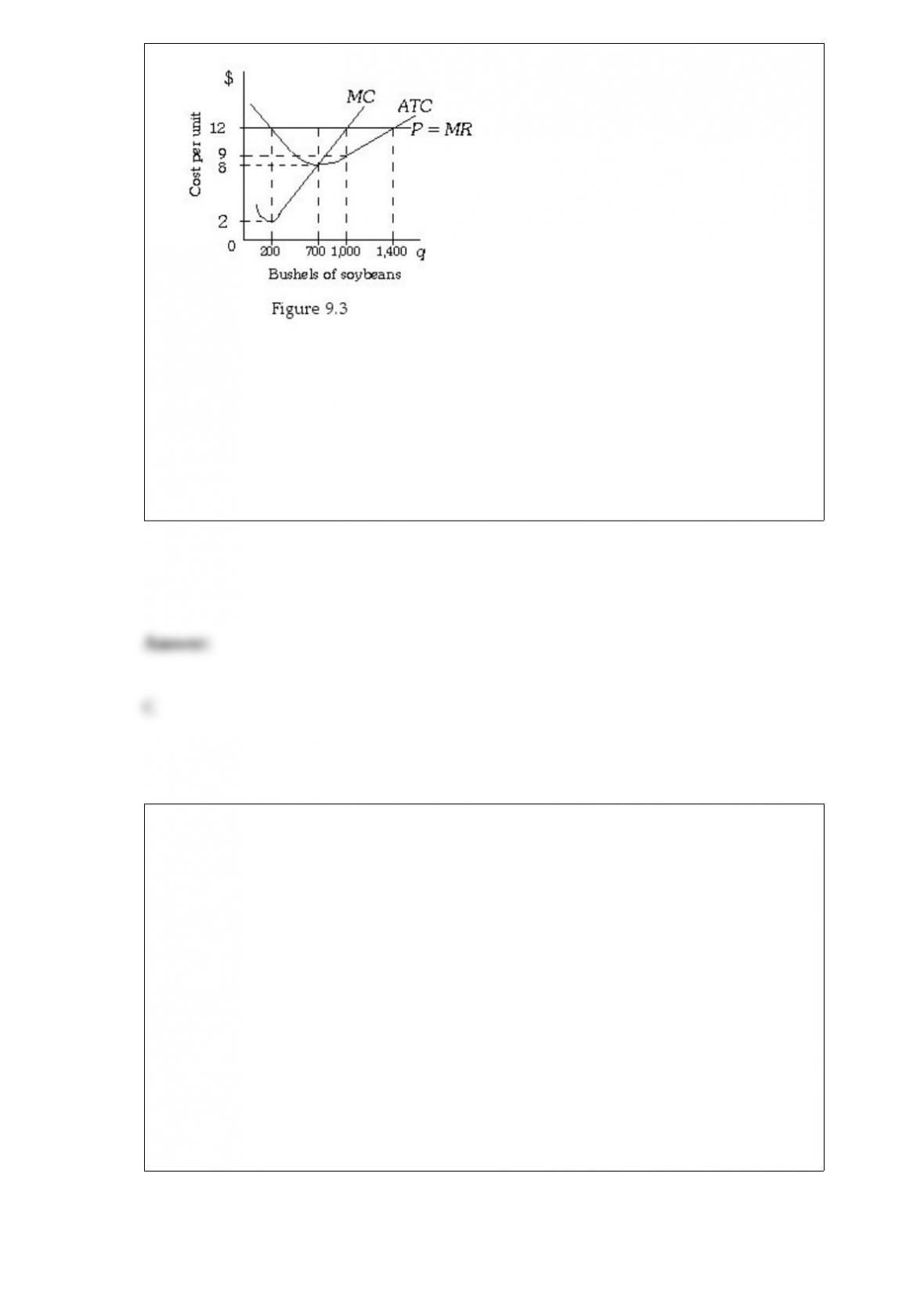
Refer to Figure 9.3. At the market price of $8 per bushel, if this farmer produces at the
profit-maximizing level of output, his total revenue would be:
A) $1,200.
B) $2,800.
C) $5,600.
D) $8,400.
Refer to Scenario 9.1. 21st Century Pen Inc. will earn positive economic profit as long
as price is:
Scenario 9.1: 21st Century Pen Inc. produces 2000 pens per day, and hires 20 workers
at a cost of $200 per day per worker. The price of each pen is $5 each. 21st Century Pen
Inc. pays a daily rental rate of $60 on its factory and a daily insurance rate of $20. 21st
Century Pen Inc. has a ten year lease on the factory and insurance contract for a year,
the company has no other expenses.
A) greater than average variable cost.
B) greater than average total cost.
C) greater than marginal cost.
D) greater than average fixed cost.

If the elasticity of demand for cigarettes by teenagers is 1.5, then the price and total
revenue from teens buying cigarettes are:
A) zero.
B) unrelated.
C) inversely related.
D) directly related.
Compare two markets. In one market, the HHI is 500, in the other market the HHI is
1,500. What must be true of these two markets?
A) The firms in the market in which the HHI is 1,500 have greater market power than
do the firms in the market in which the HHI is 500.
B) There are more firms in the market in which the HHI is 1,500 than in the market in
which the HHI is 500.
C) The firms in the market in which the HHI is 1,500 have less market power than do
the firms in the market in which the HHI is 500.
D) The market in which the HHI is 500 is, by definition, an oligopoly but the market in
which the HHI is 1,500 is not an oligopoly.

Recall the Application about how having car insurance affects driving behavior to
answer the following
question(s).
Recall the Application. The idea that an insured driver, who bears less than the full cost
of a collision, will drive less carefully than an uninsured driver is an example of:
A) asymmetric information.
B) adverse selection.
C) moral hazard.
D) a thin market.
Recall the application about how a private good, LoJack, generates external benefits as
well as private benefits. Who are the recipients of the external benefits generated by
LoJack?
A) the purchasers of the LoJack system
B) the producers of the LoJack system
C) the owners of cars that do not have the LoJack system
D) the insurance companies that offer discounts to LoJack purchasers
The relationship between the wage and the quantity of labor that all workers are willing
to provide is called:
A) individual labor demand.
B) market labor demand.
C) individual labor supply.
D) market labor supply.
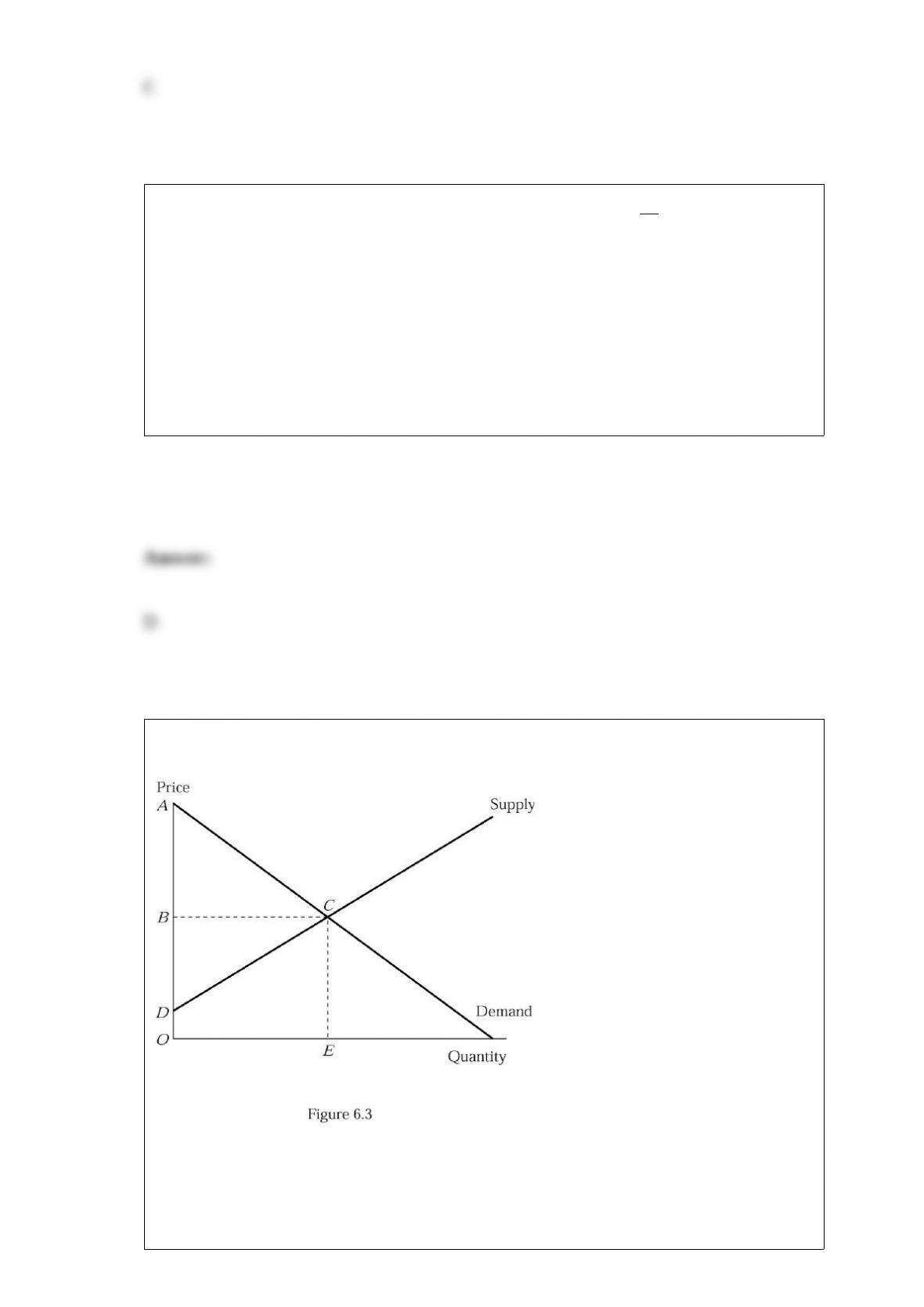
Refer to Figure 6.3. On this graph, area ABC is:
A) consumer surplus.
B) producer surplus.
C) total surplus.
D) total producer net benefit.
Table 2.4
Increasing the tanks of fertilizer from 3 to 4 will increase the truckloads of potatoes by:
A) 152.
B) 35.
C) 17.
D) 11.

The output effect of an increase in the wage comes about because higher wages:
A) increase production costs, and final good prices will rise, reducing the quantity
demanded of the product.
B) increase production costs, and final good prices will rise, increasing the quantity
demanded of the product.
C) make labor less expensive as an input, leading firms to switch to labor as an input.
D) make labor more expensive as an input, leading firms to switch to other inputs.
In the long run, the main reason that a monopolist can earn positive economic profits
while a perfectly competitive firm cannot is:
A) monopolists enjoy greater economies of scale.
B) there are no barriers to entry in a perfectly competitive market.
C) the monopolist faces an inelastic demand for its product.
D) perfectly competitive firms face greater opportunity costs.
Figure 15.2 depicts a one-mile stretch of beach with 100 swimmers distributed evenly
along the beach. There are two ice cream vendors – 1 and 2 – on the beach selling an
identical product. Assume that each swimmer buys only one ice cream cone and that
they prefer to buy ice cream from the nearer vendor. If vendor 1 is at A while vendor 2
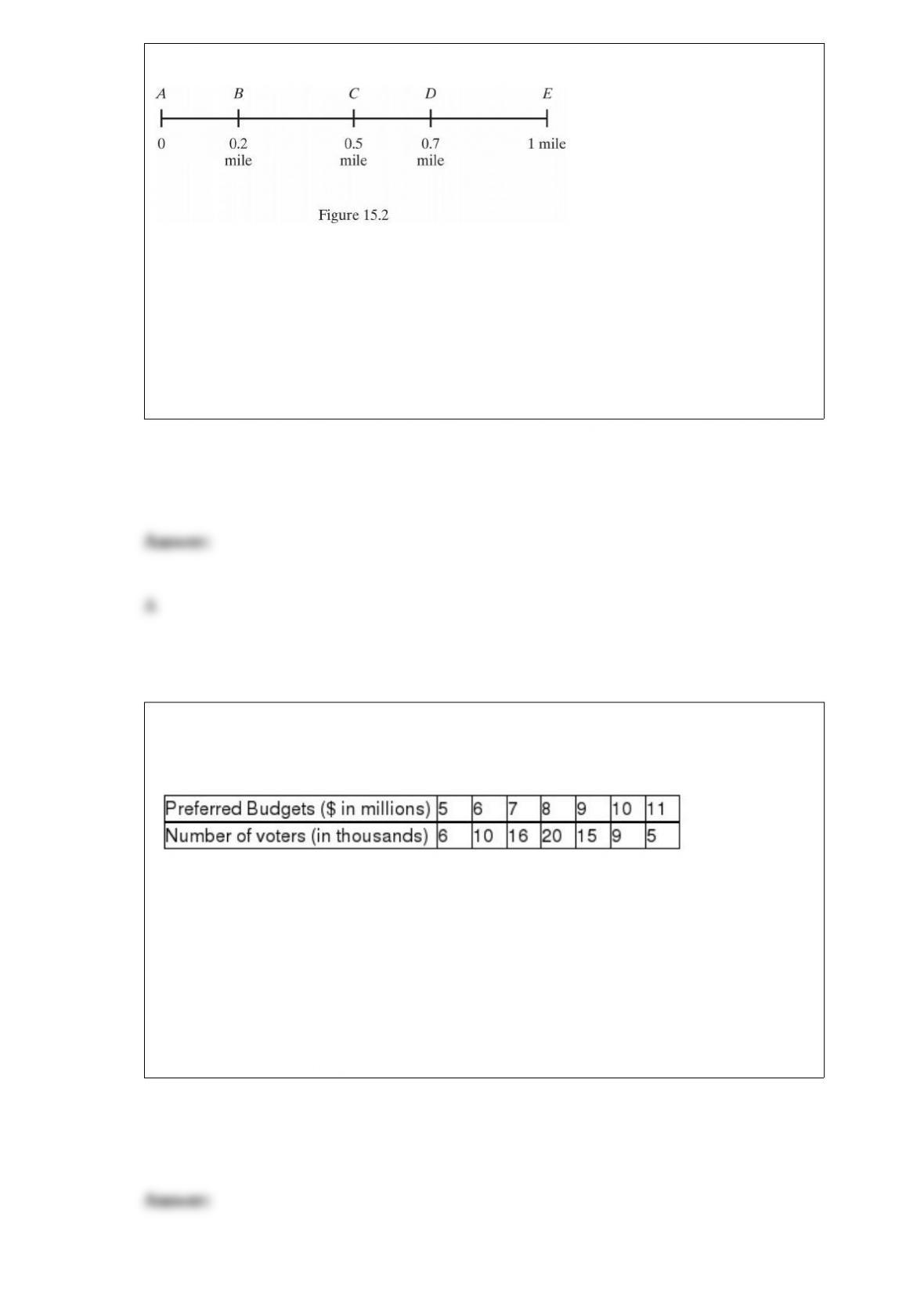
is at C, vendor 1 has an incentive to move:
A) to vendor 2’s location.
B) to the right of vendor 2’s location.
C) to the left of its current location.
D) none of the above
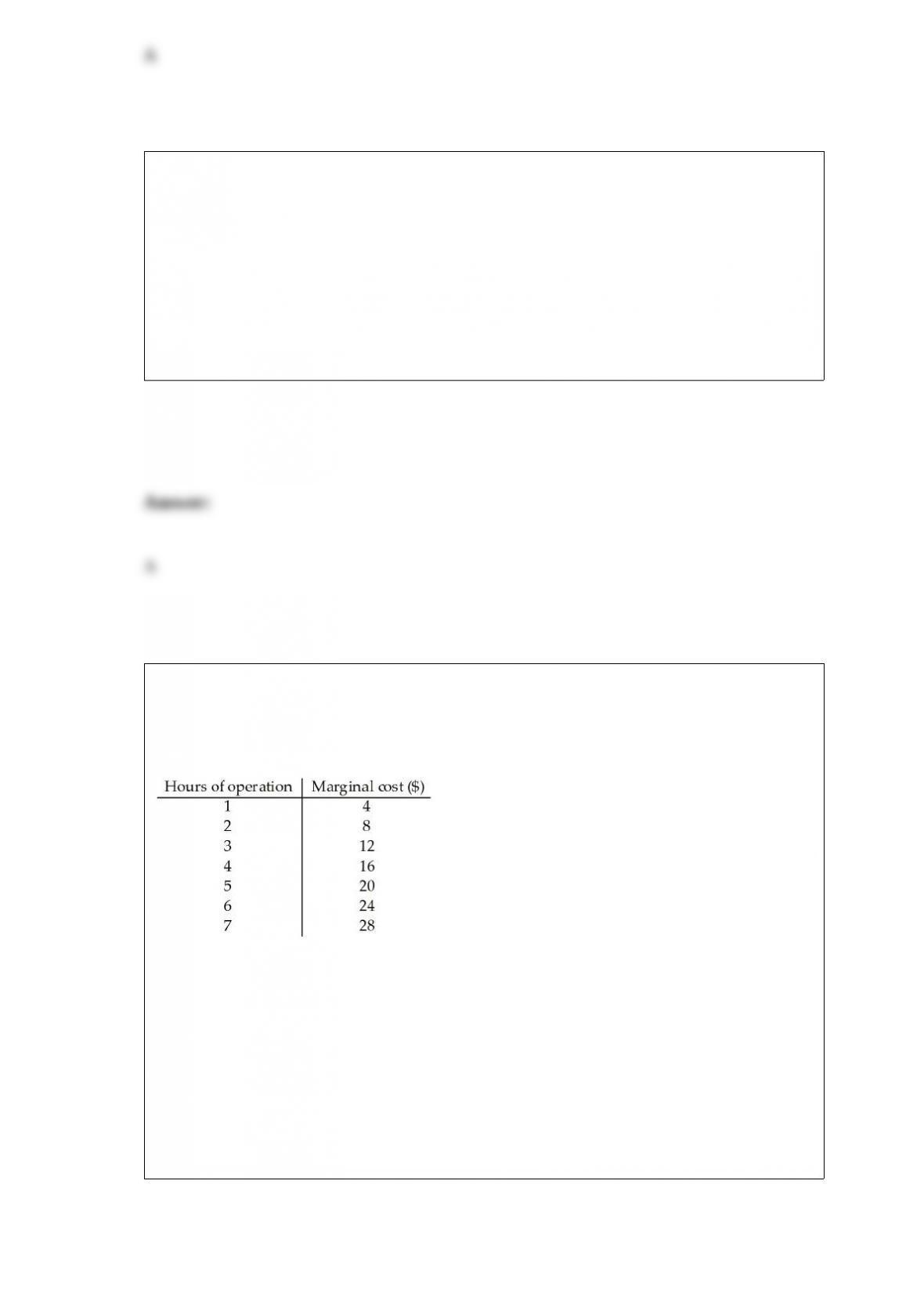
Table 15.2 shows the preferred budget for a new civic center and the number of voters
in a community who prefer that budget. If Jay proposed $7 million while David
proposed $10 million, whose budget will be selected if everyone votes?
Table 15.2
A) Jay’s
B) David’s
C) It will be a tie.
D) The outcome cannot be predicted.
A product produced in the home country and sold in another country is:
A) an export.
B) an import.
C) savings.
D) investment.
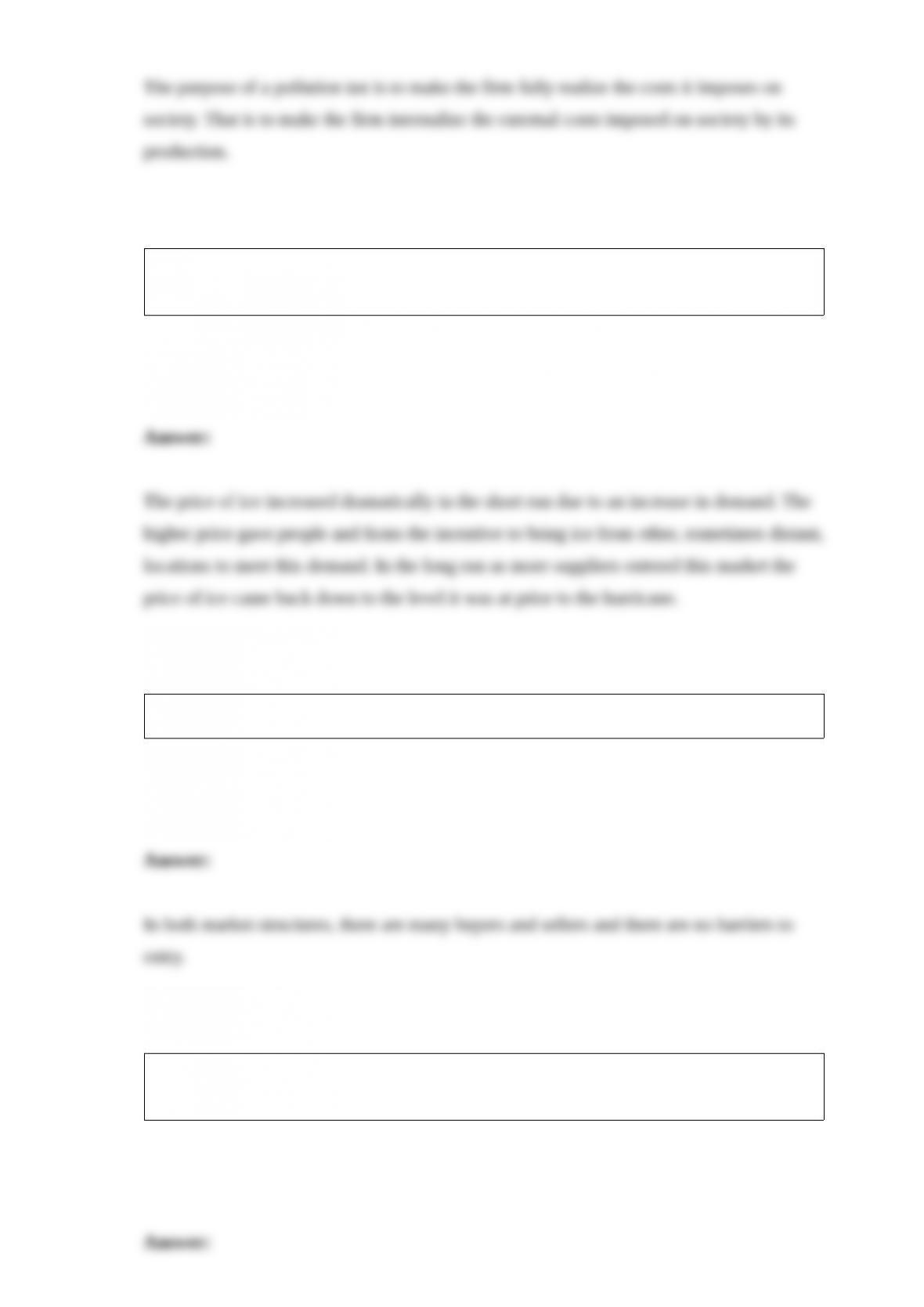
Julianne runs a business and needs to decide how many hours to stay open. Table 2.2
illustrates her marginal costs of staying open for each additional hour. Suppose that we
observe Julianne staying open 3 hours per day. If she is following the marginal
principle, what must her marginal benefit be?
Table 2.2
A) $12
B) $16
C) $18
D) $24

Suppose that Kelly has a monthly fixed income of $ 1000 and has $200 of her income
allocated to buy cookies and movies. Suppose that there is an increase in the price for
movies but not in the price for cookies, this will:
A) shift the budget line parallel to the left.
B) shift the budget line parallel to the right.
C) change the slope of the budget line.
D) not affect the budget line because income remains constant.
In which of the following cases did the government successfully block a merger?
A) Staples and Office Depot
B) Interstate Bakeries and Continental Bakery
C) AT&T and Verizon
D) Standard Oil and Mobil

A pasta producer is in a perfectly competitive market. To maximize profits, the pasta
producer should make the output level where:
A) price equals fixed cost.
B) price equals average variable cost.
C) price equals average total cost.
D) price equals marginal cost.
What is a command-and-control policy?
What is the purpose of a pollution tax?
Explain how the market for ice changed after Hurricane Andrew struck the southeastern
U.S. in the short run and in the long run.
What are the similarities between perfect competition and monopolistic competition?
When the quantity of a product demanded by buyers equals the quantity supplied, it is
called ________.

What is the median-voter rule?
How do we know when a market is contestable?
Consider a competitive firm that produces tomatoes. The fixed costs are $10 per bushel
and the relationship between VC and output is shown in Table 9.2. Compute AVC and
MC. How much output will be supplied if P = $45 and the firm wants to maximize
profits? What if P = $55? What are profits if P = $60? What is the relationship between
marginal cost, average variable cost, and the firm’s supply curve?
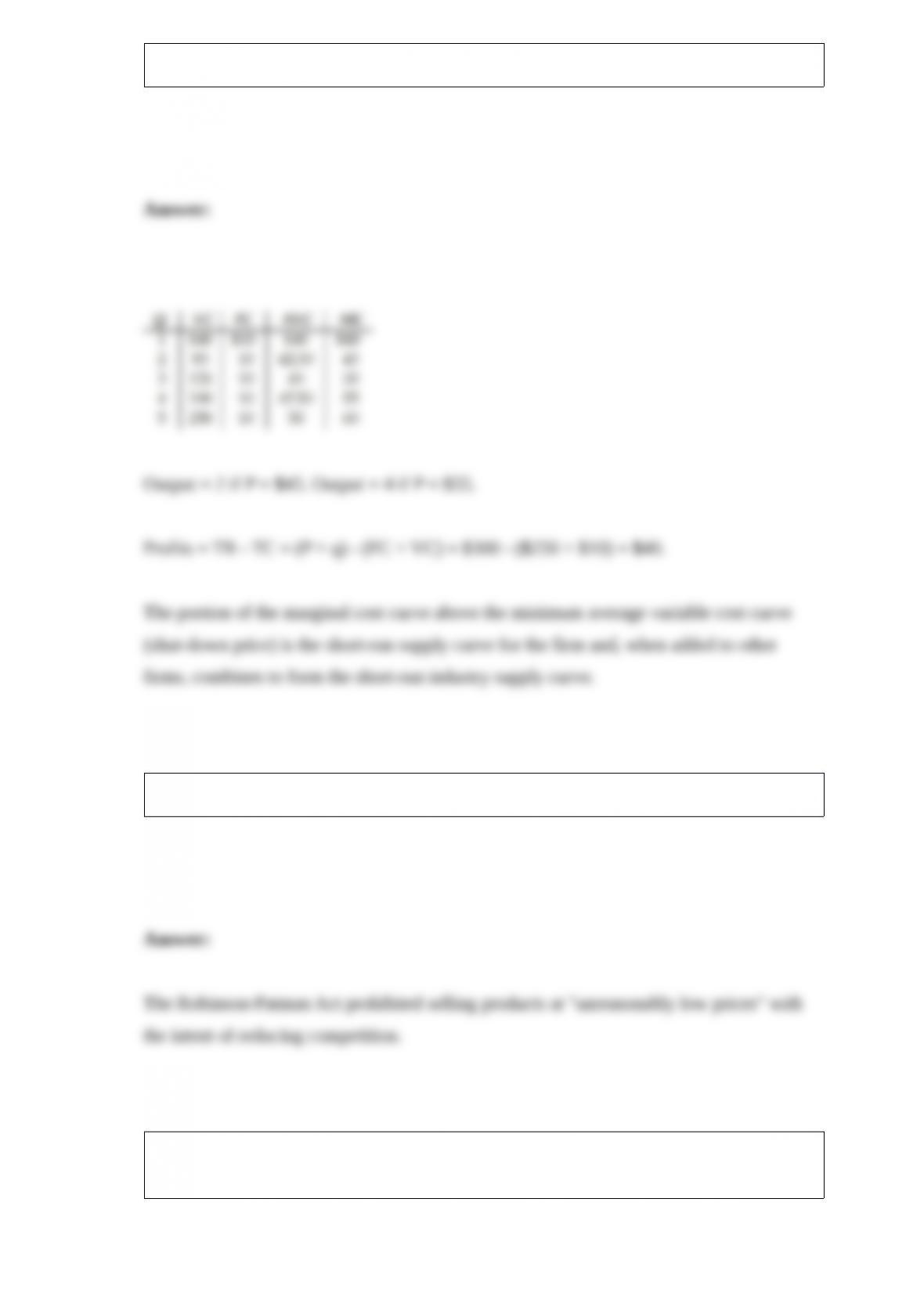
Table 9.2
What are the main features of the Robinson-Patman Act?
How does a system of marketable pollution permits affect the total cost of pollution
abatement? Explain.
What is predatory pricing?
A major freeze in Florida has reduced the orange yield this winter. What will be the
effect of this freeze on the price and quantity in the orange market and also in the peach
market? (Assume that oranges and peaches are substitutes.)
Describe a grim trigger strategy.
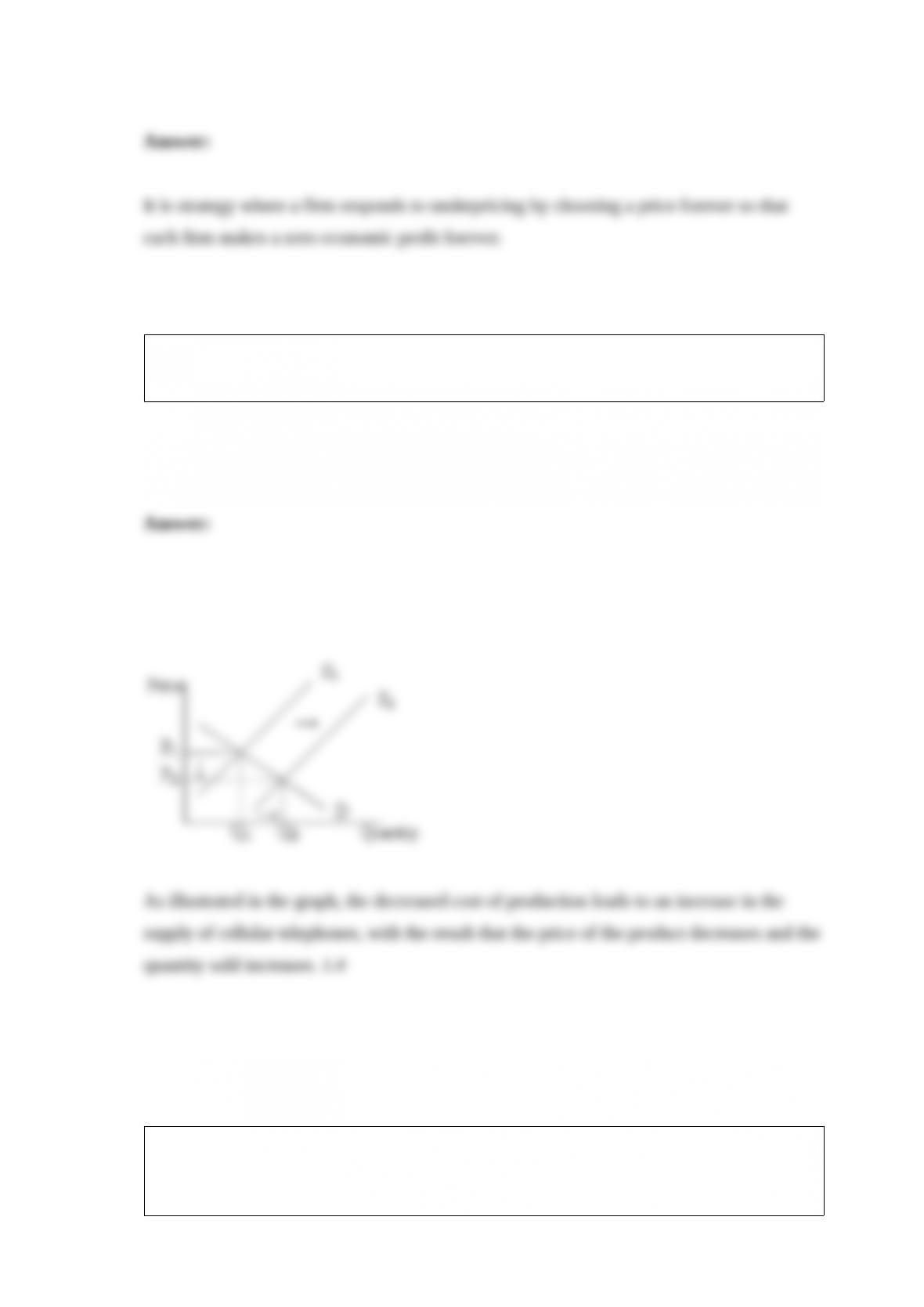
As a result of advances in technology, cellular telephones have become cheaper to
produce. Illustrate the effect of this change on the market for cellular telephones.
Dogger’s Snowboard Shop hires workers for the holidays. Dogger’s sells snowboards
for $150. The marginal revenue product of the last worker hired is $450. What is the
marginal product of the last worker?

Explain possible benefits of labor unions.
List three ways in which an organization can overcome the free-rider problem.