Which of the following is not a consequence of the Fed changing the reserve
requirement?
A) Changes in the ratio are easily incorporated into banks’ routine management.
B) Decreasing the ratio will increase excess reserves.
C) Increasing the ratio will decrease the amount of reserves banks have to loan.
D) Changes in the ratio effectively places a tax on banks’ deposit taking and lending
activities.
A financial intermediary’s main function is to match ________ with excess funds to
________ with a shortage of funds.
A) savers; borrower
B) borrower; savers
C) governments; households
D) firms; insurance companies
Figure 3-4
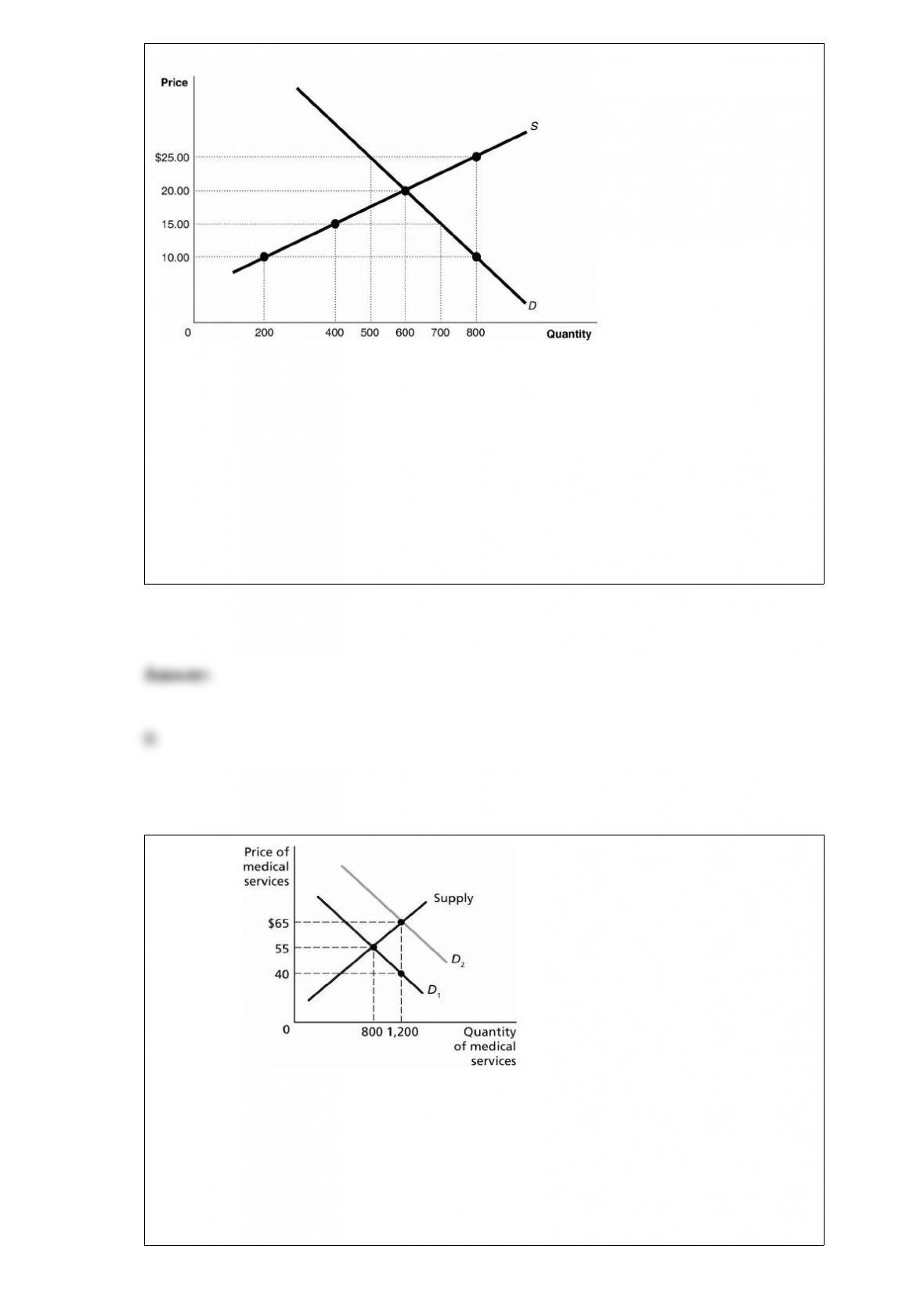
If the price is $10,
A) there would be a surplus of 600 units.
B) there would be a shortage of 600 units.
C) there would be a surplus of 200 units.
D) there would be a shortage of 200 units.
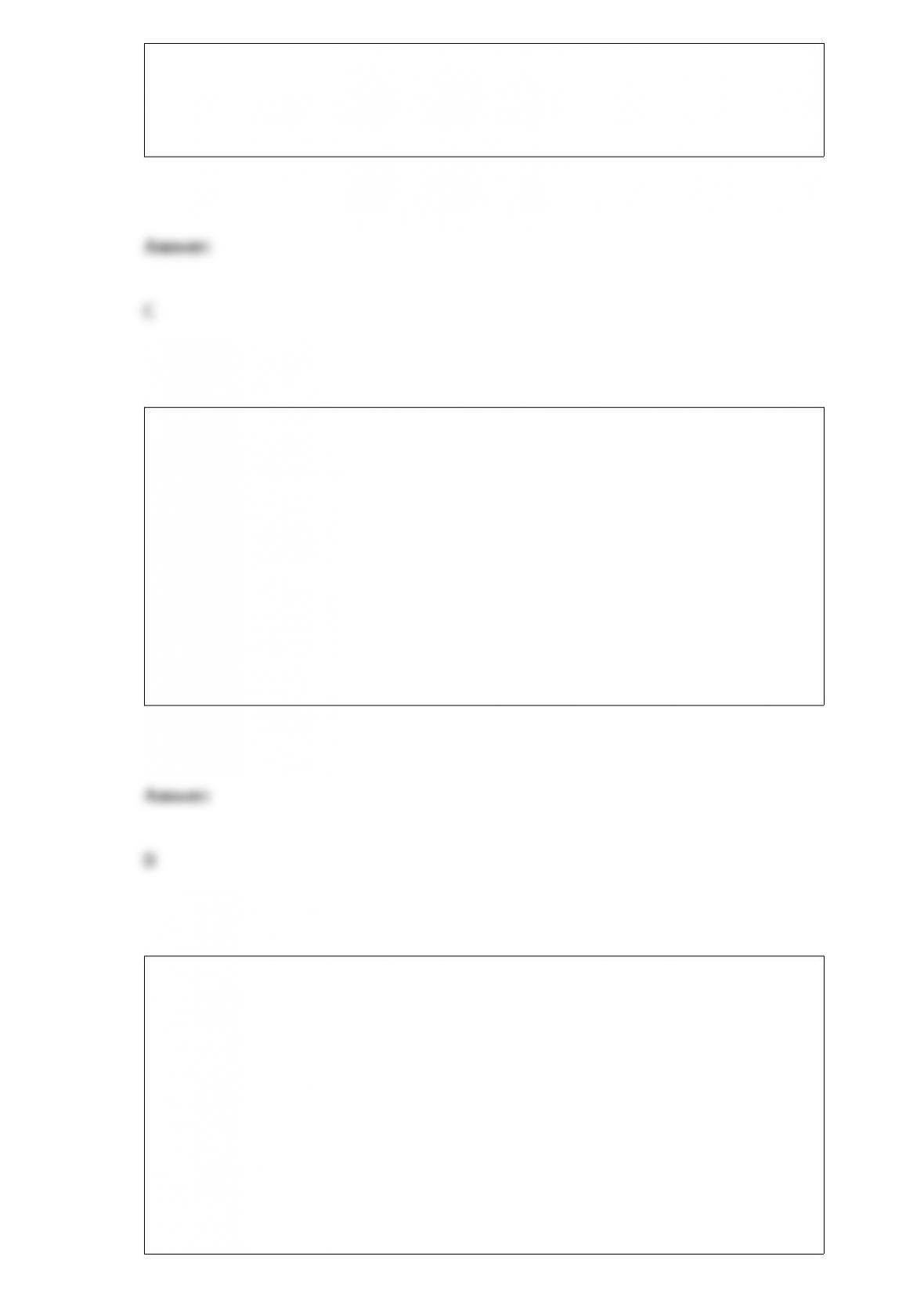
Figure 7-5 Figure 7-5 represents the market for
medical services with and without insurance, and the effect of a third-party payer
system on the demand for medical services. With insurance and a third-party payer
system, the equilibrium quantity of medical services is
A) 400.
B) 800.
C) 1,200.
D) >1,200.
For the recessions in the United States since the 1950s,
A) cyclical unemployment has been non-existent.
B) unemployment rises on average by about 1.2 percentage points 12 months after a
recession begins.
C) unemployment falls on average by 2 percentage points 12 months after a recession
begins.
D) unemployment rises on average about 5 percentage points 12 months after a
recession begins.
If the Fed buys U.S. Treasury securities, then this
A) increases reserves, encourages banks to make more loans, and increases the money
supply.
B) decreases reserves, causes banks to reduce their loans, and decreases the money
supply.
C) decreases reserves, causes banks to reduce their loans, and increases the money
supply.
D) increases reserves, causes banks to reduce their loans, and increases the money
supply.
The opportunity cost of taking a semester-long economics class is
A) the cost of tuition and fees only.
B) the value of the time spent in the classroom.
C) zero because there is no admission charged if you are enrolled in the course.
D) equal to the highest value of an alternative use of the time and money spent on the
class.
E) the knowledge and enjoyment you receive from attending the class.
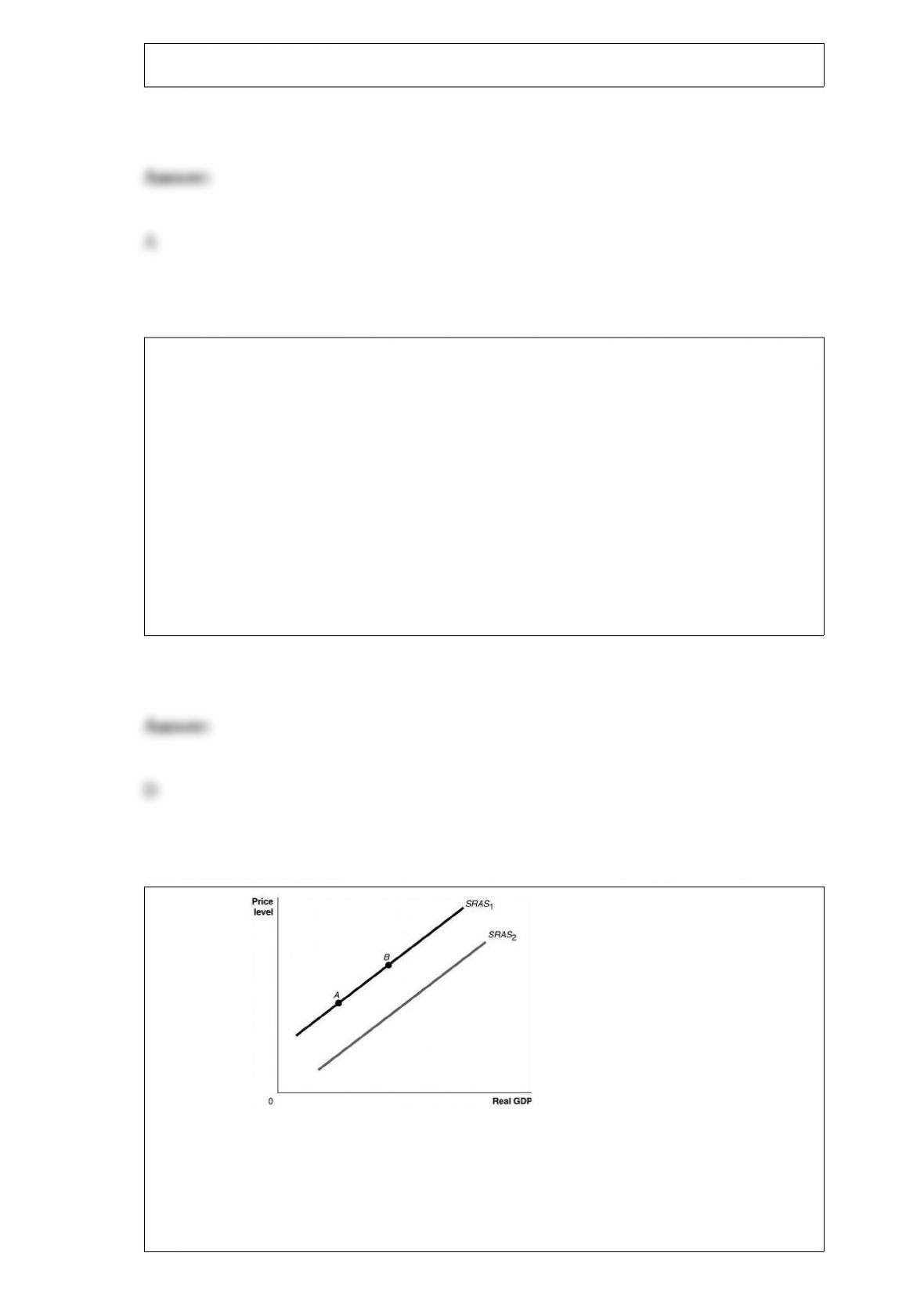
Figure 24-2
Ceteris paribus, an increase in productivity would be represented by a movement from
A) SRAS1 to SRAS2.
B) SRAS2 to SRAS1.
C) point A to point B.
D) point B to point A.
If there is currently a surplus of dollars, which of the following would you expect to see
in the foreign exchange market?
A) The dollar will appreciate.
B) The dollar will depreciate.
C) There will be a decrease in the demand for dollars.
D) There will be a decrease in the supply of dollars.
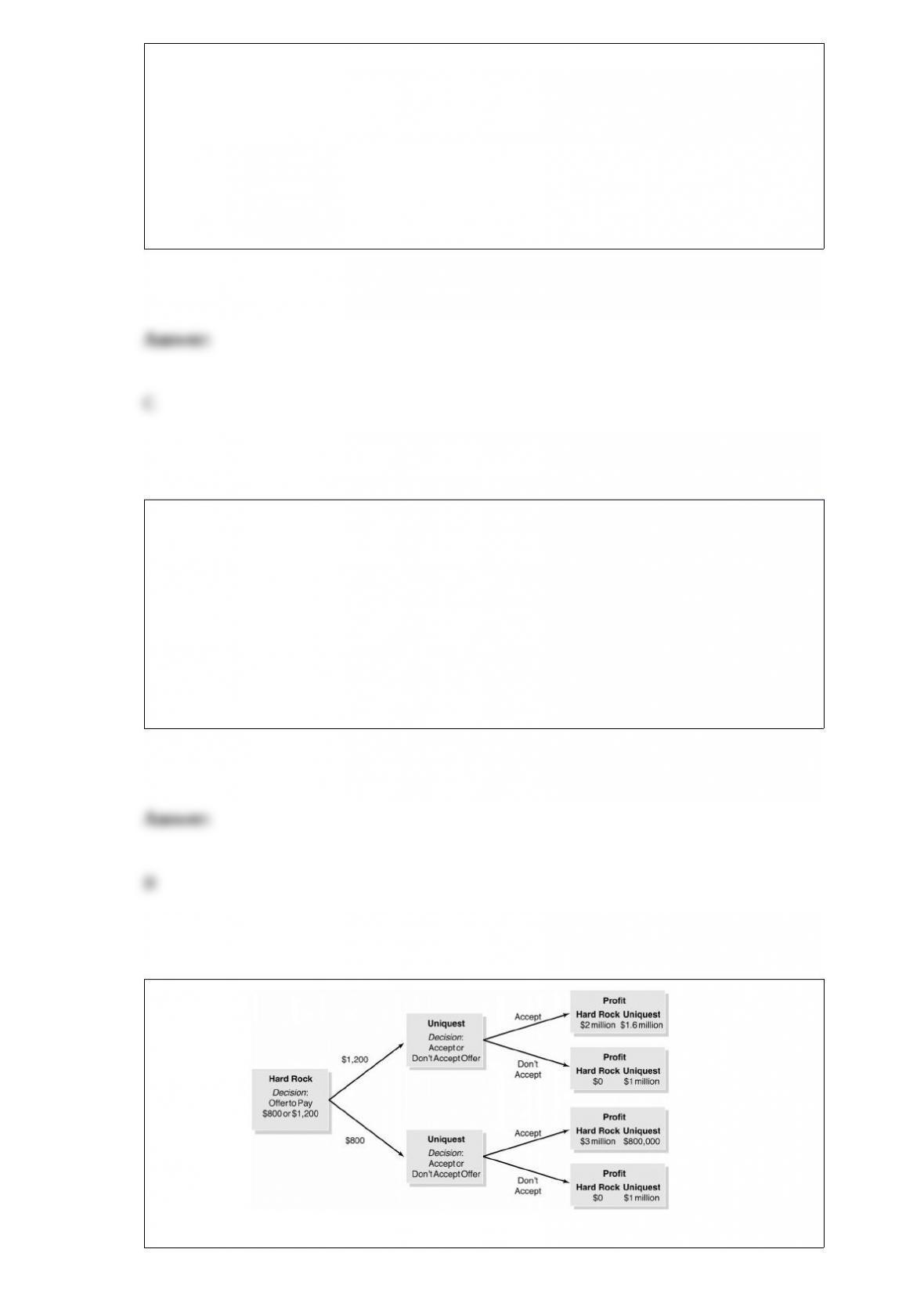
Figure 12-4 Figure 12-4 shows the cost
and demand curves for a profit-maximizing firm in a perfectly competitive market.
What is the amount of its total fixed cost?
A) $1,080
B) $1,440
C) $2,520
D) It cannot be determined.
The “tragedy of the commons” refers to the phenomenon where
A) individuals are free riders.
B) people overuse a common resource.
C) people do not internalize an externality.
D) there is rivalry in consumption.
Figure 14-7
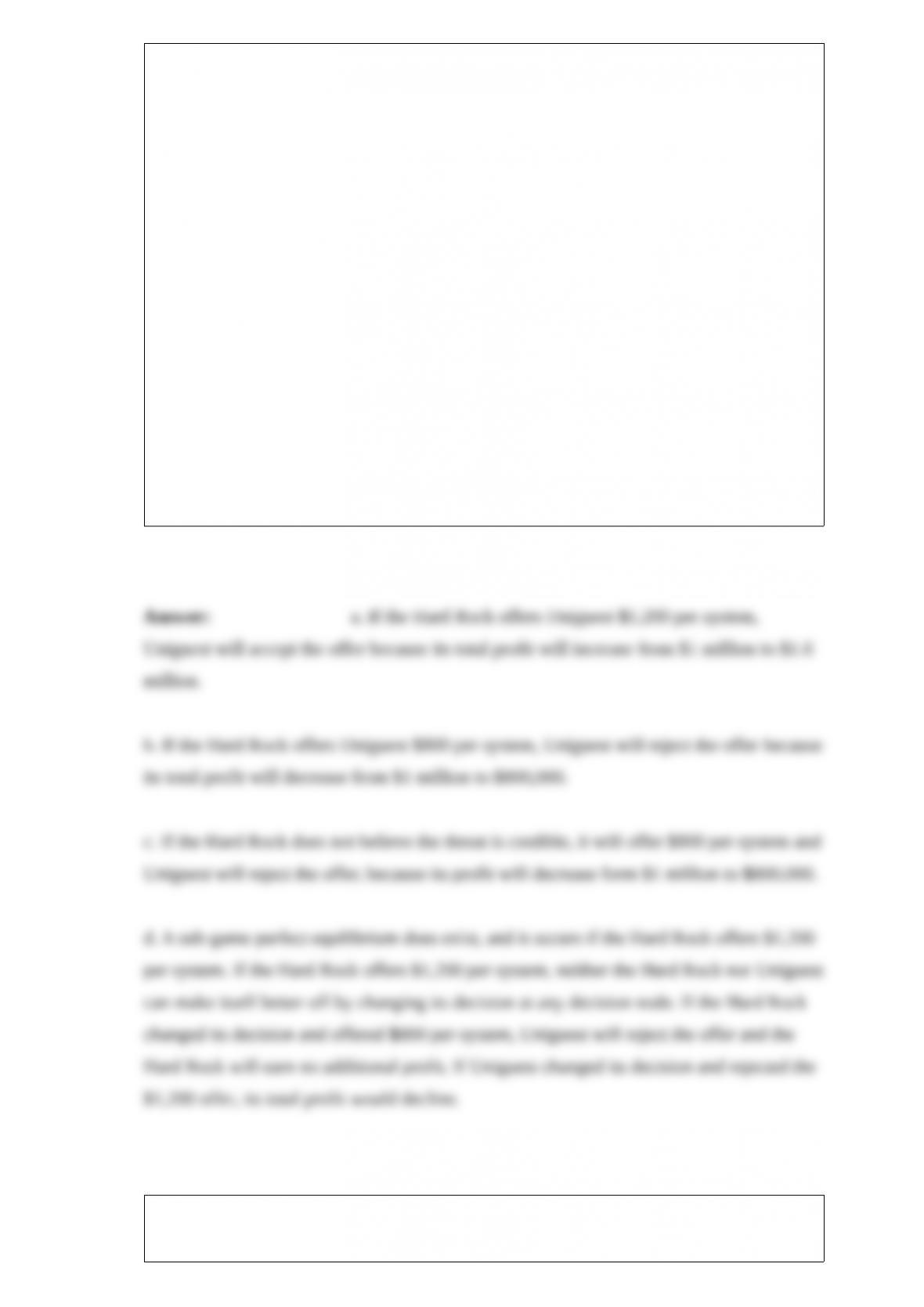
Uniguest, Inc. is a company that provides PCs with internet access and touch-sensitive
screens to hotels. Suppose the Hard Rock Hotel and Casino in Las Vegas informs
Uniguest that it is considering installing these systems in its hotel rooms. The Hard
Rock expects to be able to charge higher prices for these rooms if it installs Uniguest’s
systems in its rooms. The two companies begin bargaining over what price the Hard
Rock will pay Uniguest for its systems, and the decision tree shown above illustrates
this bargaining game. Note that the profit figures listed in the decision tree are
additional profits for the Hard Rock and total profits for Uniguest.
a. Suppose the Hard Rock offers Uniguest $1,200 per system. Will Uniguest accept or
reject this offer? Why?
b. Suppose the Hard Rock offers Uniguest $800 per system. Will Uniguest accept or
reject this offer? Why?
c. Suppose Uniguest attempts to obtain a favorable outcome from the bargaining by
telling the Hard Rock it will reject an $800-per-system offer. If the Hard Rock does not
believe the threat is credible, what will it do? Why? What will Uniguest do? Why?
d. Is there a sub-game perfect equilibrium in this situation? Explain.
By drawing a demand curve with price on the vertical axis and quantity on the
horizontal axis, economists assume that the most important determinant of the demand
for a good is
A) consumer income.
B) consumer tastes and preferences.
C) the price of the good.
D) the quality of the good.
In 2014, the average life expectancy at birth in the United Kingdom and other
high-income countries was around ________ years.
A) 60
B) 70
C) 80
D) 90
The short-run Phillips curve will not shift unless there is
A) an increase in the unemployment rate.
B) an increase in inflation that is unanticipated.
C) a decrease in inflation that is unanticipated.
D) a change in inflation expectations.
If the Federal Reserve attempts to continue reducing unemployment by manipulating
monetary policy, which of the following would you expect to see?
A) The Fed’s policies will be deflationary.
B) The Fed’s policies will be inflationary.
C) The rate of inflation will fall as the Fed tries to reduce the unemployment rate.
D) The Fed will reduce the natural rate of unemployment.
Payments by a corporation to its shareholders are known as
A) stocks.
B) bonds.
C) coupons.
D) dividends.
Consumption spending is $5 million, planned investment spending is $8 million,
unplanned investment spending is $2 million, government purchases are $10 million,
and net export spending is $2 million. What is GDP?
A) $15 million
B) $23 million
C) $25 million
D) $27 million