Assume that a perfectly competitive market is in long-run equilibrium. Suppose as a
result of a health hazard associated with the industry’s product, demand decreases
drastically. What is the immediate result of this event?
A) The market price falls and the typical firm suffers an economic loss.
B) The market supply increases to offset the fall in demand.
C) The typical firm’s average total cost curve shifts downward.
D) The typical firm’s marginal cost curve shifts to the left.
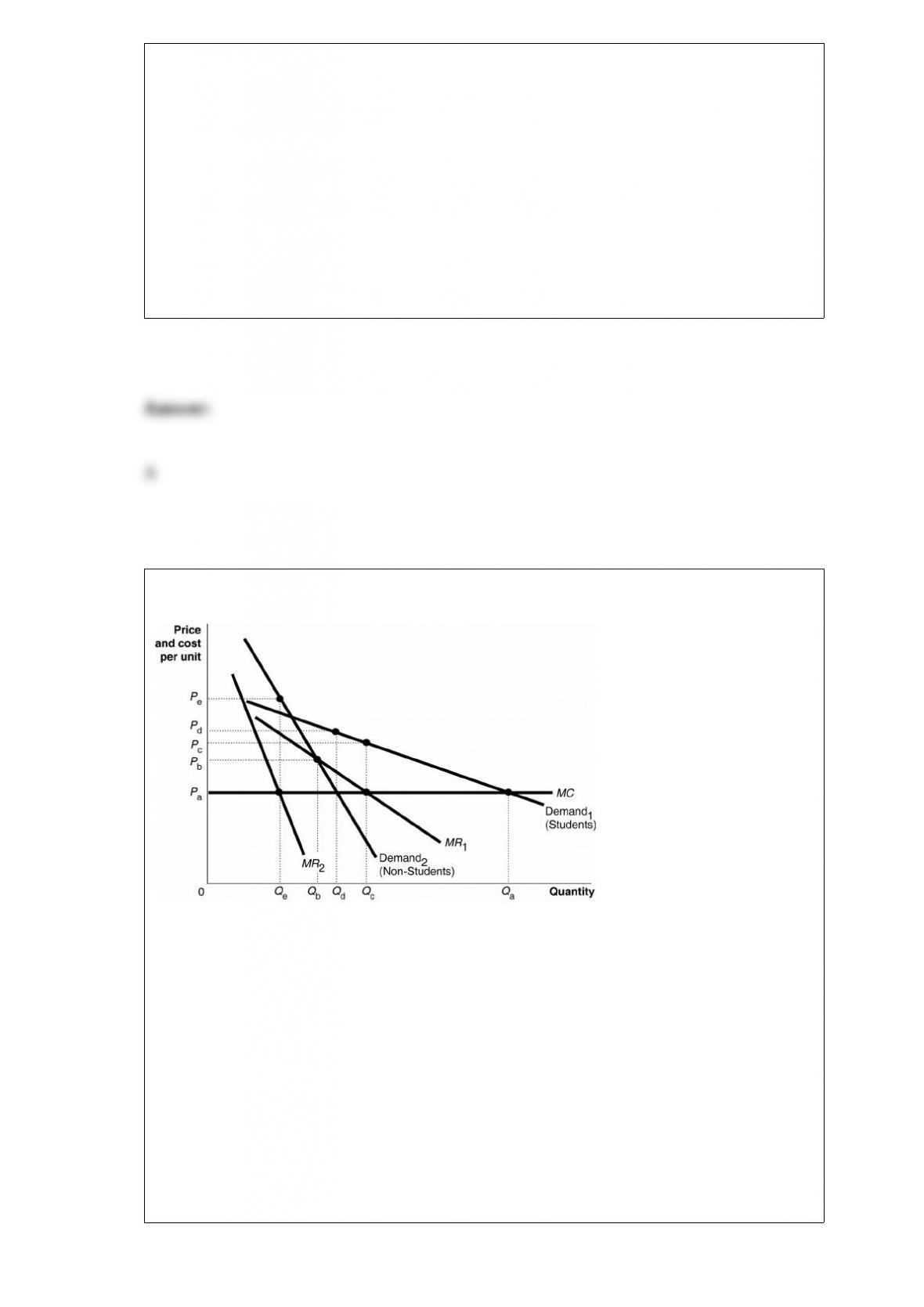
Figure 16-2
Plato Playhouse, a theatre
company in the university town of Wegg, caters to two groups of customers: students
and the non-student population. Figure 16-2 shows the demand curves for the two
groups of customers. What is the quantity sold to each group of customer and what is
the total quantity sold?
A) quantity sold to students=Qquantity sold to non-students=Q; total sales=Qa
B) quantity sold to students=Qc;quantity sold to non-students=Q; total sales=Q+Qc
C) quantity sold to students=Qc;quantity sold to non-students=Qe; total sales=Qe+Qc
D) quantity sold to students=Qc;quantity sold to non-students=Qd; total sales=Qd+Qc

Which of the following statements about the Social Security, Medicare, and Medicaid
programs is true?
A) Spending on these three programs will rise from 9.7% of GDP currently to 10.2% of
GDP by 2050.
B) Costs are being driven up by the fact that Americans are living longer and medical
costs are rising substantially.
C) Some economists have argued for decreasing taxes to help with these programs’
funding problems.
D) Some economists have argued for increasing benefits to help with these programs’
funding problems.
Economists have estimated that the cross-price elasticity of demand between beer and
spirits is -0.50, the income elasticity for spirits is 1.21 and the income elasticity for
wine is 5.03. These elasticities mean that
A) beer and spirits are complements; spirits and wine are luxuries.
B) beer and spirits are normal goods; spirits and wine are luxuries.
C) beer and spirits are complements; spirits are substitutes.
D) beer and spirits are substitutes; spirits and wine are luxuries.

According to the law of one price, identical products should sell for the same price
everywhere if
A) consumers have knowledge of the prices charged for products in different markets.
B) transactions costs are zero.
C) firms can prevent consumers from engaging in arbitrage.
D) there are no tariffs or other restrictions on imports or exports.
How are the fundamental economic decisions determined in China?
A) Individuals, firms, and the government interact in a market to make these economic
decisions.
B) These decisions are made by the country’s elders who have had much experience in
answering these questions.
C) The government decides because China is a centrally planned economy.
D) The United Nations decides because China is a developing economy.
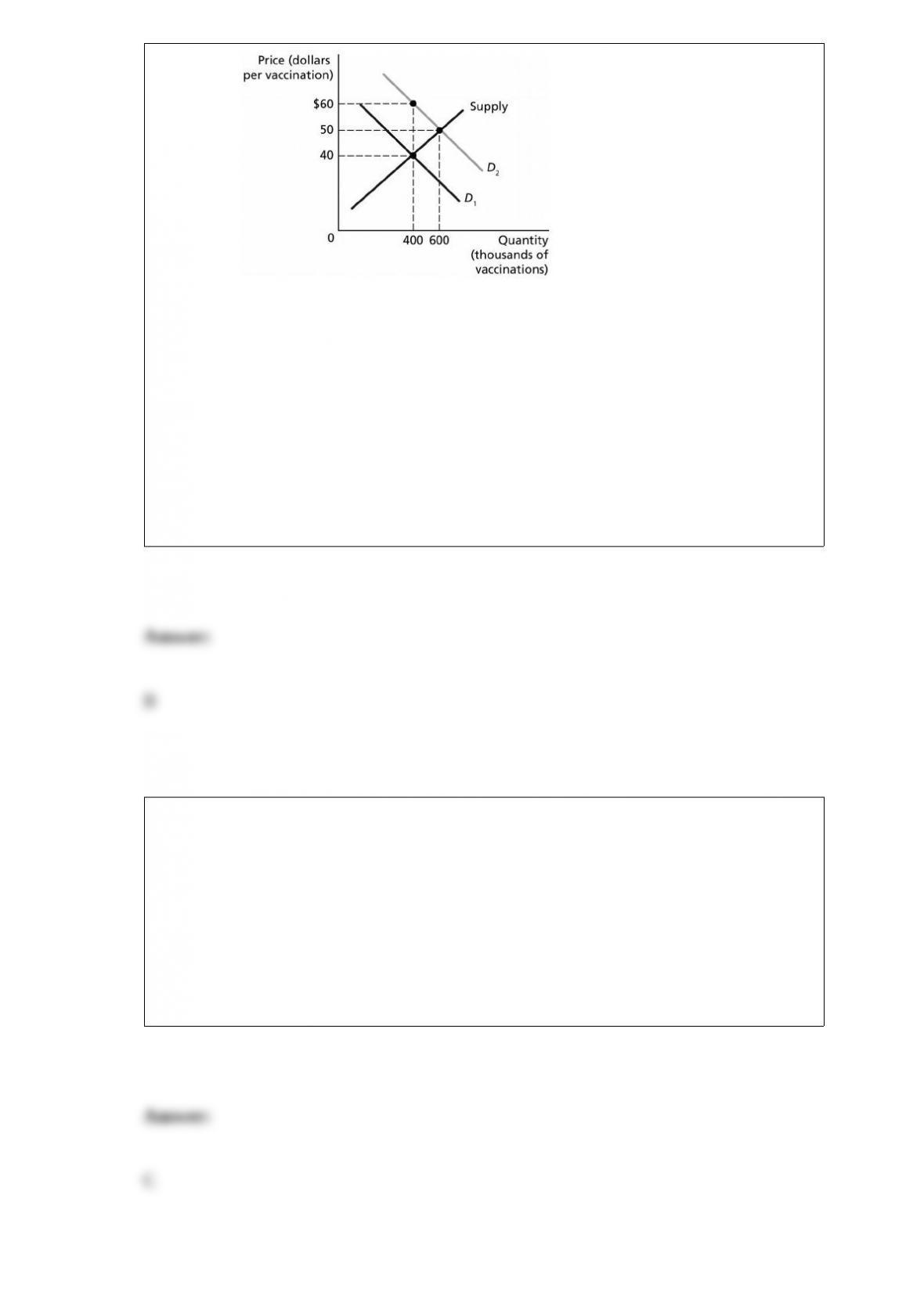
Figure 5-1 Figure 5-1 represents the market
for vaccinations. Vaccinations are considered a benefit to society, and the figure shows
both the marginal private benefit and the marginal social benefit from vaccinations. The
efficient equilibrium price is
A) $60.
B) $50.
C) $40.
D) <$40.
If the dollar appreciates, how will aggregate demand in the United States be affected?
A) Aggregate demand will increase as exports increase and imports decrease.
B) Aggregate demand will increase as imports increase and exports decrease.
C) Aggregate demand will decrease as imports increase and exports decrease.
D) Aggregate demand will decrease as exports increase and imports decrease.

If the ________ cost of production for two goods is different between two countries
then mutually beneficial trade is possible.
A) marginal
B) explicit
C) opportunity
D) implicit
Studies show that the income elasticity of demand for wine is 5.03 and the income
elasticity of demand for spirits is 1.21. This indicates that
A) wine and spirits are luxury goods.
B) wine is a luxury good and spirits are inferior goods.
C) wine and spirits are highly price elastic.
D) wine is a luxury good and spirits are necessities.
Assume that inventories declined by more than analysts predicted. This implies that
A) planned aggregate expenditure was greater than real GDP.
B) planned aggregate expenditure was equal to real GDP.
C) planned aggregate expenditure was less than real GDP.
D) planned aggregate expenditure is unrelated to real GDP.
Which of the following statements is true about revenue?
A) Revenue is the total amount received for selling a good or service.
B) Revenue is calculated by dividing the price per unit by the number of units sold.
C) The terms “revenue” and “profit” can be used interchangeably.
D) A firm’s revenue will increase as its costs increase.
Monetary policy has ________ impact on the long-run Phillips curve.
A) a positive
B) a negative
C) an unpredictable
D) no
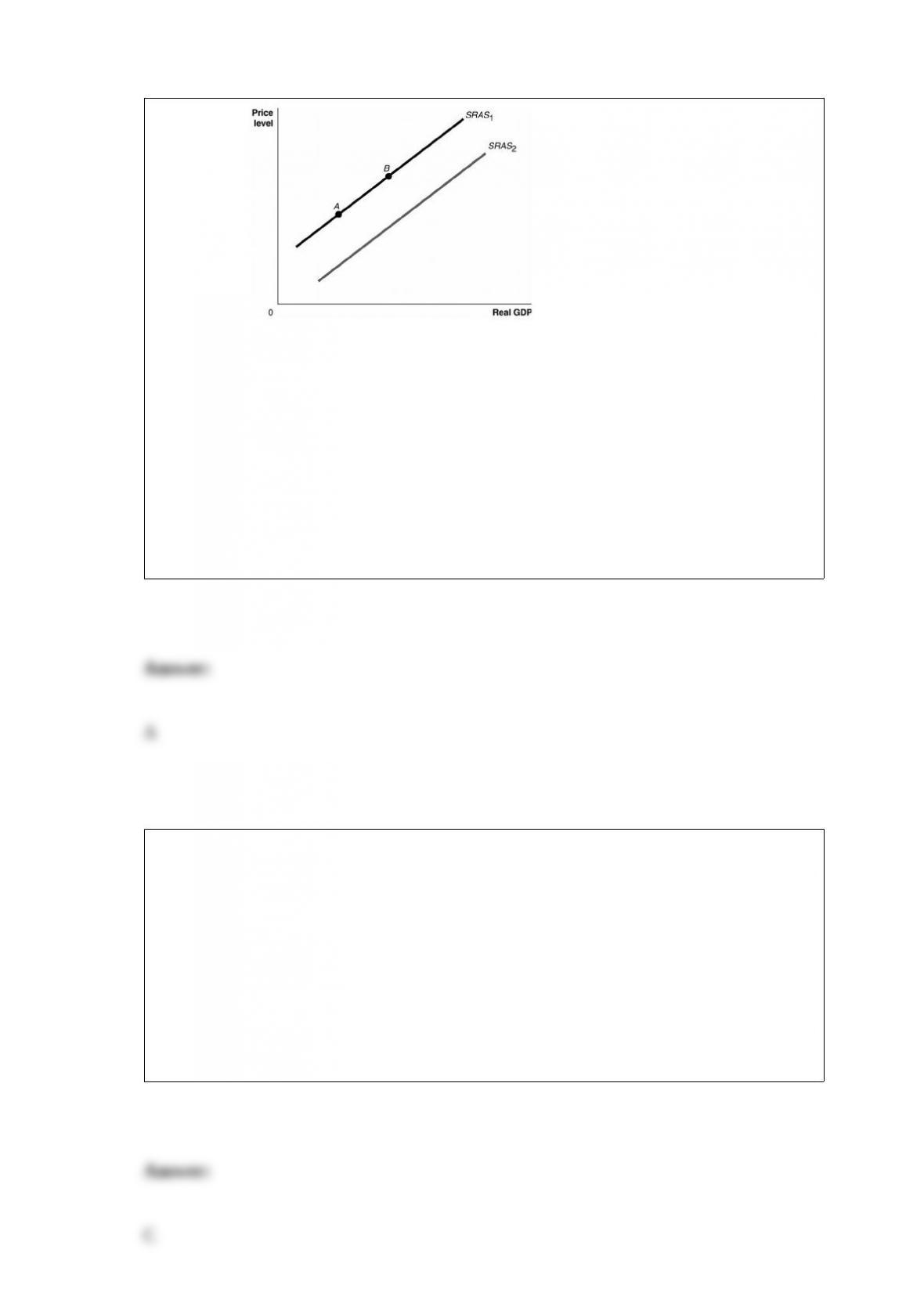
Figure 13-2
Ceteris paribus, an increase in the capital stock would be represented by a movement
from
A) SRAS1 to SRAS2.
B) SRAS2 to SRAS1.
C) point A to point B.
D) point B to point A.
If buyers of a monopolistically competitive product feel the products of different sellers
are strongly differentiated, then the demand for each seller’s product is
A) perfectly inelastic.
B) perfectly elastic.
C) relatively inelastic.
D) relatively elastic.

A study by the Congressional Budget Office (CBO) regarding the corporate income tax
included the following statement: “A corporation may write its check to the Internal
Revenue Service for payment of the corporate income tax, but the money must come
from somewhere…” The comments that followed this statement argued that
A) corporations pass on some of the burden of the tax to investors in the company, to
workers, and to consumers.
B) the corporate income tax is a reliable source of revenue because corporations cannot
avoid paying the tax.
C) it is necessary to retain the tax because it is based on the ability-to-pay principle.
D) the tax is more progressive than the individual income tax.
In making decisions about what to consume, a person’s goal is to
A) allocate her limited income among all the products she wishes to buy so that she
receives the highest total utility.
B) buy low-priced goods rather than high-priced goods.
C) maximize her marginal utility from the goods and services she wishes to buy using
her limited income.
D) consume as many necessities as possible and then, if there is money left over, to buy
luxuries.