The Classical model
a. is now discredited
b. was developed by John Maynard Keynes
c. has been completely displaced by the short-run macro model
d. helps us to understand the performance of the economy in the long run
e. is most useful in helping us to predict when an economic downturn will occur
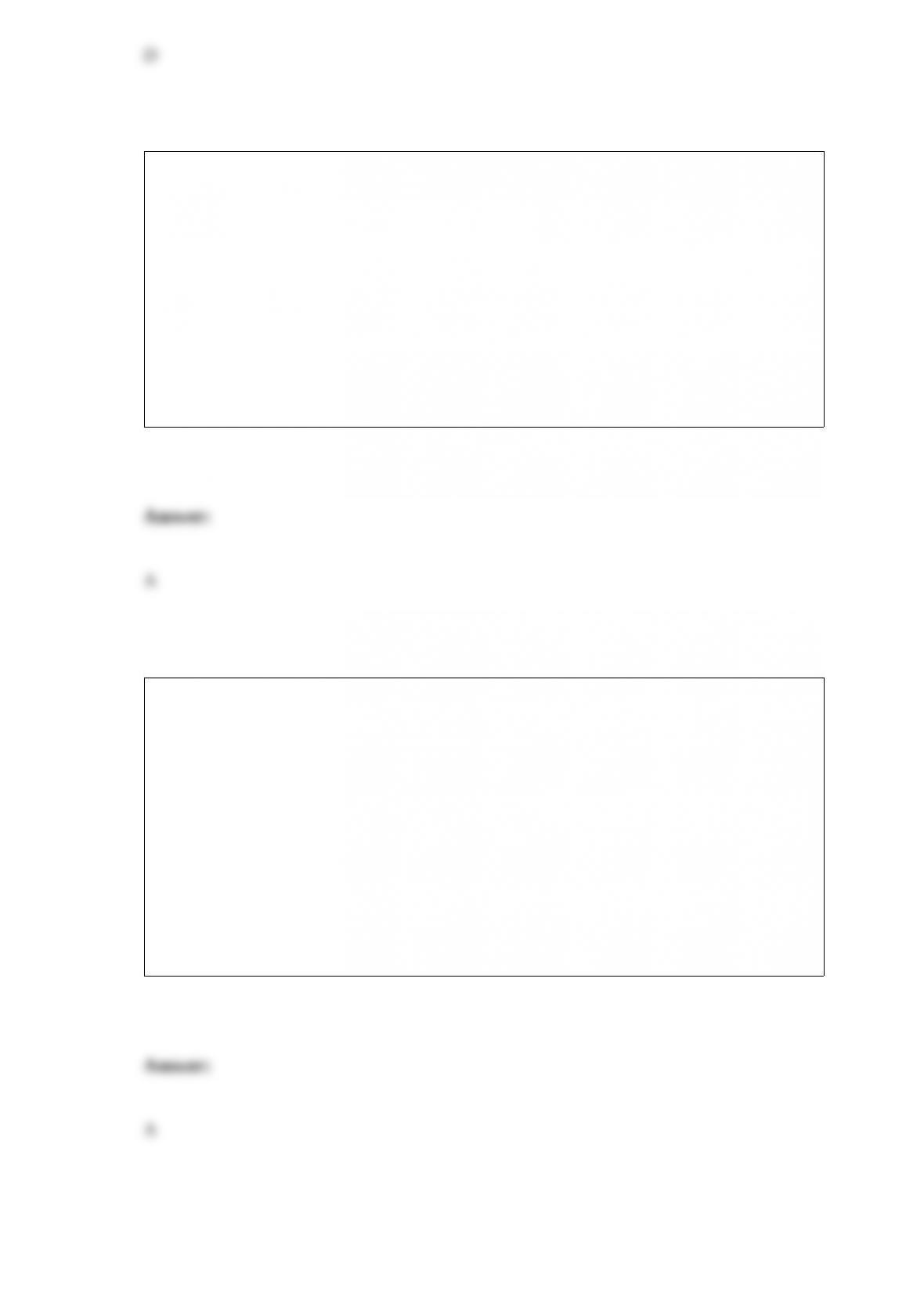
Assuming the economy was in equilibrium, use the following information to determine
the government’s budget deficit.
The government’s deficit (surplus) was
a. -$0.3 trillion deficit ($0.3 trillion surplus)
b. -$0.2 trillion deficit
c. $0.2 trillion deficit
d. $0.3 trillion deficit
e. $0.5 trillion deficit
When is the U.S. economy at full employment?
a. When there is no cyclical unemployment
b. When there is no structural unemployment
c. When there is no full employment
d. When there is no seasonal unemployment
e. When there is no frictional unemployment
If the inflation rate is 3 percent and the nominal wage is frozen for one year, by how
much will the real wage change?
a. It will decrease by about 3 percent.
b. It will not change.
c. It will increase by 3 percent.
d. It will triple.
e. We do not have enough information to determine this answer.
The Phillips curve represents the Fed’s short-run choices between inflation and
unemployment.
With one year of study, Rob Sanchez can earn a master’s degree, which will cost him
$15,000 in tuition and $20,000 in lost wages. The degree will increase his yearly
income by $20,000 per year for three years after receiving the degree. The interest rate
is 10 percent (0.10) per year. What should Rob do? (Assume that costs are incurred and
income is received at the end of the year.)

The federal government
a. runs a deficit when tax revenues are greater than government purchases.
b. runs a surplus when tax revenues are smaller than government purchases.
c. runs a deficit when tax revenues are smaller than government outlays.
d. runs a surplus when tax revenues are greater than government purchases.
e. runs a surplus when tax revenues are smaller than transfer payments.
The economy’s level of output depends upon (1) the
a. amount of land and capital available for labor to use and (2) the state of technology
and types of inputs available
b. cost of land and capital and (2) the cost of labor
c. availability of land and (2) the availability of capital
d. state of technology and (2) the cost of land
e. state of technology and (2) the types of inputs available
A movement down and to the left along the aggregate supply curve will occur when
a. firms’ average markup is stable and a decrease in real GDP causes unit costs to fall
b. world oil prices fall, thus decreasing the price level
c. a change in fiscal policy causes aggregate expenditure to increase
d. firms decide to produce less than before at each price level
e. an increase in real GDP causes the price level to fall
When a foreign currency crisis occurs, there is a(n) __________ in the supply of the
currency and a(n) __________ in the demand for that currency.
a. increase; increase
b. decrease; decrease
c. increase; decrease
d. decrease; increase
e. increase; no change
An increase in the corporate profits tax would shift the demand for loanable funds curve
to the left.