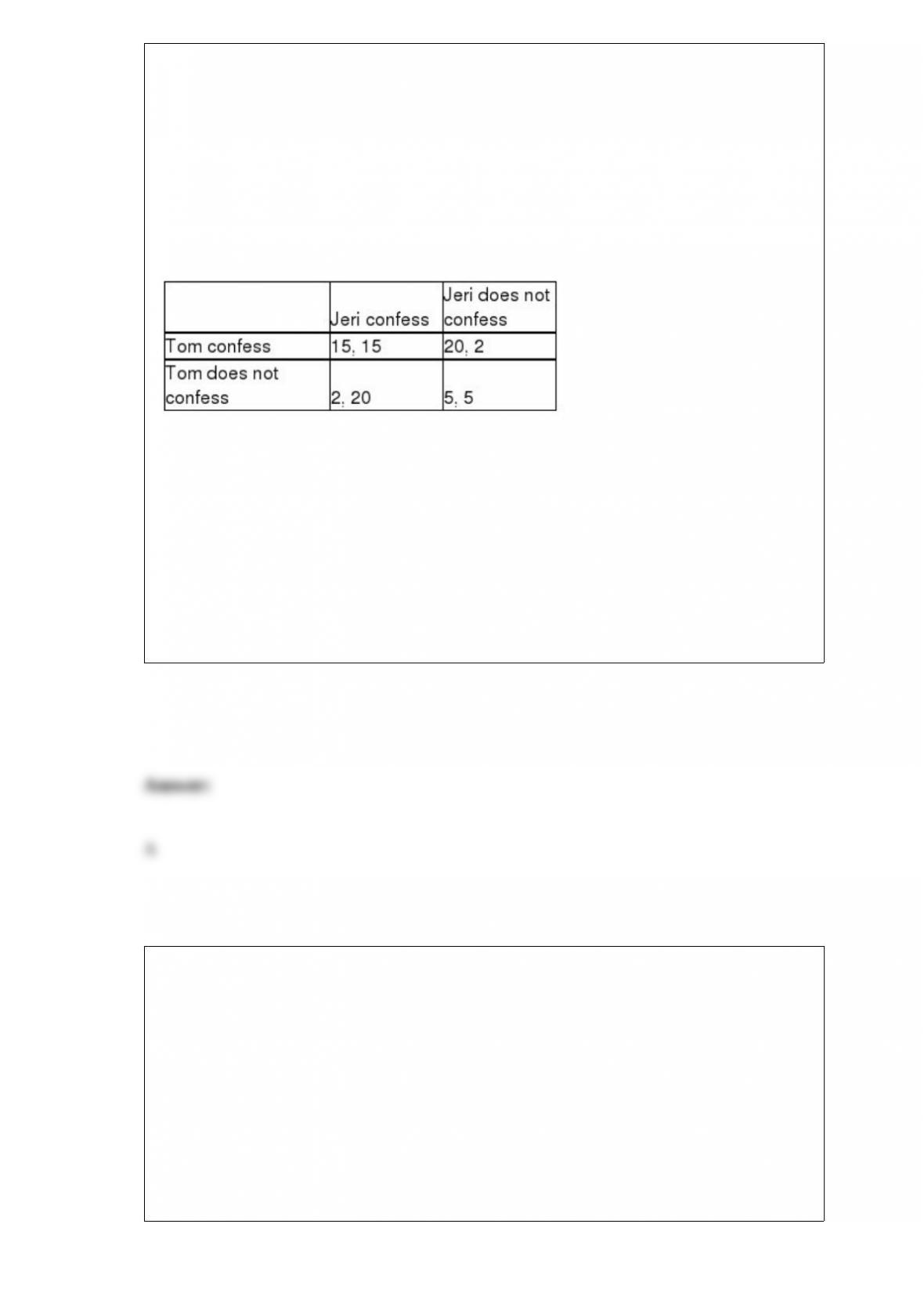
Refer to Table 12.2. Jeri and Tom are arrested for having committed a crime. They are
being interrogated individually and need to decide if they should confess or not confess.
The police have enough information to put them in jail for 5 years. They also know the
pair have committed a more egregious crime but without the help of one of the suspects
they will not be able to convict them on this charge. The first number in each cell refers
to the number of years of prison time Jeri will receive if she confesses or does not
confess and the second number in each cell refers to the number of years of prison time
Tom will receive if he confesses or does not confess. The dominant strategy for Jeri is
to ________ and the dominant strategy for Tom is to ________.
Table 12.2
A) confess; confess
B) not confess; not confess
C) confess; not confess
D) not confess; confess
Suppose that the population of a country decreases. Assuming that people in that
country enjoy eating steak, we would predict that the equilibrium quantity of steak will
________ and the equilibrium price of steak will ________ in that country.
A) increase; increase
B) increase; decrease
C) decrease; increase
D) decrease; decrease
Suppose that the elasticity of demand for a product is 4.0 and quantity demanded
increases by 20%. What must the percentage decrease in price have been?
A) 5%
B) 20%
C) 80%
D) 200%
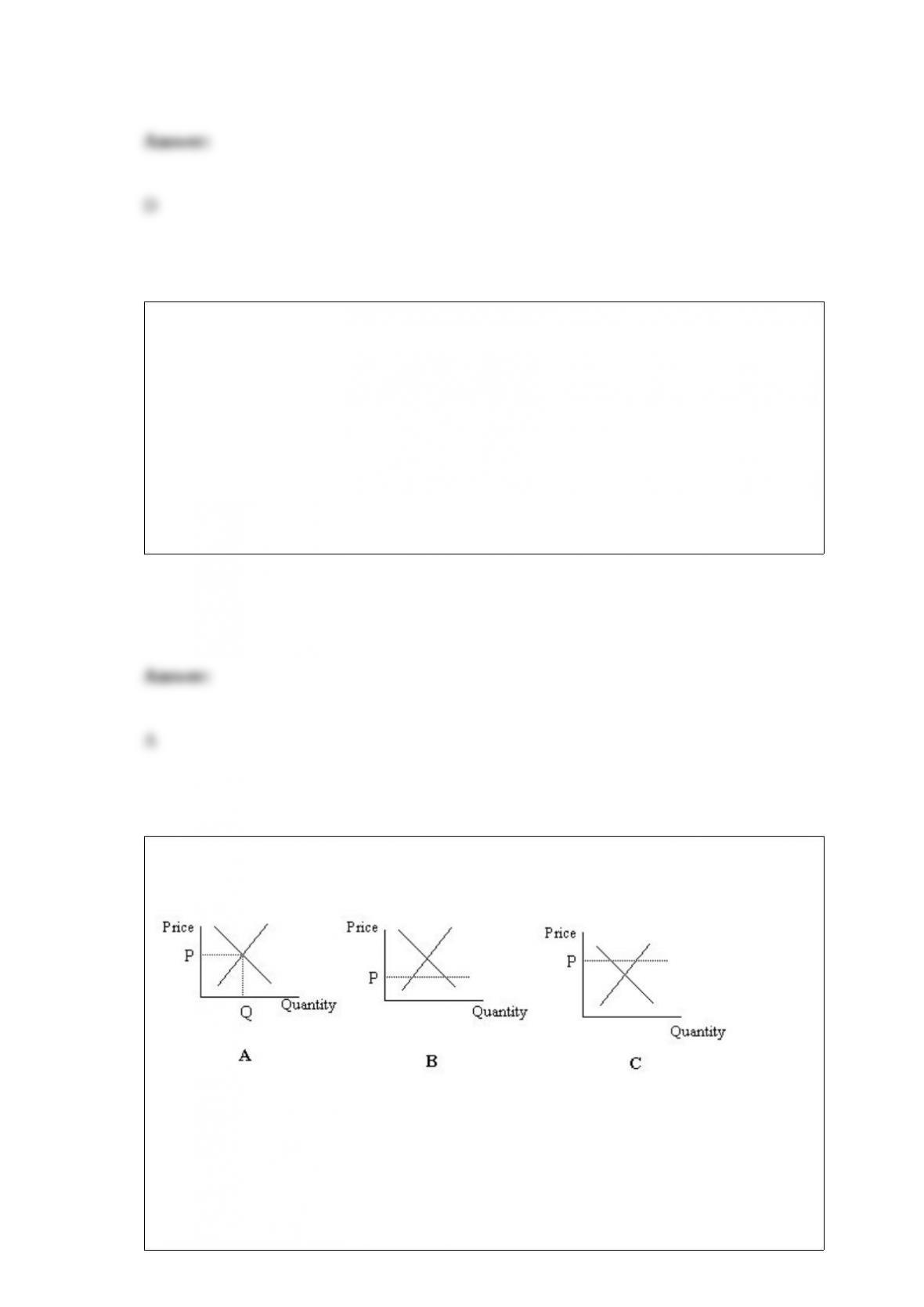
Figure 4.2 depicts three market situations. Which of the panels depicts a market in
which the price is likely to rise?
Figure 4.2
A) Panel A
B) Panel B

C) Panel C
D) None of the panels depicts a market in which the price is likely to rise.
The first major international agreement after World War II was the:
A) General Agreement on Tariffs and Trade.
B) North American Free Trade Area.
C) World Trade Organization.
D) European Union.
Under an average-cost pricing policy, a local water company will face the following:
A) the local water company chooses the price at which short-run average cost curve
intersects the average.
B) the local water company chooses the price at which long-run average cost curve
intersects the average.
C) the government chooses the price at which the demand curve intersects the short-run
marginal-cost curve
D) the government chooses the price at which the demand curve intersects the long-run
average-cost curve.

Recall the Application. In a comparison of weights of candy bars in 1943 and 1939, a
Consumer Reports study found that in a vast majority of cases, the size of candy bars
had ________ and their price per ounce had ________.
A) increased; increased
B) increased; decreased
C) decreased; increased
D) decreased; decreased
The poverty rate in the United States is highest for:
A) married couples.
B) childless households.
C) female headed households.
D) single people.
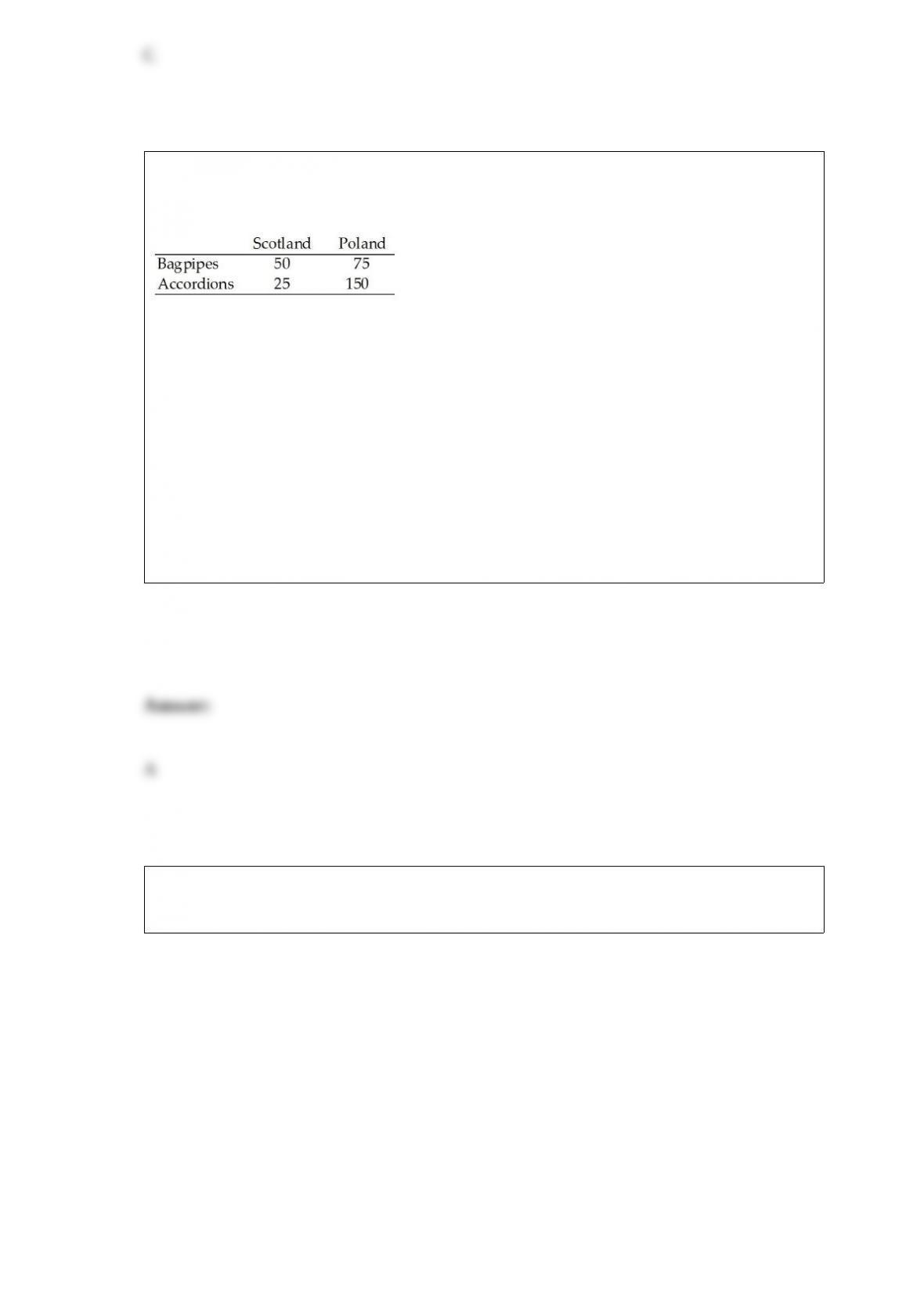
Daily Output of Scotland and Poland
Table 18.1
Refer to Table 18.1. If Scotland produces 10 bagpipes, how many accordions can they
produce for the rest of the day?
A) 20
B) 15
C) 40
D) 25
Joe runs a business and needs to decide how many hours to stay open. Figure 2.2
illustrates his marginal benefit of staying open for each additional hour.
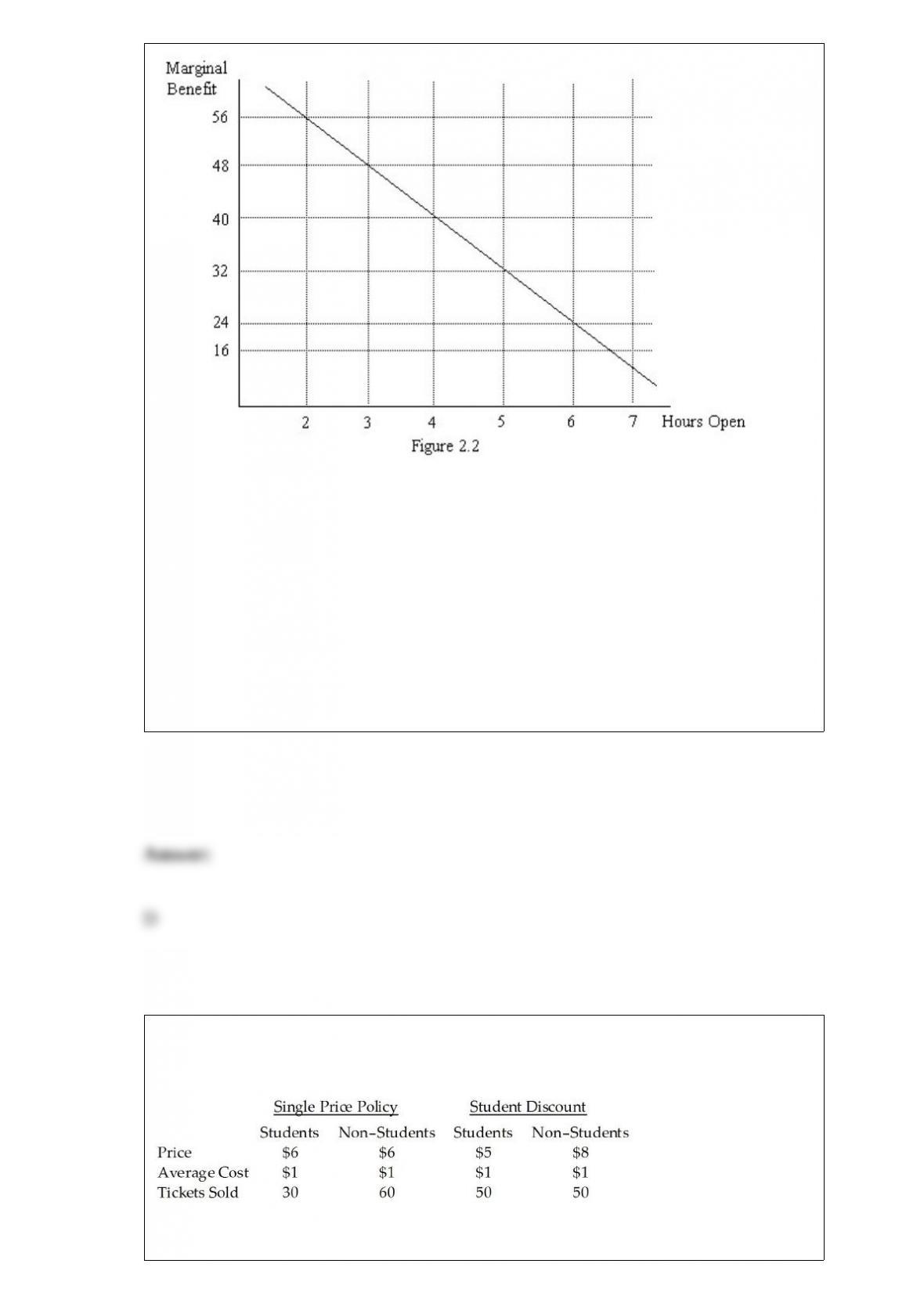
Suppose that Joe’s marginal cost of staying open per hour is $24. How many hours
should Joe stay open?
A) 3 hours
B) 4 hours
C) 5 hours
D) 6 hours
Table 10.2 contains price, demand and cost data for the Capri Theater, the only first-run
movie theater in a small town. What is its profit from students under the single price
policy?
Table 10.2
A) $150
B) $180
C) $450
D) $540
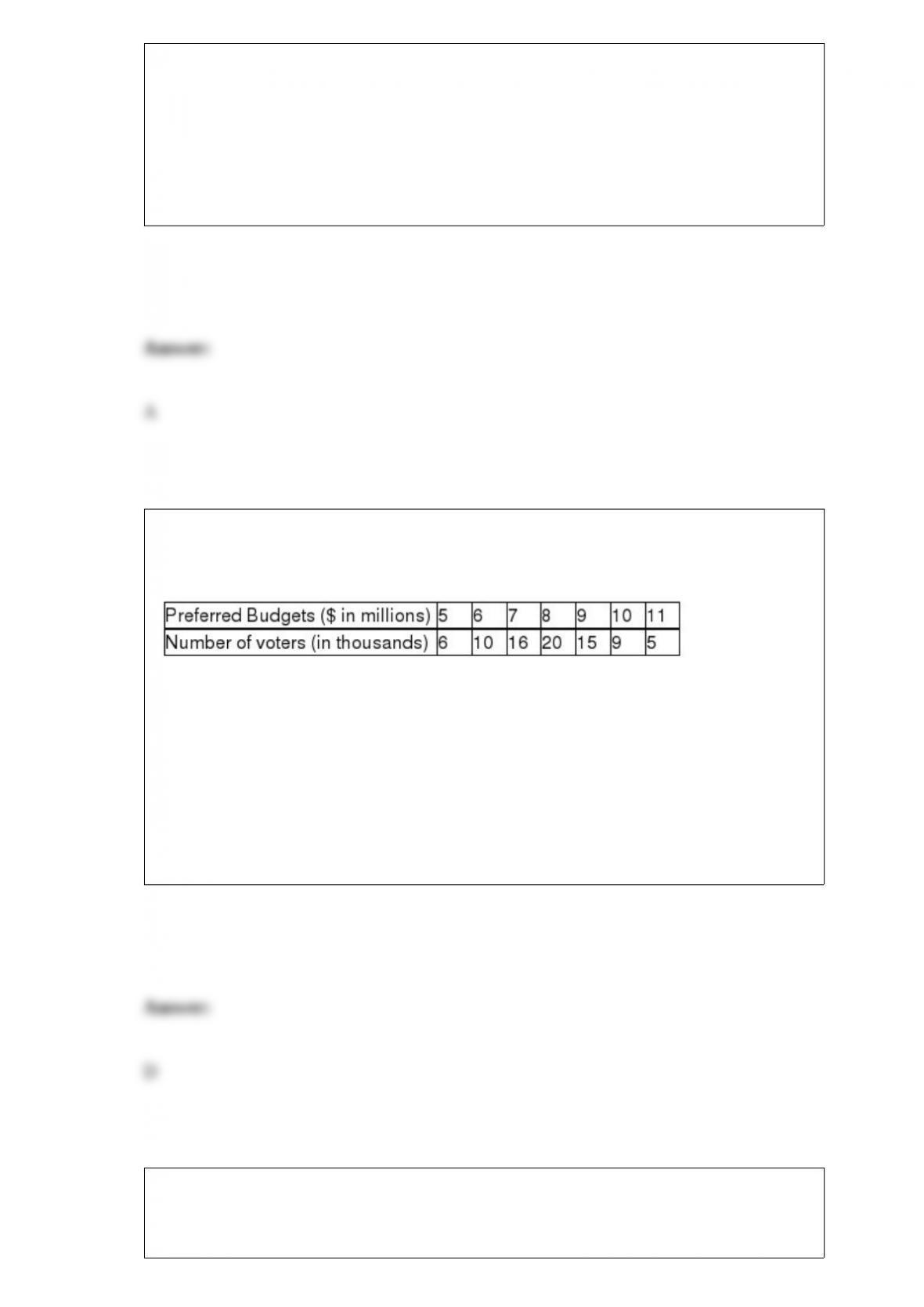
Table 15.2 shows the preferred budget for a new civic center and the number of voters
in a community who prefer that budget. If Jay proposed $6 million while David
proposed $10 million, whose budget will be selected if everyone votes?
Table 15.2
A) Jay’s
B) David’s
C) It is a tie.
D) The outcome cannot be predicted.
Suppose that studies show that a ten percent increase in the minimum wage decreases
the number of minimum wage jobs by one percent. That would be the case if:

A) demand for labor is inelastic.
B) demand for labor is elastic.
C) supply of labor is inelastic.
D) supply of labor is elastic.
Suppose that the elasticity of demand for a product is 0.5 and quantity demanded
increases by 20%. What must the percentage decrease in price have been?
A) 0.5%
B) 5%
C) 10%
D) 40%
Price fixing is an arrangement whereby firms agree to:
A) set price equal to marginal revenue.
B) set price equal to marginal cost.
C) set price equal to average total cost.

D) coordinate their pricing decisions.
A monopoly faced with the possibility that another firm may enter is a(n):
A) natural monopoly.
B) competitive monopoly.
C) insecure monopoly.
D) oligopolistic monopoly.
The terms of trade refers to the:
A) slope of the production possibilities curve.
B) relative amounts of the goods that will be exchanged for each other in trade.
C) opportunity cost of producing each good in each country.
D) all of the above

Consumer surplus is equal to:
A) the area under the demand curve.
B) the area under the demand curve above the good’s price.
C) the area under the demand curve below the good’s price.
D) the good’s price times the quantity purchased.
Which of the following statements is true?
A) Free trade will benefit all workers in a nation equally.
B) As a result of specialization some workers will be displaced and harmed in the short
run by free trade.
C) Free trade leads to lower wages for all workers in both nations.
D) Specialization will result in a decline in an industry and none of those workers will
be able to find other jobs.

Suppose a health insurance company notes that almost all of its customers are at a high
risk of illness or injury. This is an example of:
A) public information.
B) perfect information.
C) a thick market.
D) an adverse selection problem.
Which of the following is an example of limit pricing?
A) In order to buy Microsoft Windows, you must also purchase Internet Explorer.
B) Bus rides are cheaper for senior citizens than for other people.
C) Prices are set low enough to drive other firms out of a market.
D) Prices are set low enough to prevent other firms from entering the market.
In the short run, after Hurricane Andrew struck the southeastern U.S., the price of ice:
A) rose.
B) did not change.

C) fell.
D) became negative.
Lettuce and spinach are substitute goods. All else equal, if a spinach beetle destroys half
of the nation’s spinach crop, we predict that the equilibrium price of lettuce will
________ and the equilibrium price of spinach will ________.
A) rise; rise
B) rise; fall
C) fall; rise
D) fall; fall
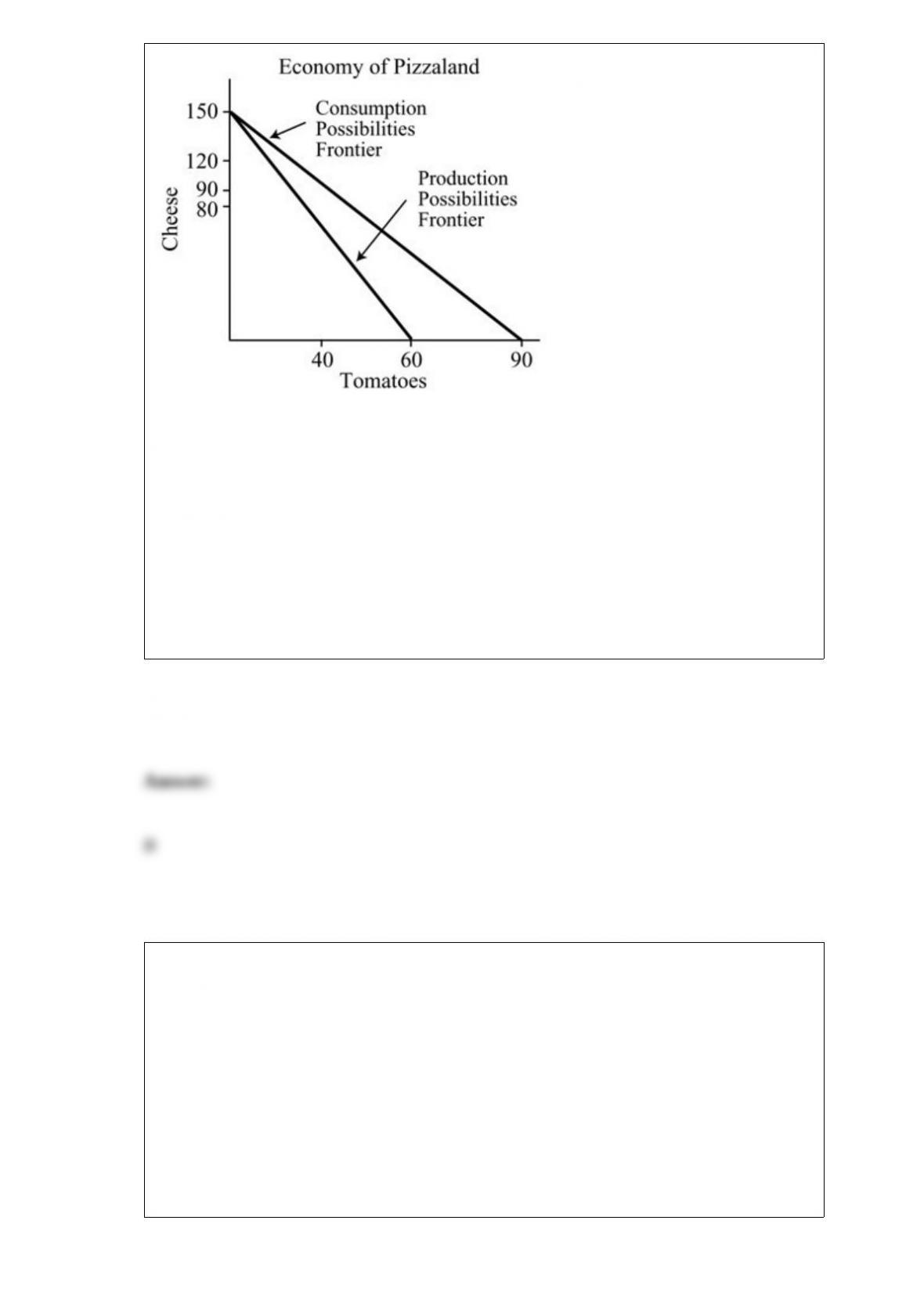
Figure 18.2
Refer to Figure 18.2. Pizzaland has a comparative advantage in the production of:
A) tomatoes.
B) cheese.
C) both cheese and tomatoes.
D) neither cheese nor tomatoes.
Recall the application about cheating on the final exam, three students were caught
cheating on their final exam. Did the three students confess when the professor put
them through the prisoners’ dilemma?
A) one student confessed.
B) two students confessed.
C) three students confessed.
D) none of the students confessed.

The price of pens increases from $2 to $2.20. At the same time, the quantity of pens
demanded decreases from 100 to 90. Demand for pens is:
A) perfectly inelastic.
B) inelastic.
C) unitary elastic.
D) elastic.
A carbon tax placed on coal will ________ the price of coal and ________ the quantity
sold of coal.
A) raise; decrease
B) raise; increase
C) lower; decrease
D) lower; increase
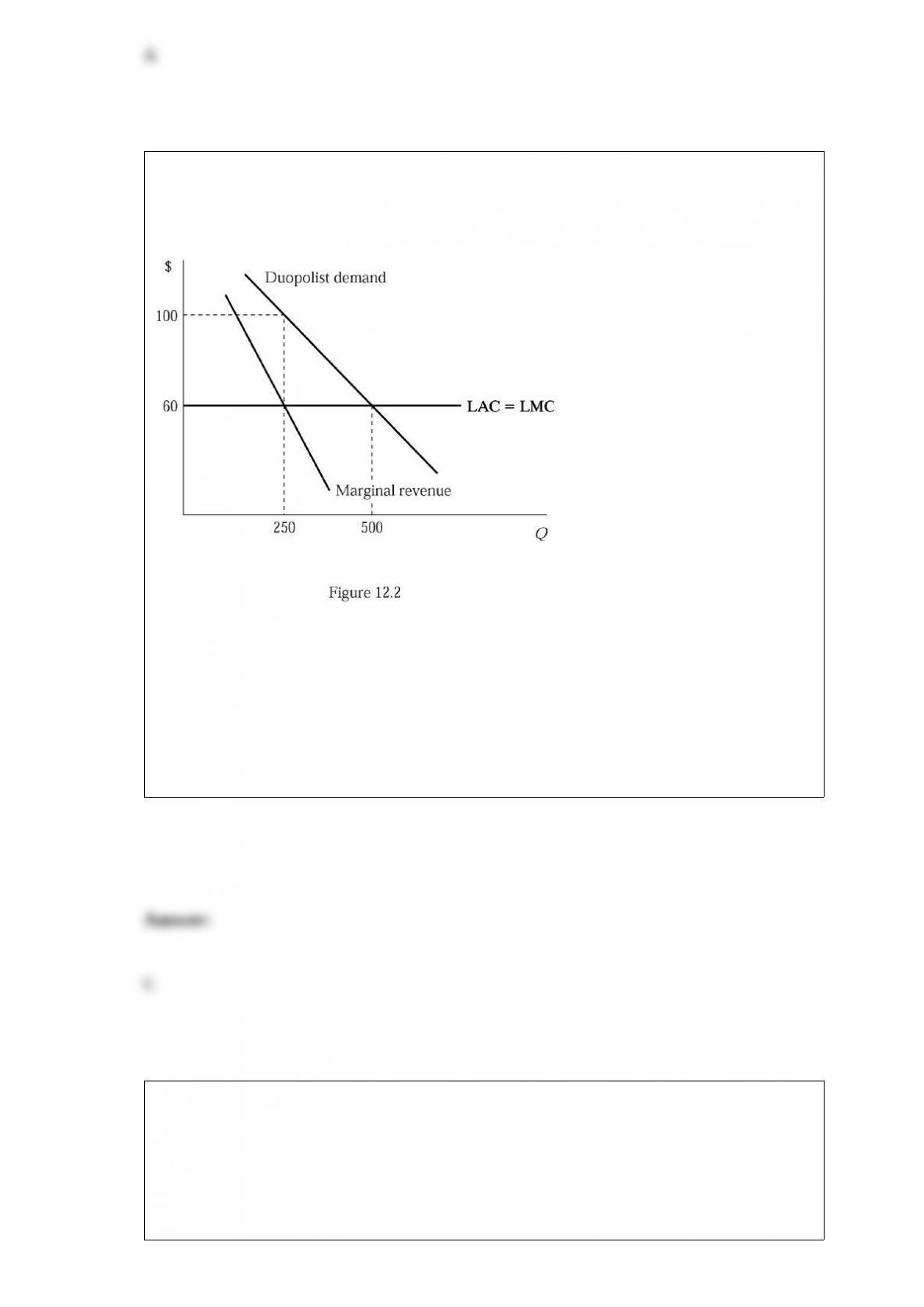
Figure 12.2 shows demand, marginal revenue, and costs of a duopolist. If the two
duopolists have the same costs and split the market equally, each profit maximizing
duopolist will earn a profit of ________.
A) $30,000
B) $15,000
C) $10,000
D) $0
An example of a good that is excludable is:
A) broadcast television.
B) an outdoor sculpture visible from the street.
C) an aerial fireworks display.
D) a television set.
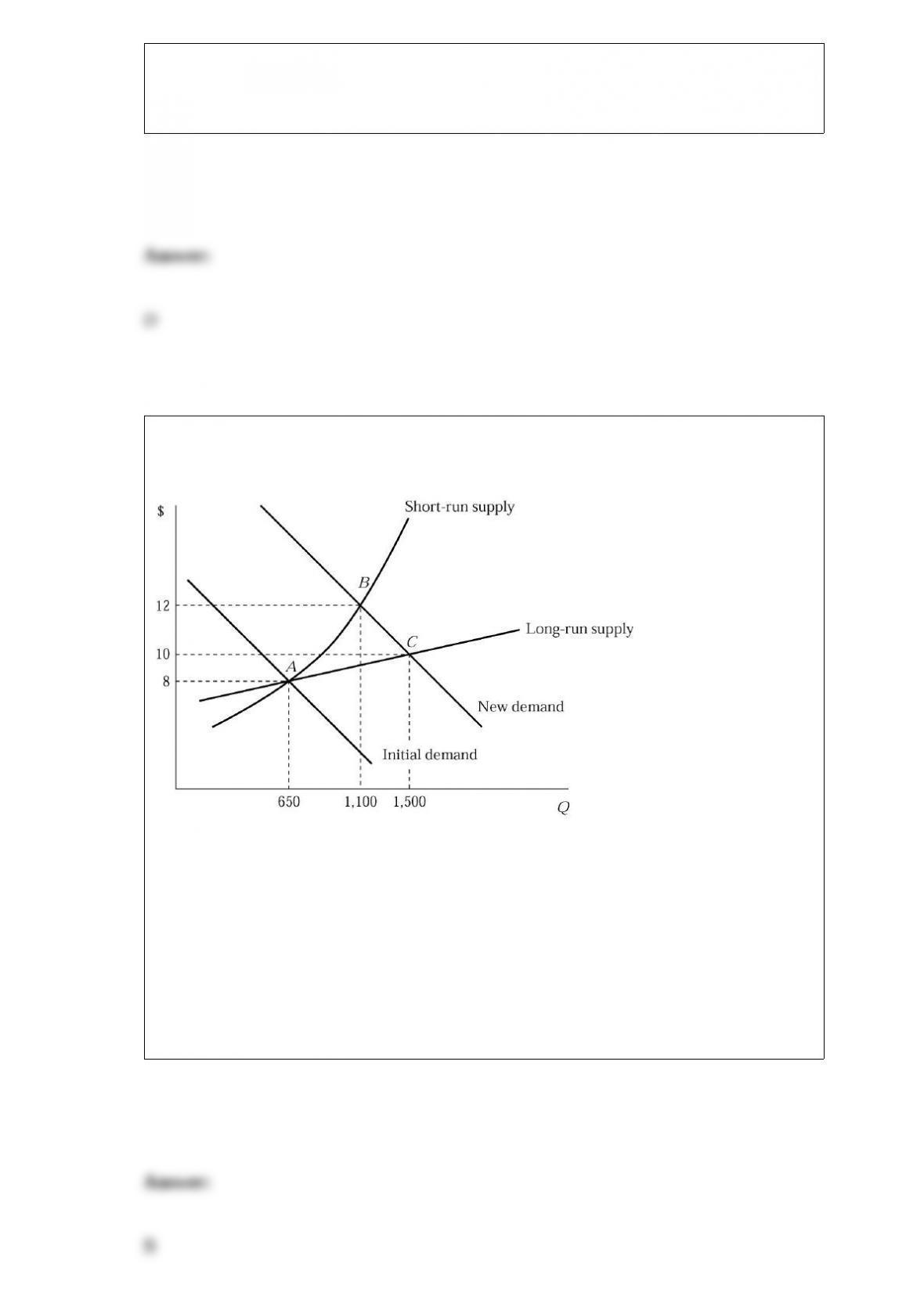
Figure 9.5 shows the short-run and long-run effects of an increase in demand of an
industry. The industry is:
Figure 9.5
A) a constant-cost industry.
B) an increasing-cost industry.
C) a decreasing-cost industry.
D) There isn’t sufficient information.
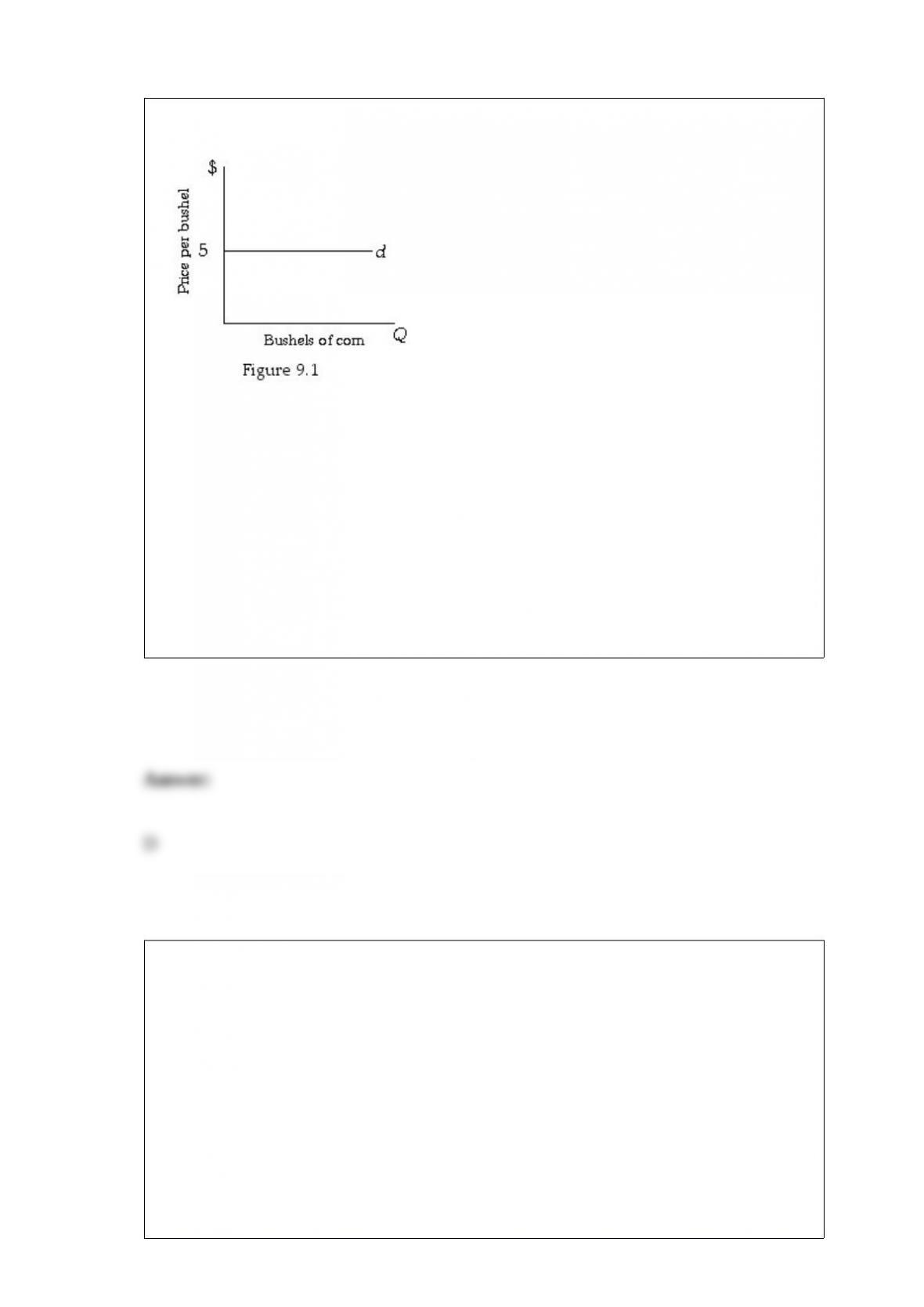
Refer to Figure 9.1. A farmer produces 100 bushels of corn and sells each bushel at $5.
The cost of producing each unit bushel is $2. This farmer’s total revenue is:
A) $20.
B) $200.
C) $300.
D) $500.
How do monopoly prices and quantities produced differ from perfectly competitive
outcomes, all other things equal?
A) Monopoly prices and quantities are both lower than competitive outcomes.
B) Monopoly prices and quantities are both higher than competitive outcomes.
C) Monopoly prices are lower than competitive prices but monopoly quantities are
higher than competitive quantities.
D) Monopoly prices are higher than competitive prices but monopoly quantities are
lower than competitive quantities.