
If the price of a textbook rises and then students purchase fewer textbooks, an economic
model can show a cause-and-effect relationship only if which of the following
conditions holds:
a. students’ incomes fall.
b. tuition decreases.
c. the number of students increases.
d. everything else is constant.
e. the bookstore no longer accepts used book trade-ins.
Assuming that hamburgers and hot dogs are substitutes, an increase in the price of
hamburgers, other things being equal, results in a:
a. rightward shift in the demand curve for hot dogs.
b. leftward shift in the demand curve for hamburgers.
c. rightward shift in the demand curve for hamburgers.
d. leftward shift in the demand curve for hot dogs.
In the short run, a firm will eventually experience rising per-unit costs because of:
a. economies of scale.
b. diseconomies of scale.
c. the law of supply.
d. the law of diminishing returns.

A tariff is:
a. a duty that a company must pay its own government on exports.
b. the price charged by one country to buyers of a good in another country.
c. a price reduction designed to encourage international trade.
d. a tax on an import.
The law of diminishing marginal utility exists for the first four units of a good if they
have marginal utilities of:
a. 1, 2, 4, 8.
b. 8, 4, 1, 2.
c. 4, 8, 2, 1.
d. 8, 4, 2, 1.
Exhibit 11-14 Labor cost data for a monopsonist
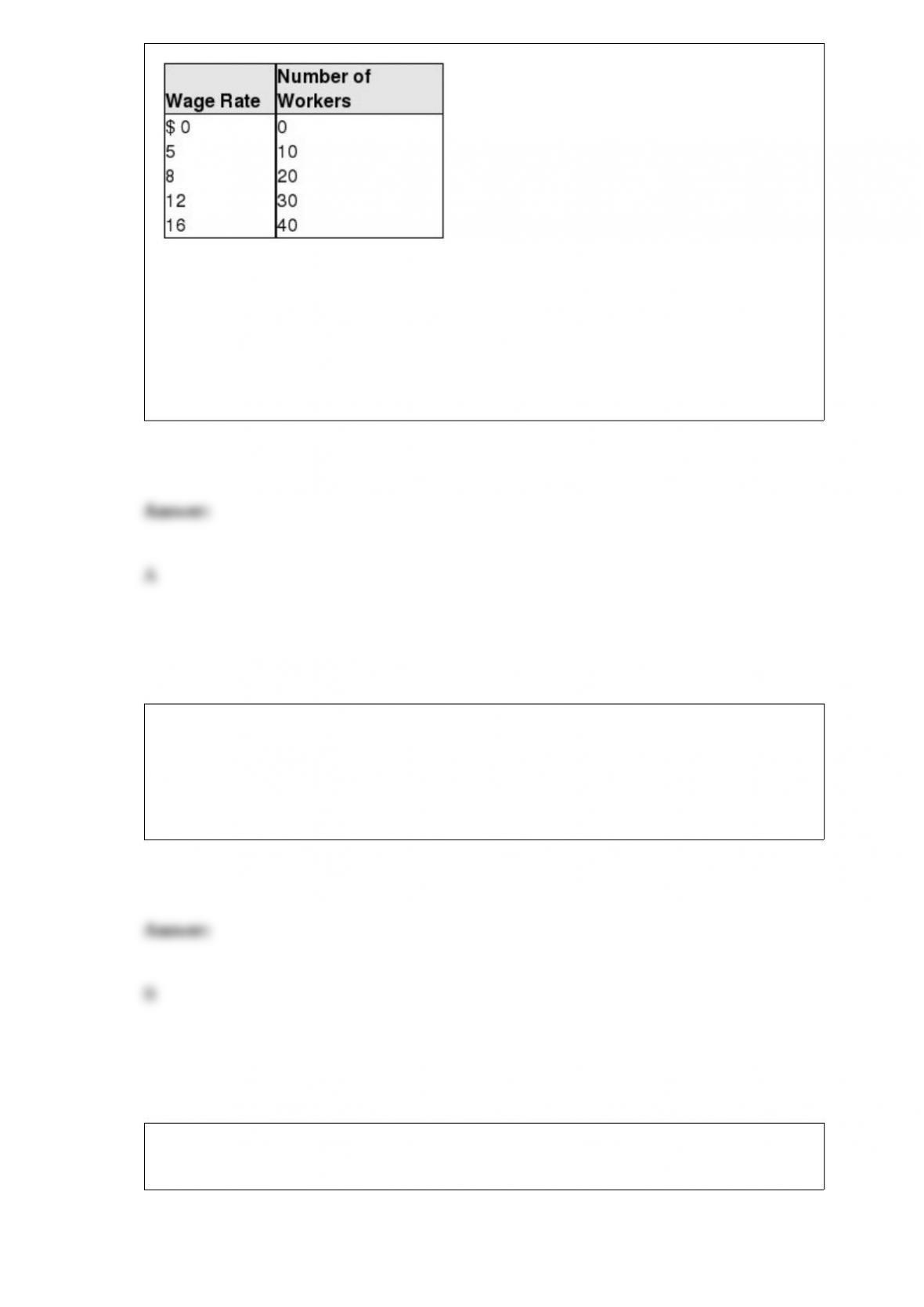
In Exhibit 11-14, the marginal factor cost when the monopsonist goes from 30 to 40
workers hired is:
a. $28.
b. $4.
c. $64.
d. $36.
e. $10.
The official poverty rate for all persons declined sharply between 1959 and:
a. 2000.
b. 1970.
c. 1980.
d. 1990.
Exhibit 6A-3 Consumer equilibrium
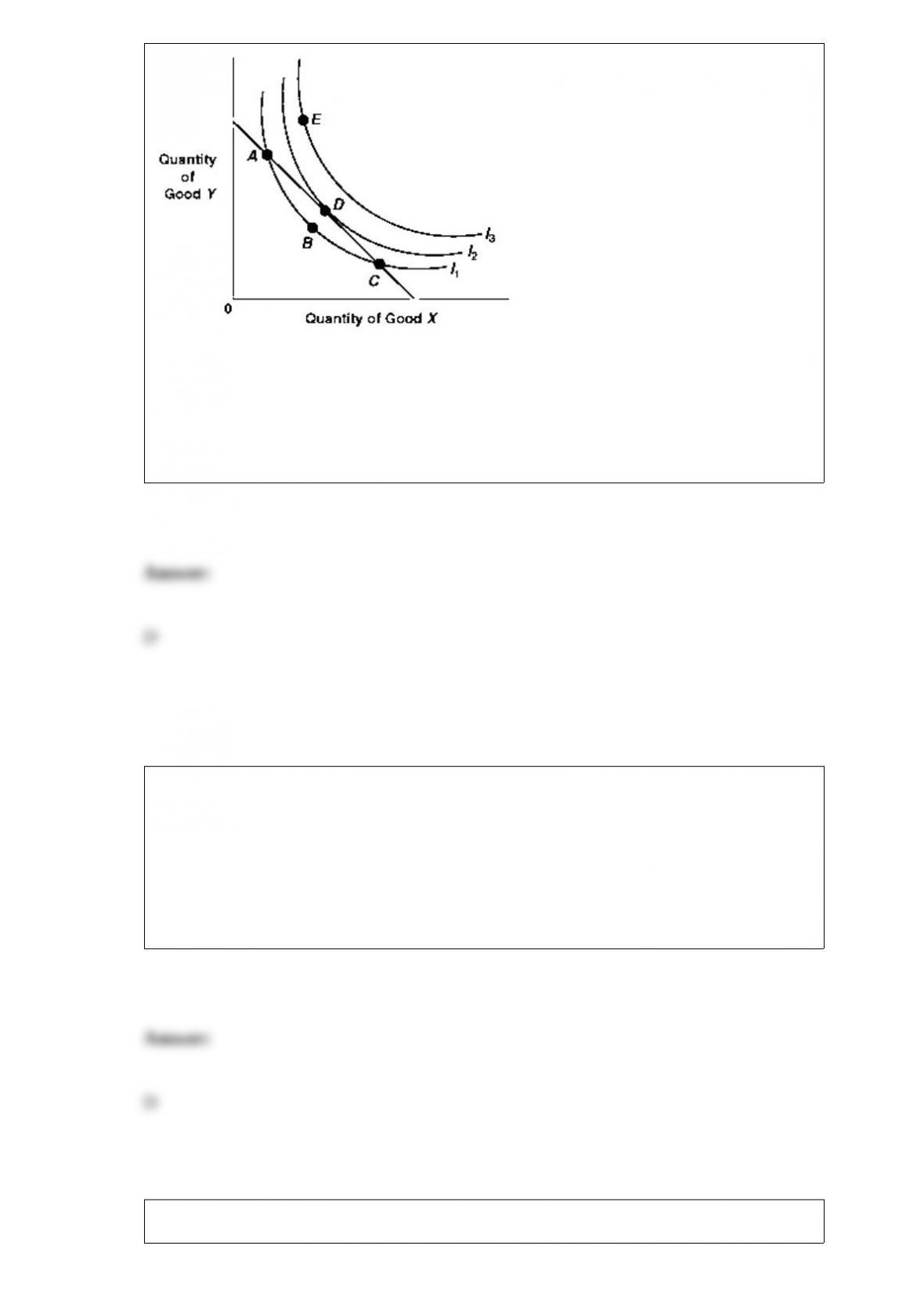
Given the budget line and indifference curves shown in Exhibit 6A-3, assume the
consumer is initially at point C. To maximize total utility, the consumer should:
a. purchase more of good X and less of good Y.
b. remain at point C.
c. move to point B and then point A.
d. purchase more of good Y and less of good X.
Suppose an oil cartel has an agreement to restrict members’ production in order to
maintain a price of $30 per barrel. A single cartel member may want to cheat and
exceed its quota so that it can:
a. reduce its costs. c. make demand more inelastic.
b. charge higher prices. d. earn a bigger profit.
What act of Congress declared restraint of trade illegal and declared any attempt at
monopolizing unlawful?
a. Celler-Kefauver Act. c. Clayton Act.
b. Sherman Antitrust Act. d. Robinson-Patman Act.
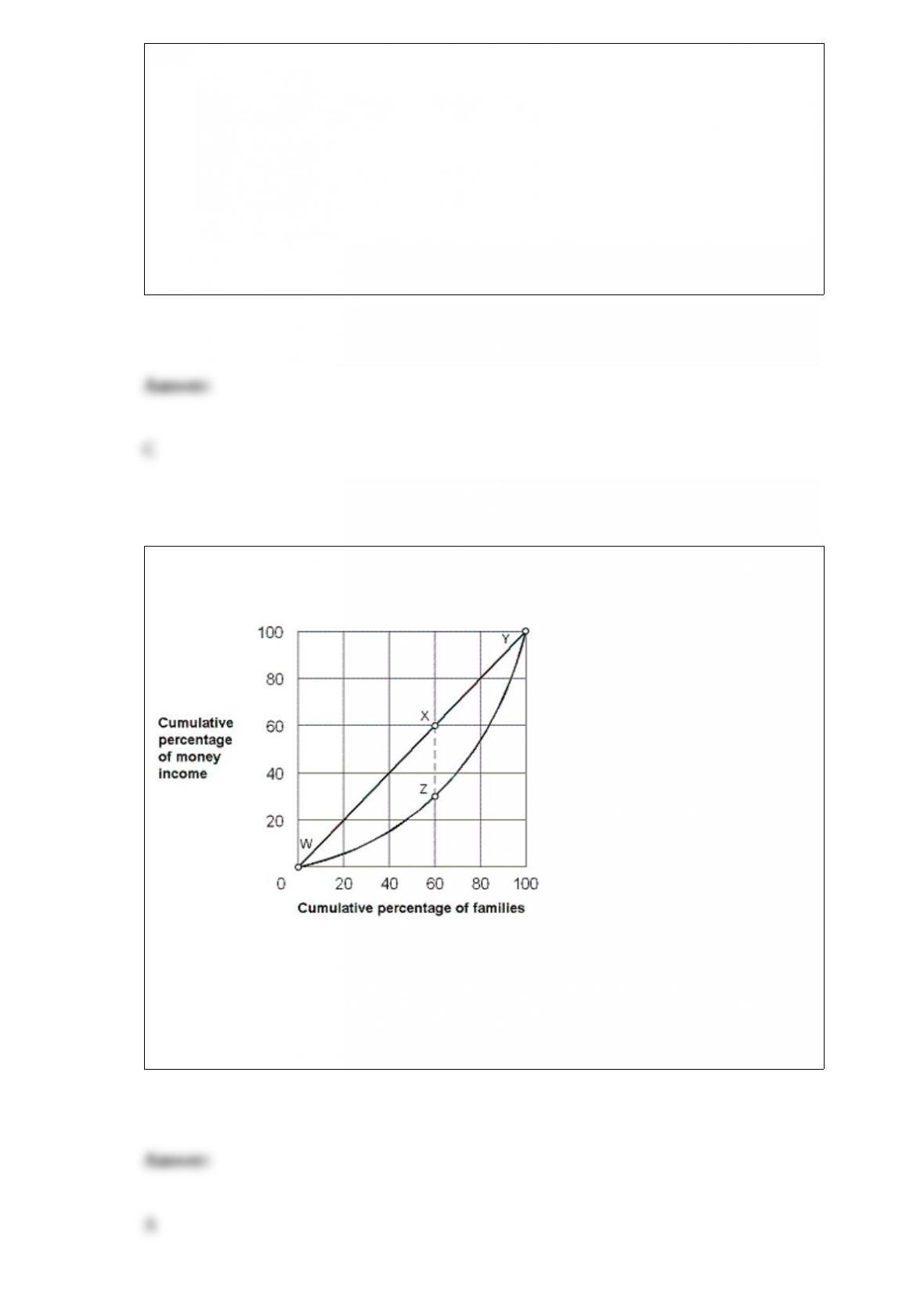
Exhibit 5-3 Demand curves for gallons of orange juice
Using Exhibit 5-3, whose elasticity of demand is greatest when the price falls from $7
to $6?
a. Albert
b. Betty
c. Carl
d. Dana
e. Edward
Which of the following is true for perfect competition, monopolistic competition, and
monopoly?
a. The product of all firms is homogeneous.
b. Firms will earn zero economic profits in the long run.
c. Short-run profits are maximized when marginal cost equals marginal revenue.
d. All of these.
Exhibit 12-4 Lorenz curve
As shown in Exhibit 12-4, 20 percent of families earned a cumulative share of about
____ percent of income.
a. 5
b. 10
c. 30
d. 50
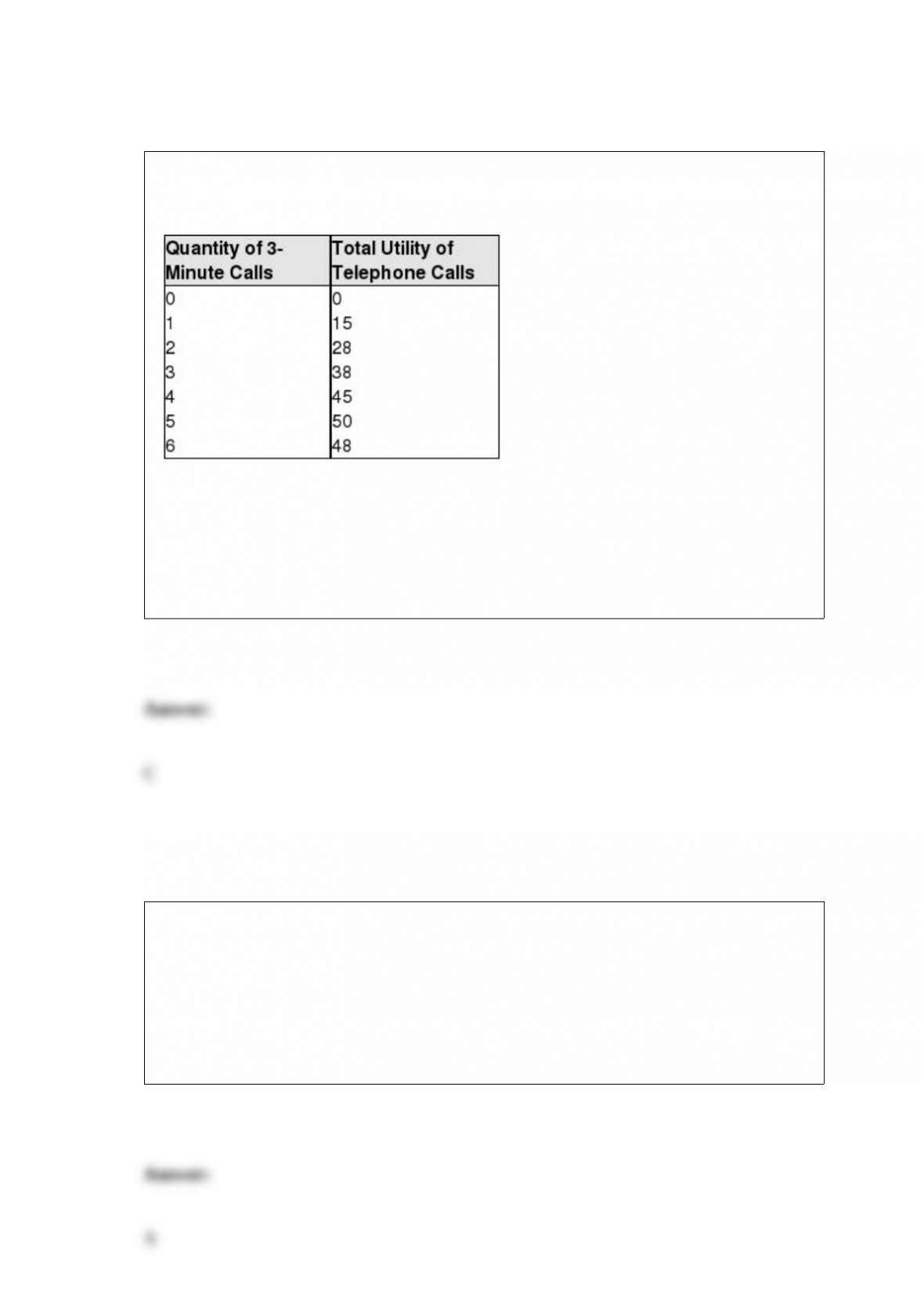
Exhibit 6-8 Bea’s total utility of 3-minute telephone calls
Refer to Exhibit 6-8. Bea’s marginal utility of her second telephone call is:
a. 28.
b. 15.
c. 13.
d. 10.
e. 1.
To abstract from reality in an economic model means that:
a. we include only a few of the essential aspects of reality.
b. the economic study surveys only a very limited period of time.
c. we include only those elements which support our hypothesis.
d. the model includes every aspect of the real world.
e. the model examines the actions of the consumers in the absence of producers and the
government.
Purchases of foreign assets by U.S. residents are tabulated in the U.S. balance of
payments as a:
a. capital inflow. c. current account outflow.
b. capital outflow. d. unilateral transfer.
A product would be more demand price inelastic:
a. the shorter the time the consumer has to adjust to price changes.
b. the higher the price of the good.
c. the more the number of good substitutes.
d. the less the essential nature of the good.
e. if the supply is more price elastic.
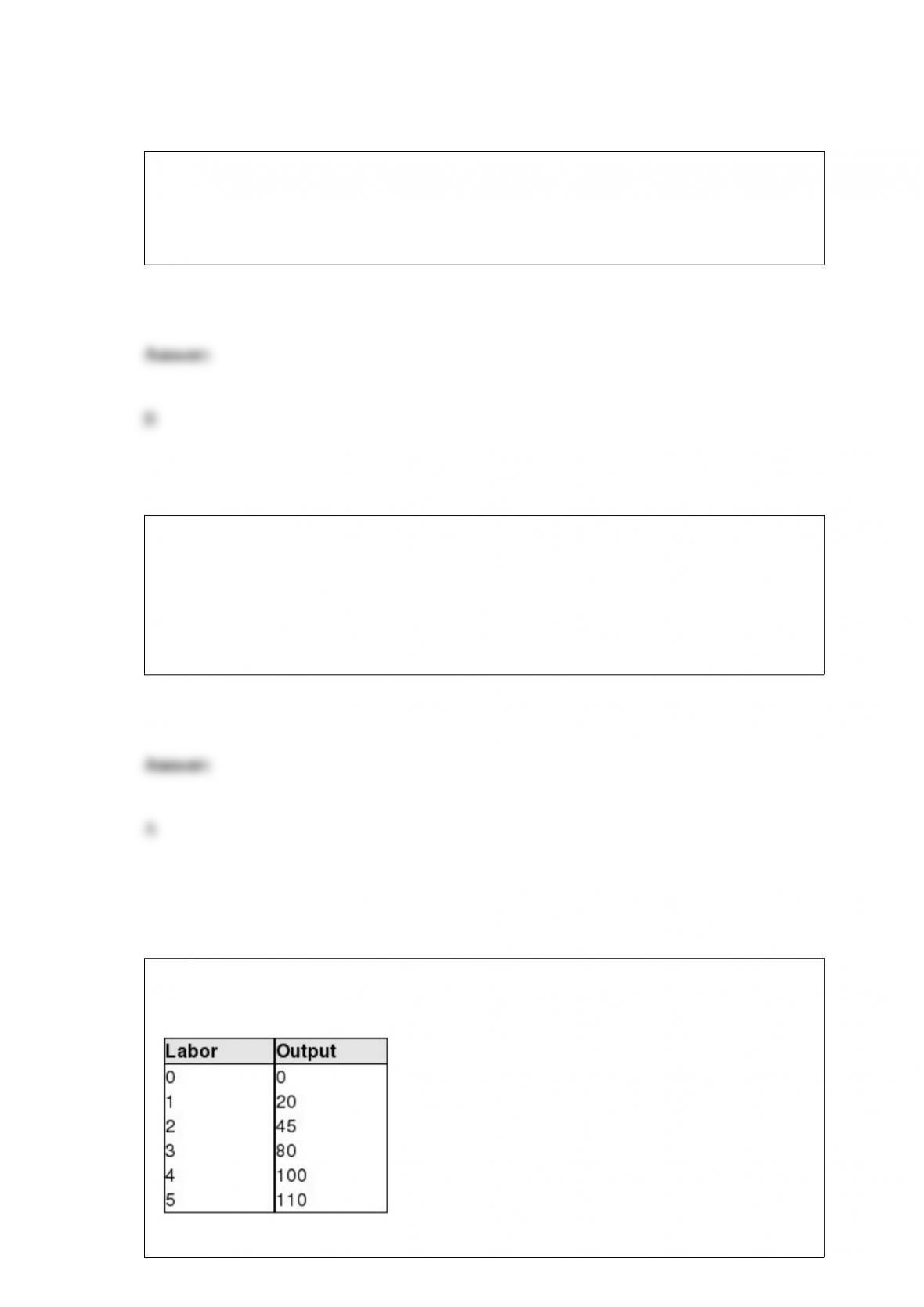
Exhibit 11-2 Labor and output data
In Exhibit 11-2, if product price is fixed at $5, the MRP of the 4th worker is equal to:

a. $35.
b. $125.
c. $25.
d. $175.
e. $100.
A firm will employ an additional unit of labor as long as the employment of labor adds
more to the firm’s revenue than it does to the firm’s:
a. product price.
b. accounting profit.
c. residual claim.
d. cost.
Which of the following will increase the supply of a good?
a. An increase in the price of another good that producers could produce.
b. A lower price paid for resources used in the production of the good.
c. A decrease in the number of sellers.
d. An increase in taxes paid to the government by producers.
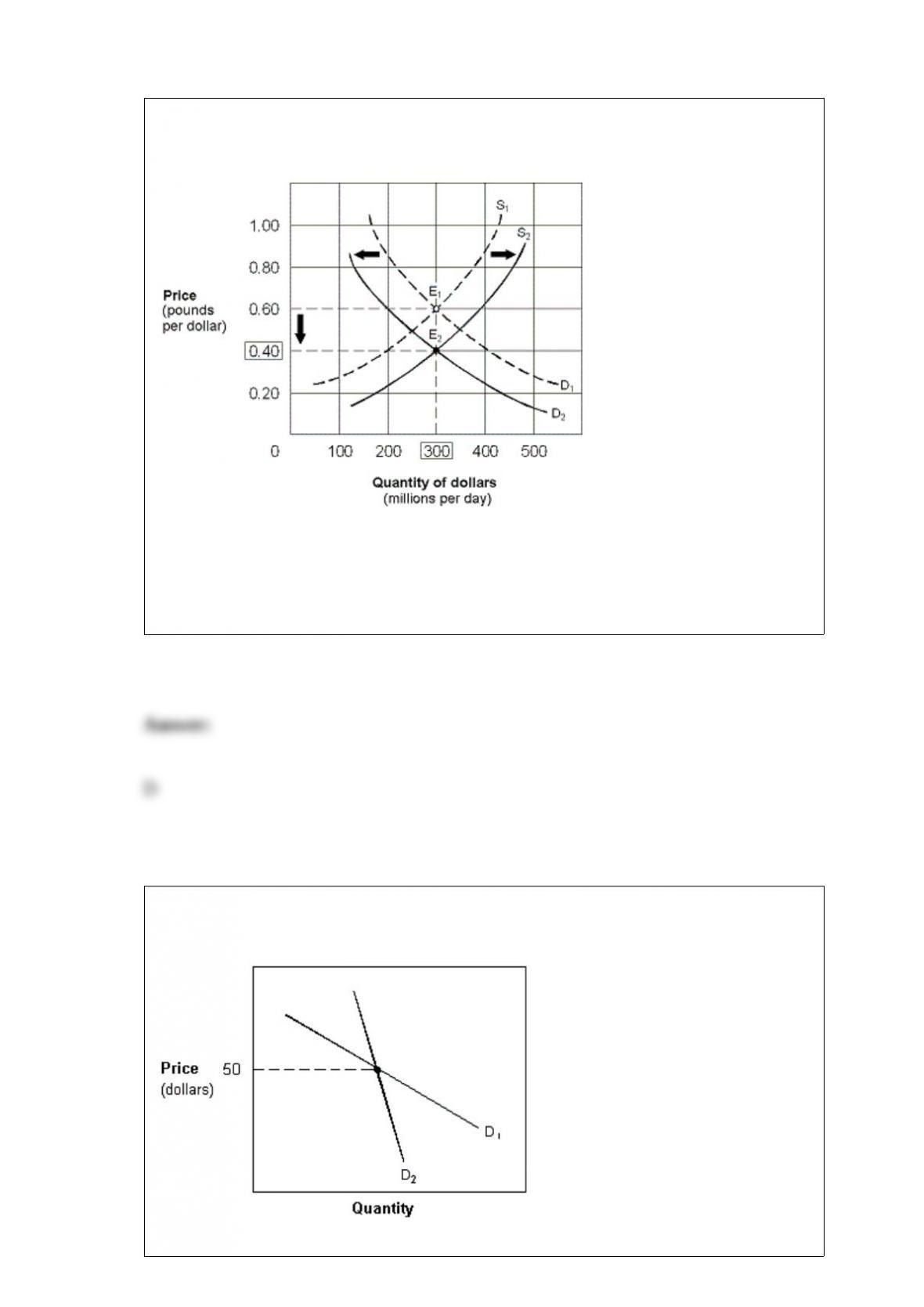
Exhibit 15-7 Foreign exchange market for U.S. dollars and British pounds
A depreciation in the value of the U.S. dollar would:
a. encourage foreigners to travel on American owned airlines.
b. make U.S. goods more expensive to foreign consumers.
c. decrease the number of dollars it takes to buy a Swiss franc.
d. make it more expensive for U.S. citizens to travel abroad.
Exhibit 10-4 Kinked demand curves

In Exhibit 10-4, in a kinked-demand oligopoly model, D1 represents the:
a. demand curve applicable to any price increase above $50.
b. demand curve applicable to any price decrease below $50.
c. demand curve facing firms when a cartel is formed.
d. market demand curve.
e. demand curve facing the price leader.