In what way does long-run equilibrium under monopolistic competition differ from
long-run equilibrium under perfect competition?
A) Firms in perfect competition achieve productive and allocative efficiency while
firms in monopolistic competition achieve neither allocative nor productive efficiency.
B) The only difference is that in a monopolistically competitive market there are many
brands to choose from while in a perfectly competitive market there is one standard
product.
C) Firms in perfect competition achieve productive efficiency while firms in
monopolistic competition achieve allocative efficiency.
D) Firms in perfect competition achieve allocative efficiency while firms in
monopolistic competition achieve brand efficiency.
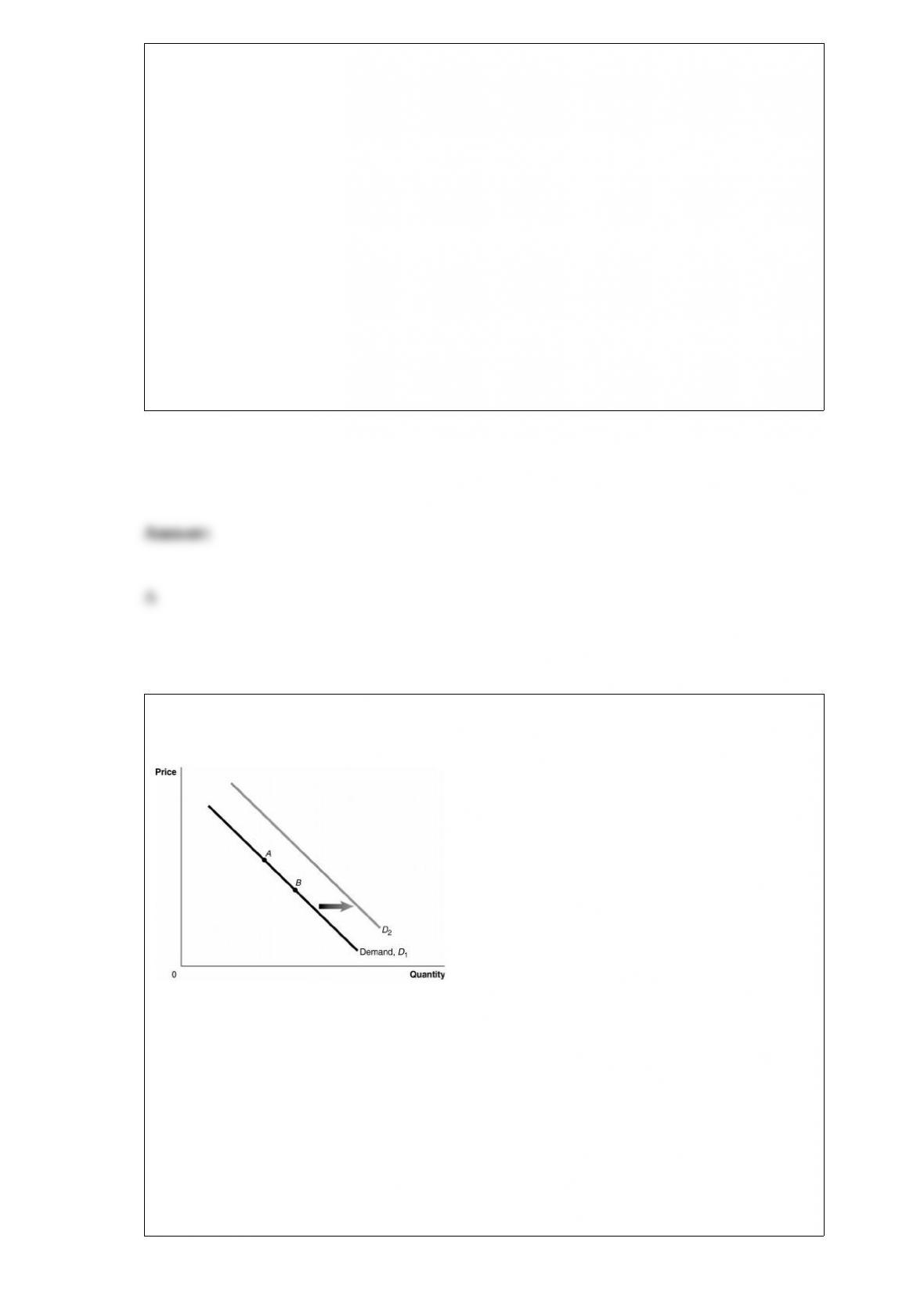
Figure 3-1
Refer to Figure 3-1. A decrease in the price of the product would be represented by a
movement from
A) A to B.
B) B to A.
C) D1 to D2.
D) D2 to D1.

In 2013, health care made up ________ of the U.S. economy
A) about 2 percent
B) roughly 8 percent
C) more than one-sixth
D) almost two-thirds
Article Summary
Roberto Azevedo, director-general of the World Trade Organization (WTO), reported
that global trade growth estimates will be lowered for 2013 and 2014 because of
increasing global protectionism. The current protectionism is based primarily in
regulations rather than the more common tariffs and subsidies. Since 2008, almost 700
new trade restrictions have materialized – over 150 of those in 2012 alone – with Russia
being singled out as one of the primary offenders.
Source: Kiran Moodley, “WTO warns of trade slowdown due to protectionism,” CNBC,
September 6, 2013.
Refer to the Article Summary. The protectionism being granted to Russian firms will
cause the greatest harm to
A) Russian manufacturers.
B) the Russian government.
C) manufacturers who export to Russia.
D) Russian consumers.
In June, buyers of titanium expect that the price of titanium will fall in July. What
happens in the titanium market in June, holding everything else constant?
A) The demand curve shifts to the right.
B) The quantity demanded increases.
C) The quantity demanded decreases
D) The demand curve shifts to the left.
Lilly Davis has $5 per week to spend on any combination of ice cream and candy. The
price of an ice cream cone is $2 and the price of a candy bar is $1. The table below
shows Lilly’s utility values. Use the table to answer the questions that follow the table.
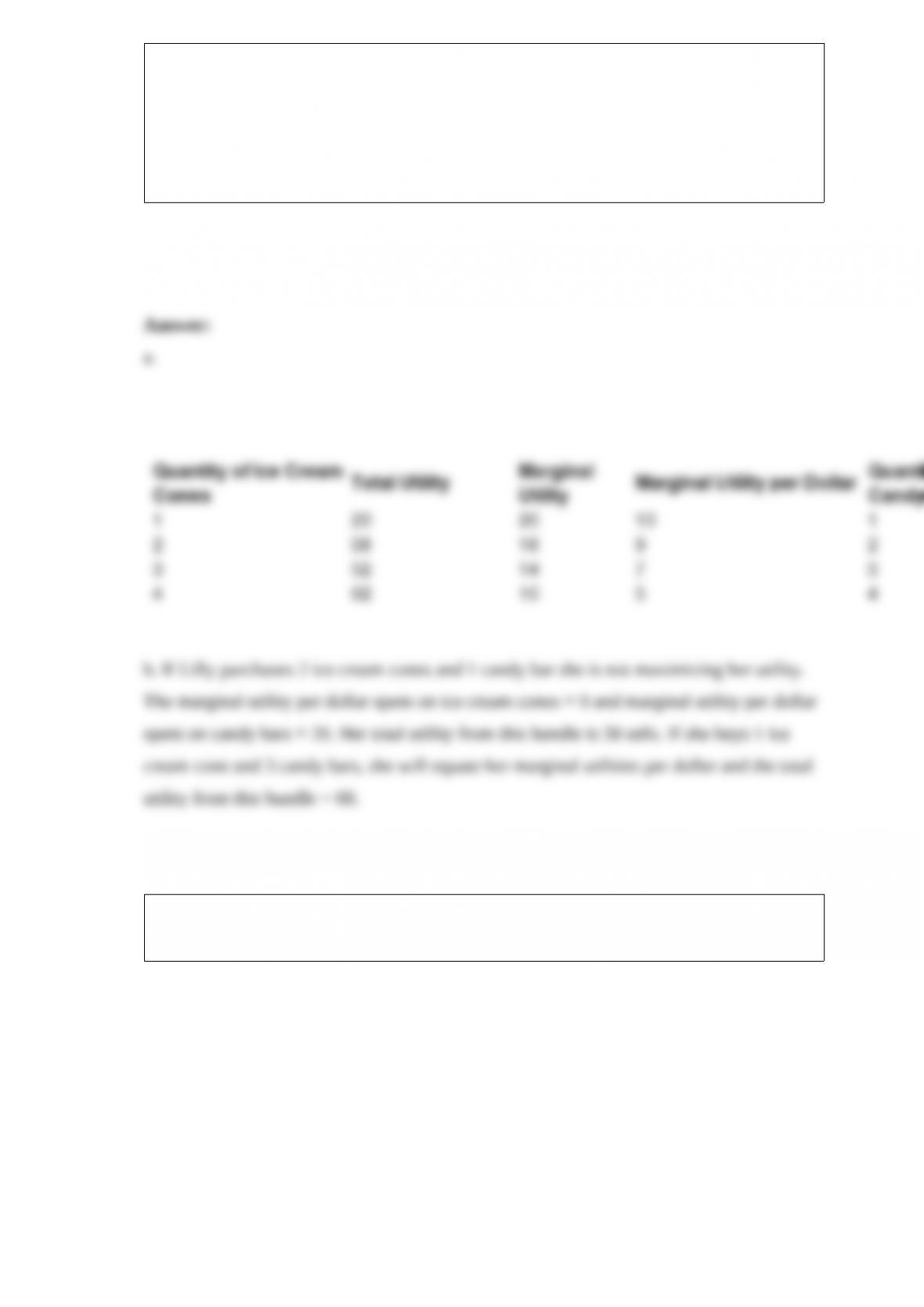
a. Complete the table by filling in the blank spaces.
b. Suppose Lilly purchases 2 ice cream cones and 1 candy bar. Is she consuming the
optimal consumption bundle? If so, explain why. If not, what combination should she
buy and why?
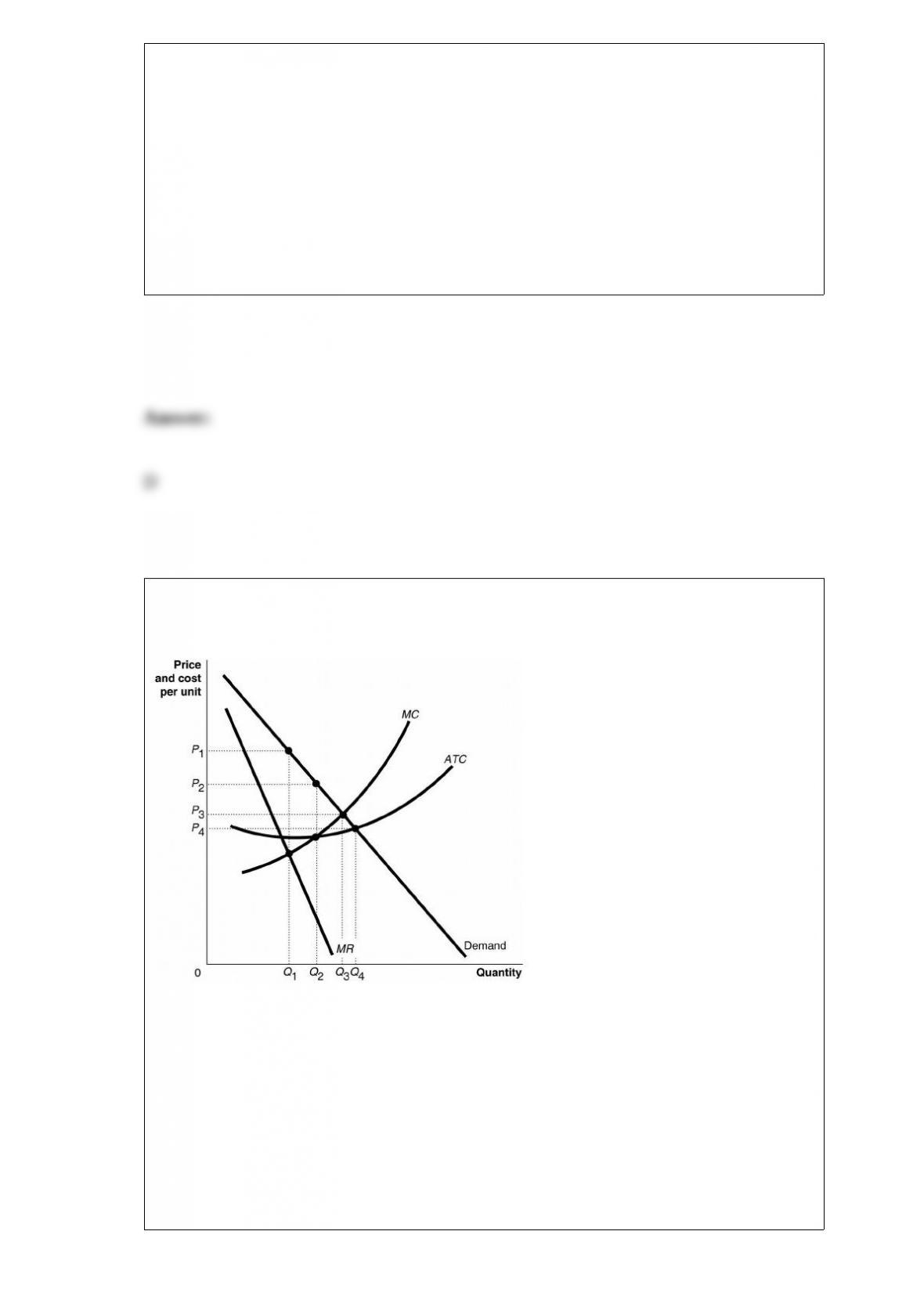
Figure 15-2
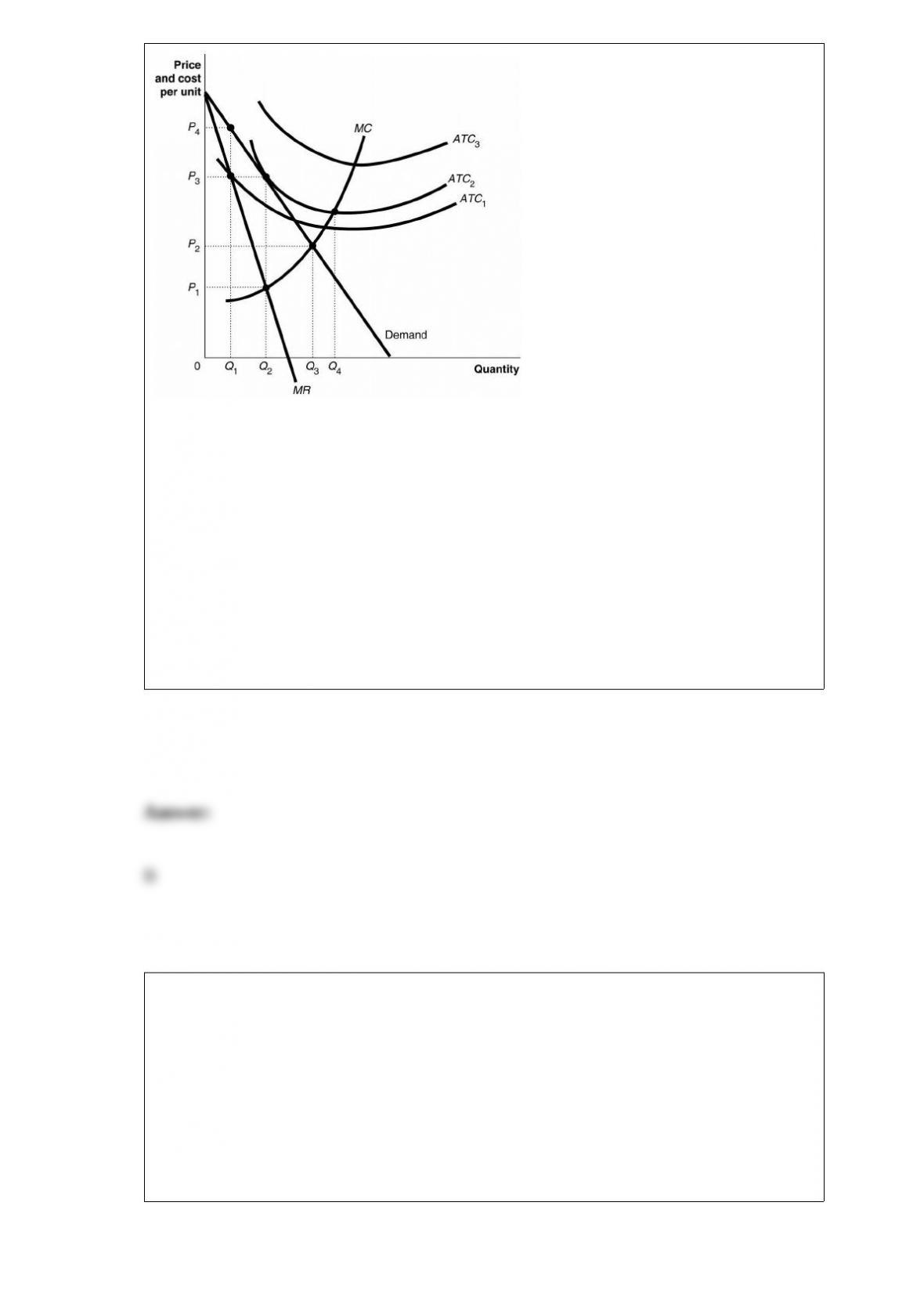
Figure 15-2 above shows the demand and cost curves facing a monopolist.
Refer to Figure 15-2. To maximize profit, the firm will produce
A) Q1.
B) Q2.
C) Q3.
D) Q4.
Implicit costs can be defined as
A) accounting profit minus explicit cost.
B) the non-monetary opportunity cost of using the firm’s own resources.
C) the deferred cost of production.
D) total cost minus fixed costs.
In which market structure is it not possible to practice price discrimination?
A) perfect competition
B) monopolistic competition
C) oligopoly
D) monopoly
Which of the following is not a characteristic of indifference curves?
A) Indifference curves cannot intersect.
B) Indifference curves are usually bowed in, or convex.
C) The slope of an indifference curve is negative.
D) The closer to the origin, the greater the utility level.
A tax imposed by a state or local government on retail sales of most products is
A) an excise tax.
B) a social service tax.
C) a consumption tax.
D) a sales tax.
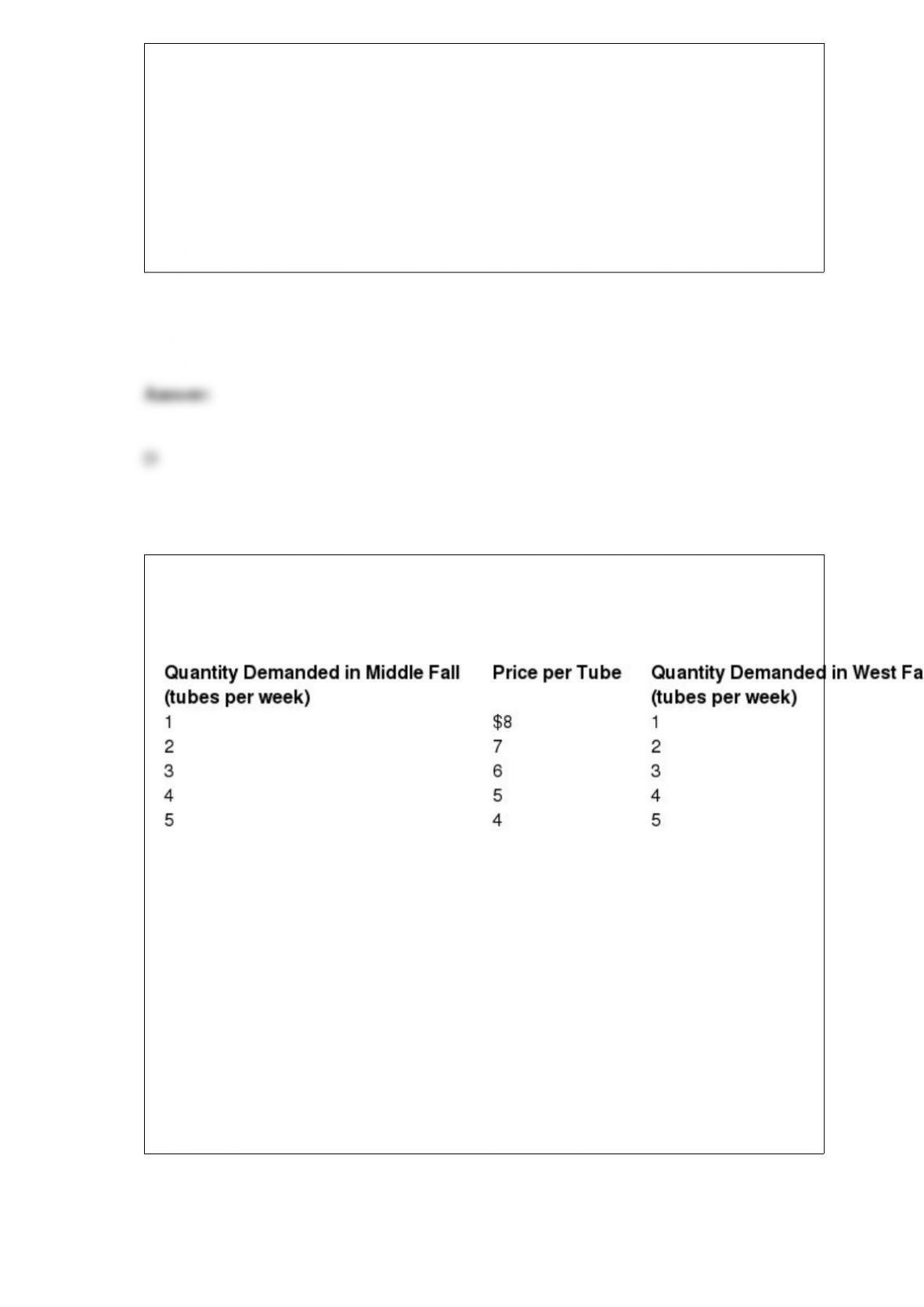
Table 16-2
Neem Products sells its Ayurvedic Neem toothpaste in two completely isolated markets
with demand schedules as shown in Table 16-2. The average cost of production is
constant at $2 per tube.
Refer to Table 16-2. What is the total revenue received from both markets combined?
A) $30
B) $34
C) $68
D) $70
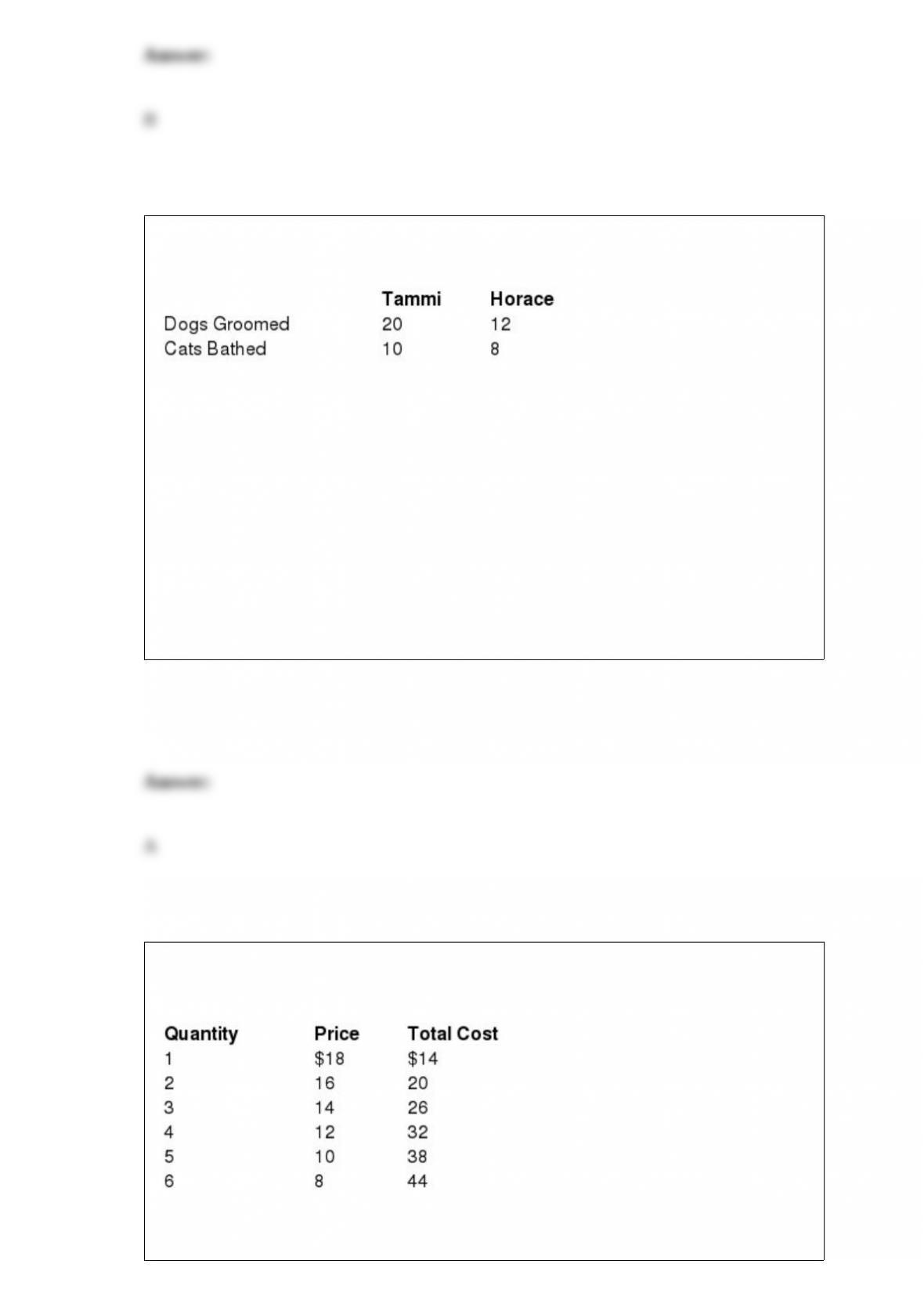
Table 2-10
Table 2-10 shows the output per day of two pet groomers, Tammi and Horace. They can
either devote their time to grooming dogs or bathing cats.
Refer to Table 2-10. What is Tammi’s opportunity cost of grooming a dog?
A) half a bathed cat
B) two bathed cats
C) two-thirds of a bathed cat
D) one and a half bathed cats
Table 13-5
Table 13-5 shows the demand and cost data facing a monopolistically competitive
producer of canvas bags.
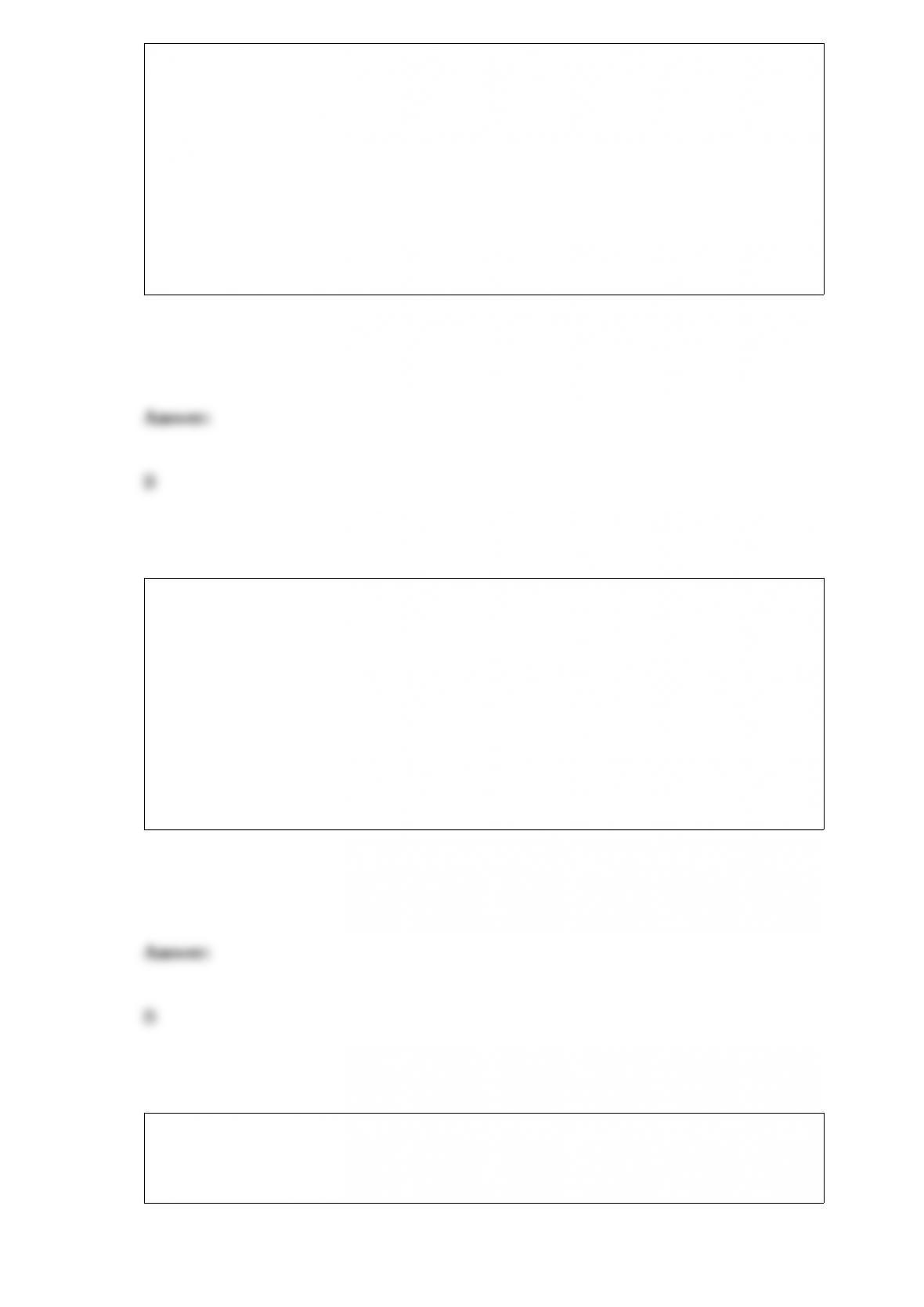
Refer to Table 13-5.What are the firm’s profit-maximizing or loss-minimizing price and
quantity?
A) price = $10; quantity = 5.
B) price = $12; quantity = 4.
C) The firm should shut down temporarily.
D) This cannot be determined from the information given.
The change in a firm’s total cost from producing one more unit of a good or service is
the firm’s
A) explicit cost of production.
B) marginal cost of production.
C) average cost of production.
D) implicit cost of production.
Table 2-3
Production Choices for Dina’s Diner
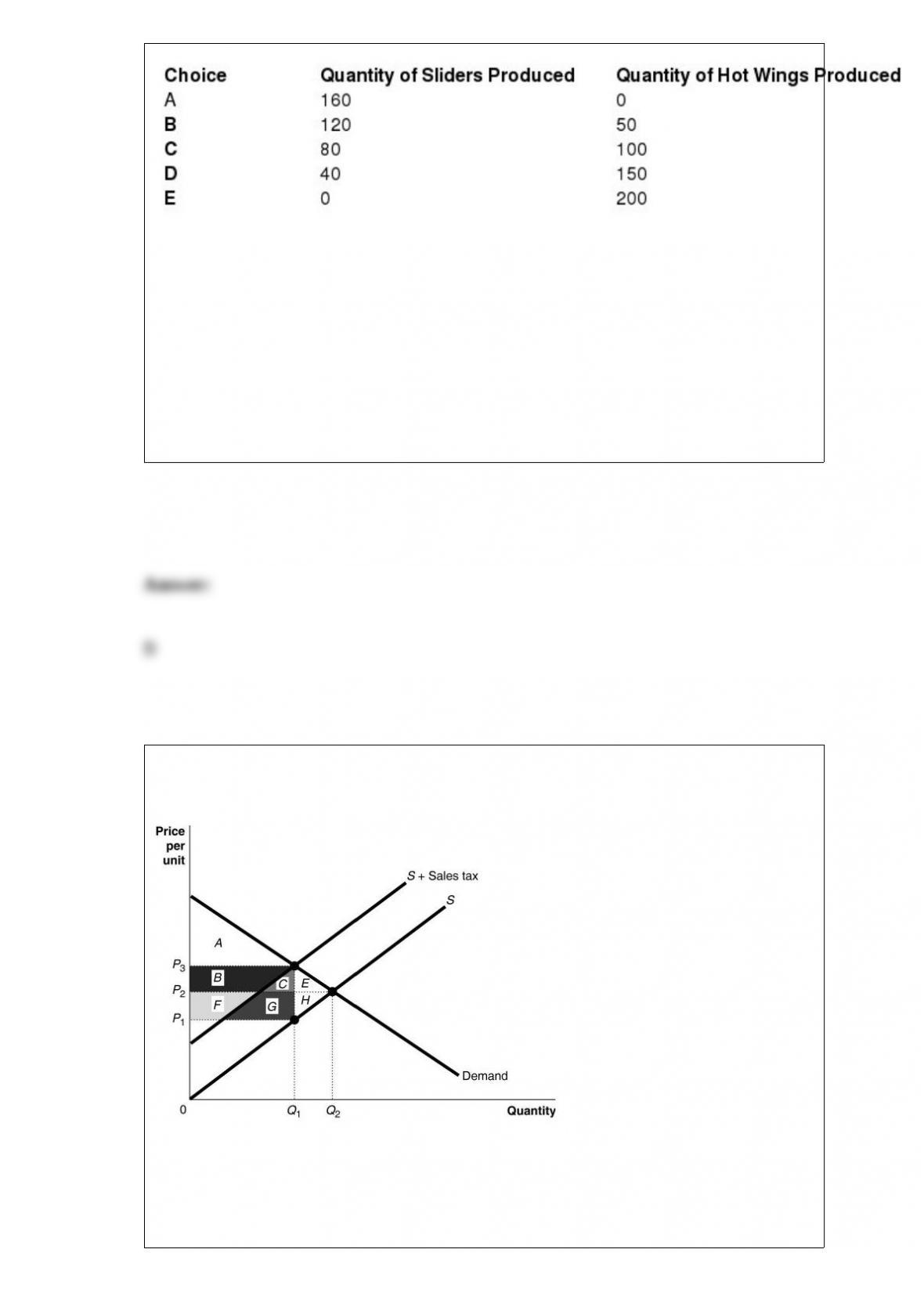
Refer to Table 2-3. Assume Dina’s Diner only produces sliders and hot wings. A
combination of 80 sliders and 50 hot wings would appear
A) along Dina’s production possibilities frontier.
B) inside Dina’s production possibilities frontier.
C) outside Dina’s production possibilities frontier.
D) at the vertical intercept of Dina’s production possibilities frontier.
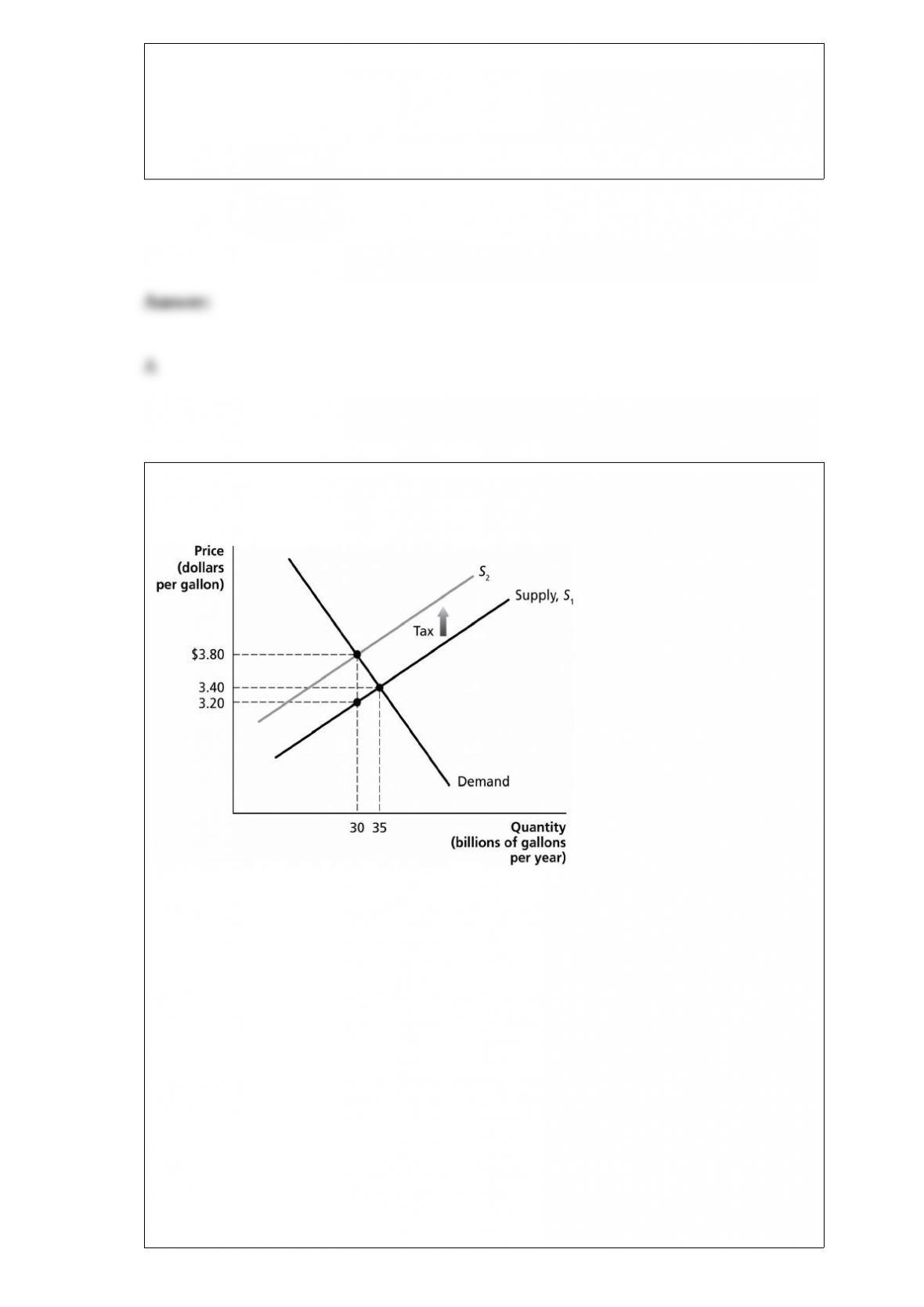
Figure 18-1
Refer to Figure 18-1. Of the tax revenue collected by the government, the portion
borne by consumers is represented by the area
A) B+C.
B) F+G.
C) E+H.
D) B+C+F+G.
Figure 4-12
Refer to Figure 4-12. The figure above represents demand and supply in the market for
gasoline. Use the diagram to answer the following questions.
a. How much is the government tax on each gallon of gasoline?
b. What portion of the unit tax is paid by consumers?
c. What portion of the unit tax is paid by producers?
d. What is the quantity sold after the imposition of the tax?
e. What is the after-tax revenue per gallon received by producers?
f. What is the total tax revenue collected by the government?
g. What is the value of the excess burden of the tax?
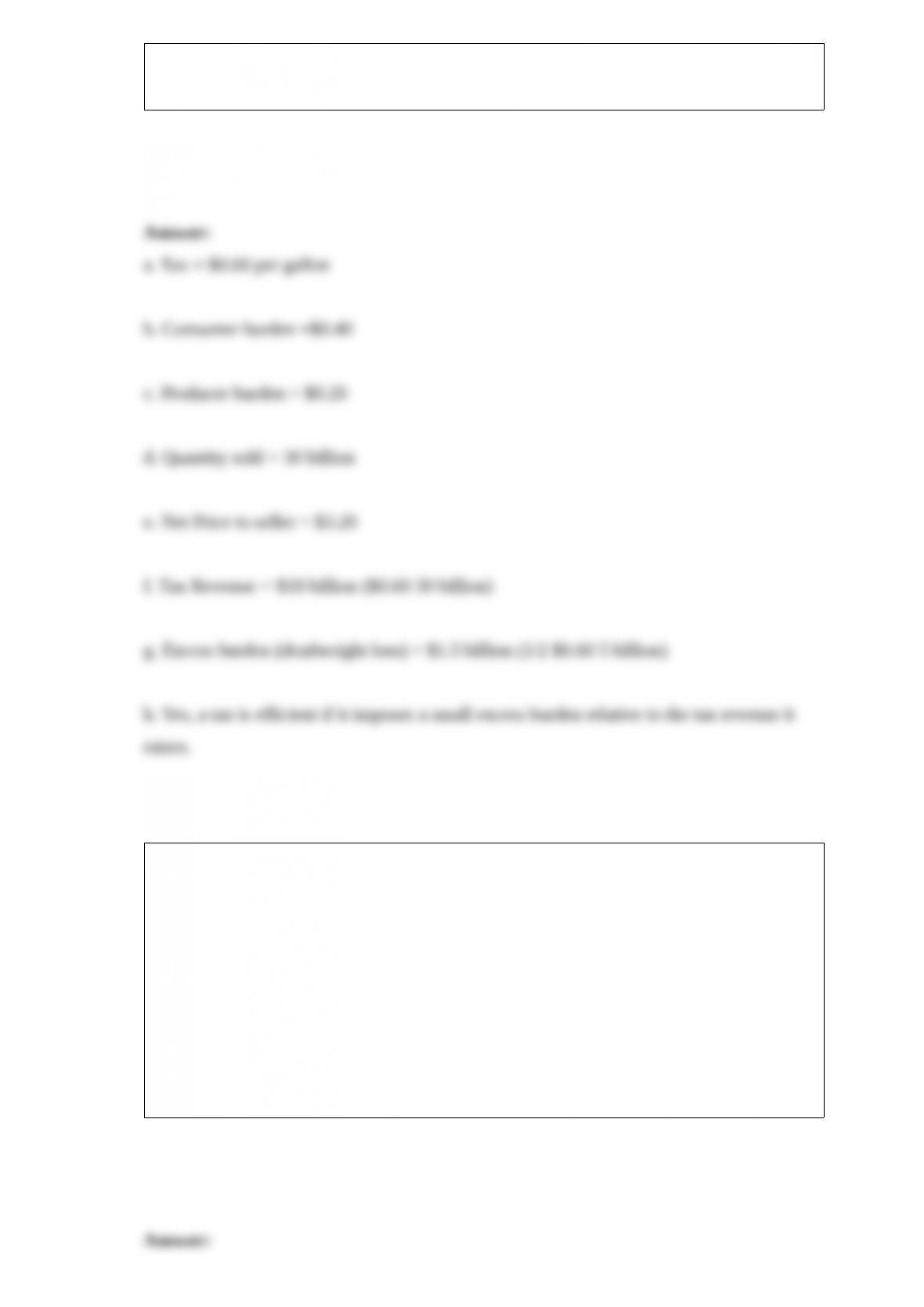
h. Is this gasoline tax efficient?
Which of the following is used to explain why a consumer’s willingness to buy
Microsoft Office increases as the number of other people who use Microsoft Office
increases?
A) network externalities
B) market failure
C) diminishing marginal utility
D) the income effect of a price change
Which of the following was created to regulate fixed exchange rates and enforce the
rules of the International monetary system?
A) International Monetary Fund
B) World Trade Organization
C) European Union
D) World Bank
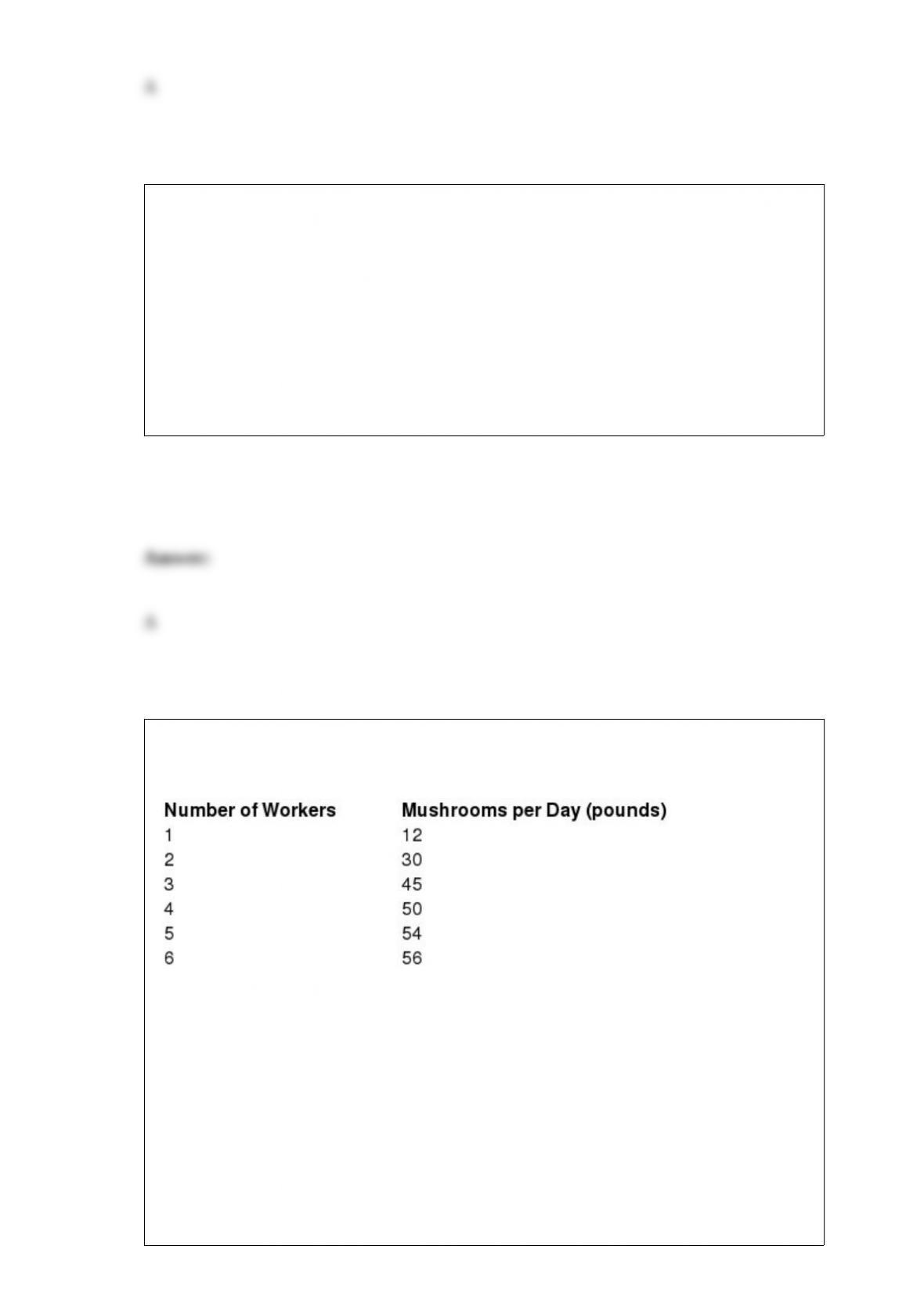
Table 11-1
Table 11-1 shows the technology of production at the Matsuko’s Mushroom Farm for
the month of May.
Refer to Table 11-1. What is the average product of labor when the farm hires 5
workers?
A) 4 pounds
B) 10.8 bushels
C) 38.2 pounds
D) 54 pounds
Table 16-3
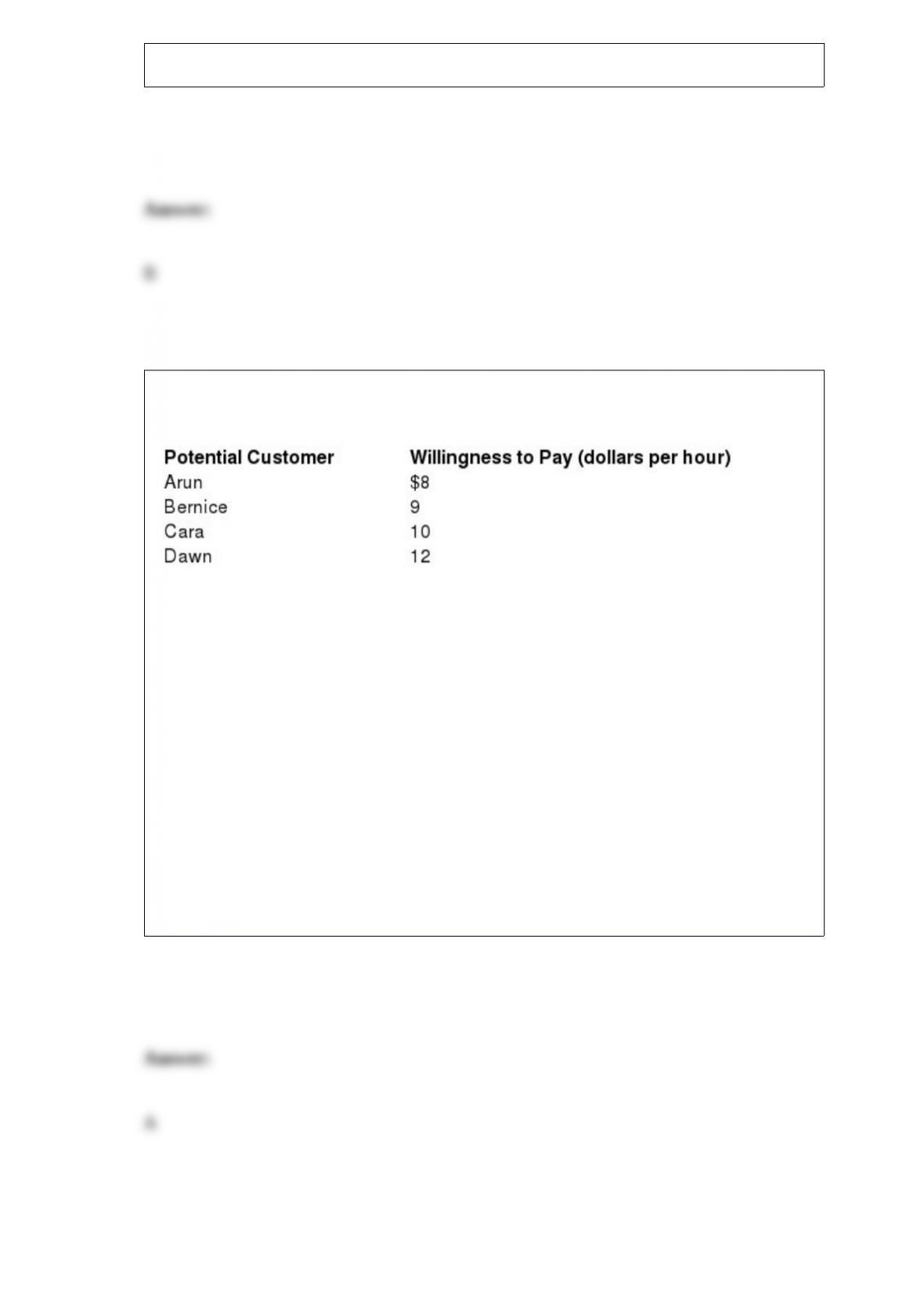
Julie plans to start a pet-sitting service. She surveyed her neighborhood to determine the
demand for this service. Assume that each person surveyed demands only one hour of
pet sitting services per period. Table 16-3 above shows a portion of her survey results.
Refer to Table 16-3. Suppose Julie’s marginal cost of providing this service is constant
at $7 and she decides to charge each customer according to his or her willingness to
pay. What is Julie’s total revenue and how many hours of service will be purchased?
A) 4 hours and her total revenue = $39
B) 4 hours and her total revenue = $28
C) 1 hour and her total revenue = $7
D) 5 hours and her total revenue = $35
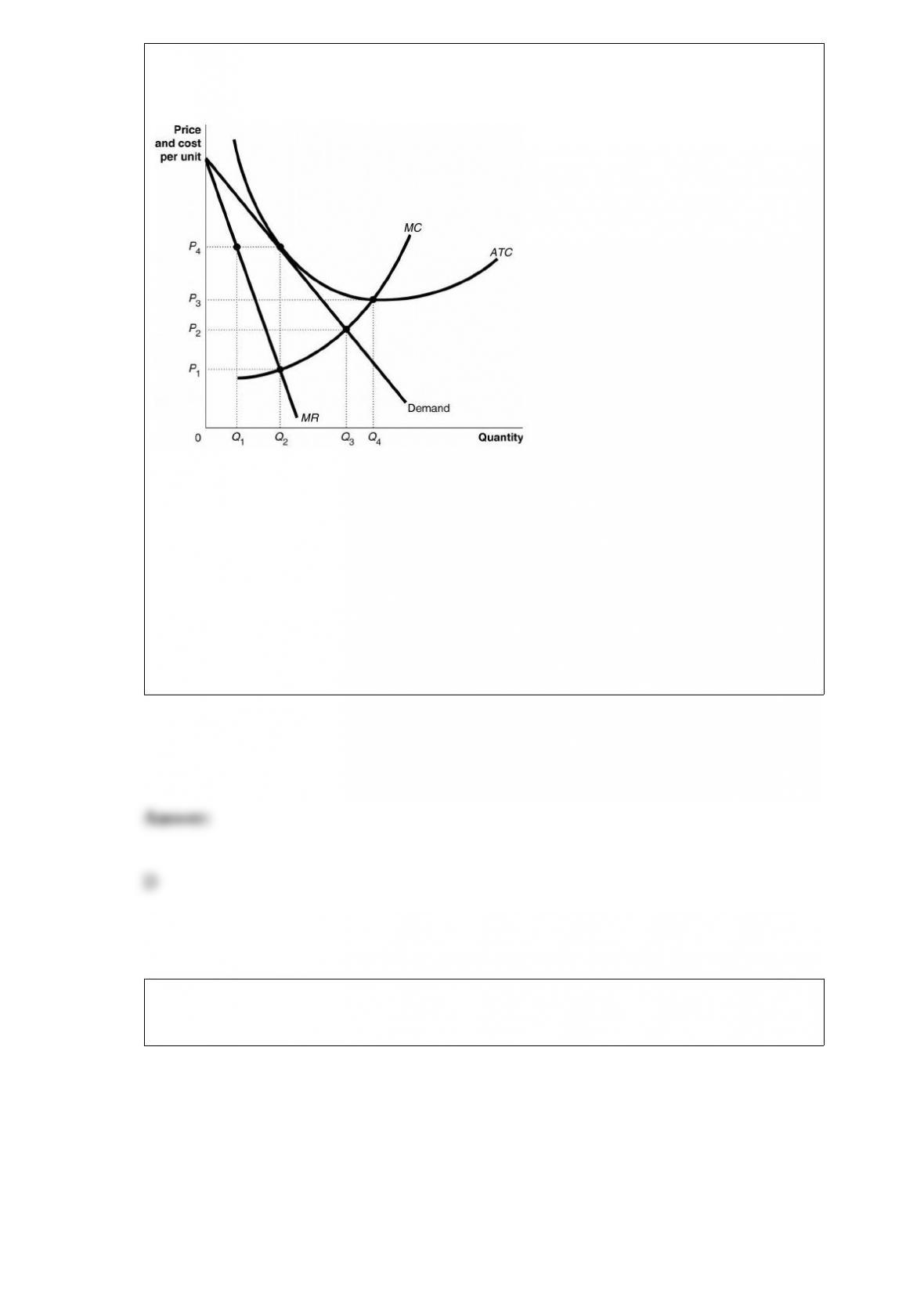
Figure 13-11
Refer to Figure 13-11. What is the monopolistic competitor’s profit maximizing price?
A) P1
B) P2
C) P3
D) P4
Figure 2-12
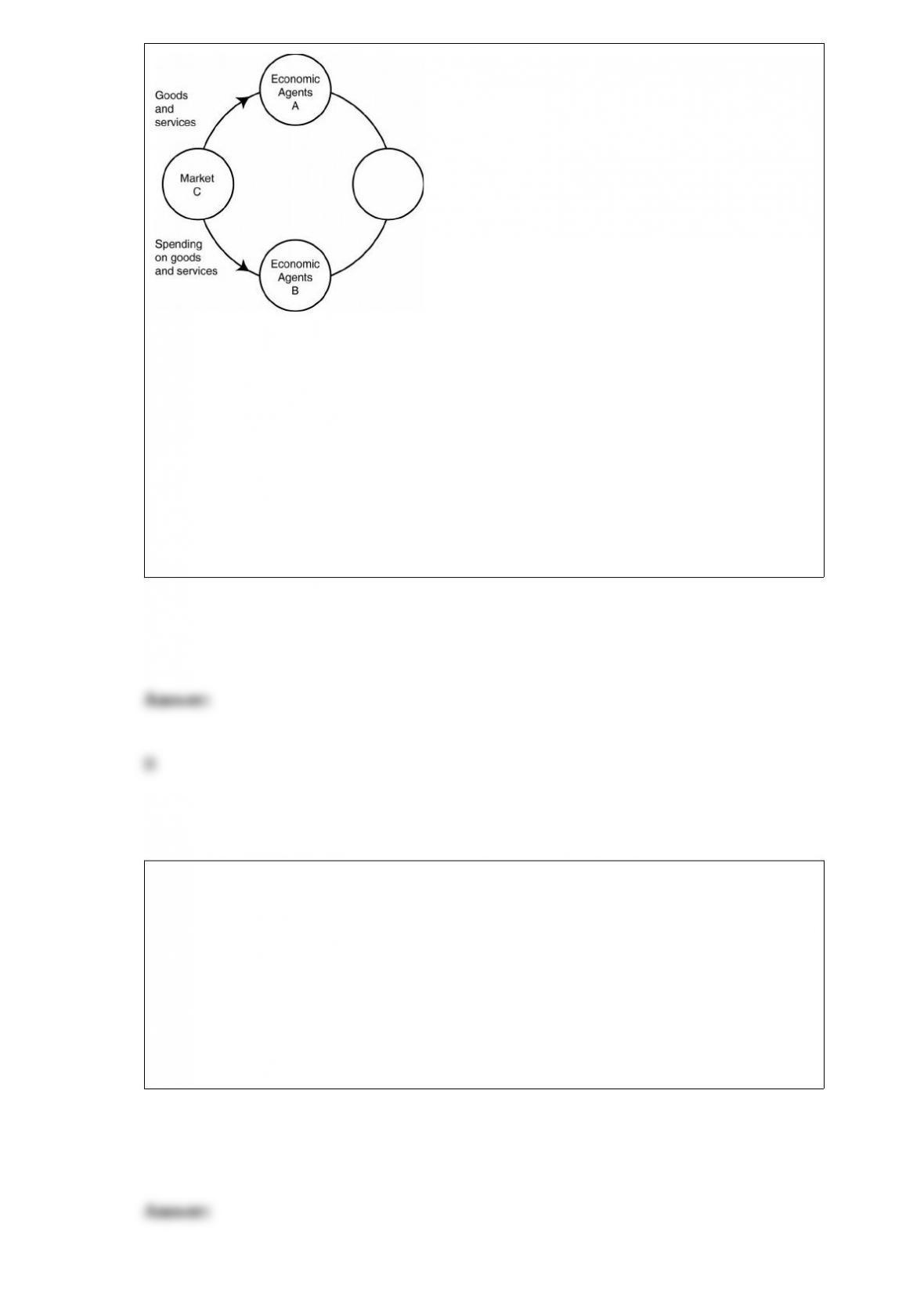
Refer to Figure 2-12. One segment of the circular flow diagram in the figure shows the
flow of goods and services from market C to economic agents A. What is market C and
who are economic agents A?
A) C = factor markets; A = households
B) C = product markets; A = households
C) C = factor markets; A = firms
D) C= product markets; A = firms
As the value of the Gini coefficient approaches one
A) income distribution becomes less unequal.
B) income distribution becomes more unequal.
C) the percentage of the population under the poverty line increases.
D) the percentage of the population under the poverty line decreases.

Which of the following is the best example of a quota?
A) a subsidy from the U.S. government to domestic manufacturers of tires to enable
them to compete more effectively with foreign producers
B) a limit on the quantity of tires that can be imported from a foreign country
C) a 40% fee imposed on all imported tires
D) a tax placed on all tires sold in the domestic market to help offset the impact of lost
jobs in the domestic tire industry.
Which of the following statements about the price elasticity of demand iscorrect?
A) The elasticity of demand for a good in general is equal to the elasticity of demand
for a specific brand of the good.
B) The absolute value of the elasticity of demand ranges from zero to one.
C) Demand is more elastic in the long run than it is in the short run.
D) Demand is more elastic the smaller the percentage of the consumer’s budget the item
takes up.
As word processing on personal computers expanded, sales of typewriters began to
disappear. Which of Porter’s competitive forces does this event demonstrate?
A) the threat of competition from new entrants
B) bargaining power of suppliers
C) bargaining power of buyers
D) competition from substitute goods or services
Figure 16-1
Refer to Figure 16-1. What is the economically efficient output level?
A) Q1 units
B) Q2 units
C) Q3 units
D) Q4 units
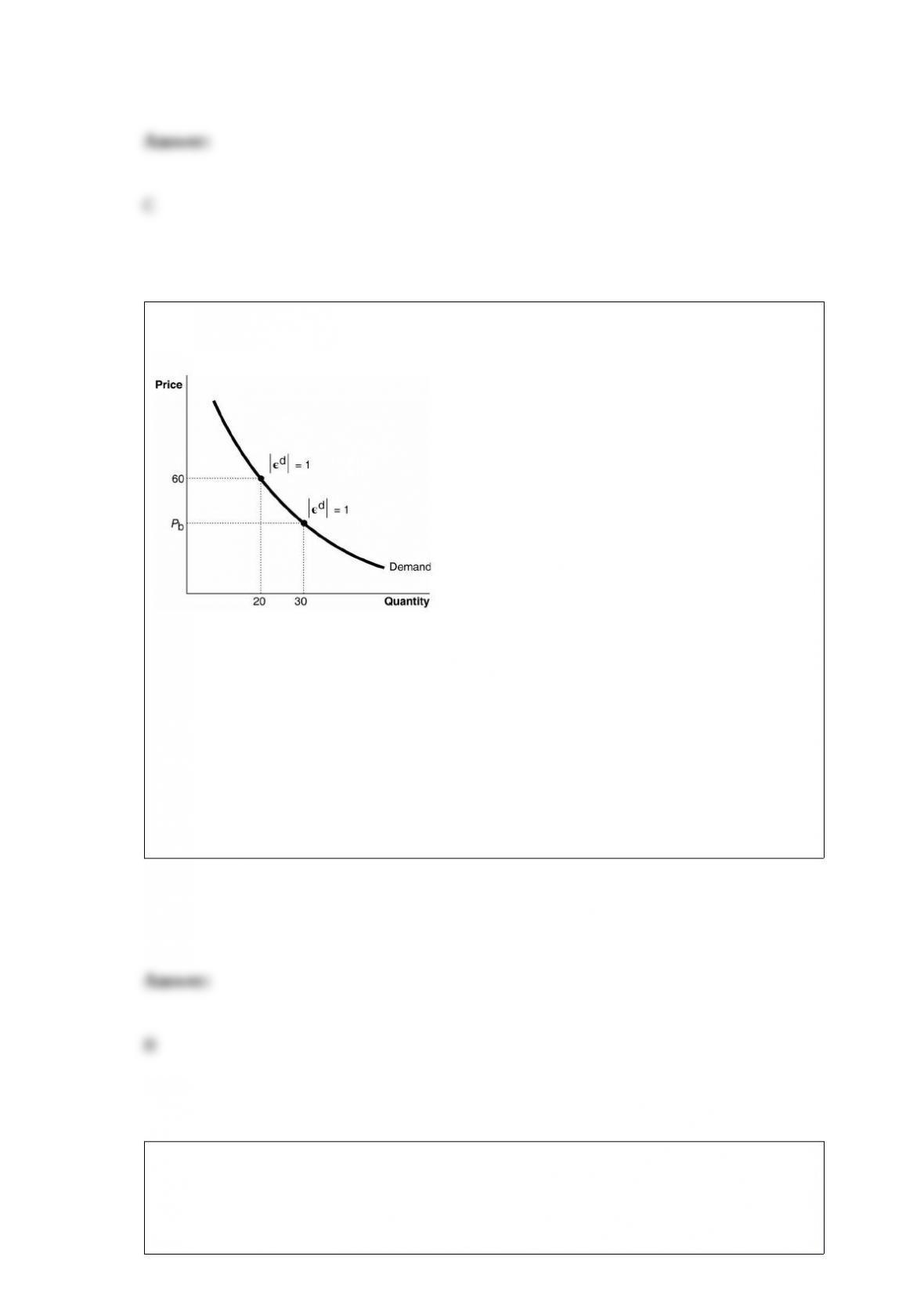
Figure 6-2
Refer to Figure 6-2. The absolute value of the price elasticity of demand at points a and
b is 1. What is the value of Pb?
A) $50
B) $40
C) $30
D) $20
Even though it often does not result in profit maximization, some small firms use a
cost-plus pricing strategy anyway because
A) it is easy to use.
B) they do not understand what marginal revenue and marginal cost mean.
C) it is expensive to hire an economist who can determine what the profit-maximizing
price is.
D) they sell several products, each of which sells for a different price. The time and
expense involved in finding the profit-maximizing price for each product are not worth
the effort.
What is the Congressional act, enacted in 1933 and repealed in 1999, which prevented
financial firms from being both commercial banks and investment banks?
A) the Sarbanes-Oxley Act
B) the Glass-Steagall Act
C) the Taft-Hartley Act
D) the Cellar-Kefauver Act