
If the economy is currently in equilibrium at a level of GDP that is below potential
GDP, which of the following would move the economy back to potential GDP?
A) an increase in wealth
B) an increase in interest rates
C) a decrease in business confidence
D) an increase in the value of the dollar relative to other currencies
In the United States during the Great Depression, tariffs were ________ than they were
following World War II, and ________ than they are today.
A) higher; higher
B) higher; lower
C) lower; higher
D) lower; lower
There is a federal budget deficit when
A) the government spends less that it collects in taxes.
B) the government spends more that it collects in taxes.
C) the government spends the same amount it collects in taxes.

D) taxes are too high.
A perfectly competitive firm’s marginal revenue
A) is greater than price.
B) is less than price because a firm must lower its price to sell more.
C) is equal to price.
D) may be either greater or less than price, depending on the quantity sold.
What happens to the equilibrium wage and quantity of labor if output price rises?
A) The equilibrium wage and the equilibrium quantity of labor rise.
B) The equilibrium wage and the equilibrium quantity of labor fall.
C) The equilibrium wage falls and the equilibrium quantity of labor rises.
D) The equilibrium wage rises and the equilibrium quantity of labor falls.

Which of the following is considered a durable good?
A) medical care
B) clothing
C) food
D) a washing machine
The nominal interest rate will be less than the real interest rate when
A) the rate of inflation is positive but decreasing.
B) the rate of inflation is positive and increasing.
C) the rate of inflation is negative.
D) the real interest rate is negative.
The explicit cost of production is also called
A) variable cost.
B) accounting cost.

C) direct cost.
D) overhead cost.
Interdependence of firms is most common in
A) monopolistically competitive industries.
B) monopolistic industries.
C) monopolistically competitive and oligopolistic industries.
D) oligopolistic industries.
Along a downward sloping, linear demand curve, total revenue is the greatest
A) where demand is normal.
B) where demand is the most inelastic.
C) where demand is the most elastic.
D) where demand is unit-elastic.

If the exchange rate changes from $1.45 = 1 euro to $1.37 = 1 euro, then
A) both the euro and dollar have appreciated.
B) both the euro and dollar have depreciated.
C) the euro has appreciated and the dollar has depreciated.
D) the euro has depreciated and the dollar has appreciated.
If an increase in investment spending of $50 million results in a $400 million increase
in equilibrium real GDP, then
A) the multiplier is 0.125.
B) the multiplier is 3.5.
C) the multiplier is 8.
D) the multiplier is 50.
In 2008, Zimbabwe ran out of locally produced Coca Cola and local Coke bottlers were
not able to import the concentrated syrup needed to make Coke from the United States
because they could not obtain U.S. dollars. A small amount of Coke was imported from
South Africa, but a single bottle sold for around 15 billion Zimbabwean dollars.
Zimbabwe was experiencing rapid increases in the price level, which is known as
A) stagflation.
B) deflation.
C) inflation.
D) hyperinflation.
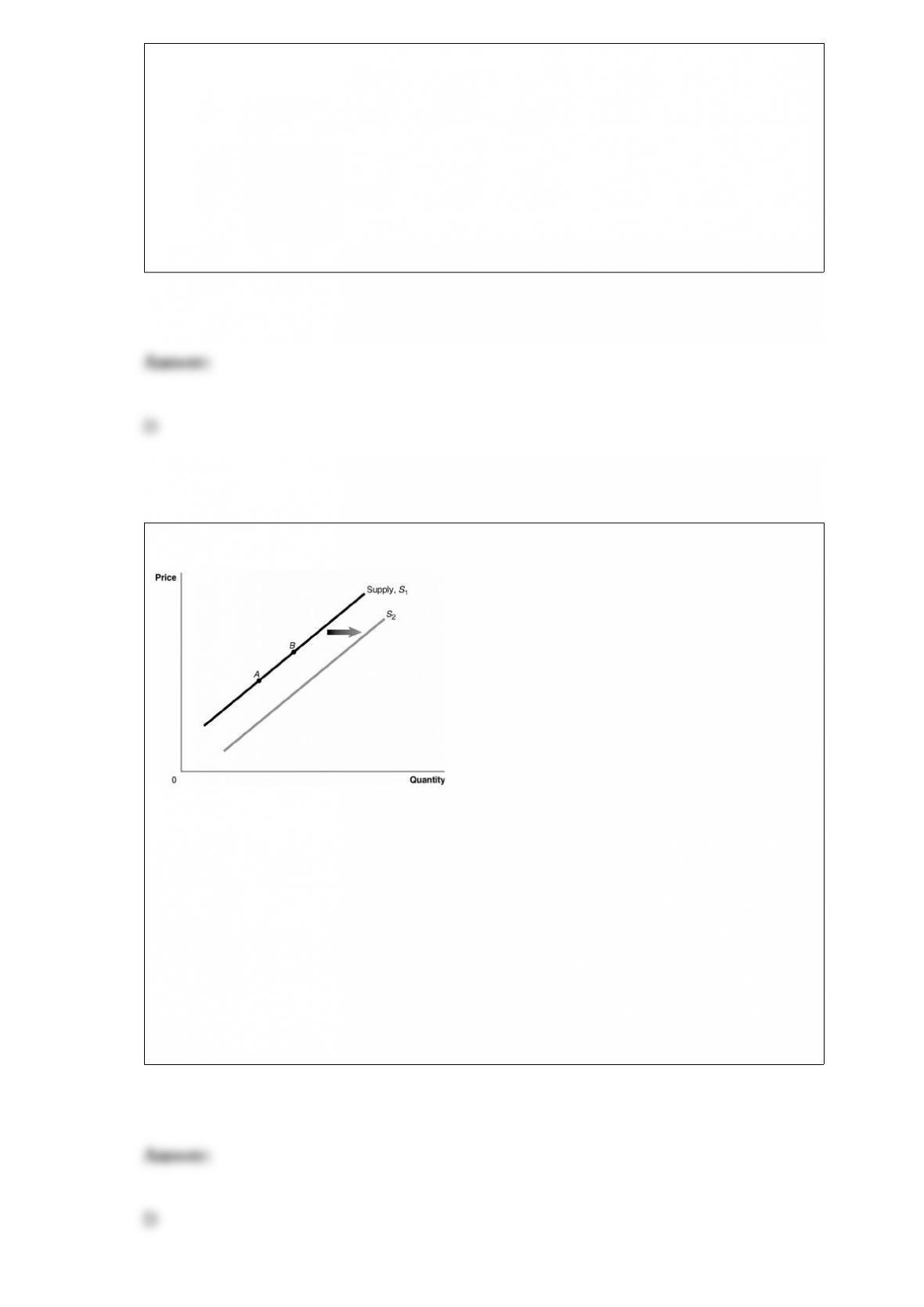
Figure 3-2
An increase in the price of substitutes in production would be represented by a
movement from
A) A to B.
B) B to A.
C) S1 to S2.
D) S2 to S1.

Bubba’s Hula Shack bar and bistro has begun giving customers who can show proof
that they arrived at the establishment by public transportation a 10 percent discount on
their total bill. This is an example of
A) arbitrage.
B) two-part tariff pricing.
C) price discrimination.
D) odd pricing.
In 1986, an Apple IIe computer with 65 kilobytes of memory cost around $1,500.
Today, a $1,500 iMac computer (also made by Apple) comes with 8 gigabytes of
memory. This illustrates the potential for what kind of bias in CPI calculations?
A) new product bias
B) increase in quality bias
C) substitution bias
D) outlet bias
If Southwest Airlines borrows $20 million from a bank to finance the renovation of
their corporate offices, this is an example of
A) a bond market transaction.
B) indirect finance.
C) a stock market transaction.
D) direct finance.
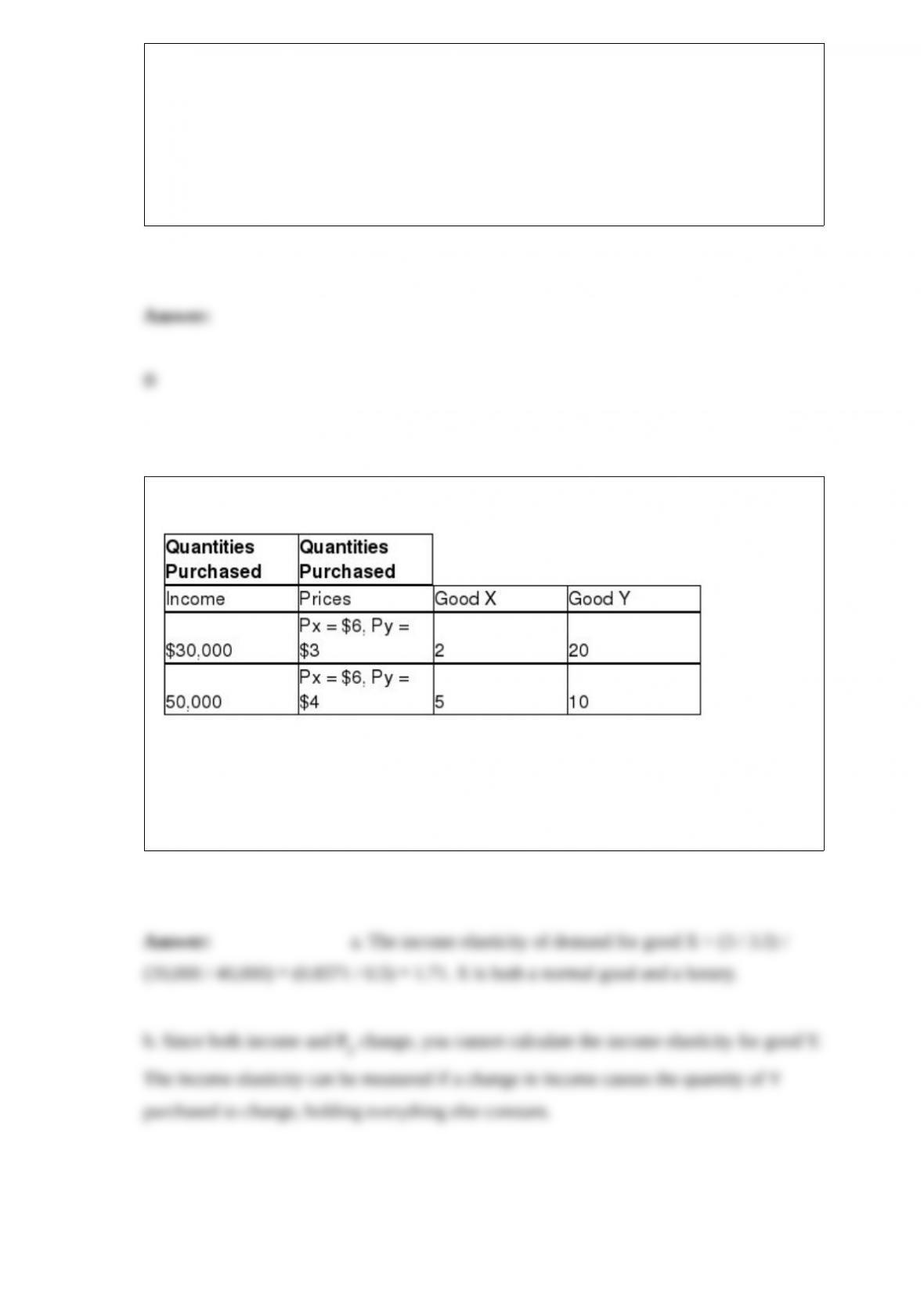
Table 6-6
a. Using the information in the table, calculate the income elasticity of demand for good
X and characterize the good. Use the midpoint formula.
b. Can you calculate the income elasticity of demand for good Y? If you can, show your
calculation and characterize the good. If you cannot, explain why.
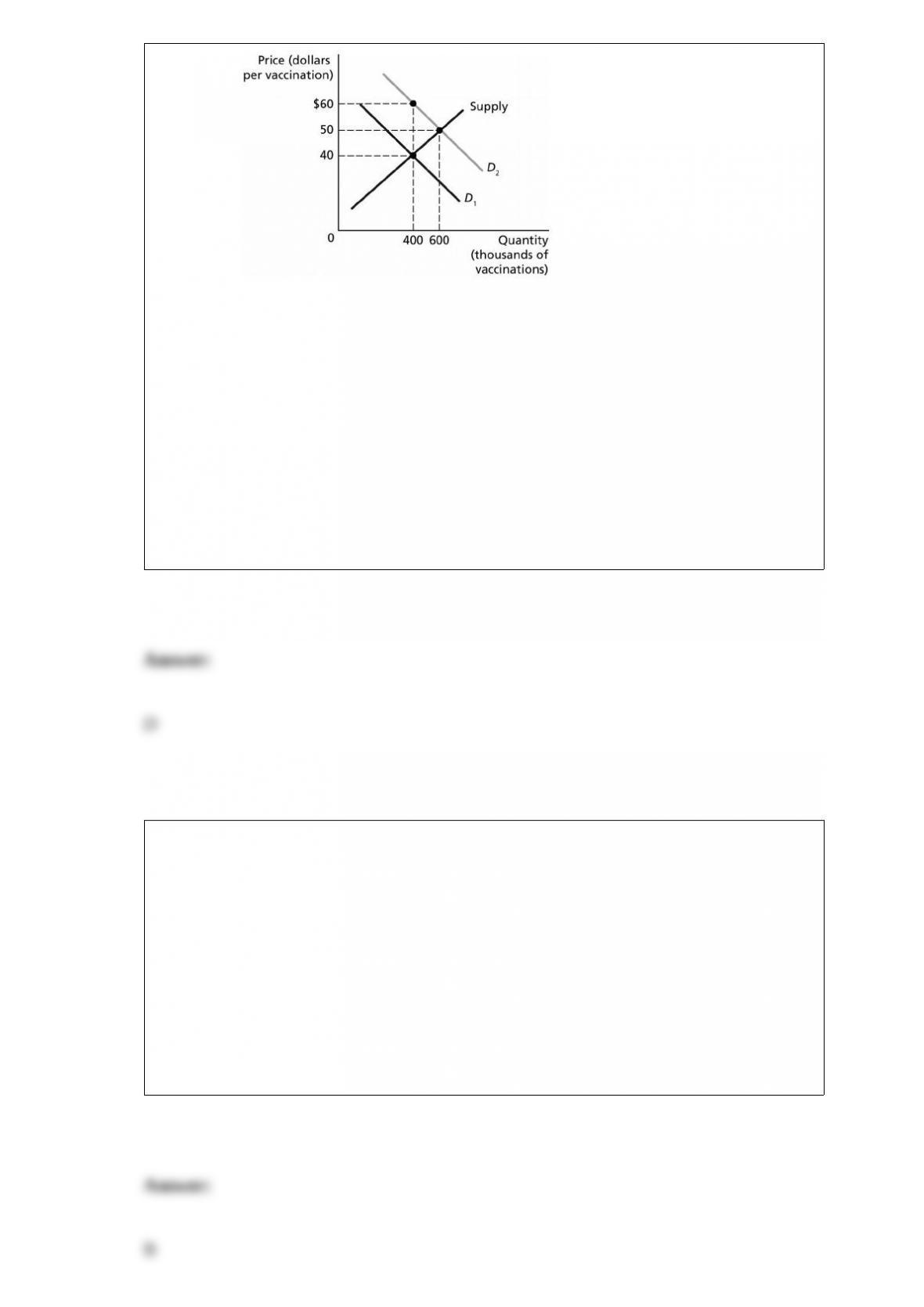
Figure 7-2 Figure 7-2 represents the market
for vaccinations. Vaccinations are considered a benefit to society, and the figure shows
both the marginal private benefit and the marginal social benefit from vaccinations.
At the market equilibrium, the deadweight loss is equal to
A) $0.
B) $500,000.
C) $1,000,000.
D) $2,000,000.
Which of the following statements is true?
A) Japan is more dependent on foreign trade than is the United States.
B) Imports and exports account for over one-half of the GDP of Belgium.
C) France is the leading exporting country, accounting for 10 percent of total world
exports.
D) Because the cost of labor used on farms is so high, the United States exports very
little of its wheat, rice and corn crops.