
Except for recessions, the duration of unemployment for the typical person lasts
A) less than six months.
B) six to nine months.
C) over nine months.
D) over one year.
E) over five years.
Tabitha shares a flea market booth with her sister. Her share of the rent is $150 per
month. She is considering moving to her own, larger booth which she will not have to
share with anyone. The larger booth rents for $450 per month. Recently, you ran into
Tabitha in the grocery store and she tells you that she has rented the larger booth.
Tabitha is as rational as any other person. As an economics major, you rightly conclude
that
A) Tabitha did not have a choice; her sister was overcharging her.
B) Tabitha figures that the additional benefit of having her own booth (as opposed to
sharing) is at least $300.
C) Tabitha figures that the benefit of having her own booth (as opposed to sharing) is at
least $450.
D) the cost of having one’s own booth outweighs the benefits.
The only firms that do not have market power are

A) firms in industries with low barriers to entry.
B) firms that do not advertise their products.
C) firms in perfectly competitive markets.
D) firms that sell identical products.
Who receives the goods and services produced in the United States depends largely on
A) how income is distributed.
B) how the goods and services are produced.
C) what goods and services are produced.
D) government redistribution.
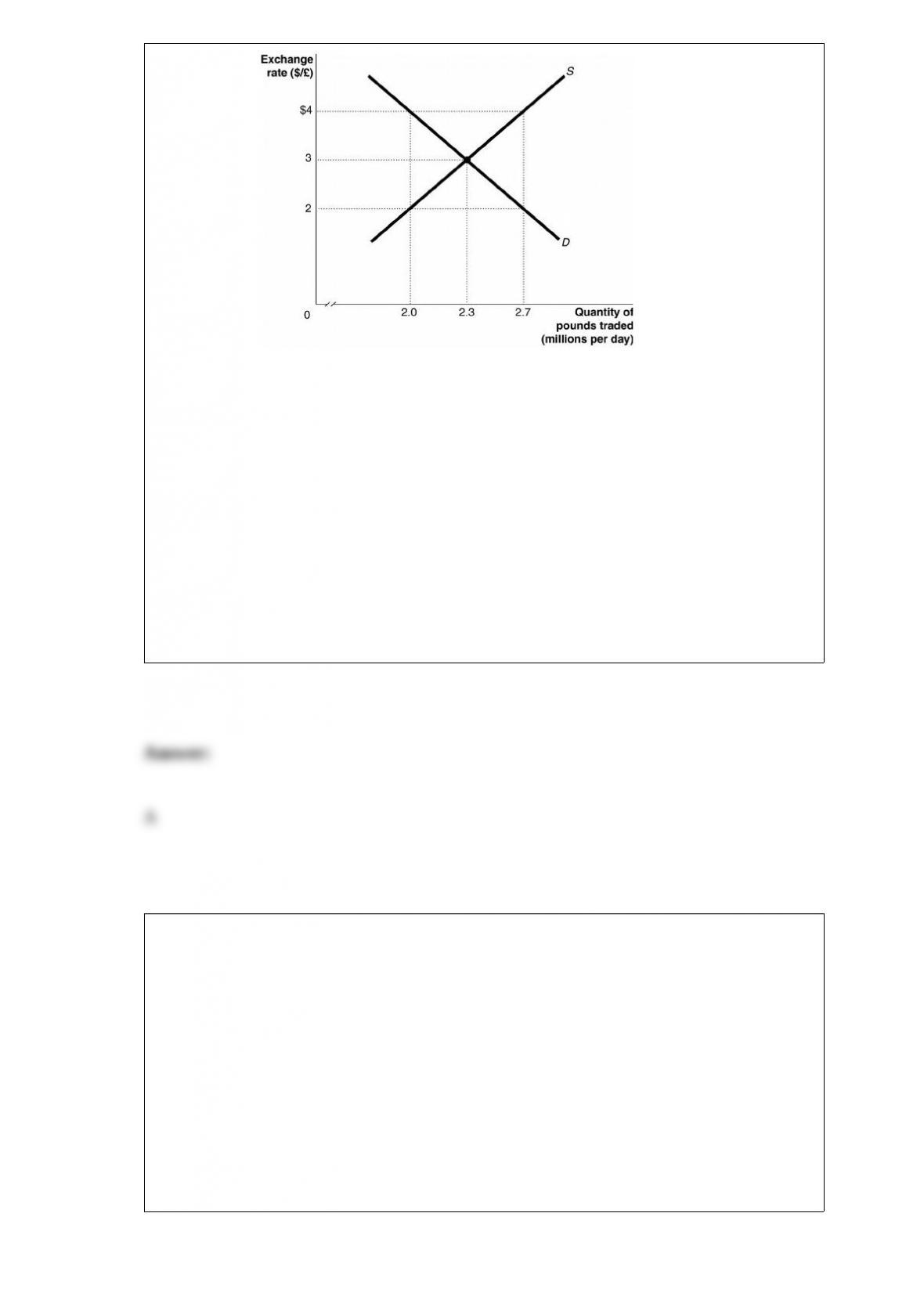
Figure 30-10
Under the Bretton Woods System of exchange rates, if the par exchange rate was $4 per
pound in the figure above, then which of the following is true?
A) The Bank of England would have to buy 0.7 million pounds per day with dollars.
B) There is a shortage of pounds equal to 0.7 million.
C) The Bank of England would have to sell 0.7 million pounds per day in exchange for
dollars.
D) The par exchange rate is below the equilibrium rate, causing a shortage of domestic
currency.
According to Joseph Schumpeter, the theory of creative destruction describes a process
by which
A) some new products unleash a gale of destruction that drive other new products out of
the market.
B) new products unleash a gale of destruction that drives old products out of the
market.
C) new products are created by the destruction of capital.
D) the creation of new products never involves the destruction of old products.
Two-dimensional graphs have a horizontal and a vertical axis and are used in
economics to illustrate
A) relationships between two economic variables.
B) one variable.
C) a flow chart.
D) a pie chart.
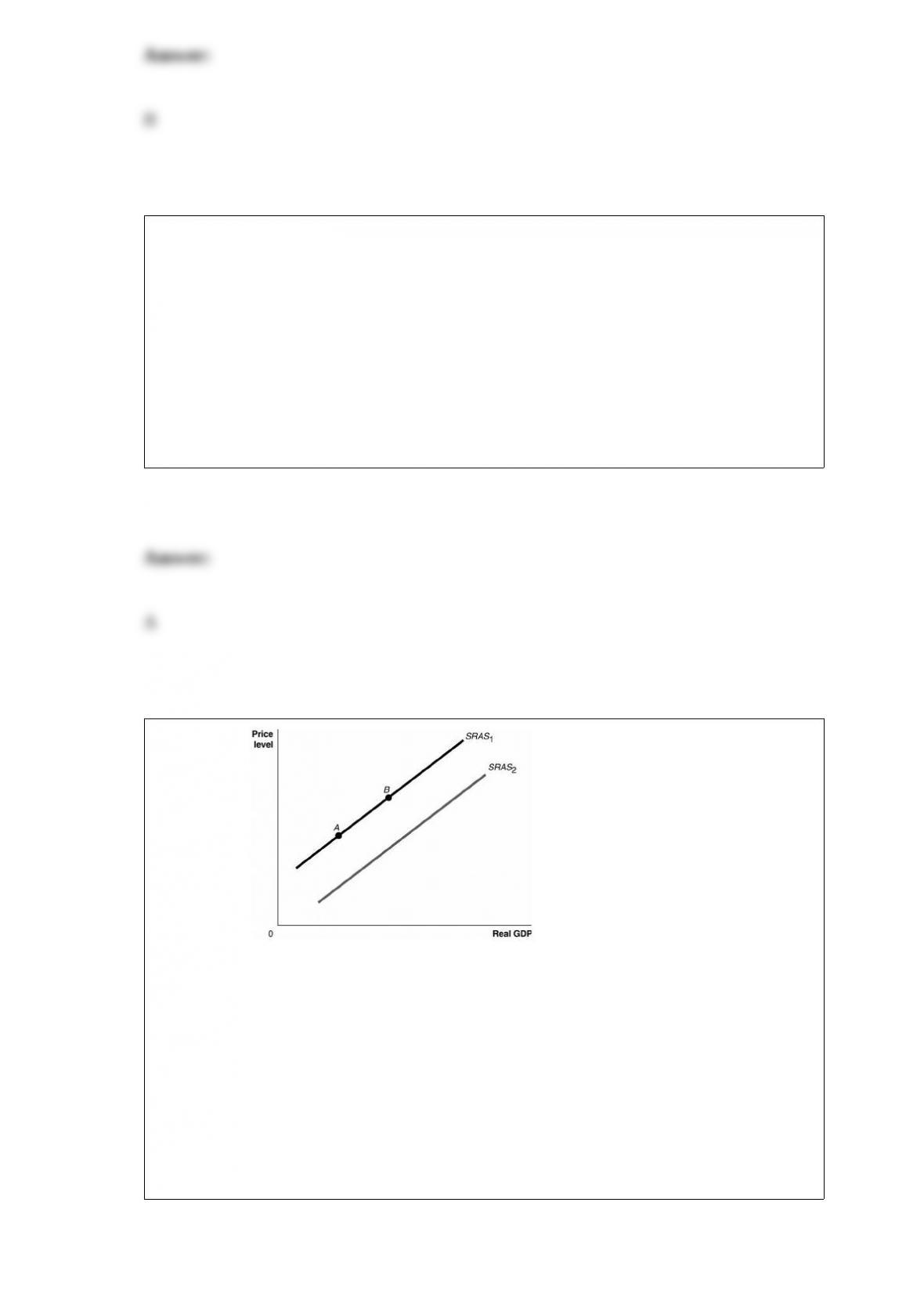
Figure 13-2
Ceteris paribus, an increase in the price level would be represented by a movement
from
A) SRAS1 to SRAS2.
B) SRAS2 to SRAS1.
C) point A to point B.
D) point B to point A.
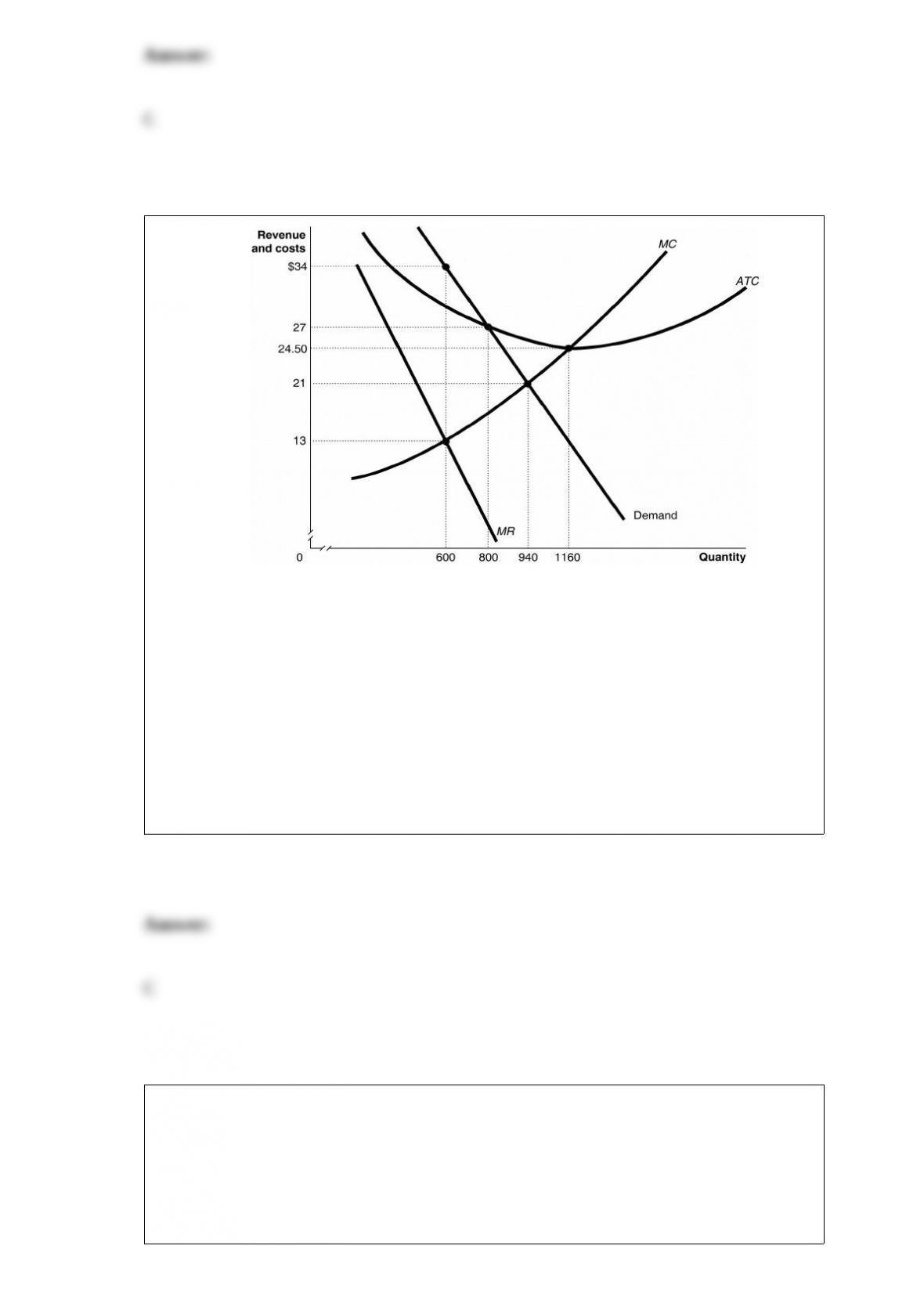
Figure 15-9
What is the difference between the monopoly output and the perfectly competitive
output?
A) 140 units
B) 240 units
C) 340 units
D) 560 units
By tying the salaries of top corporate managers to the price of the corporation’s stock,
corporations hope to avoid
A) corporate governance.
B) conflict between the CFO and the CEO.
C) the principal-agent problem.
D) paying high salaries to their managers.
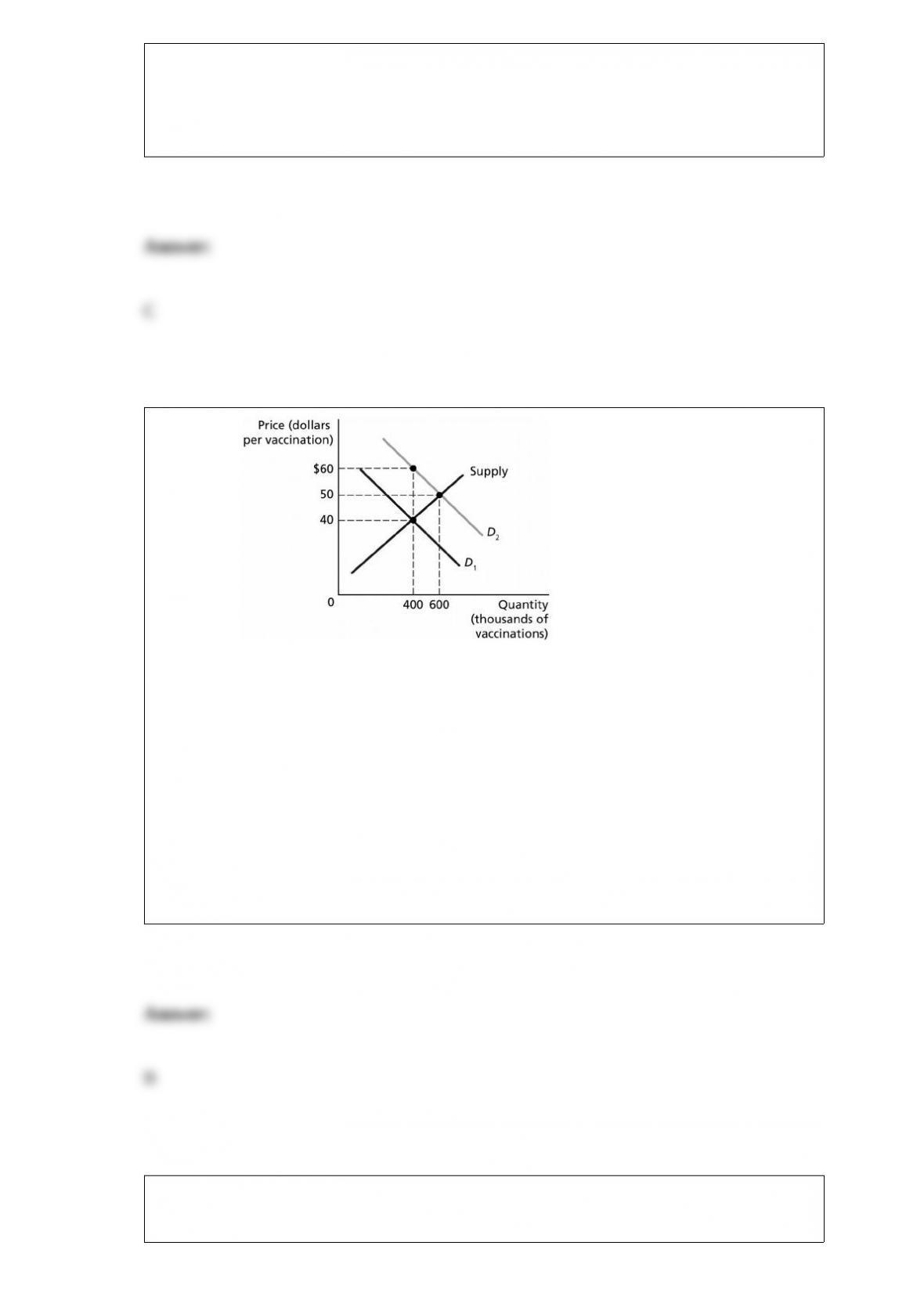
Figure 5-1 Figure 5-1 represents the market
for vaccinations. Vaccinations are considered a benefit to society, and the figure shows
both the marginal private benefit and the marginal social benefit from vaccinations.
Marginal social benefit is represented by which curve?
A) D1
B) D2
C) Supply
D) All of the above represent marginal social benefit.
Implicit costs can be defined as

A) accounting profit minus explicit cost.
B) the non-monetary opportunity cost of using the firm’s own resources.
C) the deferred cost of production.
D) total cost minus fixed costs.
Which of the following is an example of discretionary fiscal policy?
A) an increase in unemployment insurance payments during a recession
B) an increase in income tax receipts with rising income during an expansion
C) the tax cuts passed by Congress in 2001 to combat the recession
D) a decrease in food stamps issued during an expansion or boom
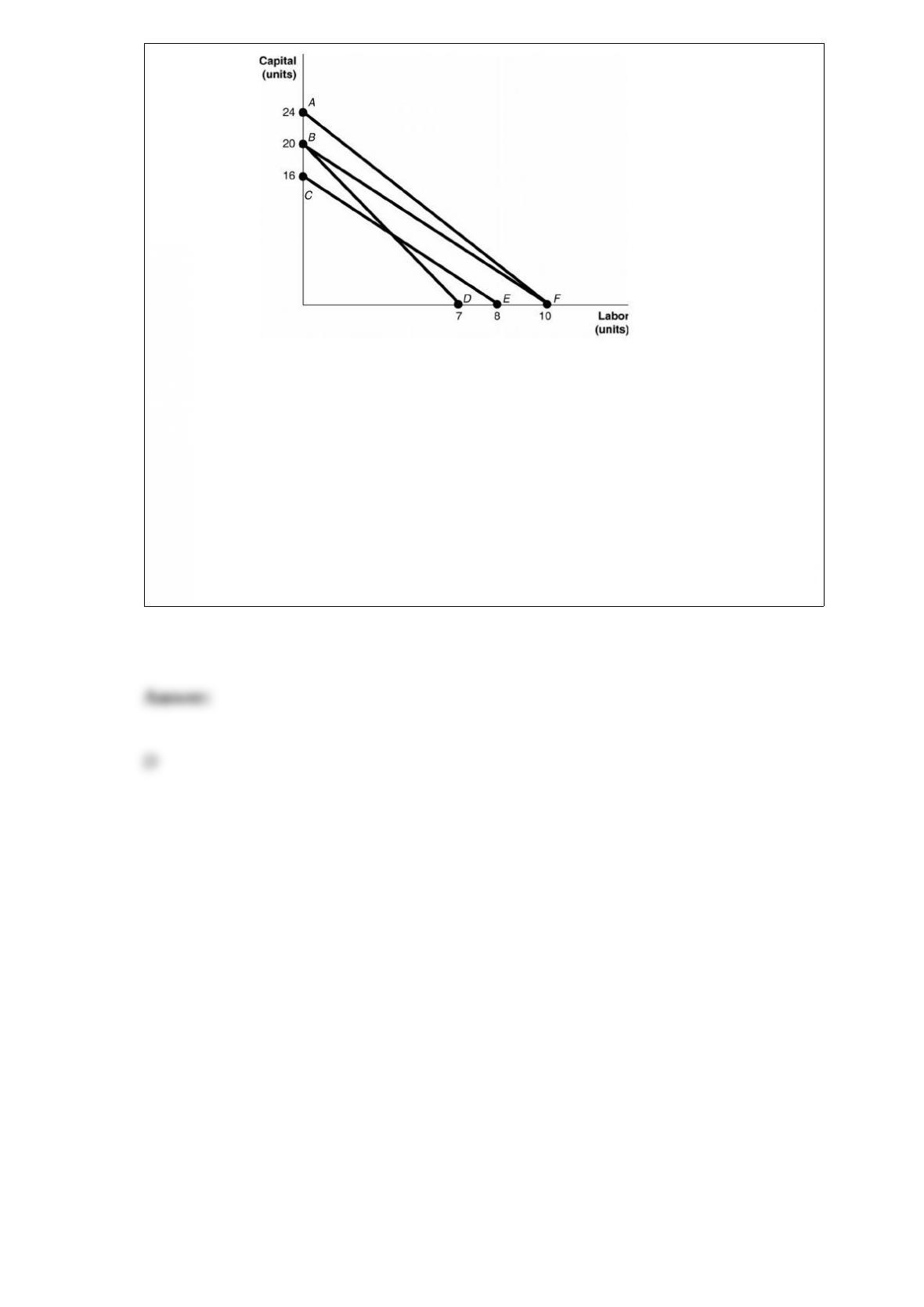
Figure 11-13
The lines shown in the diagram are isocost lines. A movement from CE to BD occurs
when
A) the price of capital increases while the price of labor remains unchanged.
B) the price of labor decreases while the price of capital remains unchanged.
C) the price of capital increases while the price of labor decreases.
D) the price of capital decreases while the price of labor increases.