The marginal revenue product can be written as:
a. TR / P.
b. w / Q.
c. MP P.
d. MRP P.
e. w L.
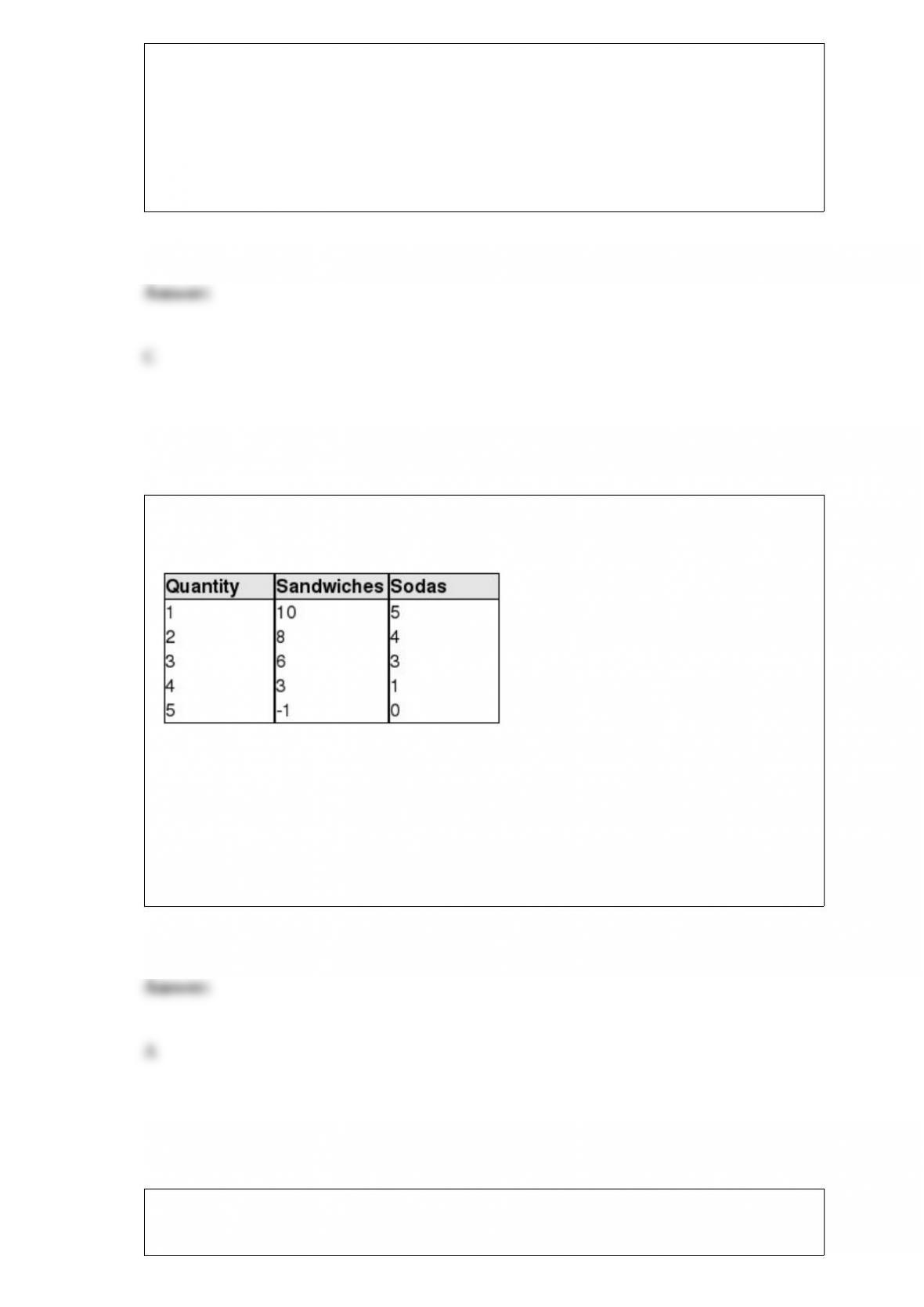
Exhibit 6-7 Marginal utility for sandwiches and sodas
Refer to Exhibit 6-7. Diminishing marginal utility for sandwiches sets in after the ____
sandwich.
a. first
b. second
c. third
d. fourth
e. fifth
Which of the following statements accurately describes a difference between a firm that
is a monopolist and one that is a competitive price taker?
a. Marginal revenue and market price are equal for the competitive price taker but not
for the monopolist.
b. The monopolist does not always produce the output that equates marginal cost and
marginal revenue; the competitive price taker does.
c. The monopolist charges the highest price possible; the competitive price taker
charges a price equal to its per-unit cost.
d. A monopolist can earn economic profit in the short run; a competitive price taker
cannot.
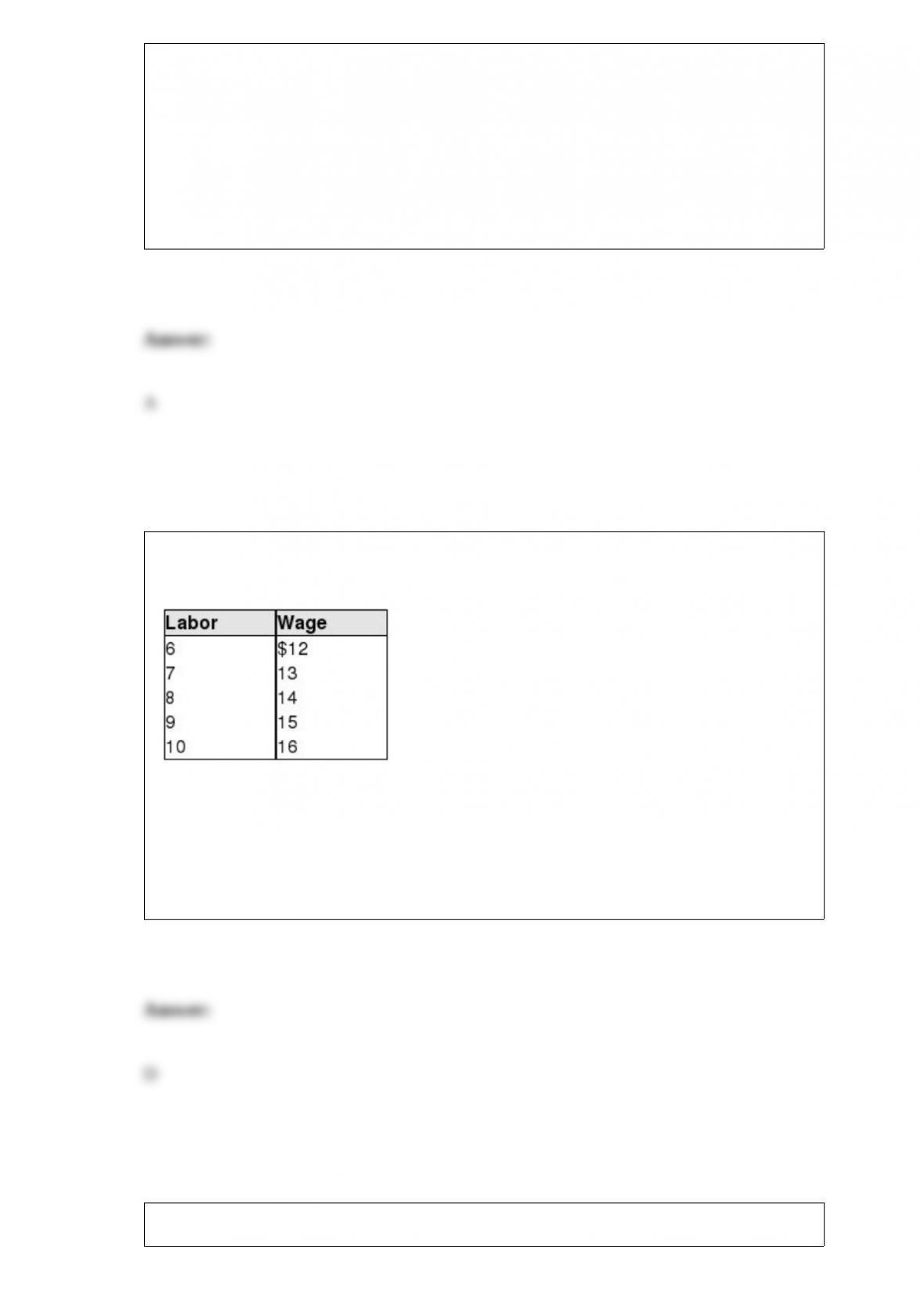
Exhibit 11-10 Labor and wage rate data
In Exhibit 11-10, the marginal factor cost of the 9th employee is:
a. $15.
b. $13.
c. $21.
d. $23.
e. $135.
Other things being equal, the effects of a decrease in the price of orange juice, is

represented by which of the following?
a. A rightward shift in the demand curve for orange juice.
b. An increase in the quantity demanded for orange juice.
c. A leftward shift in the demand curve for orange juice.
d. A decrease in the quantity demanded orange juice.
If a consumer wishes to maximize satisfaction given limited income and MUx/Px <
MUy/Py then the consumer should:
a. do nothing because she/he is in equilibrium.
b. buy more of X and less of Y.
c. buy more of Y and less of X.
d. buy more of both X and Y.
e. buy less of both X and Y.
Another word for elasticity is:
a. responsiveness.
b. happiness.
c. bonus
d. profit.
e. surplus.
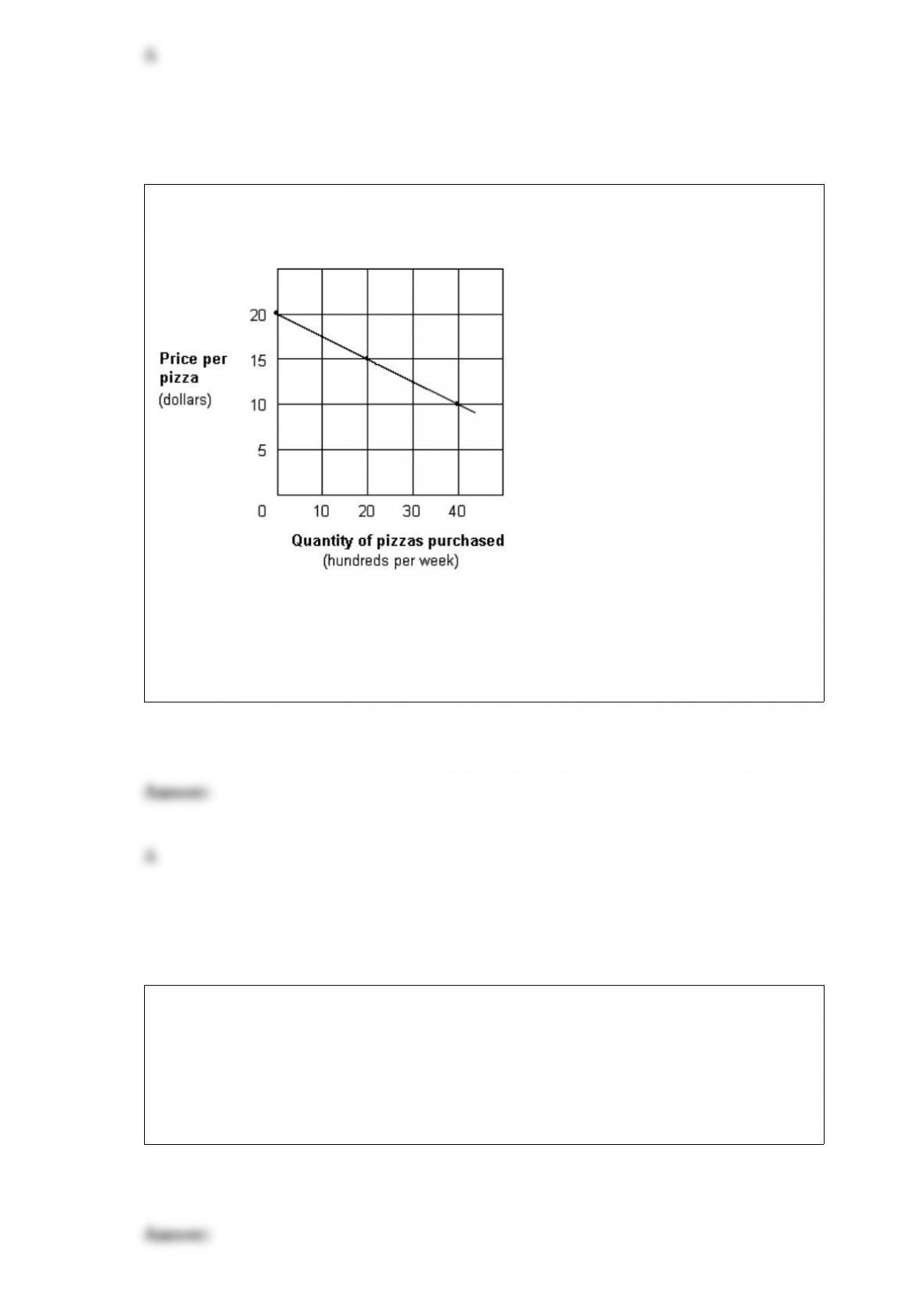
Exhibit 1A-8 Straight line relationship
Which of the following would cause a shift in the relationship shown in Exhibit 1A-8?
a. A fall in household incomes.
b. A fall in the price of pizza.
c. A fall in the quantity of pizza that people wish to purchase.
d. All of these would shift the line in the graph.
In a monopsonistic labor market, workers are paid a wage:
a. below their MRP.
b. equal to the intersection of MRP and S.
c. equal to the MFC.
d. equal to the price of the output.
e. above their MFC.

Which of the following is infrastructure?
a. Schools. c. Public health and sanitation services.
b. Roads. d. All of these.
Which of the following is most likely to represent causality rather than association?
a. In years that fashion dictates wider lapels on men’s jackets, the stock market grows
by at least 5 percent.
b. Interest rates are higher in years ending with a 1 or a 6.
c. Unemployment falls when the AFC champion wins the Super Bowl.
d. Quantity demanded goes up when price falls because lower prices increase consumer
purchasing power, ceteris paribus.
Sometimes the government deals with externalities by creating laws to regulate
behavior instead of using taxes to correct the market failure. So, requiring auto
manufacturers to install a device called a catalytic converter which removes some
toxins from exhaust may be preferable to a gas tax that reduces driving levels. This
route is often preferred because:
a. c and e.
b. it requires less technological development.
c. it doesn’t penalize drivers of clean cars.
d. only car drivers pay for the externality.
e. the cost of the externality is unknown.
The father of modern economics that wrote The Wealth of Nations is:
a. Karl Marx c. Adam Smith
b. John Maynard Keynes d. Thorstein Veblen
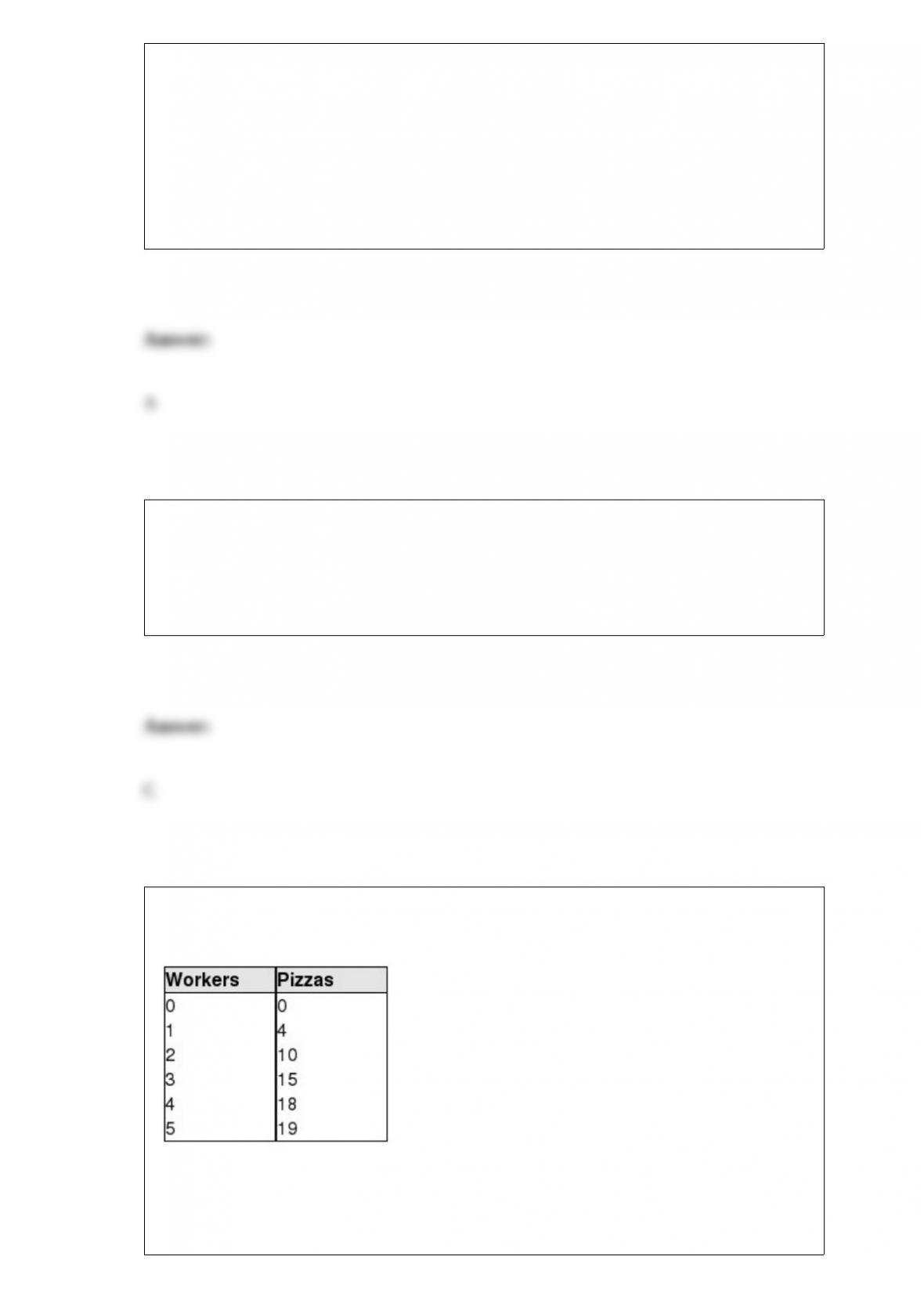
Exhibit 7-1 Production of pizza data
Exhibit 7-1 shows the change in the production of pizzas as more workers are hired.
The total output of pizzas after hiring 4 workers is:
a. 4.
b. 15.

c. 18.
d. 3.
e. 1.
A leftward shift of a supply curve is called a(n):
a. decrease in demand.
b. increase in supply.
c. decrease in supply.
d. increase in quantity supplied.
e. decrease in quantity supplied.
Which of the following has a direct relationship rather than an inverse relationship with
the supply curve?
a. The number of sellers.
b. Resource prices.
c. Consumer income.
d. Prices of other goods that firms could produce.
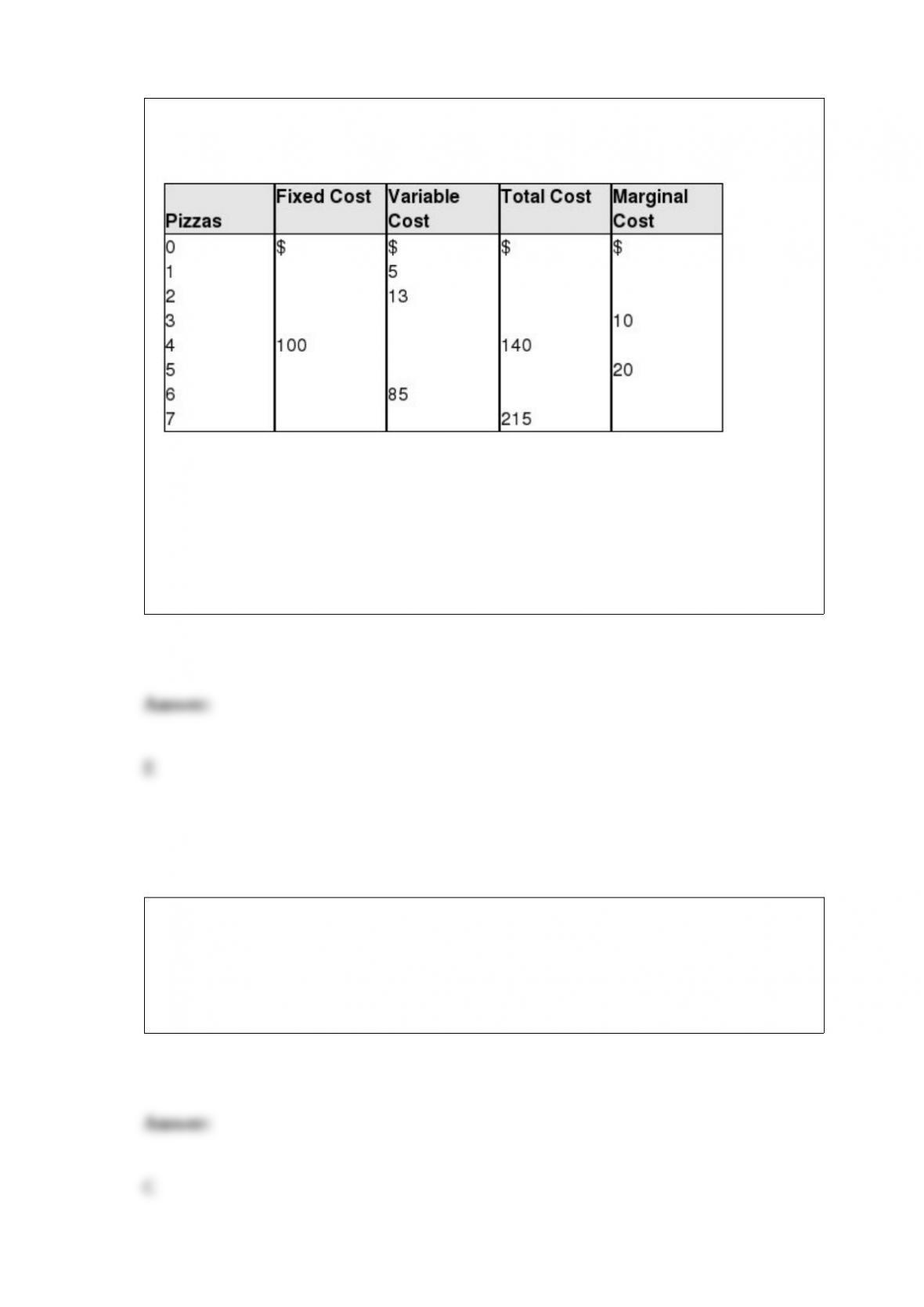
Exhibit 7-8 Costs schedules for producing pizza
By filling in the blanks in Exhibit 7-8, the total cost of producing 5 pizzas is shown to
be equal to:
a. $100.
b. $105.
c. $113.
d. $123.
e. $160.
In a constant cost industry:
a. a natural monopoly is likely to occur.
b. total cost is the same, no matter how much a firm produces.
c. the long-run supply curve will be perfectly elastic.
d. entry of new firms in the industry will lead to a reduction in the cost of inputs.

A factor of production is the same as:
a. the amount of a good produced.
b. the price of a good.
c. a profit of a firm.
d. an opportunity cost.
e. a resource.
Which of the following is concerned primarily with price discrimination?
a. The Sherman Antitrust Act. c. The Robinson-Patman Act.
b. The Clayton Act. d. The Celler-Kefauver Act.
If the quantity demanded increases by 20 percent in response to a 10 percent decrease in
price, demand is classified as:
a. unstable. c. relatively elastic.
b. relatively inelastic. d. of unitary elasticity.
Suppose that X and Y are complementary goods. If the price of good X decreases, we
can expect the:
a. demand for good X to increase.
b. quantity demanded of good Y to decrease.
c. quantity demanded of good Y to increase.
d. demand for good Y to decrease.
e. demand for good Y to increase.
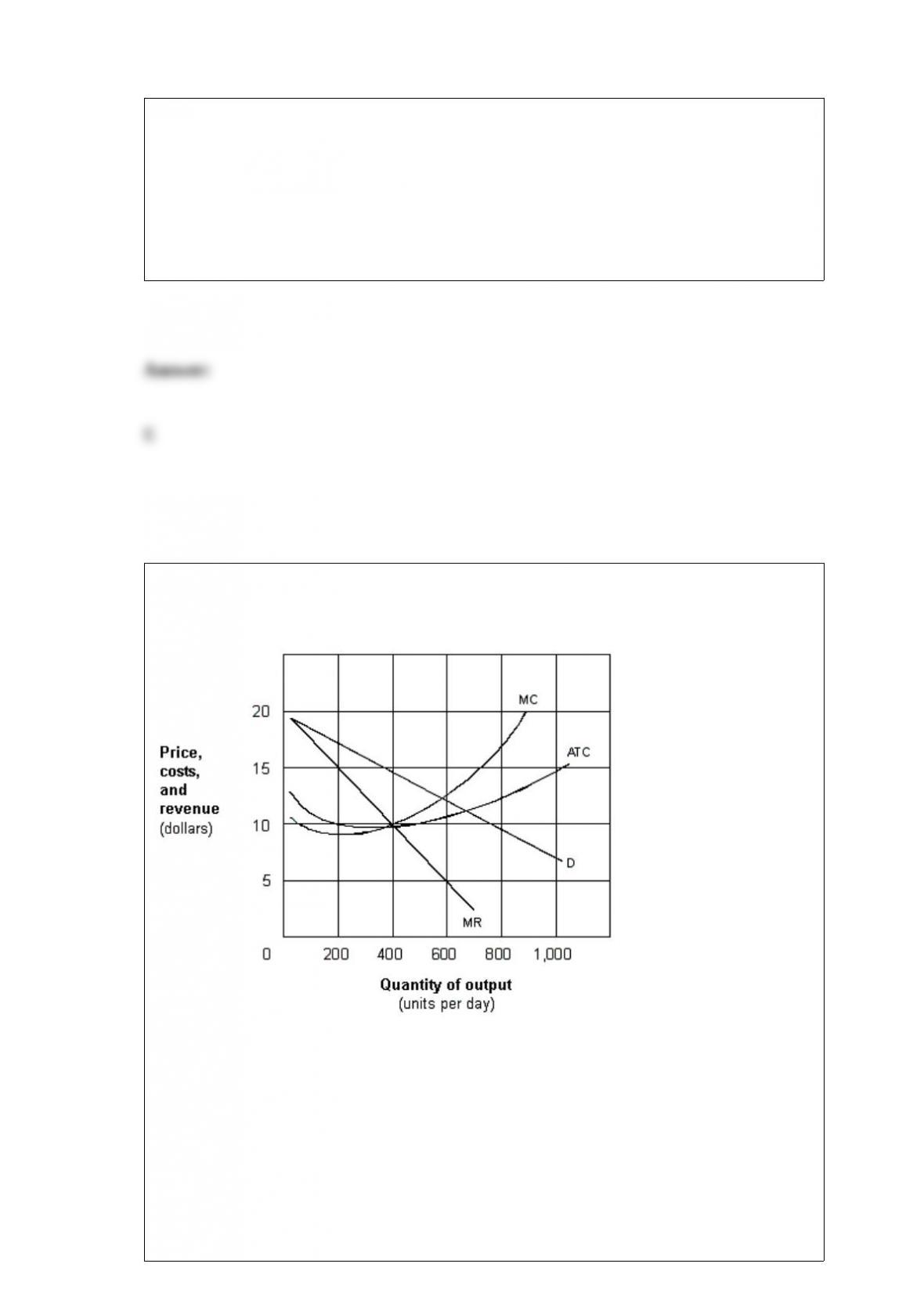
Exhibit 10-1 A monopolistic competitive firm
As presented in Exhibit 10-1, the short-run profit-maximizing output for the
monopolistic competitive firm is:
a. zero units per day.
b. 200 units per day.
c. 400 units per day.

d. 600 units per day.
e. 800 units per day.
Which of the following is not included in census income?
a. wages and salaries.
b. property income.
c. cash welfare benefits.
d. in-kind transfers.
A review of the performance of the economy during the Bush administration is the
concern of:
a. macroeconomics.
b. microeconomics.
c. both macroeconomics and microeconomics.
d. neither macroeconomics nor microeconomics.