
Keynesians identify three principal motives for demanding money. They are the:
a. transactions demand, precautionary demand, and liquidity motive.
b. transactions demand, precautionary demand, and convertibility motive.
c. transactions demand, speculative demand, and volatility motive.
d. transactions demand, speculative demand, and liquidity motive.
e. transactions demand, speculative demand, and precautionary demand.
Personal consumption expenditures:
a. represent close to two-thirds of GDP.
b. are equal to personal income minus individual taxes.
c. include durable good purchases but not nondurable good purchases.
d. do not include any intangible consumption items.
e. include all goods and services bought by the government.
Which of the following would be most likely to improve the standard of living of a
less-developed country?
a. Development of strong labor unions.
b. More foreign investment, attracted by the expectation of economic and political

stability.
c. Adoption of trade barriers (higher tariffs and quotas).
d. Widespread use of price controls to allocate goods and resources.
In the horizontal segment of the aggregate supply curve, when GDP:
a. increases, the price level rises.
b. decreases, the price level falls.
c. increases, the price level does not change.
d. increases, the price level falls.
e. increases, the price level first rises and then falls.
Activities that are directly included in GDP accounts include:
a. the value of housework done by householders.
b. the selling of illegal drugs.
c. unreported labor in sweatshops.
d. buying a ticket to a Dodgers-Expos game on your day off.
Credit cards are:
a. M1 money.
b. M2 money.
c. near money.
d. not money.
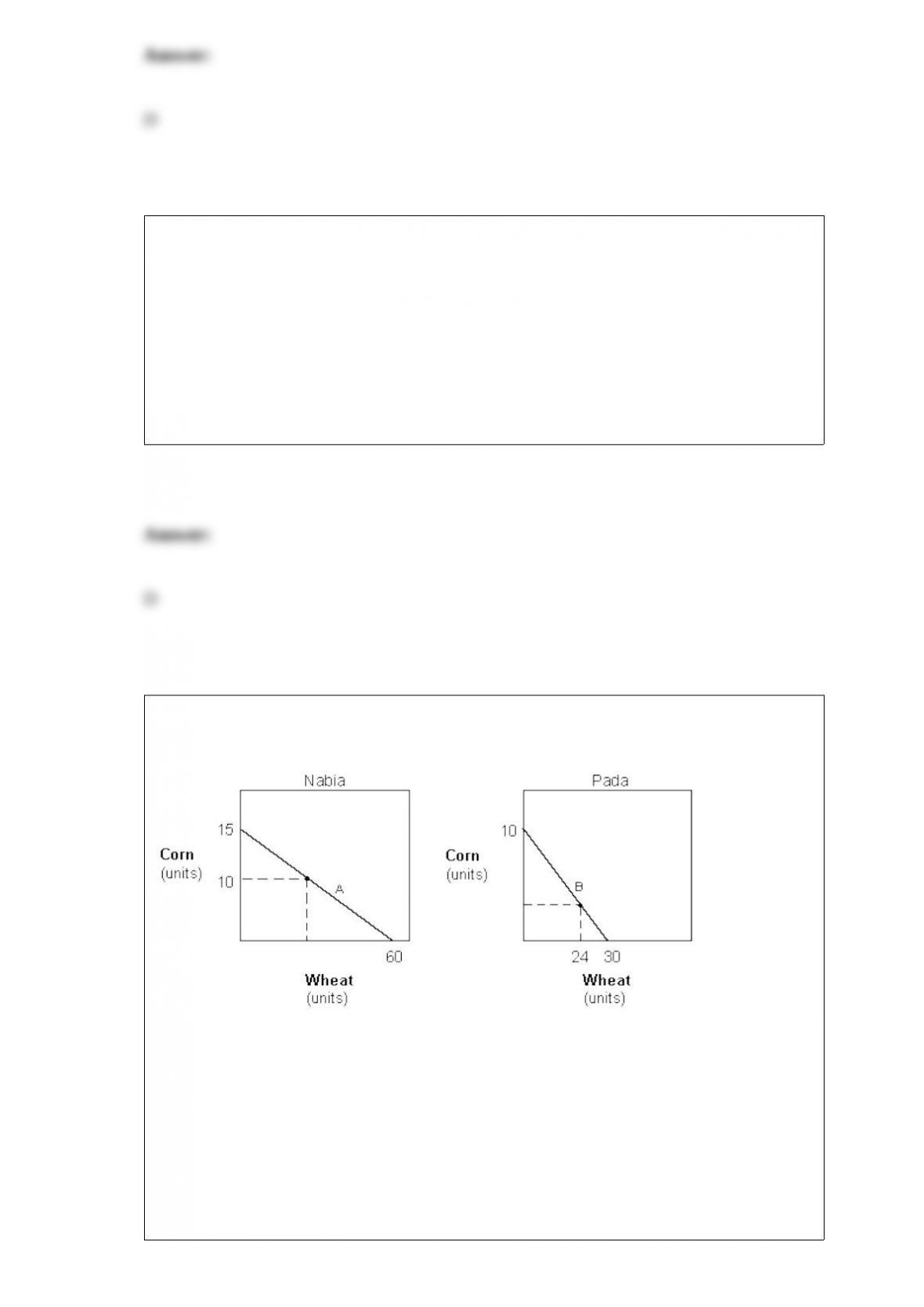
Exhibit 18-1 Production possibilities curves
In Exhibit
18-1, the production possibilities curves of wheat and corn for Nabia and Pada are
presented. Suppose Pada produces at point B on its PPC. How much corn is the country
able to produce?
a. 2.
b. 15.
c. 10.

d. 6.
e. 13.
Microeconomics is concerned with:
a. some specific market in the economic system.
b. the entire economic system.
c. reducing national unemployment and inflation rates.
d. what causes changes in the overall level of economic activity.
Which of the following represents a positive statement?
a. A higher income tax rate will reduce the amount of time that people spend working.
b. Teenage unemployment should be reduced.
c. We should raise the standard of living for the elderly.
d. A decrease in tax rates is needed to help the poor.

Which of the following items does not provide a store of value?
a. Currency.
b. Checkable deposits.
c. Credit cards.
d. All of these are correct.