
In Figure 2.3, an efficient production point on production possibility curve YZ is:
A) point A.
B) point B.
C) point C.
D) none of the above.
An external cost of production is:
A) a cost incurred by someone other than the producer.
B) the production cost borne by a producer.
C) the result of the sum of private and social cost.
D) another word for a tax.
Joe runs a business and needs to decide how many hours to stay open. Figure 2.4
illustrates his marginal benefit of staying open for each additional hour. Suppose that
we observe Joe staying open 5 hours per day. If he is following the marginal principle,
what must his marginal cost be?
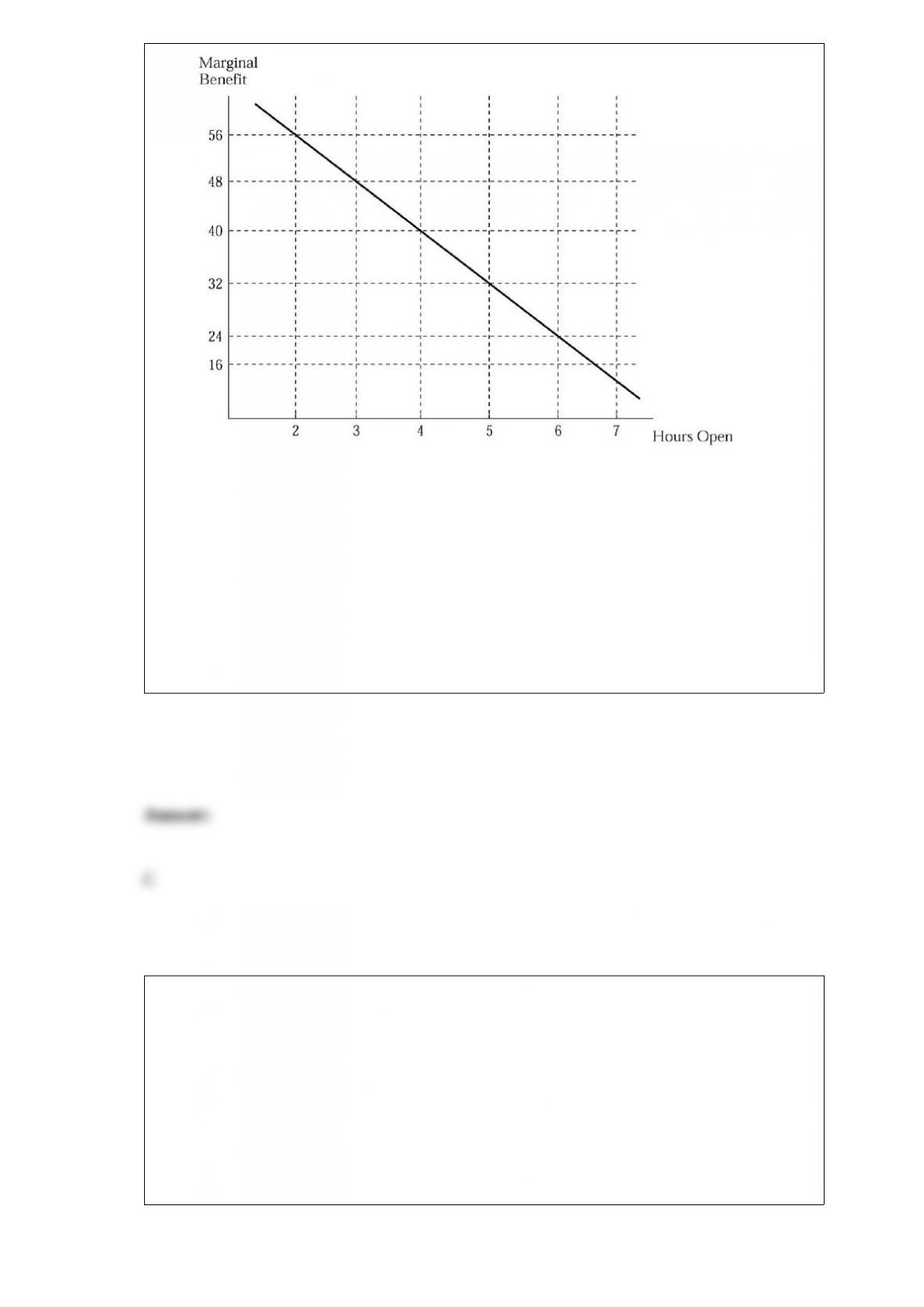
Figure 2.4
A) $16
B) $24
C) $32
D) $40
When economists say that a good is nonrival in consumption, they mean that:
A) no one wants the good.
B) everyone wants the good.
C) the good is widely available.
D) more than one person can enjoy the good at the same time.

Which of the following individuals is likely to have the most inelastic demand for air
travel?
A) a person who is afraid to fly
B) a person who enjoys flying
C) a business traveler
D) a retired person
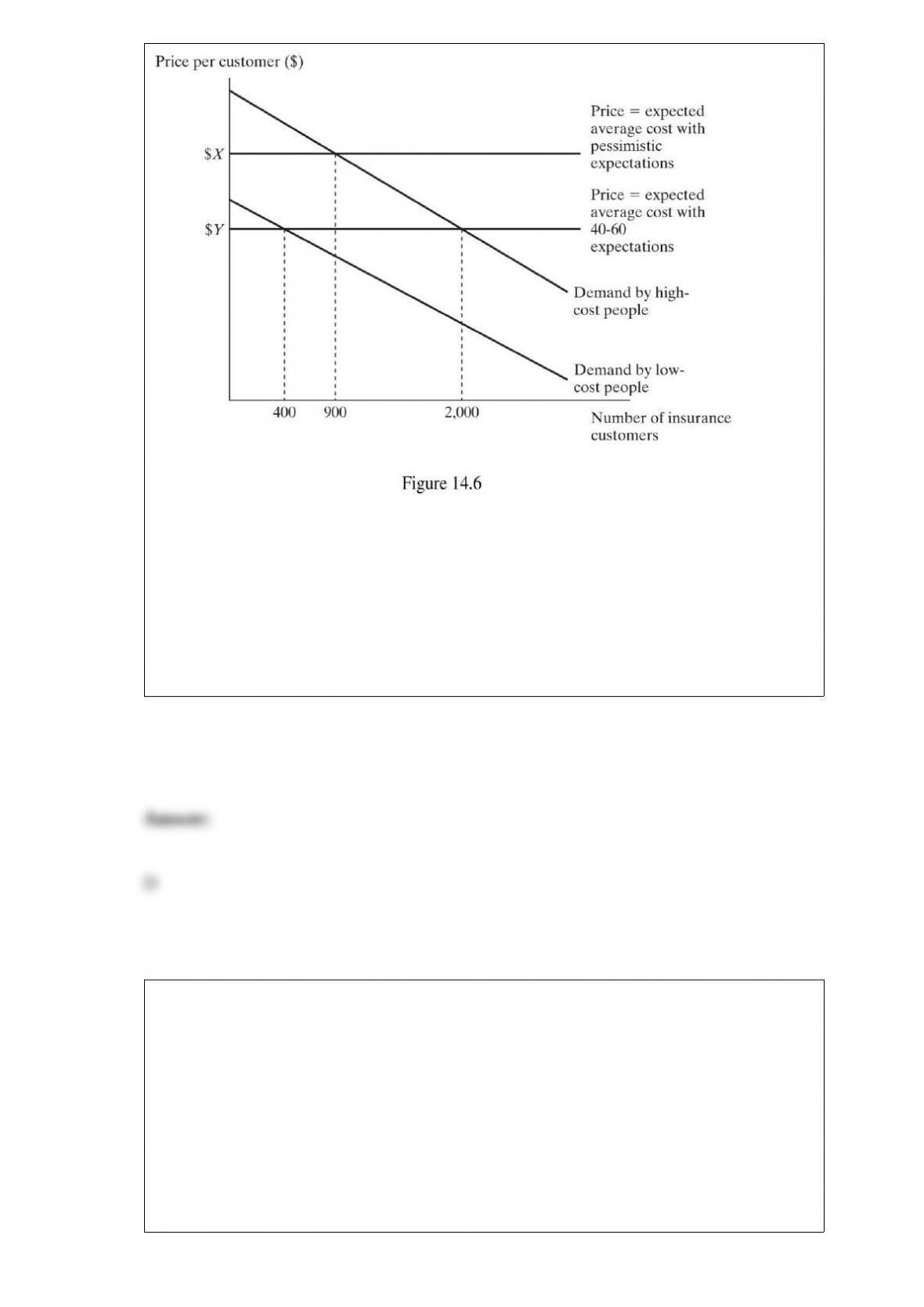
Figure 14.6 represents the market for health insurance. Suppose there are two types of
consumers, low-cost consumers with $2,000 average medical expenses per year, and
high-cost customers with $4,000 average medical expenses per year. The insurance
companies estimate that 40% of its customers are high-cost type. If the insurance
companies set the price equal to their average cost per customer, what percent of
customers who buy the insurance are actually low-cost customers?
A) 20%
B) more than 20% but less than 50%
C) more than 50%
D) less than 20%
According to the Texas Transportation Institute, the typical U.S. commuter wastes
approximately how much time per year due to traffic congestion?
A) 14 hours
B) 22 hours
C) 47 hours
D) 96 hours
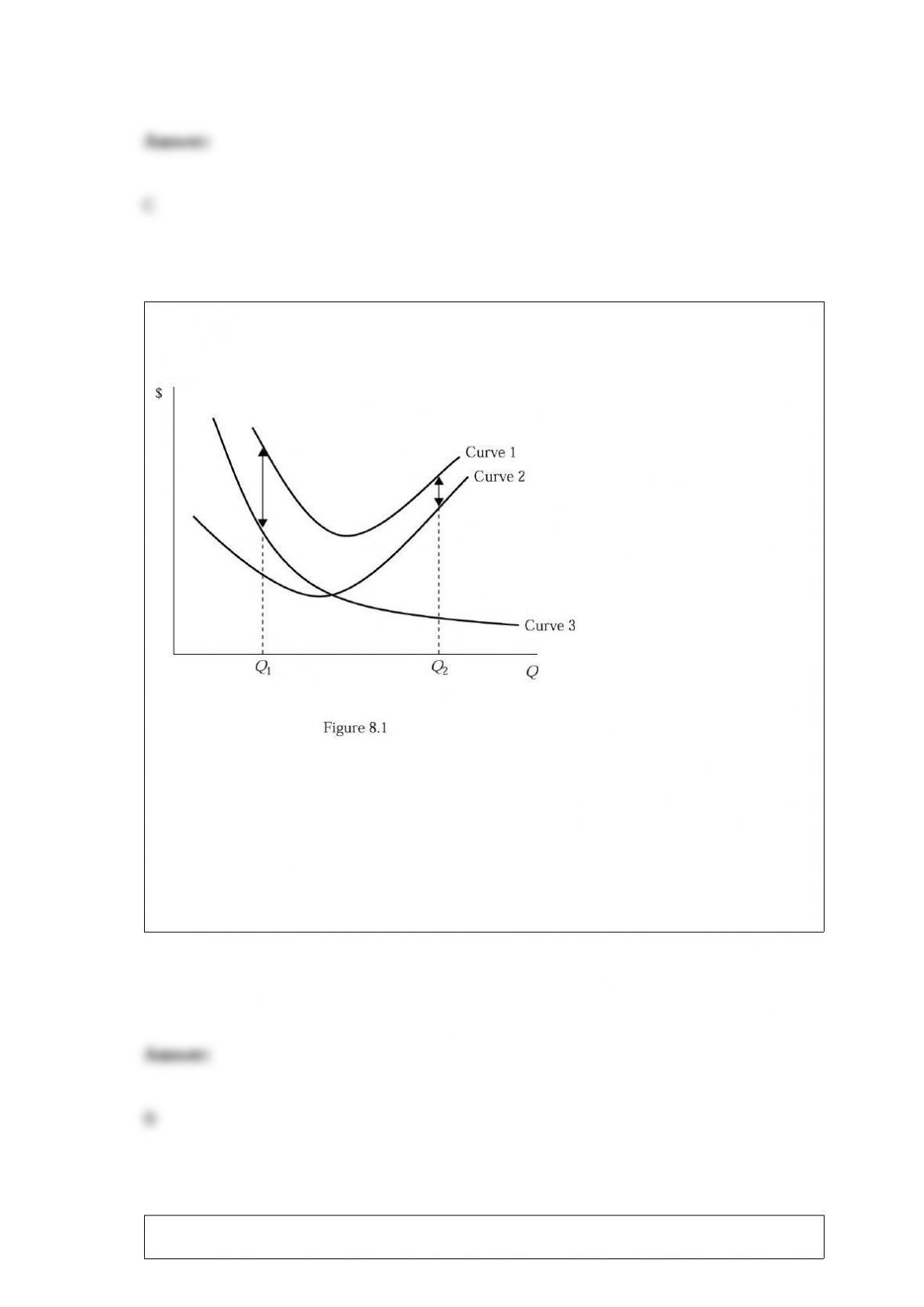
Refer to Figure 8.1, which shows a family of average cost curves. The average variable
cost curve is represented by:
A) Curve 1.
B) Curve 2.
C) Curve 3.
D) the vertical sum of curve 2 and curve 3.
A command-and-control policy:

A) is unlikely to have any impact on the amount of pollution emitted.
B) does not affect the production costs of firms.
C) usually finds the most efficient pollution abatement technology.
D) decreases the incentive for firms to develop efficient abatement technologies.
Exporting nations often agree to voluntary export restraints in an attempt to:
A) employ more workers in the importing nation.
B) avoid more restrictive trade policies.
C) increase global welfare.
D) decrease inflation.
Recall the Application about Jasper Johns and house painting to answer the
following question(s). In this Application, it is assumed that Johns can earn $5,000
per day by painting works of art, and therefore should hire a house painter who
charges $150 per day, and takes 10 days, to paint his house. This Application
addresses the economic concept of:
A) the marginal principle.

B) diminishing returns.
C) specialization and exchange.
D) real versus nominal costs.
Mark’s Baseballs produces baseballs. Mark’s Baseballs has total fixed costs of $500.
Mark’s average variable cost is $20, and his average total cost is $25. Mark is currently
producing:
A) 5 baseballs.
B) 25 baseballs.
C) 100 baseballs.
D) a number of baseballs that cannot be determined from the information provided.
If the demand for a product is perfectly elastic, then which of the following is most
likely to be FALSE?
A) The product has many substitutes.
B) The demand curve for the good is horizontal.
C) The price elasticity of demand for that product is infinity.
D) None of the above is false.
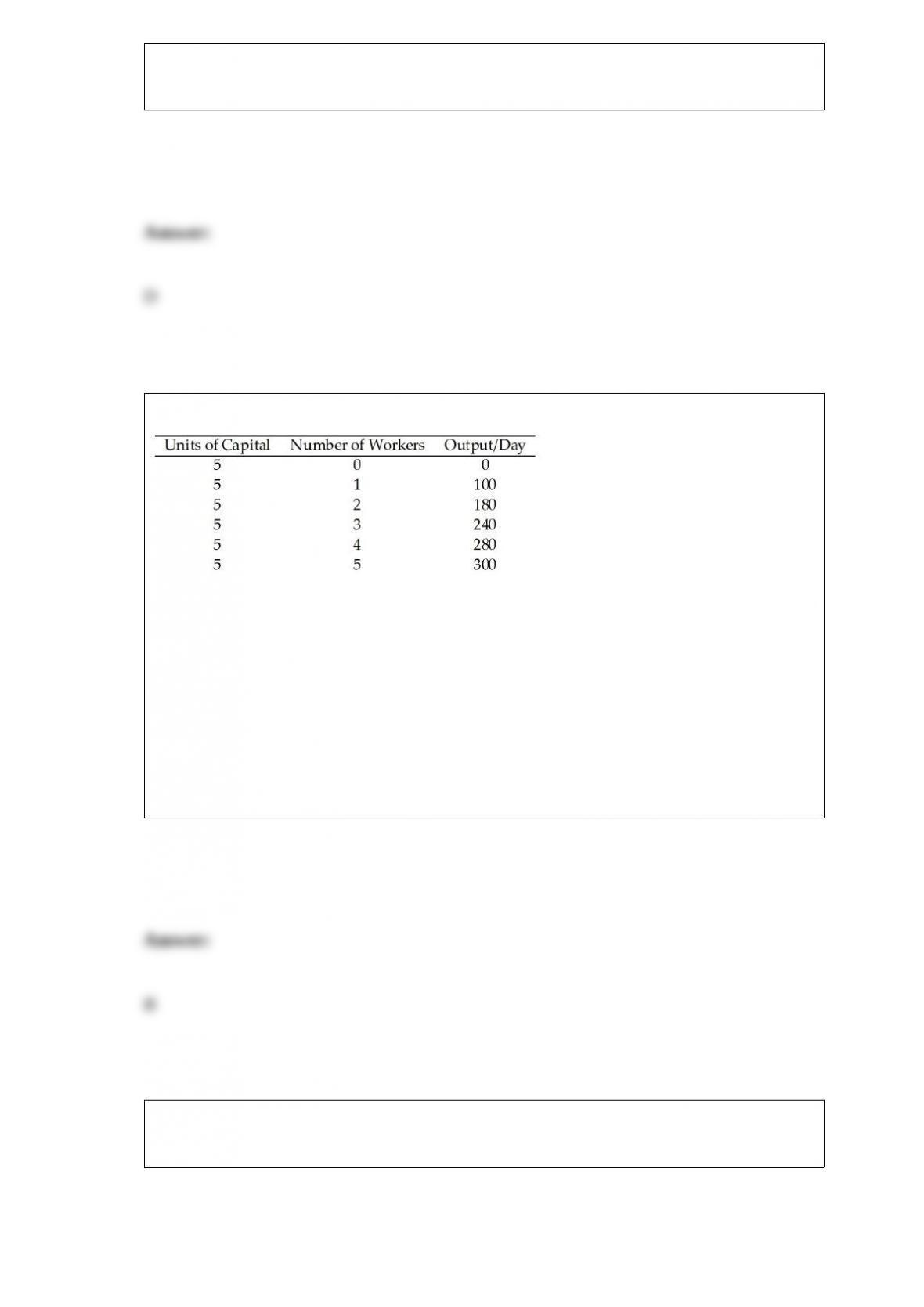
Refer to Table 2.3. The marginal product of the 2nd worker is:
Table 2.3
A) 100 units of output.
B) 80 units of output.
C) 60 units of output.
D) 40 units of output.
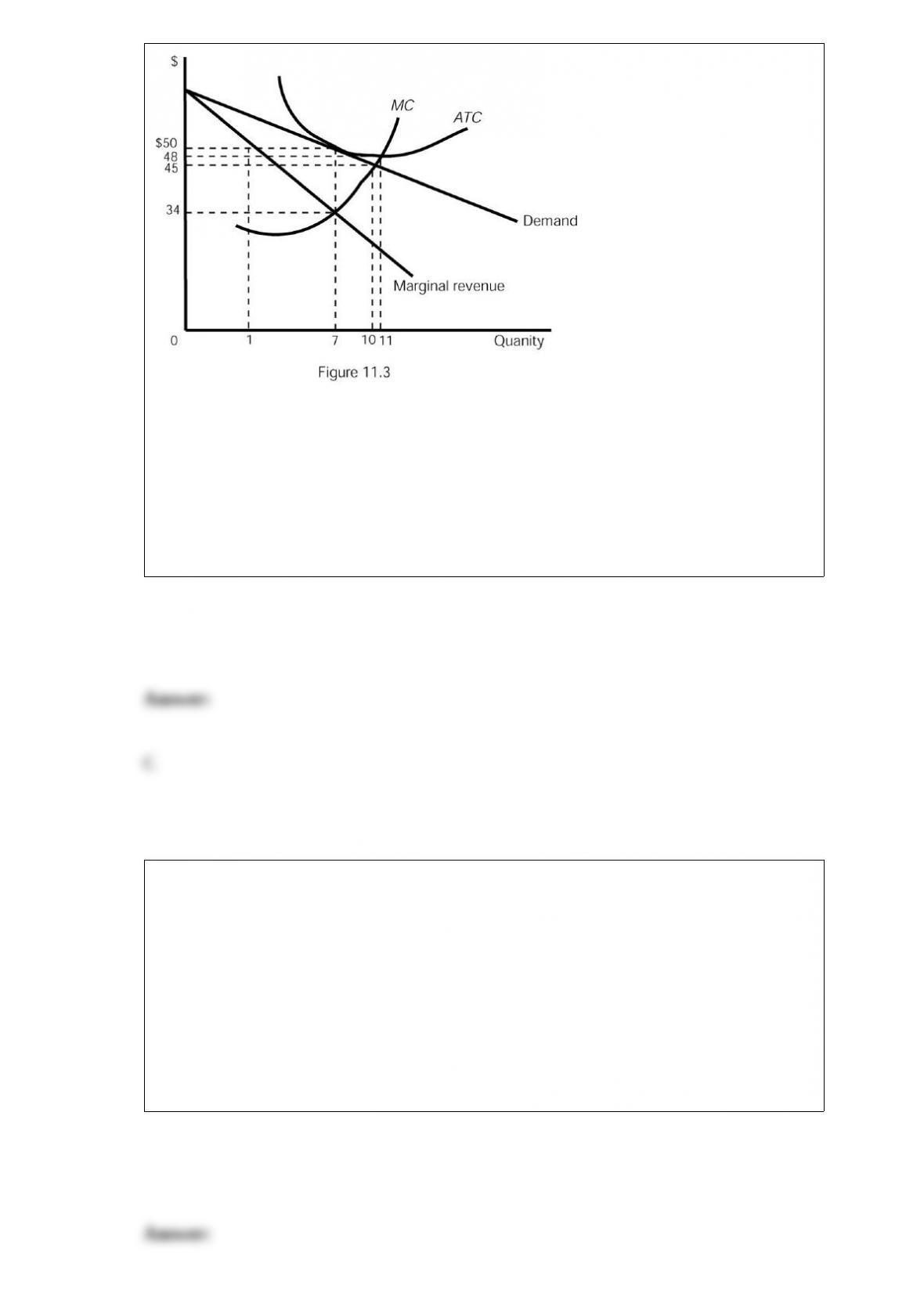
In the long run, a perfectly competitive firm facing the same costs as in Figure 11.3
would produce ________ units and charge ________ per unit.
A) 7; $50
B) 10; $48
C) 11; $48
D) 10; $45
If the price of output decreases, the equilibrium wage of workers who produce that
output will ________ and ________ workers will be hired.
A) increase; more
B) increase; fewer
C) decrease; more
D) decrease; fewer
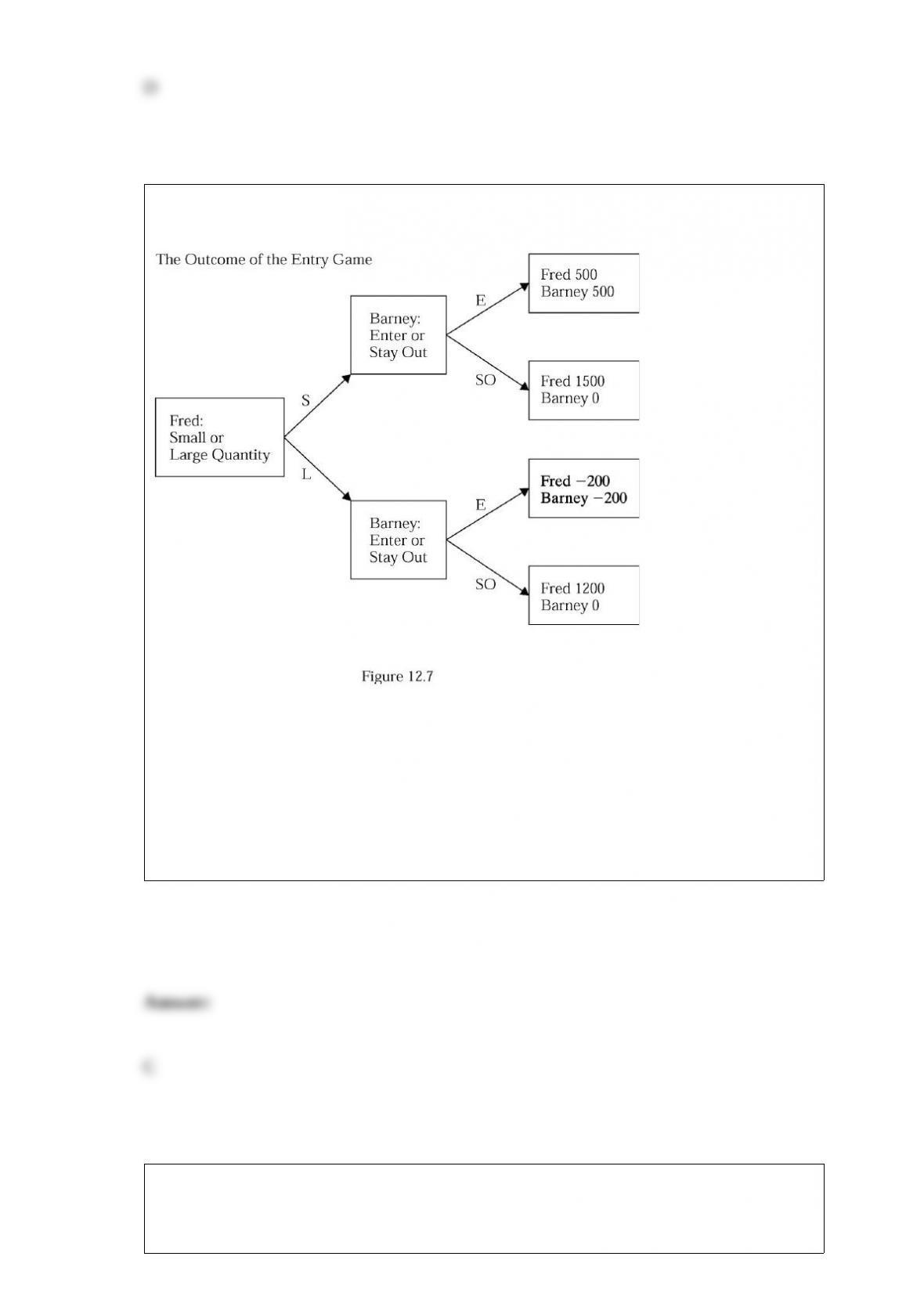
Refer to Figure 12.7. Which of the following statements is true?
A) Both Fred and Barney have a dominant strategy.
B) Neither Fred nor Barney has a dominant strategy.
C) Fred has a dominant strategy but Barney does not.
D) Barney has a dominant strategy but Fred does not.
Recall Application 3, “Are They Really Dumping?” to answer the following
questions:
According to the application, how many cases of dumping in 1995-1998 used the actual
price in the foreign market to make a determination if a dumping occurred?
A) 4 out of 141
B) 137 out of 141
C) all 141 out of 141
D) none of the 141
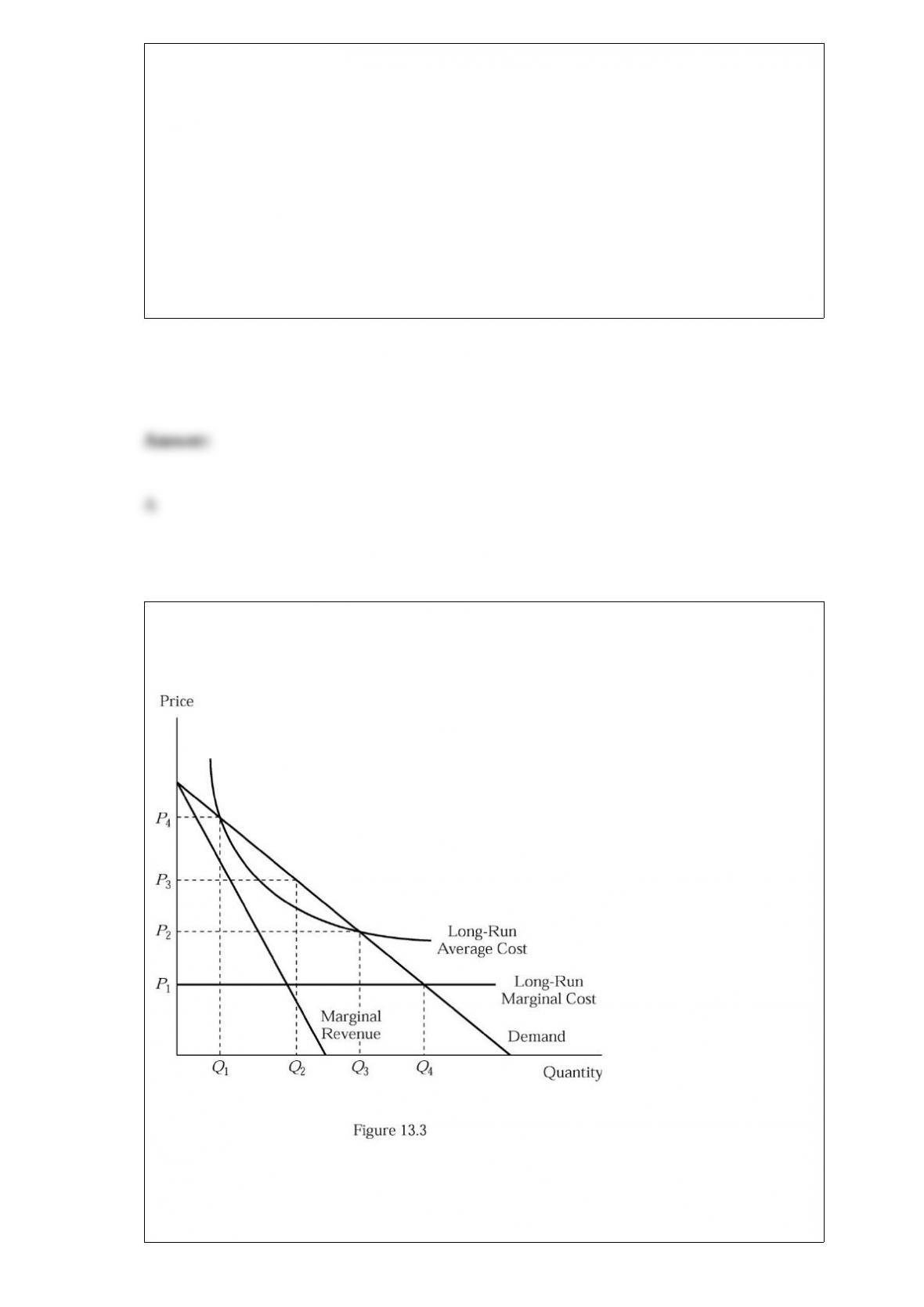
If price were regulated to be equal to long-run marginal cost the firm in Figure 13.3
would be:
A) making a zero economic profit.
B) losing money.

C) making a positive economic profit.
D) breaking even.
The self-interest model of government:
A) suggests that government officials are selfish.
B) explains why there are limits on government taxation and spending.
C) shows why some government projects take place even if the costs exceed the
benefits.
D) All of the above are correct.
Recall the application about the British experience with private water firms in the 19th
century, what does the water privatization show in terms of the distribution of water?
A) The water is a best managed when the government takes control.
B) The water is a natural monopoly.
C) The water distribution is optimized when the price is fixed.
D) none of the above
According to the Application, at a relatively low freight rate, only the ________
efficient ships operate, and they save on cost by traveling at a ________ speed.
A) most; fast
B) most; slow
C) least; fast
D) least; slow
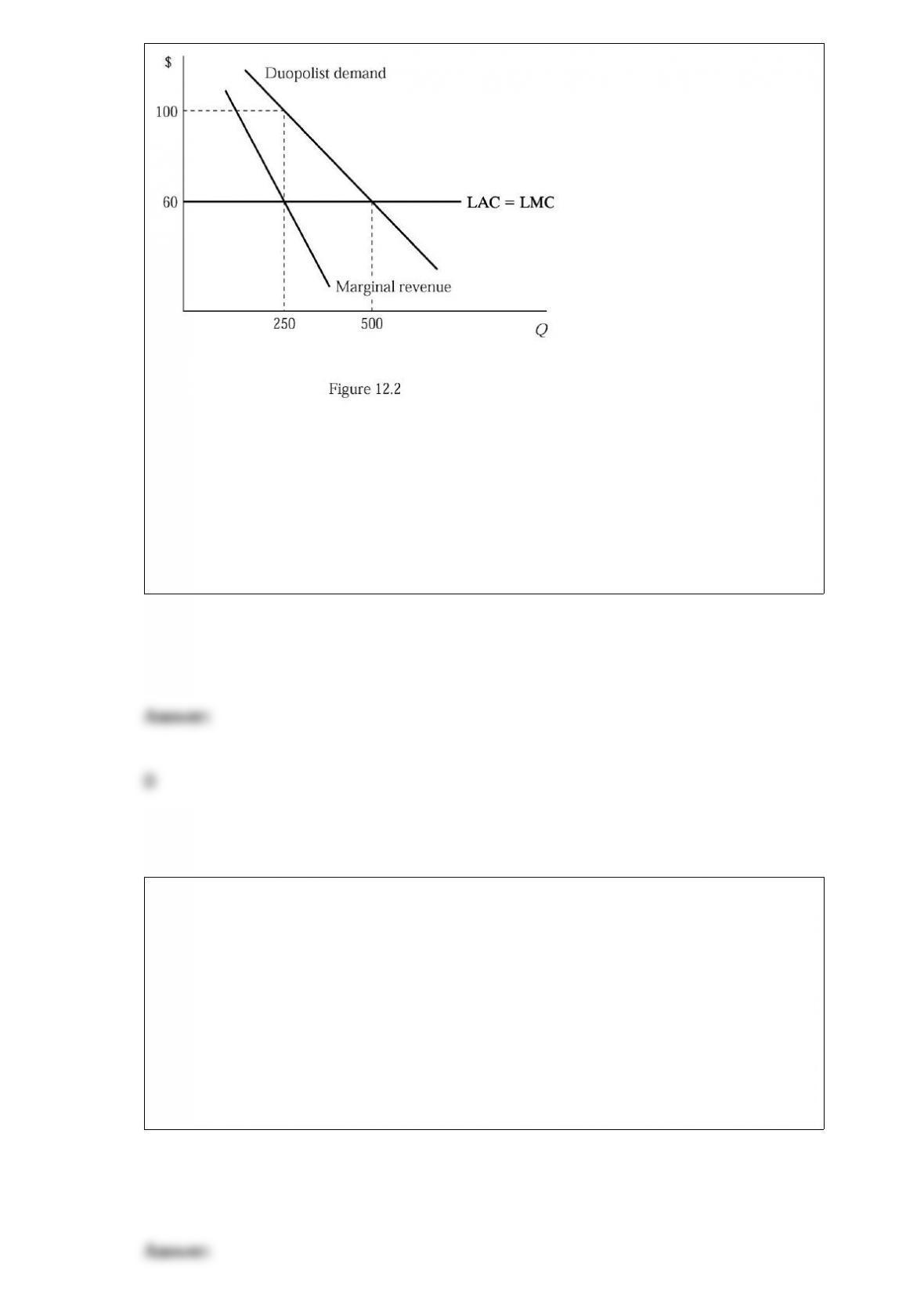
Figure 12.2 shows demand, marginal revenue, and costs of a duopolist. Suppose that the
two duopolists have the same costs. If the two firms form a cartel and charge the profit
maximizing monopoly price, compared to perfect competition, the market price will be
________ and the total output level will be ________.
A) higher; greater
B) higher; smaller
C) lower; greater
D) lower; smaller
What is the best explanation for the fact that the only two political candidates in an
election often have very similar stands on the issues during an election?
A) They are logrolling.
B) They are behaving according to the median voter rule.
C) Democrats and Republicans actually agree on most issues.
D) They need to please special interest groups in order to be elected.
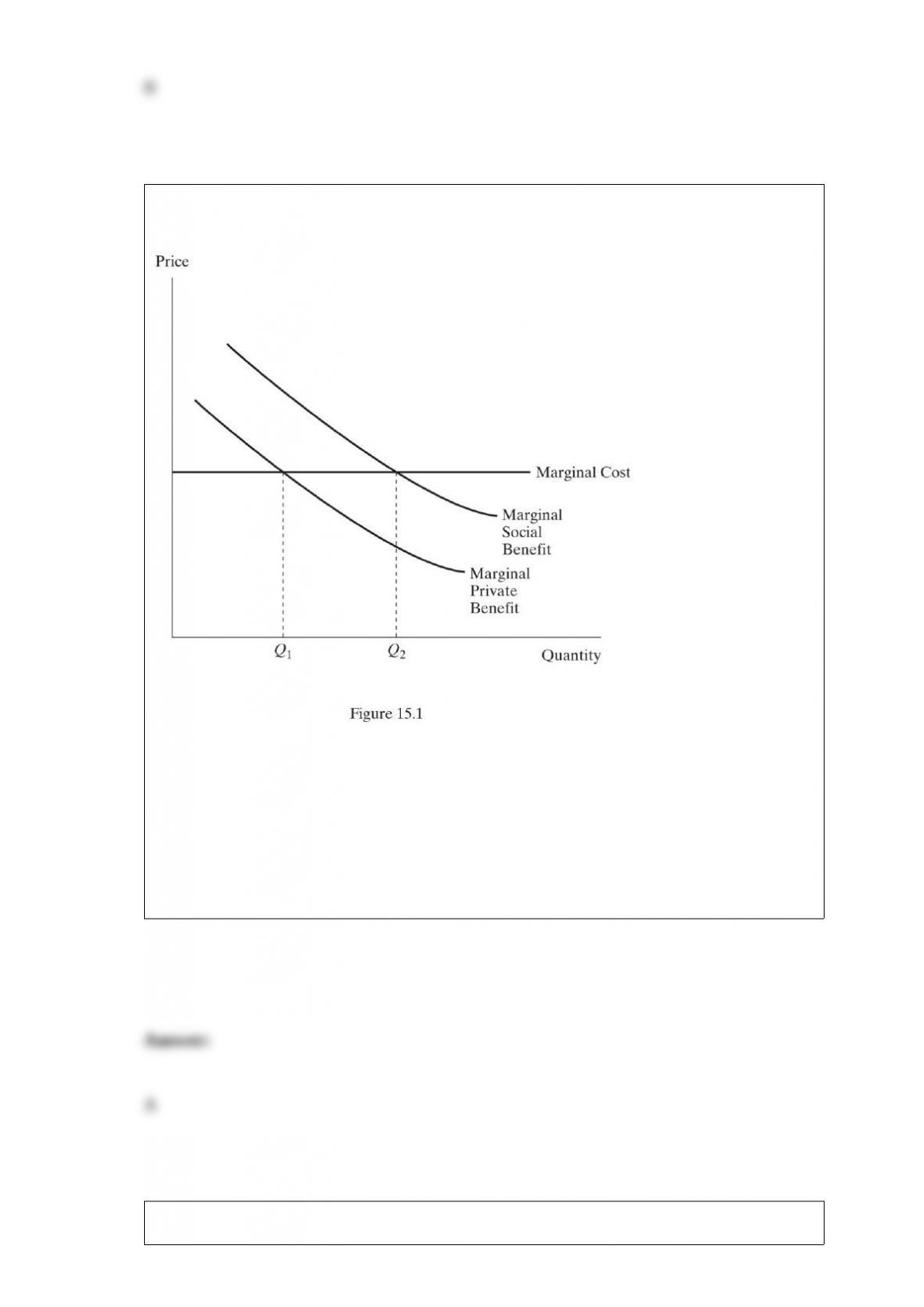
In the market in Figure 15.1:
A) social benefits are greater than private benefits.
B) the quantity provided by the market is greater than efficient.
C) when left alone, the market produces the socially optimum quantity.
D) all of the above
You do not worry about how your bank is investing your money because your deposits

are federally insured. This is an example of:
A) a positive spillover.
B) moral hazard.
C) adverse selection.
D) irrational behavior.
According to the possible trade-off example between warships and drinking water in the
text, the policy question that should be considered in Malaysia is:
A) do the opportunity costs of the warships exceed their nominal costs?
B) do the nominal costs of the warships exceed their real costs?
C) do the benefits of the warships exceed their opportunity costs?
D) do the real costs of the warships exceed their nominal costs?
A firm’s short-run demand curve for labor would shift to the left if:
A) there is a decrease in the price of the output.
B) there is an increase in the marginal product of labor.

C) there is a decrease in the wage rate.
D) all of the above
Which of the following goods are NOT sold in a monopolistically competitive market?
A) computer software
B) toothpaste
C) toilet paper
D) oil
Clear Window Manufacturer wants to increase the quantity of windows it sells by 10%.
If the price elasticity of demand is 5 the manufacturer must:
A) increase price by 1.5%.
B) decrease price by 2.0%.
C) decrease price by 1.5%.
D) increase price by 2.0%.

You would be willing to pay a maximum of $1000 for an airplane ticket to London, UK
during the summer, and you can buy an airplane ticket for $890. Your consumer surplus
is:
A) $90.
B) $190.
C) $110.
D) $100.
Suppose that in a month the price of pizza increases from $4 to $5. At the same time,
the quantity of pizzas demanded decreases from 200 to 190. The price elasticity of
demand for pizza (calculated using the midpoint formula) is:
A) 0.1.
B) 0.23.
C) 0.25.
D) 4.35.
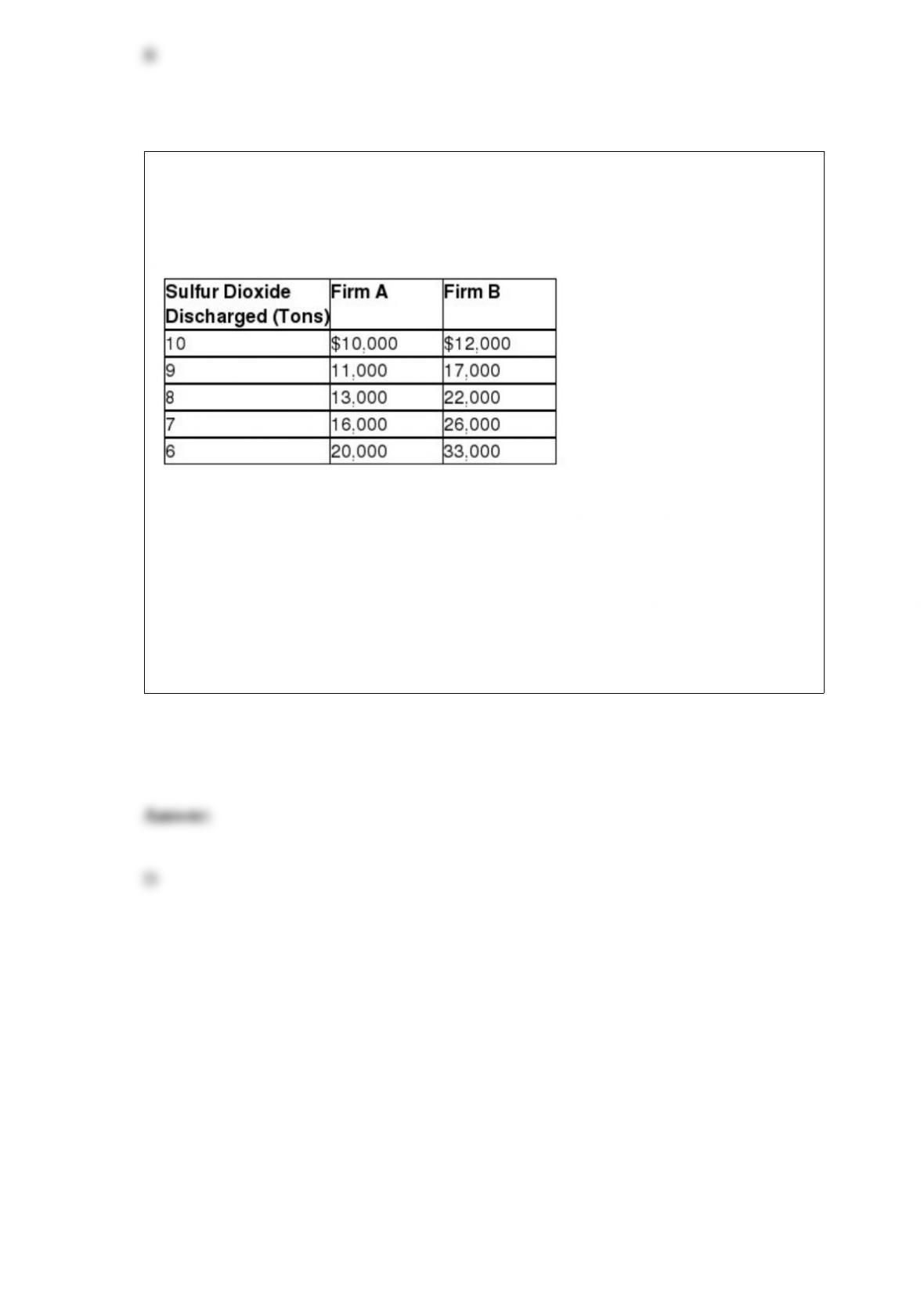
Table 16.4 shows the production cost for two utilities at different levels of sulfur
dioxide emissions. Assume that the government issued 8 marketable pollution permits
to each firm. If Firm B wants to purchase a second permit to be able to discharge 10
tons of sulfur dioxide, what is Firm B’s willingness to pay?
Table 16.4
A) $2,000
B) $3,000
C) $4,000
D) $5,000