
Which of the following is true of public goods?
a. The market mechanism helps to signal the quantity that is demanded by the public.
b. Payment for consumption is efficiently provided by market prices.
c. Consumption by one person does not preclude consumption of the same good by
another person.
d. The public sector is guided to produce the correct quantity by market prices.
e. Voluntary contributions will be sufficient to finance the production of public goods.
Which of the following cannot be determined from a nation’s position relative to its
production possibilities frontier?
a. whether it is producing efficiently
b. whether it has unemployed resources
c. the opportunity cost of each good illustrated
d. the society’s relative preferences regarding each good illustrated
e. the price of each good illustrated
The economic question of “what to produce” is often referred to as the distribution

question.
a. True
b. False
What do monopolistic competition, pure monopoly, and perfect competition have in
common?
a. free entry
b. long-run economic profits
c. differentiated product
d. price taking
e. the rule of profit maximization
Suppose I have $1,000 to put into a one-year CD. Community Bank offers 5 percent
interest, Floatbank offers 5.25 percent, and Squidbank offers 5.40 percent. If I place my
money in Squidbank, my economic profit on the investment is
a. 5.40 percent
b. 5 percent
c. 0.40 percent
d. 0.15 percent
e. -0.40 percent
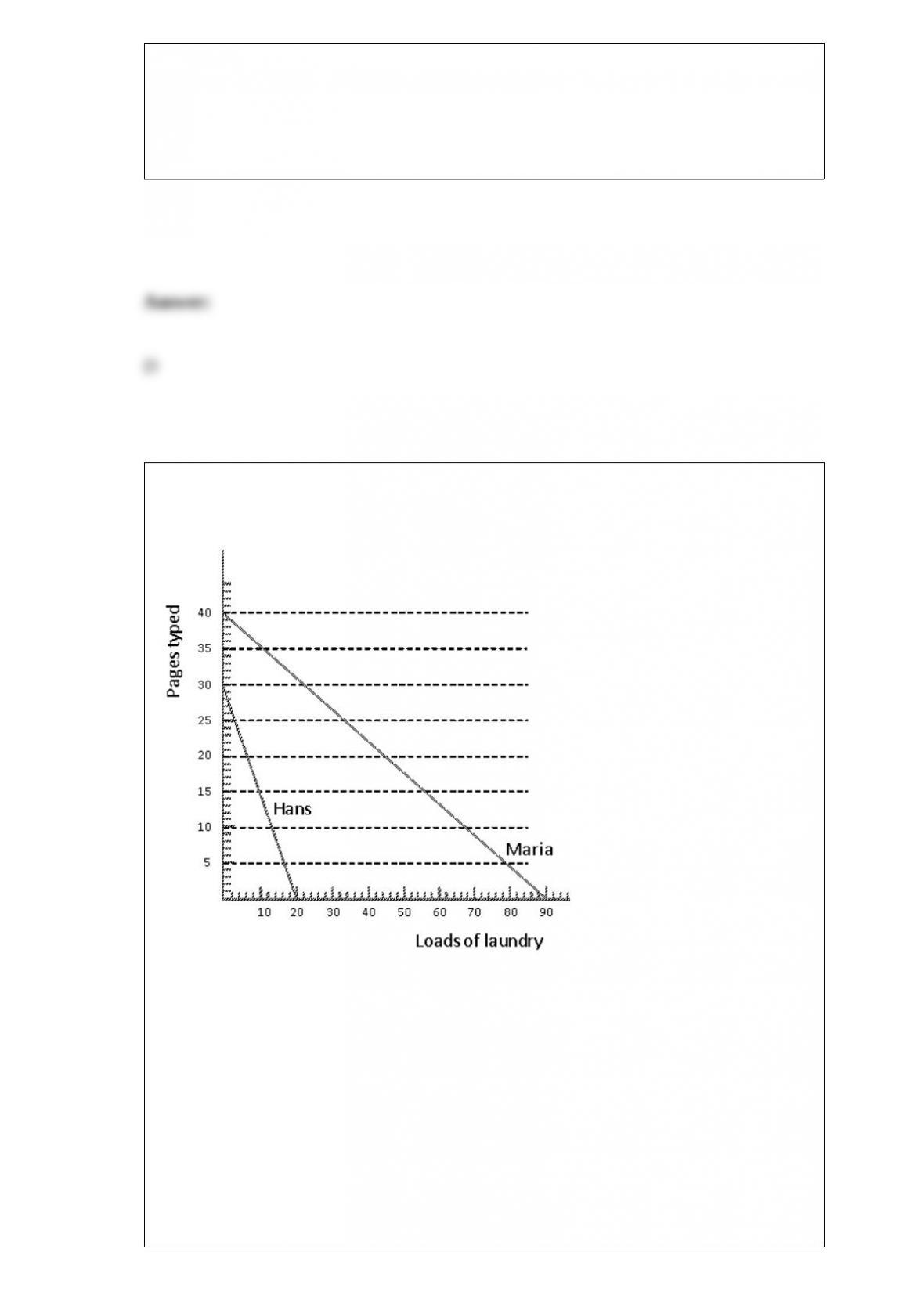
Exhibit 2-12 Maria and Hans Production Possibilities for Laundry and Typing
According to Exhibit 2-12, Maria’s opportunity cost of doing a load of laundry is
a. 4 pages
b. 6 pages
c. 2/3 of a page
d. 3/2 of a page
e. impossible to compute
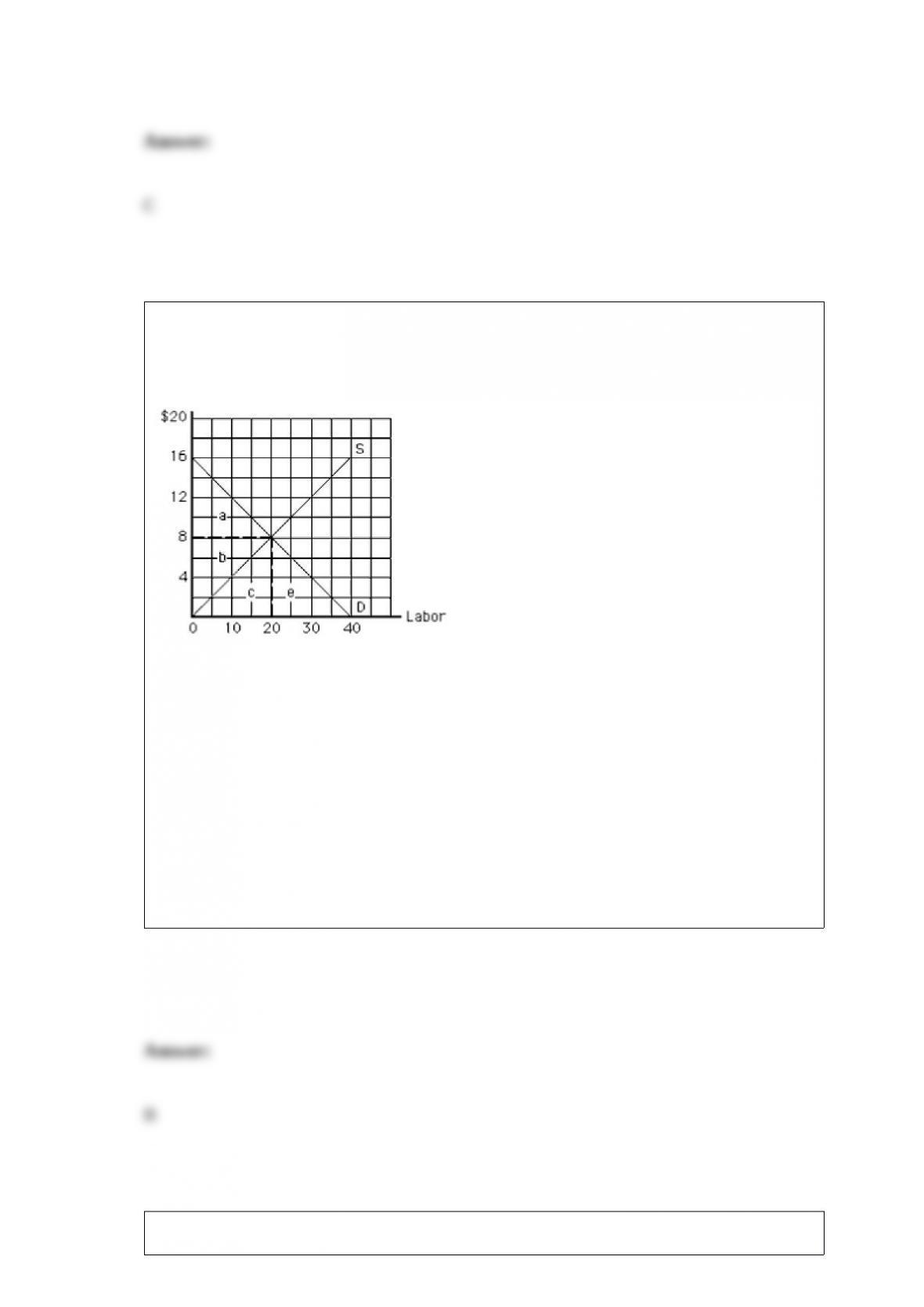
Exhibit 11-2
In Exhibit 11-2, opportunity cost at equilibrium equals
a. $40
b. $80
c. $160
d. $16
e. $8
Which of the following sayings describes the concept of diminishing marginal utility?
a. time is money
b. penny wise and pound foolish
c. absence makes the heart grow fonder
d. a penny saved is a penny earned
e. a fool and his money are soon parted
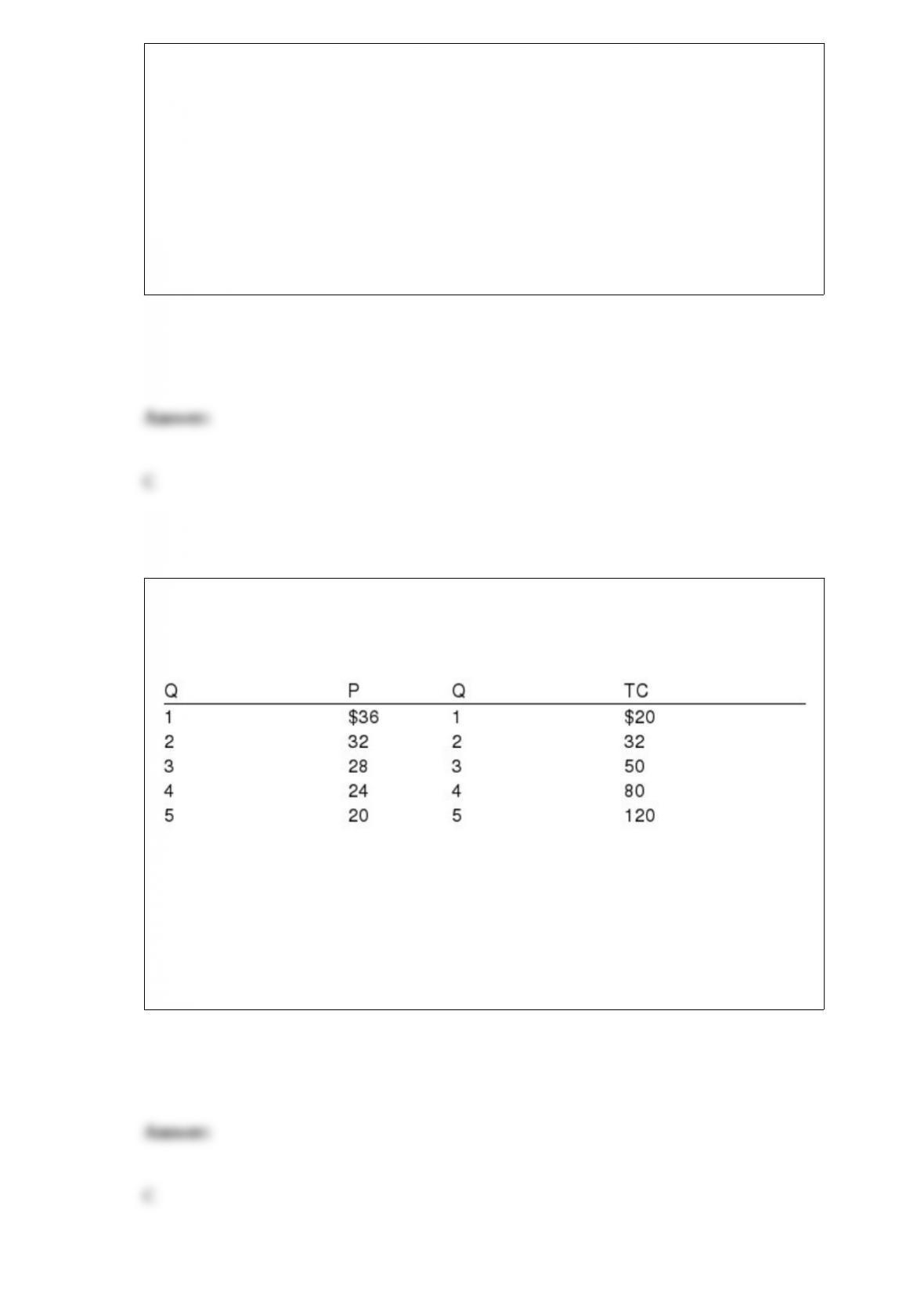
Exhibit 9-7
In Exhibit 9-7, what is the profit-maximizing price for a monopolist that does not price
discriminate?
a. $36
b. $32
c. $28
d. $24
e. $20

Which one of the following is not true?
a. An exchange rate is the price of one currency in terms of another.
b. An exchange rate is the means by which the price of a good in one country is
translated into the price to the buyer in another country.
c. The cost of a foreign good in dollars will depend on the current exchange rate.
d. The exchange rate will affect the willingness of foreign buyers and sellers to trade
with each other.
e. The exchange rate is the price of a currency in terms of another currency for
exchanges of goods and services but not for financial transactions.
If the legislature has a line-item veto on a bureau’s budget, the bureau
a. can no longer present its entire budget as a package deal for provision of services
b. will have more power than if the legislature used an overall budget ceiling
c. will be able to supply its output to the legislature as a monopolist
d. will try to discourage budget cuts by threatening to make cuts that will cause the
legislature the least political trouble
e. will be free to pursue its own overall objectives

The most effective government policy for reducing poverty is to
a. reduce discrimination in the job market based on gender and race
b. abandon all government programs and rely on private charity
c. reduce programs that promote education and training of the poor
d. dramatically increase Medicare payments to the elderly
e. promote economic growth and job creation
The GATT’s most-favored nation clause means that tariff reductions granted by a
member of GATT to imports from one country
a. apply only to that country
b. are only extended to certain favored members of GATT
c. are extended to all other members of GATT
d. must be matched by equivalent quota reductions
e. are extended to all other countries of the world
Productive efficiency occurs in markets when
a. goods are produced at the lowest possible average total cost
b. goods are produced at the lowest average variable cost
c. goods are produced at the lowest marginal cost
d. goods are produced at the lowest average fixed cost
e. the economy is producing the maximum quantity of goods and services it can
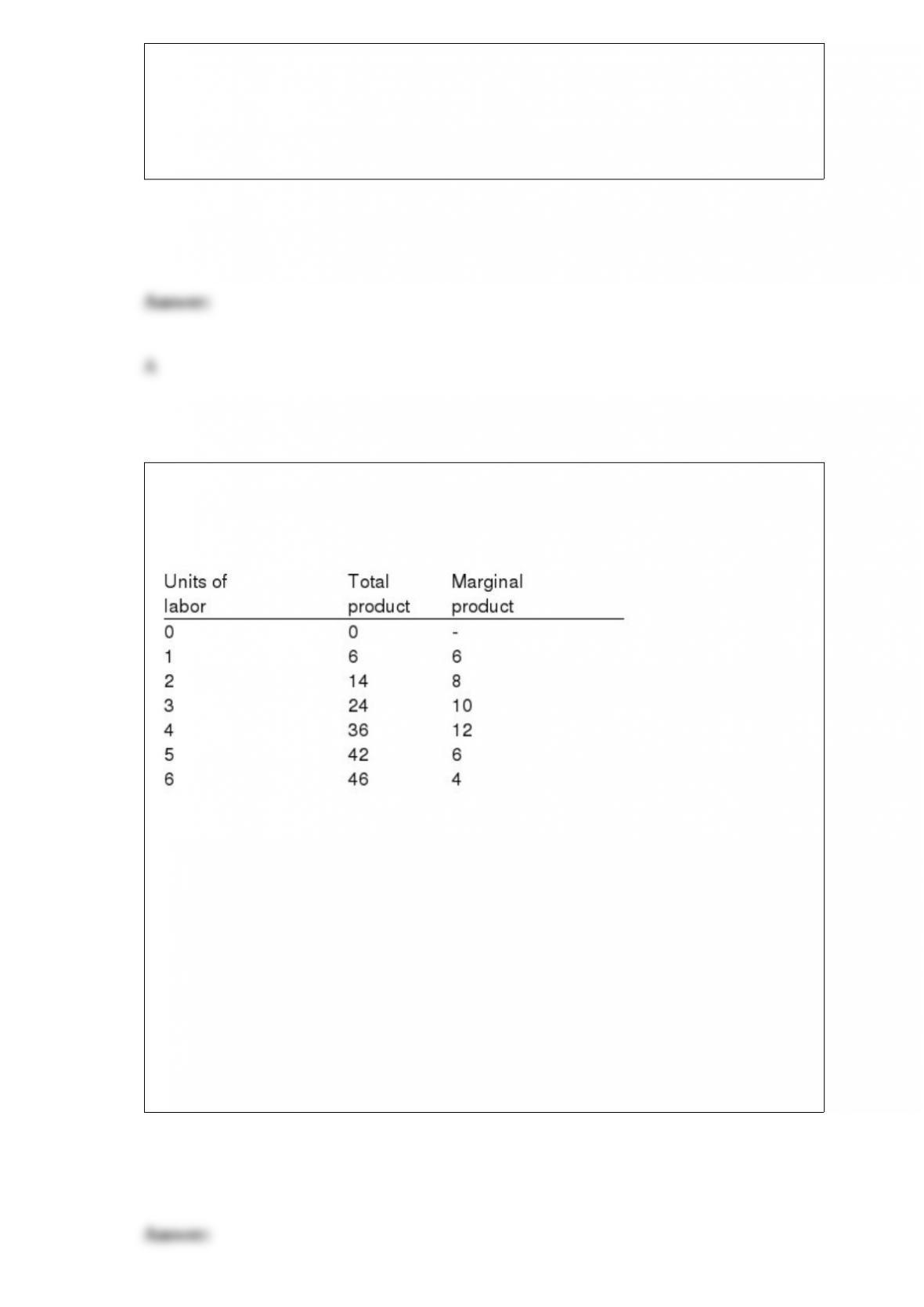
Exhibit 7-4
In Exhibit 7-4, marginal returns begin to diminish with the hiring of the __________
worker.
a. second
b. third
c. fourth
d. fifth
e. sixth

A monopolistically competitive firm produces where demand is inelastic.
a. True
b. False
In Japan most garbage is
a. either recycled or burned
b. recycled
c. burned
d. deposited in landfills
e. used for fuel
If the marginal product of labor increases because of a shift of the MP curve, that will
likely cause

a. an increase in the price of output produced by labor
b. an increase in labor demand
c. an increase in labor supply
d. a fall in the wage paid to labor
e. a fall in the number of workers employed
U.S. investment earnings from foreign assets minus foreigners’ earnings from their U.S.
assets is
a. the merchandise trade balance
b. net unilateral transfers abroad
c. the balance on good and services
d. net investment from abroad
e. the financial account
If Gloria is woman in a developing country, then it is likely that
a. she is less educated than most men in her country

b. her brother has dropped out of high school, but not she has graduated
c. she has more employment opportunities and earns higher wages than her male
classmates
d. she and other women will not have to work long hours in agriculture
e. she has special access to resources such as land, capital, and technology
Foreign nations’ demand for dollars increases as
a. Americans travel abroad
b. foreigners purchase American goods
c. Americans purchase foreign goods
d. Americans buy foreign stocks or bonds
e. Americans send cash gifts abroad
The Bretton Woods agreement was reached
a. immediately after the Civil War
b. just before World War I

c. just after World War I
d. just after the Great Depression
e. toward the end of World War II
The cross-price elasticity of demand between rifles and bullets is likely to be
a. negative because the goods are complements
b. positive because the goods are complements
c. negative because the goods are substitutes
d. positive because the goods are substitutes
e. 0 because the goods are not substitutes
A downward-sloping straight line has a decreasing slope.
a. True
b. False
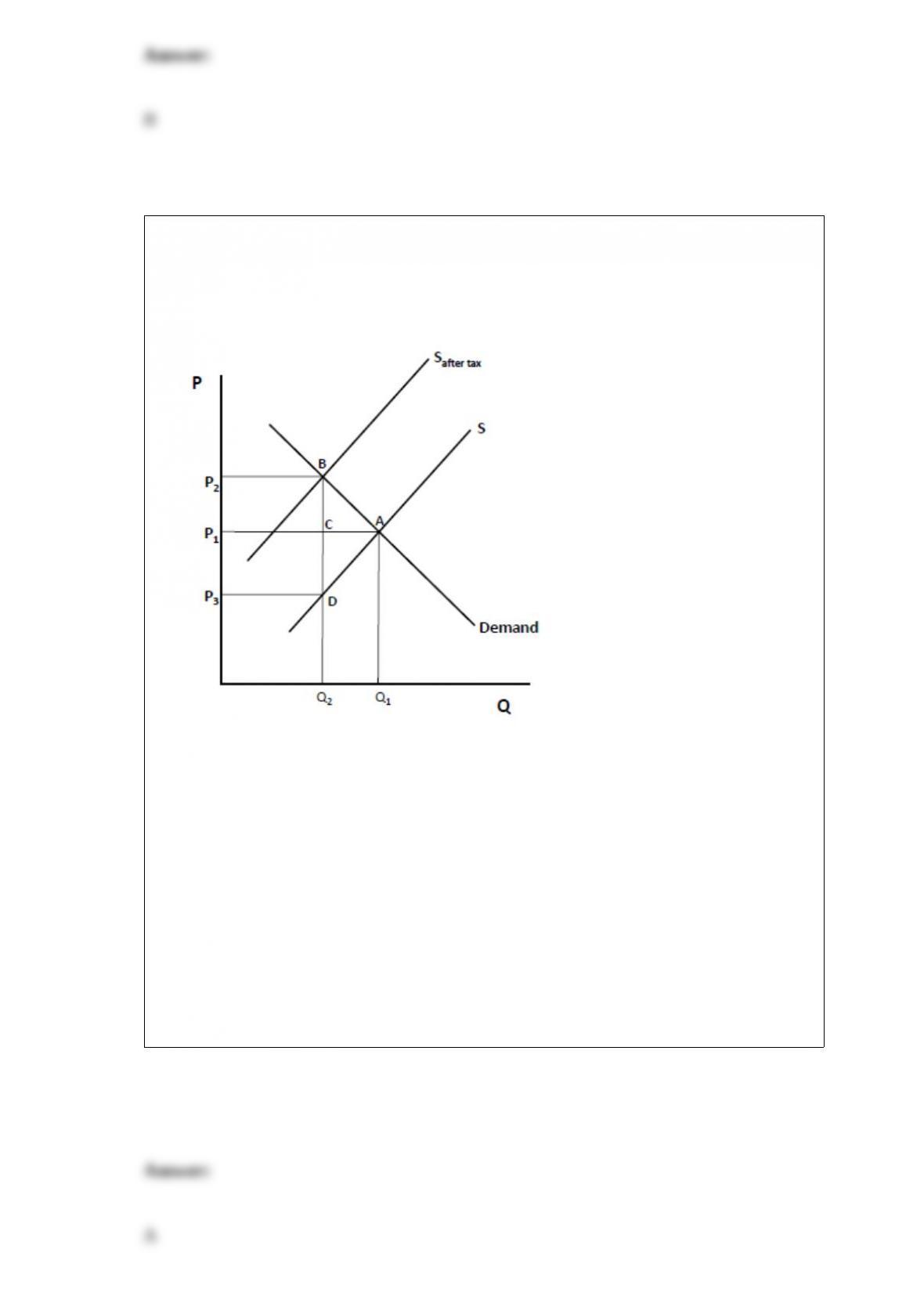
Exhibit 5-31
Refer to Exhibit 5-31. The tax burden borne by sellers is:
a. P3DCP1
b. P2BDP3
c. Q2CAQ1
d. b and c
e. P2BCP1
Monopolistic competitors are
a. price takers
b. price searchers
c. price maximizers
d. price ignorers
e. collusive price fixers
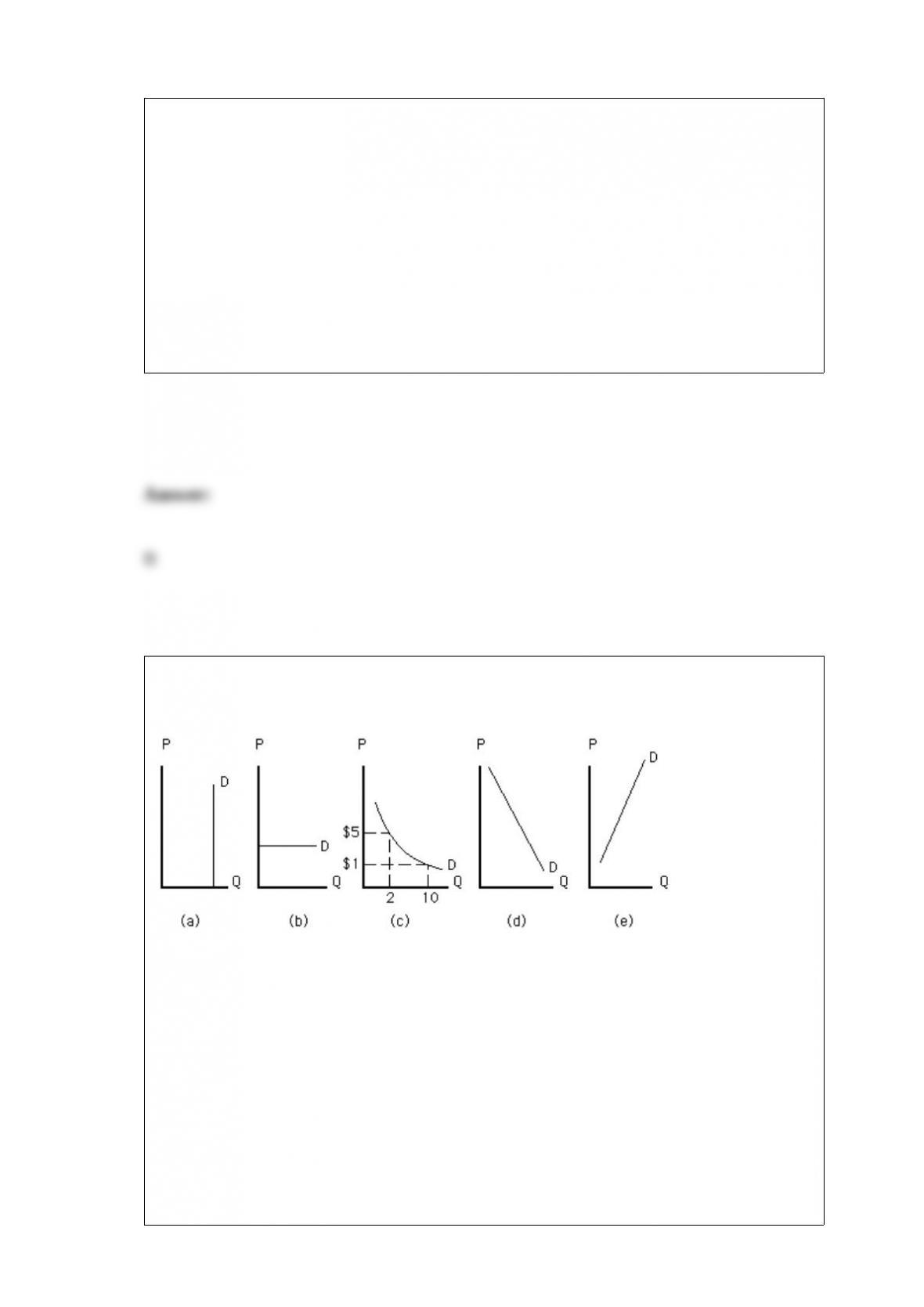
Exhibit 5-15
Which demand curve in Exhibit 5-15 is perfectly elastic?
a. the curve in graph a
b. the curve in graph b
c. the curve in graph c
d. the curve in graph d
e. the curve in graph e

If you own a perpetuity of $100 and if the discount rate is 5 percent, then its present
value
a. cannot be determined unless we know the number of years
b. is $95.21
c. is $105
d. is $2,000
e. is infinite
Substitutes are pairs of products with
a. positive cross-price elasticity of demand
b. negative cross-price elasticity of demand
c. positive income elasticity of demand
d. negative income elasticity of demand
e. positive price elasticity of demand

In determining the exchange rate between the Canadian dollar and British pound, if
Canadian income increases, then
a. the demand for pounds will increase, leading to depreciation of the Canadian dollar,
assuming exchange rates are allowed to float
b. the demand for pounds will increase, leading to depreciation of the Canadian dollar,
assuming exchange rates are fixed
c. the demand for pounds will increase, leading to appreciation of the Canadian dollar,
assuming exchange rates are allowed to float
d. the demand for pounds will increase, leading to appreciation of the Canadian dollar,
assuming exchange rates are fixed
e. the supply of pounds will shift to the left, causing appreciation of the Canadian
dollar, assuming exchange rates are fixed
Mary Ann and Don provide catering services in a perfectly competitive market. When
they started in business, the going rate was $50 per person per meal. After the price
increased to $60, they became willing to supply more meals. Their response to the price
change is shown by
a. a rightward shift of the market supply curve
b. a leftward shift of the market supply curve
c. movement up along their firm’s marginal cost curve
d. movement down along their firm’s marginal cost curve
e. a rightward shift in their demand for jobs

The process by which union and management representatives negotiate a mutually
agreeable contract specifying wages, benefits, and working conditions is called
a. collective bargaining
b. mediation
c. arbitration
d. striking
e. litigation
Which of the following are complementary resources?
a. margarine and butter used in baking
b. sugar and honey used in cereals
c. a teacher and a chalkboard
d. rye and wheat bread used in a sandwich shop
e. a typewriter and a personal computer used in an office
Which of the following statements is true?
a. The money price is usually the same as the time price for most consumers.
b. The money price of a good is always greater than the time price.
c. The money price is always greater for high-wage earners than for low-wage earners.
d. The time price is usually less for low-wage earners than for high-wage earners.
e. The time price of a good is directly proportional to the money price.
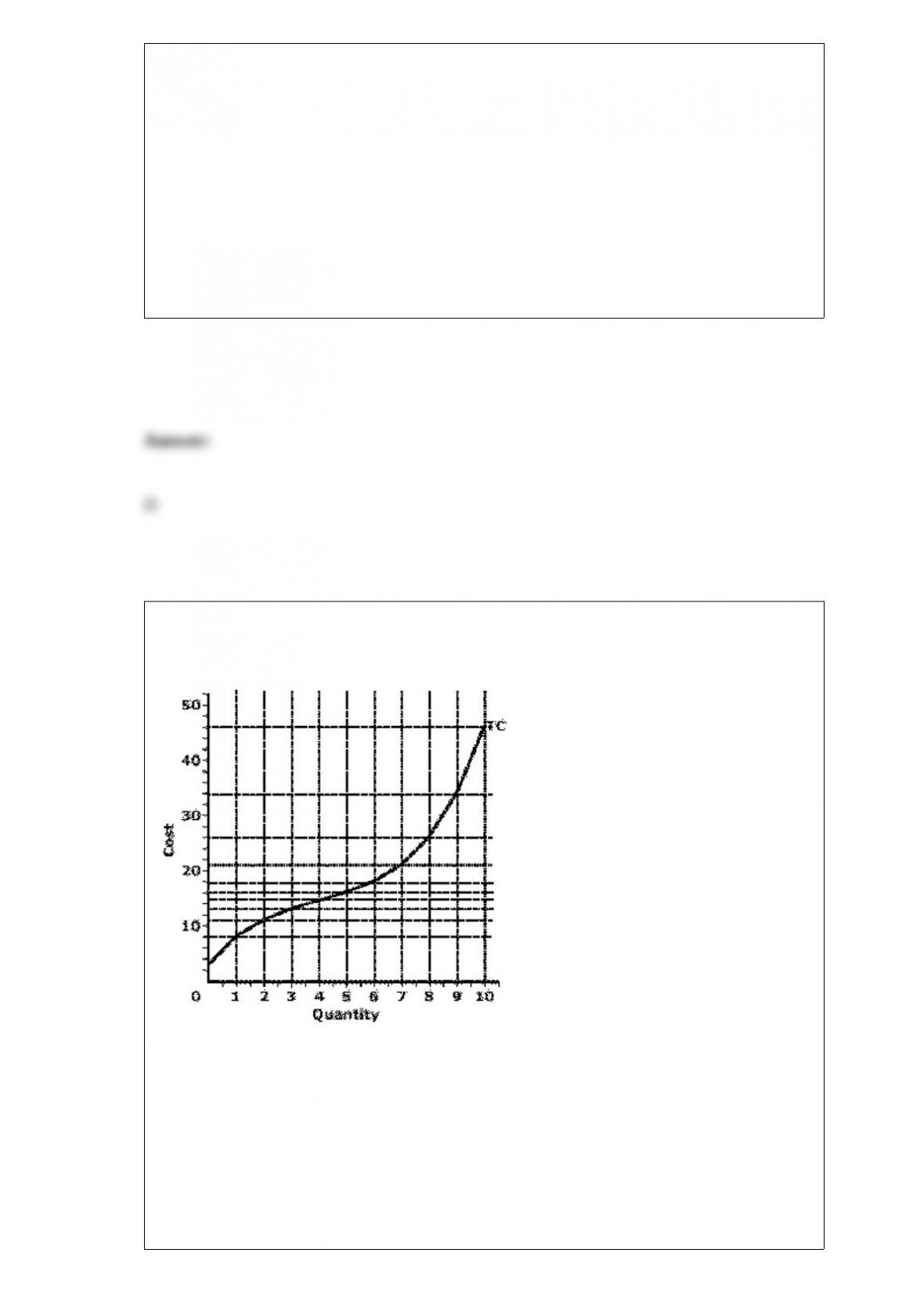
Exhibit 7-14 Total Cost Curve
In Exhibit 7-14, what is variable cost when no output is being produced?
a. $0
b. $3
c. $10

d. $20
e. impossible to calculate variable cost unless we know the daily wage