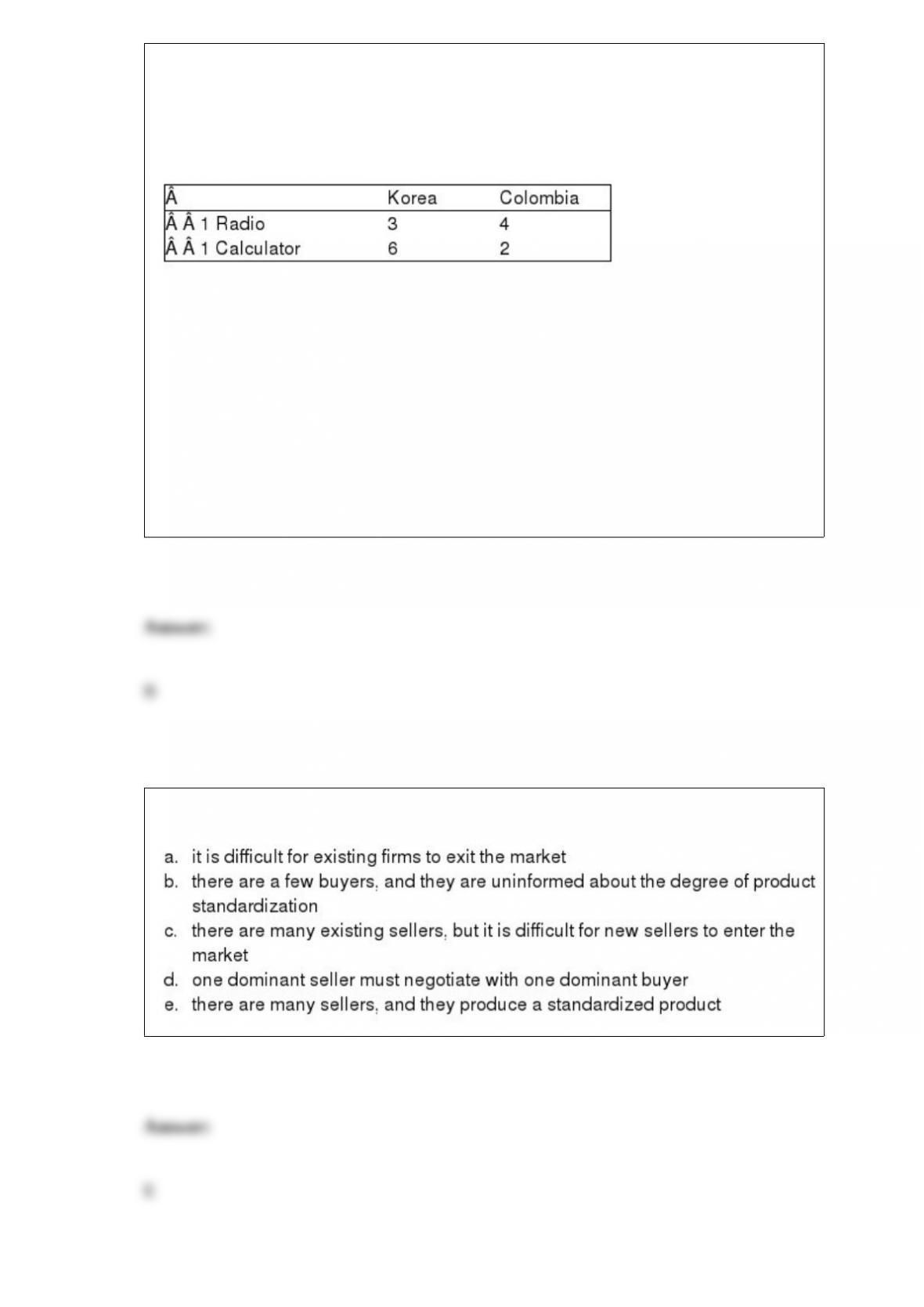
What can be said regarding comparative advantage in production for the two countries
shown in Figure 16-1?
Figure 16-1
Number of workers needed to produce one unit of each of the following goods:
a. Colombia has a comparative advantage in producing both calculators and radios.
b. Korea has a comparative advantage in producing radios and Colombia has a
comparative advantage in producing calculators.
c. Korea has a comparative advantage in producing both radios and calculators.
d. Neither country has a comparative advantage in producing radios.
e. Colombia has a comparative advantage only in producing radios.
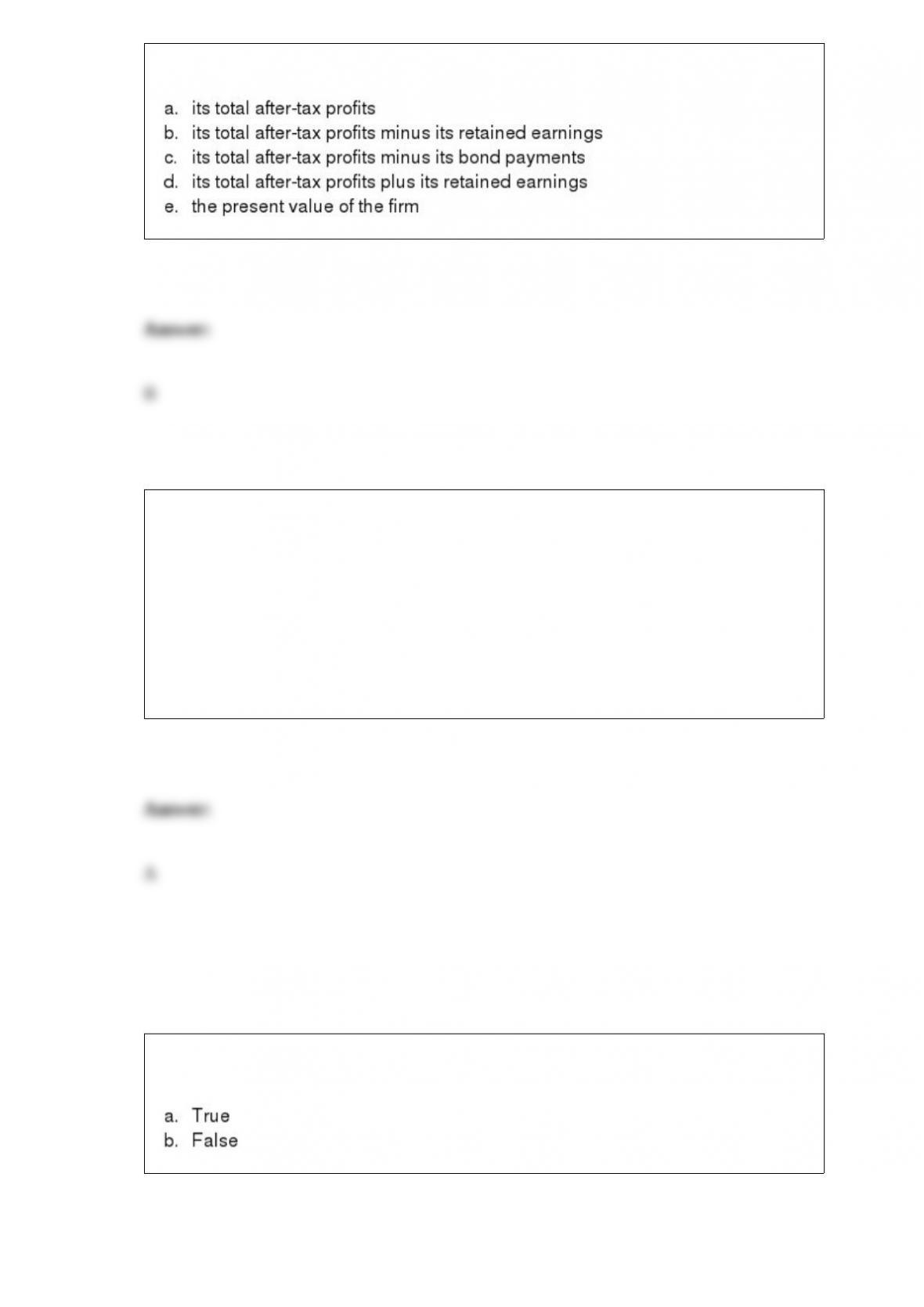
The model of perfect competition is most likely to apply to a market where
The total value of dividends paid out to shareholders by a firm is equal to
Which of the following statements best describes the U.S. economy since 1960?
a. Potential output has risen steadily, but actual output has fluctuated above and below
full-employment output.
b. Actual output has risen steadily, but potential output has fluctuated above and below
actual output.
c. Potential output and actual output have both not risen steadily.
d. Potential output and actual output have both fluctuated above and below what the
classical model predicts.
e. Potential output has remained constant but actual output has risen.
Aggregation is important because it allows many individual variables to be combined
into one larger whole.
Which of the following is a government purchase?
a. The income tax
b. The property tax
c. Social Security benefits paid to a retired government worker
d. Food stamps
e. The salary of a federal judge
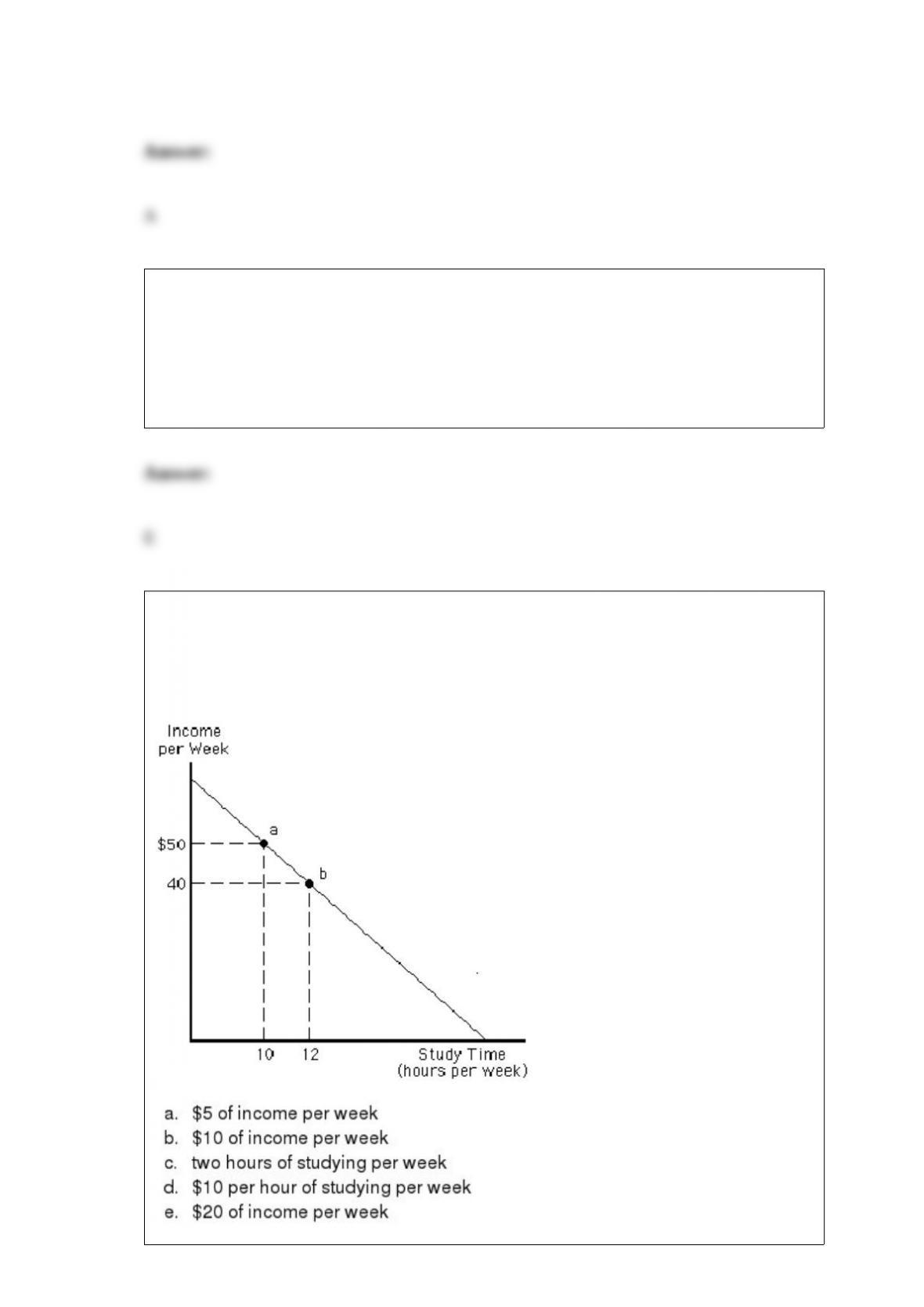
Figure 2-1 illustrates the trade-off for a particular student between time spent studying
per week and income per week from working part-time. What is the opportunity cost
for this person of moving from point a to point b?
Figure 2-1
If demand is unitary elastic, a price decrease results in
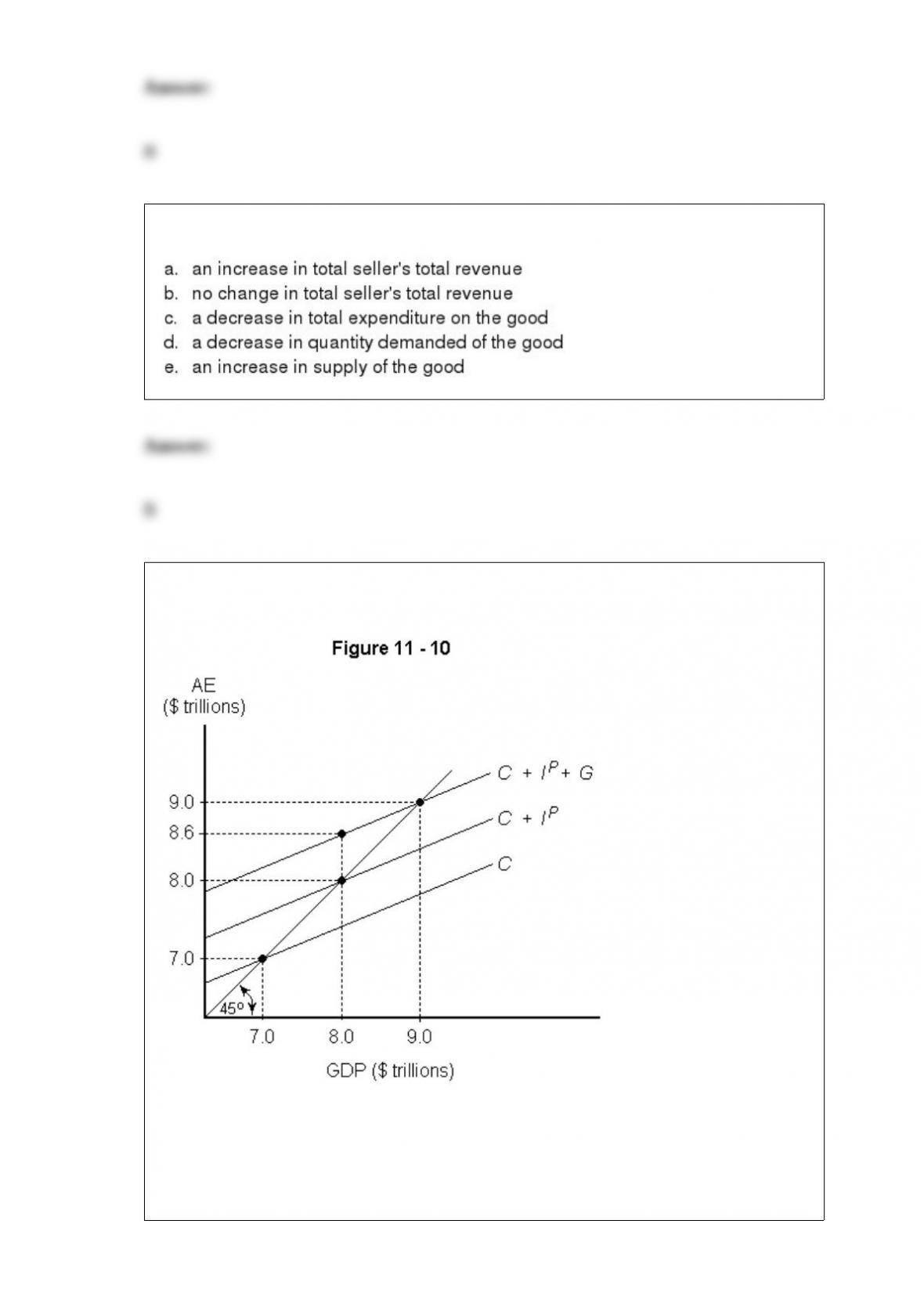
Consider Figure 11-10 above. Which of the following is true?
a. Equilibrium GDP is $8 trillion
b. Unplanned inventory changes are $0.4 trillion when GDP is $8 trillion
c. Equilibrium GDP is $7 trillion
d. The MPC is 1
e. Government expenditures are $8.6 trillion
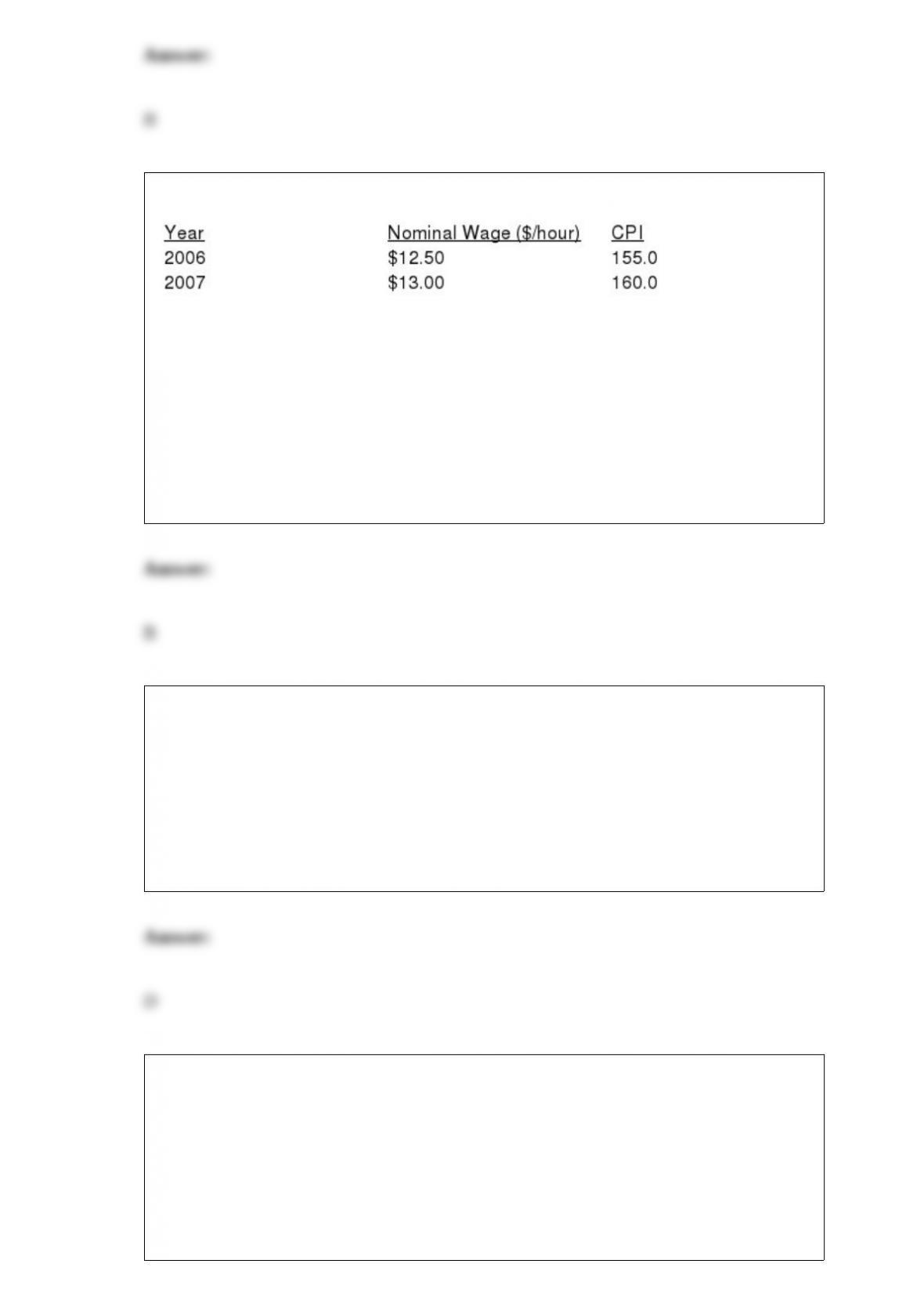
Use the table below to find the real wage in 2007 (in 2006 dollars).
a. $8.06
b. $8.13
c. $8.39
d. $13.00
e. $7.81
Which of the following is true?
a. Structural unemployment is caused by the fact that it takes a short time to search for a
job.
b. Cyclical unemployment is caused by the fact that it takes a short time to search for a
job.
c. Frictional unemployment is caused by a lack of skills or information about jobs.
d. Structural unemployment is caused by a lack of skills or information about jobs.
e. Cyclical unemployment is caused by a lack of skills or information about jobs.
When a new discount retailer, like Wal-Mart, opens a store, people save money. The
CPI
a. completely ignores this
b. accounts for every implication of this
c. misses the reduction in what people pay when they shift but captures the effect from
that point on.
d. does not count sales at discount stores.
e. misses the reduction in what people pay only for stores in mid-sized cities.
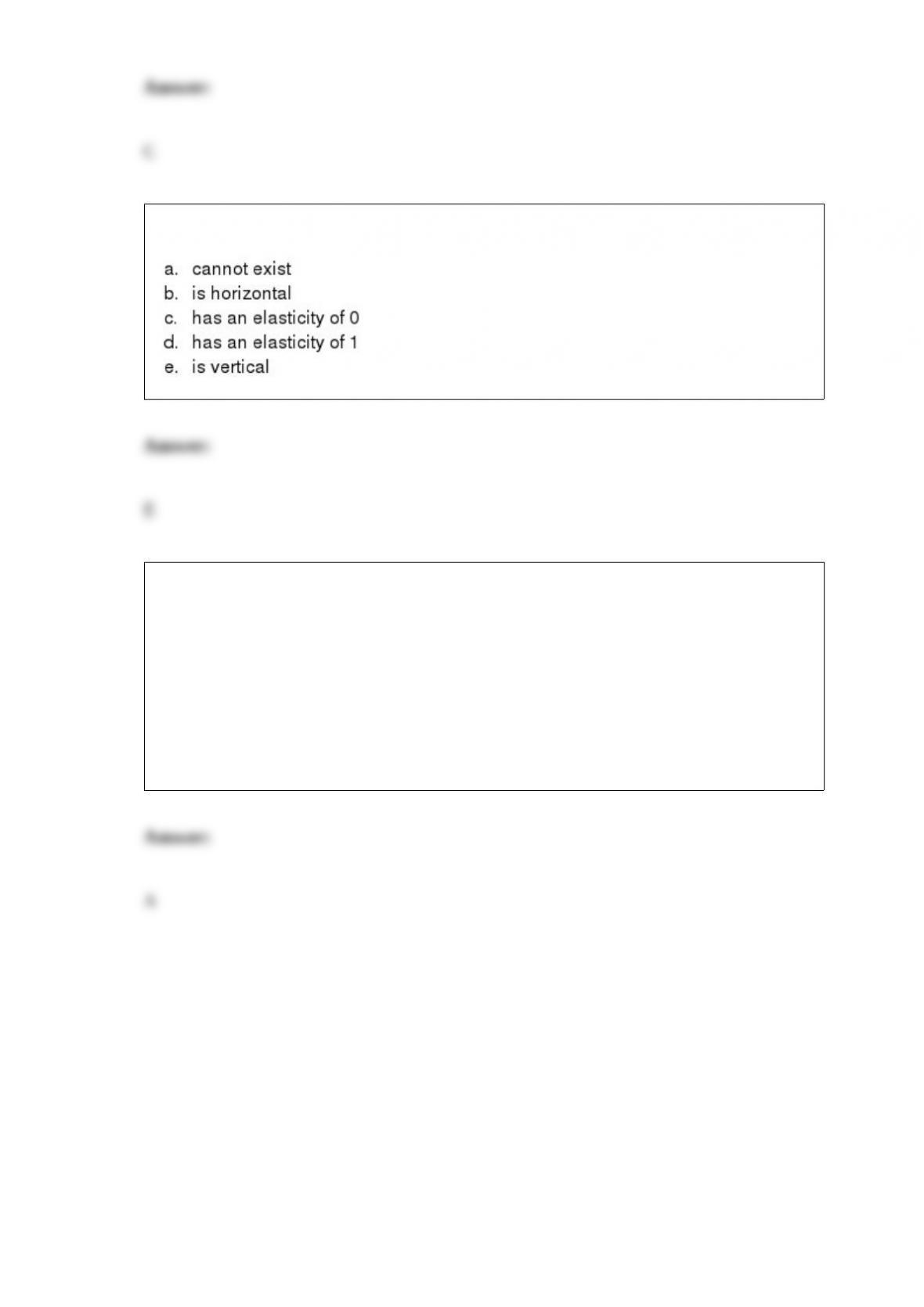
A perfectly inelastic supply curve
One proposal is to index social security payments
a. to the CPI minus half a percentage point to correct for the CPI’s overstatement of
inflation.
b. to the CPI plus half a percentage point to correct for the CPI’s overstatement of
inflation.
c. to the CPI minus half a percentage point to correct for the CPI’s understatement of
inflation.
d. to the average tax rate that social security recipients face.
e. to the average increase in the CPI over the last five years.