
Threeorganizationsimportanttoaccountingarelistedbelow.Selecttheorganizationthatmost
closelyachievestheroledescribed.
a. American Institute of Certified Public Accountants (AICPA)
b. Financial Accounting Standards Board (FASB)
c. Securities and Exchange Commission (SEC) Since there is a lack of a profit motive
in nonbusiness entities, they do notneed information provided by an accounting system.
a. True
b. False
If the price of tea is below its equilibrium level, then:
a. the demand for tea will decrease.
b. the market for tea has cleared.
c. sellers will be stuck with unsold tea.
d. there is a shortage of tea.
The study of the decision-making process of government is the study of:
a. Keynesian economics.
b. public choice theory.

c. rational expectations theory.
d. social economics.
A decrease in aggregate supply will cause the price level to:
a. rise and GDP to fall.
b. rise and GDP to rise.
c. rise and the unemployment rate to fall.
d. fall and GDP to rise.
e. fall and the unemployment rate to rise.
If one country can produce a good with fewer resources than another country, this is
called:
a. specialization.
b. geographic advantage.
c. comparative advantage.
d. absolute advantage.
e. free trade.

Native Mike’s Consultants had the following balance sheet amounts at the beginning of
the year: Total assets $400,000
Total owner’s equity 150,000 During the year, total assets increased by $100,000 and
total liabilities increased by $40,000. The company also paid $30,000 in dividends. No
other transactions occurred except revenues and expenses. How much is net income for
the year?
a. $30,000
b. $60,000
c. $70,000
d. $90,000
An example of cyclical unemployment is a(n):
a. textile worker permanently laid off due to job lost to imports.
b. autoworker who is temporarily laid off due to a decline in demand for cars.
c. engineer permanently laid off due to advances in technology.
d. computer programmer who leaves one job and accepts a new job.
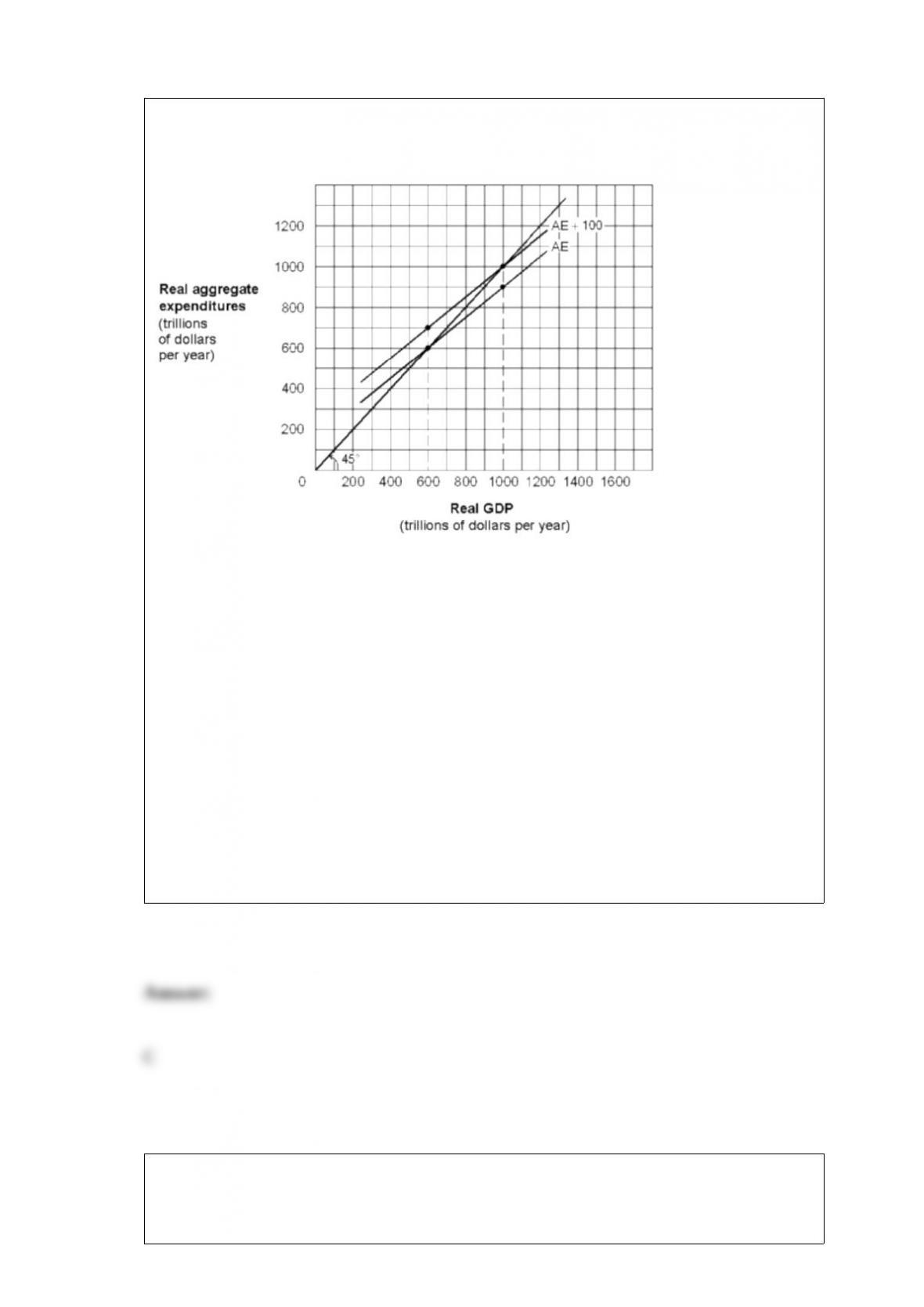
Exhibit 9-8 Keynesian aggregate-expenditures model
In Exhibit 9-8, an
increase in aggregate expenditures causes:
a. a movement down the aggregate demand curve from equilibrium real GDP $600 to
equilibrium real GDP $1,000.
b. a movement up the aggregate demand curve from equilibrium real GDP $1,200 to
equilibrium real GDP $1,000.
c. a shift of the aggregate demand curve to the right, causing equilibrium real GDP to
increase from $600 to $1,000.
d. a shift of the aggregate demand curve to the left, causing equilibrium real GDP to
decrease from $1,200 to $1,000.
e. no change in equilibrium real GDP.
Suppose that the consumer price index (CPI) was 160 in Year X and 166 in Year Y,
inflation during Year Y was approximately:
a. zero; prices were stable.
b. 3.8 percent.
c. 6 percent.
d. 66 percent.
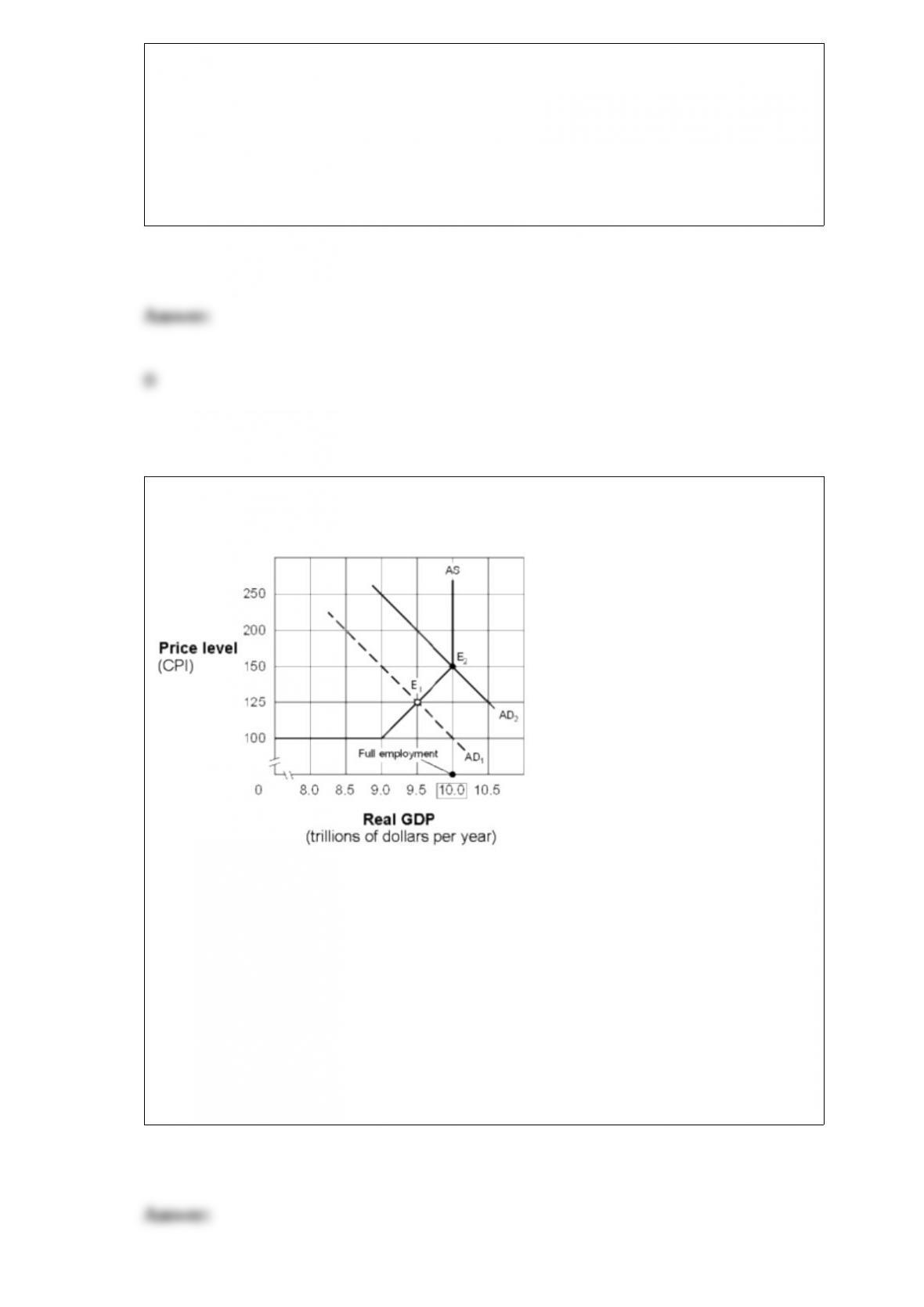
Exhibit 11-3 Aggregate demand and supply model
Suppose the economy in Exhibit 11-3
is in equilibrium at point E1, and the marginal propensity to consume (MPC) is 0.80.
Following Keynesian economics, to restore full employment, the government should
cut taxes by:
a. $0.20 trillion.
b. $250 billion.
c. $0.50 trillion.
d. $1 trillion.

Personal income is:
a. total income received by households before taxes.
b. the amount households have available for consumption, savings, and payment of
personal taxes.
c. national income minus corporate profits and Social Security (FICA) plus transfer
payments, and other income.
d. all of these.
If your bank faces a 20 percent required reserve ratio and receives a cash deposit of
$4,000 into a checkable deposit account, the maximum total amount of money possible
after the banking system makes all loans is:
a. $800.
b. $3,200.
c. $4,000.
d. $16,000.
e. $20,000.

According to Adam Smith’s invisible hand doctrine:
a. self-interest best serves the interests of society.
b. laissez faire must be improved by government intervention.
c. producers should serve the best interests of society.
d. only laissez faire mercantilism best serves the interests of society.