
Which of the following is not consistent with the basic postulate of economics that
incentives matter?
a. Farmers produce fewer bushels of wheat in response to an increase in the price of
wheat.
b. A politician votes against a proposal because most of his constituents oppose it.
c. People drive less because of higher gas prices.
d. People buy more milk in response to a reduction in the price of milk.
Which of the following operate under a fixed-rate unified currency system?
a. the 12 countries of the European Monetary Union
b. the 50 states of the United States
c. Hong Kong, Panama, and the United States
d. all of the above
Which of the following adopted reforms that have substantially improved their
economic freedom rating since 1980?
a. Ireland
b. China
c. New Zealand
d. All of the above.
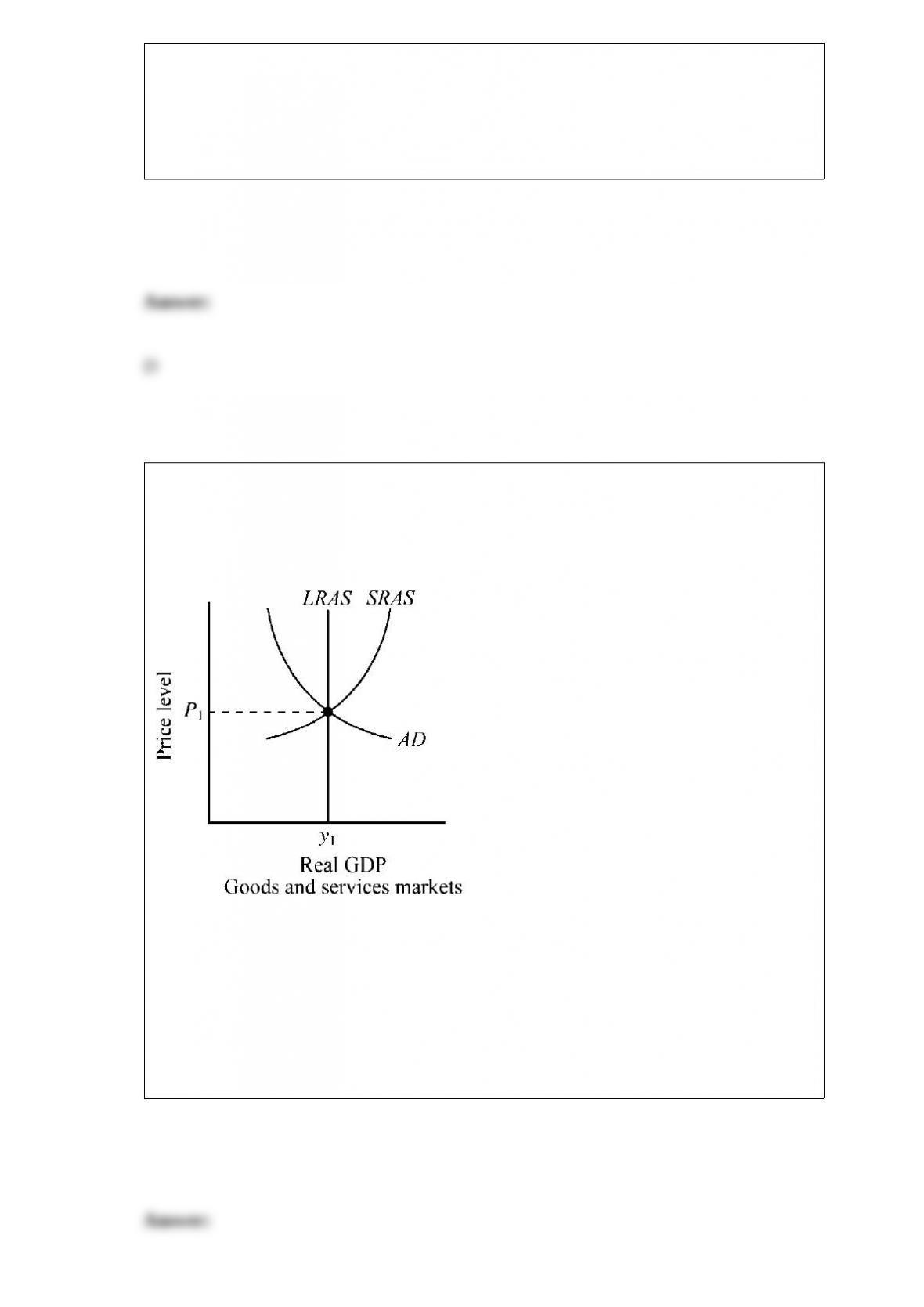
Use the figure below to answer the following question(s).
Figure 9-2
Which of the following is true for the economy depicted in Figure 9-2?
a. Potential output equals y1.
b. It would be impossible for this economy to achieve an output greater than y1.
c. When output y1 is achieved, the actual rate of unemployment will exceed the natural
rate of unemployment.
d. When output y1 is achieved, the actual rate of unemployment will be less than the
natural rate of unemployment.

Regulating natural monopolies according to the “rate of return” criterion is likely to
a. reduce the incentive of firms to minimize cost.
b. result in a smaller quantity of output than when the natural monopolist is
unregulated.
c. discourage the firms from investing resources in an effort to influence the decisions
of the regulatory agency.
d. increase the number of firms in the industry.
Why will it difficult for the Fed to use monetary policy to direct the economy back to
full employment and price stability from the recession of 2008-2009?
a. The Fed does not have the tools needed to alter the supply of money.
b. Monetary policy is unable to alter short-term interest rates.
c. The time lags between changes in monetary policy and when the changes exert an
impact on output and prices are long and variable.
d. It takes the Fed a long time to change the direction of monetary policy.
If doubling the quantity of inputs more than doubles the quantity of outputs, the firm is
experiencing
a. increasing returns to scale.

b. decreasing returns to scale.
c. constant returns to scale.
d. increasing costs per unit of output.
As both the budget and regulatory powers of government grow, public choice analysis
indicates that individuals and groups will find it in their interest to
a. increase their efforts devoted toward market production.
b. spend less time attempting to secure redistribution through government.
c. spend more time informing themselves about political issues, so they can cast a
well-informed vote.
d. spend more time rent seeking.
Compared to a barter economy, using money increases efficiency by reducing
a. transaction costs.
b. the need to exchange goods.
c. the need to specialize.
d. inflation.
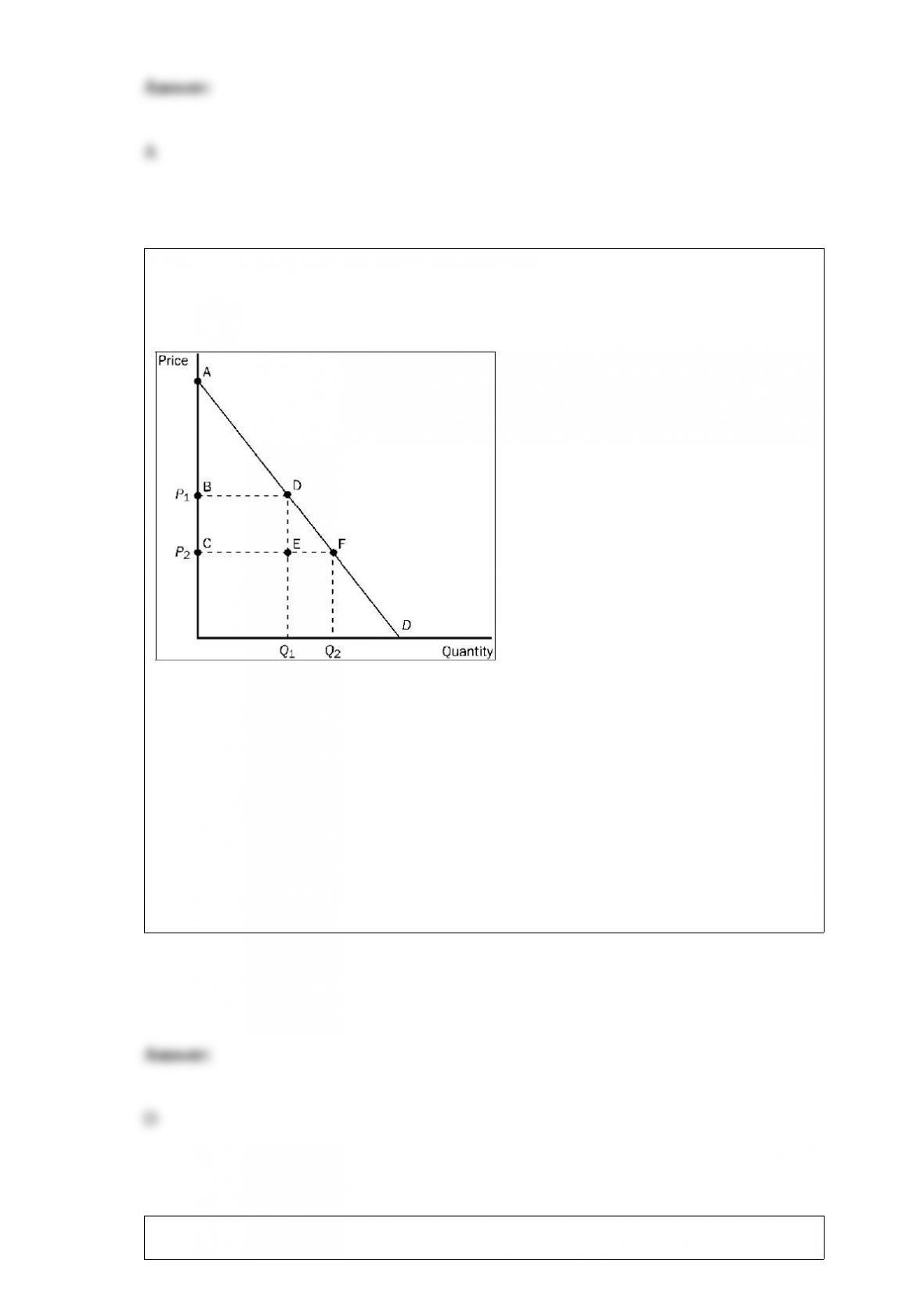
Figure 3-18
Refer to Figure 3-18. When the price falls from P1 to P2, which area represents the
increase in consumer surplus to new buyers entering the market?
a. ABD
b. ACF
c. BCDE
d. DEF
A less-developed nation will be able to benefit substantially by adopting the

technologies and the business practices that have been successful in other nations, but
only if
a. its wages are low enough.
b. its population is large enough.
c. it first educates its citizens well, so they can use the new ideas.
d. it improves its institutions so that investors are willing to import the capital and any
expertise needed to take advantage of the advanced production techniques that are
available.
Which type of unemployment is most likely to help the economy become more
efficient?
a. cyclical
b. structural
c. seasonal
d. frictional
e. underemployment
Economists would say that the demand for tacos is

a. relatively inelastic because there are very few close substitutes available.
b. relatively elastic because there are many substitutes for tacos.
c. increasing because of reports of Mad Cow Disease.
d. relatively inelastic because its demand curve is flatter.
An income tax is defined as regressive if
a. the tax liability of those with higher incomes exceeds the tax liability of those with
low incomes.
b. the tax liability of those with higher incomes is less than the tax liability of those
with low incomes.
c. those with higher incomes pay a higher percentage of their incomes in taxes than
those with low incomes.
d. those with higher incomes pay a lower percentage of their incomes in taxes than
those with low incomes.
Which of the following would cause prices to rise and real GDP to fall in the short run?
a. an increase in the expected price level

b. an increase in the capital stock
c. an increase in the quantity of labor available
d. All of the above are correct.
Diminishing marginal utility means that
a. as you consume more of a good, other things constant, the total satisfaction you
obtain from consuming this good tends to fall.
b. as you hire more labor, other things constant, the total amount produced begins to
fall.
c. as you consume more of a good, other things constant, the additional satisfaction you
obtain from each additional unit of the good tends to fall.
d. as you consume more of a good, other things constant, the extra satisfaction you
obtain from each additional unit becomes negative.
Economic choice and competitive behavior are the result of
a. scarcity.
b. poverty.
c. public ownership of resources.
d. private ownership of resources.
The cost of holding money balances increases when
a. the purchasing power of money rises.
b. the money interest rate increases.
c. the price of goods and services falls.
d. consumer income expands.
Use the figure to answer the following question(s).
Figure 11-13
If the firms in the industry depicted in Figure 11-13 can effectively operate as a cartel,
what would the industry’s price and output be?
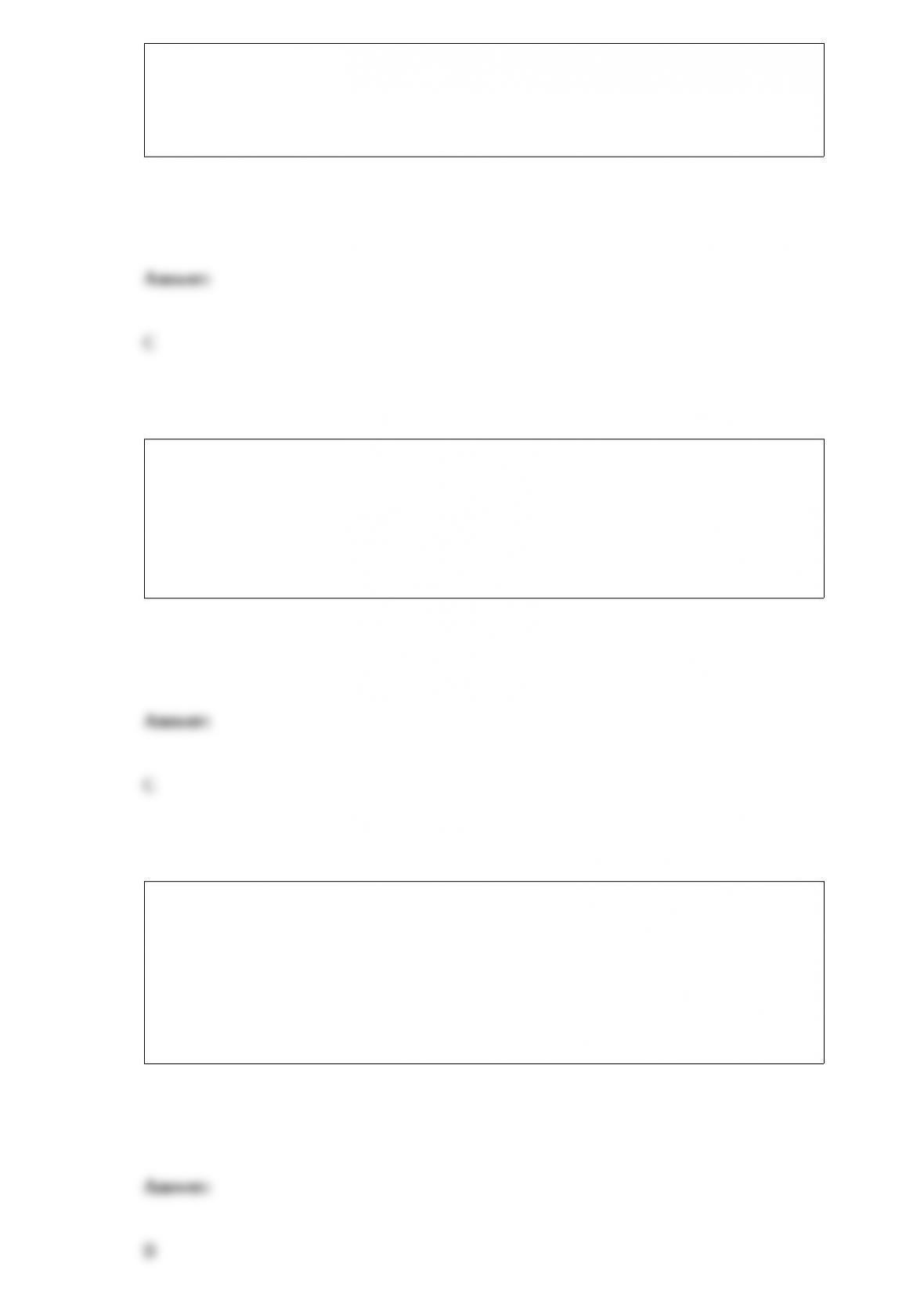
a. price, $10; output, 600
b. price, $20; output, 400
c. price, $25; output, 300
d. price, $30; output, 200
Which of the following is a shortcoming of GDP?
a. GDP excludes changes in inventories.
b. GDP includes an estimate of illegal transactions.
c. GDP excludes nonmarket transactions.
d. GDP excludes business investment spending.
Each trading nation can gain by specializing in producing those things for which it is a
low-opportunity cost producer. This statement best describes the implications of the
a. free rider problem.
b. law of comparative advantage.
c. infant-industry argument.
d. law of diminishing marginal returns.

Suppose the firms in the chemical industry are allowed, free of charge, to dump harmful
products into rivers. How will the price and output of the chemical products in a
competitive market compare with their values under conditions of ideal economic
efficiency?
a. The price would be too low, and the output would be too large.
b. The price would be too high, and the output would be too large.
c. The price would be too low, and the output would be too small.
d. The price would be too high, and the output would be too small.
The main policy conclusion of the rational expectations theory is
a. fiscal policy lags are so long and variable that such policy is worthless, but monetary
policy can stimulate output.
b. monetary policy lags are so long and variable that such policy is worthless, but fiscal
policy can stimulate output.
c. both monetary and fiscal policy will affect real output if firms and households
correctly anticipate the effects of changes in government policy.
d. neither monetary nor fiscal policy will affect real output if firms and households
correctly anticipate the effects of changes in government policy.

Which of the following is most likely to have the strongest demand for environmental
quality?
a. countries with water pollution problems
b. poor countries
c. countries with air pollution problems
d. wealthy countries
Which of the following is most likely to contribute to the presence of monopoly in an
industry?
a. economies of scale
b. an elastic market demand for the product produced by the industry
c. inefficiency due to bureaucratic decision-making procedures in the industry
d. controlling over 50 percent of the market
Pollution from a privately owned factory that seriously harms a privately owned forest
will, if property rights are strongly protected,
a. not result in penalties to the polluter, who has a right to use his property as he wishes.
b. make the polluter liable for any damages done to the forest.
c. be ignored under the law, in favor of the polluting factory owner.

d. never occur.
In general, firms will produce at a rate of output such that marginal revenue equals
marginal cost because this output rate will
a. bring total revenue into equality with total cost.
b. maximize the difference between the revenue received from the last unit and the cost
incurred in producing the last unit.
c. result in the lowest possible average total costs of production.
d. maximize the firm’s profit.
If the revenues and expenditures of the Social Security trust fund were not included
when calculating the budget deficit, the recalculated deficit would
a. be larger.
b. be smaller.
c. be unchanged.
d. actually be a surplus.

In the short run, a firm will eventually experience rising average total costs because of
a. economies of scale.
b. diseconomies of scale.
c. the law of supply.
d. the law of diminishing returns.
Which of the following is a predictable side effect of increased government activity (for
example, taxes and subsidies) designed to redistribute income among citizens?
a. improvement in the operational efficiency of government agencies
b. rapid economic growth
c. a reduction in the amount of lobbying
d. an increase in rent-seeking activity
Explain the two approaches to calculating GDP.
What is the difference between a tariff and a quota?
Mr. Stewart owns the only hardware store in a small Midwestern town. His nearest
competition is more than 50 miles away, yet he does not earn any economic profit. Does
someone need to explain the economic concept of monopoly to him?
Why is a college graduate more likely to get a job in management than is someone with
only a high school diploma, even when the job has nothing to do with a specific type of
education?
Discuss the dangers of inflation; that is, why may it hurt an economy?
A department store buys a wool coat for $120 and sets its retail price at $300. The coat
costs $85 to produce. When the coat doesn’t sell, the store marks the price down to
$200, then $100, and finally $70. At $70, Amy buys the coat. What was the coat’s true
value? Why?
Assume the average salary for a college philosophy professor is $50,000. Suppose
businesses decide they need in-house instructors to teach ethics to employees, and they
begin hiring philosophy professors at a salary of $75,000. What are the short-term and
long-term effects of this supposition?
What is the difference between real and nominal GDP? If the president of the United
States (or your instructor) asked you to evaluate the economy over the past five years,
which one would you use and why?
Suppose the U.S. Government banned the sale and production of cigarettes. What are
likely effects of this action on the market for cigarettes?
Ava states, “If raising the minimum wage to $10 an hour is good, like Senator Largess
suggests, then raising it to $20 an hour would be twice as good.” Is Ava correct? Why or
why not?
Congressman Localstuff always votes for a balanced budget amendment to the U.S.
Constitution. He also always votes for spending bills supported by the leadership of his
political party. Is this rational?
Although popular opinion frequently portrays trade deficits (actually, account deficits)
as “bad,” can you present economic reasons why a trade deficit might be considered
“good”?
Under what circumstances will inflation help borrowers at the expense of lenders?
Under what circumstances will both parties be unaffected? Which scenario would you
expect in the long run?
When Cabbage Patch Dolls were introduced, they were extremely popular at Christmas,
and most stores sold out. By the next year, there were plenty still available at Christmas.
What happened?
The consumer price index is calculated using a fixed basket of goods. Will this always
give an accurate representation of the changing cost of living to consumers? Why or
why not?
A popular video program, used to teach primary school children about economics,
defines scarcity as “when you don’t have enough of something.” Evaluate this definition
based on your understanding of the scarcity concept.
You deposit a $1,000 scholarship check in the bank. If the required reserve ratio is 10
percent, explain how the banking system will create new money and how much money
can potentially be created.
Ethyl does not like redheads and refuses to hire any at her business. Paul was the
perfect job candidate on paper, but the personal interview revealed that he was a
redhead. Are there any costs to Ethyl for not hiring Paul?