1) the mercantilists contended that because one nation’s gains from trade come the
expense of its trading partners, not all nations could simultaneously realize gains from
trade.
a.true
b.false
2) although tariffs on imported steel may lead to job gains for domestic steel workers,
they can lead to job losses for domestic auto workers.
a.true
b.false
3) the “rules of the game” served to reinforce and speed up the interest-rate-adjustment
mechanism under a system of fixed exchange rates.
a.true
b.false
4) exhibit 11.1
assume the following: (1) the interest rate on 6-month treasury bills is 8 percent per
annum in the united kingdom and 4 percent per annum in the united states; (2) today’s
spot price of the pound is $1.50 while the 6-month forward price of the pound is
$1.485.
refer to exhibit 11.1. by investing in u.k. treasury bills rather than u.s. treasury bills, and
not covering exchange rate risk, u.s. investors earn an extra return of:
a.4 percent per year, 1 percent for the 6 months
b.4 percent per year, 2 percent for the 6 months
c.2 percent per year, 0.5 percent for the 6 months
d.2 percent per year, 1 percent for the 6 months
5) all of the following are credit items in the balance of payments, except:
a.investment inflows
b.merchandise exports
c.payments for american services to foreigners
d.private gifts to foreign residents
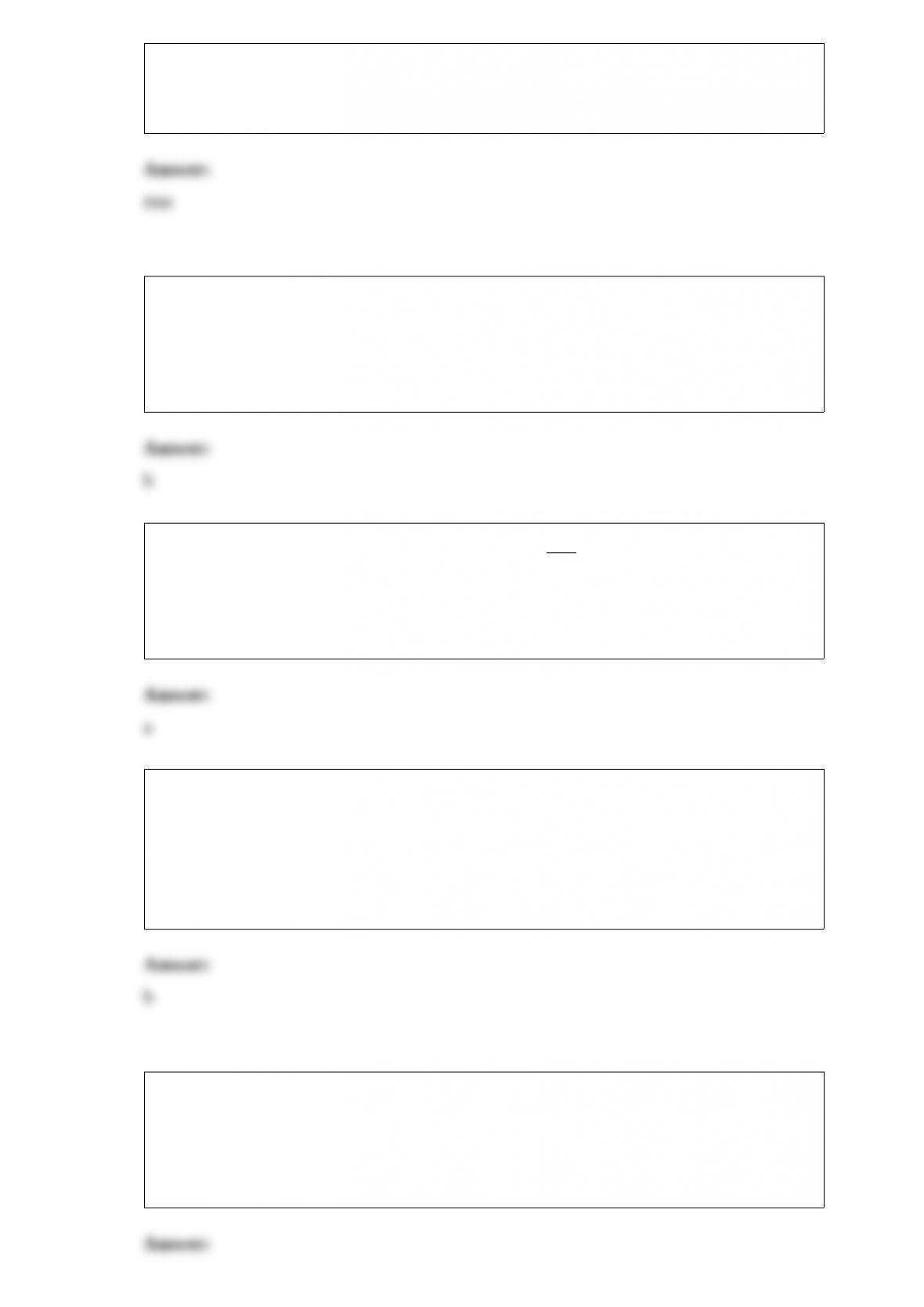
6) figure 5.5 illustrates the television market for mexico, assumed to be a small country
that is unable to affect the world price. smexico is the domestic supply schedule and
dmexico is the domestic demand schedule. suppose that japan can supply televisions to
mexico at a price of $100 per set.
figure 5.5. mexico’s television market
consider figure 5.5. compared to free trade, the japanese export quota leads to an
increase in mexican consumer surplus of $3150.
a.true
b.false
7) assume that the united states is the only supplier of grain to china and that it levies a
partial export embargo against china. the embargo leads to increased u.s. welfare if the
resulting improvement in the u.s. terms of trade with china more than offset the costs of
the lower export volume to china.
a.true
b.false
8) trade adjustment assistance policies
a.can resolve all workers’ challenges to free trade
b.attempt to share gains from free trade with disadvantaged workers
c.have never been used to sustain a losing business concern
d.are financed by state and local tax revenues
9) concerning the foreign exchange market, one can best say that:
a.there is a spot market for virtually every currency in the world
b.the market is highly centralized like the stock exchange
c.most foreign exchange payments are made with bank notes
d.the values of the forward and spot rates are always in agreement
10) human rights activists contend that this organization supports governments that
permit sweatshops:
a.the international organization for standardization
b.the international monetary fund
c.the world health organization
d.all of these
11) a main purpose of exchange stabilization funds is to:
a.permit a country to overvalue its currency in the exchange markets
b.permit a country to undervalue its currency in the exchange markets
c.increase the supply of foreign currency when imports exceed exports
d.decrease the supply of foreign currency when imports exceed exports

12) “futures” currency contracts are issued by commercial banks and are tailored in size
to the needs of the exporter or importer, while “forward” currency contracts are issued
by the international monetary market in standardized round lots.
a.true
b.false
13) the factor-endowment theory asserts that with specialization and trade there tends to
occur an equalization in the relative resource prices of trading partners.
a.true
b.false
14) the monetary approach to balance-of-payments adjustments suggests that all
payments surpluses are the result of:
a.too high interest rates in the home country
b.too low interest rates in the home country
c.excess money supply over money demand in the home country
d.excess money demand over money supply in the home country