A price floor (support price) set above equilibrium:
a. is a minimum legal price set by government above equilibrium.
b. causes the quantity supplied to exceed the quantity demanded.
c. creates a surplus.
d. can represent the effect of a minimum wage.
e. all of these.
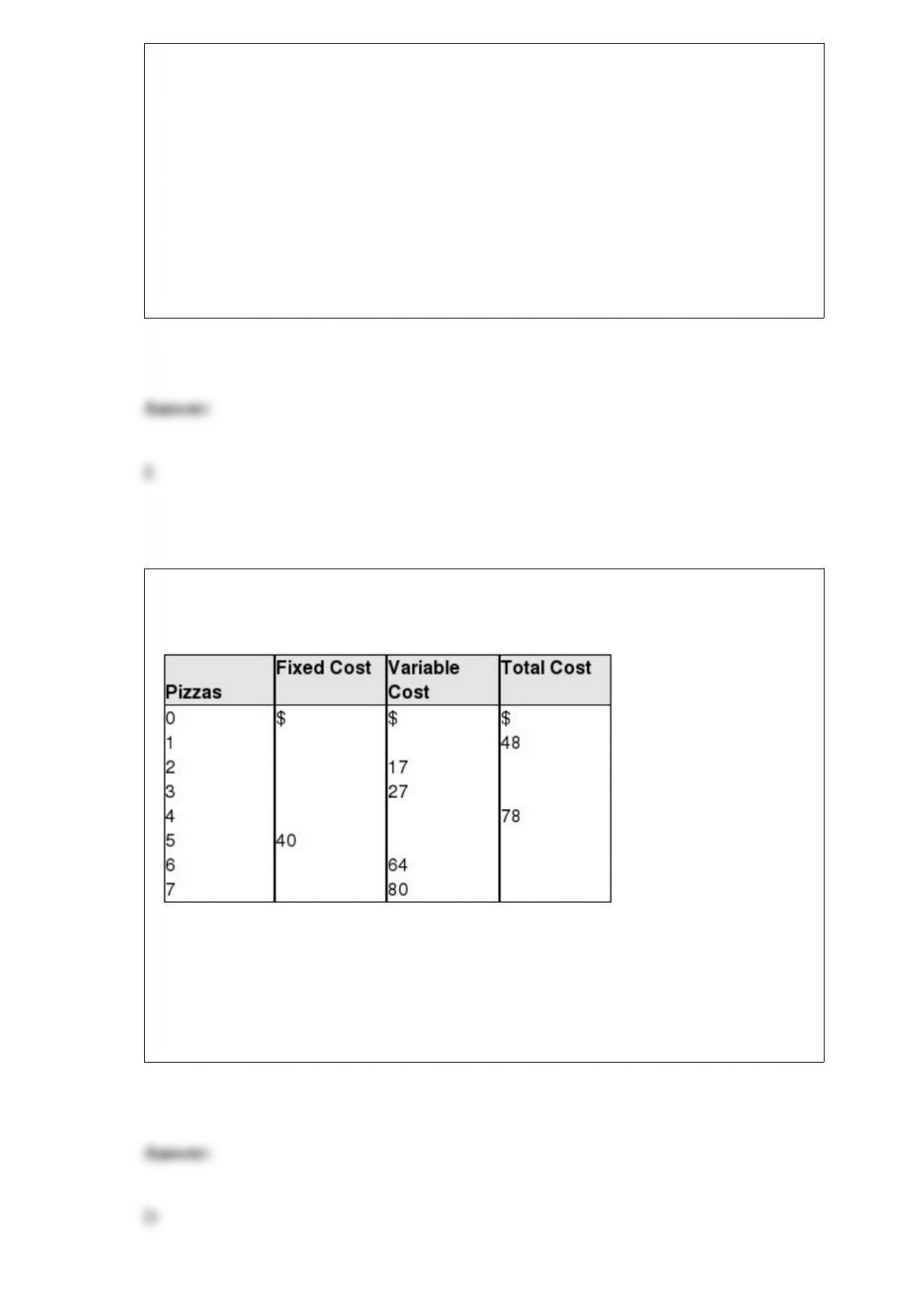
Exhibit 7-12 Cost schedule for producing pizza
By filling in the blanks in Exhibit 7-12, the ATC of 3 pizzas is shown to be equal to:
a. $10.
b. $13.33.
c. $9.
d. $22.33.
e. $40.

The per se rule refers to the interpretation of the courts that dominant firms should be
broken up because of their:
a. market share of dominance. c. price discrimination practices.
b. history of illegal business practices. d. All of these.
An industry is said to be a natural monopoly when:
a. legal barriers limit entry into the market.
b. diseconomies of scale are present in the market.
c. the market demand for the product supplied by a firm is inelastic.
d. long-run average cost continues to decline as the quantity of output increases.
Imagine the government would like to increase revenues by taxing the people. If they
place a unit tax on certain goods, this is equivalent to:
a. c and e.
b. shifting the demand curve to the right.
c. reducing everyone’s income by the amount of the unit tax.
d. raising the fixed costs of producers.
e. shifting the supply curve to the left.

Which of the following most closely approximates the conditions of a monopolistically
competitive market?
a. The market for Grade A eggs, which is characterized by a large number of firms
producing a homogeneous product.
b. The restaurant industry, which is characterized by firms producing a differentiated
product in a market with low entry barriers.
c. Local cable television service, where a licensed supplier competes with firms offering
satellite service.
d. The market for jumbo aircraft, where one major domestic firm competes with one
major foreign firm.
A change in demand cannot be caused by a change in:
a. tastes.
b. population.
c. the prices of other goods.
d. expectations of future prices.
e. the price of the good itself.

A price floor is:
a. the lowest price a producer will accept.
b. the lowest price a consumer will pay.
c. a minimum price set by the government above equilibrium price.
d. a maximum price set by the government above equilibrium price
e. usually set equal to equilibrium price.
If a firm shuts down in the short run, it will:
a. incur losses equal to its fixed costs.
b. produce at the output level where MC = MR.
c. reduce its losses to zero.
d. do this because P > AVC.
e. have total revenue greater than total fixed costs.
As production of a good increases, opportunity costs rise because:
a. there will be more inefficiency.
b. people always prefer having more goods.
c. of inflationary pressures.
d. workers are not equally suited to all tasks.
The most profitable output level can be found by looking at which two curves?
a. P and MR.
b. MR and MC.
c. MC and TC.
d. P and AVC.
e. AVC and ATC.
Exhibit 7-8 Costs schedules for producing pizza
By filling in the blanks in Exhibit 7-8, the total cost of producing zero pizzas is shown
to be equal to:
a. zero.
b. $100.

c. $5.
d. $105.
e. $95.
Which of the following is not generally considered to be an ingredient for economic
growth?
a. Investment in human capital.
b. Political instability.
c. High savings rate and investment in capital.
d. Growth in technology.
e. Investment in infrastructure.
The primary purpose of antitrust legislation is to:
a. protect small business.
b. protect the competitiveness of U.S. business.
c. protect the prices of American-made products.
d. ensure American labor is paid a fair wage.
e. ensure firms earn only a fair profit.
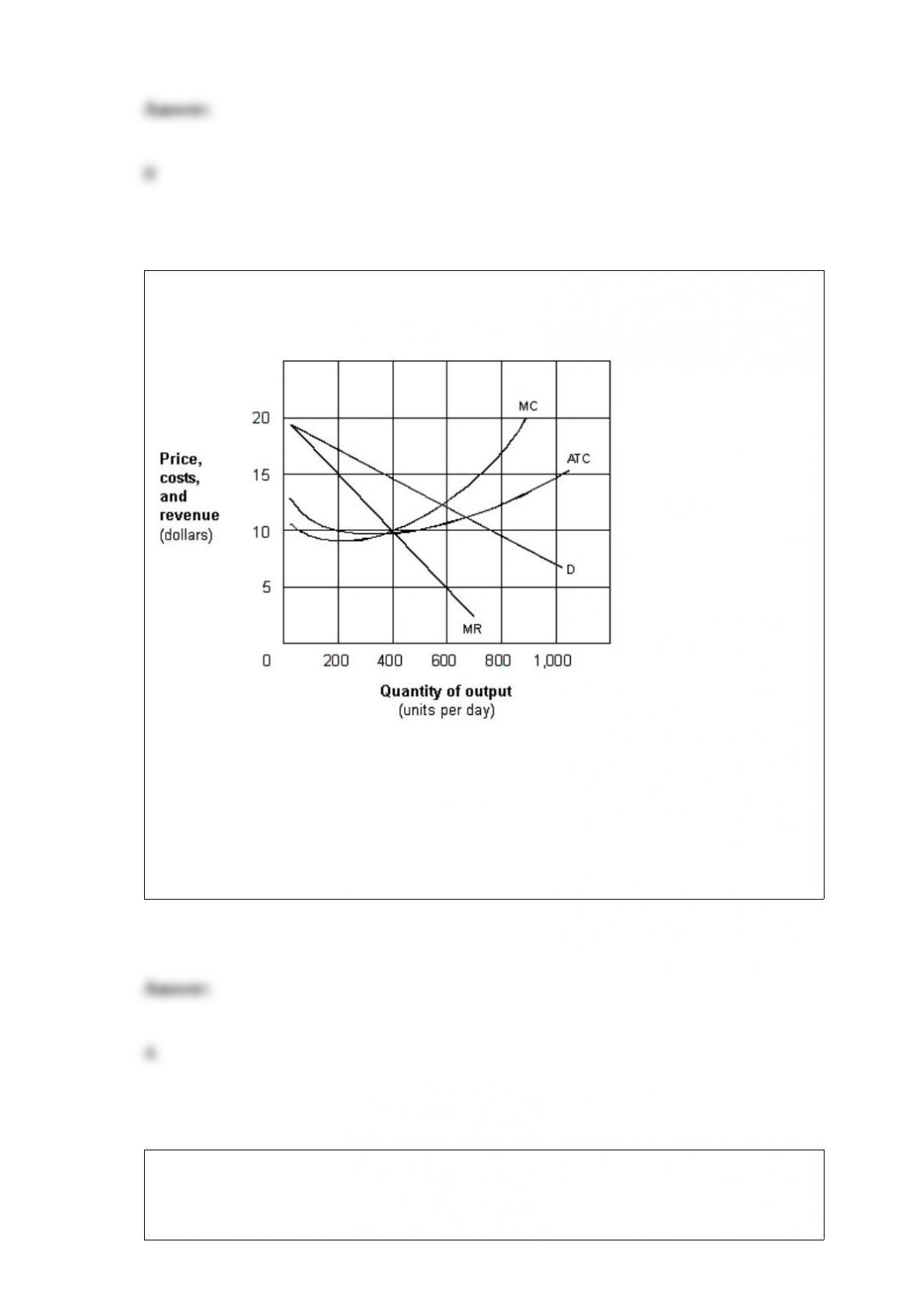
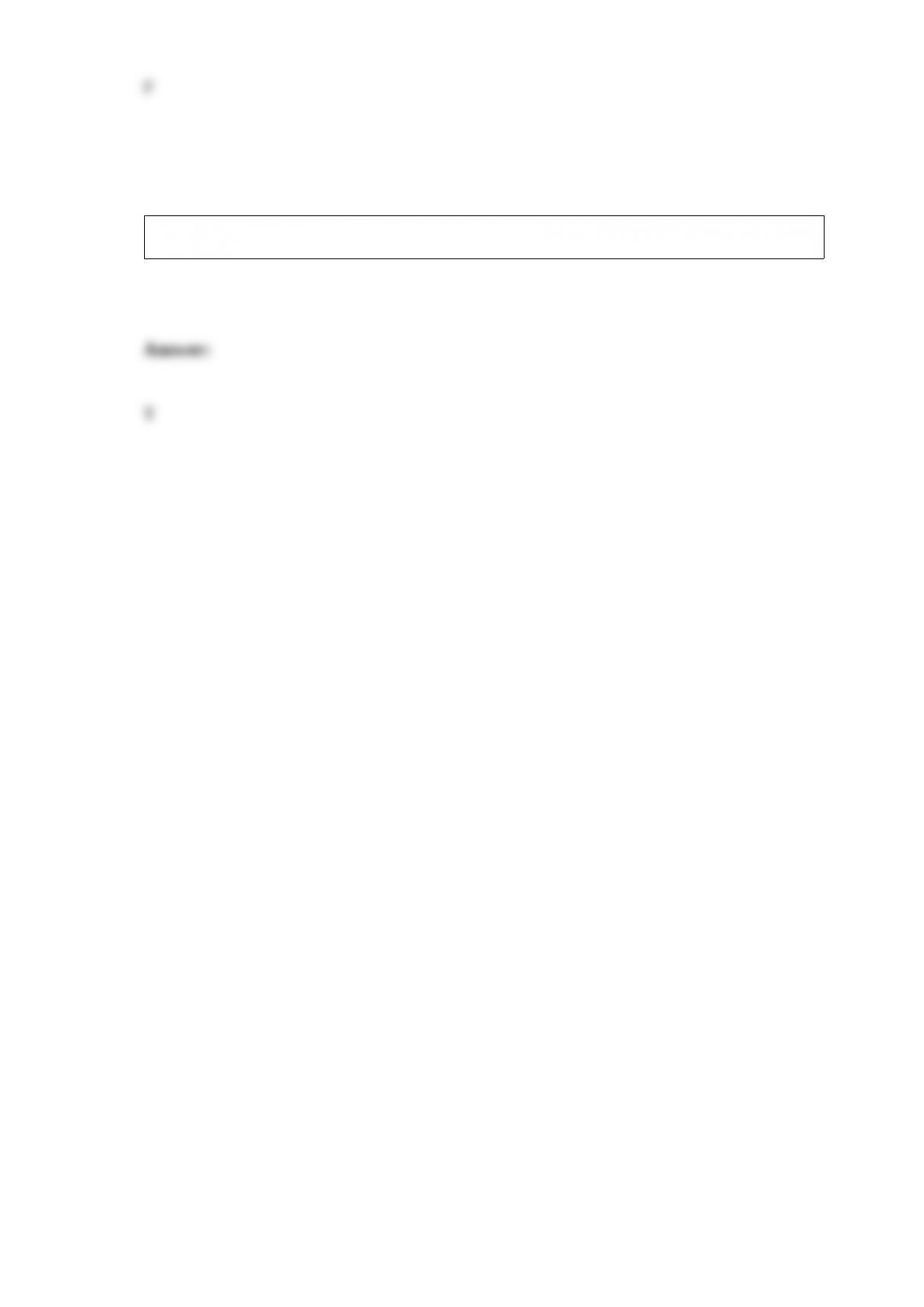
Exhibit 10-1 A monopolistic competitive firm
In the long run, the demand curve for the monopolistic competitive firm shown in
Exhibit 10-1:
a. shifts leftward. c. shifts rightward.
b. remains the same. d. none of these.
The term “balance of trade” refers to a nation’s:
a. goods exports minus imports.
b. current account balance.

c. capital account balance.
d. net balance of all international transactions.
Contrary to popular belief, the richest families in the United States became slightly
poorer in recent years.
The slope of a line is calculated as the ratio of the “rise” over the “run”.
An opportunity cost is the highest valued alternative foregone whenever one chooses an
alternative.

A monopolist always selects a price on the elastic portion of its demand curve.
A monopolistically competitive firm, like a perfectly competitive firm, is a price taker.
An increase in a nation’s trade deficit occurs when that nation’s exports rise and/or its
imports fall.
If total utility increases from 10 to 15 for the second unit of a good consumed, the
marginal utility of the second unit is 25.
The Utah Pie case is an example of a violation of the Robinson-Patman Act.