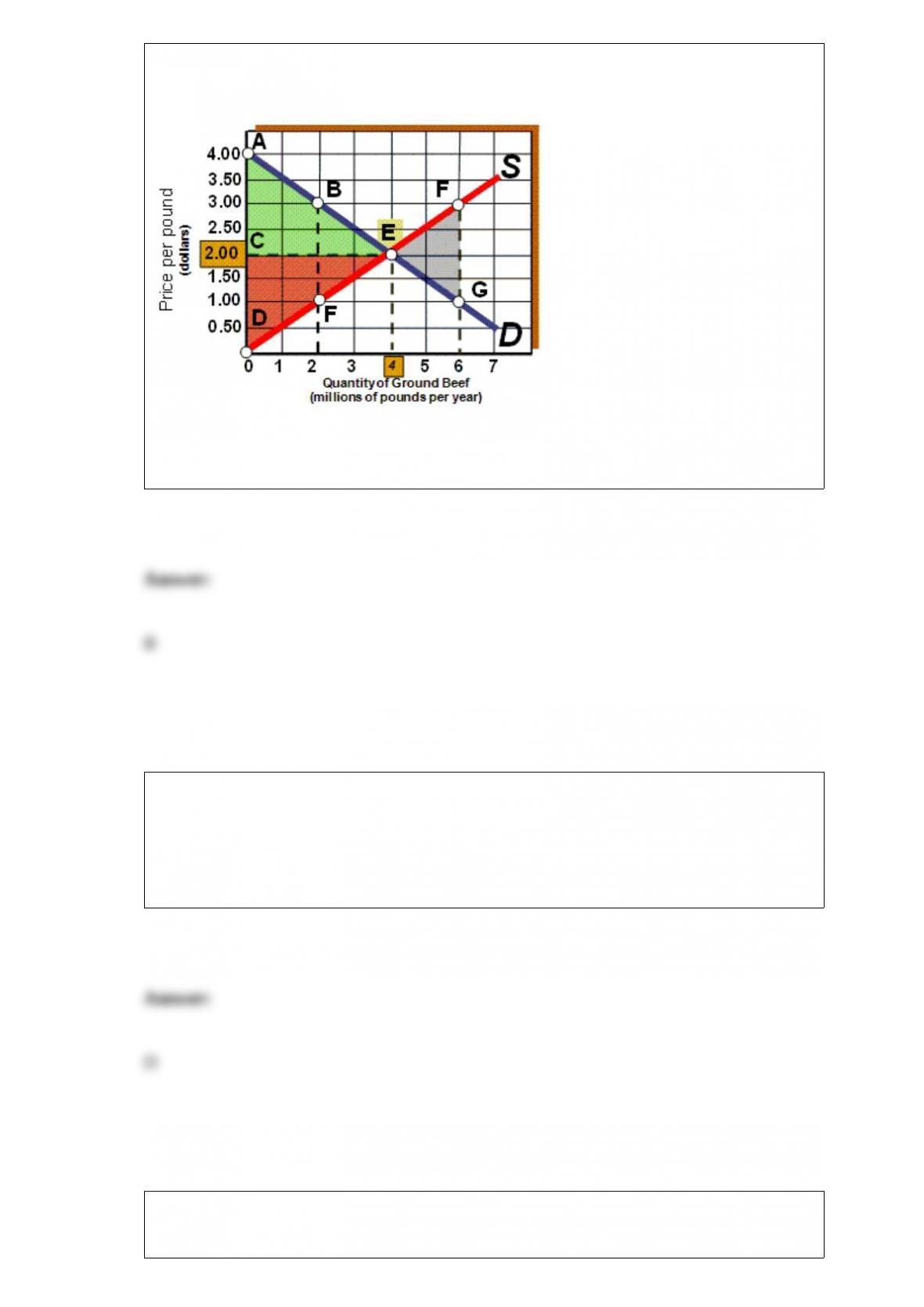
Exhibit 3A-1 Comparison of Market Efficiency and Deadweight Loss
As shown in Exhibit 3A-1, if the market price falls from $2.00 to $1.00, then:
a. total surplus increases. c. overproduction decreases.
b. deadweight loss increases. d. underproduction decreases.
A monopsony is a:
a. large number of buyers.
b. large seller.
c. single seller.
d. single buyer.
When an economy’s resources are not fully employed, then it must be true that the:

a. production point is located outside and to the right of the production possibilities
curve.
b. production point is located along the production possibilities curve.
c. production point is located inside and to the left of the production possibilities curve.
d. production possibilities curve shifts to the right.
e. production possibilities curve shifts to the left.
Which of the following is true if the total cost curve is rising?
a. Total fixed cost is decreasing.
b. Total fixed cost is increasing.
c. Marginal cost is decreasing.
d. Marginal cost is increasing.
When demand is price inelastic:
a. price and total revenue move in the same direction.
b. price and total revenue move in the opposite direction.
c. total revenue increases whether price goes up or down.
d. total revenue decreases whether price goes up or down.

If product price increases, then:
a. MP will increase.
b. MFC will increase.
c. MRP will increase.
d. MP will decrease.
If Sam, the Pizza Man, lowers the price of his pizzas from $6 to $5 and finds that sales
increase from 400 to 600 pizzas per week, then the demand for Sam’s pizzas in this
range is:
a. price inelastic.
b. price elastic.
c. unit elastic.
d. cross elastic.
e. income inelastic.
Under perfect competition, a business firm can accept losses:
a. only in the short run.
b. only for 1 year.
c. only in the long run.
d. no longer than 10 years.
e. never.

On a part of the demand curve where the price elasticity of demand is less than 1, a
decrease in price:
a. is impossible.
b. will increase total revenue.
c. will decrease total revenue.
d. raises the price elasticity of demand.
e. decreases quantity demanded.
Assuming that wheat and corn can both be grown on the same type of land, a decrease
in the price of corn, other things being equal, will cause a(n):
a. downward movement along the supply curve for wheat.
b. upward movement along the supply curve for wheat.
c. rightward shift in the supply curve for wheat.
d. leftward shift in the supply curve for wheat.
When economists say the supply of a product has decreased, they mean that:
a. the supply curve has shifted to the left.
b. the product price has decreased, and as a consequence, suppliers are producing less
of the product.
c. producers are now willing to sell more of this product at each possible price.
d. the supply curve has shifted to the right.
Trade between nations A and B:
a. leaves the production possibilities of nation A unchanged.
b. leaves the production possibilities of nation B unchanged.
c. increases the consumption possibilities of both nations.
d. All of these are true.
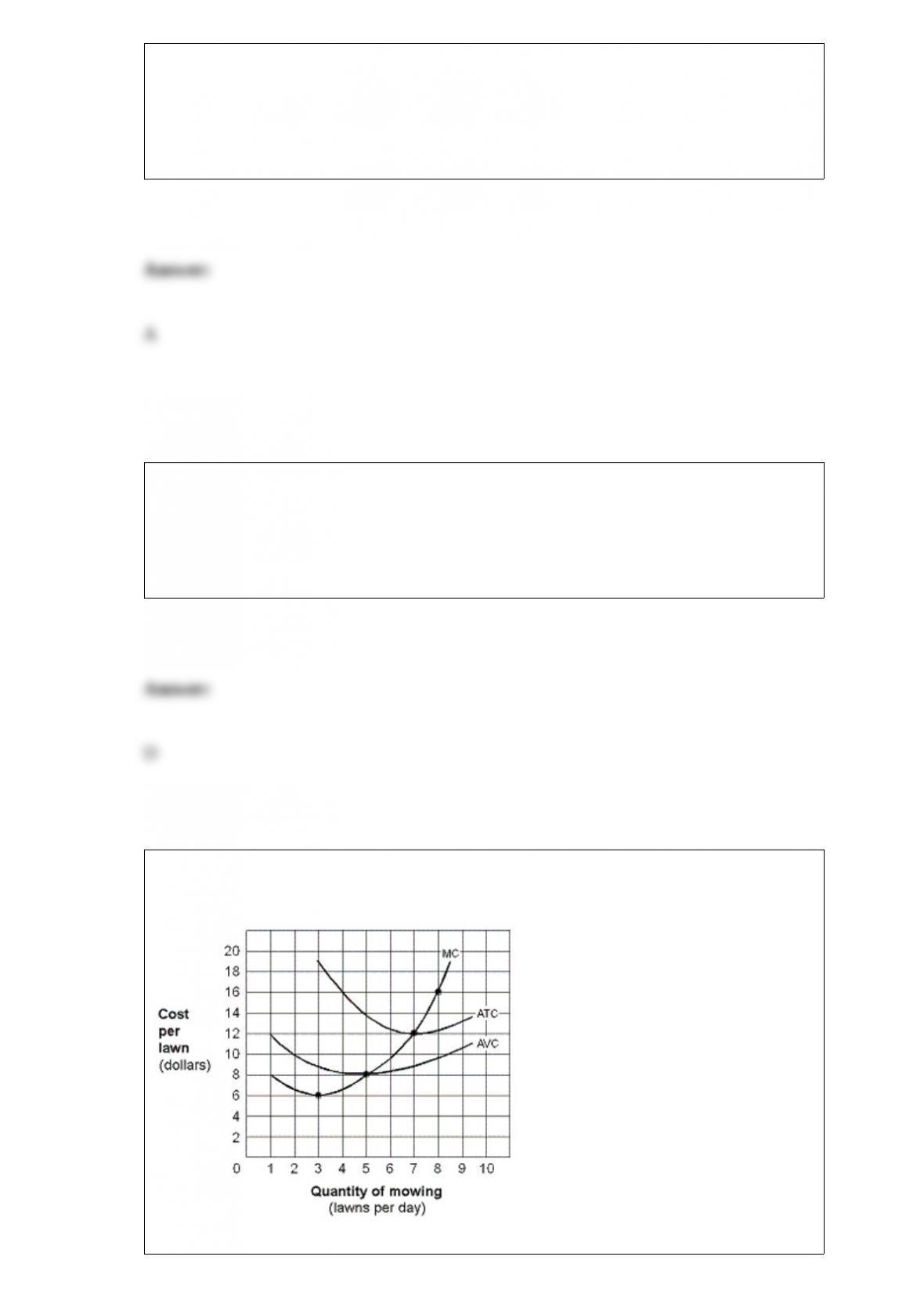
Exhibit 8-15 Short-run cost curves for E-Z Care lawn mowing company
In Exhibit 8-15, what market price would cause E-Z-Care to just beak even?

a. $6 per lawn.
b. $8 per lawn.
c. $12 per lawn.
d. $16 per lawn.
Which of the following is the best example of an oligopoly?
a. Area restaurants.
b. The automobile industry.
c. Agricultural markets free of government support.
d. Local utilities.
If tofu is a normal good, an increase in income will:
a. cause tofu to sell at a lower price.
b. increase the production of tofu.
c. shift the demand curve for tofu to the left.
d. shift the demand curve for tofu to the right.
e. rotate the supply curve in a clockwise manner.
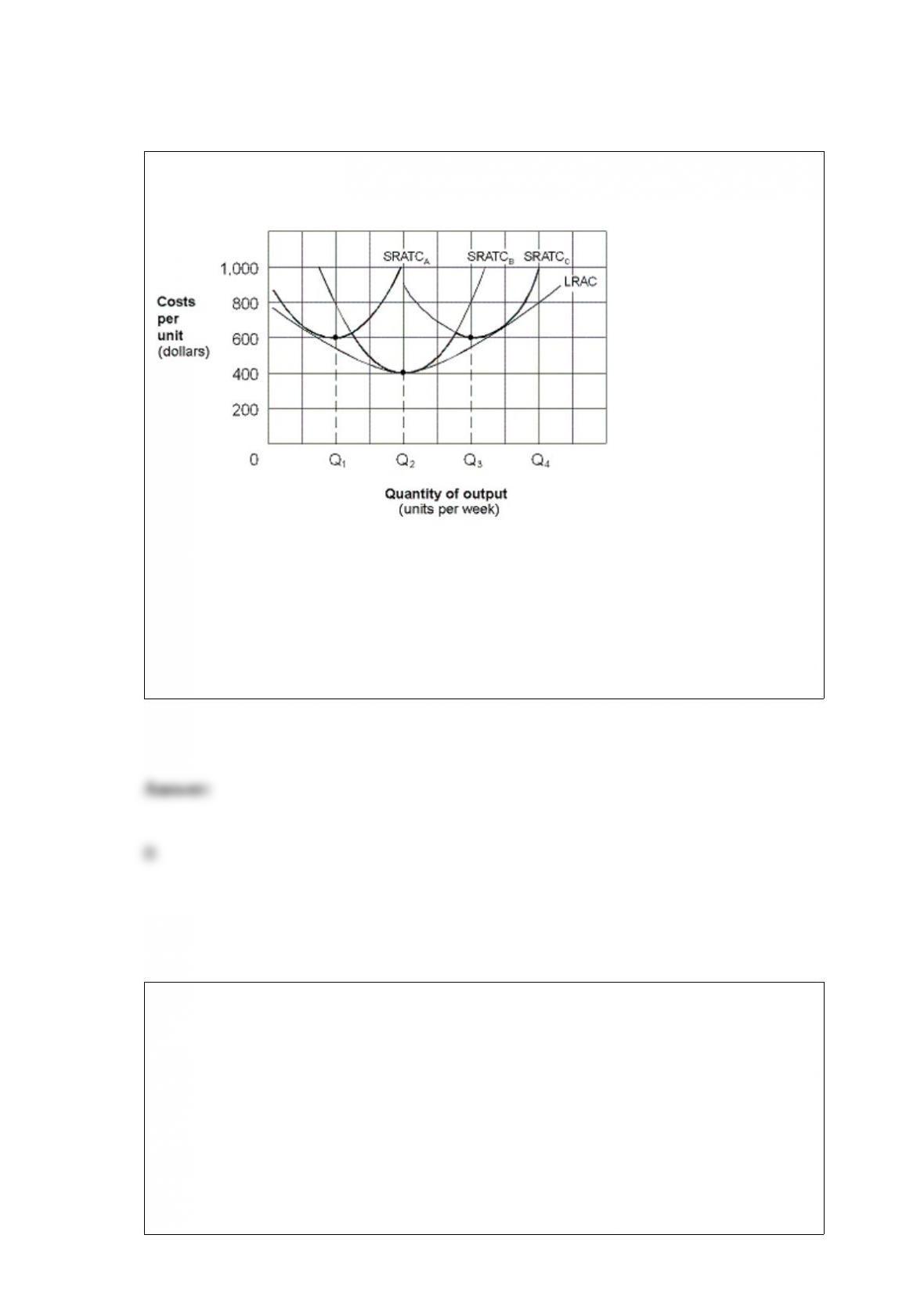
Exhibit 7-17 Long-run average cost curve
Given the short-run average total cost curves in Exhibit 7-17, what level of output per
week minimizes average total cost?
a. Q1 units.
b. Q2 units.
c. Q3units.
d. Q4 units.
Which of the following situations results from a ticket price to a concert set below the
equilibrium price?
a. A long line of people wanting to purchase tickets to the concert.
b. No line of people wanting to buy tickets to the concert.
c. Tickets available at the box office, but no line of people wanting to buy them.
d. None of these.

In long-run equilibrium, the typical perfectly competitive firm has no incentive to:
a. change output. c. enter or leave the industry.
b. change plant size. d. do any of these.
Which of the following is true of resources?
a. Resources are inputs used to produce goods and services.
b. Labor is the mental and physical capacity of workers to produce goods and services.
c. Entrepreneurship organizes resources to produce goods and services.
d. All of these are true.