What happens in the primary market?
A) primary inputs like electricity are sold
B) a corporate financial manager will resell previously issued shares of stock
C) newly issued claims are sold by the borrowing firm to the initial buyer
D) already issued claims are sold from one investor to another
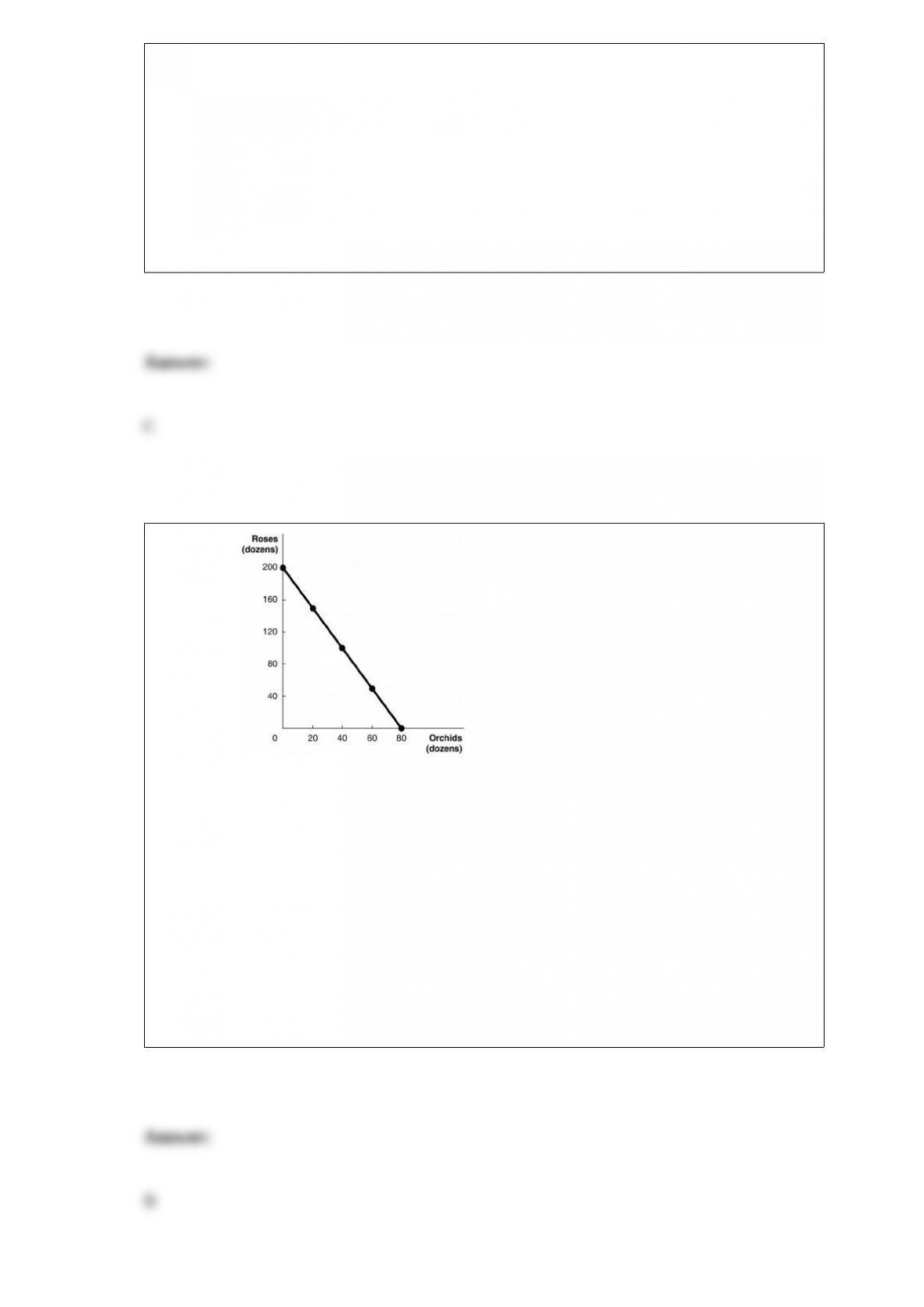
Figure 2-8 Figure 2-8 above shows the production
possibilities frontier for Vidalia, a nation that produces two goods, roses and orchids.
Suppose Vidalia is currently producing 60 dozen orchids per period. How many roses is
it also producing, assuming that resources are fully utilized?
A) 40 dozen roses
B) 50 dozen roses
C) 60 dozen roses
D) 100 dozen roses

The advice to “retrain” would be most appropriate for which of the following types of
unemployment?
A) frictional unemployment
B) structural unemployment
C) cyclical unemployment
D) core unemployment
In the long run, a firm in a perfectly competitive industry will supply output only if its
total revenue covers its
A) explicit plus its implicit costs.
B) fixed costs.
C) implicit costs.
D) explicit costs.
Automobile manufacturers produce a range of automobiles such as sports utility
vehicles, luxury sedans, pickup trucks and compact cars. What fundamental economic
question are they addressing by making this range of products?
A) How should we produce goods that consumers want?

B) Why should we produce a variety of automobiles?
C) What goods should we produce?
D) For whom should we produce automobiles?
Larry and Mike are equally skilled construction workers employed by the Brown and
Root Company. Larry’s job is riskier because he typically works on a scaffold 1,000 feet
above ground. Larry’s higher wage rate is the result of
A) economic discrimination.
B) a compensating differential.
C) a negative feedback loop.
D) a higher marginal revenue product.
Which of the following would cause the money demand curve to shift to the left?
A) an open market purchase of Treasury securities by the Federal Reserve
B) an increase in the interest rate
C) an increase in the price level
D) a decrease in real GDP

Which of the following would shift the supply curve for MP3 players to the right?
A) an increase in the price of a substitute in production
B) an increase in consumer income (assuming that all MP3 players are normal goods)
C) a decrease in the number of firms that produce MP3 players
D) a decrease in the price of an input used to produce MP3 players
A decrease in U.S. federal government budget deficits that lowers U.S. interest rates
relative to the rest of the world should
A) lower the trade balance.
B) decrease net exports.
C) cause the dollar to appreciate.
D) lead to a current account surplus.
E) increase foreign portfolio investment.

According to new growth theory,
A) technological change is influenced by economic incentives.
B) centrally-planned economies are the most efficient.
C) growth in real GDP per capita occurs only if there are increasing returns.
D) economic growth is determined by forces outside the control of the market system.
The goals of monetary policy tend to be interrelated. For example, when the Fed
pursues the goal of ________, it also can achieve the goal of ________ simultaneously.
A) high employment; economic growth
B) high employment; lowering government spending
C) economic growth; a low current account deficit
D) stability of financial markets; a low current account deficit
Allocative efficiency is achieved when
A) goods and services are fairly distributed among consumers in an economy.
B) firms produce the goods and services that consumers value most.
C) firms produce goods and services at the lowest cost.
D) there are no shortages or surpluses in the market.

Which of the following must a firm in a market economy do today to succeed?
A) Produce the goods and services that consumers want at a lower cost than consumers
themselves can produce.
B) Organize the factors of production into a functioning, efficient unit.
C) Have access to sufficient funds.
D) Market firms today must do all of these things.
Jake sells Star Wars memorabilia on eBay. His annual revenue is $42,000 per year, the
explicit costs of his business are $10,000, and the opportunity costs of his business are
$18,000 per year. What are the implicit costs of his business?
A) $8,000
B) $18,000
C) $24,000
D) $32,000

You decide to work in Japan for the next 10 years, accumulate some savings, then move
back to the United States and convert your savings from yen to dollars. At the time of
your move, economists predict that consumers in the United States have reignited their
love of Japanese products, especially hybrid cars, and expect that this strong preference
for Japanese products will continue for the next decade. How should this influence your
decision to work and save in Japan?
A) You should be discouraged as the growing U.S. preference for Japanese goods
should increasethe value of the yen to the dollar and decrease the value of your savings
when converted to dollars.
B) You should be discouraged as the growing U.S. preference for Japanese goods
should decrease the value of the yen to the dollar and decrease the value of your savings
when converted to dollars.
C) You should be encouraged as the growing U.S. preference for Japanese goods should
decrease the value of the yen to the dollar and raise the value of your savings when
converted to dollars.
D) You should be encouraged as the growing U.S. preference for Japanese goods should
increase the value of the yen to the dollar and raise the value of your savings when
converted to dollars.
What is meant by the “law of one price”?
A) Identical products should sell for the same price everywhere.
B) A law was passed in 1913 that made it illegal to sell the same good or service to
different people for different prices.
C) This is a section of the Sherman Act that forced trusts (for example, the Standard Oil
Company) to charge the same price for the same good or service in different states.
D) Foreign companies should not be allowed to sell a product in the United States for
prices different from prices these companies charge in other countries.
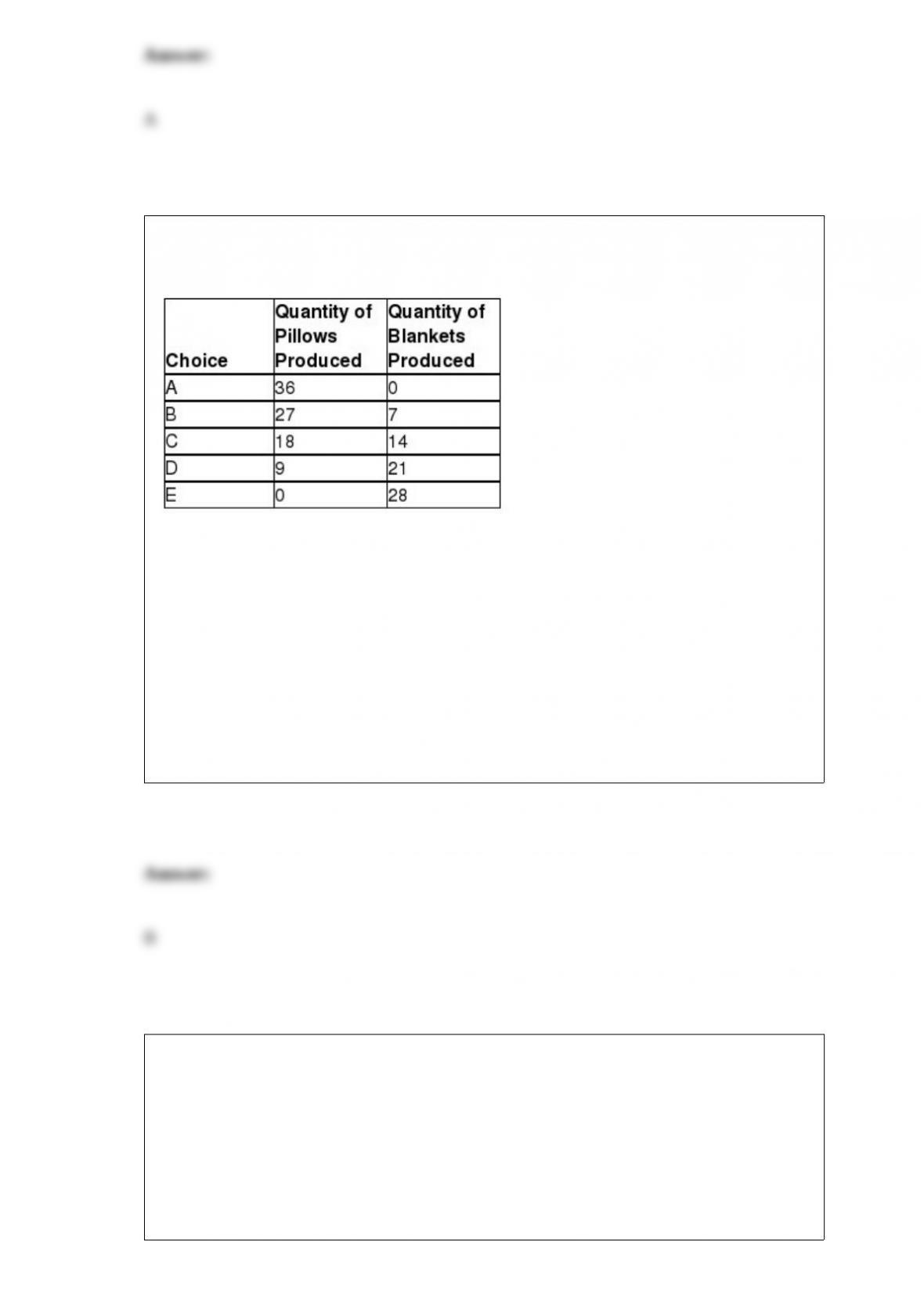
Table 2-2
Production choices for Billie’s Bedroom Shop
Assume Billie’s Bedroom Shop only produces pillows and blankets. Billie faces
________ opportunity costs in the production of pillows and blankets.
A) increasing
B) constant
C) decreasing
D) negative
You have an absolute advantage whenever you
A) are better educated than someone else.
B) can produce more of something than others with the same resources.
C) prefer to do one particular activity.

D) can produce something at a lower opportunity cost than others.