The Phillips curve
a. illustrates the economy’s production possibilities
b. measures the Fed’s willingness to stick with a particular interest rate target
c. represents the Fed’s choices between inflation and unemployment
d. demonstrates the need for a zero inflation rate
e. explains the natural rate of unemployment
We say that a particular life saving method is efficient
Each of the following, except one, would lead to a rightward shift of the labor supply
curve in a particular industry. Which is the exception?
Social Security is indexed by the CPI. As a result
a. it is “over-indexed.”
b. it ignores inflation
c. it is “under-indexed.”
d. it is “un-indexed.”
e. it is “over-subscribed.”
When households and businesses interact in resource markets money
Which of the following lists represent leakages from the circular flow?
a. Government purchases, net taxes and household saving.
b. Planned investment, net taxes and government purchases.
c. Household saving and planned investment.
d. Planned investment and net taxes.
e. Household saving and net taxes.
A price floor in a perfectly competitive market
All of the following are examples of constraints faced by decision makers, except one.
Which is the exception?
If there is a leftward shift of the money demand curve, which of the following should
the Fed do if it wants to keep output stable?
a. Lower its interest rate target
b. Sell bonds in the open market
c. Wait, since output usually does not change when the money demand curve shifts
d. Raise its interest rate target
e. Buy bonds in the open market
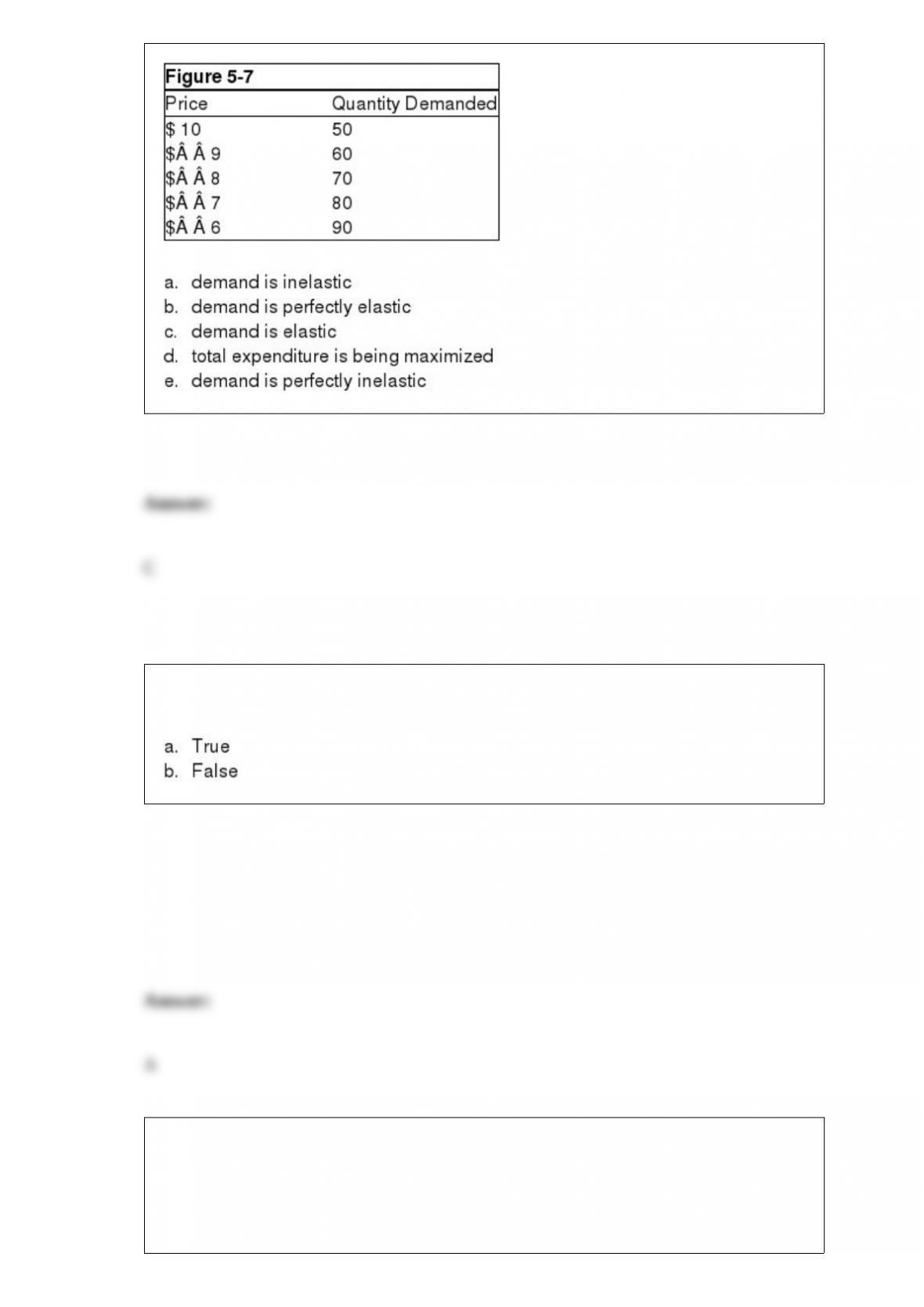
Figure 5-7 shows Sally’s demand for movie theater tickets (quantity of movies per
year). At a price of $9 per ticket, her
Open market sales of bonds by the Federal Reserve do not have a direct effect on the
government budget.
Federal Reserve regulations apply
a. to all banks in the United States
b. only to member banks
c. only to private commercial banks
d. only to national banks
e. only to state banks
The economic expansion that began in 1991
a. lasted approximately five years.
b. lasted approximately twelve years.
c. lasted approximately nine years.
d. was the longest expansion in U.S. history.
e. was the second longest expansion in U.S. history.
Which of the following would be studied in macroeconomics?
To eliminate built-in inflation from the economy, the Fed must
a. announce its intention to have a single policy objective
b. create a recession
c. maintain a constant rate of inflation
d. resist the temptation to change its interest rate targets
e. work closely with Congress and the President