
Which of the following exemplifies the tragedy of the commons?
A) Residents on the northern coast of California receive only one public broadcasting
signal which may be eliminated altogether if government funding is cut.
B) The Pleasant Hill community is growing so fast that the city’s only post office is not
able to keep pace with the population growth in the community.
C) Canadian citizens receive free universal health care administered by provincial
governments.
D) The Malaysian tapir, distinguished for its unusual coloration, is a target for poachers
who hunt it for its tough and leathery hide.
Which of the following is not a requirement for a successful price discrimination
strategy?
A) A firm must have the ability to charge a price greater than marginal cost.
B) Some consumers must have a greater willingness to pay for the product than other
consumers, and the firm must be able to know what prices consumers are willing to pay.
C) The firm must be able to prevent arbitrage.
D) Transactions costs must be the same for all consumers.
Stan owns a software design business. He does not have time to expand his office space
or redesign the layout of his office. He can increase the amount of work he does by
working more hours, asking his current employees to work more hours, or hiring more
employees. The relationship between Stan’s inputs and the maximum output his firm
can produce is called his
A) long-run production function.
B) production possibilities frontier.
C) short-run production function.
D) cost function.
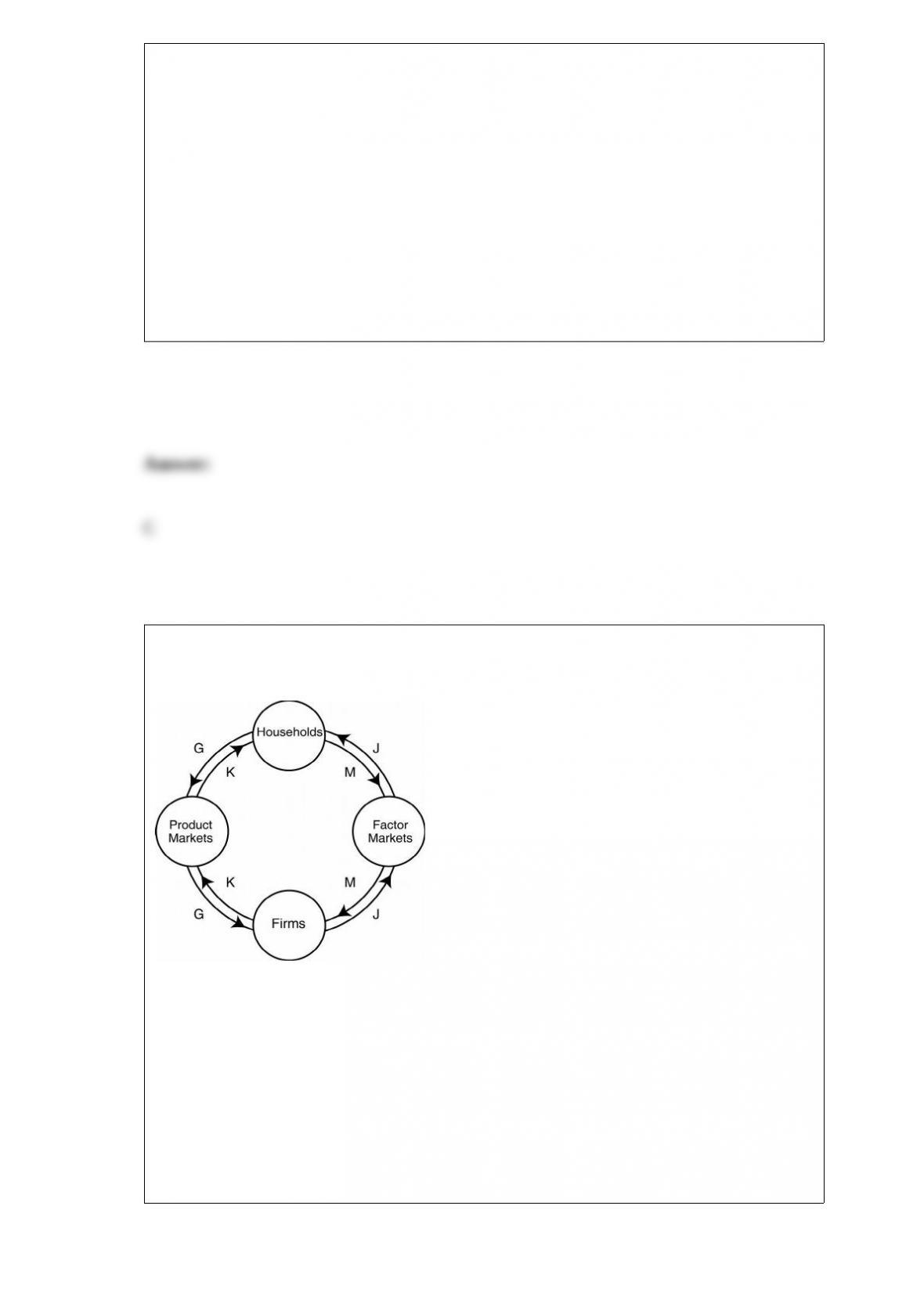
Figure 2-14
Refer to Figure 2-14. Which two arrows in the diagram depict the following
transaction: Myrna earns $450 for working at HempHill’s Drug Store.
A) J and M
B) K and G
C) K and M
D) J and G
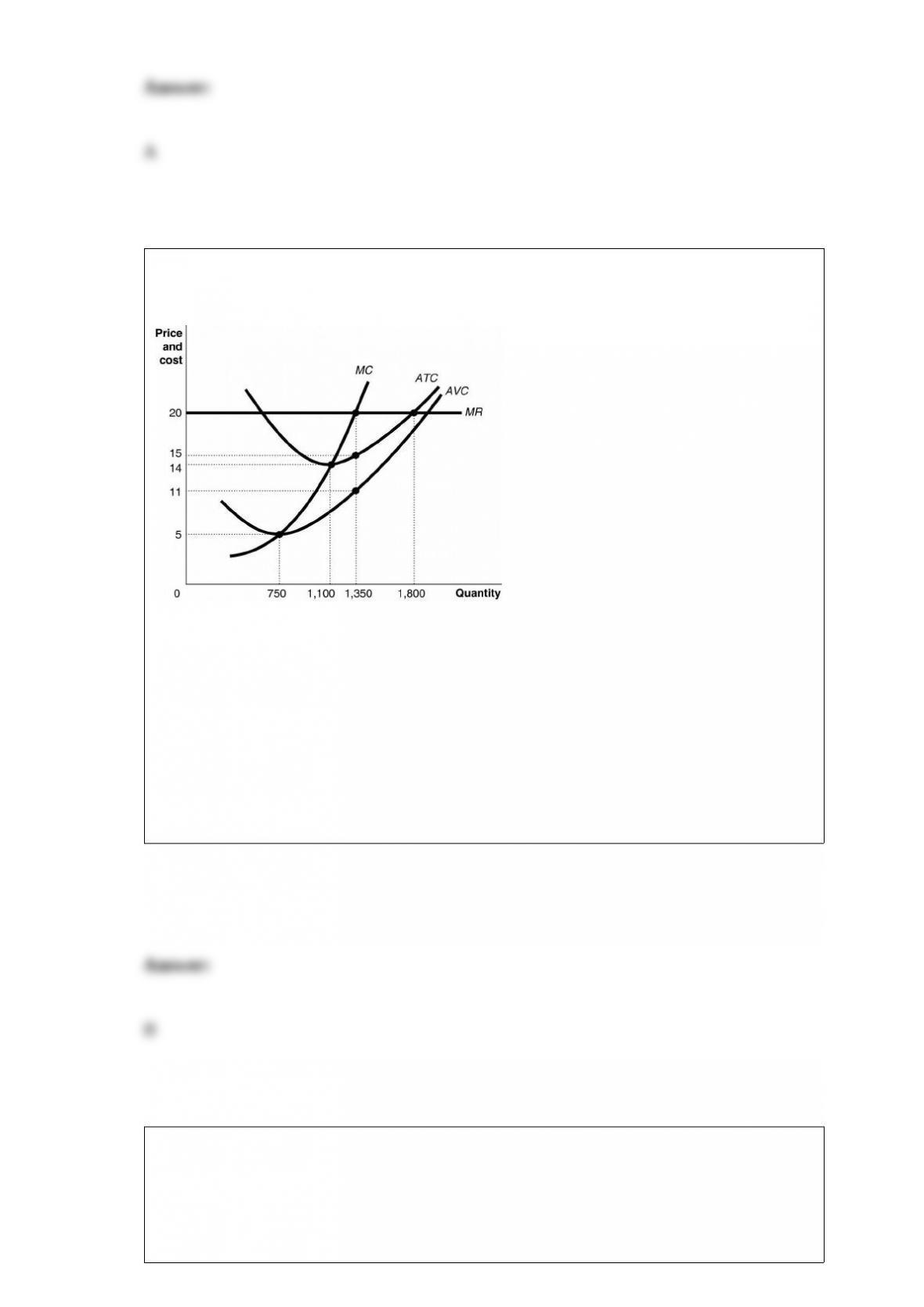
Figure 12-11
Refer to Figure 12-11. Suppose the prevailing price is $20 and the firm is currently
producing 1,350 units. In the long-run equilibrium
A) there will be fewer firms in the industry and total industry output decreases.
B) there will be more firms in the industry and total industry output increases.
C) there will be fewer firms in the industry but total industry output increases.
D) there will be more firms in the industry and total industry output remains constant.
Many biologic drug manufacturers are pushing for patent protection to be extended to
12 years before generics are allowed to be introduced to the market. This reflects which
of the following barriers to entry?
A) control of a key resource
B) network externalities
C) entry blocked by government action
D) economies of scale creating a natural monopoly
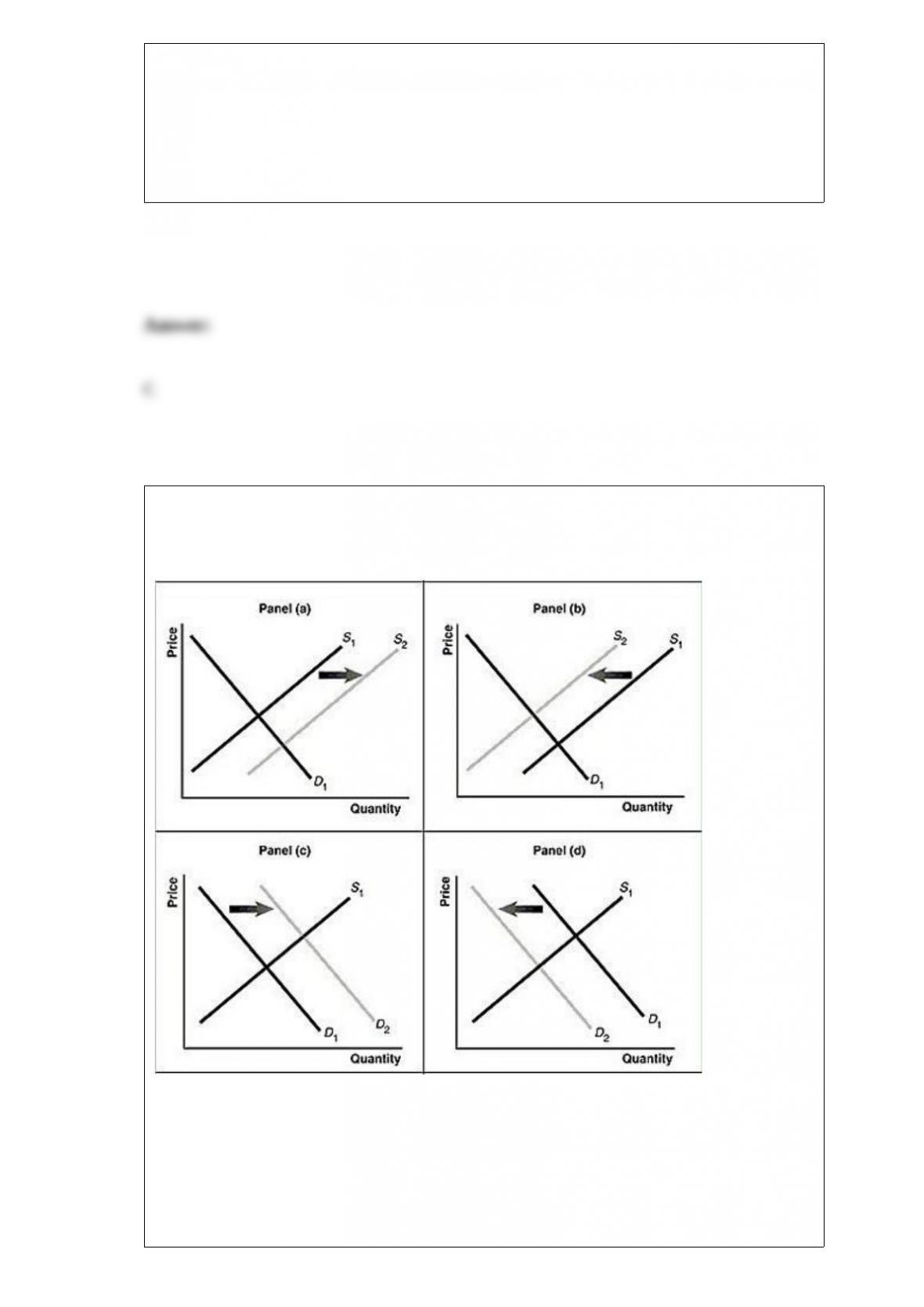
Figure 3-7
Refer to Figure 3-7. Assume that the graphs in this figure represent the demand and
supply curves for bicycle helmets. Which panel best describes what happens in this
market if there is a substantial increase in the price of bicycles?
A) Panel (a)
B) Panel (b)

C) Panel (c)
D) Panel (d)
The formula for total fixed cost is
A) TFC = TC + TVC.
B) TFC = TVC – TC.
C) TFC = TC/TVC.
D) TFC = TC – TVC.
Which of the following summarizes the impact of population growth on the labor
market?
A) This will increase the labor supply, reduce the equilibrium wage and increase the
quantity of labor demanded.
B) There will be an increase in the demand for labor. As a result, the wage rate will rise
and the quantity of workers supplied will decrease.
C) There will be an increase in the demand for jobs. This will result in an increase in the
equilibrium wage rate and a movement along the labor supply curve.

D) There will be an increase in both the demand for labor and the supply of labor. As a
result, the equilibrium wage will not change.
If a perfectly competitive firm’s price is less than its average total cost but greater than
its average variable cost, the firm
A) is earning a profit.
B) should shut down.
C) is incurring a loss.
D) is breaking even.
The delivery of first-class mail by the U.S. Postal Service is an example of
A) a monopoly.
B) perfect competition because consumers have access to other methods of written
communication; for example, email and text messaging.
C) monopolistic competition, because mail delivery is a differentiated product provided
by many firms.
D) an oligopoly because a few other firms provide delivery of letters and packages.
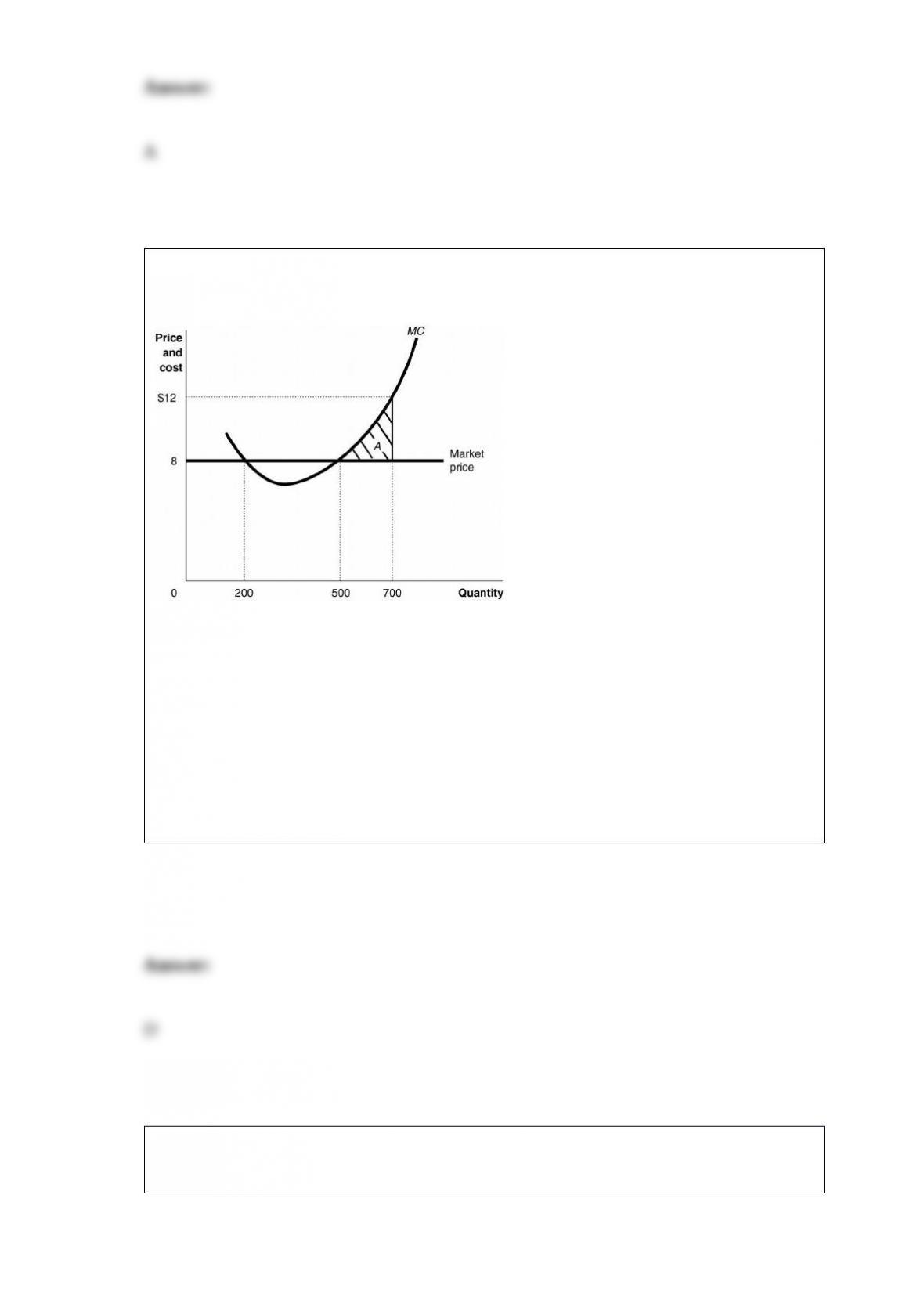
Figure 12-1
Refer to Figure 12-3. If the firm is producing 500 units, what is the amount of its profit
or loss?
A) profit of $280
B) loss equivalent to the area A
C) profit equivalent to the area A
D) There is insufficient information to answer the question.
Figure 12-1

Refer to Figure 12-3. If the firm is producing 500 units
A) it is making a profit.
B) it is making a loss.
C) it should maintain its output to maximize profit.
D) it should increase its output to maximize profit.
In the ultimatum game, allocators usually offer recipients at least a 40 percent share of
the money, and recipients almost always reject offers of less than a 10 percent share.
Which of the following does not explain why allocators offer recipients a relatively
generous share and why recipients reject meager offers?
A) Fear of arousing outrage and abhorrence could influence economic decisions.
B) People can and often do reject offers that offend their sense of fairness even if doing
so means taking a monetary loss.
C) Some people are careful not to engage in economic behavior that might offend and
alienate others.
D) Allocators can count on recipients to ignore all considerations except financial
benefit.

Measuring the impact of a quota or tariff on the U.S. economy is an example of
________. Stating that a quota or tariff should be eliminated is an example of
________.
A) statistical analysis; economic analysis
B) positive analysis; normative analysis
C) econometric analysis; protectionism
D) trade analysis; an opinion
Figure 5-1
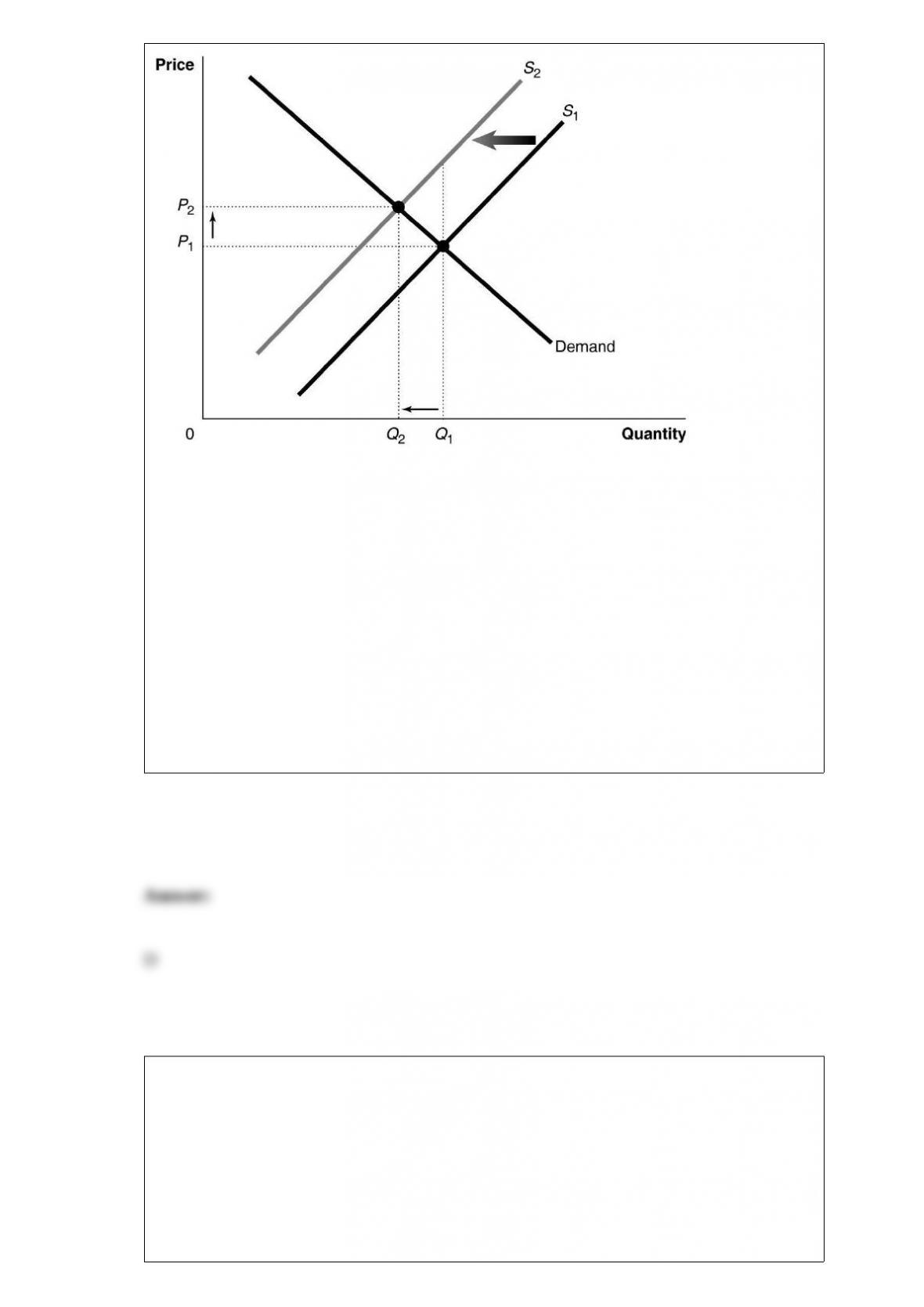
Figure 5-1 shows a market with an externality. The current market equilibrium output of
Q1 is not the economically efficient output. The economically efficient output is Q2.
Refer to Figure 5-1. If, because of an externality, the economically efficient output is
Q2 and not the current equilibrium output of Q1, what does S1 represent?
A) the market supply curve reflecting external cost
B) the market supply curve reflecting implicit cost
C) the market supply curve reflecting social cost
D) the market supply curve reflecting private cost
How will an increase in labor productivity affect equilibrium in the labor market?
A) The supply of labor will increase and the equilibrium wage and quantity of labor
will increase.
B) The demand for jobs will increase and the equilibrium wage and quantity of labor
will increase.

C) The demand for labor will increase and the equilibrium wage and quantity of labor
will increase.
D) The demand for labor will decrease because fewer workers will be needed to
produce the same output. The equilibrium wage and quantity of labor will decrease.
If a corporation earns a profit, how do owners of the firm share in the profit?
A) through coupon payments on that firm’s bonds
B) through dividend payments on shares of that firm’s stock
C) by selling any bonds or stocks owned and realizing a capital gain
D) by raising the interest rate on bonds
If the price of music downloads was to decrease, then
A) the demand for MP3 players would decrease.
B) the demand for MP3 players would increase.
C) the supply of MP3 players would increase.
D) the quantity of MP3 players demanded would decrease.

The demand for labor depends primarily on the additional output produced as a result of
hiring an additional worker and
A) the additional revenue received from selling the output produced as a result of hiring
an additional worker.
B) the payment made to the worker for producing the additional output.
C) the elasticity of demand for the output produced by the worker.
D) the number of workers willing to produce the additional output.
Assume that the medical screening industry is perfectly competitive. Consider a typical
firm that is making short-run losses. Suppose the medical screening industry runs an
effective advertising campaign which convinces a large number of people that yearly
CT scans are critical for good health. How will this affect a typical firm that remains in
the industry?
A) The firm’s supply curve shifts right and its marginal revenue curve shifts upwards as
the market price rises and ultimately the firm starts making profits.
B) The firm’s marginal revenue curve and average cost curve shift upwards in response
to the increase in market price and advertising expenditure. The firm increases output
until it starts breaking even.
C) The marginal revenue curve shifts upwards, the firm’s output increases along its
marginal cost curve, it expands production and eventually starts making profits.
D) The marginal revenue curve shifts upwards, the firm’s output increases along its
marginal cost curve, it expands production until it breaks even.
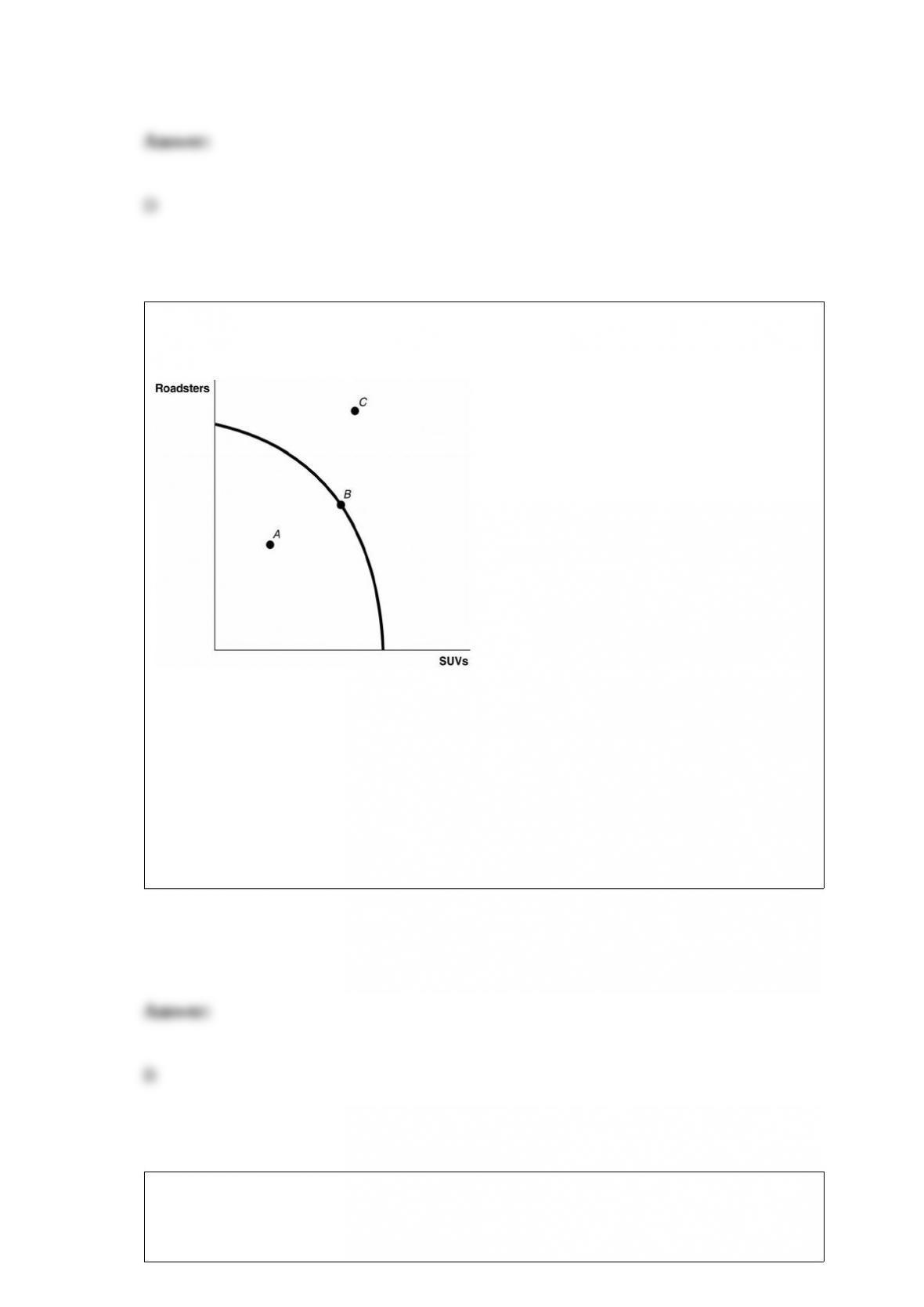
Figure 2-1
Refer to Figure 2-1. Point C is
A) technically efficient.
B) unattainable with current resources.
C) inefficient in that not all resources are being used.
D) is the equilibrium output combination.
If a firm decreases its plant size and finds that its long-run average costs have
decreased, then

A) its labor is more productive in a smaller plant.
B) its diseconomies of scale are less.
C) the firm should reduce its plant size even more.
D) the firm is now profitable.
If you pay $2,000 in taxes on an income of $20,000, and a tax of $3,000 on an income
of $30,000, then over this range of income the tax is
A) regressive.
B) proportional.
C) progressive.
D) There is insufficient information to answer the question.
Figure 11-3

Fancy Footwear manufactures shoes. Figure 11-3 shows Fancy Footwear’s marginal
product of labor and average product of labor curves in the short run.
Refer to Figure 11-3. For what quantity of labor does production start to display
diminishing returns?
A) for more than 1 units of labor
B) for more than 4 unit of labor
C) for more than 5 units of labor
D) for more than 8 units of labor
Assume price exceeds average variable cost over the relevant range of demand. If a
monopolistically competitive firm is producing at an output where marginal revenue is
$23 and marginal cost is $19, then to maximize profits the firm should
A) continue to produce the same quantity.
B) increase output.
C) decrease output.
D) shut down.

Determine if each of the products below displays any of the following characteristics:
(i) rivalry
(ii) nonrivalry
(iii) excludability
(iv) nonexcludability.
a. a freeway during peak commute hours
b. an online college course
c. infectious disease prevention
d. open source software such as Linux
e. a movie showing at Century Theatres
The shape of the average total cost curve is determined by the shape of
A) the marginal cost curve.
B) the average fixed cost curve.
C) the average product curve.
D) the firm’s production function.
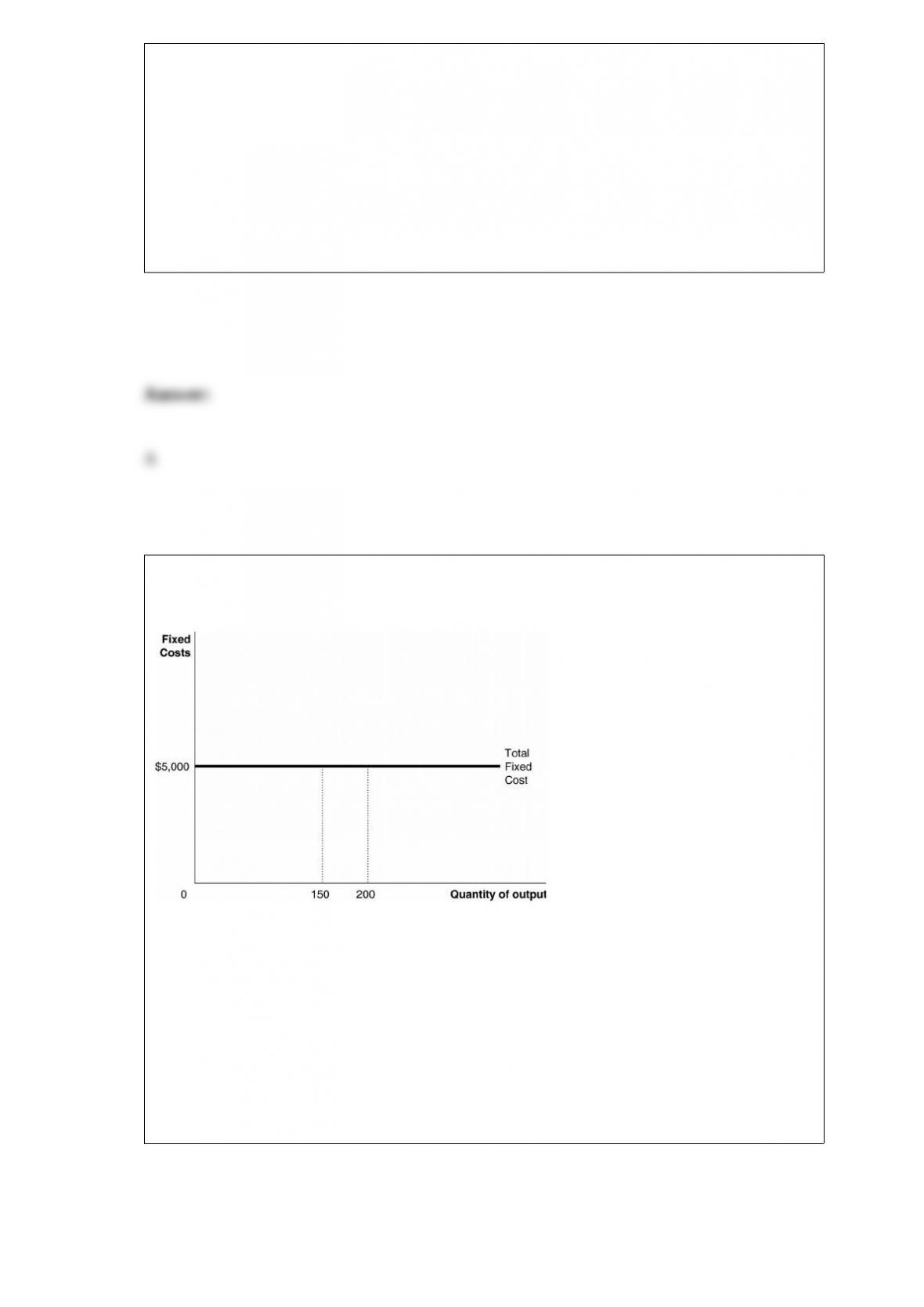
Figure 11-4
Refer to Figure 11-4. What happens to the average fixed cost of production when the
firm increases output from 150 to 200?
A) It remains constant.
B) It rises.
C) It falls.
D) It could rise or fall depending on what happens to total cost.

Examples of ________ show how trade between two countries can make each better
off.
A) absolute advantage
B) comparative advantage
C) autarky
D) trade barriers
The marginal revenue product of capital is
A) the cost to the firm of renting an additional unit of capital.
B) the change in the firm’s revenue as a result of employing one more unit of capital,
such as a machine.
C) the economic rent received by hiring an additional unit of capital.
D) the revenue generated by substituting capital for labor in the production process.

Nike has used Michael Jordan to create the impression that Air Jordan basketball shoes
are superior to any other basketball shoes. Nike is attempting to
A) differentiate Air Jordan basketball shoes from other types of basketball shoes.
B) lower the marginal cost of producing Air Jordan basketball shoes.
C) increase its profit by raising the price of Air Jordan basketball shoes.
D) convince consumers that Air Jordan basketball shoes are no different from other
basketball shoes favored by celebrities.
Suppose when Nablom’s Bakery raised the price of its breads by 10 percent, the
quantity demanded fell by 15 percent. What was the effect on sales revenue?
A) Sales revenue increased.
B) Sales revenue remained unchanged.
C) Sales revenue decreased.
D) It cannot be determined without information on prices.
Assume a hypothetical case where an industry begins as perfectly competitive and then
becomes a monopoly. Which of the following statements comparing the conditions in
the industry under both market structures is true?
A) A monopoly will produce more and charge a higher price than would a perfectly
competitive industry producing the same good.
B) A monopoly will produce more and advertise more than would a perfectly
competitive industry producing the same good.
C) A monopoly will produce less and charge a higher price than would a perfectly
competitive industry producing the same good.
D) A monopoly will produce less and charge a lower price than would a perfectly
competitive industry producing the same good.
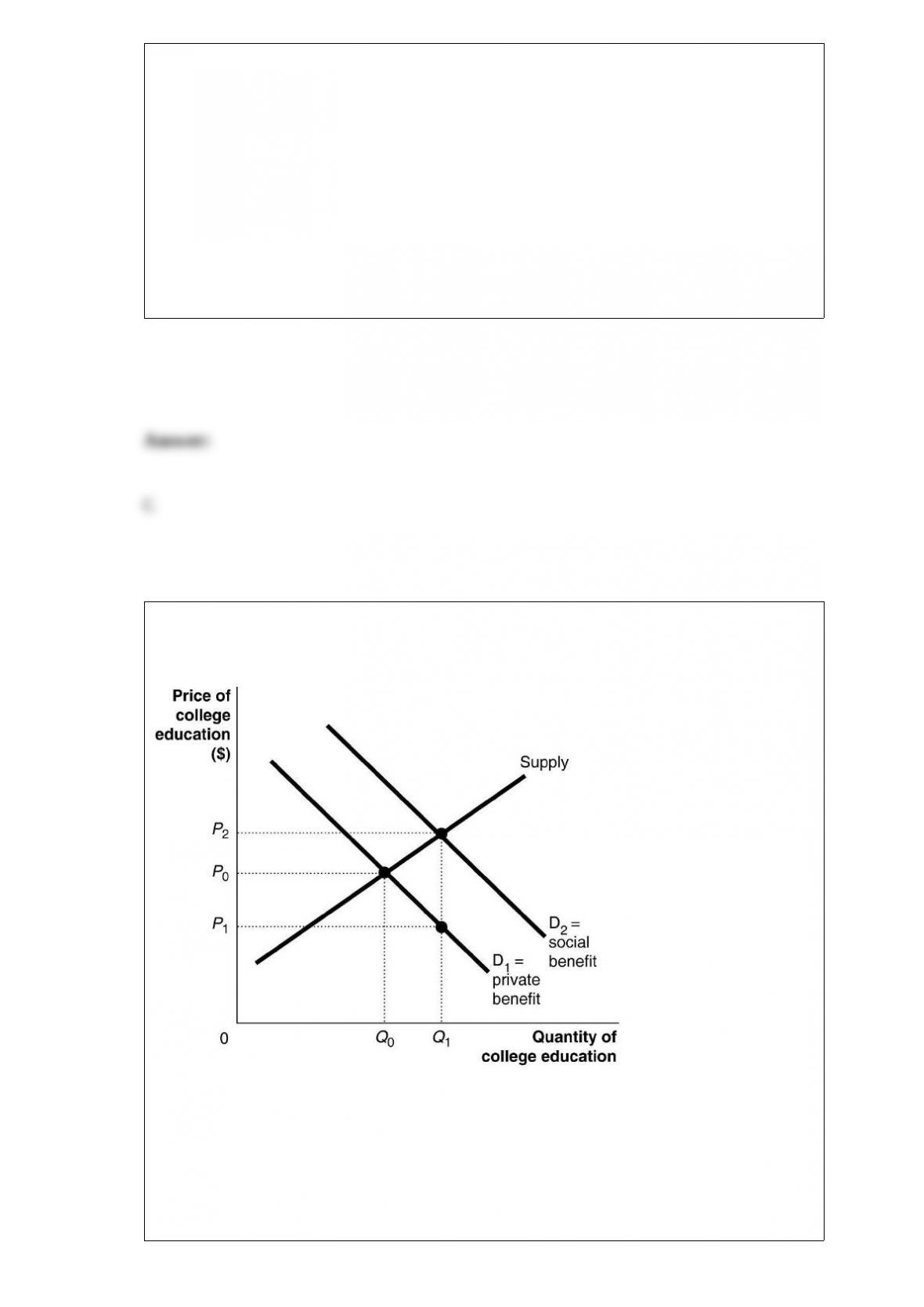
Figure 5-12
College education benefits society by producing a more employable workforce,
reducing crime, and creating a better informed citizenry. Thus, the social benefits of
college education exceed the private benefits for any level of college education. This is
illustrated in Figure 5-12.
Refer to Figure 5-12. One way to obtain the economically efficient amount of college
education is for governments to subsidize college education. What is the size of the

per-student Pigovian subsidy that the government must provide to internalize the
external benefits? (Note that the subsidy can be granted to the education institutions or
to the students directly or indirectly; for example, through low-interest student loans.)
A) P2 – P0
B) P2 – P1
C) P0 – P1
D) P1