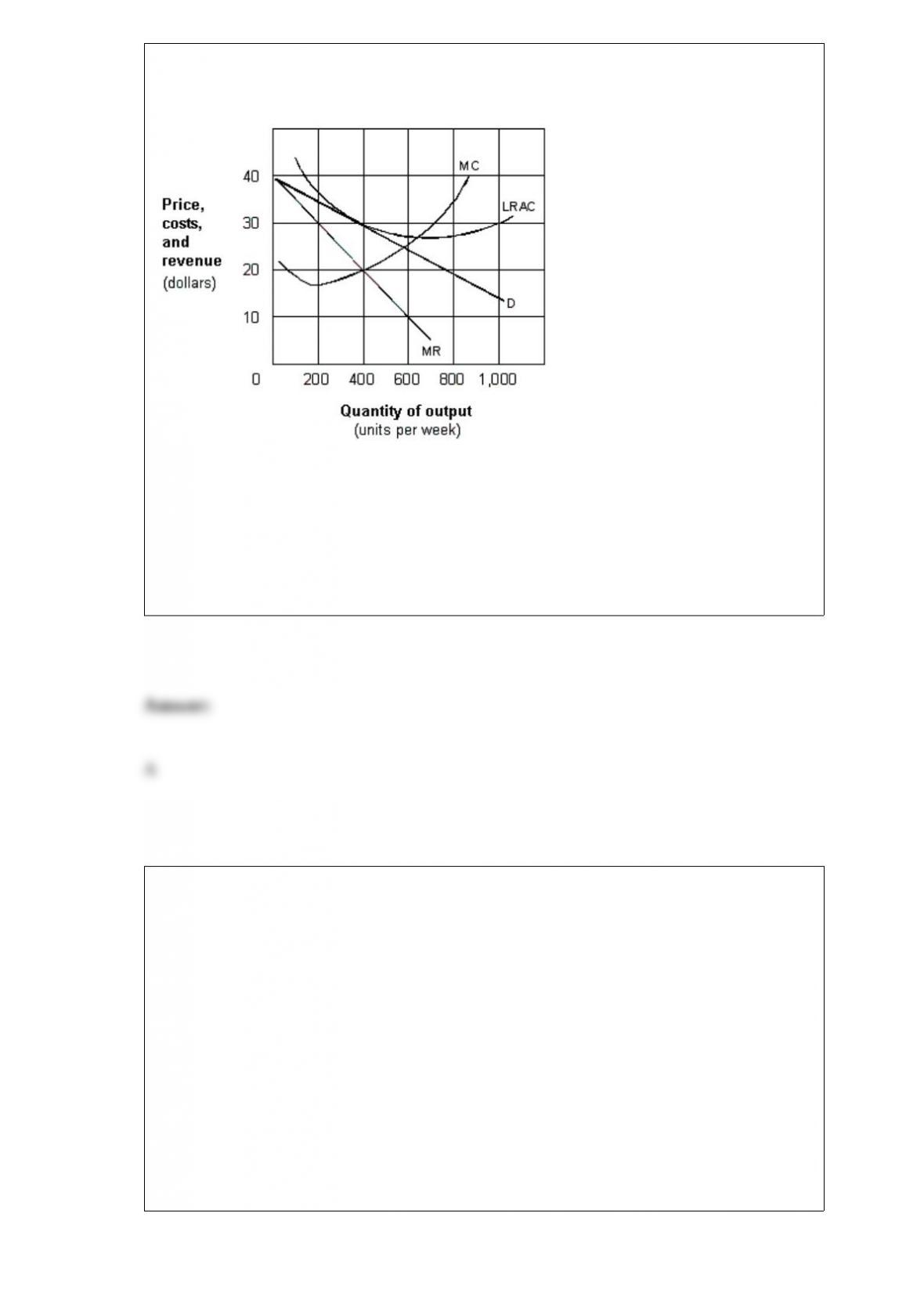
Exhibit 10-3 A monopolistic competitive firm in the long run
As represented in Exhibit 10-3, the maximum long-run economic profit earned by this
monopolistic competitive firm is:
a. zero. c. $4,000 per week.
b. $10 per week. d. $40,000 per week.
Tammy installed a set of wind chimes in her backyard. She enjoys listening to the
musical tones when the breeze hits them. Her neighbor Steven also enjoys the chimes,
but her other neighbor Sally hates the constant noise. Tammy’s wind chimes:
a. create a negative externality for Steven and a positive externality for Sally.
b. are not related to the issue of property rights since all parties are homeowners.
c. are an example of an efficient market since the benefits to one party are balanced by
costs to another party.
d. are a public good because all three parties can hear the wind chimes.
e. create a positive externality for Steven and a negative externality for Sally.
Suppose that for Merv the marginal utility of $50-per-serving caviar is 100 and the
marginal utility of $1-per-serving popcorn is 10. For his snack, Merv should buy:
a. the caviar if he has the $50; otherwise, the popcorn.
b. the caviar if he has the $50; otherwise, nothing.
c. the popcorn, whether he has the $50 or not.
d. one serving each of the caviar and popcorn, if he has $51.
e. five servings of popcorn for each serving of caviar.
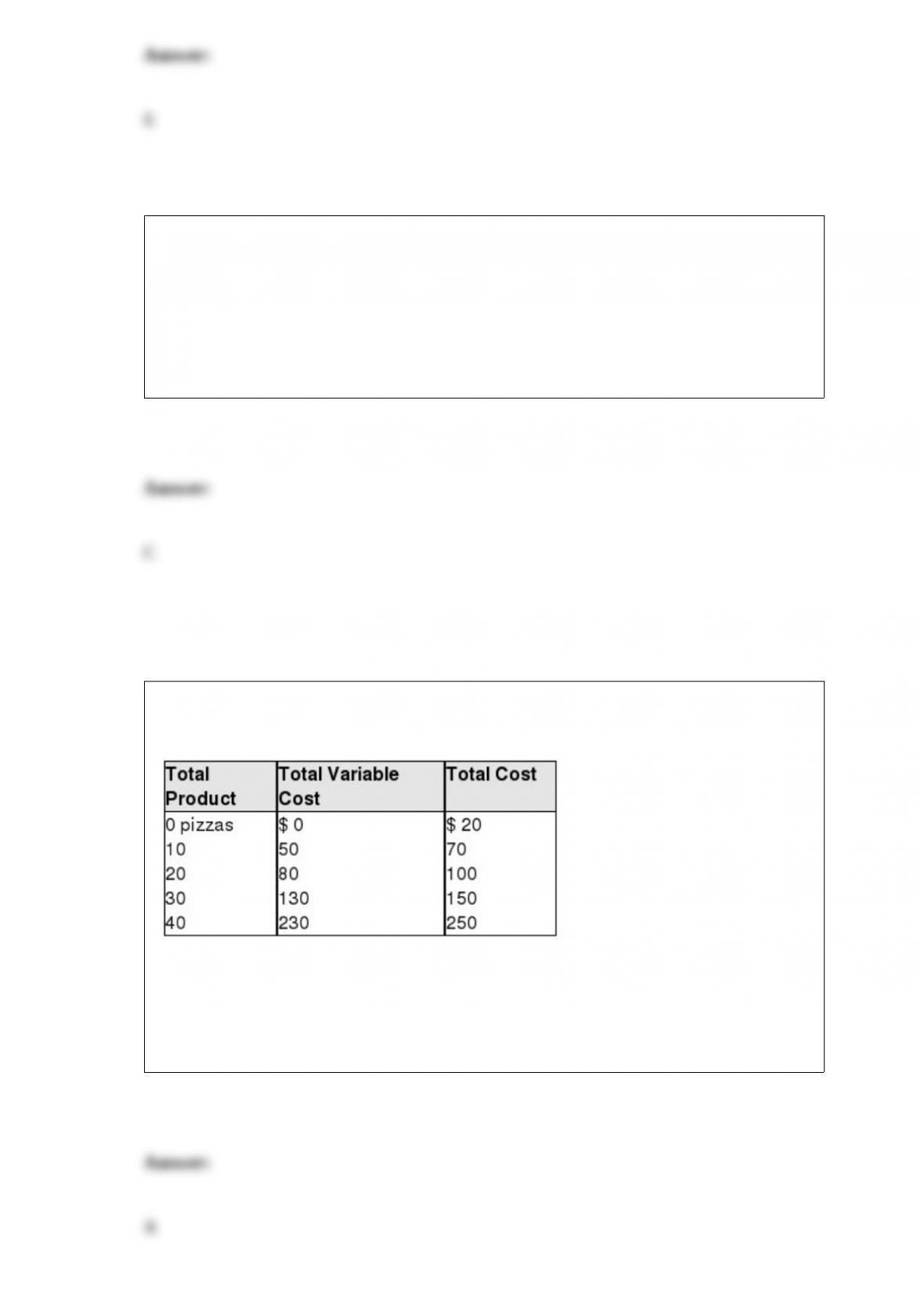
Exhibit 7-11 Short-run cost curves schedule for pizzeria’s hourly production
In Exhibit 7-11, the pizzeria’s fixed cost is equal to:
a. $20.
b. $30.
c. $50.
d. $70.

An increase in demand:
a. results in a leftward shift of the demand curve.
b. could be caused by a decrease in the price of the good.
c. could be caused by an increase in the price of a substitute good.
d. is shown as movement down along a demand curve.
If consumer tastes are changing more in favor of the consumption of a particular good
the:
a. market demand curve will shift to the left.
b. consumer will move up a given demand curve, decreasing the quantity demanded.
c. consumer would move down a given demand curve, decreasing the quantity
demanded.
d. consumer would move down a given demand curve, increasing the quantity
demanded.
e. market demand curve would shift to the right.
Markets for pollution rights:
a. have never been tried in the United States.
b. assign property rights to those who value them least.

c. allow the government to assign property rights.
d. enable those who value them most to pollute.
If marginal revenue exceeds marginal cost, profit maximizers should:
a. reduce output until they are equal.
b. increase output until they are equal.
c. increase output until profits are zero.
d. decrease output unless profits are zero.
e. maintain current output.
Which of the following is a characteristic of an oligopoly?
a. Mutual interdependence in pricing decisions.
b. Independent pricing decisions.
c. Lack of control over prices.
d. All of these are true.

Exhibit 15-4 Coffee and tea output (pounds per hour)
If specialization were carried out by each country in Exhibit 15-4 on the basis of
comparative advantage, then:
a. Brazil would produce neither coffee nor tea.
b. China would produce both coffee and tea.
c. Brazil would produce tea and China would produce coffee.
d. Brazil would produce coffee and China would produce tea.
A good example of a price floor is:
a. rent controls on apartments in major cities.
b. general admission tickets to concerts.
c. the minimum wage law.
d. food stamp regulations.
e. rock concert tickets.
Which of the following is not a characteristic of the monopolistic competition market
structure?

a. Many sellers, each small in size relative to the overall market.
b. Few sellers.
c. Differentiated product.
d. Easy, low-cost entry and exit.
If the wage rate in a monopsonistic industry is $15, the marginal factor cost will be:
a. $0.
b. $1.
c. $15.
d. greater than $15.
e. less than $15.
Exhibit 2-16 Production possibilities curve
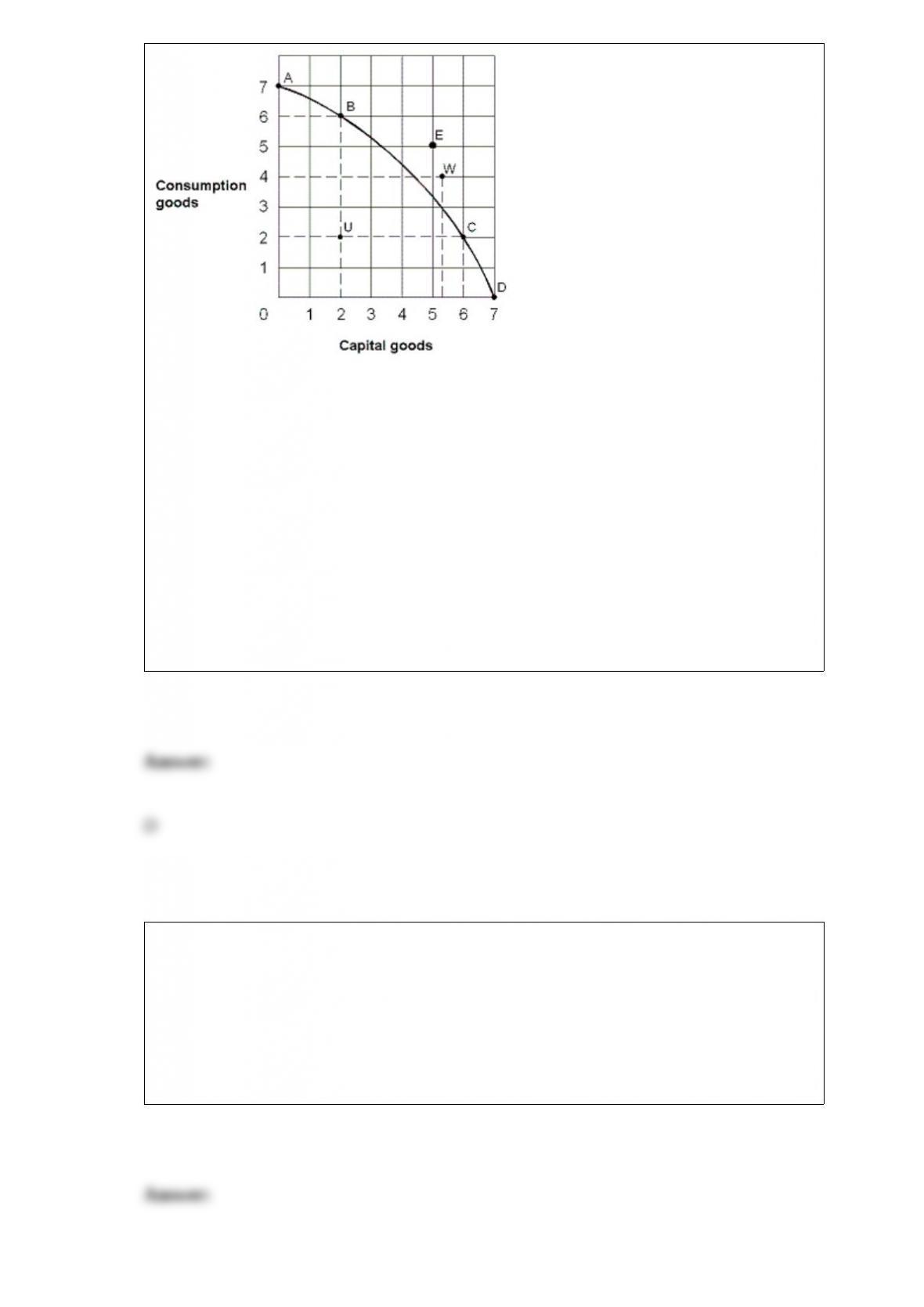
From the information in Exhibit 2-16, which of the following points on the production
possibilities curve are attainable with the resources and technology currently available?
a. A, B, C, E, U
b. A, B, C, D, W
c. E, U, W
d. B, C, D, U
e. A, B, C, E
If cats become a more popular pet in the United States than dogs, what can we expect to
happen to the market for cat food workers?
a. MP increases.
b. MRP increases.
c. MP decreases.
d. MRP decreases.
e. Wage decreases.

An oligopoly is a market structure in which:
a. one firm has 100 percent of a market.
b. there are many small firms.
c. there are many firms with no control over price.
d. there are few firms selling either a homogeneous or differentiated product.
Which of the following are not methods of dealing with externalities?
a. Relying on voluntary compliance.
b. Taxing the output of industries that pollute.
c. Creating legal environmental standards.
d. Increasing public spending on cleanup/reduction.
A tax on an imported good is called:
a. an export.
b. dumping.
c. a quota.

d. a tariff.
e. free trade.
Under both perfect competition and monopoly, a firm:
a. is a price taker.
b. is a price maker.
c. will shut down in the short-run if price falls short of average total cost.
d. always earns a pure economic profit.
e. sets marginal cost equal to marginal revenue.
Suppose Sue’s buys a good for $60 on eBay. If the consumer surplus from the sale is
$25, Sue would have been willing to pay:
a. $35. c. $60.
b. $25. d. $85.
An increase in the demand for a product will shift the demand curve for labor producing

the product to the right.
The rule of reason was applied in the Alcoa case.
When the market price of a product is below the equilibrium price, shortages will result
and sellers can be expected to reduce the supply of that product.
The Federal Trade Commission is charged with protecting consumers from false and
misleading advertising.

According to the text, Ireland and Israel are classified as industrially advanced countries
(IACs).
The current account balance tabulates the value of a country’s exports of goods and
services minus the value of its imports of goods and services.
Goods with few available substitutes tend to have inelastic demand curves.
A horizontal demand curve is perfectly elastic.

A shortage means that the quantity demanded is greater than the quantity supplied at the
prevailing price.
The vertical distance between the average total cost curve and the average variable cost
curve at any given output level equals average fixed cost at that particular output level.