1) The downward-sloping demand curve of a monopolistic competitor:
A.Reflects some level of control over its own price
B.Becomes eventually horizontal in the long run
C.Indicates collusion among the members of the product group
D.Ensures that the firm will produce at minimum average cost in the long run
2) The law of diminishing marginal utility states that:
A.total utility is maximized when consumers obtain the same amount of utility per unit
of each product consumed.
B.beyond some point, additional units of a product will yield less and less extra
satisfaction to a consumer.
C.price must be lowered to induce firms to supply more of a product.
D.it will take larger and larger amounts of resources beyond some point to produce
successive units of a product.
3) Which person is least likely to have health care insurance?
A.A disabled person
B.A temporary worker in a bank
C.An accountant employed by a large corporation
D.A person who receives Social Security benefits
4) The supply curve of a one-of-a-kind original painting is:
A.relatively elastic.
B.relatively inelastic.
C.perfectly inelastic.
D.perfectly elastic.
5) Economists who adhere to the laissez-faire antitrust perspective:
A.view competition as a long-run dynamic process in which firms battle for dominance
of markets but rarely can sustain such dominance once it is achieved.
B.believe the antitrust laws are as important today as they were when they were passed
in the early 1900s.
C.say that an industry’s structure, which is based on economies of scale, usually
predicts the behavior of the industry firms.
D.contend that large, dominant firms should be broken into smaller competitive firms
and then government should stand back and let competition prevail.
6) Under oligopoly, if one firm in an industry significantly increases advertising
expenditures in order to capture a greater market share, it is most likely that other firms
in that industry will:
A.Pursue a strategy to reduce advertising expenditures to maintain profits
B.Decide to increase advertising expenditures even if it means a reduction in profits
C.Make no changes in advertising expenditures because advertising is effective in the
short run, but not the long run
D.Increase the price of the product to improve profits and then increase advertising
expenditures
7) The pure rate of interest is approximated by the:
A.rate that savings and loan associations charge on mortgage loans.
B.rate charged consumers by credit card companies.
C.rate paid on long-term government bonds.
D.announced rate at which commercial banks make business loans.
8) The price of season tickets to a performing arts theater decreases by 3 percent. As a
result, the quantity demanded increases by 6 percent. The price elasticity of demand for
season tickets is:
A.0.5
B.9
C.2
D.18
9)
Refer to the graph above for an industry. If the industry operates as a pure monopoly,
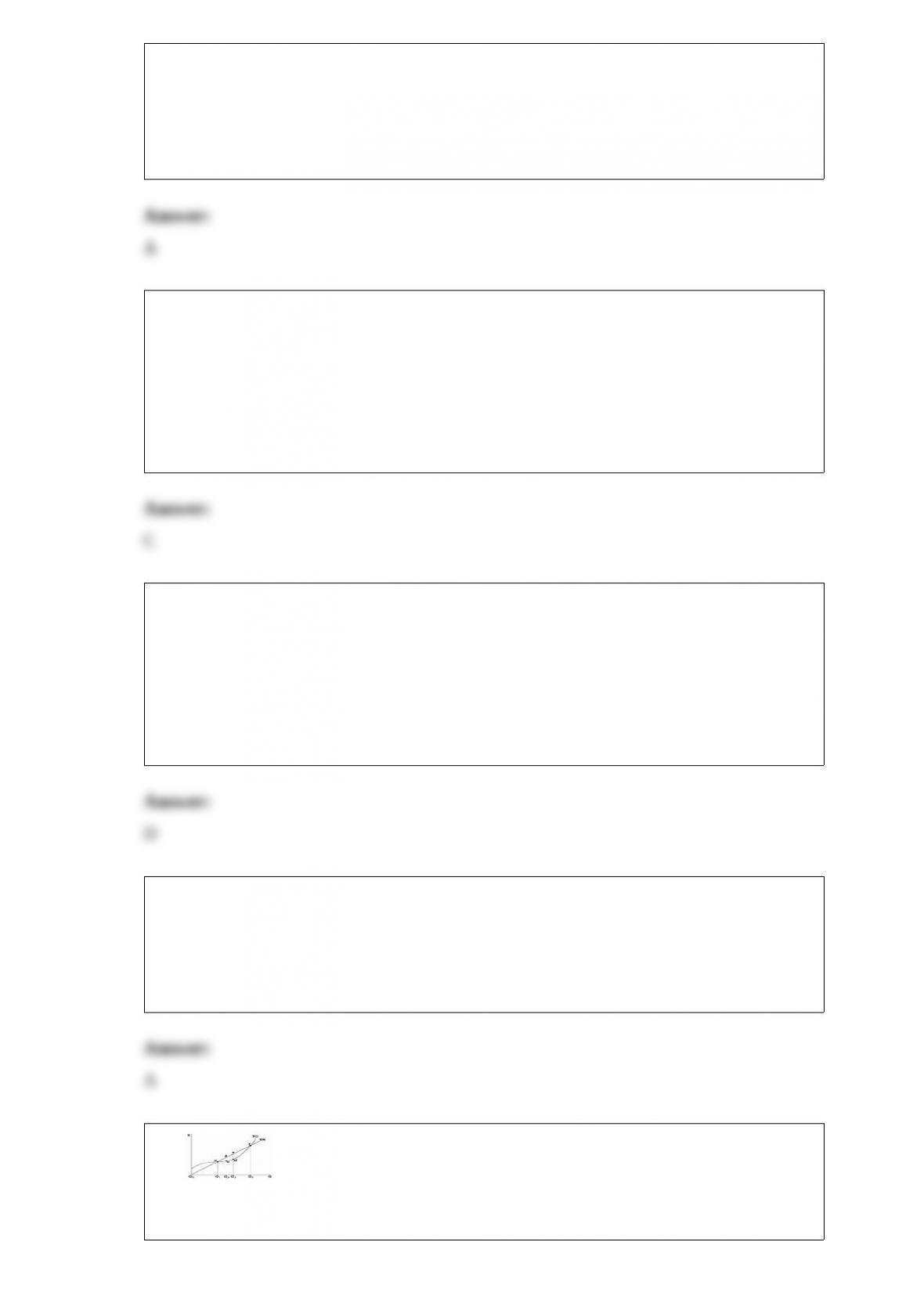
the output quantity would be:
A.90
B.160
C.195
D.A level that is not labeled in the graph
10) Suppose lawyers seek legislation to limit the use of computer software that enables
people to use their personal computers to self-prepare their own wills, trusts, and other
legal documents. This is an example of:
A.logrolling.
B.the principal-agent problem.
C.rent-seeking behavior.
D.limited and bundled choices.
11) The legislation which prohibits the acquisition of assets of another company if the
transaction would significantly reduce competition, thereby closing a loophole in the
Clayton Act is the:
A.Sherman Act
B.Federal Trade Commission Act
C.Wheeler-Lea Act
D.Celler-Kefauver Act
12) Which of the following is true of normal profits?
A.They are necessary to keep a firm in the industry in the long run
B.They are zero under pure competition in the long run
C.They are excluded from a firm’s costs of production
D.They are what attract other firms to enter an industry
13)
Refer to the above graph. Which of the output levels is the profit-maximizing output
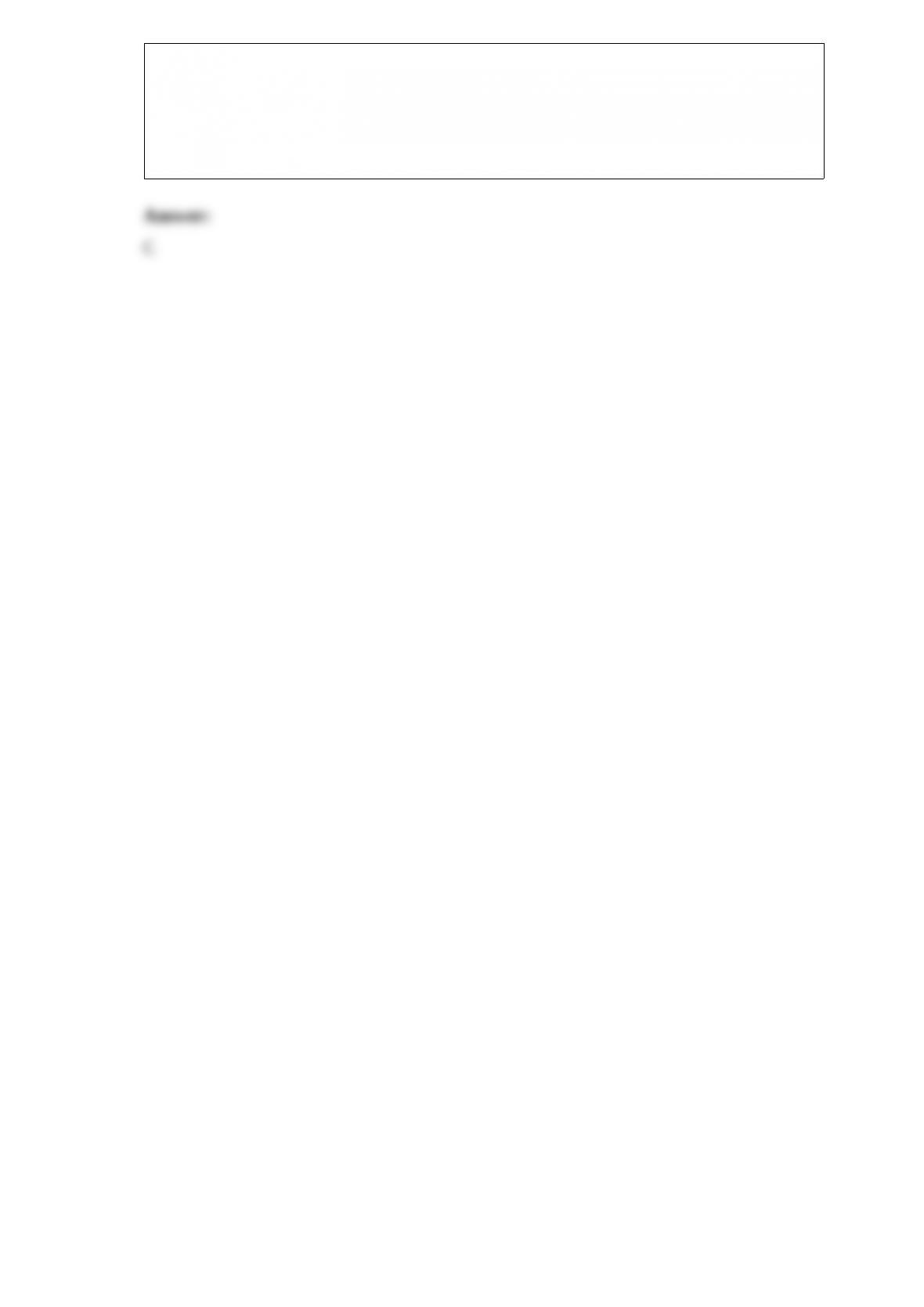
level for this firm?
A.Q1
B.Q2
C.Q3
D.Q4