1) Which of the following statements is not correct?
a.Critics of advertising argue that firms advertise to manipulate consumers’ tastes.
b.Defenders of advertising argue that advertising provides valuable product information
to consumers.
c.An industry with many brand name products will be more competitive than one with
many generic products.
d.The willingness of a firm to spend a large amount of money on advertising can signal
the quality of the product.
2) Compared to the monopoly outcome with a single price, imperfect price
discrimination
(i)sometimes raises total surplus.
(ii)sometimes lowers total surplus.
(iii)always leads to a lower quantity of output.
a.(i) and (ii) only
b.(ii) and (iii) only
c.(i) and (iii) only
d.(i), (ii), and (iii)
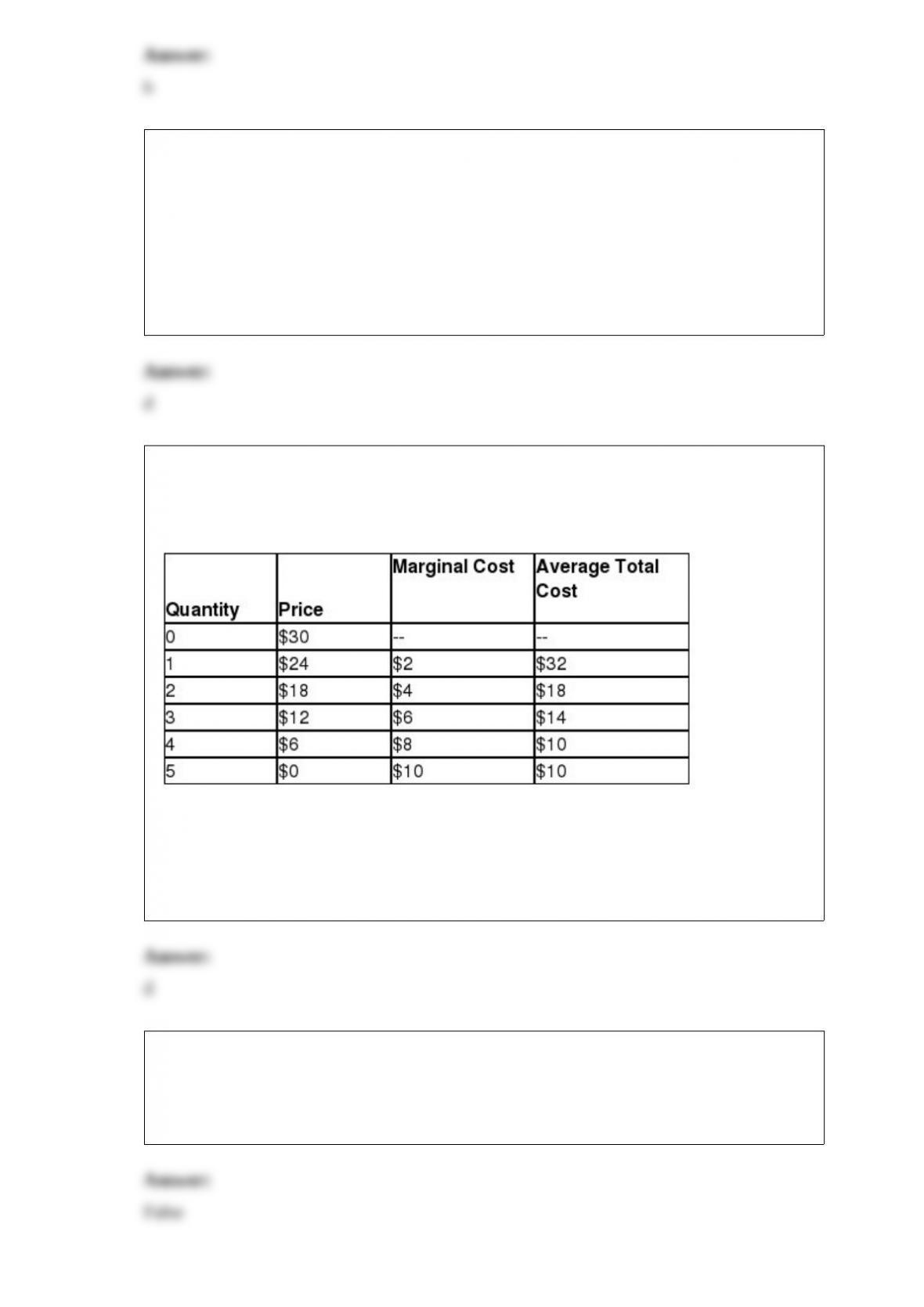
3) Figure 7-16
Suppose the price of the good is $400. Then, on the first unit of the good that is sold,
producer surplus amounts to
a. $200.
b. $300.
c. $400.
d. $450.
4) Suppose that due to a severe drought in Texas, 100,000 farmers relocate from Texas
to Louisiana. Assuming that land and labor are complements in a farming production
function, what would happen to the wages earned by workers and the rents earned by
landowners in Louisiana?
a.Both wages and rents would increase.
b.Both wages and rents would decrease.
c.Wages would increase, and rents would decrease.
d.Wages would decrease, and rents would increase.
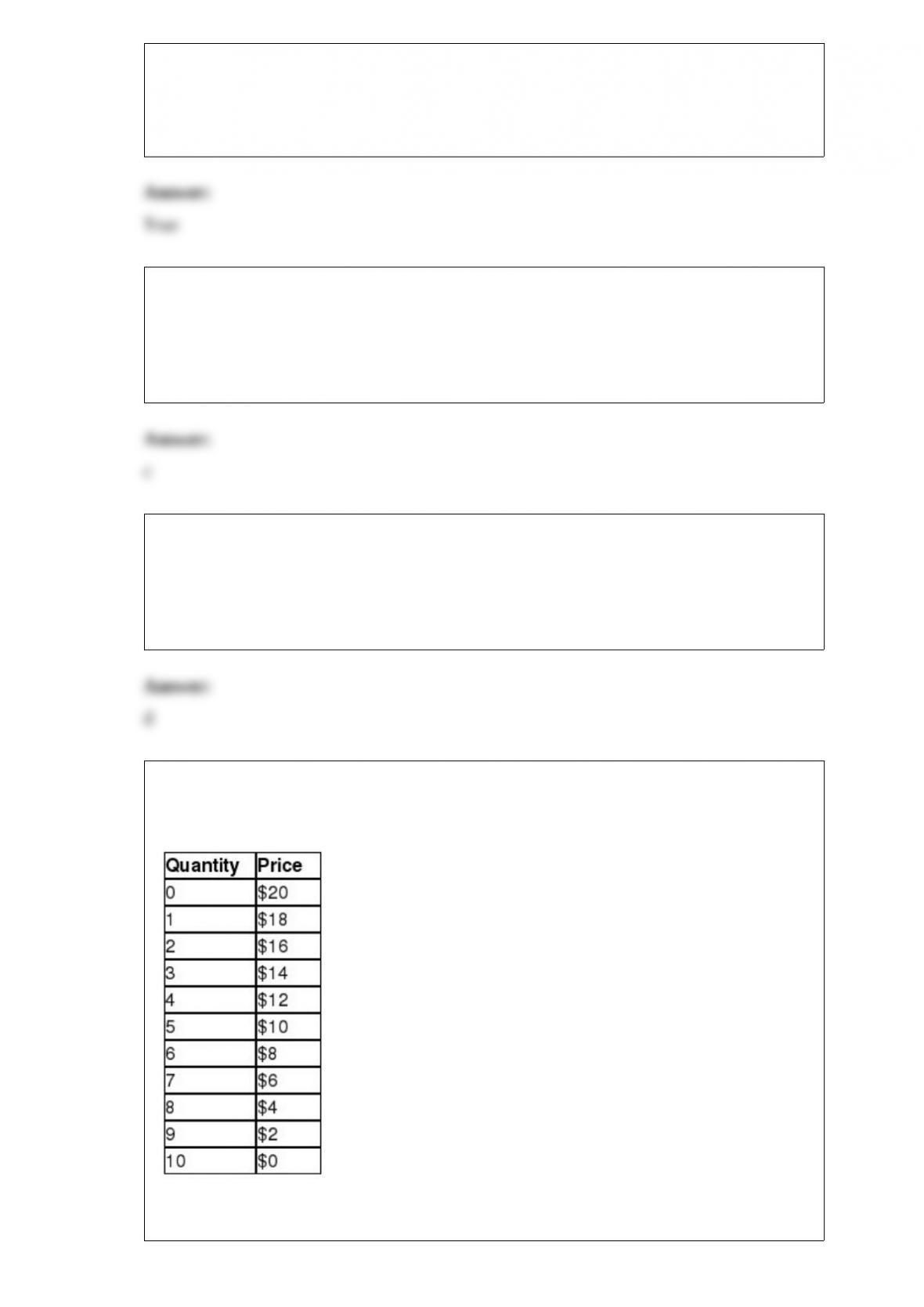
5) Table 16-5
This table shows the demand schedule, marginal cost, and average total cost for a
monopolistically competitive firm.
What is this firm’s total cost at the profitmaximizing quantity?
a.$12
b.$18
c.$32
d.$36
6) An example of screening is a company spending a large sum on advertising to
convey the high quality of its product.
a.True
b.False
7) Points outside the production possibilities frontier represent infeasible levels of
production.
a.True
b.False
8) Because public goods are
a.excludable, people have an incentive to be free riders.
b.excludable, people do not have an incentive to be free riders.
c.not excludable, people have an incentive to be free riders.
d.not excludable, people do not have an incentive to be free riders.
9) In the short run, a firm operating in a monopolistically competitive market can earn
a.positive economic profits.
b.economic losses.
c.zero economic profits.
d.All of the above are possible.
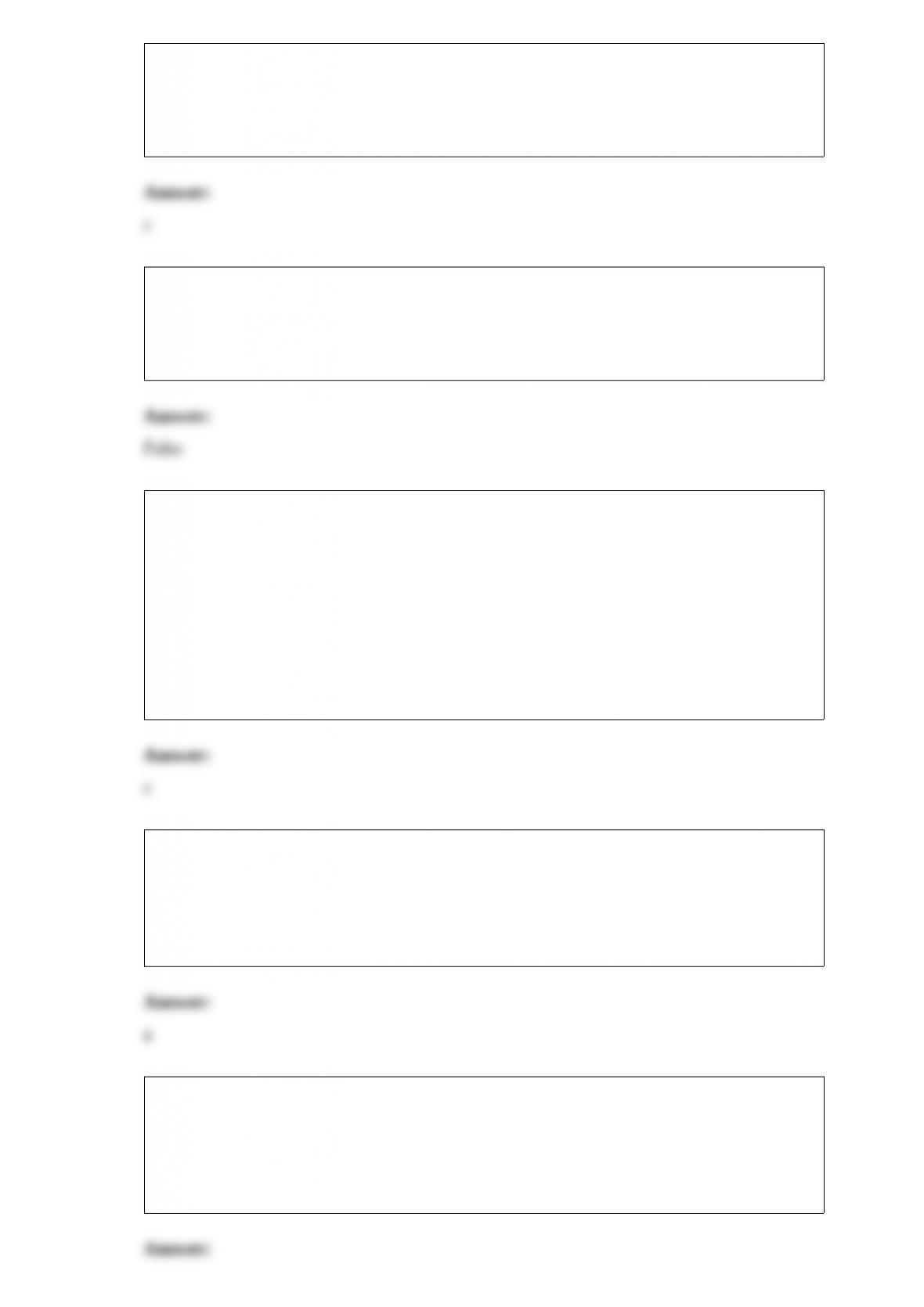
10) Table 15-19
A monopolist faces the following demand curve:
If a monopolist faces a constant marginal cost of $1, how much output should the firm
produce in order to equate marginal revenue with marginal cost?
a.3 units
b.4 units
c.5 units
d.6 units
11) Normative statements describe how the world is, while positive statements
prescribe how the world should be.
a.True
b.False
12) Scenario 18-5
Suppose that workers from northern Minnesota, North Dakota, and Montana decide to
emigrate to southern Canada.
Refer to Scenario 18-5. In the labor market in the northern United States, the
equilibrium wage
a.and the equilibrium quantity of labor will rise.
b.and the equilibrium quantity of labor will fall.
c.will rise, and the equilibrium quantity of labor will fall.
d.will fall, and the equilibrium quantity of labor will rise.
13) If an externality is present in a market, economic efficiency may be enhanced by
a.government intervention.
b.a decrease in foreign competition.
c.fewer market participants.
d.weaker property rights.
14) The Mikati Philippines Hard Rock Cafe has the exact same menu as the Hard Rock
Cafe in New York. This is an example of a brand name enhancing market efficiency for
U.S. tourists visiting the Philippines.
a.True
b.False
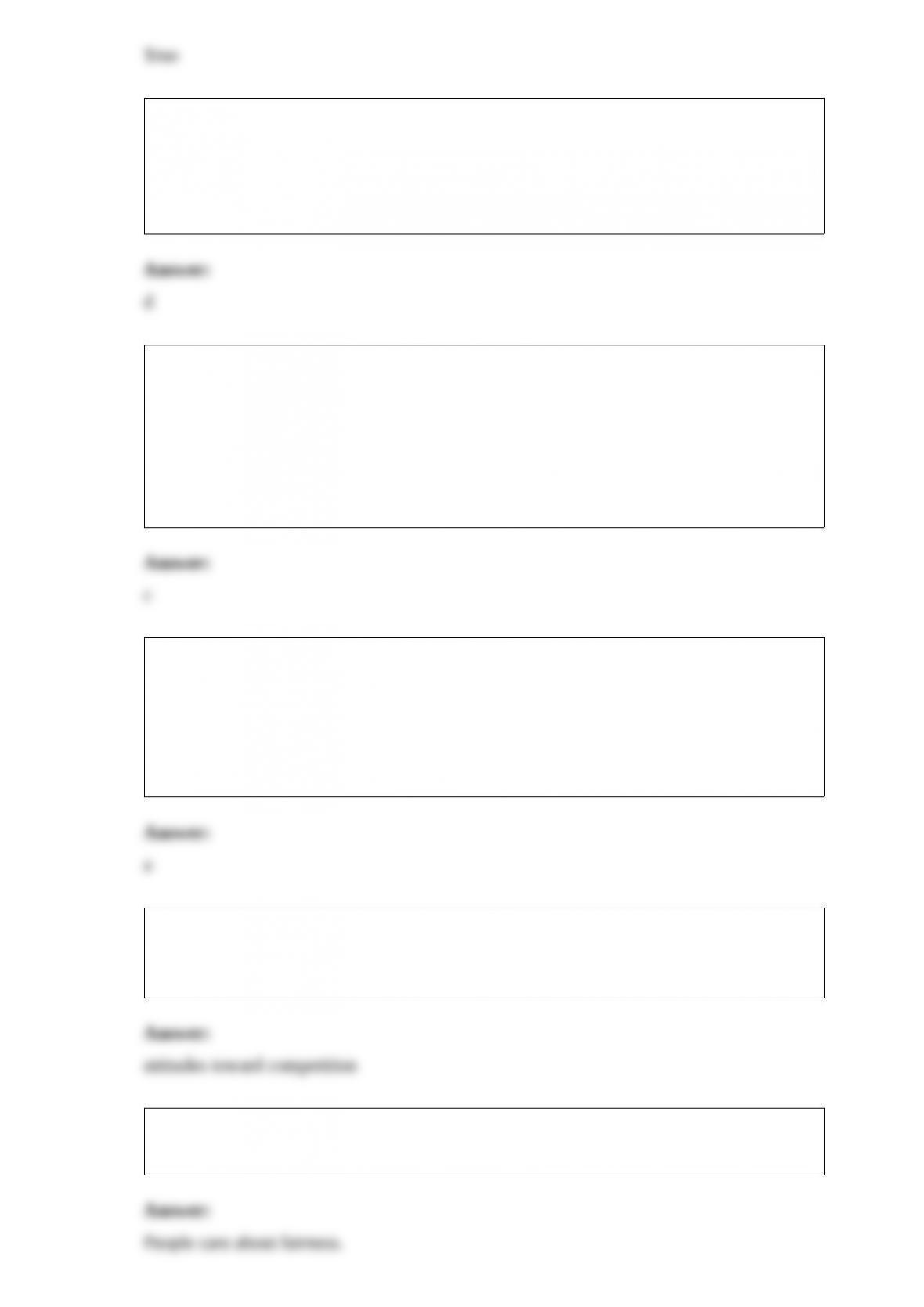
15) If the for a good is 4, then a 12 percent decrease in price results in a
a.0.33 percent increase in the quantity demanded.
b.3 percent increase in the quantity demanded.
c.30 percent increase in the quantity demanded.
d.48 percent increase in the quantity demanded.
16) When Stanley has an income of $1,000, he consumes 30 units of good A and 50
units of good B. After Stanley’s income increases to $1,500, he consumes 60 units of
good A and 45 units of good B. Which of the following statements is correct?
a.Both goods A and B are normal goods.
b.Both goods A and B are inferior goods.
c.Good A is a normal good, and good B is an inferior good.
d.Good A is an inferior good, and good B is a normal good.
17) Suppose roses are currently selling for $20 per dozen, but the equilibrium price of
roses is $30 per dozen. We would expect a
a.shortage to exist and the market price of roses to increase.
b.shortage to exist and the market price of roses to decrease.
c.surplus to exist and the market price of roses to increase.
d.surplus to exist and the market price of roses to decrease.
18) Economists typically explain occupational differences between men and women
through preferences, ability, and discrimination. What additional factor did economists
Muriel Niederle and Lise Vesterlund add to this list?
19) What insight into human behavior do economist learn from observing people
playing the ultimatum game?
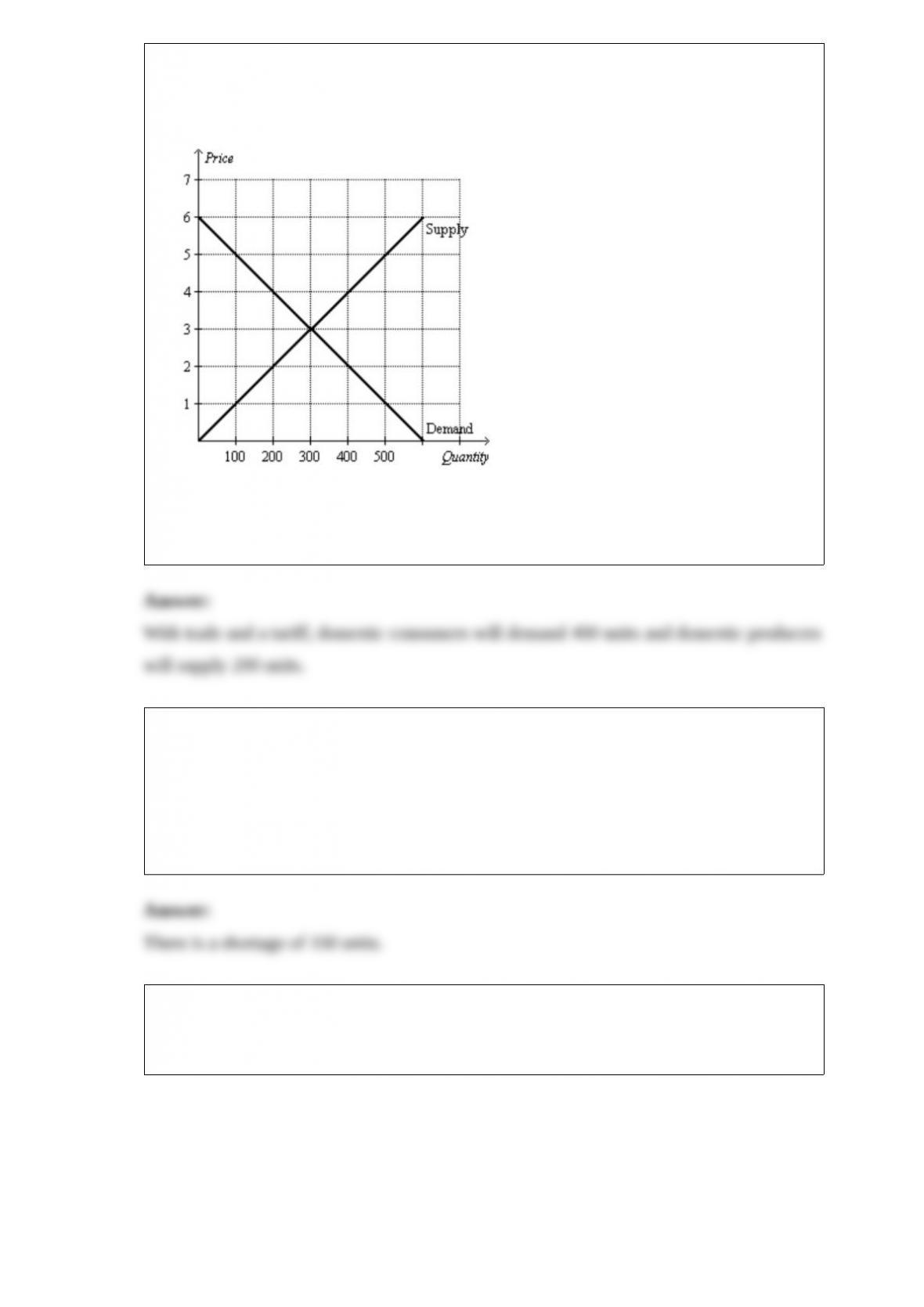
20) Figure 9-29
The following diagram shows the domestic demand and domestic supply curves in a
market. Assume that the world price in this market is $1 per unit.
Suppose the country imposes a $1 per unit tariff. If the country allows trade with a
tariff, how many units will domestic consumers demand and how many units will
domestic producers supply?
21) Suppose the demand schedule in a market can be represented by the equation
QD=500-10P, where QD is the quantity demanded and is the price. Also, suppose the
supply schedule can be
represented by the equation QS=200+10P, where QS is the quantity supplied.
Suppose the price is currently equal to 10 in this market. Is there a shortage or surplus
in this market, and how large is the shortage/surplus?
22) Figure 9-27
The following diagram shows the domestic demand and supply curves in a market.
Assume that the world price in this market is $20 per unit.
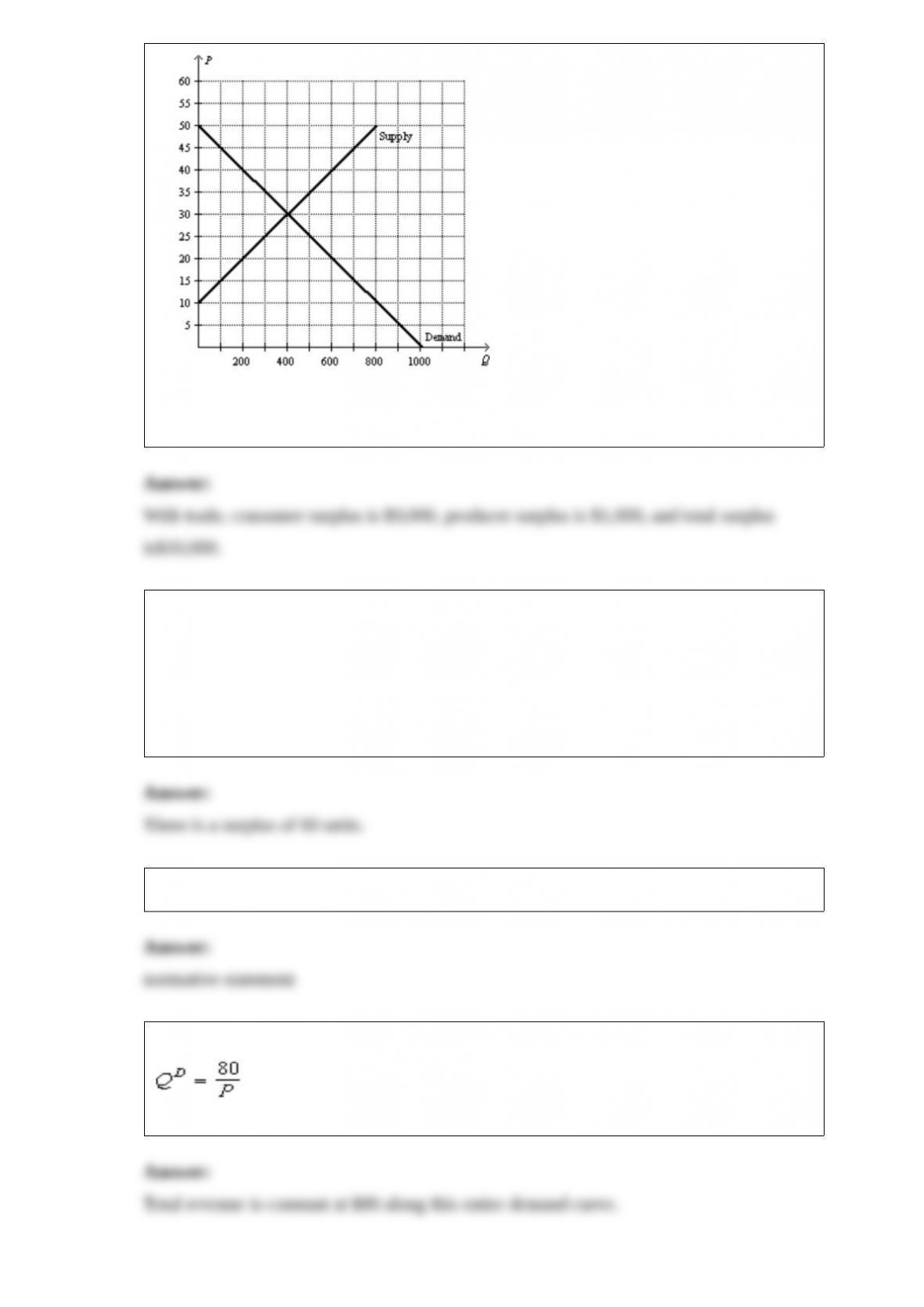
If the country allows free trade, how much are consumer surplus, producer surplus, and
total surplus with trade?
23) Suppose the demand schedule in a market can be represented by the equation
QD=500-10P, where QD is the quantity demanded and is the price. Also, suppose the
supply schedule can be
represented by the equation QS=200+10P, where QS is the quantity supplied.
Suppose the price is currently equal to 18 in this market. Is there a shortage or surplus
in this market, and how large is the shortage/surplus?
24) What type of statement is a prescriptive statement about how the world ought to be?
25) Suppose demand is given by the equation:
At what point along this demand curve will total revenue be maximized?