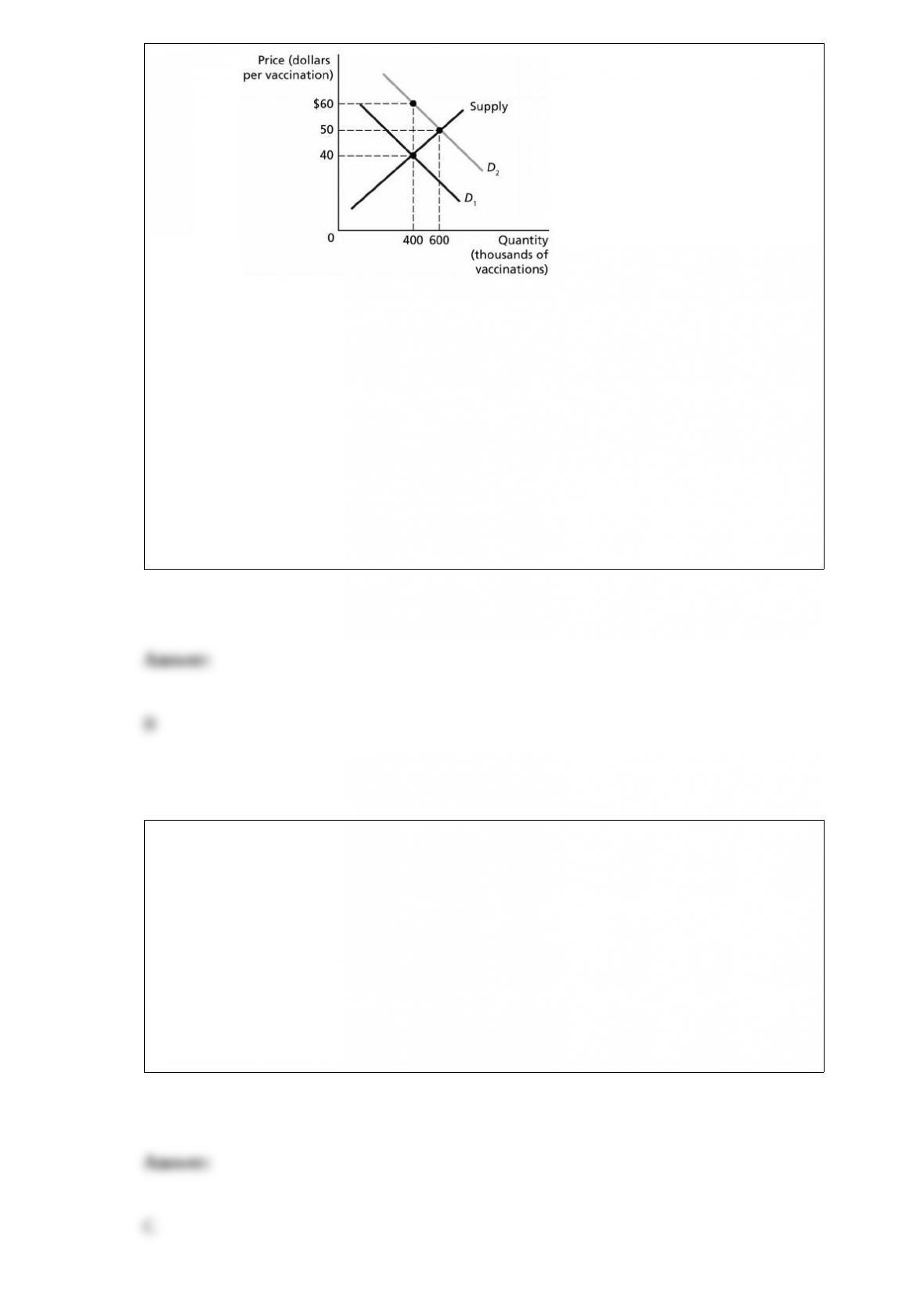
Figure 7-2 Figure 7-2 represents the market
for vaccinations. Vaccinations are considered a benefit to society, and the figure shows
both the marginal private benefit and the marginal social benefit from vaccinations.
The efficient equilibrium price is
A) $60.
B) $50.
C) $40.
D) <$40.
Workers and firms both expect that prices will be 3% higher next year than they are this
year. As a result,
A) workers will be willing to take lower wages next year.
B) the purchasing power of wages will rise if wages increase by 3%.
C) the short-run aggregate supply curve will shift to the left as wages increase.
D) aggregate demand will increase by 3%.

Opera Estate Girls’ School is considering increasing its tuition to raise revenue. If the
school believes that raising tuition will increase revenue,
A) it is assuming that the demand for attending the school is inelastic.
B) it is assuming that the demand for attending the school is elastic.
C) it is assuming that the demand for attending the school is unit-elastic.
D) it is assuming that the demand for attending the school is perfectly elastic.
How much is a bond that pays $20 in coupon payments for 4 years and $1,000 at the
end of the fourth year worth if the interest rate is 5%?
A) $822.70
B) $893.62
C) $1,070.92
D) $1,080
An increase in the demand for Treasury bills will
A) increase the price of Treasury bills.
B) increase the interest rate on Treasury bills.
C) increase the opportunity cost of holding money vs. Treasury bills.
D) eventually cause households to hold less money.
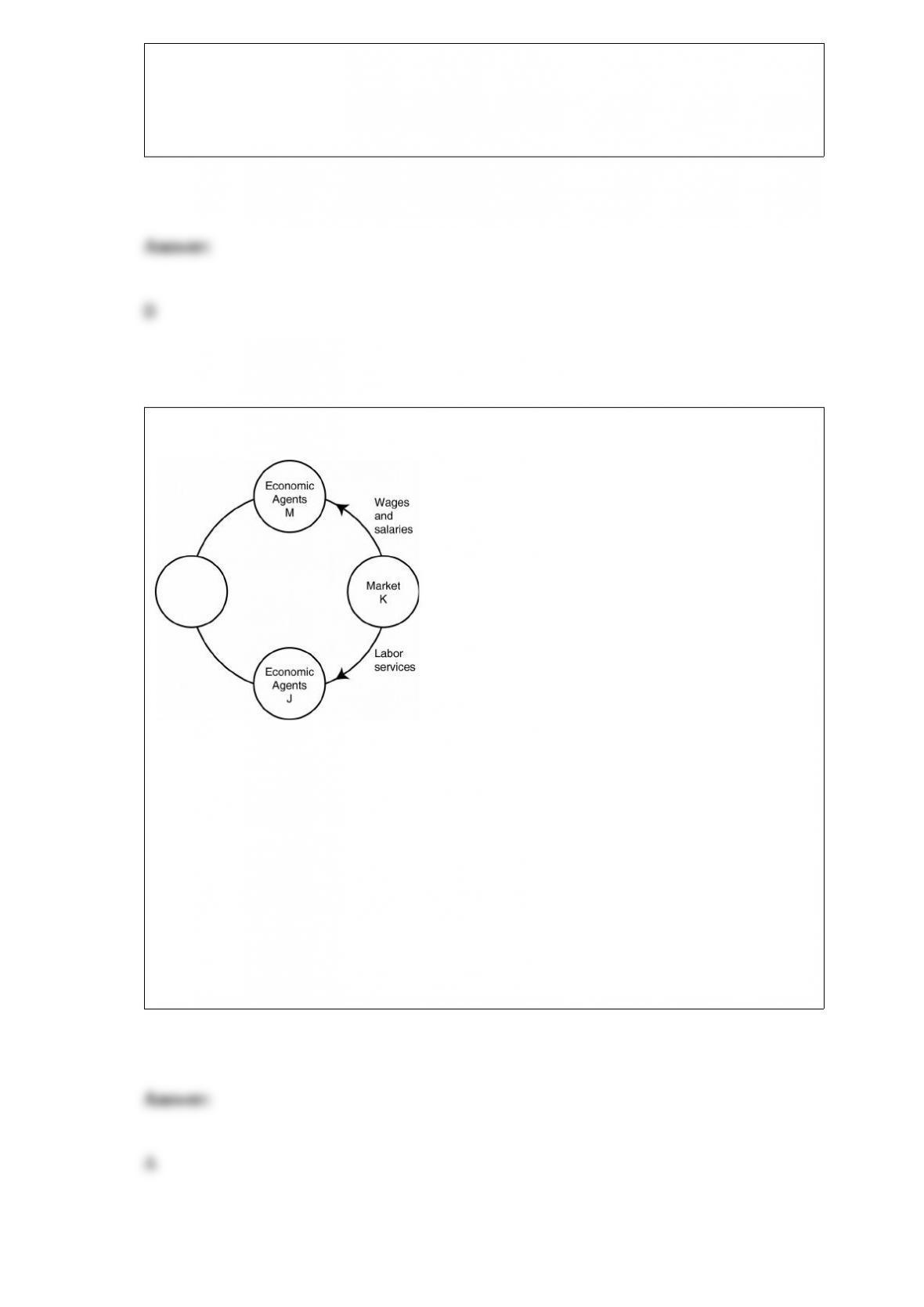
Figure 2-11
One segment of the circular flow diagram in the figure shows the flow of wages and
salaries from market K to economic agents M. What is market K and who are economic
agents M?
A) K = factor markets; M = households
B) K = product markets; M = households
C) K = factor markets; M = firms
D) K = product markets; M = firms

What is investment in a closed economy if you have the following economic data?
Y = $10 trillion
C = $5 trillion
TR = $2 trillion
G = $2 trillion A) $2 trillion
B) $3 trillion
C) $5 trillion
D) cannot be determined without information on taxes (T)
In 1930, the U.S. government attempted to help domestic firms that were harmed by the
Great Depression by passing the Smoot-Hawley Tariff. In response to this tariff, other
countries ________ and international trade ________.
A) lowered their tariffs; thrived
B) raised their tariffs; collapsed
C) eliminated tariffs; began to grow outside of the United States
D) doubled their tariffs; became unrestricted
Figure 16-7
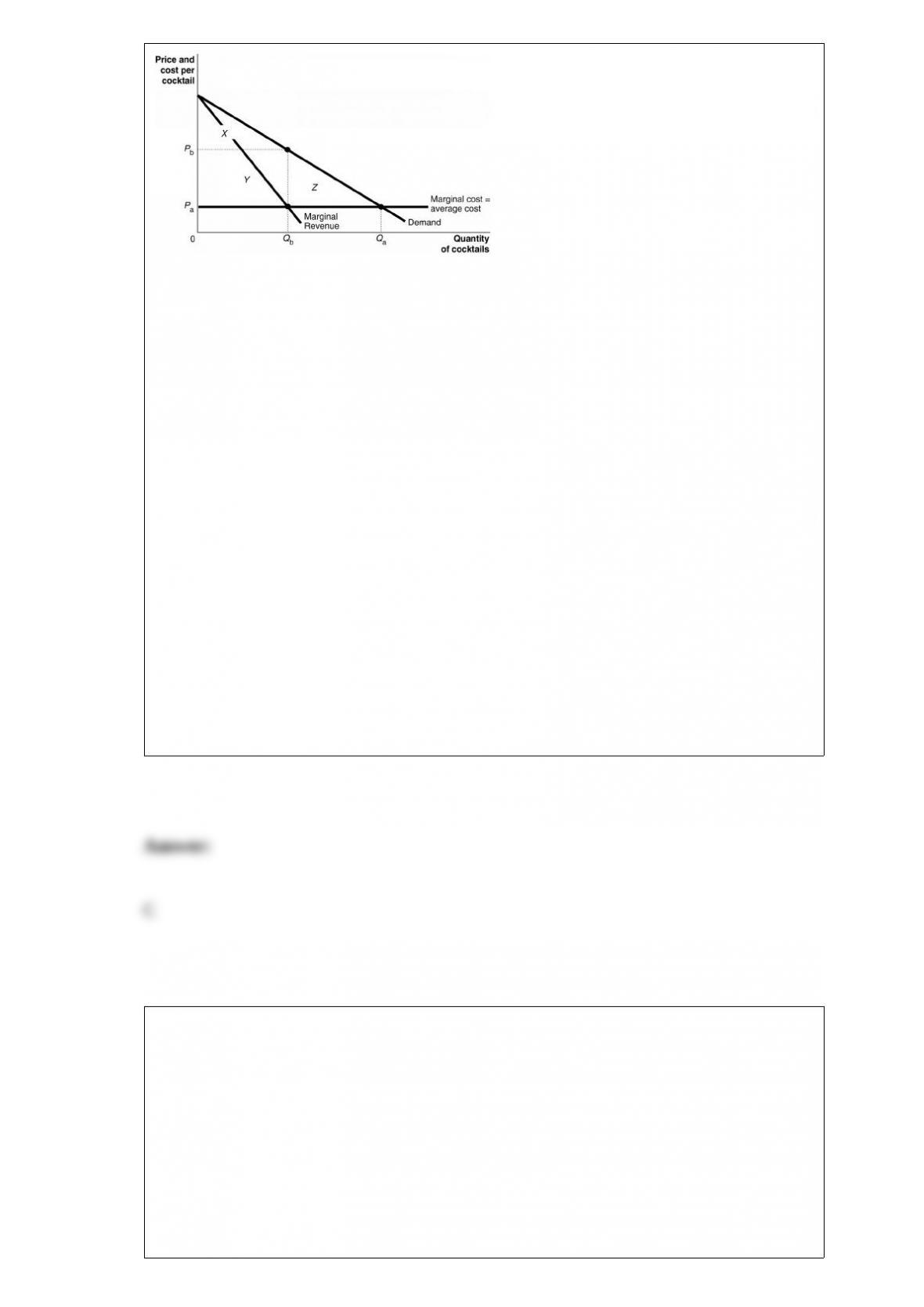
The Lizard Lounge is well known for its
exotic cocktails. Figure 16-7 shows its estimated demand curve for cocktails. The
owners of the Lizard Lounge are considering the following four pricing options:
a. A single price scheme where the cocktail price equals the monopoly price.
b. A single price scheme where the cocktail price equals the competitive price.
c. A two-part tariff: a monopoly cocktail price and a cover charge that will generate
total revenue equal to the area X.
d. A two-part tariff: a competitive cocktail price and whatever cover charge that will
generate a total revenue equivalent to the area X + Y + Z. Which pricing scheme(s)
achieve the economically efficient outcome?
A) schemes a and c
B) scheme b
C) schemes b and d
D) scheme d only
The passage of the Smoot-Hawley Tariff in 1930 sparked a trade war that caused net
exports to ________ and real GDP to ________.
A) increase; increase
B) decrease; increase
C) increase; decrease
D) decrease; decrease
The Federal Reserve plays a larger role than Congress and the president in stabilizing
the economy because
A) the Federal Reserve can more quickly change monetary policy than the president
and the Congress can change fiscal policy.
B) the Federal Reserve can immediately recognize when real GDP is below or above
potential GDP.
C) changes in interest rates have a considerably larger effect on the economy than
changes in government purchases or taxes.
D) changes in interest rates have their full effect on the economy in a short period of
time, whereas changes in government spending and taxes have their full effect over a
long period of time.
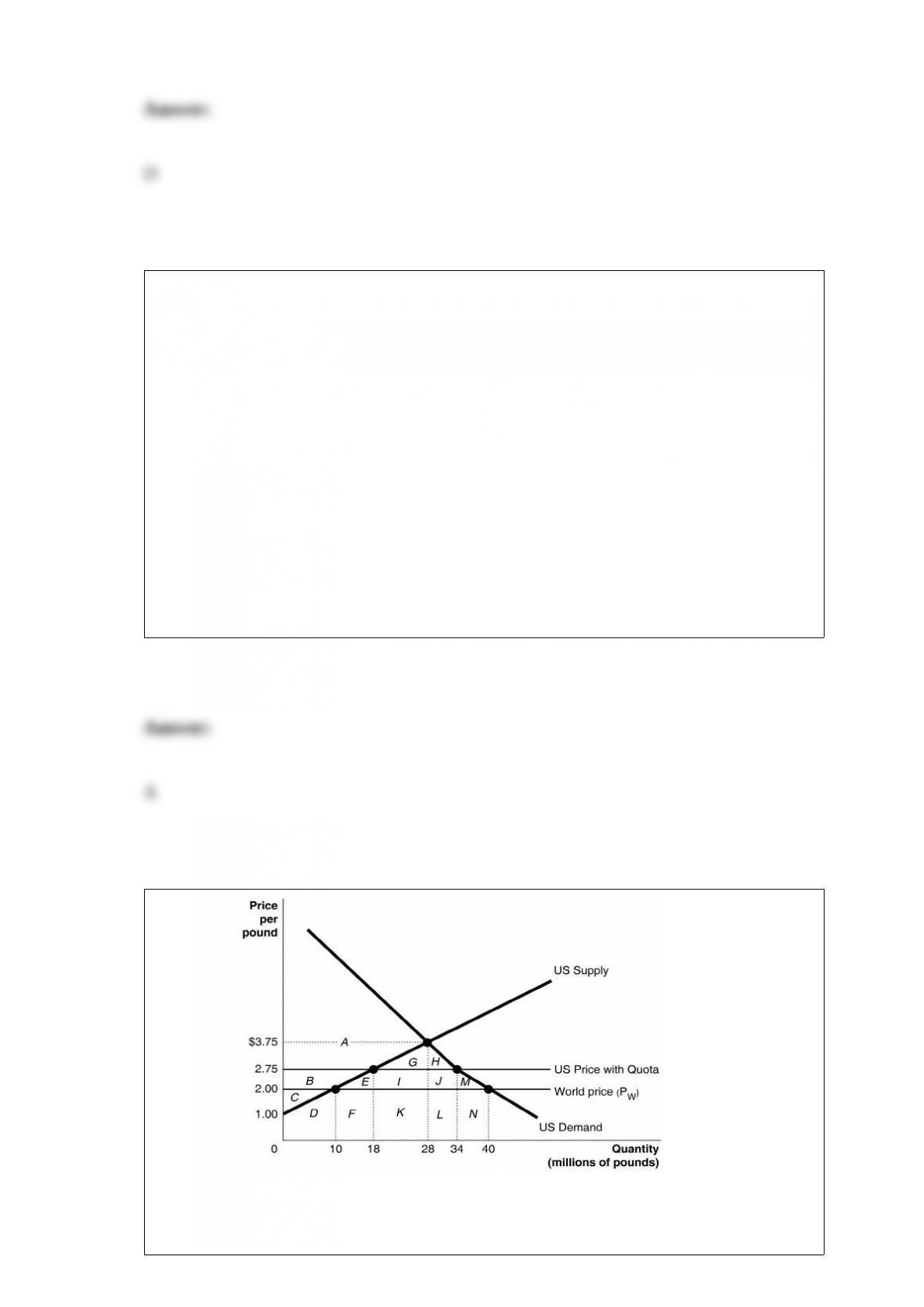
Figure 9-3 Since 1953 the
United States has imposed a quota to limit the imports of peanuts. Figure 9-3 illustrates
the impact of the quota. What is the value of revenue to foreign producers who are
granted permission to sell in the U.S. market when there is a quota?

A) $12 million
B) $17.25 million
C) $20 million
D) $44 million
Book publishers often use a cost-plus pricing strategy. One reason for this is
A) most publishers do not hire economists who can determine the number of books they
must sell to equate marginal cost and marginal revenue.
B) publishers do not want to incur the expense of determining the profit-maximizing
strategy. They prefer cost-plus pricing because of its lower cost.
C) much of the cost of publishing textbooks is difficult to assign to any particular book.
D) bookstores, not publishers, ultimately determine how many books will be produced.