A U.S. citizen’s gift for famine relief in Somalia would be considered a:
a. capital inflow. c. current account transaction.
b. capital outflow. d. service trade transaction.
A monopoly is:
a. a seller of a highly advertised and differentiated product in a market with low barriers
to entry in the long run.
b. the only seller of a good for which there are no good substitutes in a market with high
barriers to entry.
c. the only buyer of a unique raw material.
d. the producer of a product subsidized by the government.
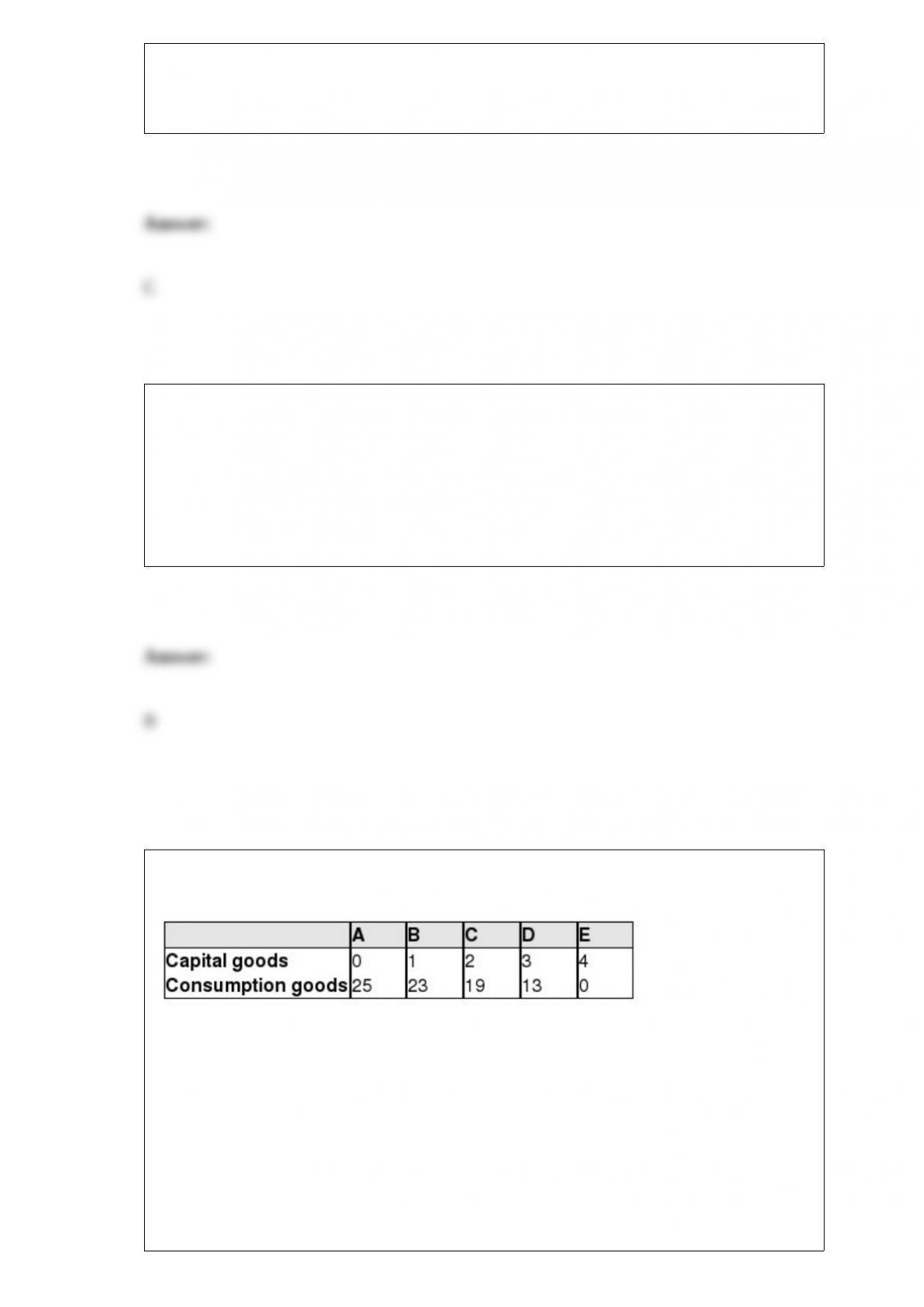
Exhibit 2-10 Production possibilities curve data
Suppose an economy is faced with the production possibilities table shown in Exhibit
2-10. The first unit of capital goods will cost the economy ____ units of consumption
goods.
a. 25
b. 2
c. 1

d. 23
e. 11
If a monopsony finds that its MRP is greater than its MFC, it:
a. is doing the right thing to maximize profits.
b. should hire fewer workers to increase profits.
c. should hire more workers to increase profits.
d. should pay the workers a lower wage.
e. should produce less output.
What term do economists use to refer to the satisfaction that an individual expects to
receive from consuming a good or service?
a. Utility.
b. Response.
c. Usability.
d. Demand.
e. Desirable.
Following the principle of comparative advantage, specialization:
a. permits greater levels of total production than would be attained without it.
b. increases the dependency of countries on trade.
c. both of the above.
d. neither of the above.
Variable inputs are defined as any resource that:
a. varies with the size of the firm’s plant.
b. cannot be changed as output changes.
c. can be changed as output changes.
d. can be increased or decreased hourly.
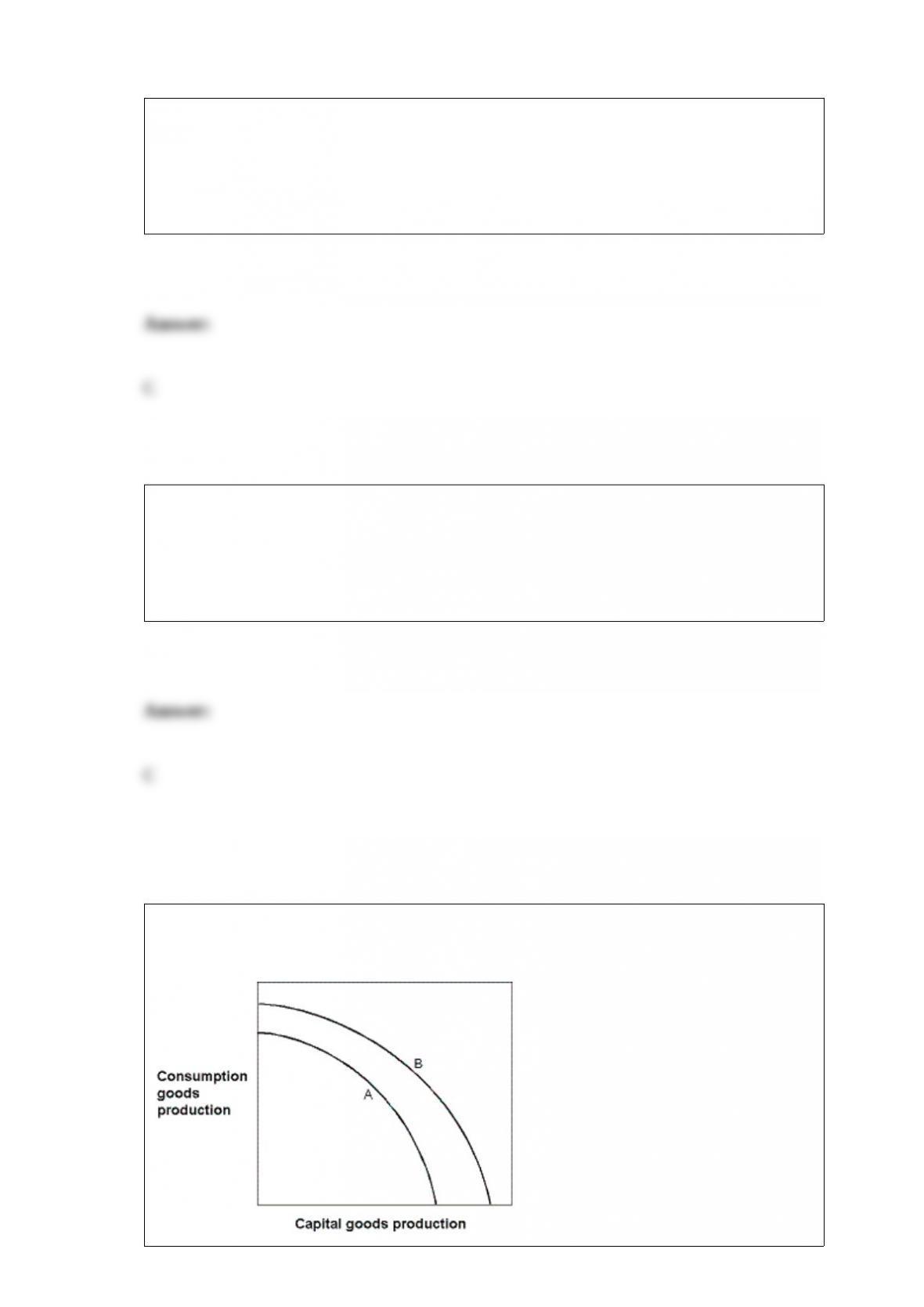
Exhibit 2-11 Production possibilities curves

In Exhibit 2-11, which of the following could have caused the production possibilities
curve to shift from the one labeled B to the one labeled A?
a. A major natural disaster.
b. An increase in resources.
c. An advance in technology.
d. A decrease in unemployment.
e. An improvement in literacy.
According to the law of supply, there is a direct relationship between quantity supplied
and:
a. the number of sellers. c. technology.
b. costs of resources. d. the price of the good.
Only at the point of consumer equilibrium does the marginal rate of substitution (MRS)
equal the:
a. slope of the budget line.
b. slope of the indifference curve.
c. price ratio.
d. all of these.

Which of the following will become smaller and smaller as the firm expands output?
a. average total cost.
b. average fixed cost .
c. marginal cost.
d. total fixed cost.
If real GDP is increasing more rapidly than population:
a. population must be declining.
b. the country will have to export more than it imports.
c. the general level of prices must be increasing.
d. per capita real GDP will be increasing.
The principal objective of WTO is to:
a. reduce the level of all tariffs.
b. establish fair prices for all goods traded internationally.
c. prevent the trading of services across nations’ borders.

d. encourage countries to establish quotas.
In long-run equilibrium, the perfectly competitive firm sets its price equal to which of
the following?
a. Short-run average total cost.
b. Short-run marginal cost.
c. Long-run average cost.
d. All of these.
A shift in a curve represents a change in:
a. the variable on the horizontal axis.
b. the variable on the vertical axis.
c. a third variable that is not on either axis.
d. any variable that is relevant to the relationship being graphed.
When a total output curve is falling, its corresponding marginal product curve is:

a. vertical.
b. horizontal.
c. rising.
d. falling.
Which of the following is the environmental approach found in the Clean Air Act of
1990?
a. Marketable pollution permits. c. Command-and-control regulation.
b. Price caps. d. EPA marginal social permits.
If more and better technology is used for producing wheat in the United States than in a
lesser-developed country, then the:
a. MRP of the U.S. workers will be higher than the MRP of the workers in the
lesser-developed country.
b. MRP of the U.S. workers will be lower than the MRP of the workers in the
lesser-developed country.
c. demand for the U.S. workers will be lower than the demand for the workers in the
lesser developed country.
d. price of wheat will be higher in the United States than in the lesser-developed
country.
e. wages of the U.S. workers will be lower than the wages of the workers in the
lesser-developed country.

During the short-run period of the production process, a firm will be:
a. unable to vary any of its factors of production.
b. able to vary some of its factors of production.
c. able to vary all of its factors of production.
d. able to vary the size of its plant.
A decrease in the supply of dollars to holders of Mexican pesos would cause the:
a. equilibrium quantity of dollars to decrease.
b. equilibrium quantity of dollars to increase.
c. equilibrium quantity to remain unchanged.
d. all of these.
Which of the following is not a market failure?
a. A lack of competition in some markets.
b. Prices determined in competitive markets, which consumers, as individuals, have no
control over.
c. The presence of externalities in some markets.

d. A lack of public goods desired by a majority of citizens.
e. Income inequality.