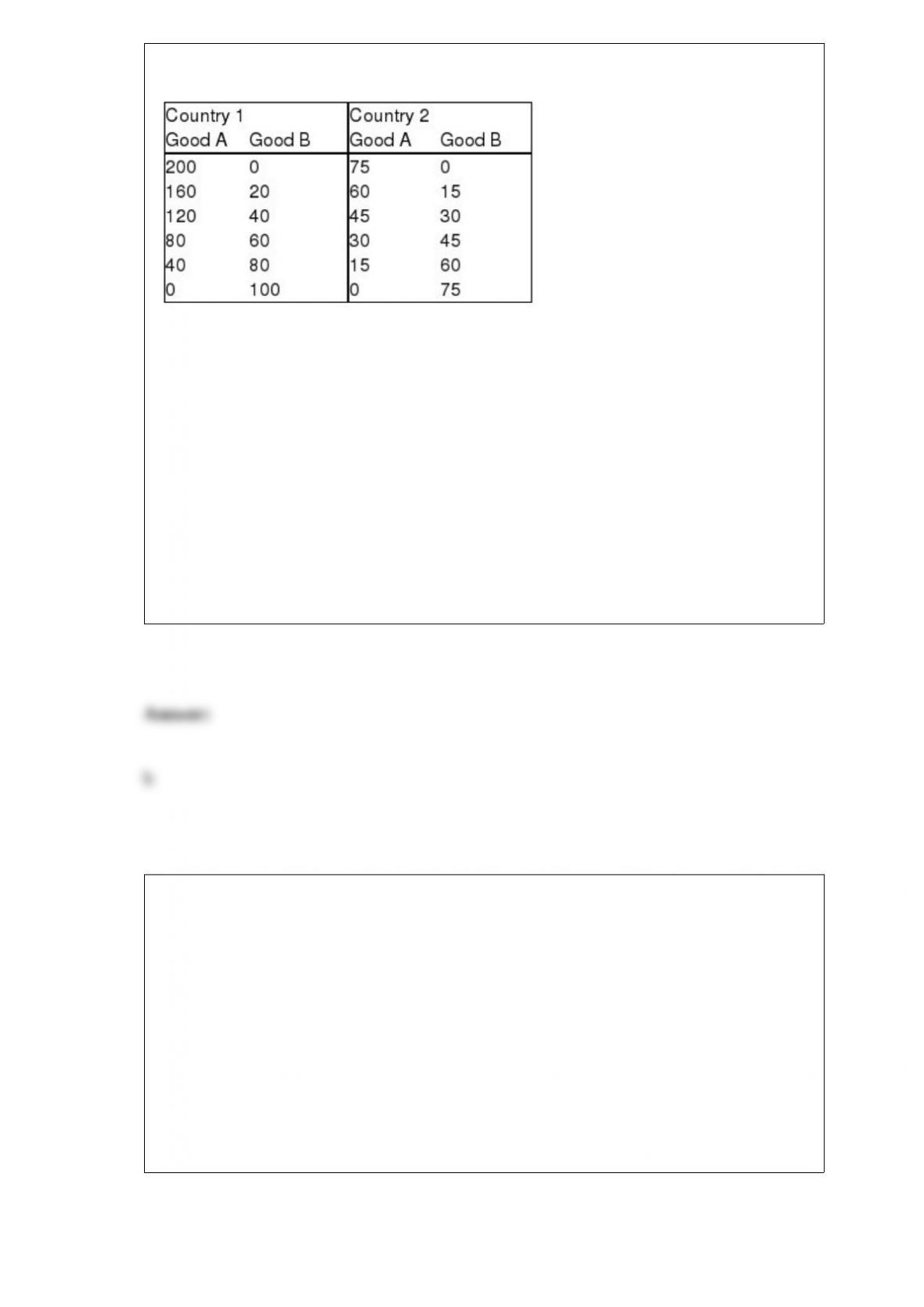
Exhibit 34-4
The opportunity cost of one unit of good B is __________ for country 1 and
__________ for country 2.
a. 20A; 15A
b. 2A; 1A
c. 40A; 15A
d. 1/2A; 1A
e. 1/40A; 1/15B
If the current market price of good Z is below the equilibrium price of good Z
a. it must be because the government has imposed a price ceiling in the market for good
Z.
b. there is a shortage of good Z.
c. there is a surplus of good Z.
d. demand must necessarily decrease to restore equilibrium.
e. a and b

In the prisoner’s dilemma, both prisoners end up __________, which turns out to be
__________ confessed.
a. confessing; better for them than if they had both not
b. confessing; worse for them than if they had both not
c. not confessing; better for them than if they had both
d. not confessing; worse for them than if they had both
The change in total cost that results from a change in output is __________ cost.
a. average fixed
b. average variable
c. average total
d. marginal
Exhibit 24-6
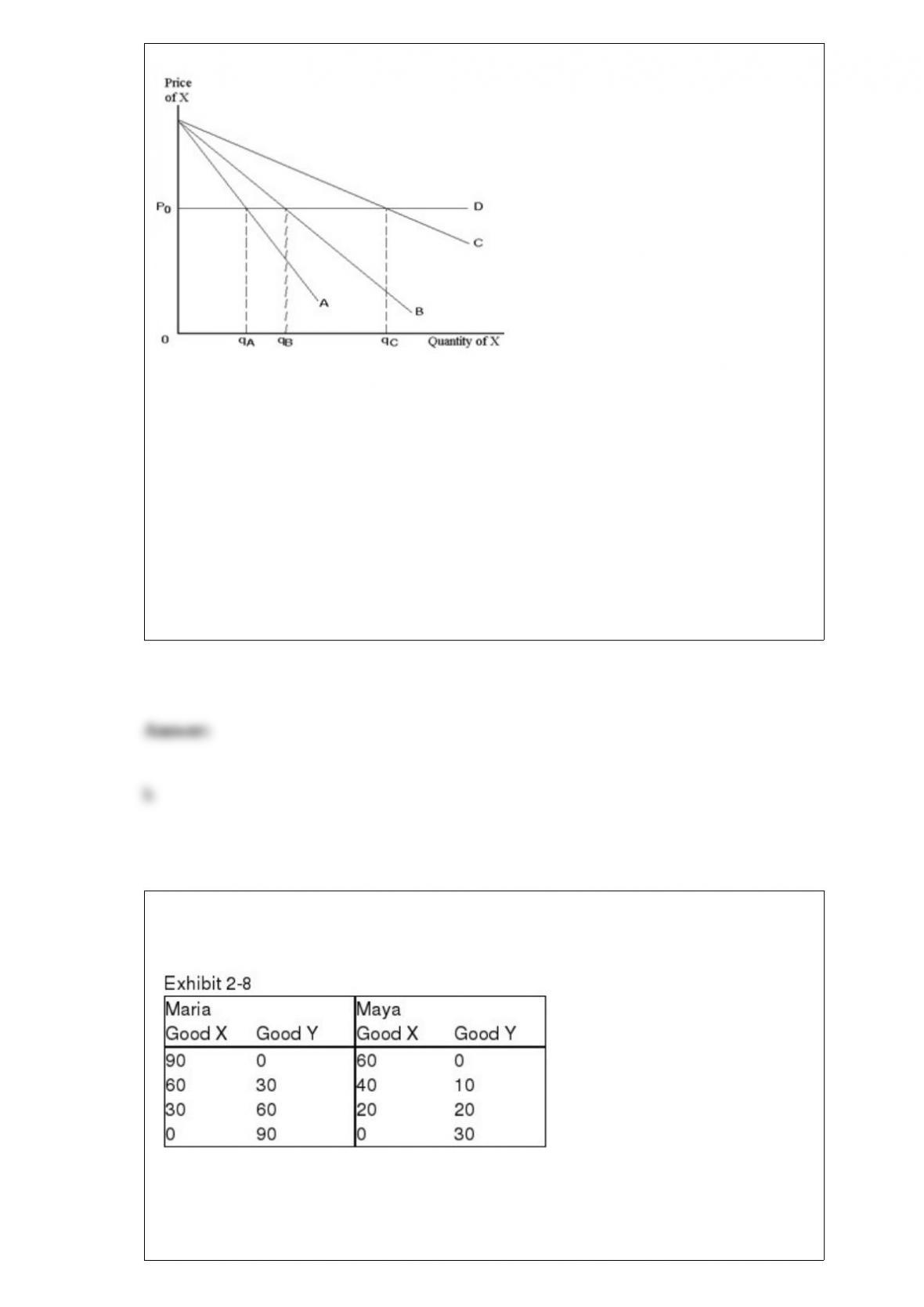
Let C be the demand curve facing a perfectly price-discriminating monopolist and P0
the price it charges for the last unit of X it sells. The marginal cost of the last unit
a. is less than P0.
b. equals P0.
c. is greater than P0.
d. could be any of the above, depending on the shape of the marginal cost curve.
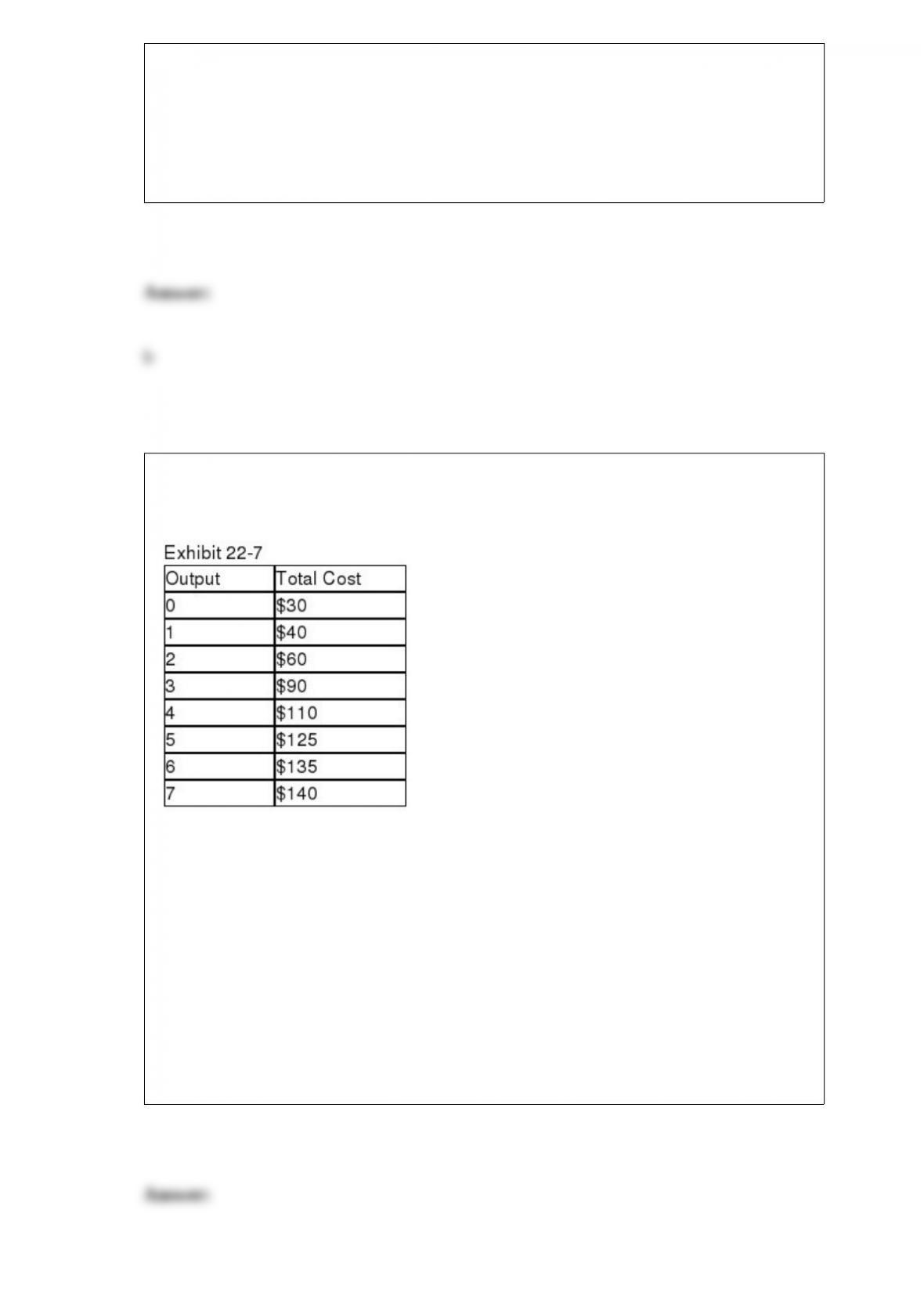
Who has the comparative advantage in the production of good X?
a. Maria
b. Maya
c. Both Maria and Maya
d. Neither Maria nor Maya
The total variable cost of producing 3 units is
a. $31.00.
b. $51.00.
c. $17.00.
d. $60.00.
e. There is not enough information to answer this question.
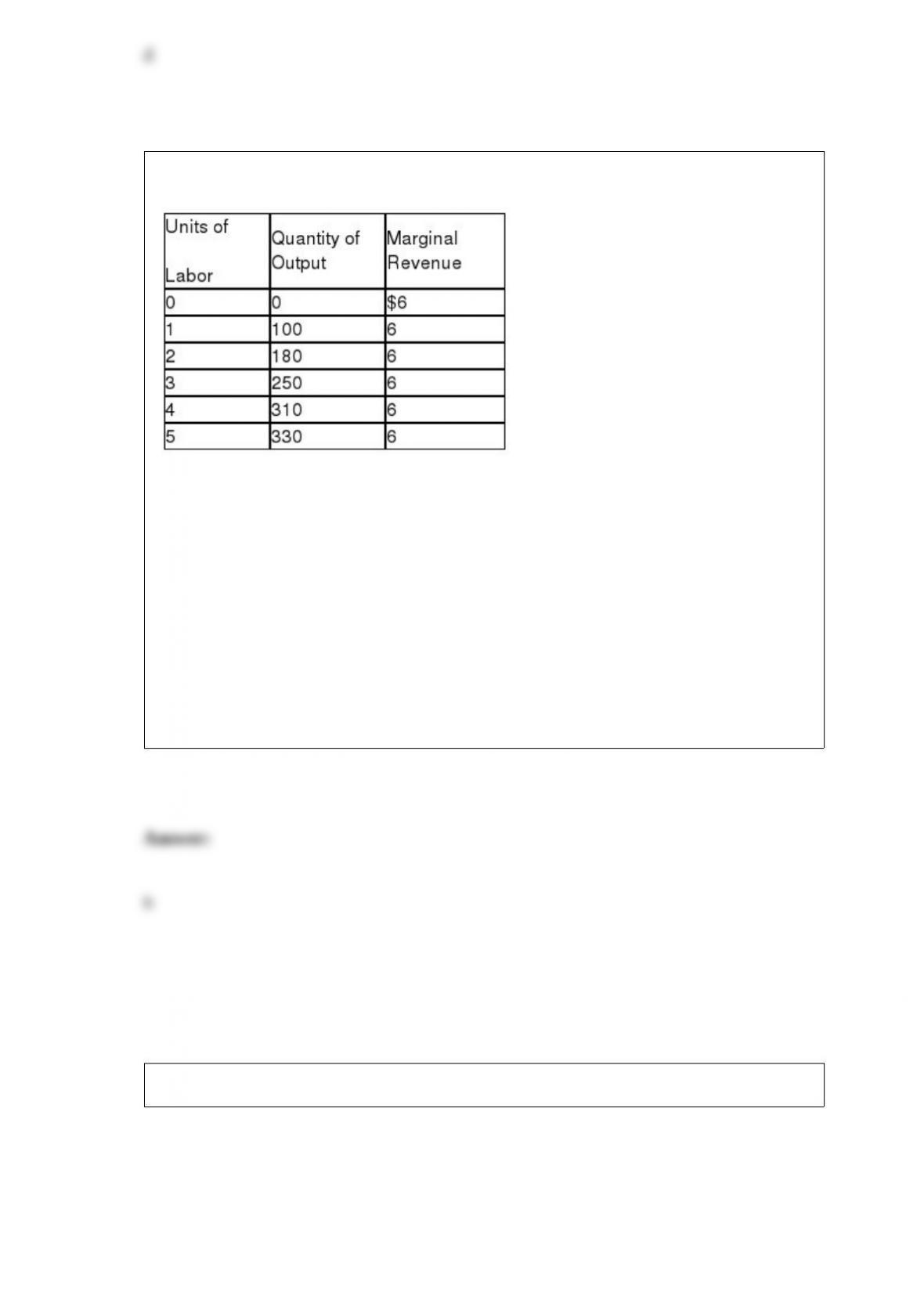
Exhibit 27-5
The value of marginal product (VMP) of the third unit of labor equals
a. $70.
b. $420.
c. $300.
d. $700.
e. $105.
Exhibit 4-1
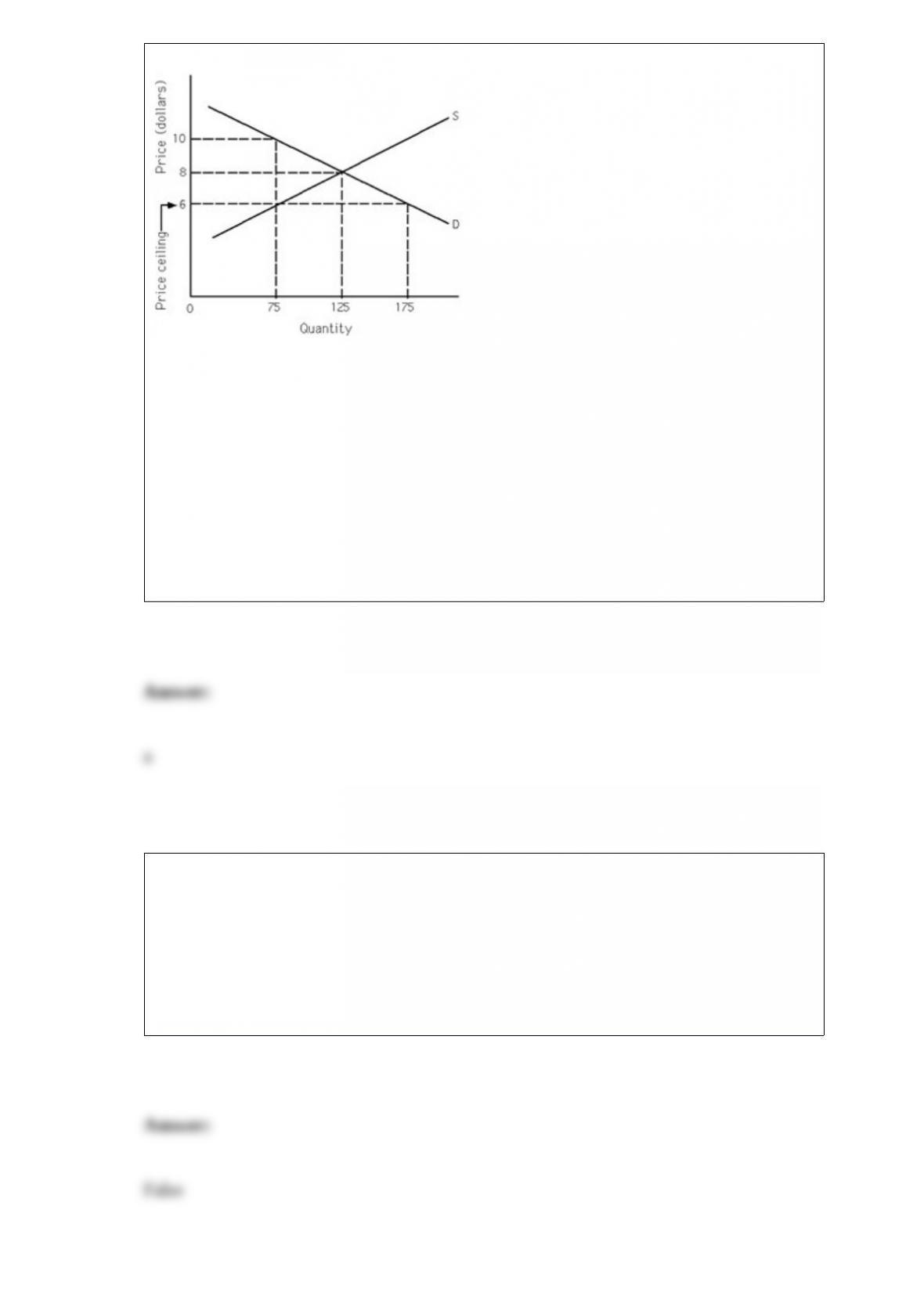
How many fewer units are exchanged because of the price ceiling than would have
been exchanged at the equilibrium price?
a. 50
b. 60
c. 65
d. 100
When a market is in disequilibrium, such as when the quantity supplied of a good is
greater than the quantity demanded of that good, the price of the good will rise, ceteris
paribus.
a. True
b. False

Supply curves are ________________ upward sloping.
a. always
b. usually
c. rarely
d. never