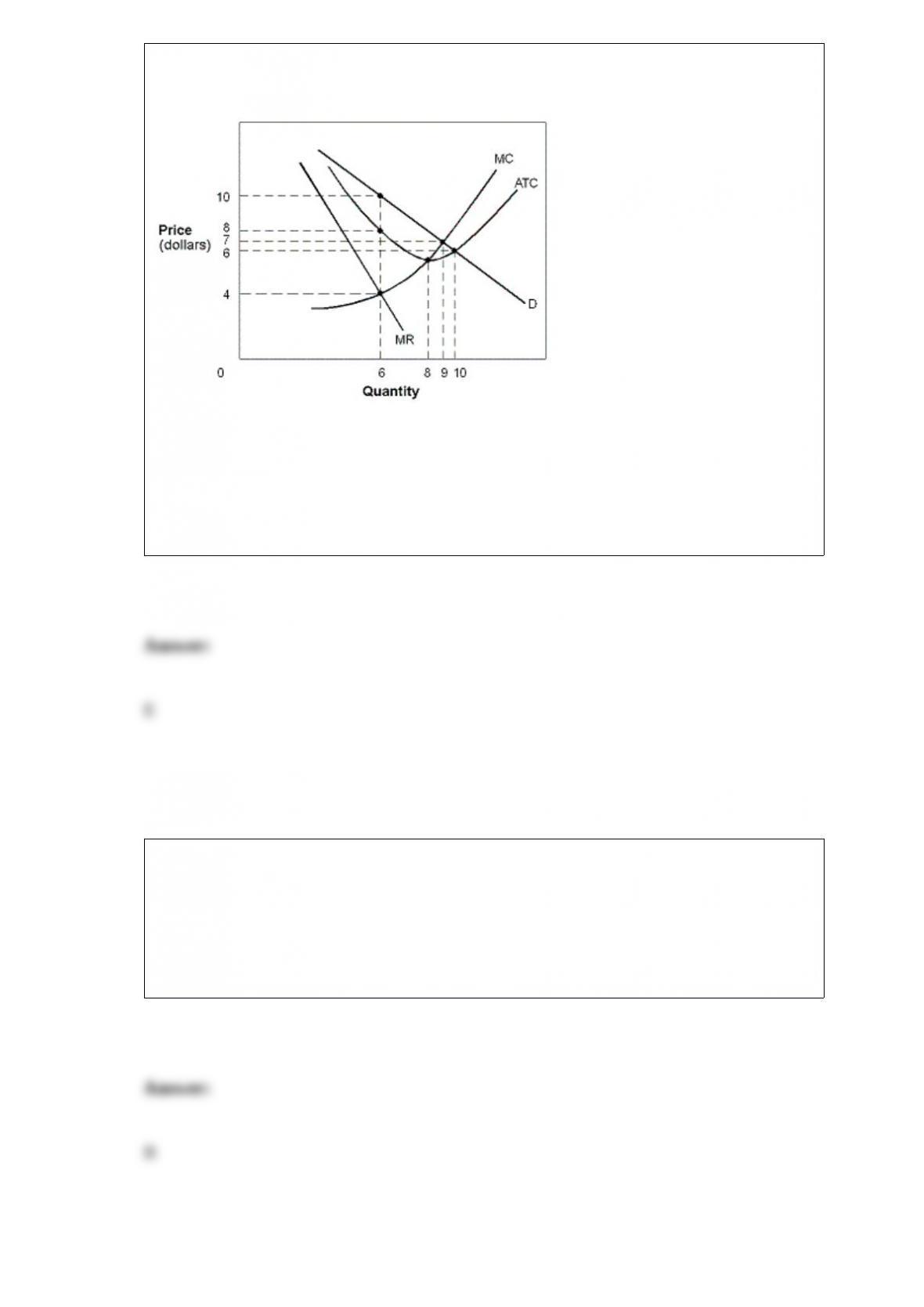
Exhibit 9-6 Monopoly
The monopoly price that maximizes profits in Exhibit 9-6 is:
a. $4.
b. $6.
c. $7.
d. $8.
e. $10.
Assume the total utilities corresponding to the first four units of a product consumed are
8, 12, 14, and 15, respectively. The marginal utility of the second unit consumed is:
a. 0.
b. 4.
c. 12.
d. 20.
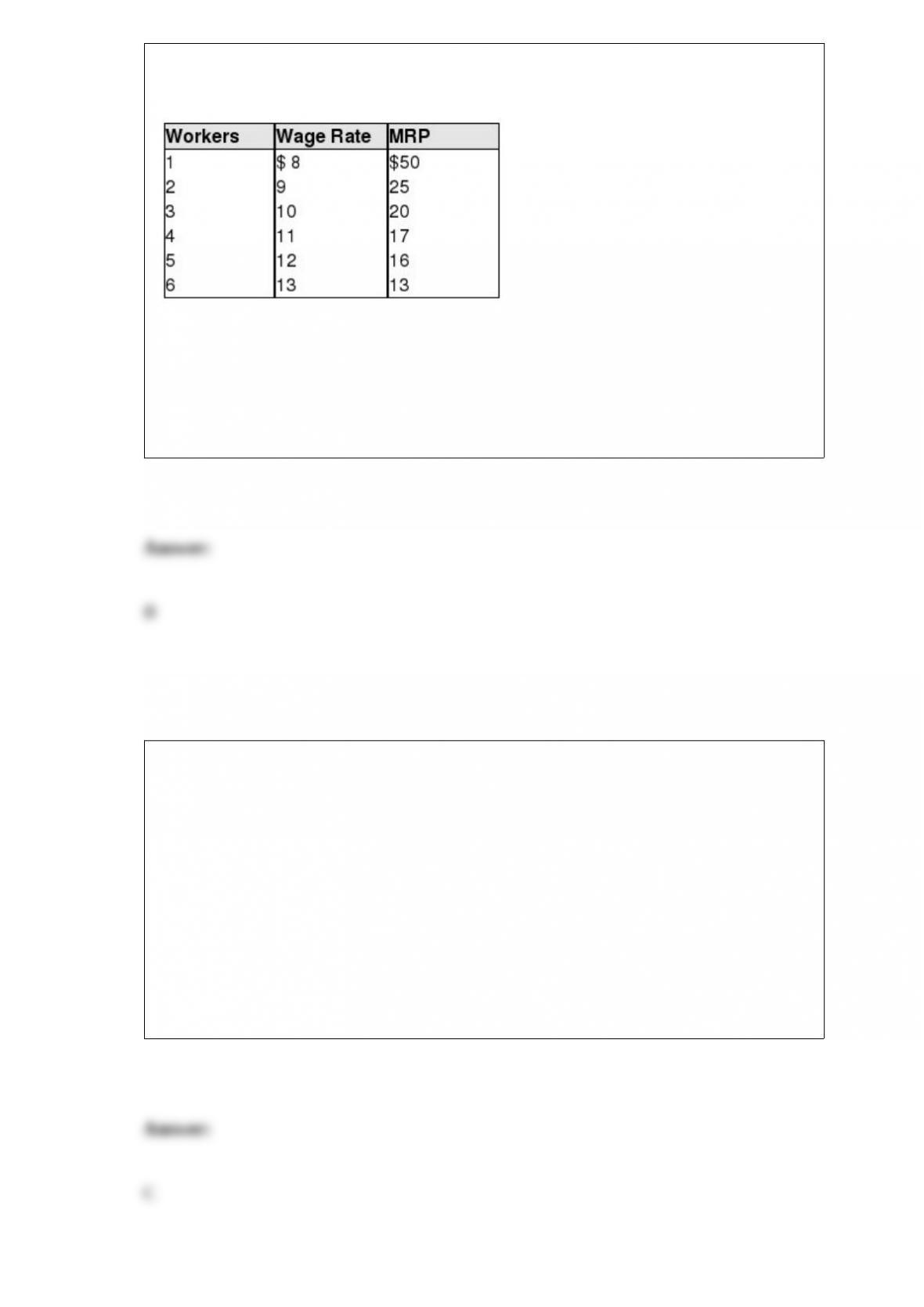
Exhibit 11-13 A monopsonist’s supply and marginal revenue product data
In Exhibit 11-13, how many workers will the monopsonist hire?
a. 4.
b. 5.
c. 3.
d. 6.
e. None.
The nation of Exland is considered a less-developed country and has the following
characteristics. Which one is not typical of a less-developed country?
a. High illiteracy.
b. High unemployment.
c. Rapid growth of technology.
d. Low growth in technology.
e. Rapid population growth.

If an increase in the government-imposed minimum wage pushes the price (wage) of
unskilled labor above market equilibrium, which of the following will most likely occur
in the unskilled labor market?
a. An increase in quantity of unskilled labor demanded.
b. A decrease in the quantity of unskilled labor supplied.
c. A shortage of unskilled labor.
d. A surplus of unskilled labor (unemployment).
Two friends, Diane and Sam, own and run a bar. Diane tends bar on Monday,
Wednesday, and Friday and receives a wage in addition to tips. Sam tends bar on
Tuesday, Thursday, and Saturday and receives only tips. Which of the following
represents an implicit cost of operating the bar?
a. Diane’s wage.
b. Sam’s time.
c. Diane’s tips.
d. Sam’s tips.
e. Both Diane’s and Sam’s tips.
Price floors are instituted because the government wants to:
a. help consumers.
b. help producers.
c. raise tax revenue.
d. prevent imports.
e. increase demand.
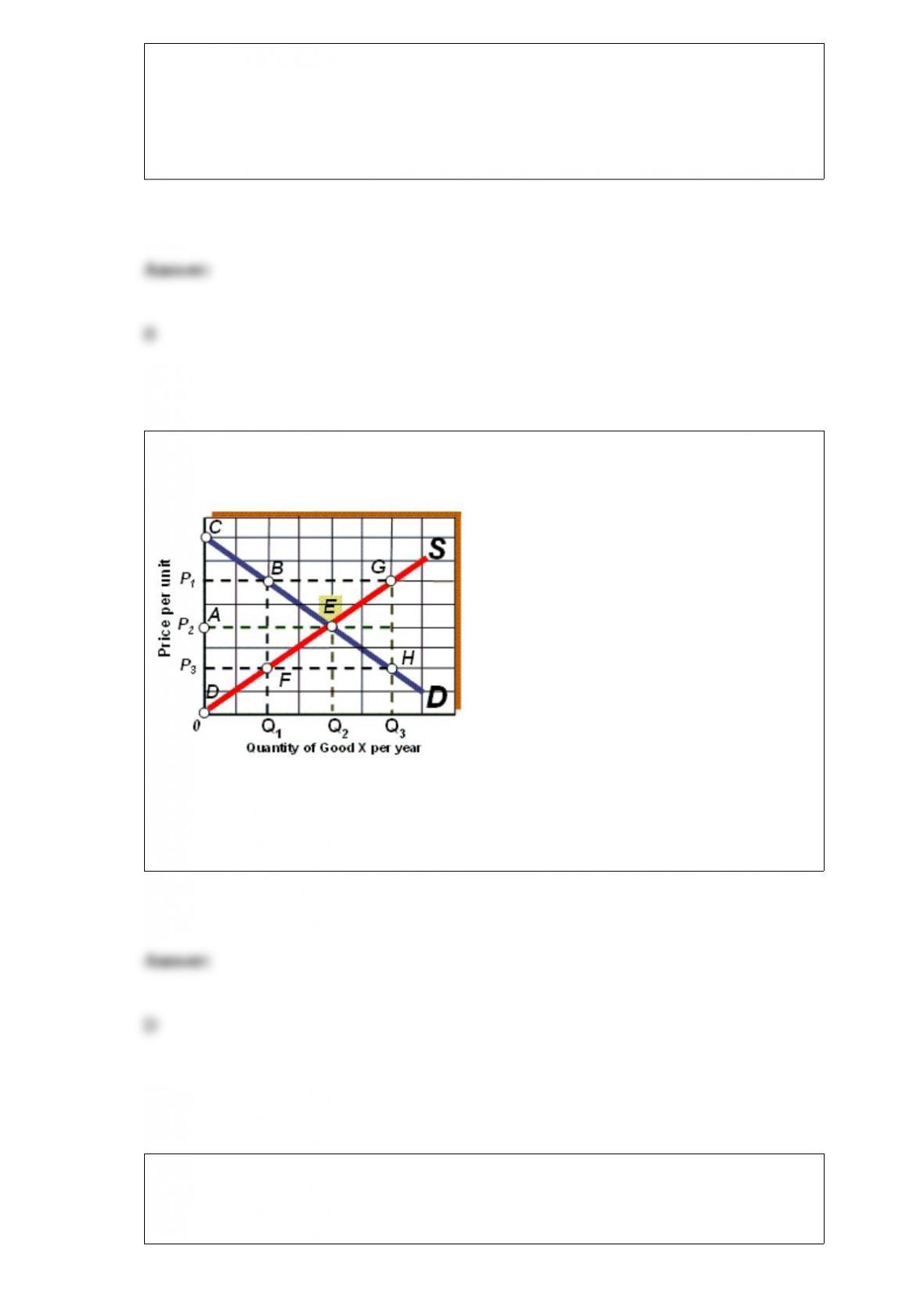
Exhibit 3A-2 Comparison of Market Efficiency and Deadweight Loss
As shown in Exhibit 3A-2, if the quantity supplied of good X per year is Q1, the result
is a deadweight loss represented by area:
a. BEG. c. EGH.
b. CBEFD. d. BEF.
If consumer incomes go up and cars are a normal good, the effect on the demand for
cars ceteris paribus, will be a(n):
a. upward movement along the demand curve for cars.

b. downward movement along the demand curve for cars.
c. rightward shift in the demand curve for cars.
d. leftward shift in the demand curve for cars.
Assume the price of good X increases. As a result, your real income decreases and you
decrease the quantity of good X purchased each month. This is an example of the:
a. income effect.
b. consumer price effect.
c. revenue effect.
d. substitution effect.
e. all of these.
What is the largest possible loss that is consistent with a firm producing in a perfectly
competitive market in long-run competitive equilibrium?
a. An amount equal to (price less average variable cost).
b. An amount equal to total variable.
c. Zero.
d. An amount equal to total fixed cost.

What should a profit maximizing monopolist do if she is currently producing where MC
< MR?
a. Increase output until MC = MR.
b. Decrease output until MC = MR.
c. Shut down in the long run.
d. Keep producing at this level.
e. Operate only in the short run.
Which of the following best describes marginal cost?
a. The change in total cost when one additional unit of output is produced.
b. Total cost divided by the quantity of output produced.
c. Total variable cost divided by the quantity of output produced.
d. Total fixed cost divided by the quantity of output produced.
e. Costs that do not vary as output varies, and that must be paid even if output is zero.
If the price elasticity of demand coefficient equals 2 then:
a. a 7 percent decrease in the price will result in a 14 percent decrease in the quantity
demanded.
b. a price decrease will increase total revenue.
c. the good has an inelastic demand.
d. there is likely few substitutes, a short time period under consideration, or this good
accounts for a relatively small percentage of consumers’ budgets.

Suppose the price of a product is less than its average variable cost. When the firm’s
fixed obligations are completely ended, it will now most likely:
a. make an economic profit.
b. go out of business.
c. expand to a bigger operation.
d. continue to be shut down.
e. break even.
Bill has $10 to spend on a Superman, Batman, or an X-Men T-shirt. Bill buys the
Superman T-shirt and the Batman shirt was a close second choice. What is the
opportunity cost?
a. The amount he spent, $10.
b. Nothing, since he got his preferred choice.
c. The Batman T-shirt.
d. The X-Men T-shirt.

Which of the following is a characteristic of the monopolistic competition market
structure?
a. Many firms and a homogeneous product.
b. Few firms and differentiated products.
c. Few firms and similar products.
d. Few firms and a homogeneous product.
e. Many firms and differentiated products.
An increase in marginal cost that remains within the gap of the marginal revenue curve
of a kinked demand oligopolist will:
a. keep price and output the same.
b. raise price and decrease output.
c. lower price and increase output.
d. raise price and raise output.
e. lower price and lower output.
Which of the following is an example of a negative externality?
a. A Japanese company begins to produce cars, which causes American workers to lose
their jobs.

b. An employee of a chemical company spills acid on his arm, causing severe damage.
c. John plants fruit trees in his front yard, which attracts bees, which sting neighbor
Mary.
d. Sally buys coffee at McDonald’s, spills some on her, and burns her arm.
e. Jack attempts to fix his roof, falls off, and breaks his leg.
The argument that foreign trade should be restricted to protect domestic employment
and output is based on the idea that:
a. consumers are willing to pay higher prices for domestic goods.
b. producers will not exploit reduced foreign competition by charging higher prices.
c. foreign companies are more costly to deal with than domestic companies.
d. sales of imports come at the expense of domestic goods and jobs.
An increase in the wages paid to fishermen will have what effect on the fish market
equilibrium?
a. Price will decrease, and quantity will decrease.
b. Price will increase, and quantity will increase.
c. Price will decrease, and quantity will increase.
d. Price will increase, and quantity will decrease.
e. Price and quantity will stay the same.

If an economy’s population grows at 3 percent and GDP grows at 4 percent, then:
a. per capita real GDP is declining.
b. the economy’s standard of living is decreasing.
c. per capita real GDP is negative.
d. per capita real GDP is growing.
e. the economy is experiencing unemployment.
An increase in the number of producers will:
a. increase the market supply, because the price will rise.
b. increase the market supply only when market demand increases too.
c. increase the market supply, because market supply is the sum of all individual supply
curves.
d. increase the market supply only if each supplier has an identical supply curve.
e. decrease the market supply, because firms compete with each other and each firm
will supply more.
Tariff rates on products imported into the United States:
a. were prohibited by the Constitution.
b. have dropped substantially over the past 50 years.
c. reached an all time high in 1996.
d. have steadily increased since 1920.
e. have never played a big part in U.S. trade policy.
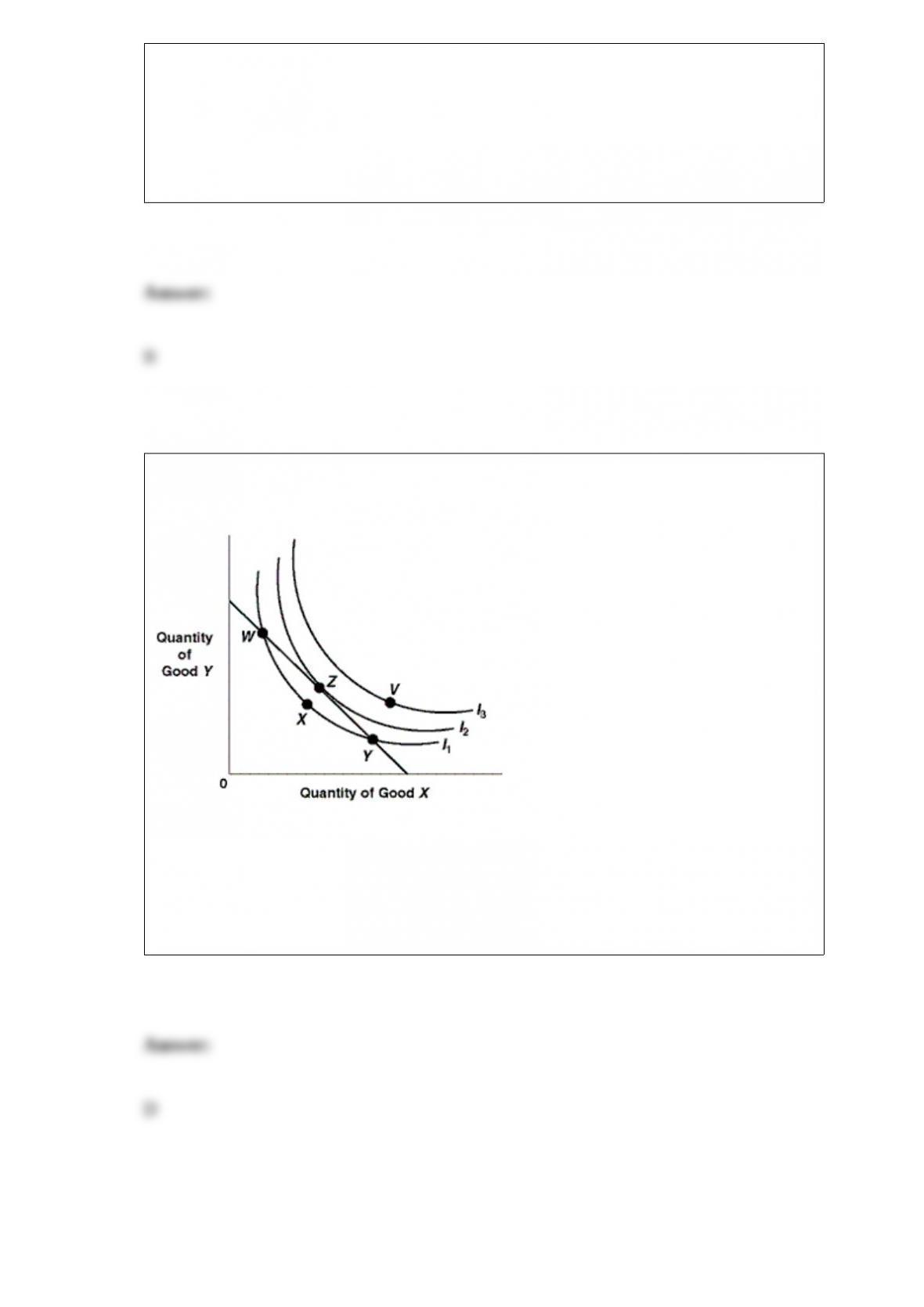
Exhibit 6A-2 Consumer equilibrium
Given the budget line and indifference curves shown in Exhibit 6A-2, assume the
consumer is initially at point W. To maximize total utility, the consumer should:
a. purchase more of good Y and less of good X.
b. remain at point W.
c. move to point X and then point Y.
d. purchase more of good X and less of good Y.

The distribution of income has become more equal since 1929.
A graph can be used to illustrate the relationship between the price of compact discs and
the quantity of compact discs demanded. If there is evidence that buyers’ income also
influences the demand for compact discs, then a movement along the curve can be
caused by a change in the price of compact discs.
If free trade is opened between two countries, then one country must gain at the other
country’s expense.
The price system eliminates scarcity.

Marginal factor cost (MFC) is the same as the wage rate for a monopsonist.
In a monopolistic competitive industry, short-run economic profit encourages entry of
new firms until there are no economic profits in the long-run.