
Consumer surplus is the:
a. amount by which the quantity supplied of a good exceeds the quantity demanded of a
good.
b. measure of consumes’ willingness to buy a good plus the price of the good.
c. measure of how much consumers value a good.
d. amount consumers are willing to pay for a good minus the amount the consumers
actually pays for it.
Which of the following pairs is most likely to represent complementary goods?
a. Hotels and campgrounds.
b. Butter and margarine.
c. Bacon and eggs.
d. Miniature golf and bowling.
e. Coffee and tea.
Producer surplus is the:
a. amount by which the quantity supplied of a good exceeds the quantity demanded of a
good.
b. measure of producers’ willingness to sell a good plus the price of the good.
c. measure of how much producers value a good.
d. amount consumers actually pay for a good minus the amount the sellers are willing to
sell the good.

Good A has a price elasticity of demand of .27, while good B has a price elasticity of
demand of 2.9. To raise the most tax revenue, the government should:
a. place a unit tax on good A.
b. place a unit tax on good B.
c. raise the price elasticity of demand for good A.
d. subsidize the production of good B.
e. cut its spending for various social programs.
When negative externalities like pollution exist, competition leads to:
a. a socially efficient outcome.
b. too few goods being bought and sold.
c. a market equilibrium price that is too high.
d. more production than would be efficient.
A utility-maximizing consumer would never purchase a good if the:
a. MU/P is positive.
b. marginal utility is positive.

c. marginal utility is negative.
d. none of these is correct.
Unintended costs that are imposed in third parties as a result of an economic activity are
called:
a. marginal costs.
b. direct costs.
c. negative externalities.
d. positive externalities.
e. positive costs.
A rightward shift of a demand curve is called a(n):
a. increase in demand.
b. decrease in demand.
c. increase in quantity demanded.
d. decrease in quantity demanded.
e. increase in supply.

A price floor that sets the price of a good above market equilibrium will cause:
a. a decrease in quantity demanded of the good.
b. an increase in quantity supplied of the good.
c. a surplus of the good.
d. all of these.
The short run is a period of time:
a. in which a firm uses at least one fixed input.
b. that is long enough to permit changes in the firm’s plant size.
c. in which production occurs within one year.
d. in which production occurs within six months.
Exhibit 9-9 A monopolist
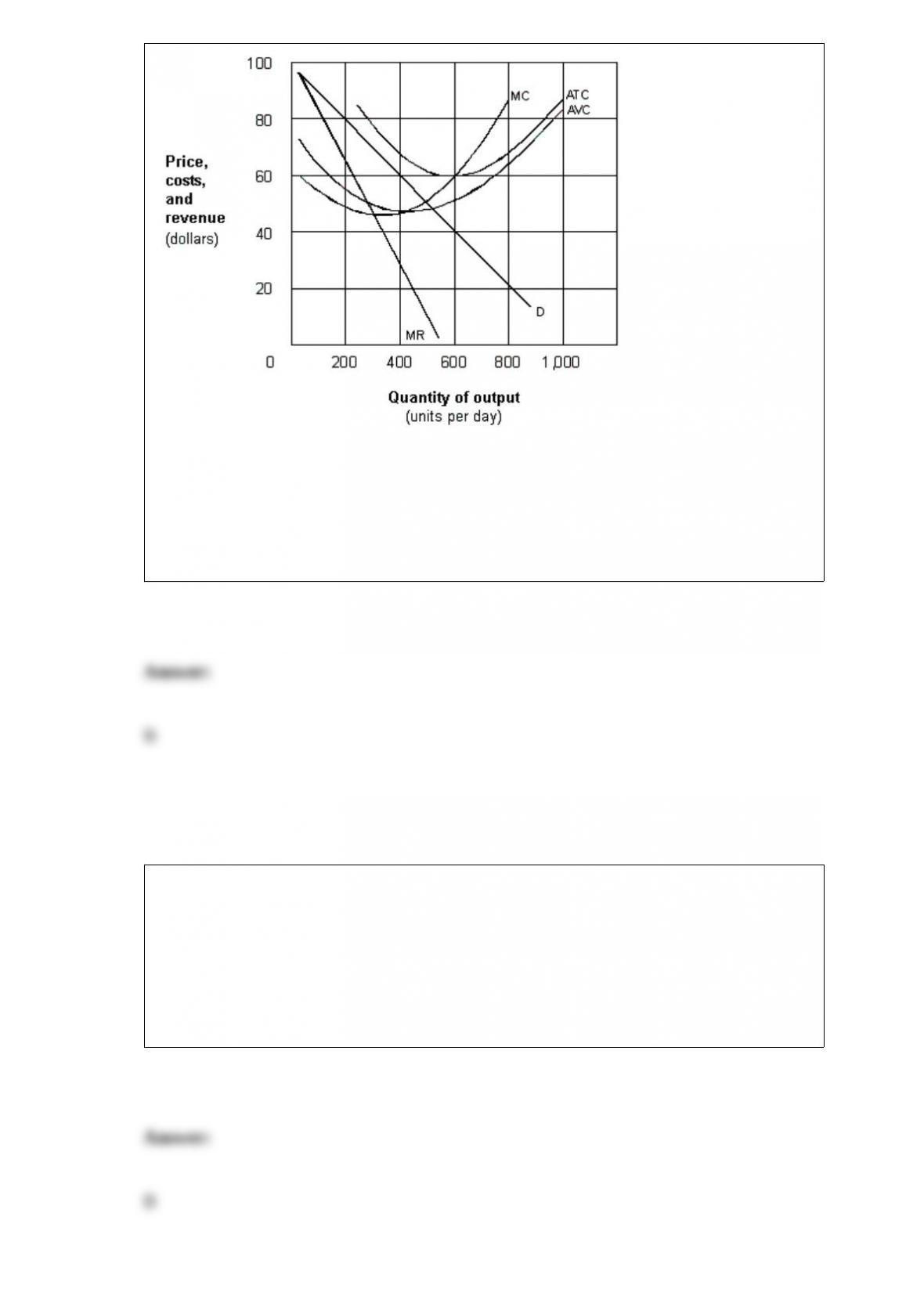
In Exhibit 9-9, at the profit-maximizing or loss-minimizing output, the monopolist’s
total economic profit is:
a. positive.
b. negative.
c. zero.
d. minimum.
The Smith family buys much more macaroni when someone in the family is laid off.
This means that the Smiths’ ____ is negative.
a. demand curve for macaroni
b. income elasticity for macaroni
c. Engel’s law
d. income
e. price elasticity of demand for macaroni
Which of the following would be considered an implicit cost?
a. Health insurance of employees paid for by the firm
b. The water bill of the firm
c. The salaries paid to the managers of the firm
d. Foregone rent on assets owned by the firm
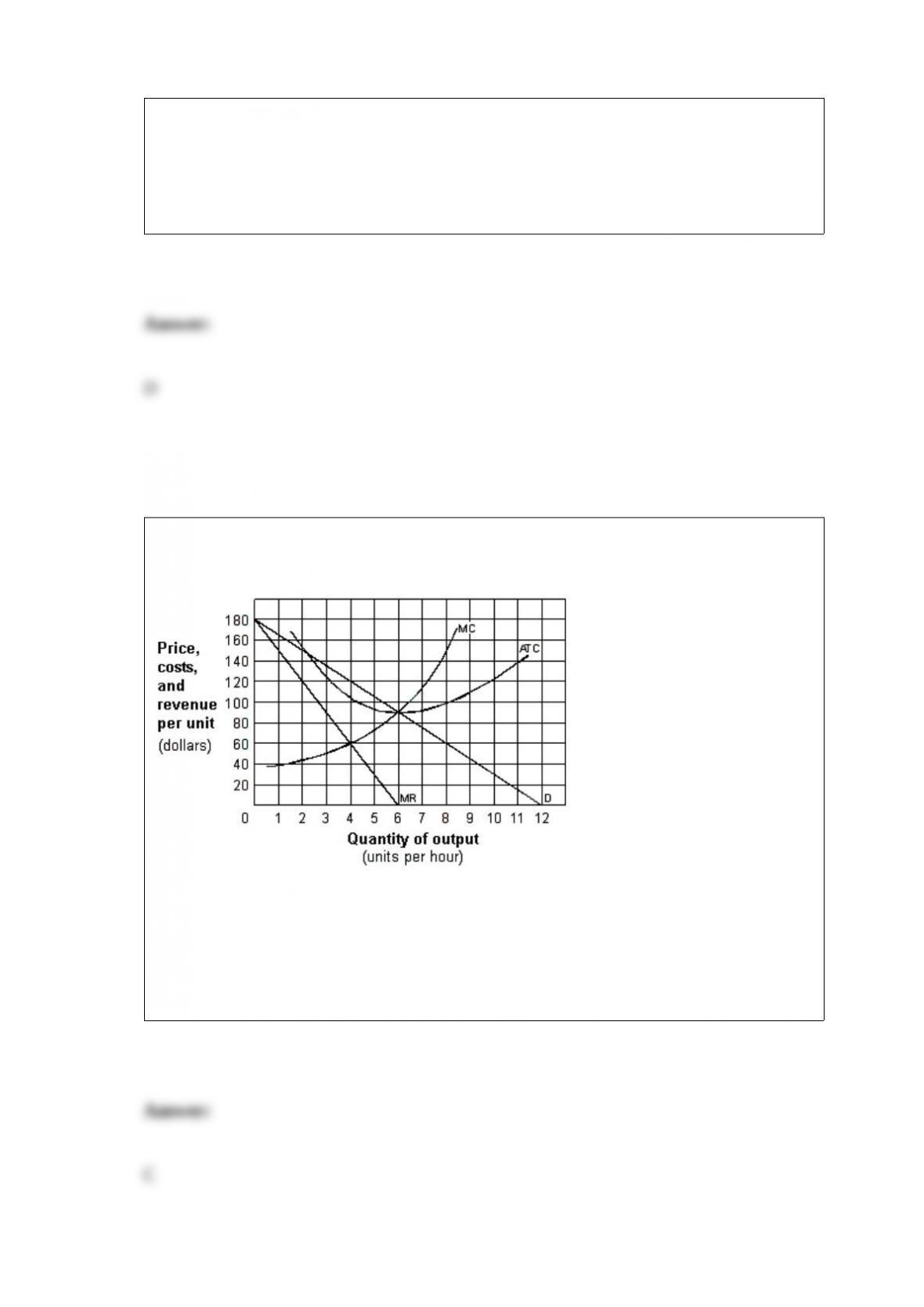
Exhibit 9-4 Demand and cost curves for a monopolist
As shown in Exhibit 9-4, in order to maximize its profit (or minimize its loss), what
price should the monopoly charge for its product?
a. $60 per unit.
b. $90 per unit.
c. $120 per unit.
d. $150 per unit.
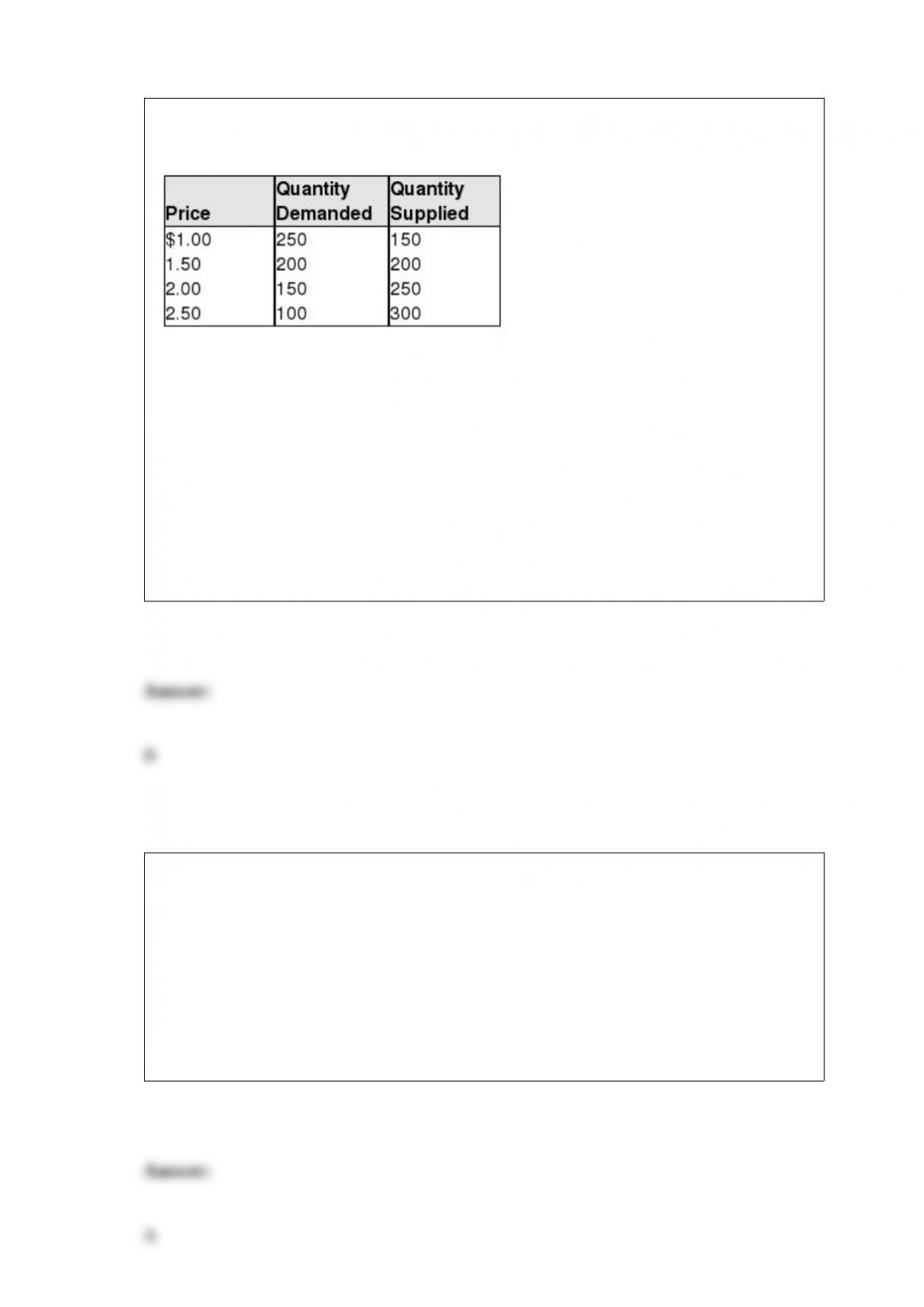
Exhibit 3-12 Supply and demand data
In Exhibit 3-12, which of the following occurs at a price of $1.00?
a. A shortage puts a downward pressure on price.
b. Quantity demanded exceeds quantity supplied, putting upward pressure on price.
c. Quantity supplied exceeds quantity demanded, putting upward pressure on price.
d. The surplus would be so small that there would be only slight upward pressure on
price.
An increase in the demand for tattoos will lead to a:
a. higher price and a larger quantity sold.
b. lower price and a larger quantity sold.
c. higher price and a smaller quantity sold.
d. lower price and a smaller quantity sold
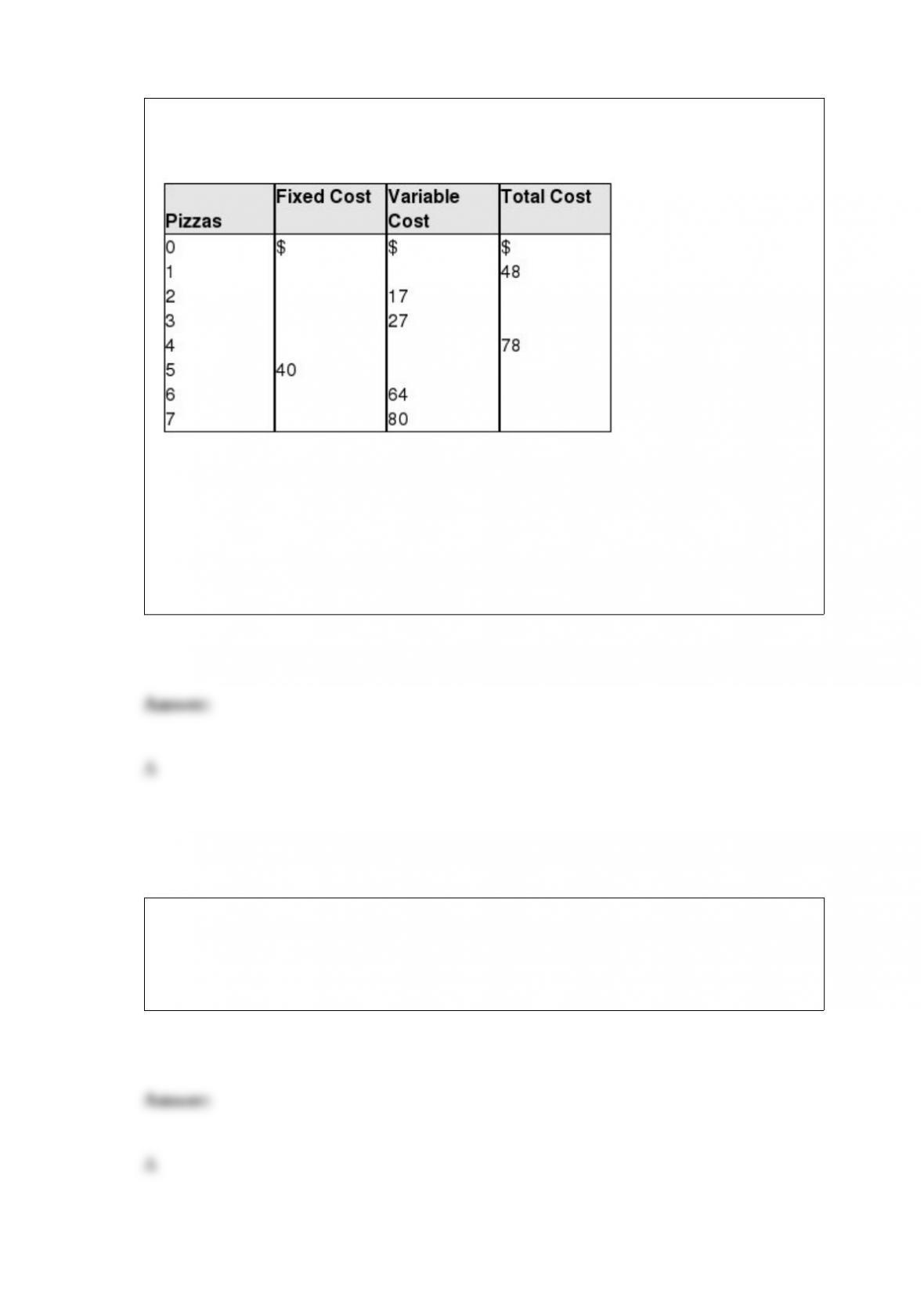
Exhibit 7-12 Cost schedule for producing pizza
By filling in the blanks in Exhibit 7-12, the marginal cost of the third pizza is shown to
be equal to:
a. $10.
b. $11.
c. $12.
d. $13.
e. $14.
If the percentage change in the quantity demanded of a good is greater than the
percentage change in price, price elasticity of demand is:
a. elastic. c. perfectly inelastic.
b. inelastic. d. perfectly elastic.